Industrial Shredder Uses In Fabrication Shop Waste Reduction: A Comprehensive Guide

Introduction to Industrial Shredder Uses In Fabrication Shop Waste Reduction
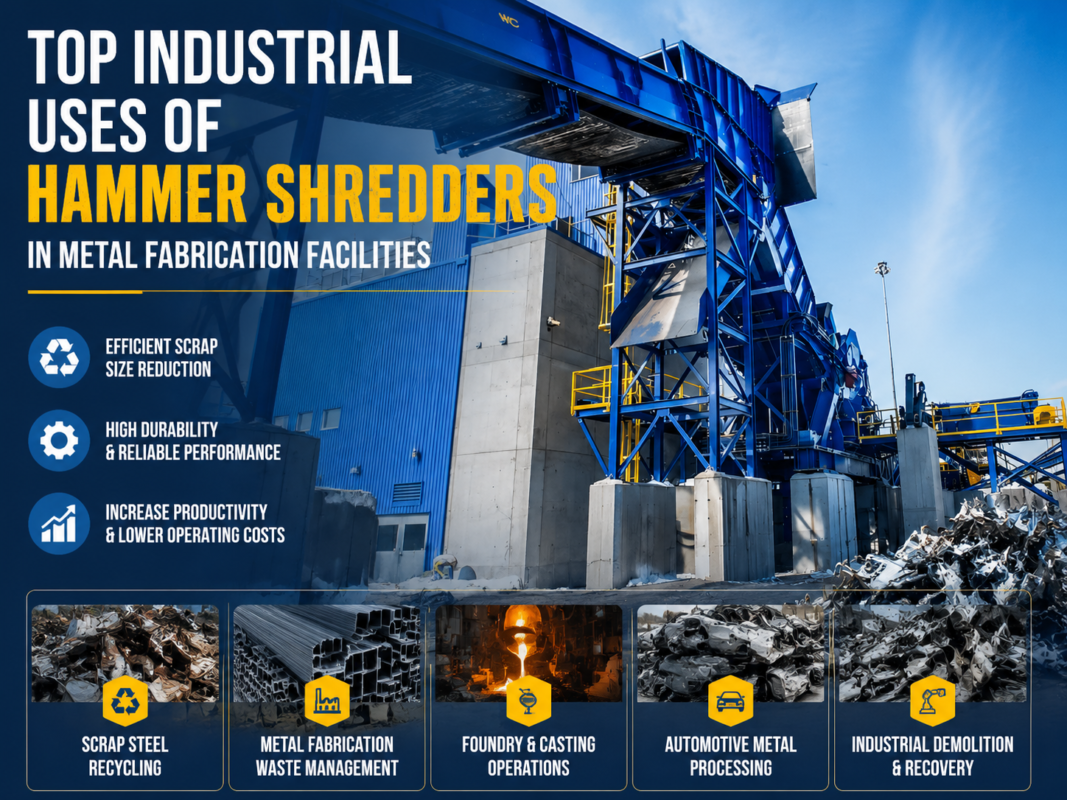
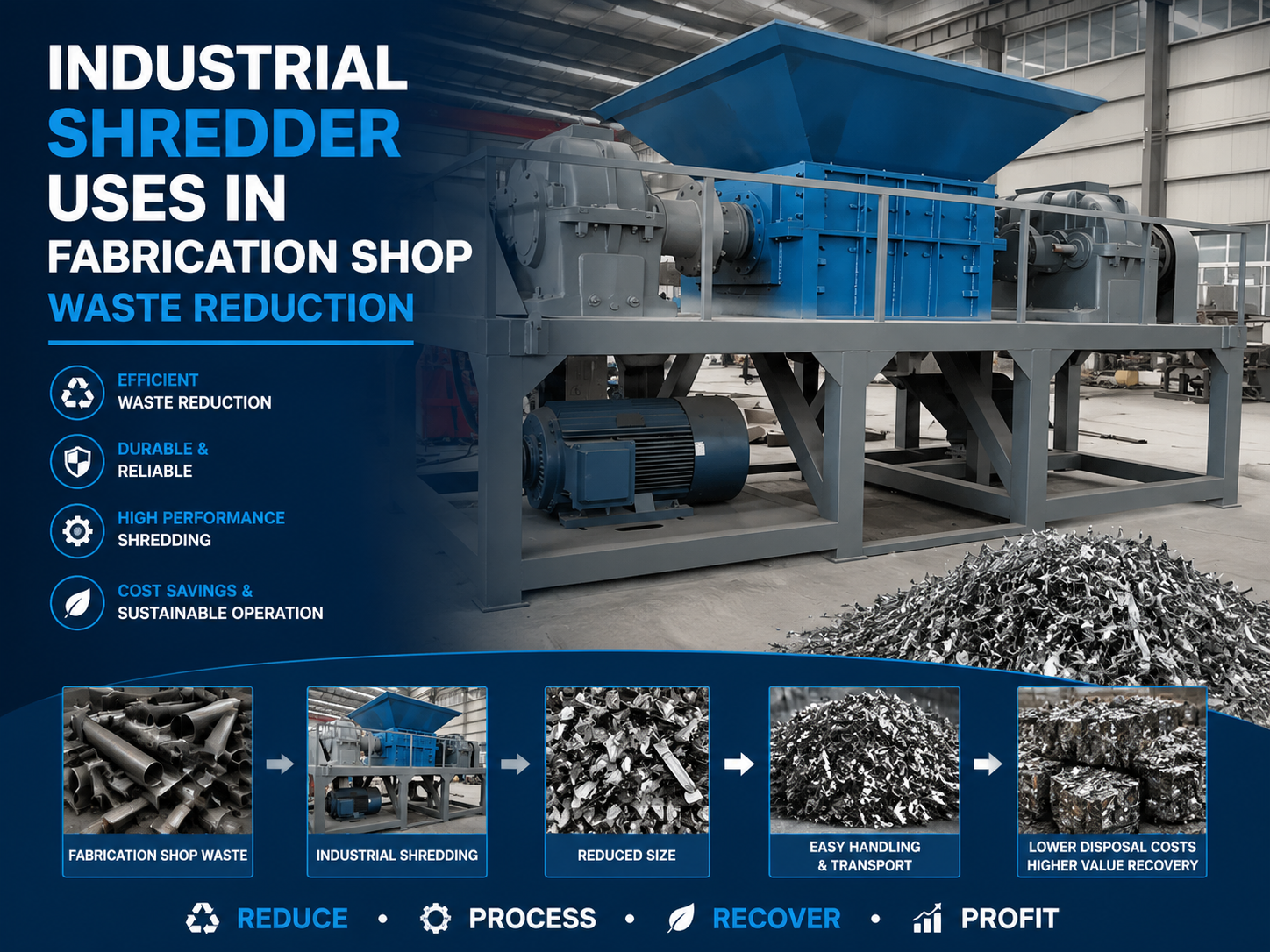
In the modern metal fabrication landscape, efficiency is no longer just about how fast a laser can cut or how precisely a press brake can bend. It is increasingly defined by how a facility manages its output—specifically, its waste. Industrial Shredder Uses In Fabrication Shop Waste Reduction have become a cornerstone of lean manufacturing, transforming bulky, hazardous, and low-value scrap into manageable, high-density material that is easier to transport, safer to handle, and significantly more profitable to recycle.
Metal fabrication shops generate a diverse array of waste, ranging from thin-gauge sheet metal skeletons and stamping offcuts to thick structural steel remnants and long, tangled CNC turnings. Without proper processing, this waste consumes valuable floor space, creates safety hazards for workers, and incurs high logistics costs due to its low bulk density. By integrating an industrial shredder into the workflow, fabrication shops can reduce the volume of their waste by up to 80%, fundamentally changing the economics of scrap management.
HARSLE recognizes that the transition to a zero-waste or reduced-waste environment requires robust, high-torque machinery capable of handling the rigors of metal processing. This guide explores the multifaceted applications of industrial shredders in the fabrication industry, detailing how they contribute to operational excellence and environmental sustainability.
Application Scenarios for Industrial Shredders
Processing Sheet Metal Skeletons
One of the most common waste streams in a fabrication shop is the ‘skeleton’ left over after laser, plasma, or waterjet cutting. These large, awkward frames of metal are difficult to stack and take up immense amounts of space in scrap bins. Industrial shredders are used to break these skeletons down into small, uniform chips. This not only saves space but also allows for more efficient loading of transport vehicles, ensuring that every trip to the recycler is maximized for weight rather than volume.
Managing CNC Turnings and Swarf
CNC machining centers produce long, stringy turnings (often called ‘bird’s nests’) that are notoriously difficult to handle. These turnings are often coated in cutting fluids, making them an environmental hazard if not stored correctly. Shredders designed for swarf reduction break these long strands into short, shovelable chips. This process also facilitates the recovery of expensive coolants and oils through centrifugal separation, which can then be filtered and reused in the production line.
Stamping and Punching Offcuts
High-speed stamping operations produce a constant stream of small metal slugs and offcuts. While these are already small, they often have sharp edges and can be difficult to move in bulk. Shredders help in homogenizing this waste, ensuring that it can be conveyed automatically into silos or bins without the risk of jamming or bridging. This automation reduces the need for manual labor in waste handling, allowing staff to focus on value-added fabrication tasks.
Packaging and Ancillary Waste
Fabrication shops don’t just produce metal waste; they also deal with significant amounts of wooden pallets, plastic strapping, and cardboard packaging from raw material deliveries. Multi-purpose industrial shredders can be configured to handle these non-metal materials, allowing the shop to consolidate all waste reduction efforts into a single department. This holistic approach to waste management is a key component of modern industrial sustainability initiatives.
Material and Process Requirements
Material Diversity and Tensile Strength
The primary requirement for an industrial shredder in a fabrication setting is the ability to handle a wide range of materials. This includes carbon steel, stainless steel, aluminum, and occasionally copper or brass. Each material has different tensile strengths and ductility. For instance, stainless steel is significantly tougher on shredder blades than aluminum. Therefore, the machine must be equipped with high-grade alloy steel blades (such as D2 or SKD-11) that are heat-treated to withstand the abrasive nature of metal scrap.
Input Size and Feed Mechanisms
The physical dimensions of the waste dictate the size of the shredder’s hopper and the configuration of its cutting chamber. Large laser skeletons require a wide-mouth hopper and often a horizontal feed system to prevent bridging. For smaller offcuts, a standard gravity-fed hopper is usually sufficient. The process must also account for the thickness of the material; heavy-duty shredders are required for plate steel over 6mm, whereas lighter machines can handle thin-gauge sheet metal and turnings.
Throughput and Duty Cycle
Fabrication shops must match the shredder’s capacity with their production output. A high-volume shop running three shifts requires a shredder with a continuous duty cycle and a robust cooling system for the hydraulic or electric drive. Calculating the required tons-per-hour (TPH) is critical to ensure the shredder does not become a bottleneck in the facility’s overall workflow.
Safety and Environmental Standards
Processing metal scrap is inherently noisy and can produce dust or fine particulates. Shredders must be equipped with sound-dampening enclosures and, in some cases, dust extraction systems to maintain a safe working environment. Furthermore, the process must comply with local environmental regulations regarding the handling of oily scrap and the prevention of fluid leaks into the shop floor.
Recommended Machine Configuration
| Feature | Single-Shaft Shredder | Double-Shaft Shredder | Four-Shaft Shredder |
|---|---|---|---|
| Primary Use | Uniform particle size, plastic/wood | High-volume metal scrap, skeletons | Heavy-duty, precise sizing, bulky items |
| Drive System | Electric motor with gearbox | Dual electric or hydraulic motors | High-torque hydraulic drives |
| Blade Type | Rotary cutters with screen | Interlocking hook-style blades | Multiple layers of cutting discs |
| Torque Level | Medium | High | Very High |
| Best For | Aluminum turnings, light scrap | Steel skeletons, mixed metal waste | Thick plates, structural scrap |
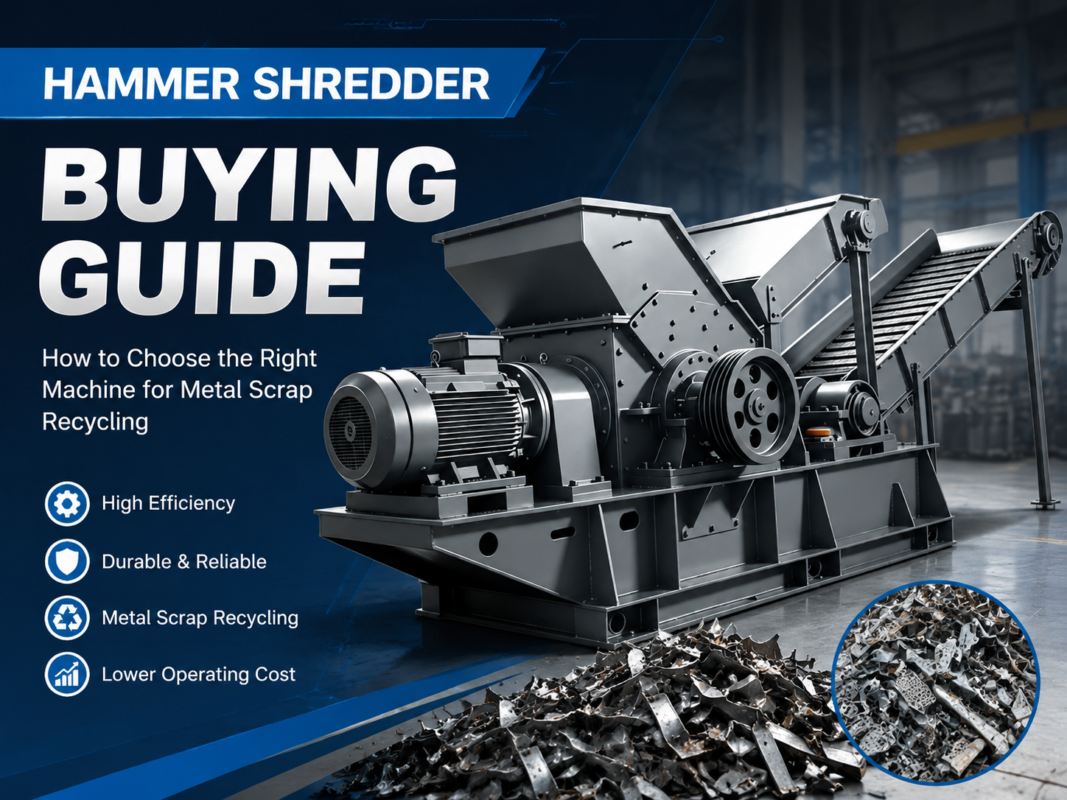
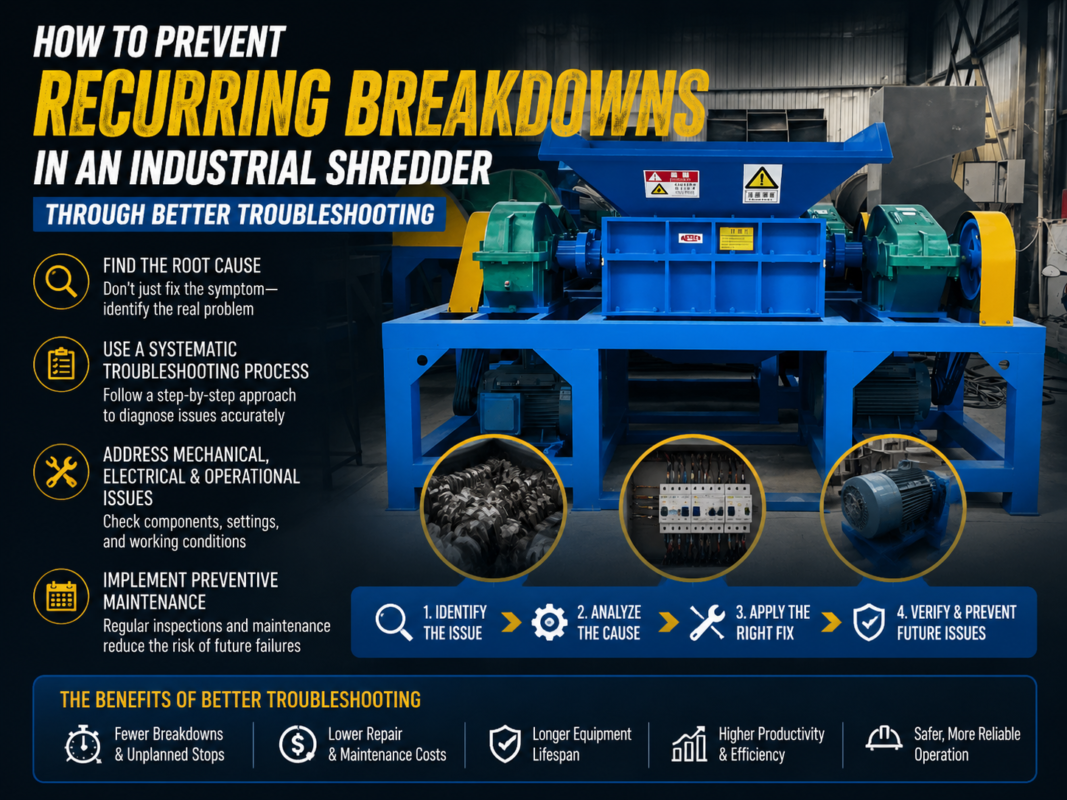
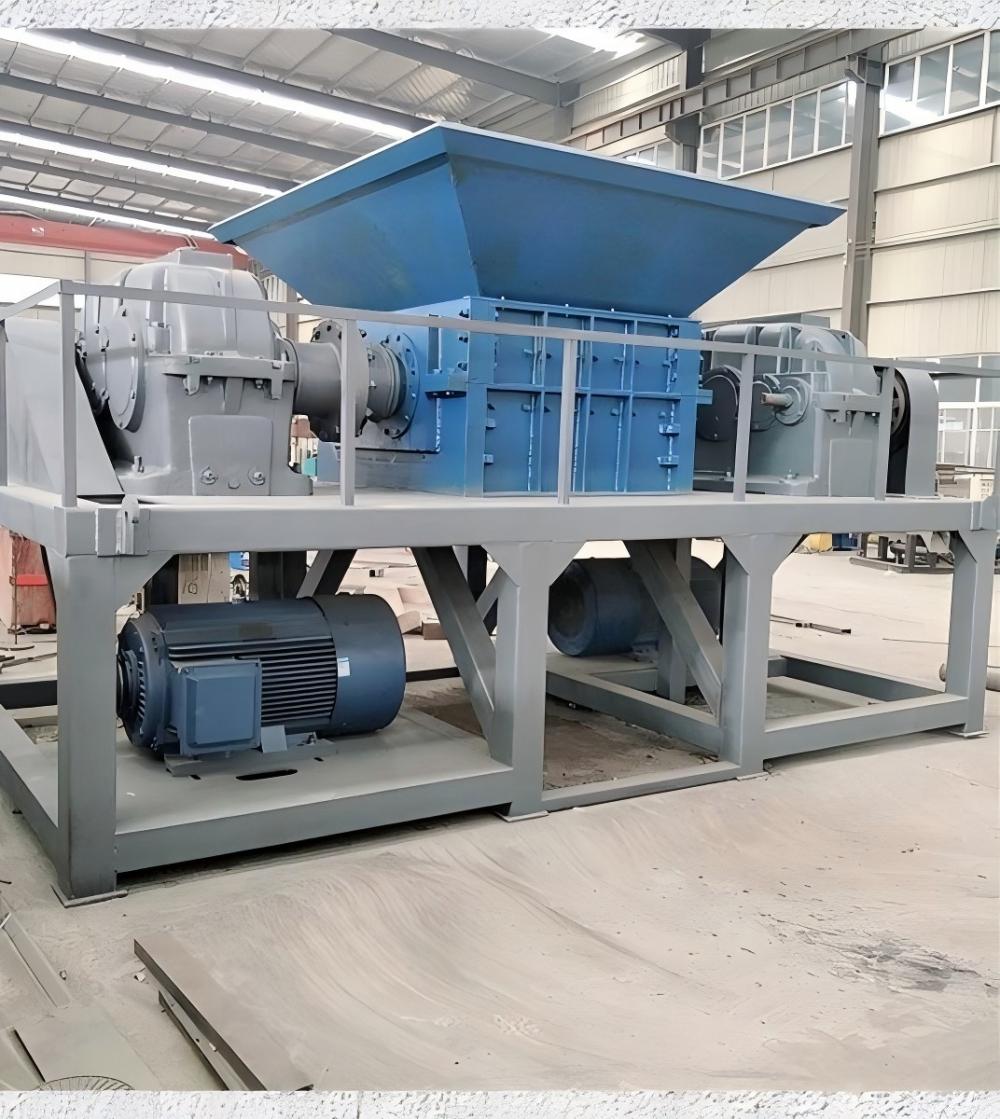
For most metal fabrication shops, a Double-Shaft Shredder is the recommended configuration. These machines utilize two counter-rotating shafts with interlocking blades that pull the material into the cutting chamber. This design provides high torque and is exceptionally effective at ‘grabbing’ large, flat pieces like sheet metal skeletons. Unlike single-shaft shredders, double-shaft models do not typically require a screen, which prevents clogging when dealing with ductile metals that might smear under heat.
For shops dealing with exceptionally heavy or bulky waste, a Four-Shaft Shredder offers the ultimate in processing power. The additional shafts help in pre-shredding and recirculating larger pieces until they are small enough to pass through the lower cutters, ensuring a consistent output size without the need for secondary processing.
Operational Workflow for Waste Reduction
Step 1: Collection and Sorting
The workflow begins at the source of the waste—the cutting and machining stations. It is vital to sort scrap by material type (e.g., separating aluminum from stainless steel) to maximize the resale value of the shredded output. Mobile bins or conveyor belts are used to transport the sorted scrap to the central shredding area.
Step 2: Feeding the Shredder
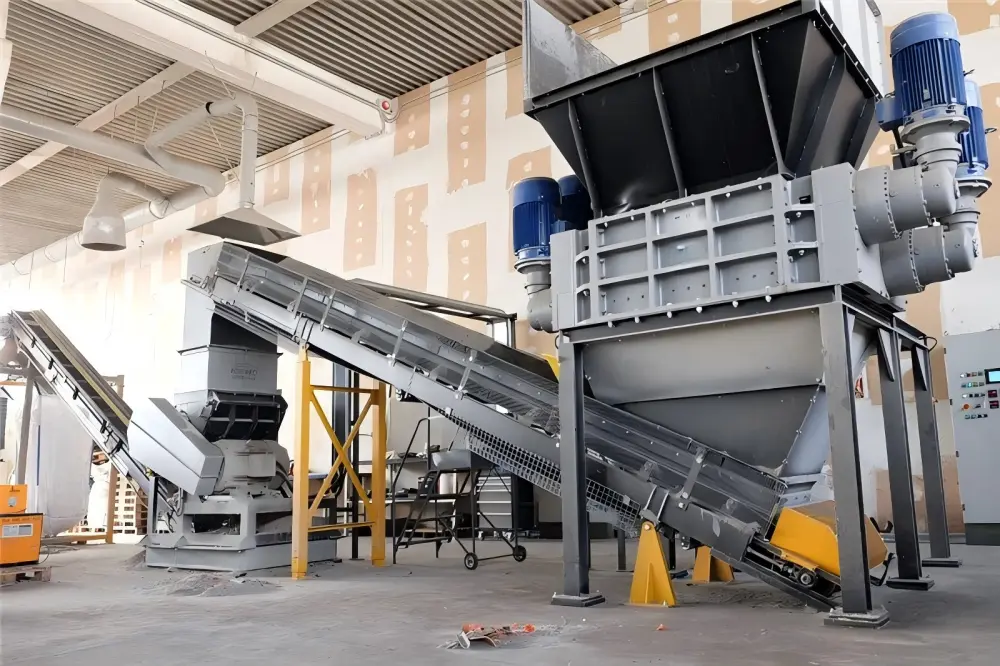
Material is fed into the shredder hopper either manually, via a forklift with a tipping bin, or through an automated vibrating conveyor. Automated feeding is preferred for high-volume operations as it ensures a steady flow of material, preventing the motor from overloading and maximizing the machine’s efficiency.
Step 3: The Shredding Process
As the material enters the chamber, the high-torque blades shear, tear, and compress the metal. Modern shredders are equipped with PLC (Programmable Logic Controller) systems that monitor the load on the motors. If a jam is detected (e.g., a piece of metal that is too thick), the shafts automatically reverse to clear the obstruction before attempting to shred again.
Step 4: Separation and Discharge
The shredded material falls onto a discharge conveyor. At this stage, magnetic separators can be used to remove ferrous metals from non-ferrous streams. If the shop processes turnings, the discharge might lead to a centrifuge to reclaim cutting fluids. The final, cleaned, and shredded chips are then deposited into large bags, bins, or silos for transport.
Step 5: Maintenance and Blade Care
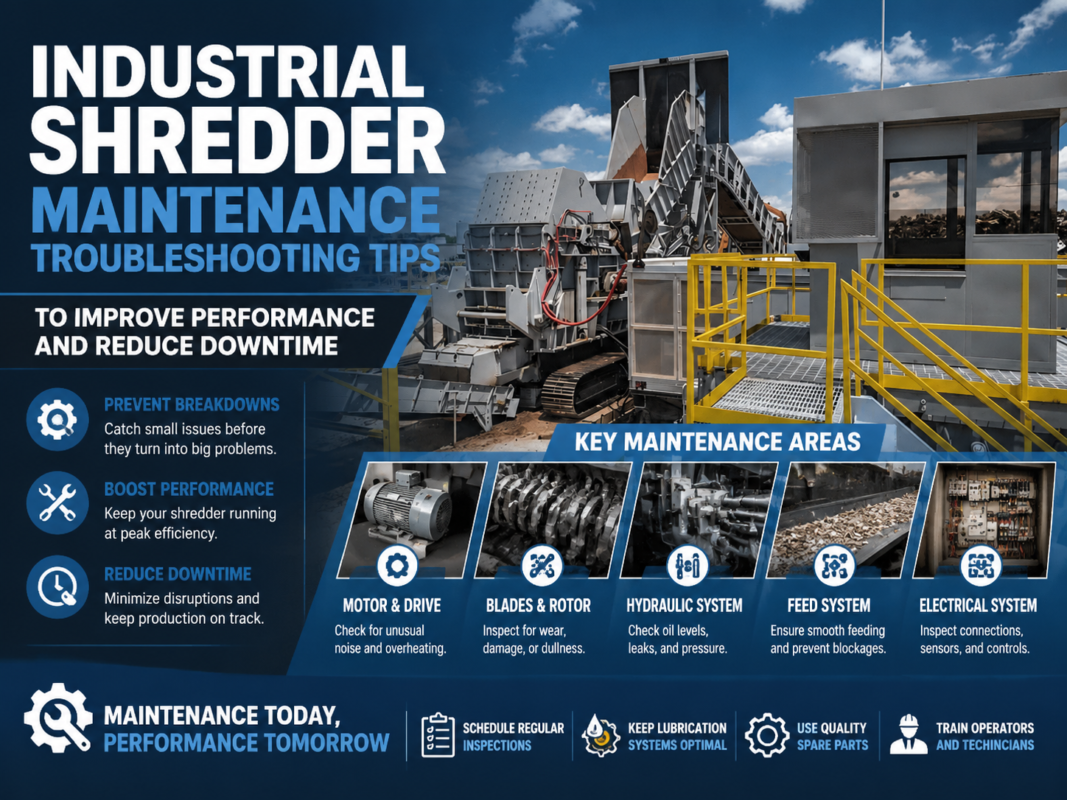
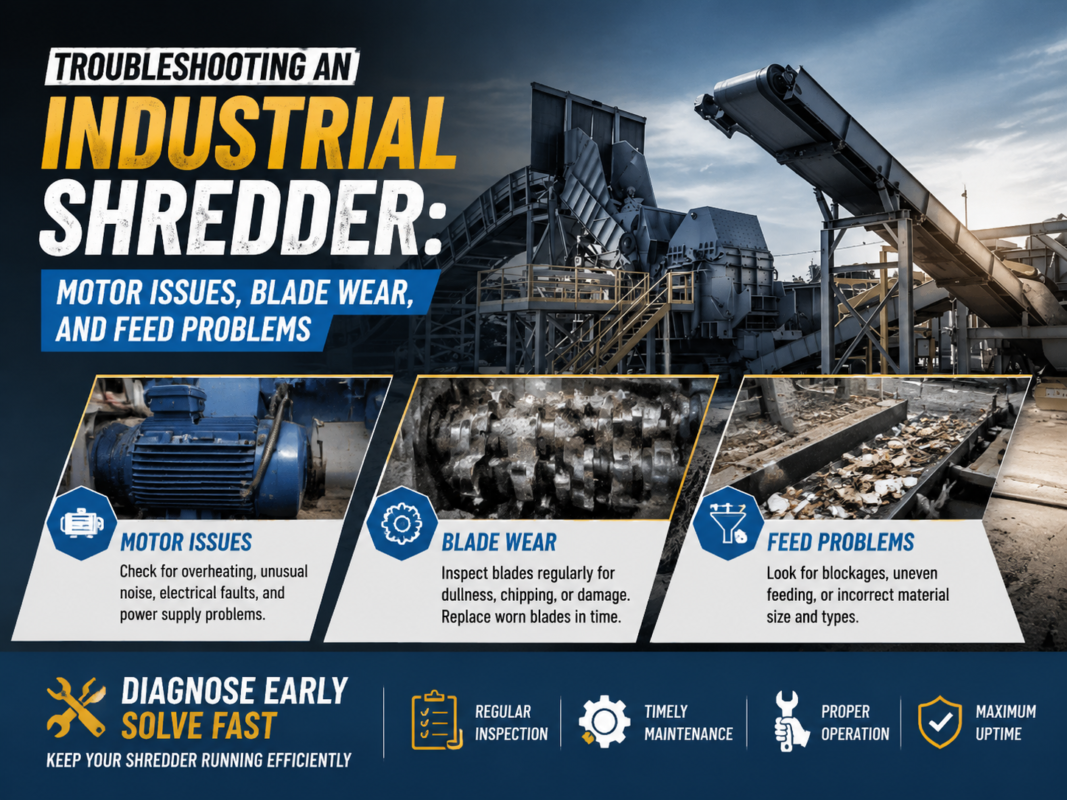
A critical part of the workflow is regular maintenance. Metal shredding is an abrasive process. Operators must inspect blade wear weekly and perform hard-facing or blade replacement as scheduled. Proper lubrication of bearings and gearbox oil changes are essential to ensure the longevity of the equipment.
Productivity and Economic Benefits
Significant Volume Reduction
The most immediate benefit of Industrial Shredder Uses In Fabrication Shop Waste Reduction is the dramatic decrease in waste volume. A bin that previously held 500kg of loose skeletons might hold 2,500kg of shredded chips. This means fewer bins on the shop floor, more space for production machinery, and a cleaner, more organized facility.
Reduced Logistics and Handling Costs
By increasing the density of the scrap, shops can significantly reduce the number of truck trips required to haul waste away. In many cases, the cost of waste disposal is tied to the number of pickups. Shredding allows a shop to consolidate its waste, leading to direct savings in transportation fees and fuel surcharges.
Higher Scrap Resale Value
Recyclers and smelters prefer shredded material because it is easier to melt and handle. Shredded scrap is often classified as a higher grade of material than loose, mixed scrap, fetching a better price per ton. Furthermore, the ability to separate materials (like removing steel fasteners from aluminum parts) further increases the value of the waste stream.
Enhanced Workplace Safety
Loose metal scrap is sharp, heavy, and difficult to move. It is a leading cause of cuts and back injuries in fabrication shops. By automating the waste reduction process and containing the scrap in closed bins or bags, the risk to workers is significantly minimized. A cleaner shop floor also reduces trip hazards and improves overall morale.
Case Example: Mid-Sized Fabrication Shop
Consider a mid-sized fabrication shop specializing in stainless steel enclosures. They produce approximately 40 tons of scrap per month, primarily consisting of 1.5mm to 3mm skeletons and CNC turnings. Before implementing an industrial shredder, they required 20 large roll-off bins per month, and their scrap was sold at a ‘mixed light’ rate.
After installing a HARSLE double-shaft shredder, the shop was able to:
- Reduce the number of monthly scrap pickups from 20 to 4.
- Increase the resale value of their stainless steel scrap by 15% due to the uniform chip size and lack of contamination.
- Reclaim 150 gallons of cutting oil per month from their shredded turnings.
- Free up 1,200 square feet of floor space previously occupied by overflowing scrap bins.
The total ROI (Return on Investment) for the shredder, including labor savings and increased scrap revenue, was achieved in just 14 months. This case illustrates that Industrial Shredder Uses In Fabrication Shop Waste Reduction is not just an environmental choice, but a strategic financial one.
Frequently Asked Questions (FAQ)
What is the maximum thickness a metal shredder can handle?
The capacity depends on the motor power and blade design. Standard industrial shredders for fabrication shops can typically handle up to 8mm or 10mm steel plate. For thicker materials, heavy-duty primary crushers or specialized hydraulic shears are required.
How often do the blades need to be sharpened?
Blade life varies based on the material being shredded. For aluminum, blades may last several thousand hours. For stainless steel, they may need inspection and hard-facing every 500-800 hours of operation. Many modern shredders feature modular blades that can be replaced individually to save costs.
Can one shredder handle both metal and wood?
Yes, many double-shaft shredders are versatile enough to handle wood pallets and plastic packaging. However, if you are shredding wood, you must ensure that the metal scrap is not contaminated with wood chips if you want to maintain the highest resale value for the metal.
Is a shredder very noisy?
Industrial shredders do generate noise, particularly when shearing thick metal. However, they operate at lower speeds than hammer mills, which makes them significantly quieter. Using acoustic enclosures and vibration-dampening mounts can further reduce noise levels to within OSHA-compliant limits.
What power supply is required for an industrial shredder?
Most industrial shredders require a 3-phase power supply. The horsepower can range from 20HP for light-duty machines to over 200HP for high-capacity systems. It is essential to verify your facility’s electrical capacity before installation.
Conclusion and Call to Action
Industrial Shredder Uses In Fabrication Shop Waste Reduction represent a vital evolution in the metalworking industry. By turning a logistical burden into a streamlined, profitable resource, fabrication shops can improve their bottom line while contributing to a more sustainable manufacturing ecosystem. Whether you are dealing with bulky skeletons, hazardous turnings, or general packaging waste, the right shredding solution can transform your operational efficiency.
At HARSLE, we specialize in providing high-performance metal fabrication machinery, including robust solutions for waste management. Our team of experts is ready to help you select the ideal shredder configuration for your specific material and volume requirements. Don’t let your scrap dictate your floor space—take control of your waste today.
Contact HARSLE to learn more about our industrial shredders and how we can help you optimize your fabrication shop for the future. Visit our website or speak with a technical representative to request a custom quote and ROI analysis.