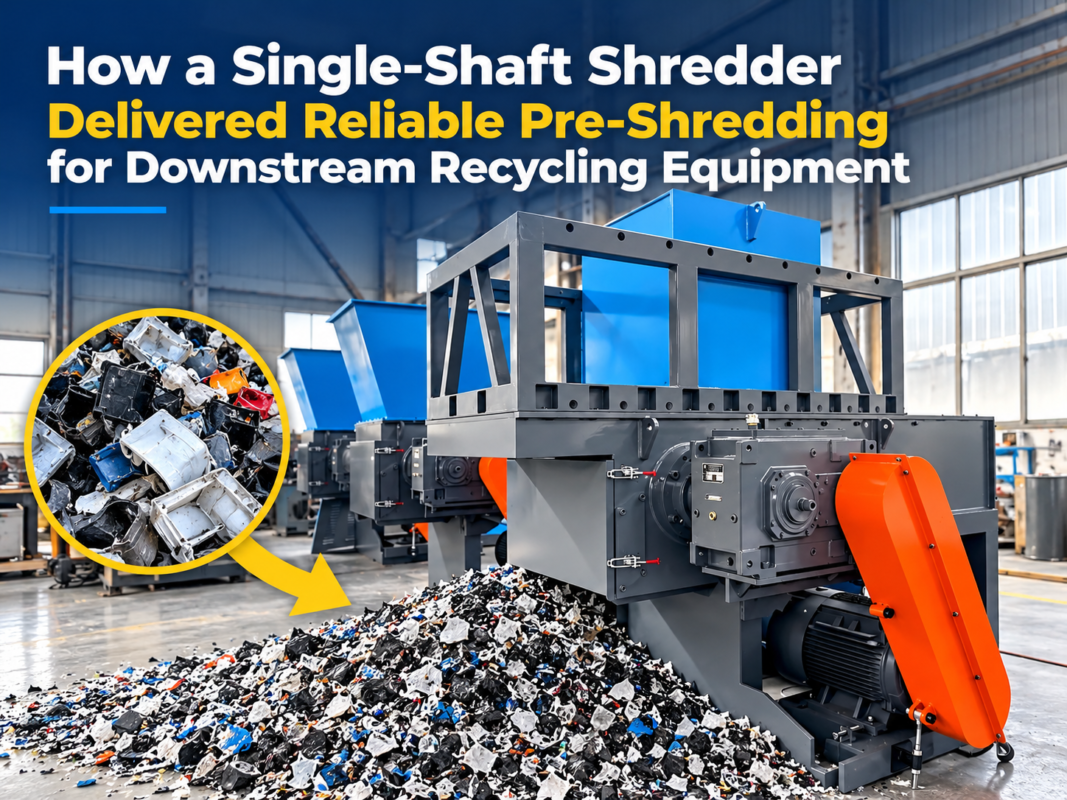
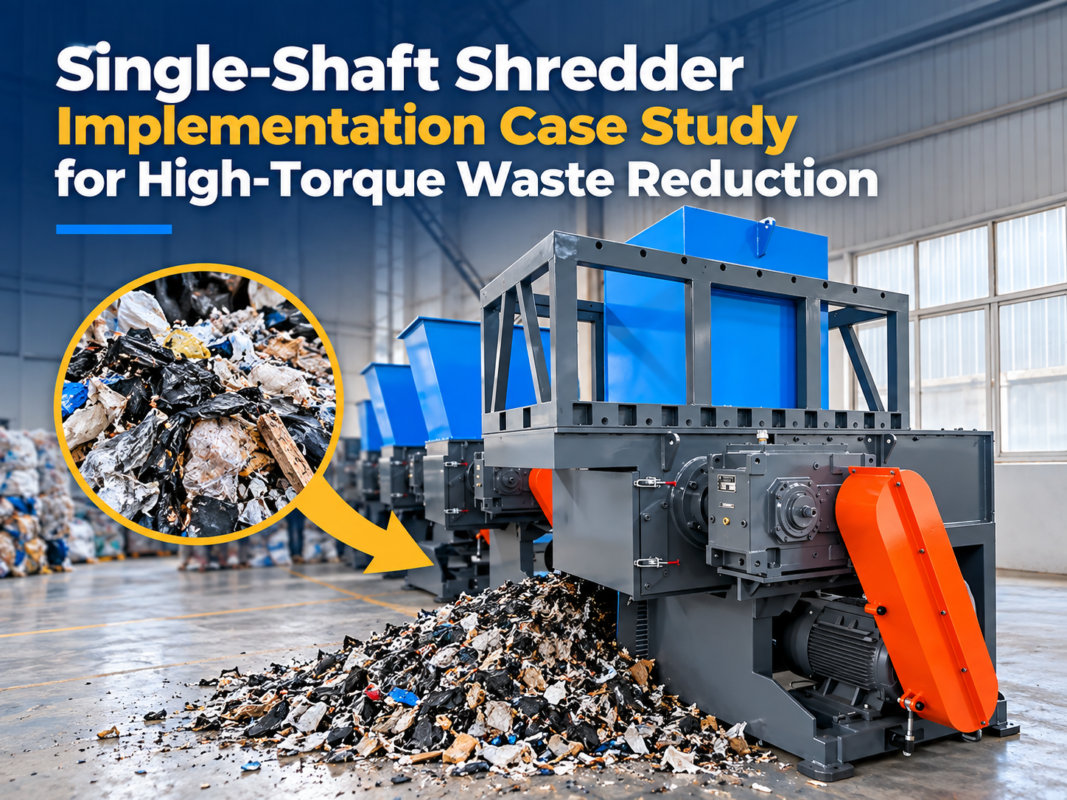
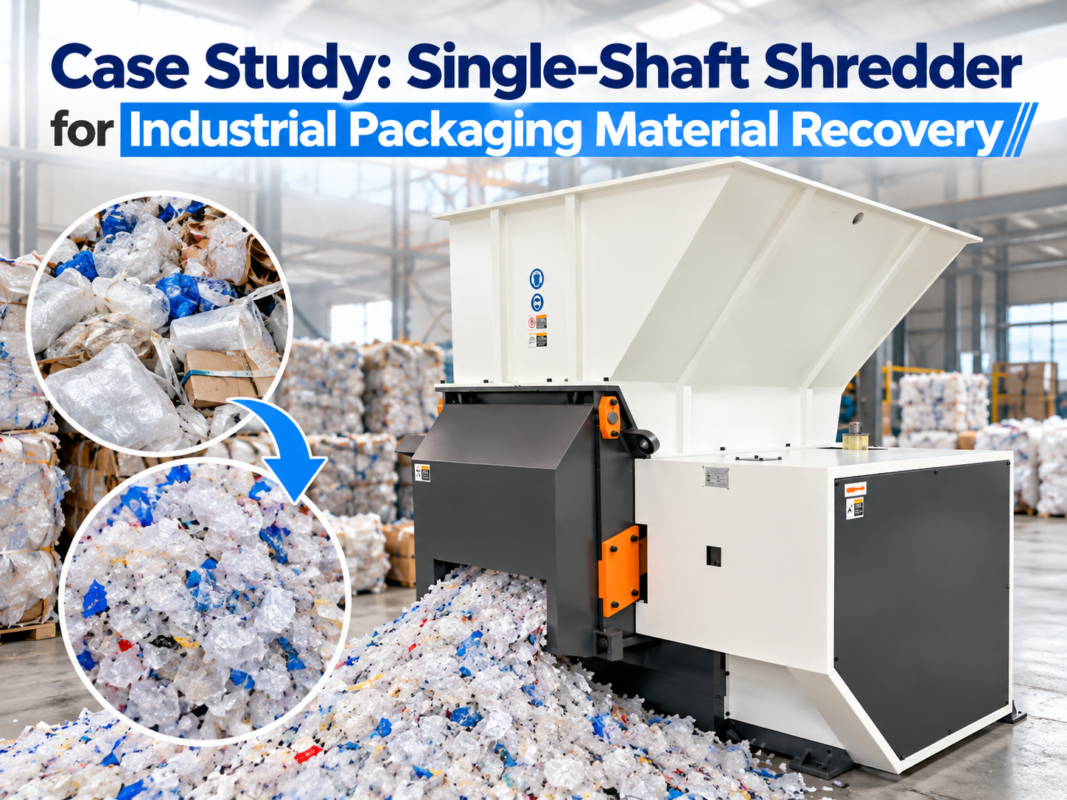
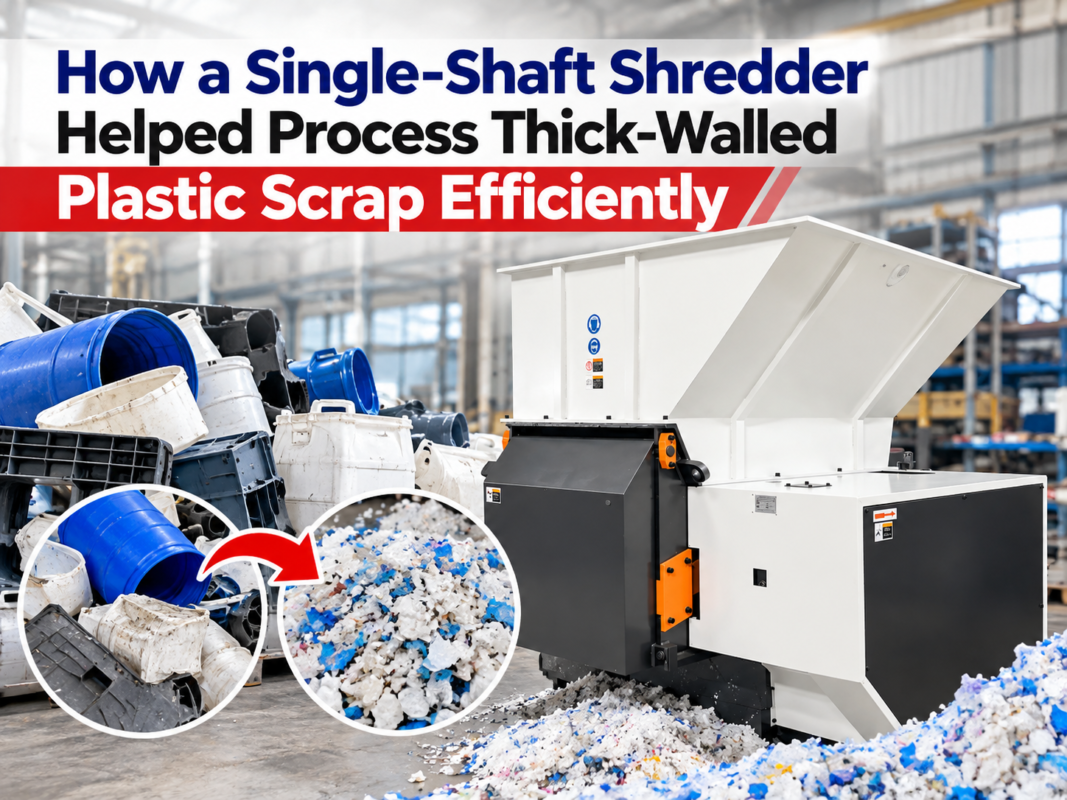
Single-Shaft Shredder Buying Guide: Capacity, Blade Design, and Motor Power Explained

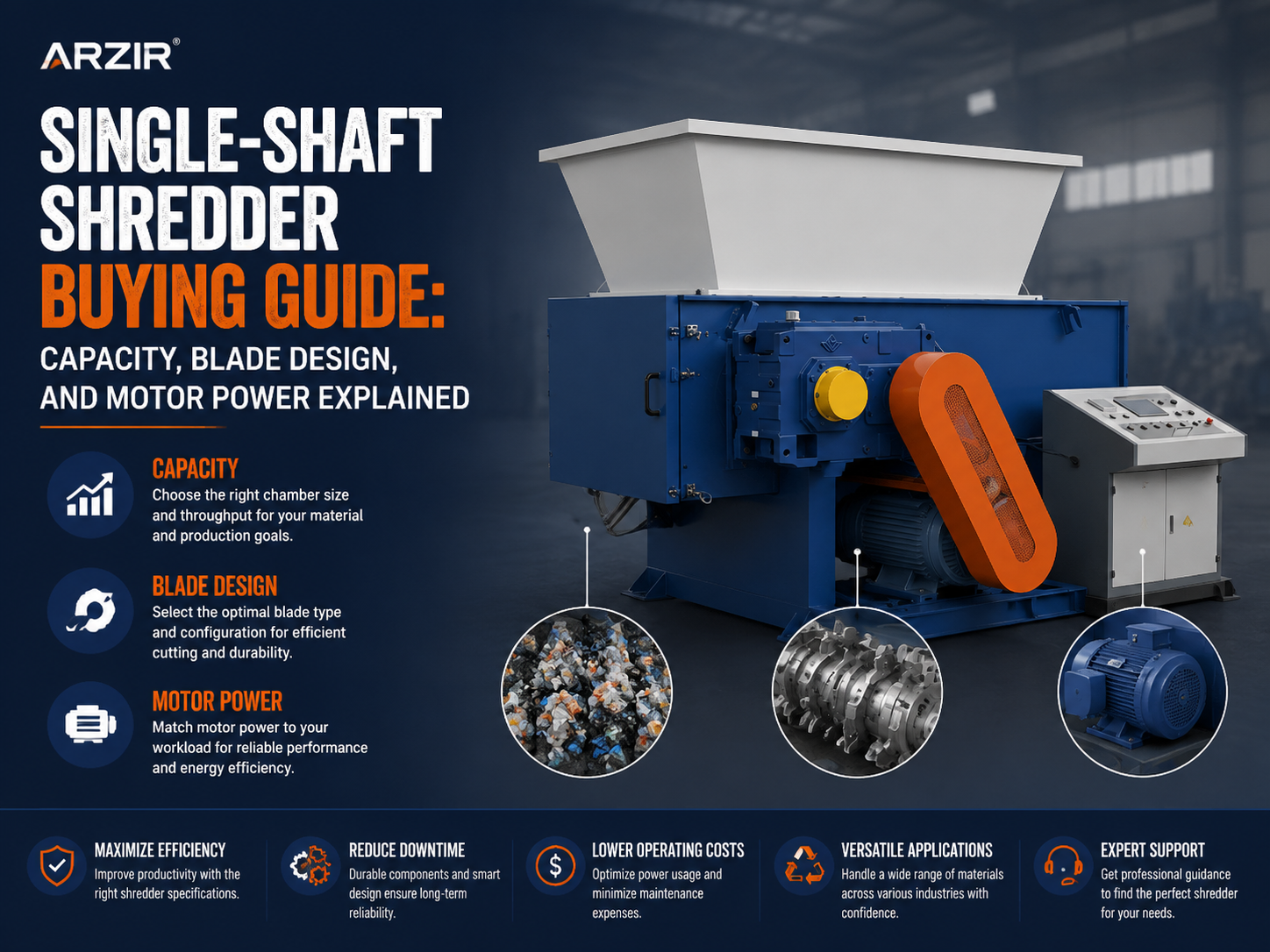
Introduction to Single-Shaft Shredder Procurement
In the modern industrial landscape, the single-shaft shredder has become an indispensable tool for waste reduction, recycling, and material processing. Whether you are dealing with plastics, rubber, wood, or light metal scrap, selecting the right machinery is a high-stakes decision that impacts your operational efficiency for years. This guide, provided by HARSLE, aims to demystify the technical specifications of the single-shaft shredder, focusing on the critical pillars of capacity, blade design, and motor power.
A single-shaft shredder operates by using a large hydraulic pusher to force material against a rotating shaft equipped with specialized blades. Unlike dual-shaft shredders that use high torque and low speed to shear material between two shafts, the single-shaft variety is prized for its ability to produce a consistent, small output size thanks to an integrated screen. Understanding the nuances of these machines is essential for any facility manager or business owner looking to optimize their production line.
Price Range Overview: What to Expect
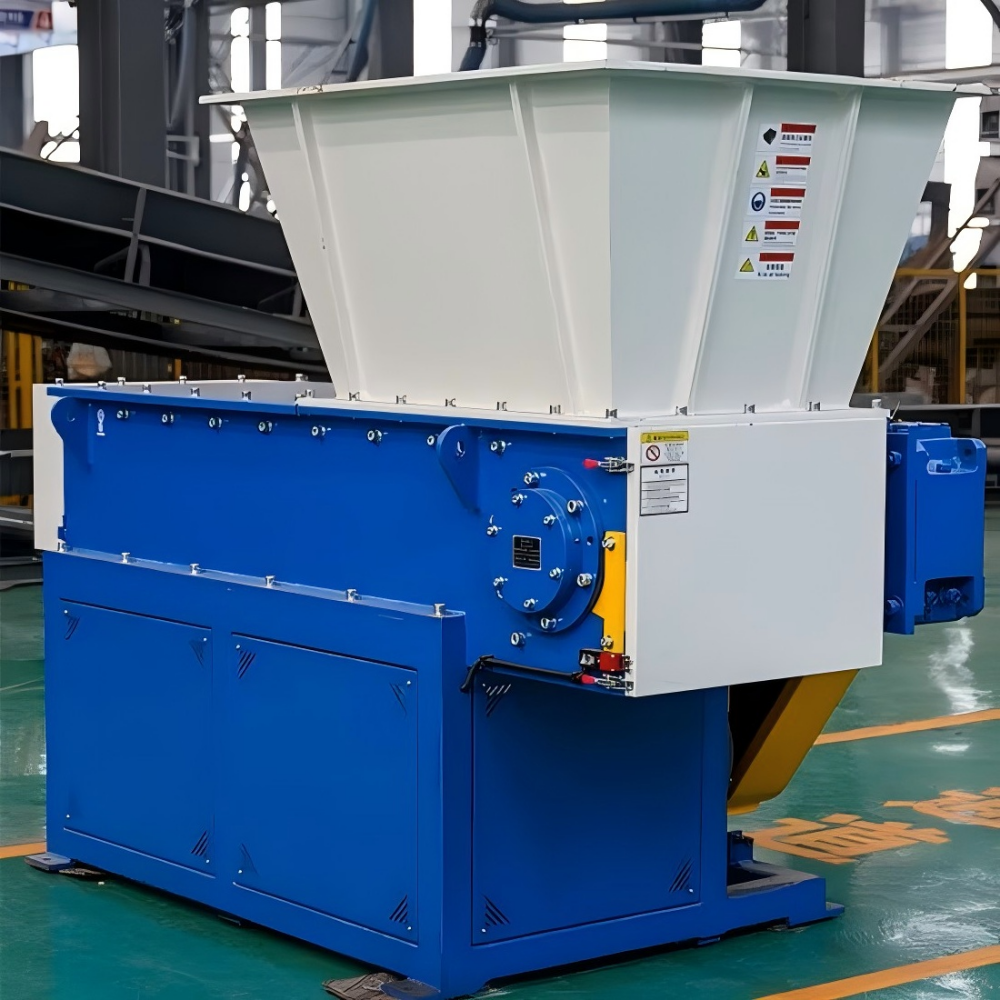
The market for single-shaft shredders is diverse, with prices fluctuating based on build quality, automation features, and throughput capabilities. Generally, industrial-grade shredders can be categorized into three main price tiers:
- Entry-Level / Small Scale ($15,000 – $35,000): These machines are typically designed for light plastics or wood offcuts. They feature smaller motors (15kW – 30kW) and narrower rotors. They are ideal for small workshops or laboratories where volume is secondary to space and budget.
- Mid-Range / Standard Industrial ($40,000 – $85,000): This is the most common category for professional recycling facilities. These machines offer robust frames, hydraulic pushers with adjustable pressure, and motors ranging from 45kW to 90kW. They can handle tougher materials like thick-walled HDPE pipes or rubber.
- Heavy-Duty / High-Capacity ($90,000 – $200,000+): Designed for 24/7 operation, these shredders feature massive rotors, reinforced chambers, and dual-motor configurations. They are often integrated into fully automated recycling lines and include advanced PLC controls for remote monitoring.
When evaluating the price, it is crucial to look beyond the initial sticker price. A cheaper machine with a thin frame may vibrate excessively, leading to premature bearing failure and frequent downtime, which ultimately costs more than a premium HARSLE unit over its lifecycle.
Main Cost Drivers in Shredder Manufacturing
Several factors contribute to the final cost of a single-shaft shredder. Understanding these helps buyers distinguish between a “budget” machine and a “value” machine. The primary cost drivers include:
1. Raw Material and Frame Construction
The weight of the machine is a direct indicator of its durability. High-quality shredders use thick, carbon steel plates that are precision-welded and stress-relieved. A heavier frame absorbs the immense vibrations generated during the shredding of hard materials, protecting the internal components.
2. Hydraulic System Quality
The hydraulic pusher is the heart of the single-shaft shredder. Premium systems use high-pressure pumps and valves from reputable brands like Rexroth or Vickers. The sophistication of the hydraulic logic—how the pusher reacts when it encounters a hard object—significantly impacts the machine’s lifespan and throughput.
3. Control Systems and Automation
Modern shredders utilize PLC (Programmable Logic Controller) systems, often from Siemens or Schneider. These systems manage the auto-reverse function (to prevent jams), monitor motor load, and provide diagnostic data. Advanced software that optimizes the pusher speed based on real-time motor amperage is a significant cost driver but offers massive efficiency gains.
Configuration Impact: Capacity, Blade Design, and Motor Power
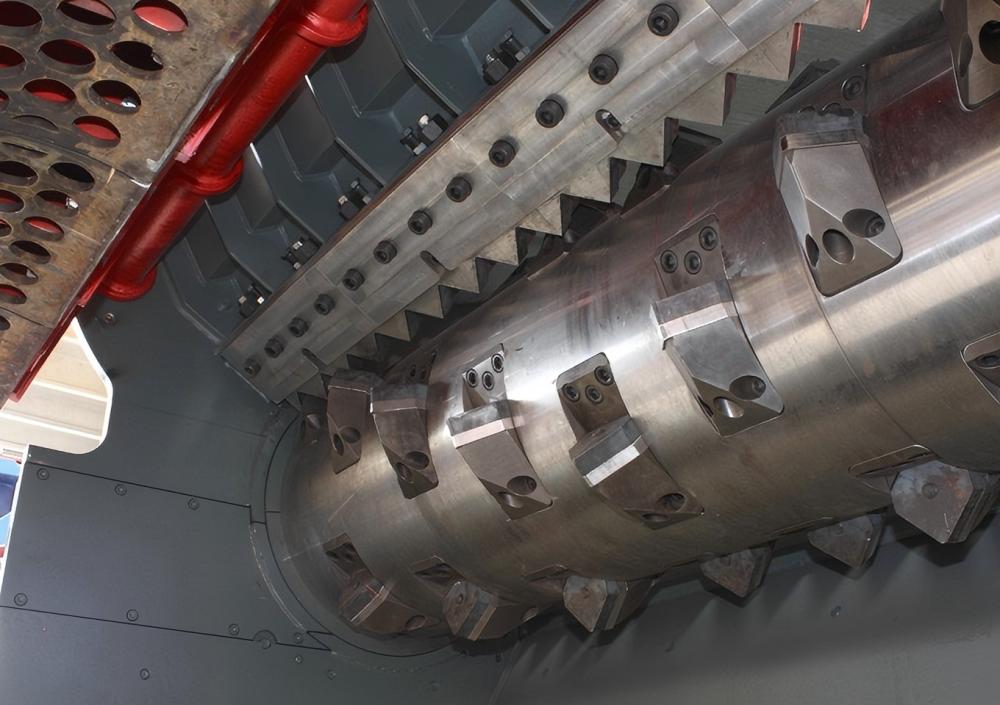
The core of the Single-Shaft Shredder Buying : Capacity, Blade Design, Motor Power Explained philosophy lies in how these three elements interact. A mismatch in any of these will lead to inefficiency.
Capacity: More Than Just Throughput
Capacity is often measured in kilograms per hour (kg/h), but this figure is highly dependent on the material’s bulk density and the screen size used. For instance, a shredder might process 2,000 kg/h of solid plastic blocks but only 500 kg/h of loose plastic film. When discussing capacity with a manufacturer, always specify your material type and the desired final flake size.
Blade Design: The Cutting Edge
Blade geometry and material are critical. Most industrial shredders use square, concave blades that can be rotated four times before needing replacement. However, the alloy used (such as D2, DC53, or SKD-11) determines how long the edge stays sharp. For abrasive materials like glass-filled plastics, specialized coatings or harder alloys are required. The arrangement of the blades on the rotor (V-shape vs. staggered) also affects how the machine “bites” into the material.
Motor Power: Torque is King
While horsepower or kilowatts are the standard metrics, torque is what actually does the work. A high-torque motor allows the shredder to maintain rotor speed even when the chamber is full. Many modern HARSLE shredders utilize VFDs (Variable Frequency Drives) to manage power consumption, allowing the motor to ramp up only when necessary, which saves energy and reduces mechanical stress during startup.
Hidden Costs of Ownership
The purchase price is only the beginning. To truly understand the cost of a single-shaft shredder, consider these often-overlooked expenses:
- Consumables: Blades and screen plates are wear parts. Depending on the material, you may need to rotate blades every 200-500 hours and replace them entirely after four rotations.
- Energy Consumption: A 75kW motor running 16 hours a day can result in significant utility bills. Investing in a more efficient motor or a VFD-equipped system can pay for itself in energy savings within two years.
- Maintenance Labor: How easy is it to access the rotor? Machines with “swing-open” screen cradles or easy-access maintenance doors reduce the man-hours required for blade changes and cleaning.
- Floor Space and Infrastructure: Large shredders require reinforced concrete flooring and high-amperage electrical panels. Don’t forget the cost of conveyors for feeding and discharging material.
ROI Calculation: Is the Investment Worth It?
Calculating the Return on Investment (ROI) for a single-shaft shredder involves comparing the total cost of ownership against the value generated. Value is typically generated in three ways:
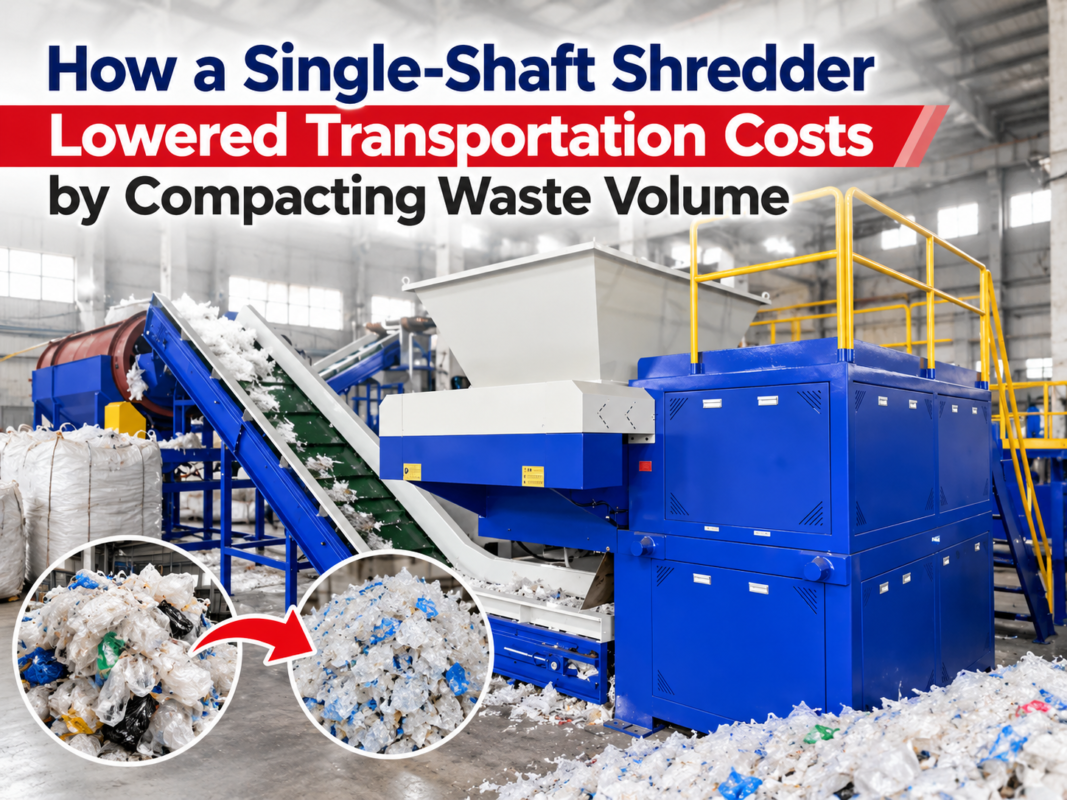
- Volume Reduction: Reducing the volume of waste lowers transportation and disposal costs. If you currently pay for 10 truckloads of loose waste per month, shredding might reduce that to 2 truckloads.
- Material Resale: Shredded, uniform plastic or metal flakes fetch a much higher market price than raw, contaminated scrap.
- In-House Re-use: For manufacturers, shredding scrap and re-introducing it into the production line (closed-loop recycling) eliminates the need to buy virgin raw materials.
A typical ROI for a mid-range HARSLE shredder in a busy recycling facility is often achieved within 12 to 18 months, depending on local material prices and labor costs.
Buying Advice: How to Choose the Right Partner
When you are ready to purchase, follow these steps to ensure a successful acquisition:
- Request a Material Test: A reputable manufacturer should offer to test your specific material in their machines. This provides a concrete proof of capacity and output quality.
- Check the Rotor Cooling: For materials with low melting points (like certain plastics), a water-cooled rotor is essential to prevent the material from melting and gumming up the blades.
- Verify Spare Parts Availability: Ensure the manufacturer stocks blades, bolts, and screens in your region, or can ship them overnight. Downtime is the enemy of ROI.
- Inspect the PLC Logic: Ask how the machine handles non-shreddable items (like a stray steel bolt in a plastic load). The machine should stop and alarm, rather than trying to force through and breaking the shaft.
Frequently Asked Questions (FAQ)
What is the difference between a single-shaft and a double-shaft shredder?
Single-shaft shredders use a high-speed rotor and a screen to produce a uniform, small output size. Double-shaft shredders use low-speed, high-torque shearing to tear large objects into strips. Single-shaft is better for precise sizing; double-shaft is better for high-volume primary reduction of bulky items.
How often do I need to sharpen or replace the blades?
This depends entirely on the material. For clean wood, blades may last 1,000 hours per side. For contaminated plastics with sand or metal, they may need rotating every 150 hours. Most single-shaft blades are four-sided, so you get four “lives” out of one blade before it needs professional regrinding or replacement.
Can a single-shaft shredder handle metal?
Standard single-shaft shredders are designed for plastics, wood, and paper. While they can handle thin aluminum or light copper wire, they are not intended for heavy steel scrap. For heavy metal, a specialized metal shredder or a heavy-duty granulator is required.
What motor power do I need for 1 ton per hour of HDPE?
For 1,000 kg/h of HDPE (depending on the thickness), you would typically look at a motor between 45kW and 55kW with a rotor length of approximately 800mm to 1000mm and a 40mm screen.
Is a hydraulic pusher necessary?
Yes, for a single-shaft shredder, the hydraulic pusher is vital. It ensures the material is constantly fed against the rotor. Without it, the material would simply bounce on top of the rotor, leading to extremely low efficiency and inconsistent output.
Conclusion
Investing in a single-shaft shredder is a significant step toward industrial efficiency and sustainability. By focusing on the critical aspects of Single-Shaft Shredder Buying : Capacity, Blade Design, Motor Power Explained, you can ensure that your investment is protected and your production goals are met. HARSLE remains committed to providing high-quality, durable machinery that stands up to the rigors of modern industrial processing. Always prioritize build quality and technical support to ensure your facility remains productive for years to come.