Scrap Metal Baler Buying Guide for Small and Medium Recycling Businesses

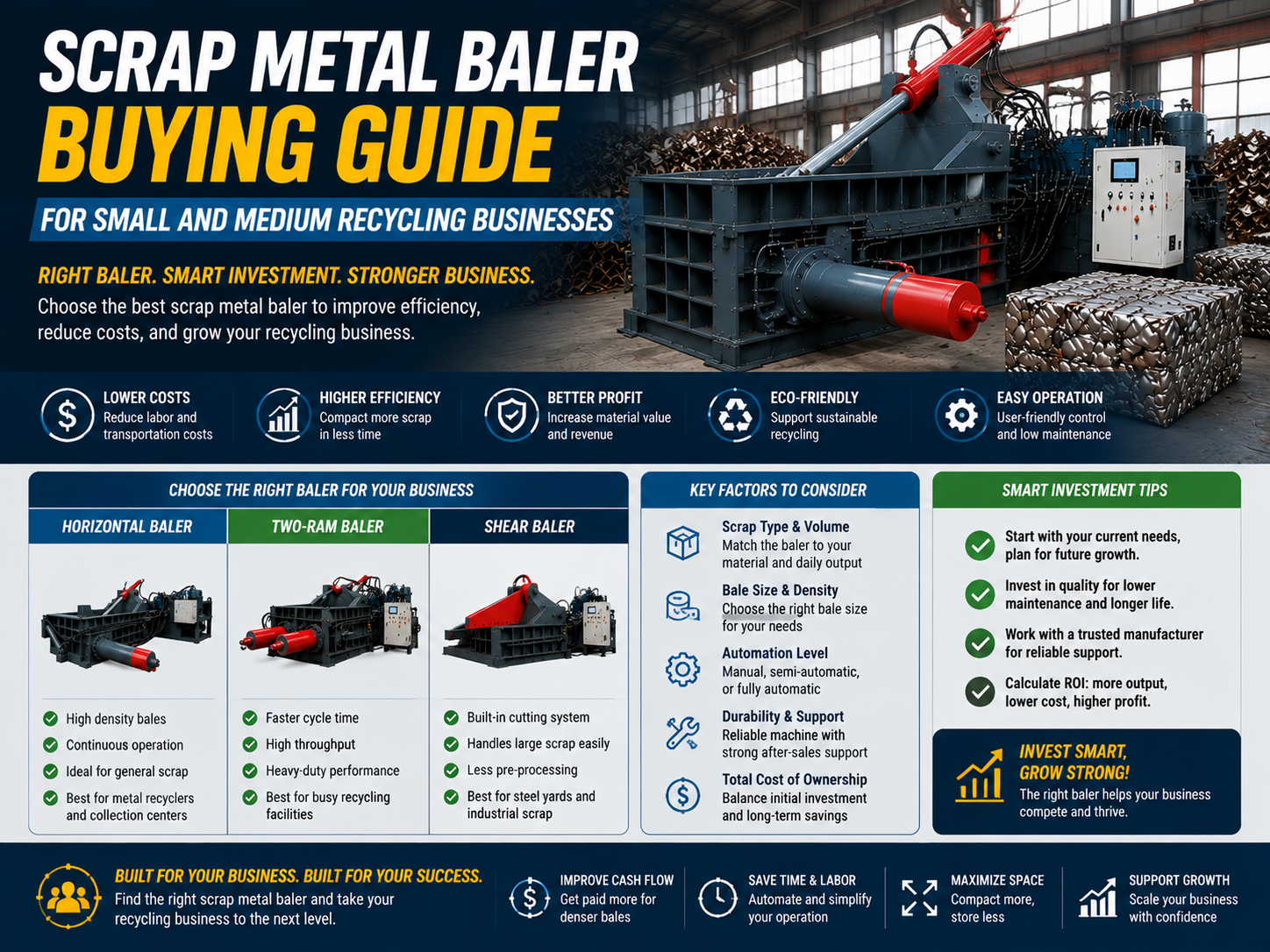
Introduction to Scrap Metal Baler Buying for Small and Medium Recycling Businesses
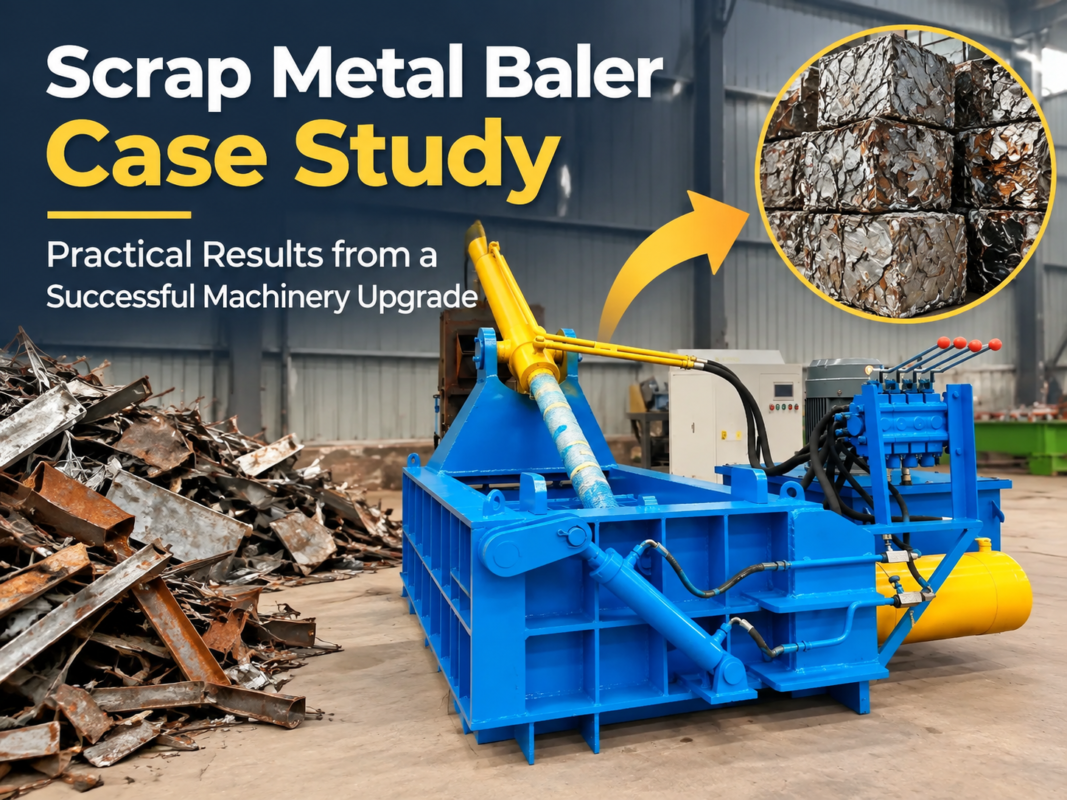
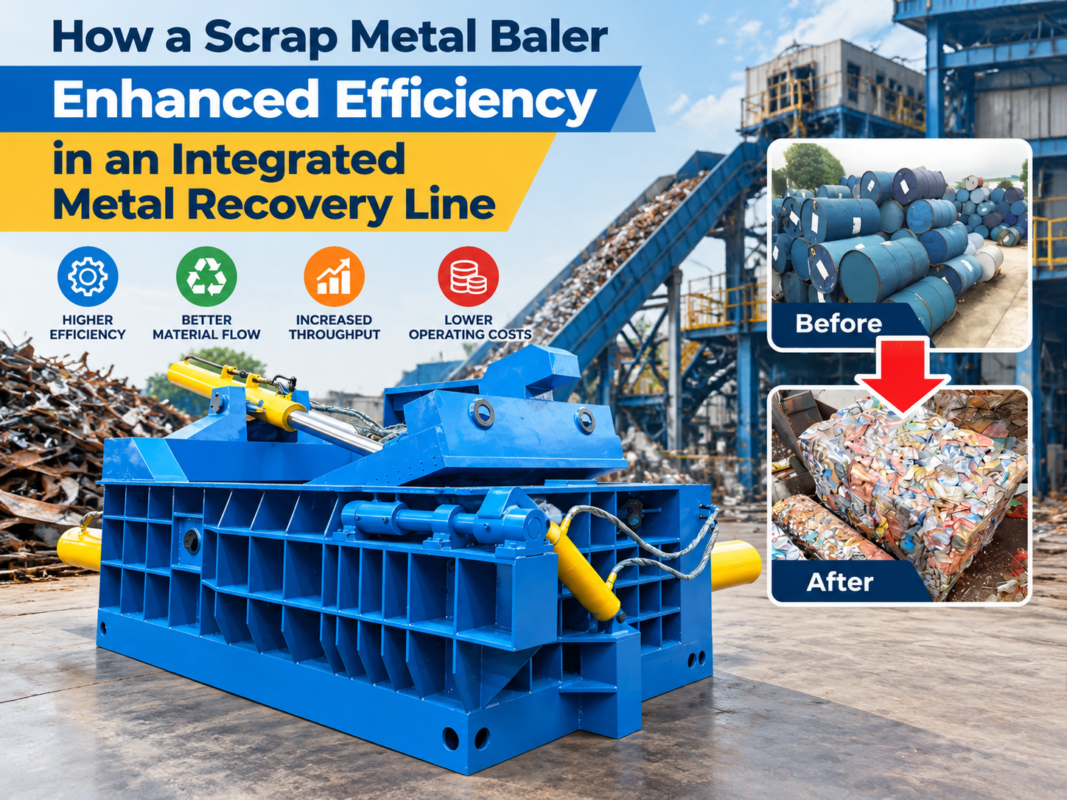
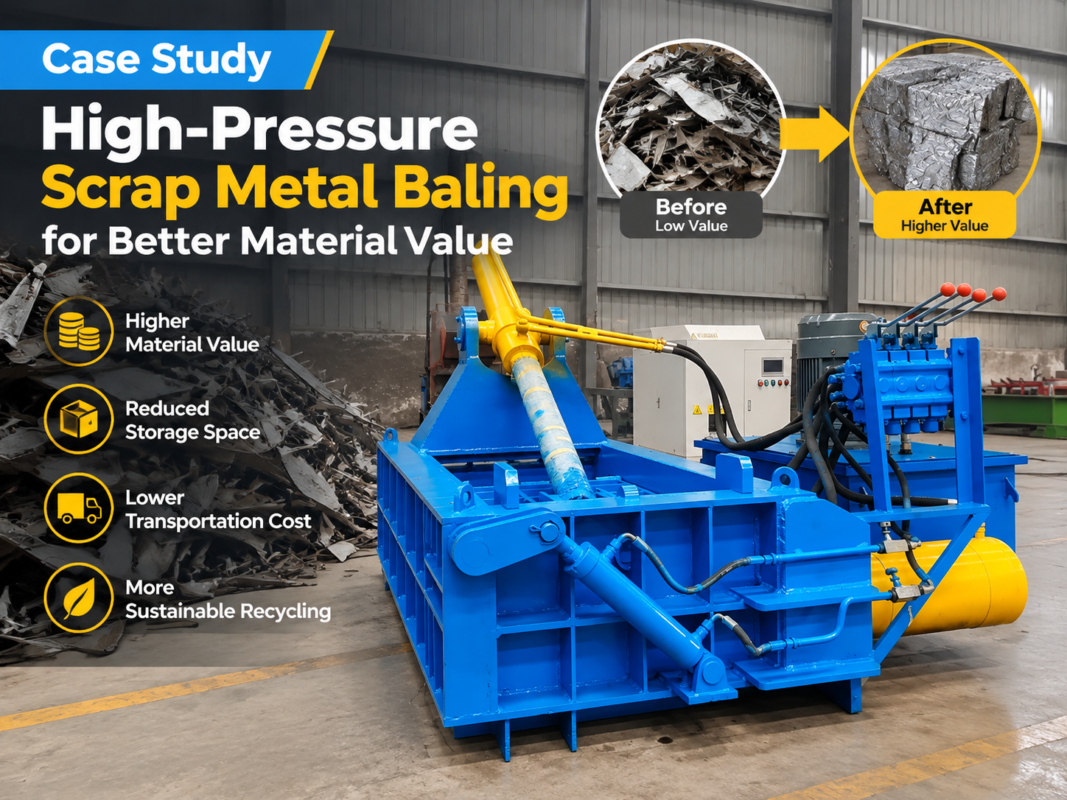
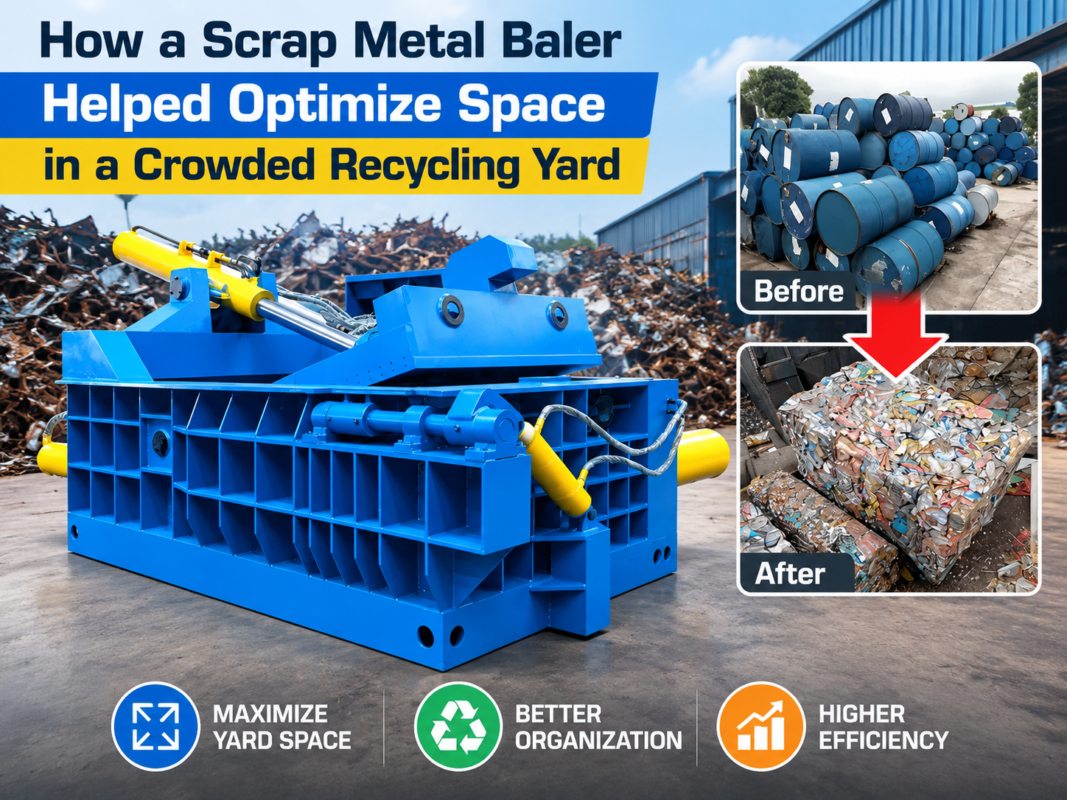
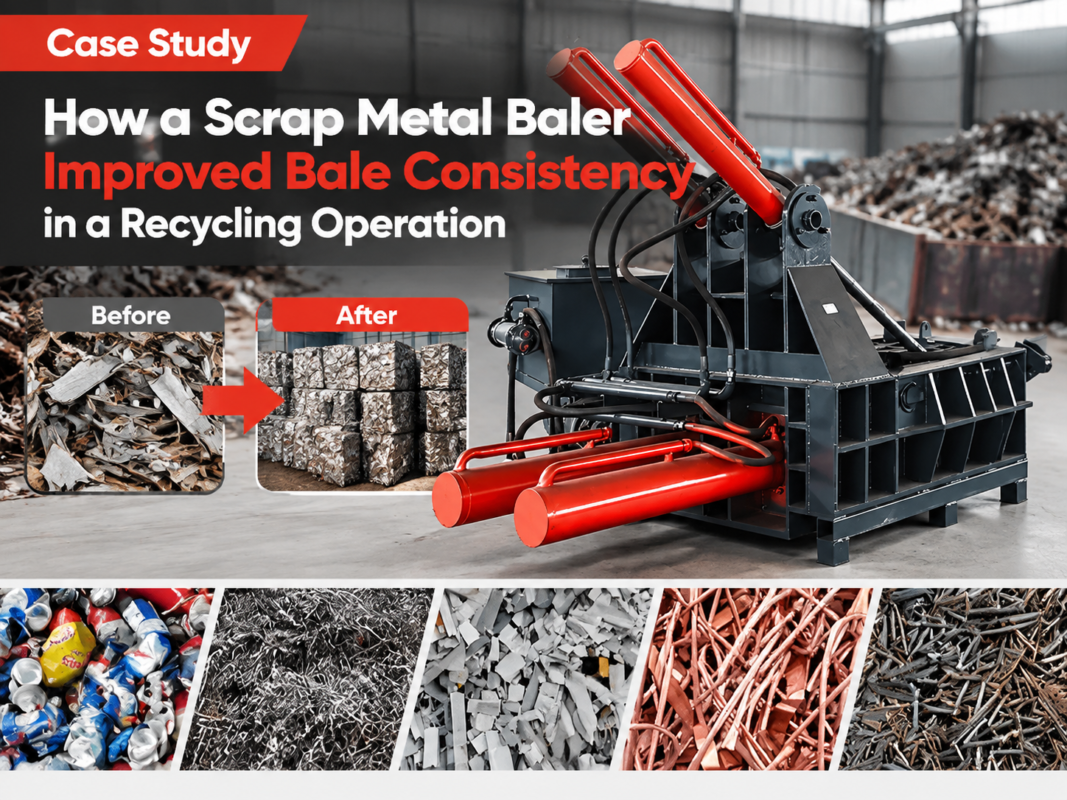
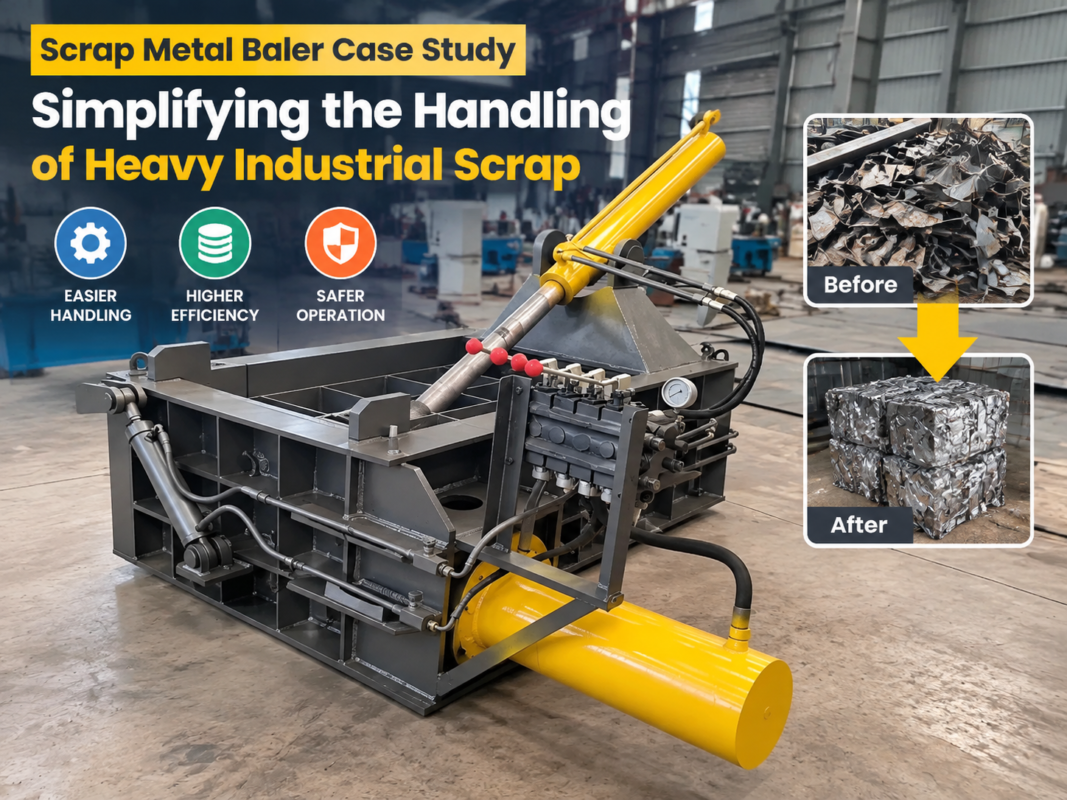
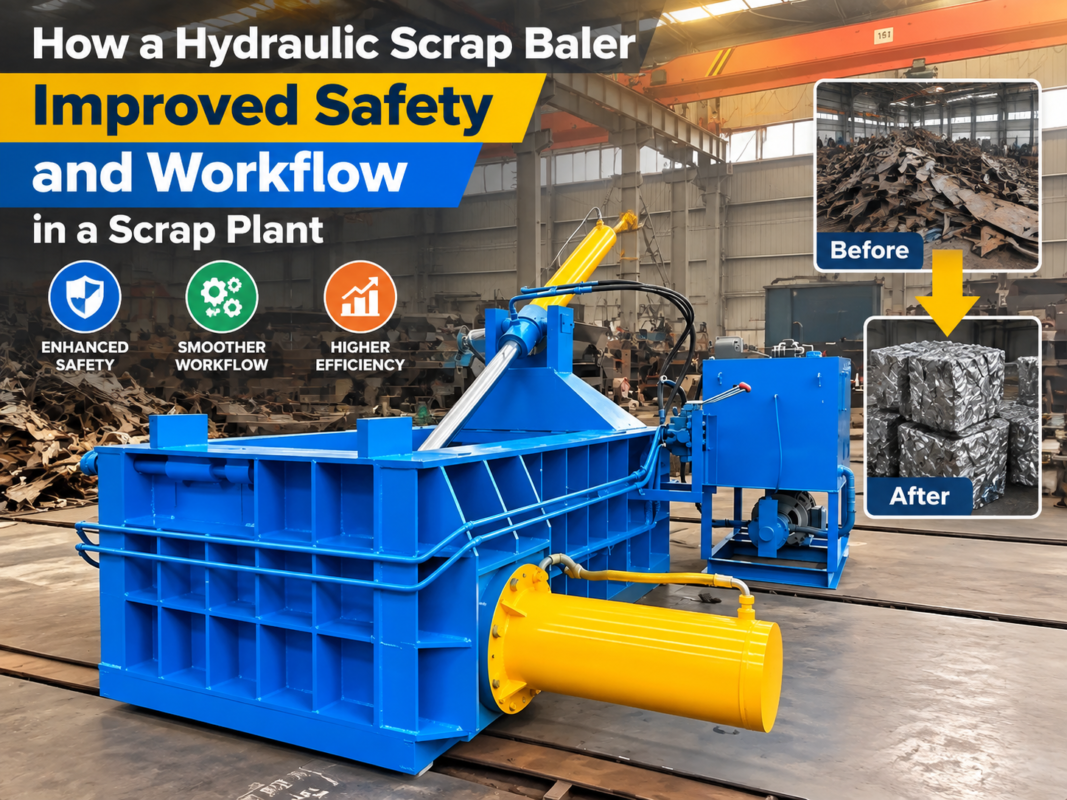
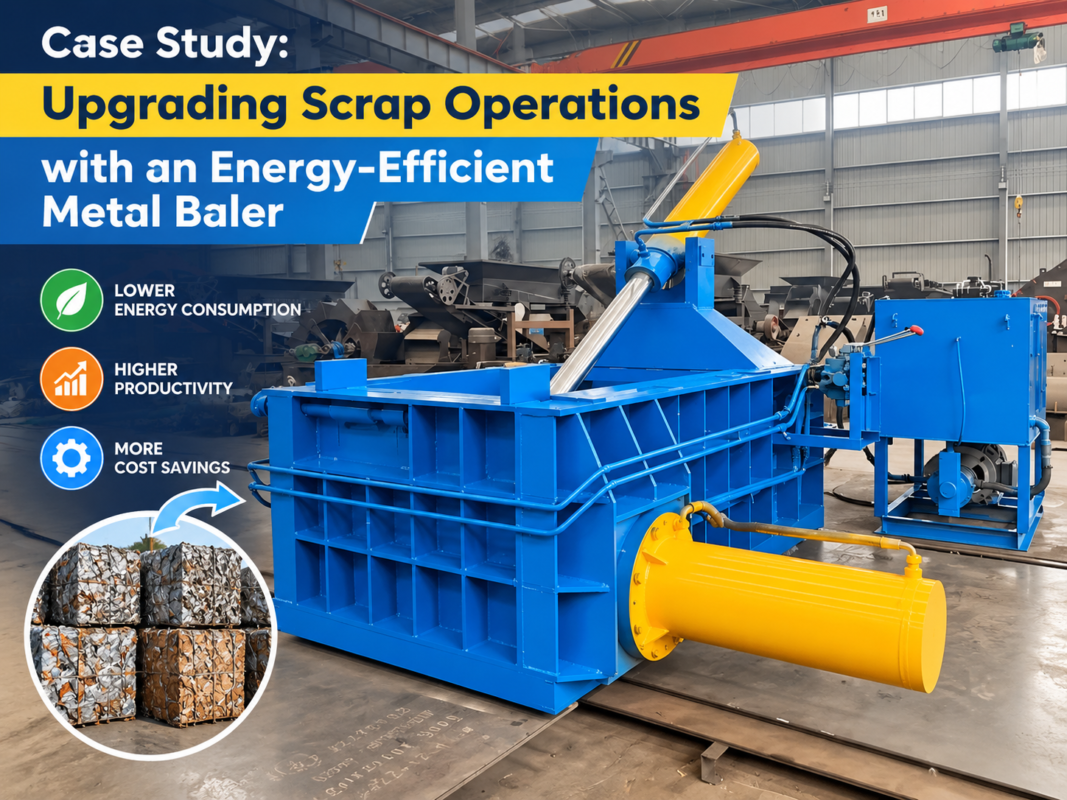
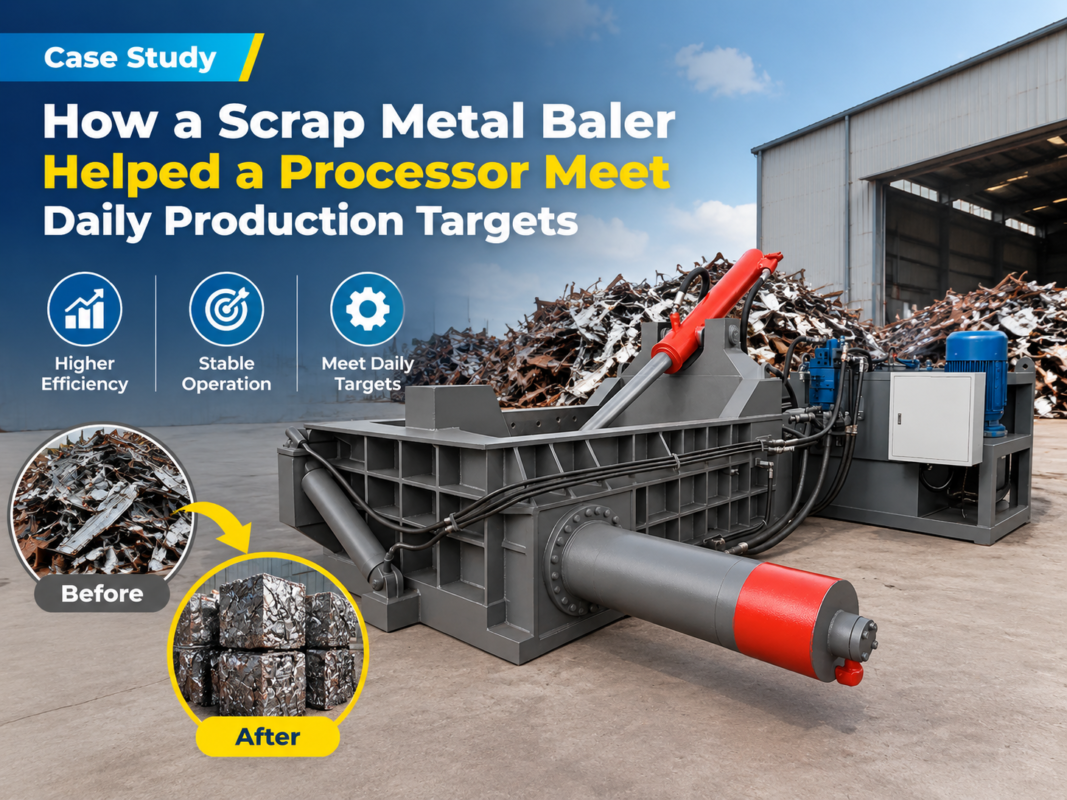
For small and medium-sized enterprises (SMEs) in the recycling industry, the transition from manual sorting to mechanical processing is a pivotal moment. Investing in a scrap metal baler is often the single most significant capital expenditure a growing yard will make. A scrap metal baler is designed to compress bulky metal waste—ranging from aluminum cans and copper wiring to steel sheets and automotive scrap—into dense, manageable blocks known as bales. This process is essential for optimizing storage space, reducing transportation costs, and commanding higher prices from steel mills and foundries.
However, the market for recycling machinery is vast and often confusing. For a small business, choosing the wrong machine can lead to operational bottlenecks or financial strain. This guide is specifically tailored to help small and medium recycling businesses navigate the complexities of the scrap metal baler buying process. We will explore the financial considerations, technical configurations, and long-term ROI factors that ensure your investment drives growth rather than debt.
At HARSLE, we understand that SMEs require a balance between heavy-duty performance and cost-efficiency. Whether you are processing 50 tons or 500 tons of scrap per month, the right baler configuration will determine your facility’s throughput and profitability. In the following sections, we break down everything from initial price points to the hidden costs of maintenance, providing a roadmap for your next major equipment purchase.
Price Range Overview: What to Expect
When considering a scrap metal baler buying strategy for small and medium recycling businesses, the first question is always about the price. The cost of a scrap metal baler can vary wildly based on its compression force, chamber size, and automation level. For SMEs, the market generally falls into three distinct tiers.
Entry-Level Balers ($12,000 – $25,000)
Entry-level machines are typically vertical balers or small-scale horizontal manual-tie balers. These are ideal for businesses that primarily handle non-ferrous metals like aluminum, copper, and brass. With a pressing force usually ranging from 30 to 60 tons, these machines are compact and require minimal floor space. They are perfect for yards that are just starting to move away from loose scrap collection but don’t yet have the volume to justify a massive industrial installation.
Mid-Range Industrial Balers ($30,000 – $75,000)
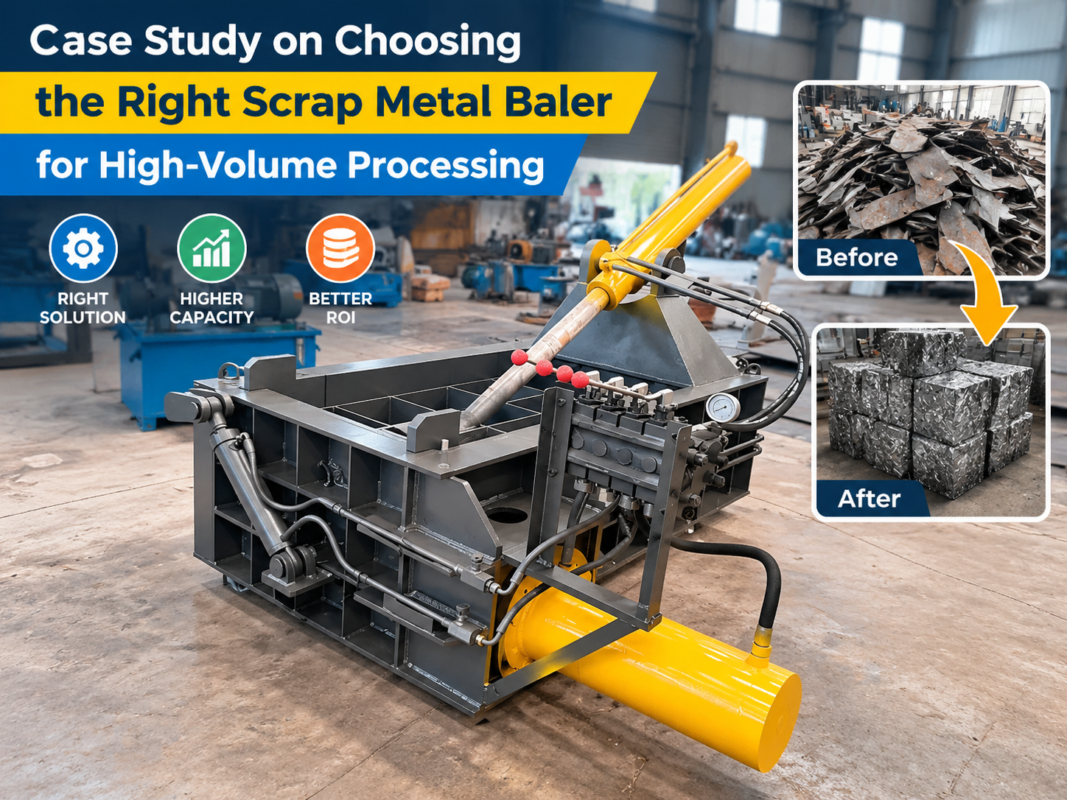
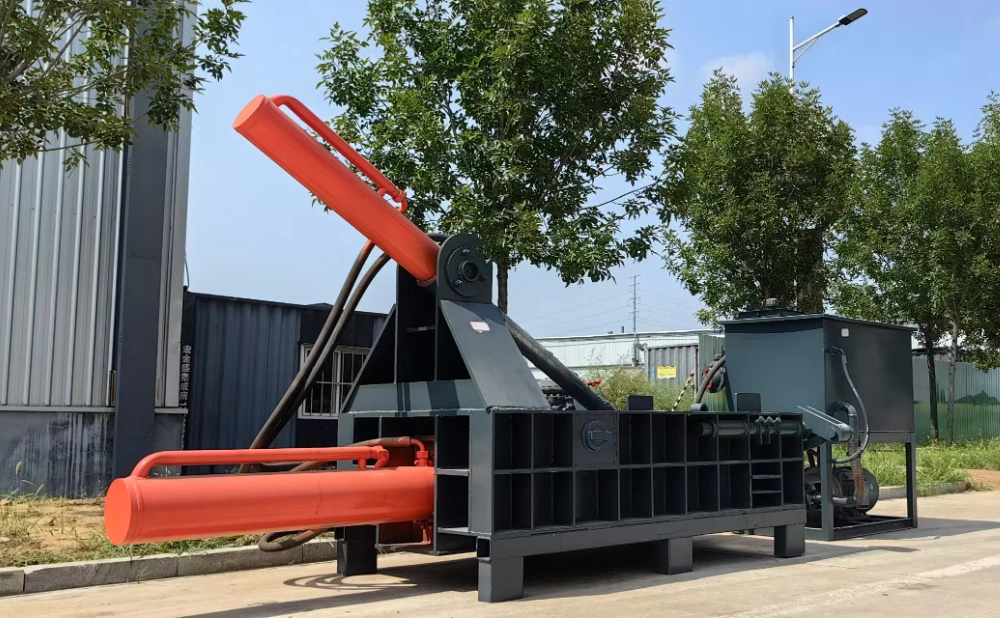
This is the “sweet spot” for most medium-sized recycling businesses. In this price bracket, you will find robust horizontal hydraulic balers with pressing forces between 100 and 200 tons. These machines can handle light-gauge ferrous scrap, such as roofing sheets, white goods (appliances), and thin-walled pipes. They often feature semi-automatic controls and faster cycle times, allowing for a significant increase in daily tonnage. This is where HARSLE’s popular 160-ton and 200-ton models reside, offering a blend of durability and affordability.
High-End Automated Systems ($80,000 – $200,000+)
While often beyond the initial reach of a small startup, high-end balers are the goal for scaling businesses. These machines feature fully automatic operation, integrated conveyors, and massive compression forces (250+ tons). They are designed for 24/7 operation and can process heavy HMS (Heavy Melting Scrap). For an SME, moving into this tier usually happens when the volume of scrap exceeds 1,000 tons per month, necessitating a shift from labor-intensive processing to high-speed automation.
Main Cost Drivers in Scrap Metal Balers
Understanding why one machine costs $20,000 and another costs $50,000 is crucial for making an informed decision. Several technical factors drive the manufacturing cost and, consequently, the purchase price of a scrap metal baler.
1. Hydraulic Pressure and Cylinder Quality
The core of any baler is its hydraulic system. The total pressing force (measured in tons) is determined by the cylinder diameter and the hydraulic pressure. High-quality cylinders with honed tubes and chrome-plated rods are more expensive but offer a much longer service life. For SMEs, it is tempting to buy a machine with a lower tonnage to save money, but if the machine struggles to compress your specific scrap type, the hydraulic seals will fail prematurely, leading to expensive repairs.
2. Structural Steel and Wear Liners
A baler is essentially a box that undergoes immense internal pressure. The thickness of the steel plates used in the chamber construction is a major cost driver. Furthermore, high-quality balers use replaceable wear-resistant liners (often made of Hardox or similar high-manganese steel). These liners protect the main structure of the machine from the abrasive nature of scrap metal. Cheaper machines may lack these liners, meaning the actual frame of the machine wears down over time, eventually leading to structural failure.
3. Motor Power and Pump Efficiency
The speed at which a baler operates (cycle time) is dictated by the motor and the hydraulic pump. A larger motor (e.g., 30kW vs. 15kW) allows for faster cycle times, meaning you can produce more bales per hour. High-efficiency piston pumps are more expensive than basic gear pumps but provide better pressure control and energy savings. For a medium-sized business, a faster cycle time directly translates to lower labor costs per ton of processed scrap.
Configuration Impact: Choosing the Right Setup
The configuration of the baler must match the physical constraints of your yard and the specific types of metal you process. There is no “one size fits all” solution in the scrap metal baler buying process for small and medium recycling businesses.
Vertical vs. Horizontal Balers
Vertical balers have a smaller footprint and are generally cheaper, but they are labor-intensive because they must be loaded and unloaded manually. They are best for very small shops or for processing high-value, low-volume non-ferrous metals. Horizontal balers, while requiring more space, allow for continuous feeding (often via conveyor or grapple) and produce much denser bales. For most growing recycling businesses, a horizontal configuration is the preferred choice for scalability.
Discharge Methods: Side-Push vs. Turn-Out
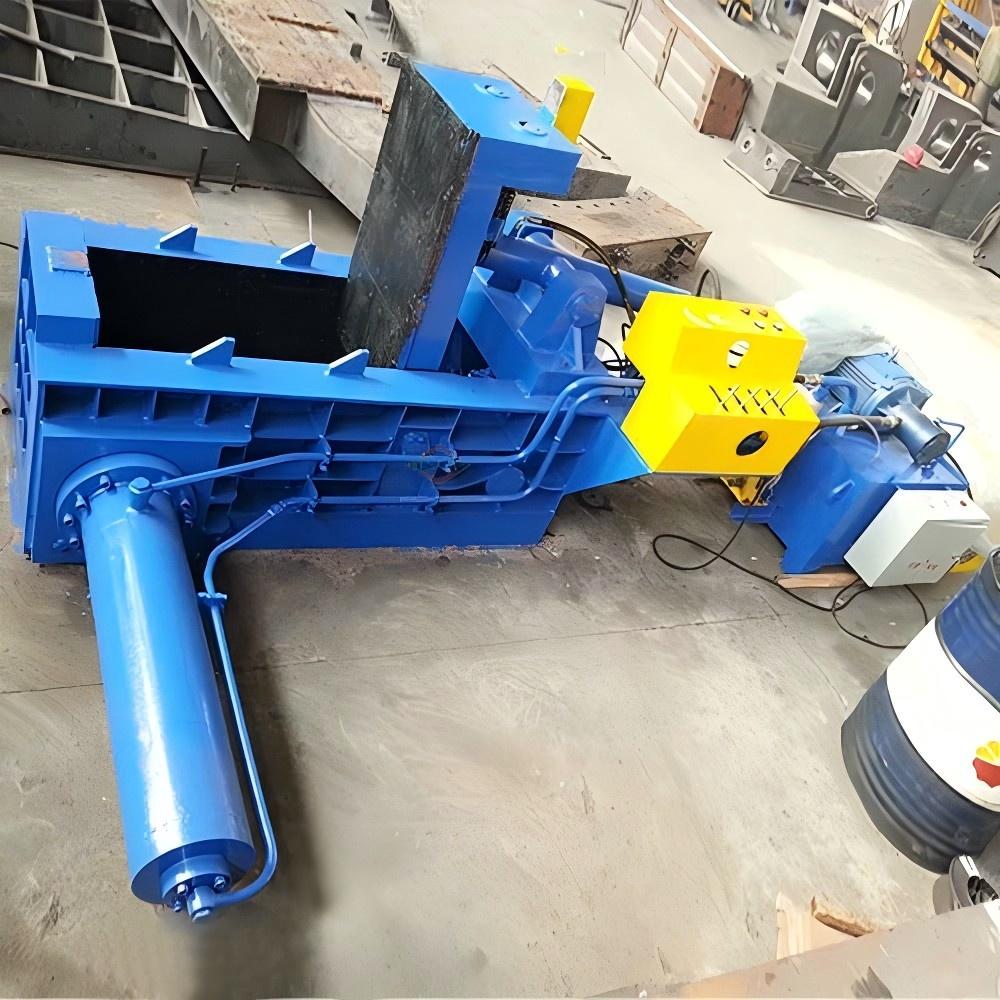
How the bale leaves the machine matters. “Turn-out” or “Flip-out” balers use a hydraulic arm to lift the bale out of the chamber. This is common in smaller machines. “Side-push” or “Forward-out” balers push the bale out through a side gate. Side-push models are generally faster and more suited for integration into a production line. When choosing, consider how you will move the finished bales—will you use a forklift, or do you need the bale to land directly on a pallet?
Bale Size and Density
The dimensions of the bale are critical for logistics. Standard bale sizes are often designed to fit perfectly into shipping containers or onto flatbed trucks. If your bales are too small, you won’t reach the maximum weight capacity of your transport vehicle, increasing your shipping costs. Conversely, if they are too large or dense, you might exceed weight limits. Always check with your local scrap buyers or foundries to see if they have a preferred bale size before finalizing your machine configuration.
Hidden Costs of Owning a Scrap Metal Baler
The sticker price is just the beginning. To accurately budget for a scrap metal baler, small and medium recycling businesses must account for several “hidden” costs that arise during installation and operation.
- Site Preparation: Most industrial balers require a reinforced concrete pad to handle the weight and vibration. You may also need to upgrade your electrical panel to handle the high amperage required by the hydraulic motors.
- Hydraulic Oil: A medium-sized baler can require hundreds of liters of hydraulic oil. This is a significant initial expense and requires periodic replacement.
- Freight and Commissioning: Shipping a 10-ton machine is expensive. Furthermore, you may need to pay for a technician to fly to your site to oversee the assembly, hydraulic charging, and operator training.
- Wear Parts: Blades (for shearing excess metal), seals, and wear plates are consumables. You should always keep a stock of these parts to avoid downtime.
- Energy Consumption: A baler running 8 hours a day will significantly impact your utility bill. Look for machines with “soft start” motors or variable frequency drives (VFDs) to mitigate these costs.
ROI Calculation: Is the Investment Worth It?
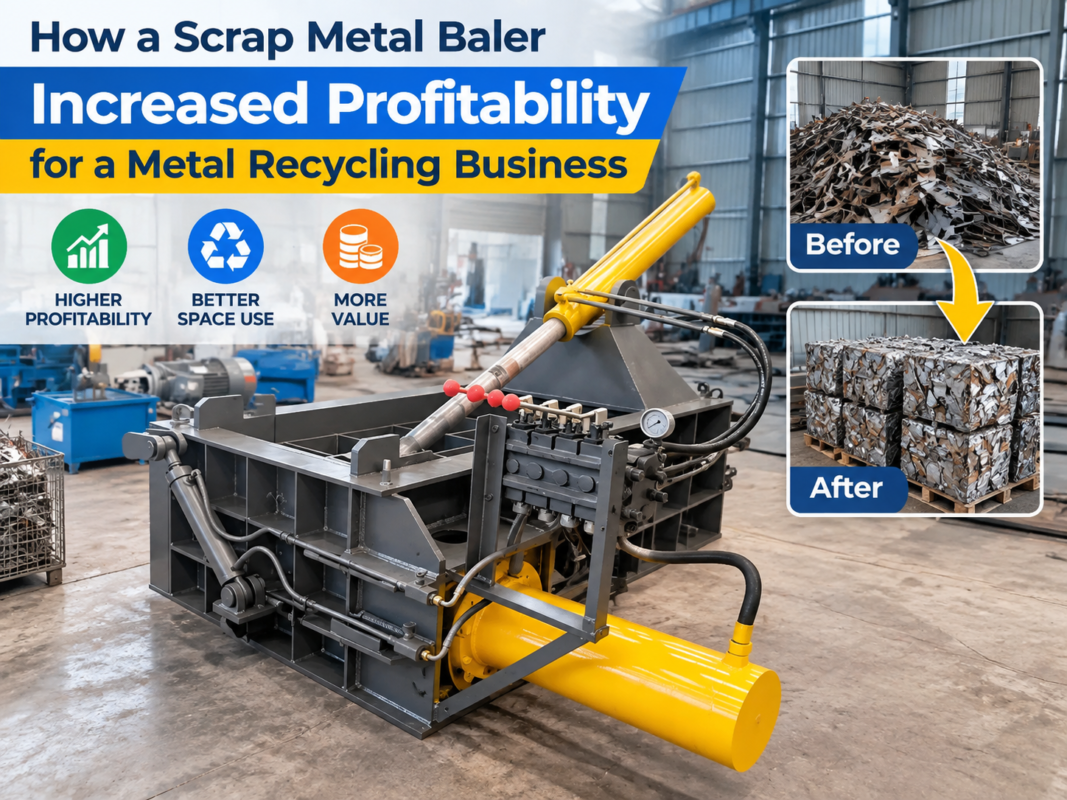
For an SME, a scrap metal baler must pay for itself within 12 to 24 months to be considered a sound investment. The Return on Investment (ROI) is calculated by looking at three main areas: transport savings, labor efficiency, and material value.
Transport Savings
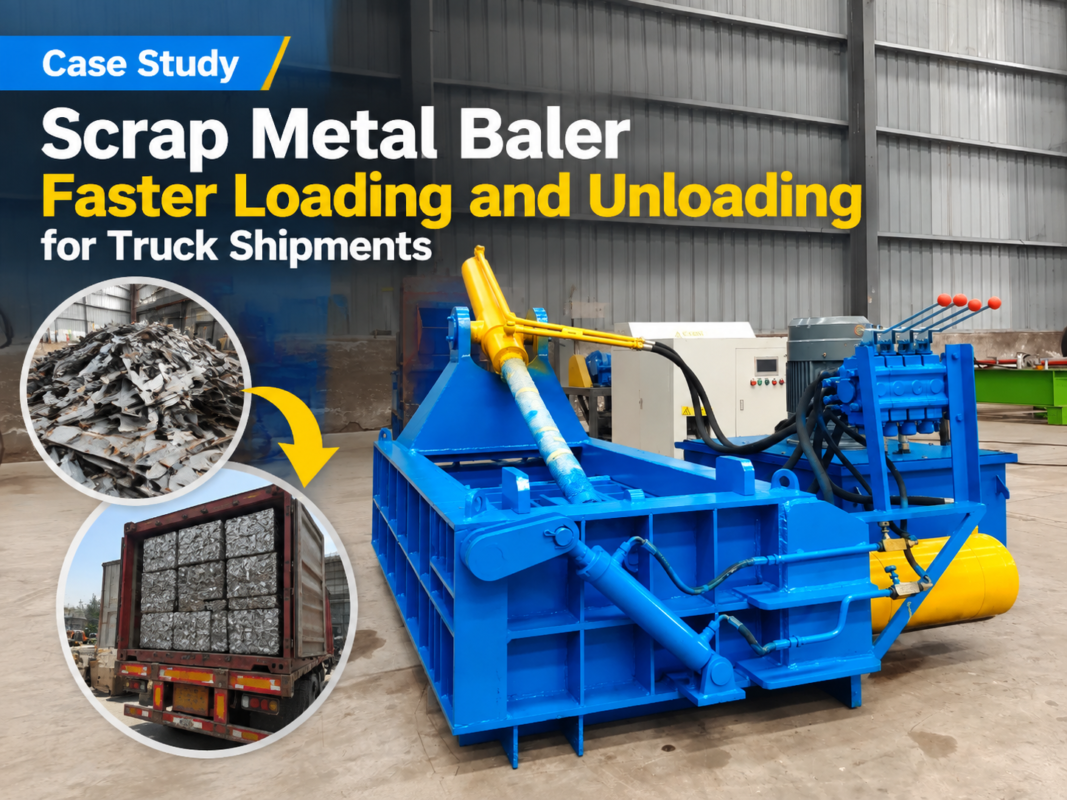
Loose scrap is mostly air. A truck filled with loose aluminum cans might only weigh 2 tons. The same truck filled with baled aluminum can weigh 15 tons. If you are paying $500 per truckload to haul scrap to a processor, baling reduces your transport cost per ton from $250 to $33. This saving alone often covers the monthly financing payment for the machine.
Labor Efficiency
Manually sorting and loading loose scrap is slow. A baler with a hopper or conveyor allows one operator to do the work of four manual laborers. By reducing the man-hours required to process a ton of scrap, you increase your profit margin on every sale.
Increased Material Value
Foundries and exporters prefer baled scrap because it is easier to handle and melts more efficiently. Consequently, “Baled HMS” or “Baled UBC” typically commands a premium price per ton compared to “Loose” or “Light” scrap. In many markets, this premium can be between $20 and $50 per ton.
| Factor | Loose Scrap (Monthly) | Baled Scrap (Monthly) | Monthly Savings/Gain |
|---|---|---|---|
| Tons Processed | 100 Tons | 100 Tons | – |
| Transport Cost | $15,000 (30 loads) | $3,000 (6 loads) | $12,000 |
| Labor Cost | $8,000 | $3,000 | $5,000 |
| Market Premium | $0 | $2,500 ($25/ton) | $2,500 |
| Total Benefit | – | – | $19,500 |
Buying Advice for Small and Medium Recycling Businesses
Before signing a purchase agreement, follow this checklist to ensure the machine meets your specific needs:
- Analyze Your Scrap Stream: Don’t buy a baler based on what you *hope* to process. Buy it based on what you *actually* have. If 80% of your volume is aluminum, don’t overspend on a heavy-duty steel baler.
- Check the Cycle Time: If you have a high volume of light material, a slow cycle time will kill your productivity. Look for a machine that can complete a cycle in under 60 seconds.
- Verify Spare Part Availability: Ensure the manufacturer (like HARSLE) has a robust supply chain for wear parts. A machine sitting idle for three weeks waiting for a seal kit is a massive liability.
- Safety Features: Ensure the machine has emergency stop buttons, safety interlocks on the doors, and proper guarding. Workplace accidents are devastating for small businesses.
- Ask for a Video Test: Before shipping, ask the manufacturer to provide a video of the machine processing material similar to yours. This confirms the hydraulic pressure and cycle times are as advertised.
Frequently Asked Questions (FAQ)
What is the best baler for a small yard?
For a small yard, a 100-ton to 125-ton horizontal baler is usually the best balance of price and capability. It can handle non-ferrous metals and light ferrous scrap without requiring a massive electrical upgrade or a giant footprint.
How long does a scrap metal baler last?
With proper maintenance (regular oil changes, greasing, and liner replacement), a high-quality industrial baler can last 15 to 20 years. HARSLE machines are built with heavy-duty frames to ensure long-term structural integrity.
Can I process car bodies with a medium-sized baler?
Generally, no. Processing full car bodies requires a “Car Baler” or “Logger” with at least 250-400 tons of force and a very large chamber. Medium-sized balers are better suited for car parts (hoods, doors) rather than the entire chassis.
Does the machine require a specialized operator?
Modern balers with PLC controls are very user-friendly. However, operators should be trained on hydraulic safety, proper loading techniques to prevent jams, and basic daily maintenance routines.
What kind of hydraulic oil should I use?
Most scrap metal balers use ISO 46 or ISO 68 anti-wear hydraulic oil. The choice depends on your local climate; thinner oil (46) is better for colder regions, while thicker oil (68) is better for hot environments.
Conclusion
The scrap metal baler buying process for small and medium recycling businesses is a journey from being a simple collector to becoming a professional processor. By focusing on the right tonnage, understanding the structural quality of the machine, and accurately calculating your ROI, you can transform your business operations. At HARSLE, we specialize in providing the technical expertise and robust machinery needed to help SMEs scale their recycling efforts efficiently. Investing in the right baler today is the foundation for your yard’s success tomorrow.