How to Evaluate Scrap Metal Baler Performance Before Making a Purchase

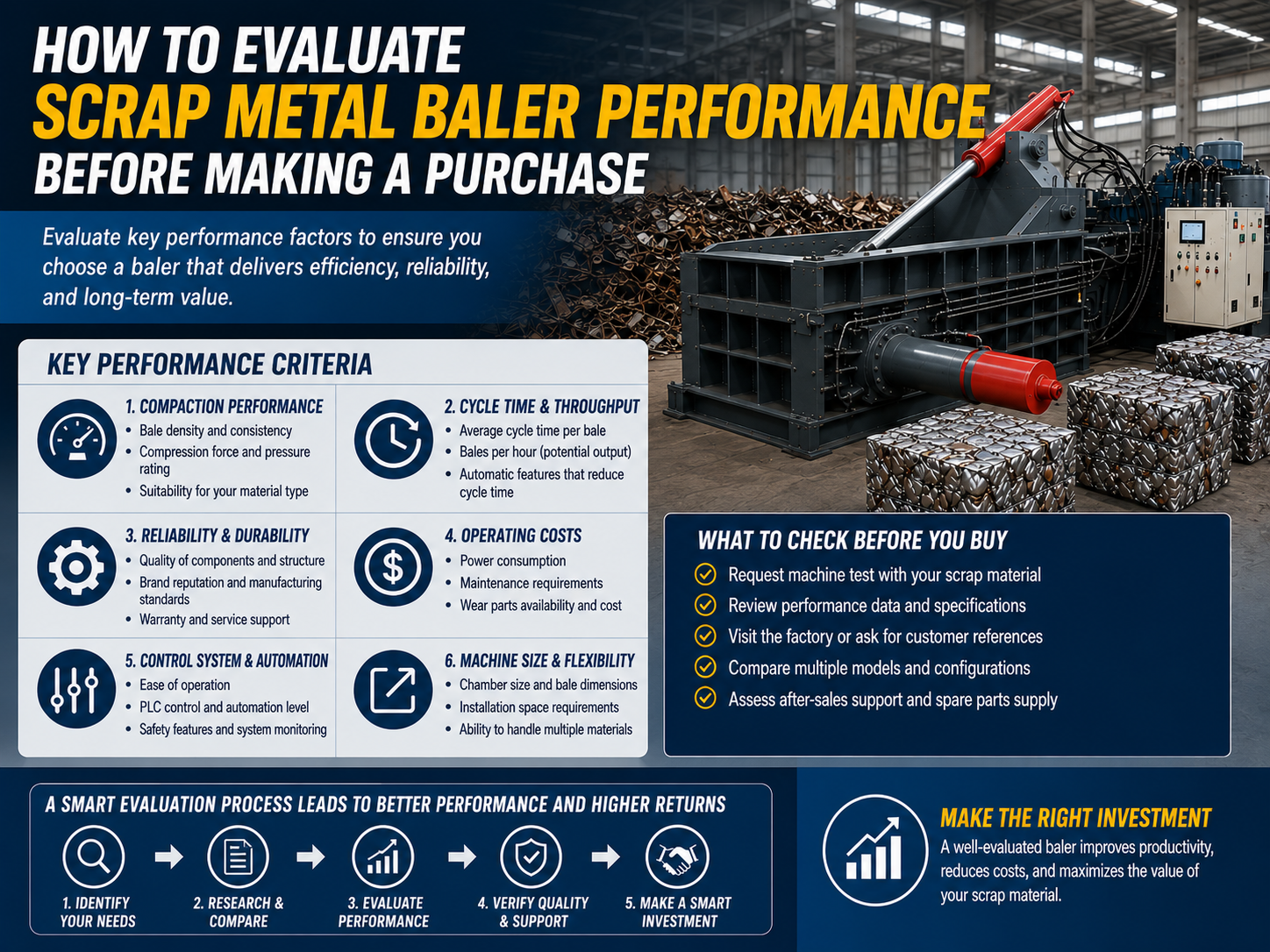
Introduction to Evaluating Scrap Metal Baler Performance
In the modern recycling industry, the efficiency of your processing equipment directly dictates your profit margins. When you decide to invest in a scrap metal baler, you aren’t just buying a piece of machinery; you are investing in the logistical backbone of your yard. To evaluate scrap metal baler performance before making a purchase, one must look beyond the shiny paint and focus on the engineering metrics that define long-term reliability and throughput. A high-performing baler reduces the volume of scrap, lowers transportation costs, and increases the market value of the processed material.
The evaluation process involves a multi-faceted approach. You must consider the hydraulic pressure, the cycle time, the density of the final bale, and the structural integrity of the compression chamber. For industrial players like HARSLE, providing equipment that meets these rigorous standards is paramount. This guide will walk you through every critical factor, from initial price points to the complex calculation of Return on Investment (ROI), ensuring that your next purchase is backed by data and technical insight.
Price Range Overview: Understanding the Market Tiers
The market for scrap metal balers is diverse, ranging from small-scale vertical units to massive, fully automated triple-compression systems. Understanding where a machine sits in the price hierarchy is the first step to evaluate scrap metal baler performance before making a purchase. Generally, prices are dictated by the machine’s pressing force, automation level, and the types of metals it can handle.
- Entry-Level Balers ($15,000 – $45,000): These are typically vertical balers or small horizontal manual-tie machines. They are suitable for light non-ferrous metals like aluminum cans, copper wire, and thin stainless steel clippings. While affordable, their throughput is limited, and they require more manual labor.
- Mid-Range Industrial Balers ($50,000 – $150,000): This category includes robust horizontal balers with semi-automatic or automatic operations. They offer higher pressing forces (125 to 250 tons) and are capable of processing light ferrous scrap and heavier non-ferrous materials. These are the workhorses of medium-sized recycling centers.
- High-End Heavy-Duty Balers ($200,000 – $500,000+): These are massive machines designed for 24/7 operation. They often feature triple-compression technology, high-speed hydraulic circuits, and advanced PLC controls. They can process heavy steel scrap, car bodies, and large volumes of industrial waste with minimal human intervention.
When reviewing these price ranges, it is vital to remember that the cheapest machine often carries the highest long-term cost. A lower price might indicate thinner steel plates in the chamber or lower-quality hydraulic valves that will fail under the stress of continuous operation. Always weigh the initial capital expenditure against the projected lifespan and maintenance requirements of the machine.
Main Cost Drivers in Scrap Metal Baler Manufacturing
To accurately evaluate scrap metal baler performance before making a purchase, you must understand what makes one machine more expensive—and potentially more effective—than another. The primary cost drivers are the quality of components and the complexity of the engineering.
Hydraulic Systems: The heart of any baler is its hydraulic system. High-end balers utilize premium pumps (such as Rexroth or Vickers) and logic valves that can handle high flow rates without overheating. The sophistication of the hydraulic circuit determines the cycle time. A machine with a regenerative circuit can extend and retract the ram much faster, significantly increasing the number of bales produced per hour.
Steel Quality and Liner Plates: The compression chamber is subjected to immense friction and pressure. Quality balers use high-tensile steel for the frame and replaceable wear liners made of hardened materials like Hardox. If a manufacturer skimps on the thickness or quality of the steel, the chamber will eventually warp or wear through, leading to catastrophic failure. Evaluating the thickness of the side walls and the floor of the baling chamber is a non-negotiable step in the pre-purchase phase.
Automation and Control Systems: Modern balers are equipped with Programmable Logic Controllers (PLCs) and Human-Machine Interfaces (HMIs). These systems allow for precise control over bale size, density, and diagnostic monitoring. A baler with advanced sensors can detect jams or low oil levels before they cause damage, saving thousands in repair costs. The integration of Siemens or Schneider electrics adds to the cost but ensures global availability of spare parts.
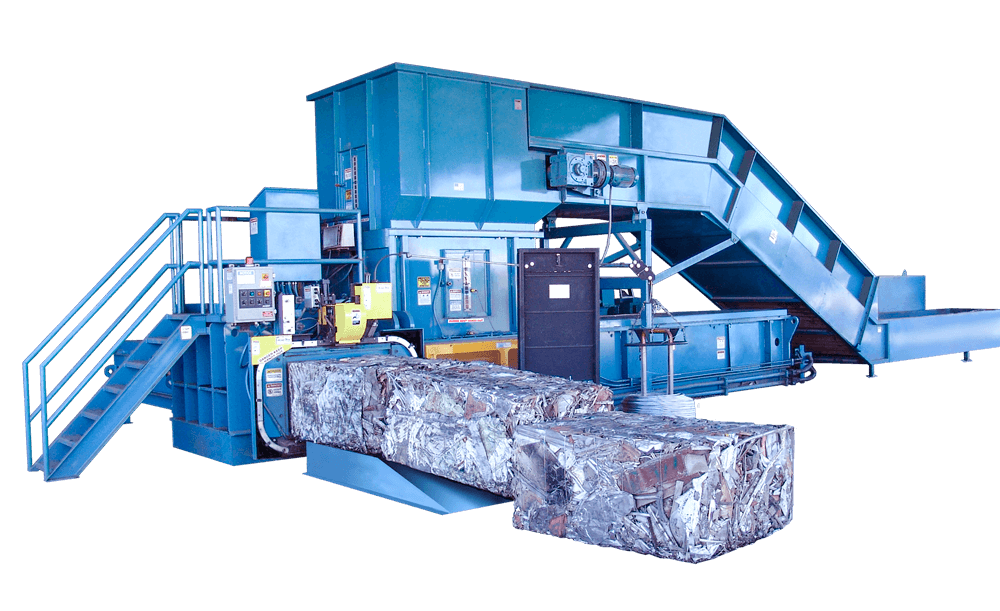
Configuration Impact on Operational Efficiency
The configuration of a baler determines its suitability for your specific scrap stream. To evaluate scrap metal baler performance before making a purchase, you must match the machine’s specs to your material. For instance, a baler designed for aluminum extrusions may struggle with heavy HMS (Heavy Melting Scrap) if the shear blades and ram force are insufficient.
Cycle Time and Throughput
Cycle time is the duration it takes for the ram to complete one full stroke (extend and retract). In a high-volume yard, every second counts. A baler with a 30-second cycle time is twice as productive as one with a 60-second cycle. However, speed must be balanced with force. High-speed balers often require larger motors and more complex cooling systems to prevent hydraulic fluid degradation.
Bale Density and Size
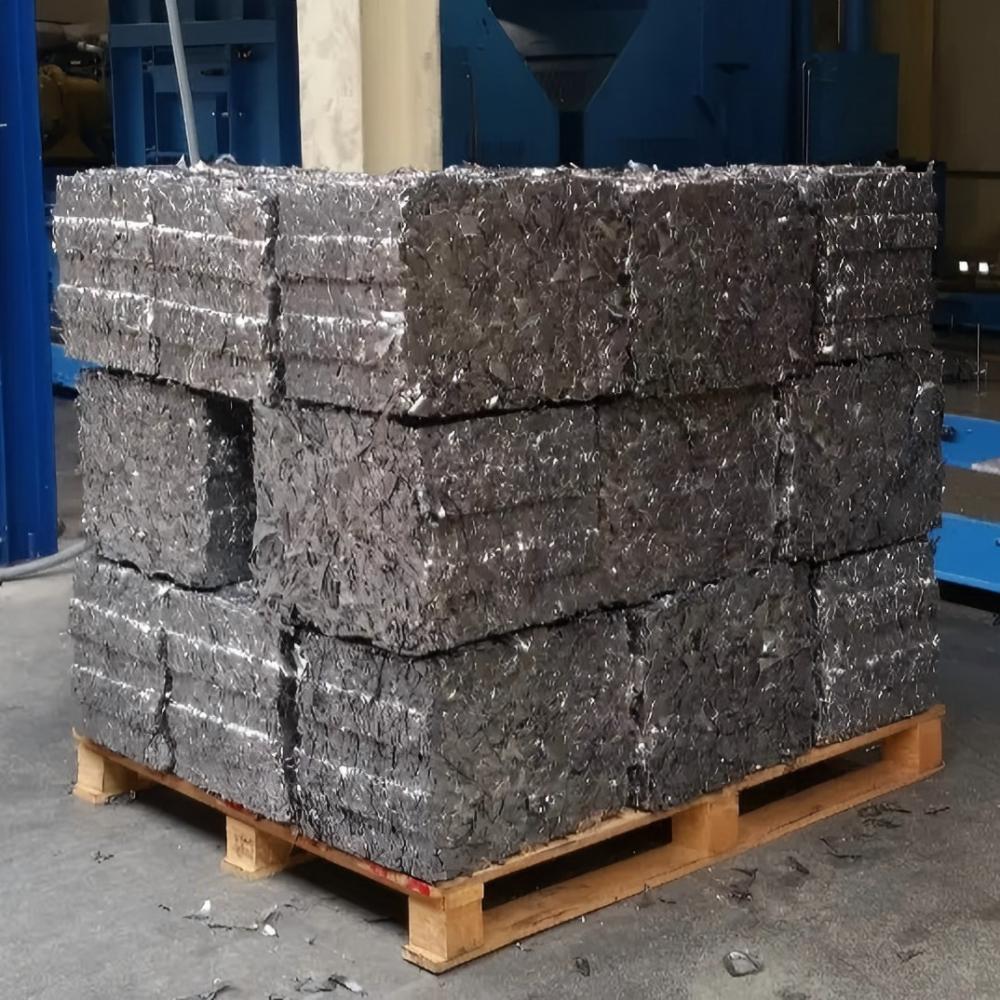
Logistics costs are a major factor in recycling profitability. To maximize shipping containers or truckloads, you need high-density bales. Evaluate the “specific pressure” (PSI or kg/cm²) that the ram exerts on the material. Higher specific pressure results in denser bales. Furthermore, ensure the bale dimensions are compatible with standard transport methods. A bale that is too wide for a standard shipping container will lead to wasted space and increased freight costs.
Cooling and Filtration Systems
Hydraulic oil is the lifeblood of the machine. In hot climates or high-duty cycles, the oil can overheat, losing its lubricating properties and damaging seals. A well-configured baler should include an efficient air or water cooling system and high-micron filtration to keep the oil clean. This configuration detail is often overlooked but is critical for long-term performance.
Hidden Costs: What to Look for Beyond the Sticker Price
When you evaluate scrap metal baler performance before making a purchase, the purchase price is only the beginning. Several hidden costs can significantly impact your budget if not accounted for during the evaluation phase.
Installation and Commissioning: Large balers require specialized foundations, often involving reinforced concrete pits. Additionally, you may need heavy cranes for offloading and professional technicians for assembly and calibration. Always ask the manufacturer if installation is included or if they provide a detailed foundation plan.
Power Consumption: Industrial balers are power-hungry. A machine with a 75kW motor running 8 hours a day will have a substantial impact on your utility bill. Look for balers with energy-efficient motors (IE3/IE4 ratings) or variable frequency drives (VFDs) that reduce power consumption during idle periods.
Consumables and Wear Parts: Shear blades, hydraulic seals, and chamber liners are consumables. You should inquire about the expected lifespan of these parts and their replacement costs. A machine that uses proprietary parts that can only be sourced from the original manufacturer may lead to higher long-term costs and longer downtime during repairs.
| Cost Factor | Estimated Impact | Mitigation Strategy |
|---|---|---|
| Foundation Prep | $5,000 – $20,000 | Request engineering drawings early. |
| Hydraulic Oil | $2,000 – $8,000 | Use high-quality oil to extend change intervals. |
| Electricity | Monthly Recurring | Opt for VFD-equipped motors. |
| Spare Parts Kit | $3,000 – $10,000 | Negotiate a startup kit with the purchase. |
ROI Calculation: Is the Investment Justified?
The ultimate goal of choosing to evaluate scrap metal baler performance before making a purchase is to ensure a positive Return on Investment. To calculate ROI, you must look at three primary areas: labor savings, transport savings, and material value increase.
Labor Savings: If a new automated baler allows you to reassign two workers who were previously manual-sorting or loading, their annual wages contribute directly to the ROI. For example, two workers at $35,000/year equals $70,000 in annual savings.
Transport Savings: Loose scrap is expensive to move. If baling increases your truckload weight from 10 tons to 22 tons, you effectively cut your transport costs by more than half. Calculate your current annual freight spend and apply the projected volume reduction to see the potential savings.
Material Value: Steel mills and smelters pay a premium for baled scrap because it is easier to handle and melt efficiently. This “baling premium” can range from $20 to $50 per ton. If your yard processes 500 tons a month, a $30 premium results in an additional $15,000 in monthly revenue.
By totaling these savings and dividing the machine’s total cost (including hidden costs) by the monthly savings, you can determine the payback period. A high-performance baler from a reputable brand like HARSLE typically pays for itself within 12 to 24 months in a busy yard.
Buying Advice: A Step-by-Step Evaluation Checklist
To ensure you evaluate scrap metal baler performance before making a purchase effectively, follow this professional checklist during your search:
- Define Your Material Stream: Be specific about what you are baling. Is it HMS 1/2, UBC (Used Beverage Cans), or industrial clippings? Provide samples to the manufacturer for testing.
- Request a Live Demo or Video: Never buy a machine based solely on a brochure. Watch the machine process material similar to yours. Pay attention to the smoothness of the ram movement and the noise level of the pumps.
- Check the Weld Quality: Inspect the welds on the main frame and cylinder mounts. Poor welding is a sign of low-quality manufacturing and a precursor to structural failure under high pressure.
- Verify Component Brands: Ensure the valves, pumps, and electrical components are from reputable, globally recognized brands. This ensures you won’t be stranded if a small part fails.
- Evaluate After-Sales Support: Ask about the warranty terms and the availability of technicians in your region. A machine is only as good as the support behind it.
- Analyze the Safety Features: Ensure the machine complies with local safety standards (like CE or ANSI). Look for emergency stops, safety interlocks on doors, and proper guarding around moving parts.
Frequently Asked Questions (FAQ)
1. How long does a typical scrap metal baler last?
With proper maintenance, a high-quality industrial scrap metal baler can last 15 to 20 years. Key factors in longevity include regular hydraulic oil changes, timely replacement of wear liners, and ensuring the machine is not consistently pushed beyond its rated tonnage capacity.
2. Can one baler handle all types of metal?
While many balers are versatile, no single machine is perfect for everything. A baler designed for light aluminum may lack the shearing force needed for heavy steel. Conversely, a heavy-duty steel baler might be overkill (and inefficient) for baling light cans. It is best to choose a machine optimized for your primary material stream.
3. What is the difference between a two-ram and a three-ram baler?
A two-ram baler uses one ram to compress and another to eject or provide side compression. A three-ram (triple compression) baler applies pressure from three directions, resulting in the highest possible bale density. Triple compression is typically reserved for very high-volume industrial applications and heavy scrap.
4. How often should I change the hydraulic oil?
Most manufacturers recommend changing the hydraulic oil every 2,000 to 4,000 operating hours. However, you should perform oil analysis every six months to check for contamination or oxidation, which can occur sooner in harsh environments.
5. Is automation worth the extra cost?
In most cases, yes. Automation reduces the risk of operator error, ensures consistent bale size, and allows the operator to focus on loading the machine rather than cycling it. For high-volume operations, the labor savings alone usually justify the higher price of an automated system.
6. What should I do if the bale density is too low?
Low bale density can be caused by several factors: insufficient hydraulic pressure, worn-out seals allowing internal bypass, or simply not feeding enough material into the chamber before the final squeeze. Check your pressure gauges and ensure the relief valves are set correctly according to the manufacturer’s specifications.
Conclusion
To evaluate scrap metal baler performance before making a purchase requires a blend of technical scrutiny and financial forecasting. By focusing on the quality of the hydraulic systems, the structural integrity of the frame, and the potential for a rapid ROI, you can secure a machine that will serve your business for decades. HARSLE remains committed to providing high-performance baling solutions that meet these exacting standards, helping recyclers worldwide turn waste into wealth with efficiency and precision. Remember, the best machine is not the one with the lowest price, but the one that delivers the most consistent performance day after day.