Scrap Metal Baler Cost Guide: How to Estimate Budget and Long-Term Value

Introduction to Scrap Metal Baler Investment
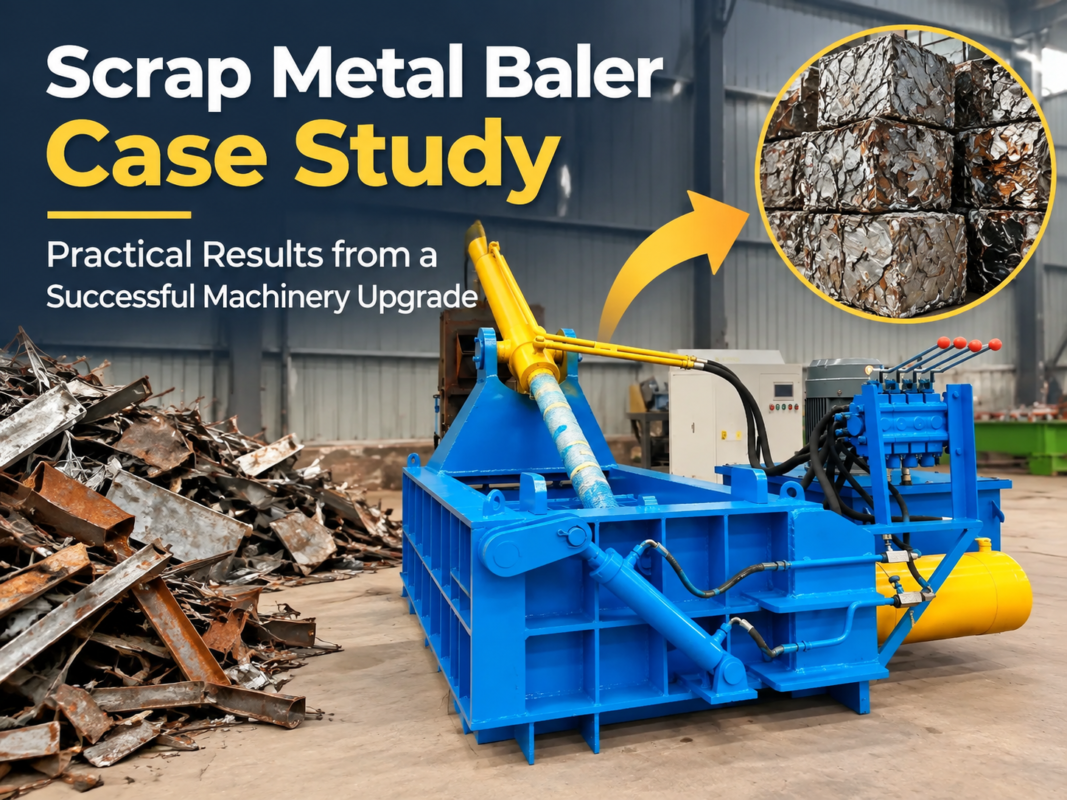
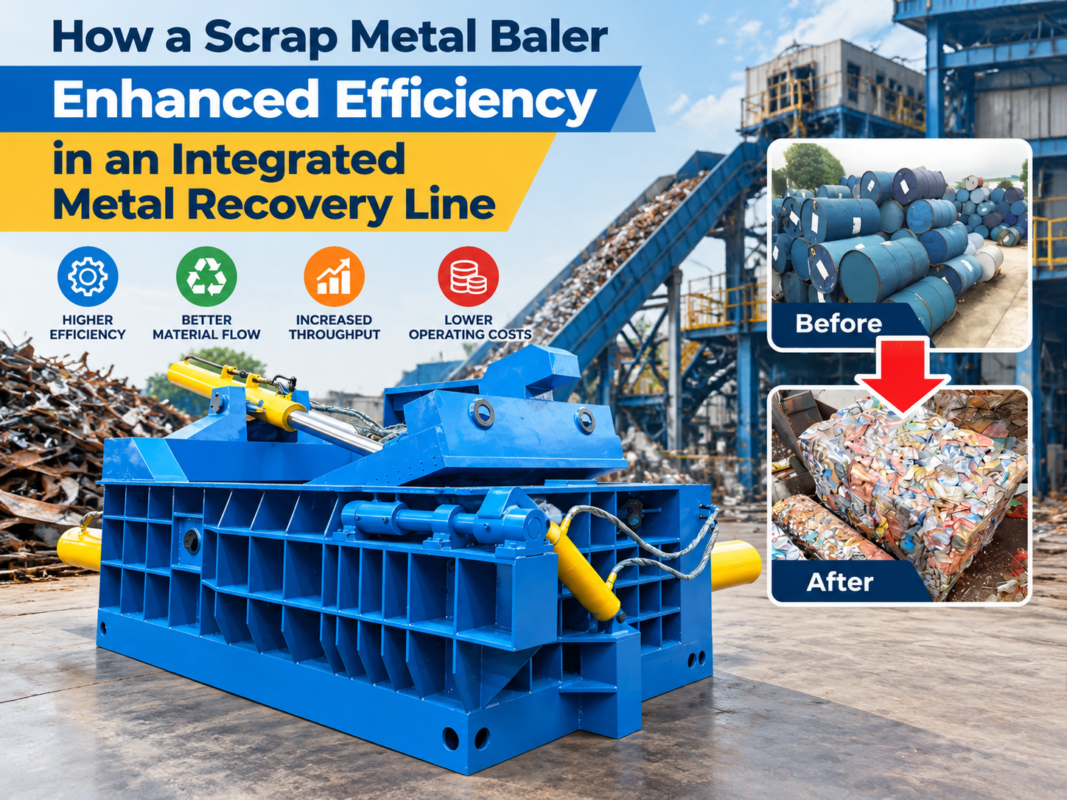
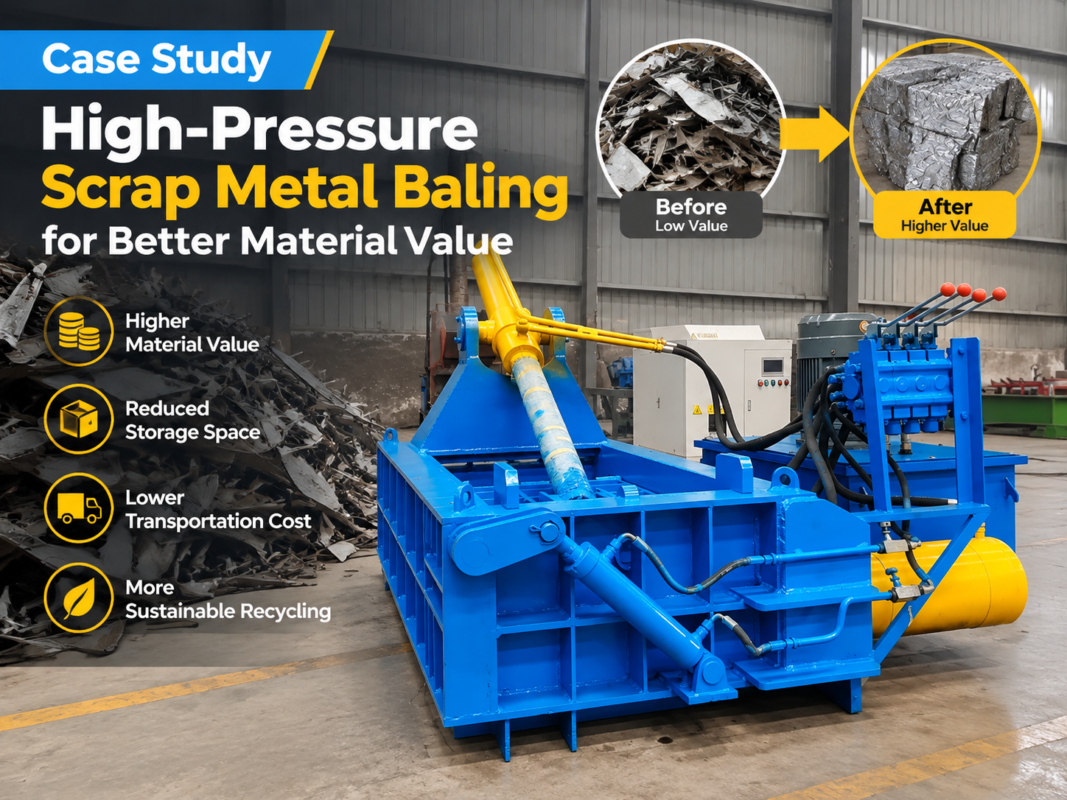
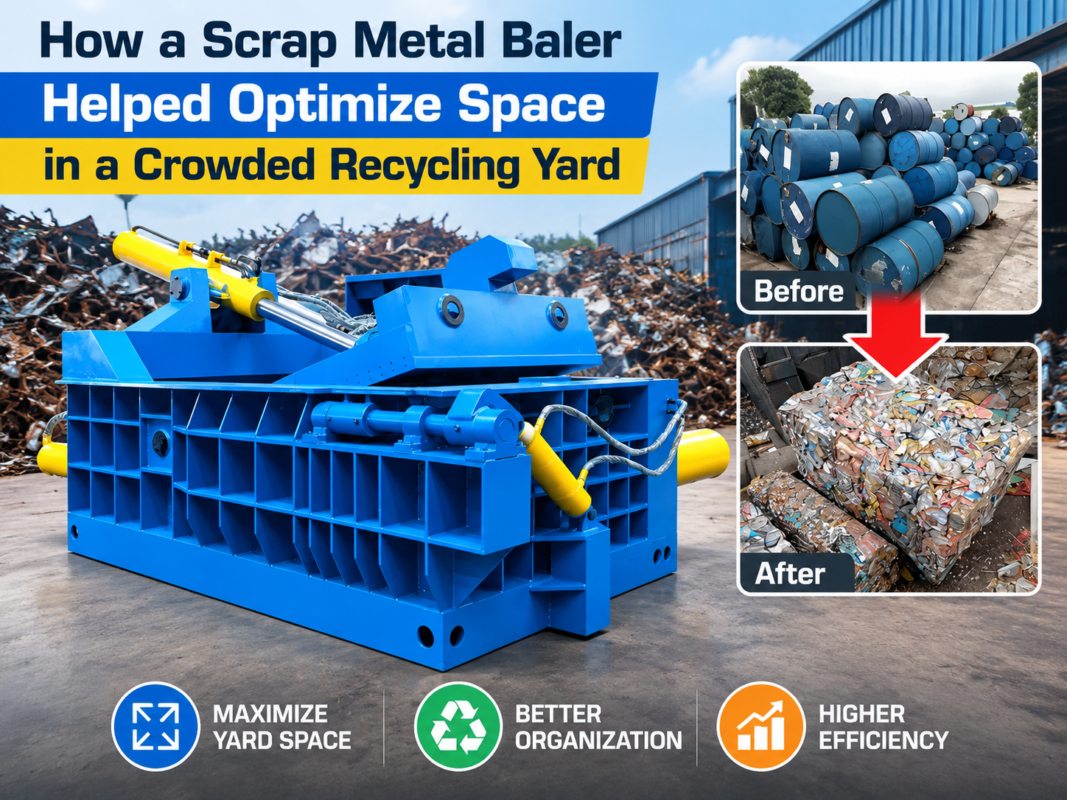
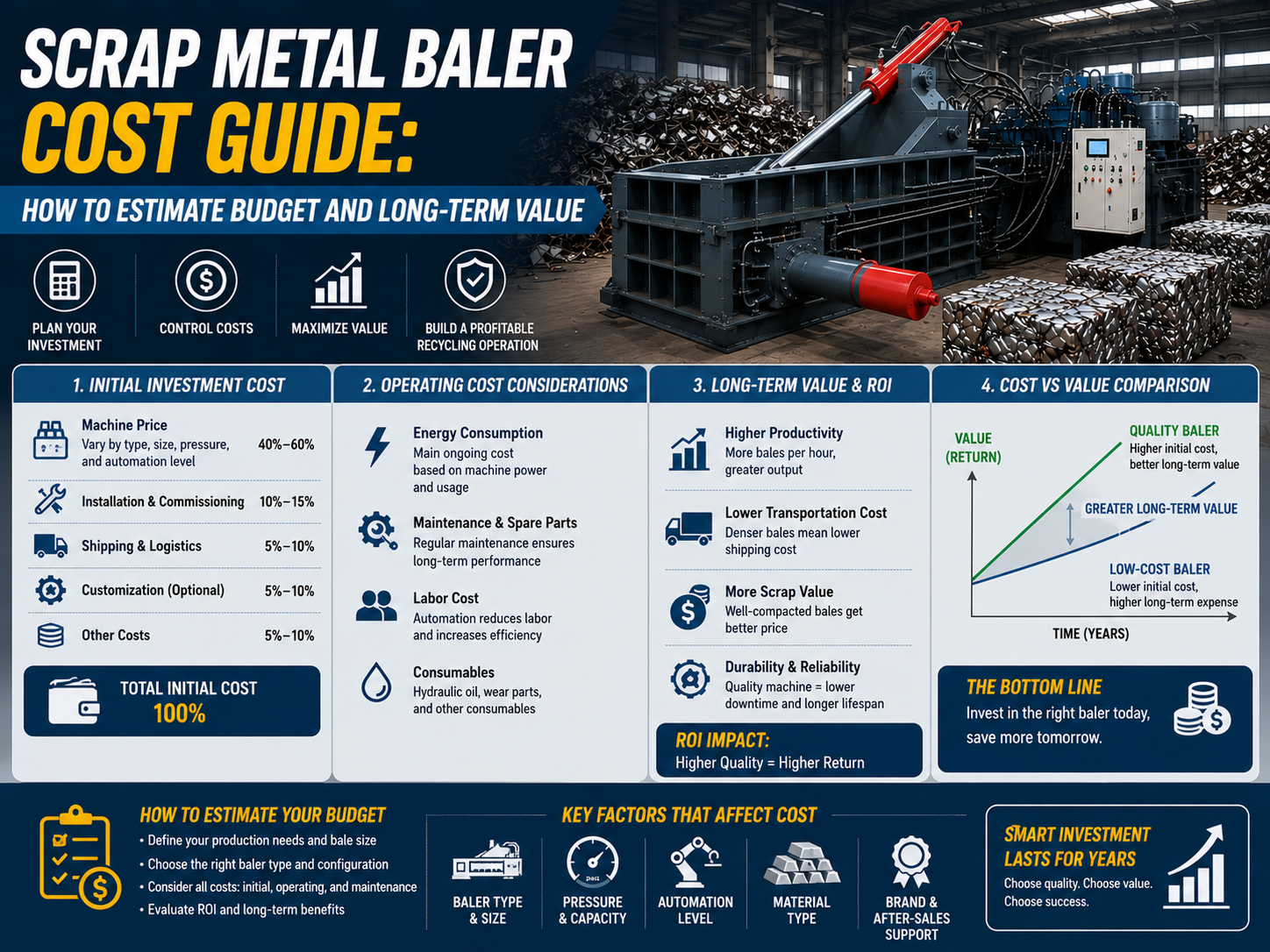
In the modern recycling and metal fabrication industry, efficiency is the cornerstone of profitability. A scrap metal baler is not merely a piece of equipment; it is a strategic investment that transforms loose, voluminous scrap into dense, manageable blocks. This process significantly reduces storage requirements and transportation costs while increasing the market value of the processed material. However, for many business owners, the primary hurdle is understanding the Scrap Metal Baler Cost : Estimate Budget Long-Term Value. Navigating the market requires a deep dive into technical specifications, operational requirements, and the total cost of ownership.
HARSLE, a leader in metal fabrication machinery, understands that purchasing a baler is a significant capital expenditure. Whether you are a small scrap yard looking to upgrade from manual sorting or a large industrial facility managing tons of aluminum and steel offcuts, the price range can vary drastically. This guide is designed to provide a comprehensive breakdown of the financial aspects of acquiring a scrap metal baler, helping you move beyond the initial sticker price to understand the long-term economic impact on your business operations.
Estimating a budget involves more than just looking at a catalog. It requires an analysis of your current scrap volume, the types of metals you process, and your future growth projections. By the end of this guide, you will have a clear framework for evaluating different models, understanding why certain configurations cost more, and calculating the exact point at which your investment begins to generate a positive return. Let’s explore the financial landscape of industrial metal baling.
Price Range Overview: What to Expect
The market for scrap metal balers is diverse, with machines ranging from compact vertical units to massive, fully automated horizontal systems. Generally, the Scrap Metal Baler Cost : Estimate Budget Long-Term Value can be categorized into three main tiers based on capacity and automation. Understanding these tiers is the first step in narrowing down your options and setting a realistic budget for your facility.
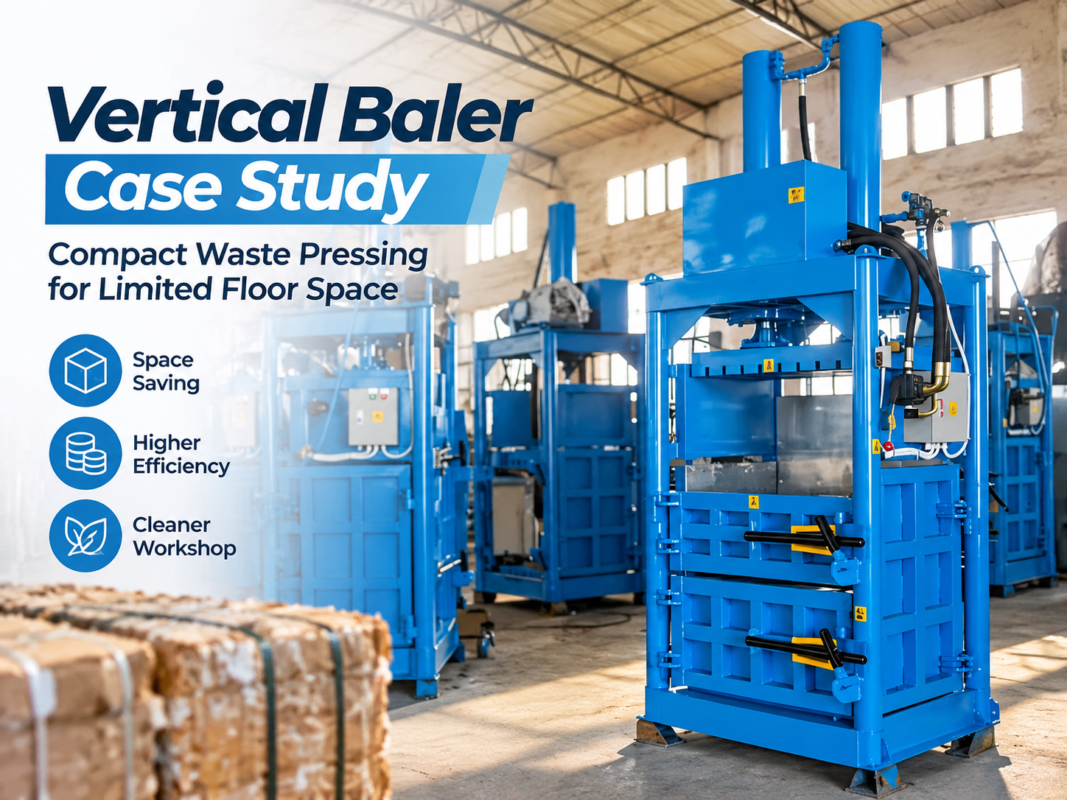
Entry-Level and Portable Balers ($15,000 – $40,000): These machines are typically designed for smaller operations or businesses that generate a moderate amount of light-gauge scrap, such as aluminum cans, copper wiring, or thin sheet metal. Many in this category are vertical balers, which have a smaller footprint but require more manual labor for loading and tying. Portable units, often mounted on trailers, also fall into this price range, offering flexibility for on-site processing at different locations.
Mid-Range Industrial Balers ($45,000 – $120,000): This is the most common category for dedicated scrap yards and medium-sized manufacturing plants. These machines are usually horizontal and offer significantly higher hydraulic pressure (tonnage). They can handle heavier materials like stainless steel, thicker aluminum extrusions, and even light structural steel. At this price point, you begin to see semi-automated features, faster cycle times, and more robust construction designed for multi-shift operations.
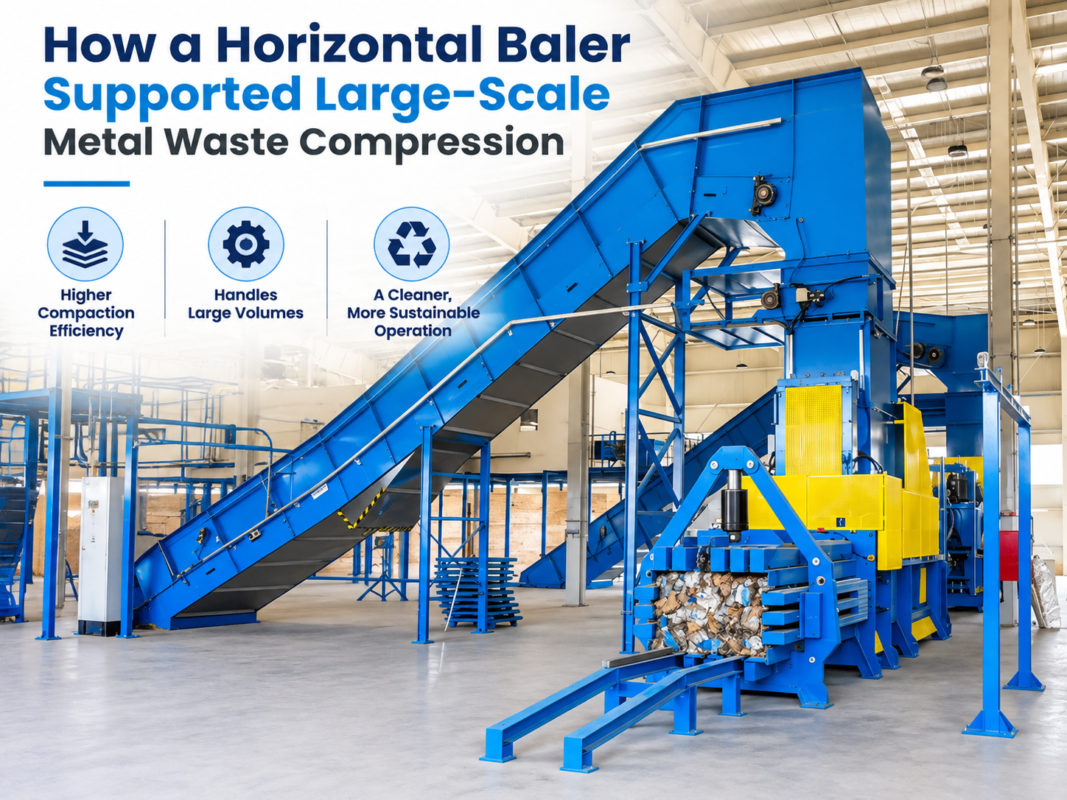
High-End Fully Automated Systems ($150,000 – $500,000+): For large-scale recycling centers processing hundreds of tons per month, high-end systems are a necessity. These machines feature fully automated feeding, baling, and bale-ejection systems. They are equipped with advanced PLC controls, high-efficiency hydraulic power units, and heavy-duty wear liners. While the initial cost is high, these machines are built for 24/7 operation and offer the lowest cost-per-ton processed due to minimal labor requirements.
Main Cost Drivers: What Influences the Price?
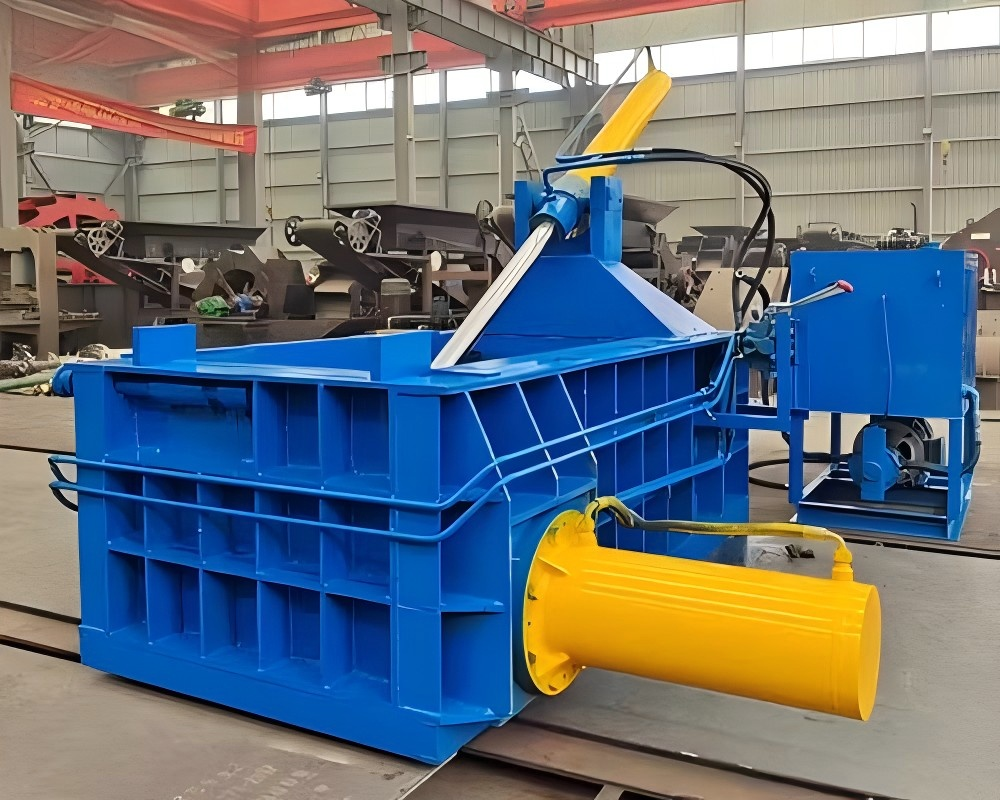
When comparing quotes for a scrap metal baler, you might notice significant price discrepancies between machines that appear similar. Several technical factors drive these costs. The most prominent factor is the Hydraulic Press Force (Tonnage). A machine with 100 tons of pressure is significantly cheaper than one with 400 tons. Higher tonnage allows for the processing of thicker materials and creates denser bales, which are more valuable to smelters and easier to transport.
Another major driver is the Cycle Time. In the world of industrial machinery, time is money. A baler that can complete a cycle in 30 seconds will naturally cost more than one that takes 90 seconds. Faster cycle times require more powerful hydraulic pumps, larger motors, and sophisticated cooling systems to prevent overheating during continuous use. If your volume is high, paying more for a faster cycle time is often a better long-term value than buying a cheaper, slower machine that creates a bottleneck in your production line.
The Build Quality and Materials used in construction also play a vital role. High-quality balers, like those manufactured by HARSLE, utilize high-grade steel frames and specialized wear-resistant liners (such as Hardox). These materials increase the initial manufacturing cost but significantly extend the machine’s lifespan. A cheaper machine made with inferior steel will flex under pressure, leading to hydraulic leaks, frame cracks, and premature failure, ultimately costing more in repairs and downtime.
Configuration Impact: Customizing for Efficiency
The configuration of your baler should be dictated by your specific material flow. One of the biggest decisions is choosing between Manual, Semi-Automatic, and Fully Automatic configurations. Manual machines require an operator to load the chamber, initiate the press, and manually tie the bales. While the upfront cost is low, the labor cost is high. Fully automatic systems, integrated with conveyors, require almost no human intervention, drastically reducing operational expenses over time.
The Bale Size and Density requirements also impact the configuration and cost. If you are shipping bales internationally in containers, you need a machine that produces specific dimensions to maximize container space. Achieving high density in these specific sizes requires precision engineering and high-pressure hydraulics. Additionally, features like integrated shear blades (to cut overhanging scrap) or multi-compress systems (side and top compression) add complexity and cost but result in a much cleaner, more marketable product.
Don’t overlook the Cooling and Filtration Systems. In warmer climates or high-intensity environments, standard hydraulic systems can overheat. Upgrading to an advanced air or water cooling system adds to the initial Scrap Metal Baler Cost : Estimate Budget Long-Term Value, but it protects the expensive hydraulic components from thermal degradation. Similarly, high-efficiency oil filtration systems extend the life of the hydraulic fluid and valves, reducing long-term maintenance costs.
Hidden Costs: Beyond the Purchase Price
When calculating your budget, it is a mistake to only look at the invoice from the manufacturer. Several “hidden” costs can impact your total investment. Shipping and Logistics are significant, especially for heavy industrial machinery. Depending on your location and the machine’s size, freight costs can range from a few thousand to tens of thousands of dollars. You may also need specialized rigging equipment or cranes to move the machine into place once it arrives at your facility.
Site Preparation and Installation is another critical factor. Heavy-duty balers generate immense vibration and pressure. You may need to reinforce your concrete flooring or even pour a dedicated foundation to support the machine’s weight and operational forces. Furthermore, electrical upgrades are often necessary. Industrial balers require significant three-phase power; if your facility isn’t equipped for this, the cost of bringing in new power lines and installing high-capacity breakers must be factored into the budget.
Finally, consider Operator Training and Initial Maintenance. While modern machines like those from HARSLE are designed for ease of use, proper training is essential for safety and to prevent accidental damage. Budgeting for a professional setup and a training session for your staff ensures the machine is operated at peak efficiency from day one. Additionally, you should set aside a contingency fund for initial spare parts, such as hydraulic seals, filters, and specialized oil, to ensure zero downtime during the first year of operation.
ROI Calculation: Measuring Long-Term Value
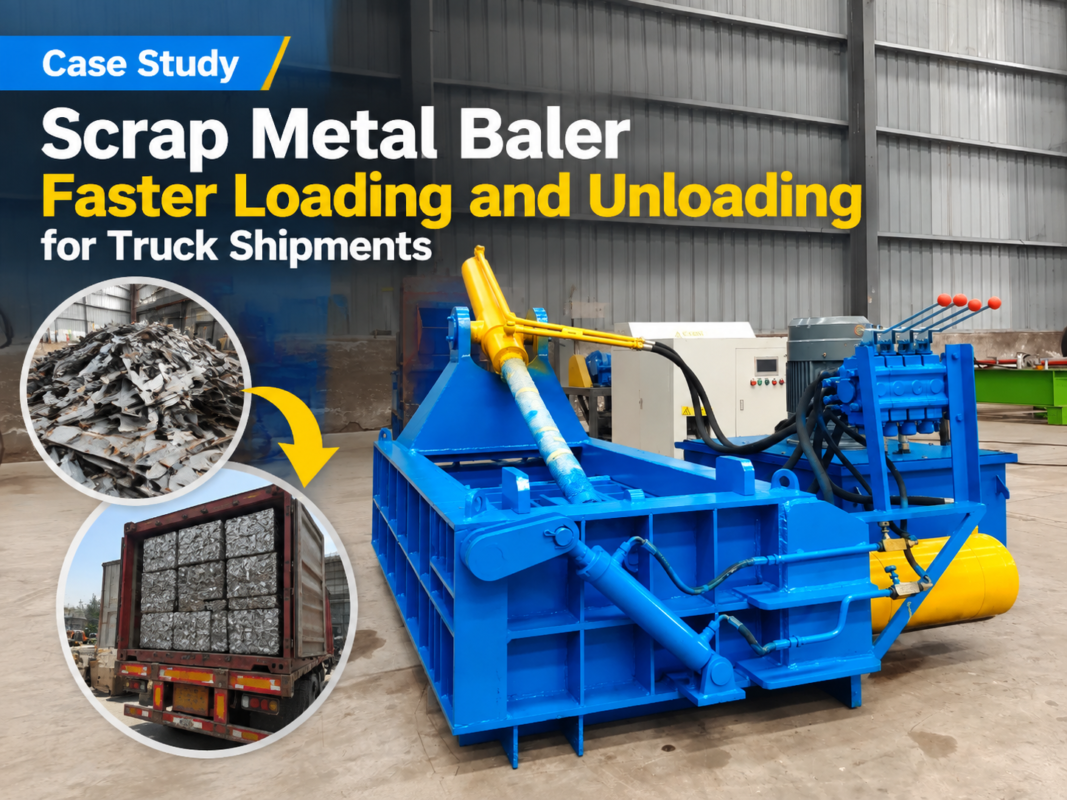
The true value of a scrap metal baler is found in its Return on Investment (ROI). To calculate this, you must compare your current costs against the projected costs after the baler is integrated. The most immediate saving is in Transportation Costs. Loose scrap is incredibly inefficient to move; a truck might reach its volume limit long before it reaches its weight limit. By baling the scrap, you can maximize the weight of every load, often reducing the number of required trips by 50% to 75%.
Another factor is the Increased Material Value. Refineries and smelters prefer baled scrap because it is easier to handle and melts more efficiently in their furnaces. Consequently, they offer a higher price per ton for baled material compared to loose scrap. This “premium” can range from $20 to $100 per ton depending on the metal type and market conditions. When you multiply this premium by your monthly tonnage, the Scrap Metal Baler Cost : Estimate Budget Long-Term Value becomes much clearer.
Labor efficiency is the third pillar of ROI. If a baler allows one operator to do the work that previously required three people to sort and load, the labor savings alone can often pay for the machine within 18 to 24 months. When you combine transportation savings, material premiums, and labor reductions, most high-quality balers from reputable manufacturers like HARSLE see a full payback within 2 to 4 years, after which the machine contributes directly to the company’s bottom line for the remainder of its 15-20 year lifespan.
Buying Advice: Choosing the Right Partner
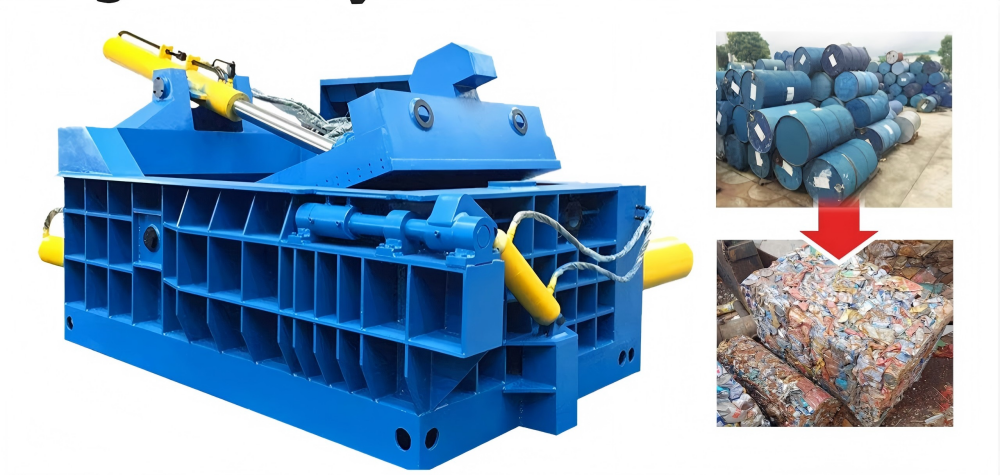
Choosing the right scrap metal baler is as much about choosing the right manufacturer as it is about the machine itself. When evaluating suppliers, look for companies with a proven track record in the industry. HARSLE, for instance, provides detailed technical documentation and transparent pricing, which are essential for accurate budgeting. Always ask for a detailed specification sheet that includes motor power, pump capacity, cylinder bore size, and the specific grade of steel used in the frame.
Before finalizing a purchase, consider the following checklist:
- Material Compatibility: Does the machine’s tonnage match the thickest material you plan to process?
- Throughput Requirements: Can the cycle time handle your peak daily volume without creating a backlog?
- After-Sales Support: Does the manufacturer offer remote technical support, and are spare parts readily available in your region?
- Safety Features: Does the machine comply with international safety standards (like CE or OSHA), including emergency stops and safety interlocks?
- Warranty Terms: What is covered under the warranty, and for how long? A robust warranty is a sign of the manufacturer’s confidence in their build quality.
It is also highly recommended to request a video demonstration of the machine processing material similar to yours. This provides a realistic view of the cycle time and the quality of the resulting bale. If possible, speak with other businesses that use the same model to get an unbiased perspective on its long-term reliability and the manufacturer’s responsiveness to service requests.
Summary Table: Cost vs. Feature Comparison
| Baler Type | Estimated Price (USD) | Best For | Key Advantage |
|---|---|---|---|
| Vertical Manual | $10,000 – $25,000 | Small shops, light aluminum | Low footprint & cost |
| Horizontal Semi-Auto | $40,000 – $85,000 | Medium scrap yards | Balance of cost & speed |
| Heavy-Duty Automatic | $120,000 – $300,000+ | Industrial recycling centers | High volume, low labor |
| Portable/Mobile | $30,000 – $70,000 | On-site demolition/clearing | Mobility & flexibility |
Frequently Asked Questions (FAQ)
1. How long does a typical scrap metal baler last?
With proper maintenance, a high-quality industrial baler from a reputable brand like HARSLE can last 15 to 20 years or more. The lifespan is largely determined by the quality of the hydraulic components and the frequency of replacing wear liners. Regular oil changes and structural inspections are key to longevity.
2. Can one baler handle all types of metal?
While most balers are versatile, they are usually optimized for specific ranges. A machine designed for light aluminum cans might struggle with heavy copper plate or steel structural beams. It is important to specify your primary material to the manufacturer so they can recommend the correct tonnage and shear blade configuration.
3. Is it better to buy new or used?
A used baler has a lower upfront cost but carries higher risks of hidden hydraulic issues or structural fatigue. For a critical piece of production equipment, buying new is generally recommended because it comes with a warranty, modern safety features, and the latest energy-efficient technology, which often results in a lower total cost of ownership over five years.
4. What kind of maintenance is required?
Daily maintenance includes checking hydraulic oil levels and inspecting for leaks. Weekly tasks involve greasing moving parts and checking the tension of any belts or chains. Monthly, you should inspect the wear plates and shear blades for dullness. A well-maintained machine prevents the “hidden cost” of emergency repairs.
5. How do I determine the right tonnage for my needs?
Tonnage is determined by the “springback” and thickness of the metal. Light metals like aluminum require less pressure (60-100 tons), while stainless steel and thicker ferrous metals require 150-400+ tons to achieve a dense, stable bale. Consult with HARSLE engineers to match the tonnage to your specific scrap profile.
6. Does the baler require a special operator license?
Generally, no special government license is required to operate a baler, but OSHA (in the US) and similar bodies elsewhere require that employers provide documented safety training for all operators. Ensuring your staff is trained by the manufacturer is the best way to meet these requirements and ensure safe operation.