Scrap Metal Baler Buying Guide: Safety Features, Controls, and Compliance Checklist

Introduction to Scrap Metal Baler Procurement
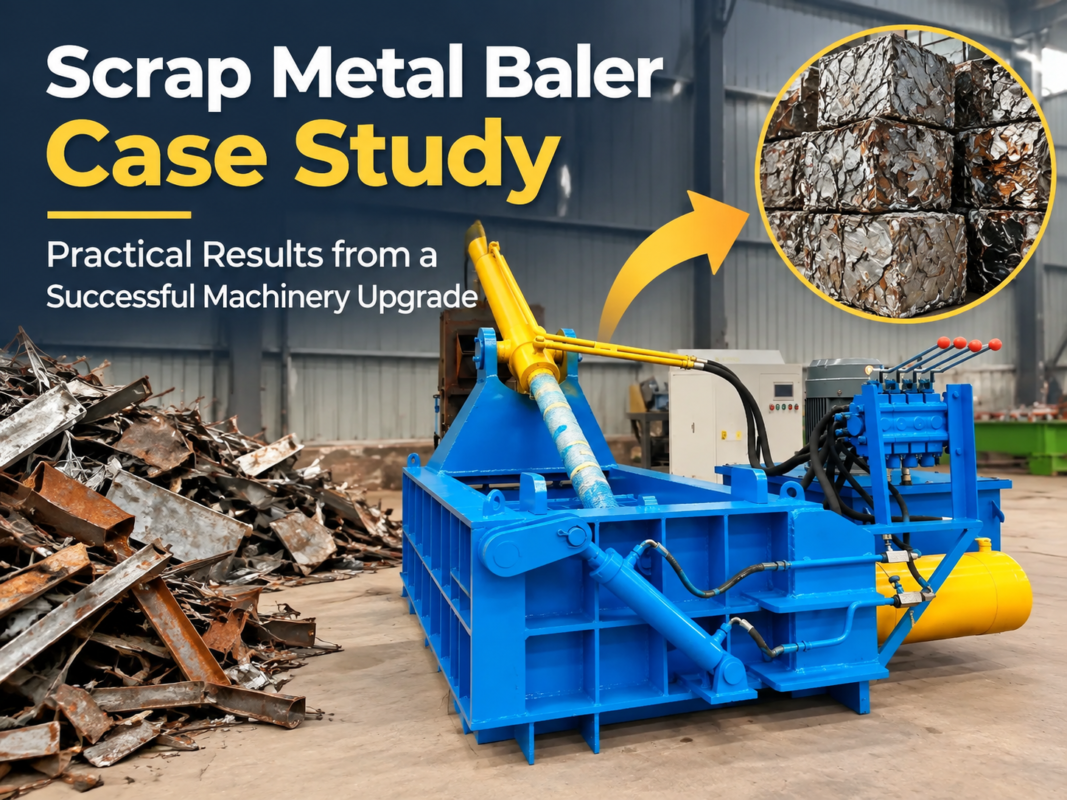
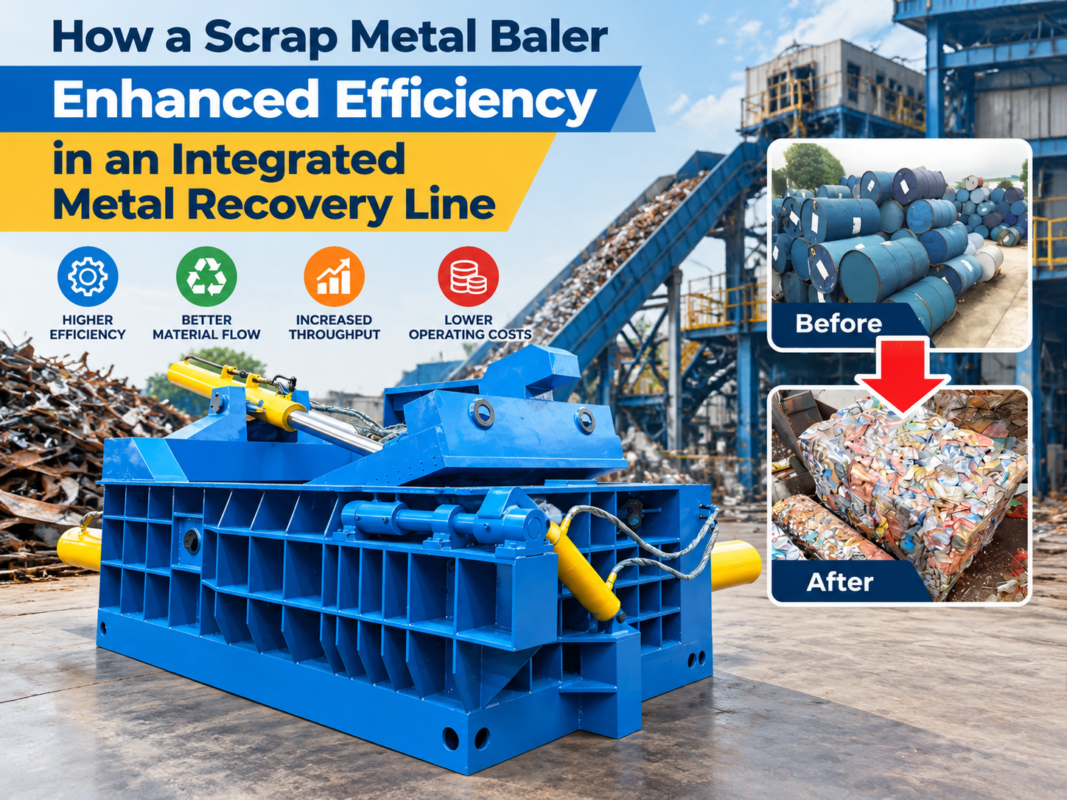
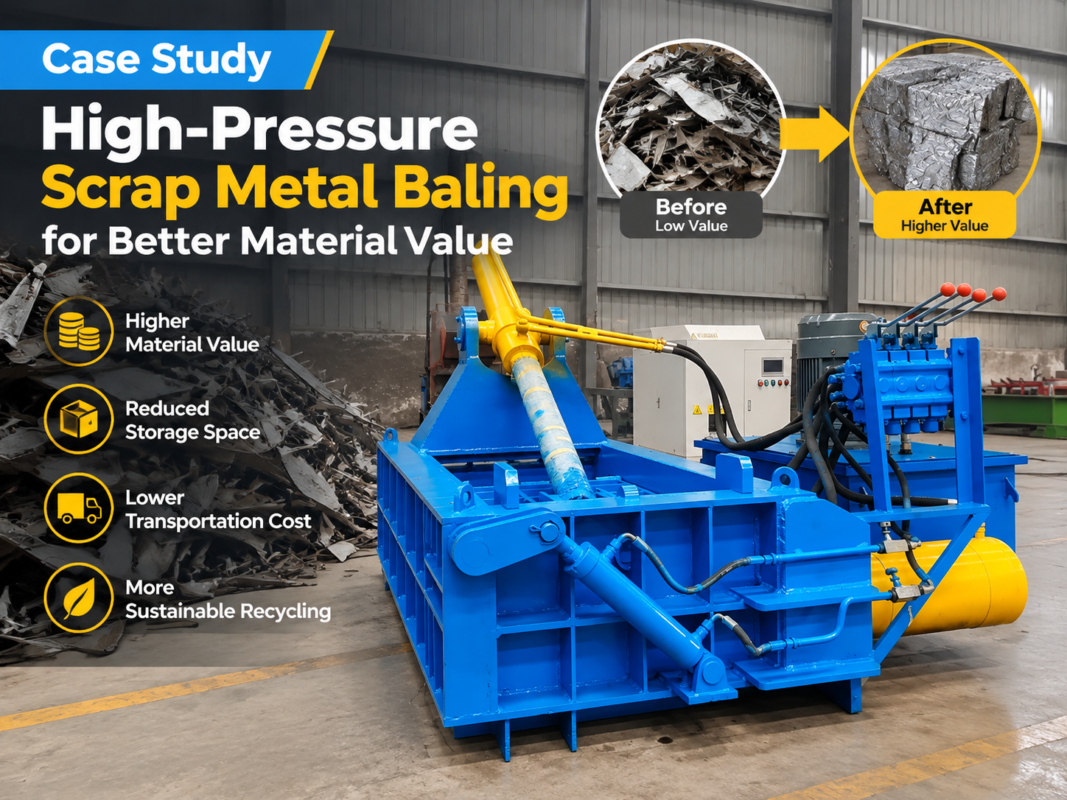
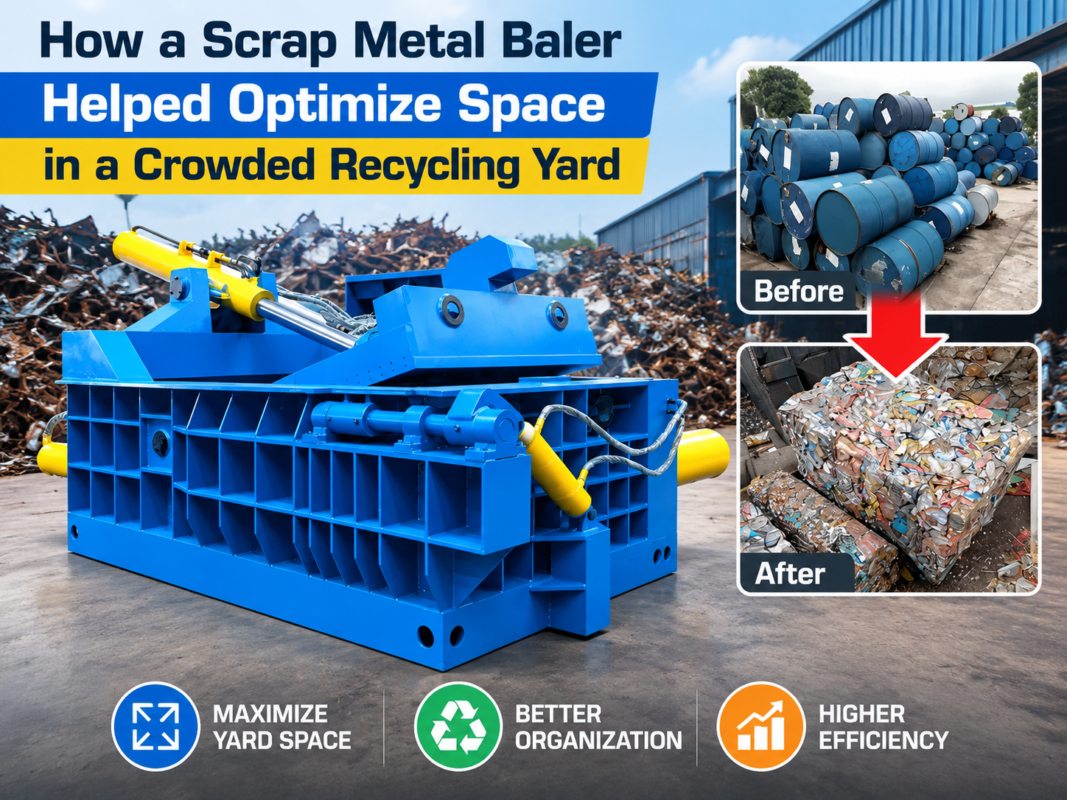
In the modern industrial landscape, scrap metal management is no longer just a waste disposal concern; it is a critical component of a lean manufacturing and recycling strategy. A scrap metal baler is a significant investment that transforms loose, bulky metal waste into dense, manageable blocks, significantly reducing storage space and transportation costs while increasing the market value of the scrap. However, purchasing the right machine involves more than just comparing pressing force and bale size. It requires a deep understanding of safety protocols, control systems, and regulatory compliance to ensure long-term operational success.
As a leading manufacturer in the metal fabrication machinery sector, HARSLE understands that the decision-making process for a scrap metal baler must be rigorous. This guide is designed to walk procurement managers, facility owners, and engineers through the complexities of selecting a baler that meets the highest standards of safety and efficiency. We will explore the financial aspects, technical configurations, and the essential safety features that protect your workforce and your bottom line.
Price Range Overview: Understanding the Investment
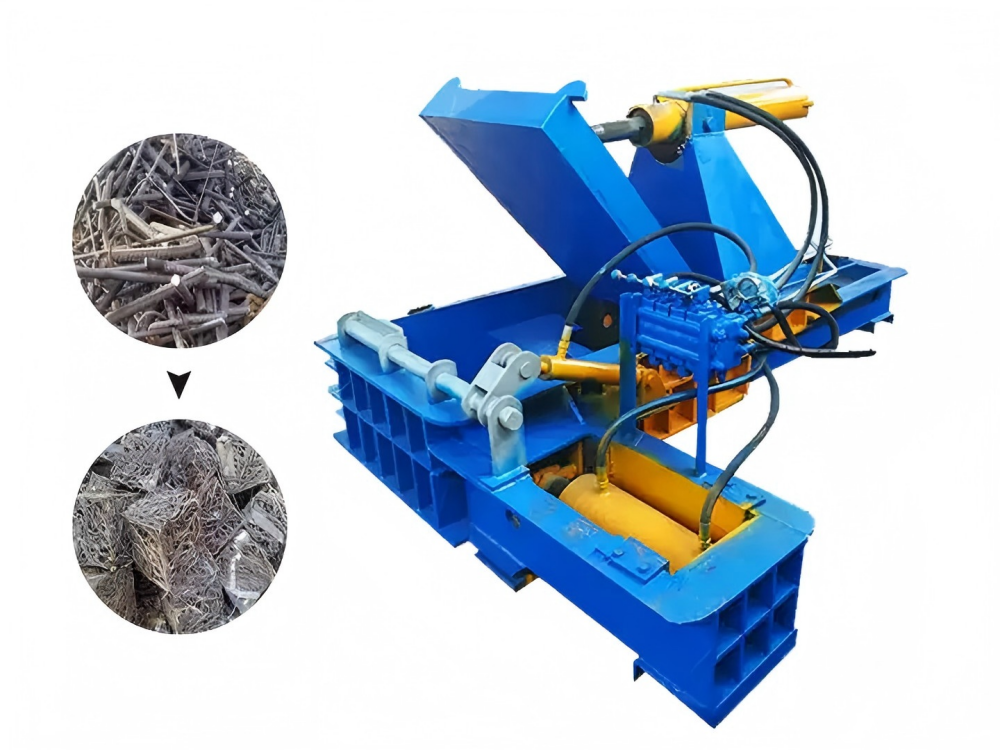
The cost of a scrap metal baler varies significantly based on its capacity, automation level, and the types of materials it is designed to process. Generally, the market is divided into three primary tiers: entry-level, mid-range, and heavy-duty industrial systems. Understanding these price points helps in setting a realistic budget for your facility’s specific needs.
Entry-level balers, often vertical or small horizontal units, typically range from $15,000 to $45,000. These machines are suitable for smaller fabrication shops or recycling centers that handle light-gauge materials like aluminum cans, copper wire, or thin sheet metal. While they offer a lower barrier to entry, they often lack the high-speed cycle times and advanced automation found in more expensive models.
Mid-range scrap metal balers, priced between $50,000 and $150,000, are the workhorses of the industry. These machines feature higher hydraulic pressure, larger feed openings, and more robust construction. They are capable of processing a wider variety of materials, including stainless steel scrap and thicker aluminum extrusions. At this level, you begin to see integrated PLC controls and enhanced safety guarding as standard features.
Heavy-duty industrial balers represent the top tier, with prices ranging from $200,000 to over $500,000. These systems are designed for 24/7 operation in large-scale recycling facilities or major automotive and aerospace manufacturing plants. They often include triple-compression technology, fully automated bale tying or ejecting systems, and sophisticated remote monitoring capabilities. The investment at this level is justified by the massive throughput and the significant reduction in labor costs.
Main Cost Drivers in Scrap Metal Baler Manufacturing
Several technical factors influence the final price of a scrap metal baler. The most prominent driver is the hydraulic system. High-quality pumps from reputable brands like Rexroth or Vickers, combined with precision-engineered cylinders, ensure consistent pressure and longevity. A cheaper hydraulic system might save money upfront but often leads to higher maintenance costs and frequent downtime due to leaks or pressure drops.
The quality of the steel used in the frame and the compression chamber is another critical factor. Industrial balers must withstand immense internal pressures. Machines built with high-tensile steel and reinforced with wear-resistant liners (such as Hardox plates) will naturally command a higher price. These liners are essential for processing abrasive materials like stainless steel or scrap with sharp edges, as they protect the main structure from premature wear.
Automation and control electronics also play a significant role in pricing. A baler equipped with a high-end PLC (Programmable Logic Controller) from Siemens or Schneider Electric, featuring a user-friendly HMI (Human-Machine Interface), will be more expensive than a manually operated unit. However, the automation allows for precise control over the baling cycle, integrated safety interlocks, and data logging, which are invaluable for modern industrial operations.
Configuration Impact: Choosing the Right Setup
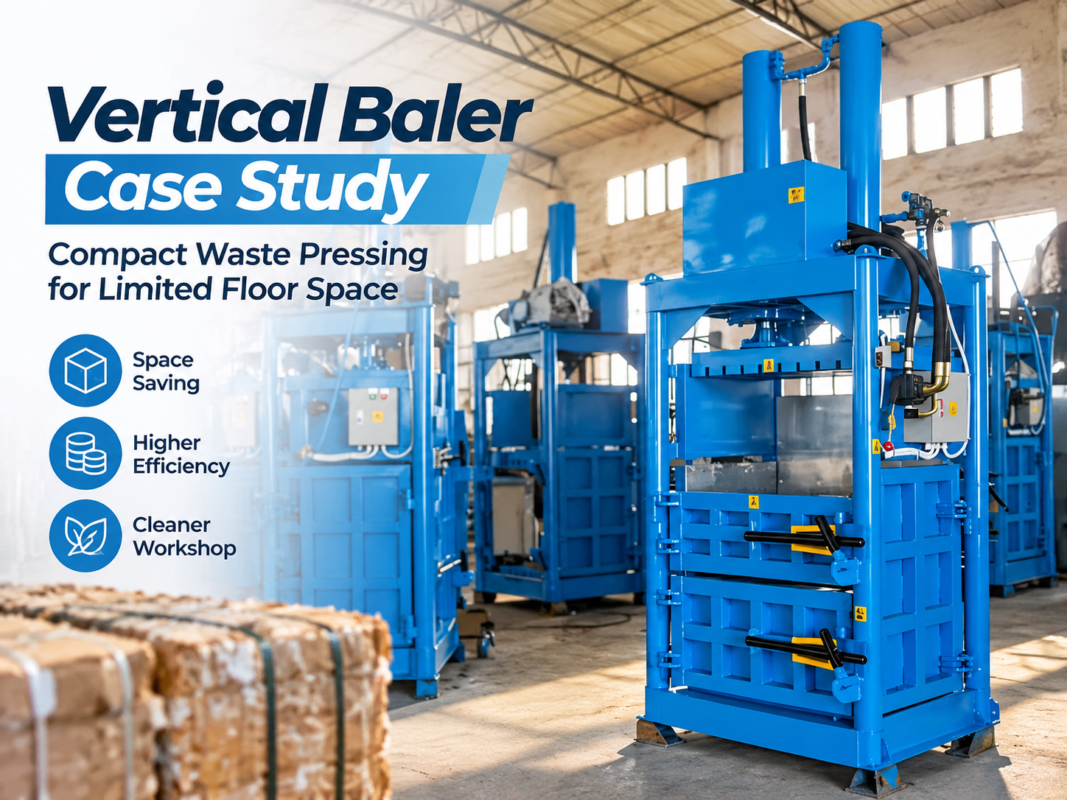
The configuration of a scrap metal baler—whether it is vertical or horizontal, and how it compresses the material—has a direct impact on both its price and its suitability for your application. Vertical balers are generally more compact and affordable, making them ideal for facilities with limited floor space. However, they require manual loading and unloading, which can limit throughput.
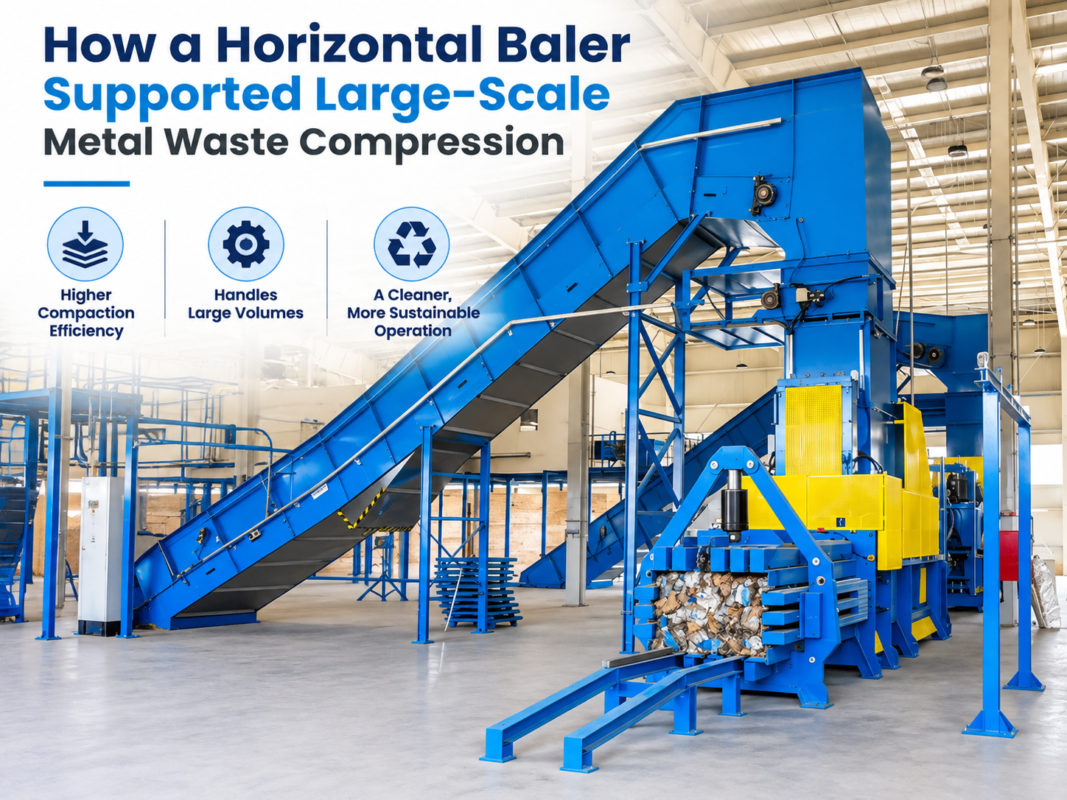
Horizontal balers, on the other hand, are designed for high-volume processing. They can be integrated into conveyor systems for continuous feeding. Within the horizontal category, you can choose between single-ram, side-squeeze, or triple-compression models. Triple-compression balers are the most complex and expensive, but they produce the densest bales, which is critical for maximizing shipping container weights and achieving the best prices from smelters.
The bale discharge method is another configuration choice. Some machines use a “turn-out” or “side-push” design, while others utilize a “push-out” system where the next bale pushes the completed one out. The choice depends on the flow of your facility and how you intend to move the finished bales to storage or transport. Each configuration requires different hydraulic arrangements, which influences the overall machine complexity and cost.
Safety Features: Protecting Your Workforce
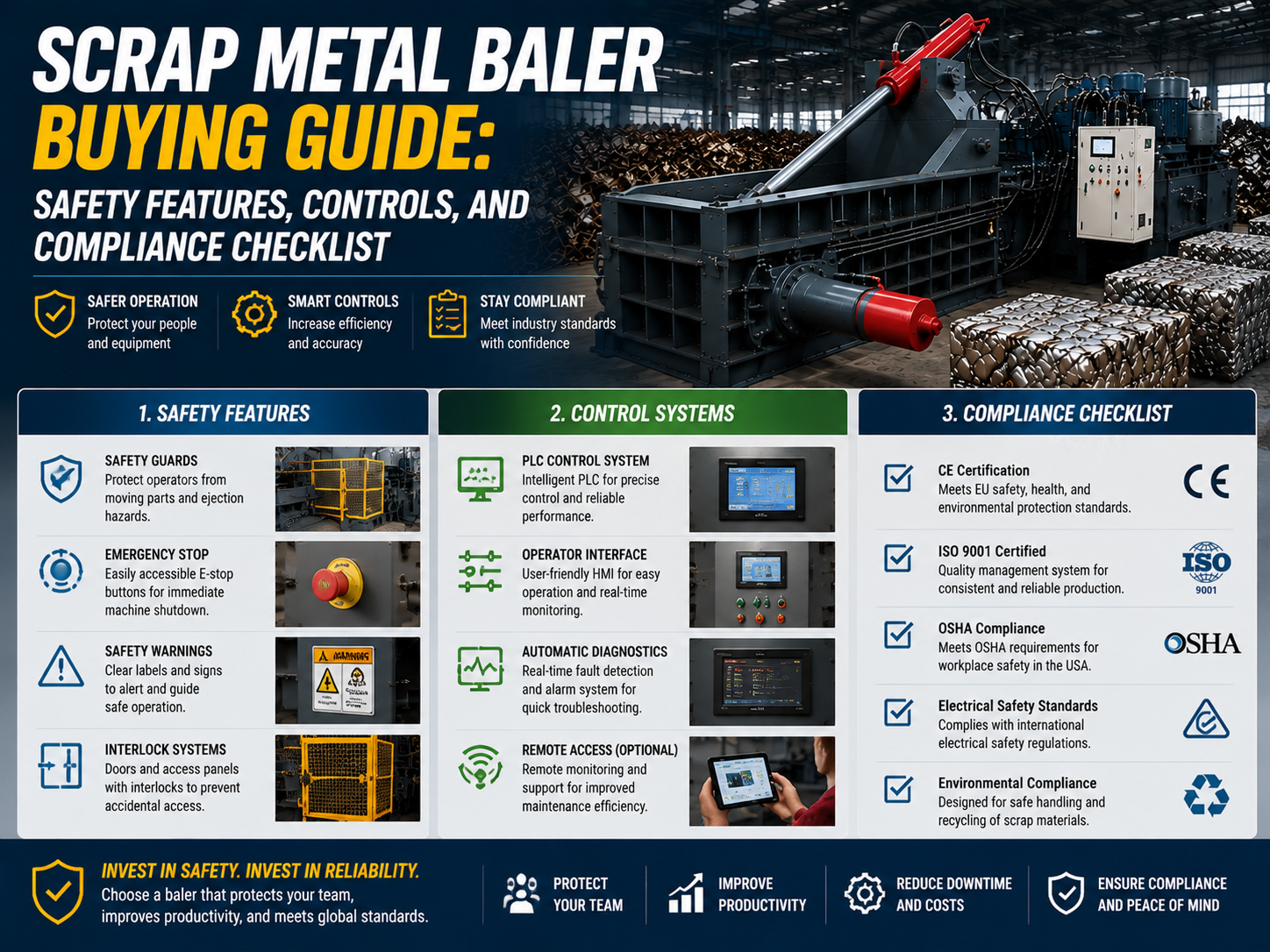
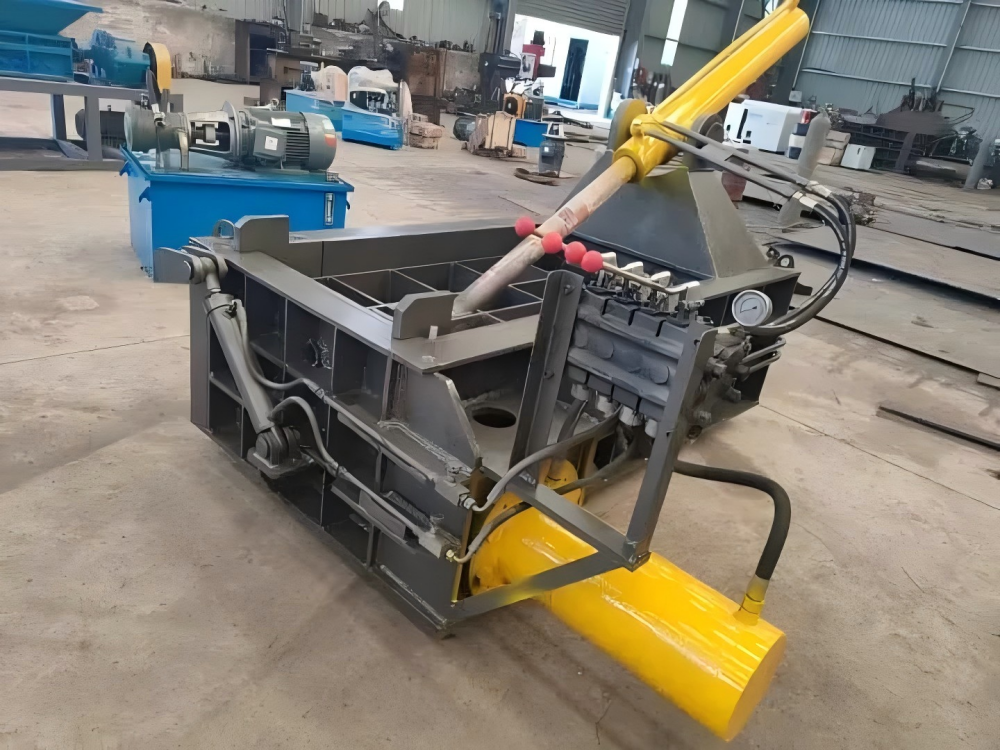
Safety is the most critical aspect of any industrial machinery purchase. A scrap metal baler involves high-pressure hydraulics and powerful moving parts, making it a high-risk environment if not properly equipped. Modern balers must include a suite of safety features to mitigate these risks. Emergency stop (E-stop) buttons should be strategically placed around the machine, easily accessible from any operator station.
Interlocked safety gates and access panels are mandatory. These systems ensure that the machine cannot operate if a door is open or if a technician is performing maintenance inside the compression chamber. Advanced balers also utilize light curtains—optical sensors that immediately halt the machine if a person or object enters the danger zone during a cycle. This non-physical barrier provides an extra layer of protection without hindering the loading process.
Pressure relief valves and overload protection are essential for the machine’s mechanical safety. These components prevent the hydraulic system from exceeding its rated capacity, which could otherwise lead to catastrophic failure of the cylinders or hoses. Furthermore, the control system should include a “two-hand control” requirement for manual operations, ensuring that the operator’s hands are safely away from the moving parts when the cycle is initiated.
Controls and Automation: The Brain of the Baler
The control system of a scrap metal baler determines its ease of use, efficiency, and diagnostic capabilities. A modern PLC-based control system allows for multiple operating modes, such as manual, semi-automatic, and fully automatic. This flexibility enables operators to adjust the machine’s behavior based on the type of scrap being processed, optimizing the cycle time for different material densities.
The HMI (Human-Machine Interface) should provide real-time feedback on the machine’s status, including oil temperature, pressure levels, and cycle counts. Sophisticated systems also include fault-finding diagnostics, which display specific error codes on the screen if a problem occurs. This significantly reduces troubleshooting time and helps maintenance teams identify whether a problem is electrical, hydraulic, or mechanical.
Remote monitoring and IoT integration are becoming increasingly popular in high-end balers. These features allow managers to track production data from a central office or even a mobile device. They can monitor the number of bales produced, the average weight, and the machine’s uptime. This data is crucial for calculating OEE (Overall Equipment Effectiveness) and planning preventative maintenance schedules before a minor issue turns into a major breakdown.
Compliance Checklist: Meeting Global Standards
When purchasing a scrap metal baler, it is vital to ensure the machine complies with local and international safety and environmental standards. Failure to do so can lead to heavy fines, increased insurance premiums, and, most importantly, unsafe working conditions. Use the following checklist to verify compliance:
- CE Marking: For machines sold in the European Economic Area, the CE mark indicates compliance with health, safety, and environmental protection standards.
- OSHA/ANSI Standards: In the United States, balers must meet OSHA 1910.212 (General requirements for all machines) and ANSI Z245.5 standards specifically for baling equipment.
- ISO 9001 Certification: Ensure the manufacturer follows a recognized quality management system.
- Noise Level Regulations: Industrial machinery must often stay below certain decibel levels (typically 85 dB) to protect workers’ hearing.
- Environmental Fluid Containment: The hydraulic system should be designed to prevent leaks, and the machine should ideally have a drip tray or containment system for hydraulic oil.
- Electrical Safety: Control cabinets should be rated (e.g., NEMA 4 or IP65) to protect against dust and moisture common in scrap yards.
Hidden Costs of Ownership
The sticker price of a scrap metal baler is only part of the total cost of ownership. Buyers must account for several “hidden” costs that can impact the budget. Installation and commissioning are primary examples. Large balers may require a reinforced concrete foundation to handle the weight and vibration. You may also need to hire a crane and specialized riggers to position the machine in your facility.
Training is another essential cost. Your operators and maintenance staff must be thoroughly trained on the specific model you purchase. While many manufacturers like HARSLE provide initial training, ongoing education is necessary as new staff join the team. Proper training reduces the risk of accidents and ensures the machine is operated at peak efficiency.
Consumables and spare parts should also be factored in. This includes hydraulic oil, filters, and wear plates. It is wise to keep a stock of critical spares, such as proximity switches, seals, and fuses, to minimize downtime. Additionally, consider the energy consumption of the machine. High-efficiency motors and variable frequency drives (VFDs) can reduce electricity costs, but they may have a higher upfront price.
ROI Calculation: Justifying the Purchase
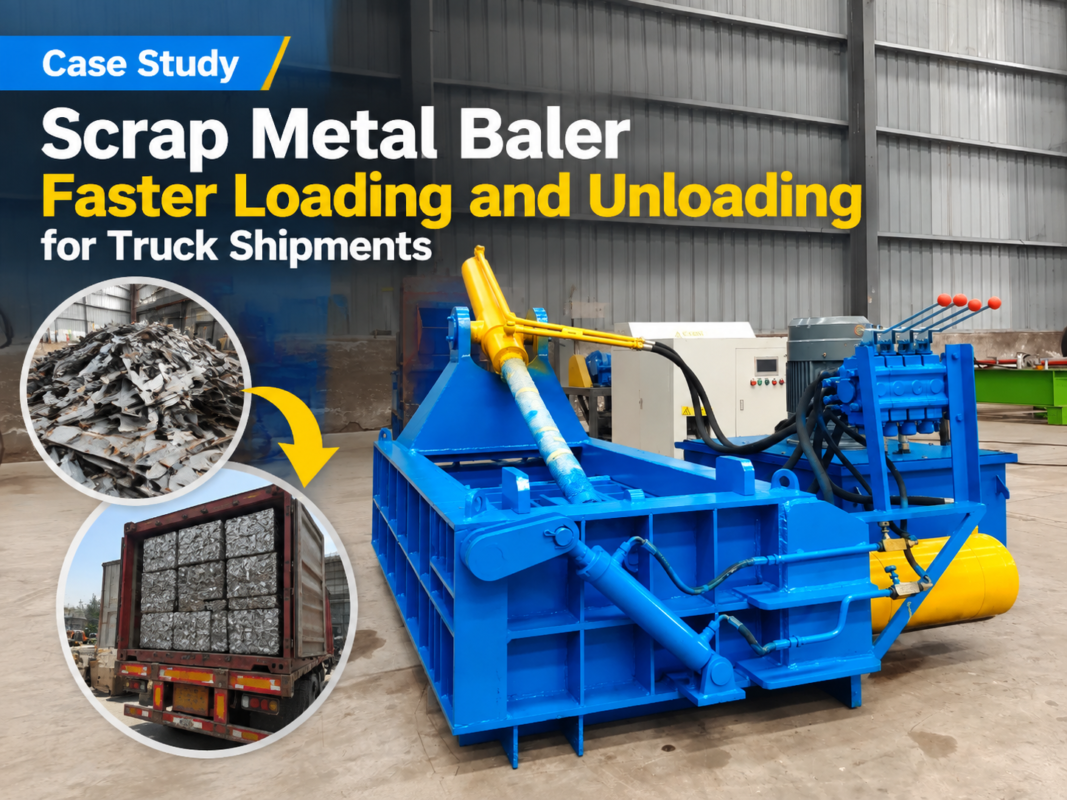
Calculating the Return on Investment (ROI) for a scrap metal baler involves looking at both direct savings and indirect benefits. The most obvious saving comes from reduced transportation costs. Loose scrap is expensive to move because you are essentially paying to transport air. By baling the metal, you can fit significantly more weight into each truckload, often reducing the number of trips by 70% or more.
Furthermore, baled scrap often commands a higher price from steel mills and foundries. Bales are easier to handle, melt more efficiently, and have lower contamination levels than loose scrap. This “premium” on baled material can add up to thousands of dollars in additional revenue per month, depending on your volume.
Labor savings are also a major factor. An automated baler reduces the time workers spend handling scrap, allowing them to focus on other productive tasks. To calculate the ROI, use the following formula: ROI = (Annual Transportation Savings + Annual Scrap Premium + Annual Labor Savings – Annual Operating Costs) / Total Investment Cost. Most industrial facilities find that a well-chosen baler pays for itself within 18 to 36 months.
Buying Advice: Making the Final Decision
Before signing a purchase agreement, there are several steps you should take to ensure you are getting the right machine for your needs. First, conduct a thorough analysis of your scrap stream. What types of metal are you processing? What is the maximum thickness? What is your daily volume? Providing this data to the manufacturer allows them to recommend the correct tonnage and configuration.
Request a demonstration or visit a facility where the machine is already in operation. Seeing the baler handle material similar to yours is the best way to judge its performance. Pay attention to the cycle time, the density of the finished bales, and the noise level during operation. Ask the current owner about the manufacturer’s after-sales support and the frequency of maintenance issues.
Finally, evaluate the manufacturer’s reputation and support network. A scrap metal baler is a long-term asset, and you will need access to parts and technical expertise for years to come. Choose a partner like HARSLE that offers comprehensive warranties, clear documentation, and a proven track record in the metal fabrication industry. A slightly higher initial investment in a reputable brand often saves significant money and headaches over the life of the machine.
Frequently Asked Questions (FAQ)
| Question | Answer |
|---|---|
| How often does a scrap metal baler need maintenance? | Daily checks of oil levels and safety sensors are required. Major maintenance, including oil filter changes and structural inspections, should occur every 1,000 to 2,000 operating hours. |
| Can one baler handle all types of metal? | Most balers can handle a variety of non-ferrous and light ferrous metals. However, very thick steel plate or heavy structural beams may require a specialized high-tonnage shear-baler. |
| What is the typical lifespan of an industrial baler? | With proper maintenance and timely replacement of wear parts, a high-quality scrap metal baler can last 15 to 20 years or more in an industrial environment. |
| Is a vertical or horizontal baler better for my shop? | Vertical balers are best for low volumes and tight spaces. Horizontal balers are superior for high-volume operations where automation and throughput are priorities. |
| Do I need a special permit to operate a baler? | While the machine itself doesn’t usually require a permit, your facility may need to update its environmental or zoning permits to include scrap metal processing activities. |