Scrap Metal Baler Buying Guide: Single-Box, Two-Ram, and Vertical Models Compared


Introduction to Scrap Metal Baler Procurement
In the modern recycling and metal fabrication industry, the efficiency of waste management directly correlates with the profitability of the operation. A scrap metal baler is not merely a piece of equipment; it is a strategic investment that transforms loose, voluminous scrap into dense, manageable, and highly marketable bales. Choosing the right machine requires a deep understanding of the technical nuances between different configurations. This Scrap Metal Baler Buying Guide: Single-Box, Two-Ram, and Vertical Models Compared aims to provide industrial buyers with the technical depth needed to make an informed decision.
Whether you are managing a small scrap yard, a large-scale recycling facility, or an industrial manufacturing plant, the volume and type of material you process will dictate your machinery needs. HARSLE, a leader in metal fabrication machinery, understands that the ‘one-size-fits-all’ approach does not apply to baling technology. From the space-saving vertical models to the high-throughput two-ram systems, each machine offers distinct advantages in terms of compression force, cycle time, and bale density.
As global steel prices fluctuate and environmental regulations tighten, the ability to minimize transport costs through high-density baling becomes a competitive necessity. This guide will walk you through the financial and technical landscapes of baler acquisition, ensuring your capital expenditure translates into long-term operational excellence.
Price Range Overview
The initial capital investment for a scrap metal baler varies significantly based on the design architecture and the intended throughput. Understanding these price brackets is the first step in budget allocation. Generally, the market is divided into three primary tiers based on the model type.
Vertical Balers: The Entry-Level Solution
Vertical scrap metal balers are the most cost-effective entry point for businesses. Typically ranging from $5,000 to $25,000, these machines are designed for low-to-medium volume applications. The price variation within this category is usually driven by the press force (measured in tons) and the size of the bale chamber. A 20-ton vertical baler for aluminum cans will be significantly cheaper than a 100-ton heavy-duty vertical unit designed for stainless steel offcuts.
Single-Box Horizontal Balers: The Mid-Range Workhorse
Single-box horizontal balers represent the mid-tier market, with prices typically falling between $20,000 and $85,000. These machines are favored for their continuous feeding capabilities and higher automation levels compared to vertical models. The price is influenced by the inclusion of semi-automatic or fully automatic tying systems, the length of the compression chamber, and the motor horsepower. For many medium-sized recycling centers, this range offers the best balance between cost and performance.
Two-Ram Balers: The Industrial Powerhouse
At the top of the spectrum are Two-Ram balers, which are industrial-grade machines priced from $100,000 to over $500,000. These systems are engineered for 24/7 operation and multi-material versatility. The high price tag reflects the complexity of the dual-cylinder system, advanced PLC controls, and the massive structural steel required to withstand extreme hydraulic pressures. These are the preferred choice for large-scale scrap processors who need to bale everything from non-ferrous metals to solid waste.
Main Cost Drivers in Scrap Metal Baler Buying
When evaluating a quote for a scrap metal baler, it is essential to look beyond the sticker price. Several technical factors drive the manufacturing cost and, consequently, the purchase price of the machine. Understanding these drivers helps buyers identify where they are getting value and where they might be over-specifying.
Hydraulic System Sophistication
The heart of any baler is its hydraulic system. High-end machines utilize premium components from brands like Rexroth or Vickers. The cost increases with the complexity of the hydraulic circuit, the inclusion of high-efficiency pumps, and the integration of advanced cooling systems. A machine designed for high-cycle speeds requires larger pumps and more robust valving, which adds to the cost but significantly improves productivity.
Structural Integrity and Wear Liners
Scrap metal is inherently abrasive. To ensure longevity, quality balers use high-grade structural steel and replaceable wear liners. The use of Hardox 500 or similar abrasion-resistant plates in the bale chamber is a major cost driver. While a cheaper machine might use standard carbon steel, it will require frequent and costly chamber repairs, making the initial ‘saving’ a long-term liability.
Automation and Control Systems
The level of automation is a primary differentiator in pricing. A basic manual-tie baler is inexpensive but labor-intensive. In contrast, a fully automatic system with a Siemens PLC, touch-screen HMI, and remote diagnostics capabilities will command a premium. These systems reduce labor costs and ensure consistent bale density, which is critical for maximizing shipping weights.
Cylinder Force and Bore Size
The total tonnage of a baler is determined by the hydraulic pressure and the bore size of the main cylinder. Larger cylinders require more raw material and more powerful hydraulic units to move them. A 200-ton baler is not just twice as powerful as a 100-ton baler; it requires a exponentially more robust frame to contain the forces generated, leading to higher manufacturing costs.
Configuration Impact: Comparing the Three Models
The choice between Single-Box, Two-Ram, and Vertical models is the most critical decision in the buying process. Each configuration serves a specific operational profile.
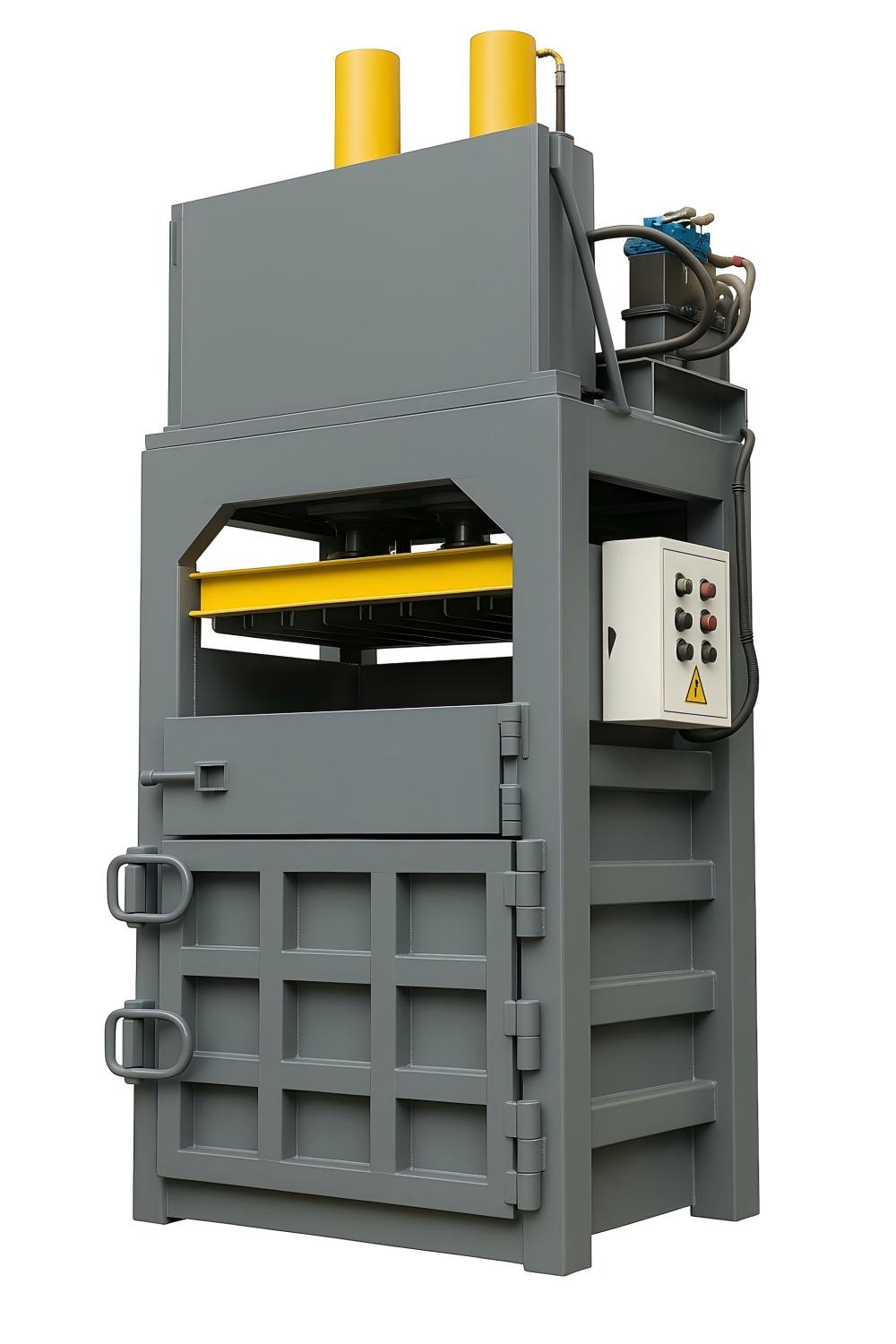
Vertical Balers: Space-Efficient and Simple
Vertical balers operate by pressing material downward into a chamber. They are ideal for facilities with limited floor space. Because they are gravity-fed and usually manually tied, they have a smaller footprint and lower power requirements. However, they are not suitable for high-volume scrap processing as the cycle times are slower and the loading process is more labor-intensive.
Single-Box Horizontal Balers: Efficiency and Flow
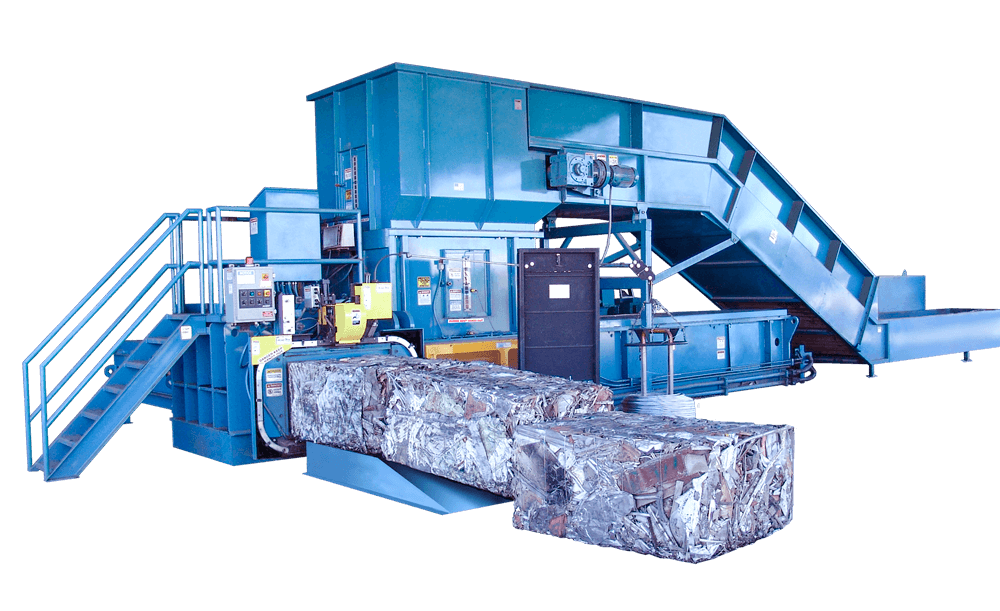
Horizontal single-box balers are the standard for many industrial applications. They allow for conveyor feeding, which enables a continuous workflow. These machines typically use a single main ram to compress the metal against a fixed door or a narrowing extrusion channel. They are excellent for processing consistent material streams, such as aluminum extrusions or copper wire, with high efficiency and moderate bale density.
Two-Ram Balers: The Ultimate Versatility
Two-Ram balers feature a main compression ram and a separate ejector ram. This design allows the machine to process a wide variety of materials without the risk of jamming. The second ram also facilitates a high-pressure ‘final squeeze,’ resulting in the highest possible bale density. This is crucial for non-ferrous metals where transport costs are a significant portion of the overhead.
| Feature | Vertical Baler | Single-Box Horizontal | Two-Ram Baler |
|---|---|---|---|
| Throughput | Low (1-2 tons/day) | Medium (5-20 tons/day) | High (20-100+ tons/day) |
| Footprint | Small | Medium to Large | Very Large |
| Material Versatility | Limited | Moderate | High (Multi-material) |
| Bale Density | Moderate | High | Very High |
| Labor Requirement | High (Manual) | Low (Semi-Auto) | Minimal (Fully Auto) |
Hidden Costs of Ownership
When calculating the total cost of ownership (TCO) for a scrap metal baler, several ‘hidden’ expenses must be accounted for. These can often exceed the initial purchase price over the life of the machine.
Installation and Commissioning
Large horizontal and two-ram balers require specialized installation. This includes pouring a reinforced concrete pad, hiring heavy-duty cranes for placement, and professional electrical integration. For a large system, installation costs can range from $5,000 to $20,000 depending on the site conditions.
Hydraulic Fluid and Filtration
A large industrial baler can hold hundreds of gallons of hydraulic oil. The cost of the initial fill, combined with regular oil analysis and filter changes, is a significant ongoing expense. Furthermore, if the machine is operated in extreme temperatures, a specialized oil cooler or heater may be required, adding to the energy bill.
Wear Parts and Consumables
Baling wire is a constant consumable cost. Additionally, the ‘knives’ or shear blades that trim excess metal during the compression cycle must be sharpened or replaced regularly. Neglecting these wear parts leads to poor bale quality and increased strain on the hydraulic system. Buyers should inquire about the cost and availability of these parts before committing to a specific brand.
Energy Consumption
The electrical demand of a 100HP motor running 10 hours a day is substantial. Modern balers from HARSLE often feature VFD (Variable Frequency Drive) technology or high-efficiency motors to mitigate these costs, but the baseline energy consumption remains a factor that must be included in the operational budget.
ROI Calculation: Making the Business Case
The Return on Investment (ROI) for a scrap metal baler is primarily driven by three factors: transportation savings, labor reduction, and material value increase.
Transportation Savings
Loose scrap metal is expensive to transport because trucks reach their volume limit long before their weight limit. By baling the metal, you can maximize the weight of every load. For example, if a truck can carry 5 tons of loose aluminum but 20 tons of baled aluminum, you have reduced your transport costs per ton by 75%. In many cases, the savings in freight alone can pay for a mid-range baler within 18 to 24 months.
Labor Efficiency
A manual scrap handling process is slow and dangerous. An automated horizontal baler allows a single operator to manage the output of an entire facility. By calculating the reduction in man-hours required to process a ton of scrap, businesses can see a clear path to ROI through payroll savings.
Premium for Baled Material
Steel mills and foundries prefer baled material because it is easier to handle and more efficient to melt. Consequently, they often pay a premium for ‘mill-ready’ bales compared to loose scrap. This price spread, multiplied by your annual tonnage, represents the direct revenue increase generated by the baler.
Buying Advice: Choosing the Right HARSLE Model
Selecting the right machine requires a systematic approach. Follow this checklist to ensure you choose a model that aligns with your business goals:
- Analyze Your Material: Are you processing light aluminum cans, heavy structural steel, or mixed non-ferrous? Two-ram balers are best for mixed streams, while single-box models excel at uniform industrial offcuts.
- Determine Your Volume: Be realistic about your daily tonnage. Buying a machine that is too small will create a bottleneck, while an oversized machine will have an unnecessarily long ROI period.
- Evaluate Your Space: Measure your facility’s ceiling height and floor space. Remember to account for the space needed for loading equipment (forklifts/conveyors) and bale storage.
- Check Power Availability: Ensure your facility has the necessary 3-phase power to run industrial hydraulic motors. Upgrading a transformer can be a massive unexpected expense.
- Prioritize Support: Choose a manufacturer like HARSLE that provides comprehensive technical support, readily available spare parts, and clear maintenance documentation.
At HARSLE, we specialize in matching the right technology to the specific needs of the scrap industry. Our engineering team can help you simulate your throughput and recommend the most efficient configuration, whether it’s a high-speed single-box unit or a heavy-duty two-ram system.
Frequently Asked Questions (FAQ)
How long does a typical scrap metal baler last?
With proper maintenance, a high-quality industrial baler can last 15 to 25 years. The lifespan is heavily dependent on the regularity of hydraulic oil changes and the timely replacement of wear liners and shear blades.
Can I process different types of metal in the same baler?
Yes, especially with Two-Ram balers. However, it is crucial to clean the chamber between different materials to avoid contamination, which can devalue your bales at the foundry. Single-box balers are also versatile but may require more frequent adjustments for different material densities.
What safety features should I look for?
Modern balers must include emergency stop buttons, safety interlocks on all access doors, and infrared safety curtains for automatic models. HARSLE machines are designed to meet international safety standards, ensuring operator protection during all phases of the baling cycle.
Is a horizontal baler better than a vertical one?
It depends on your volume. If you process more than 5 tons of scrap per week, a horizontal baler is generally more efficient. For smaller volumes or retail environments, a vertical baler is often the more practical and cost-effective choice.
What is the typical cycle time for a scrap baler?
Cycle times vary by model. Vertical balers may take 40-60 seconds, while high-speed horizontal balers can complete a cycle in 20-30 seconds. Two-ram balers are designed for continuous operation, where the cycle time is optimized for maximum hourly throughput.