What to Look for When Buying a Scrap Metal Baler for Industrial Recycling

Introduction to Industrial Scrap Metal Balers
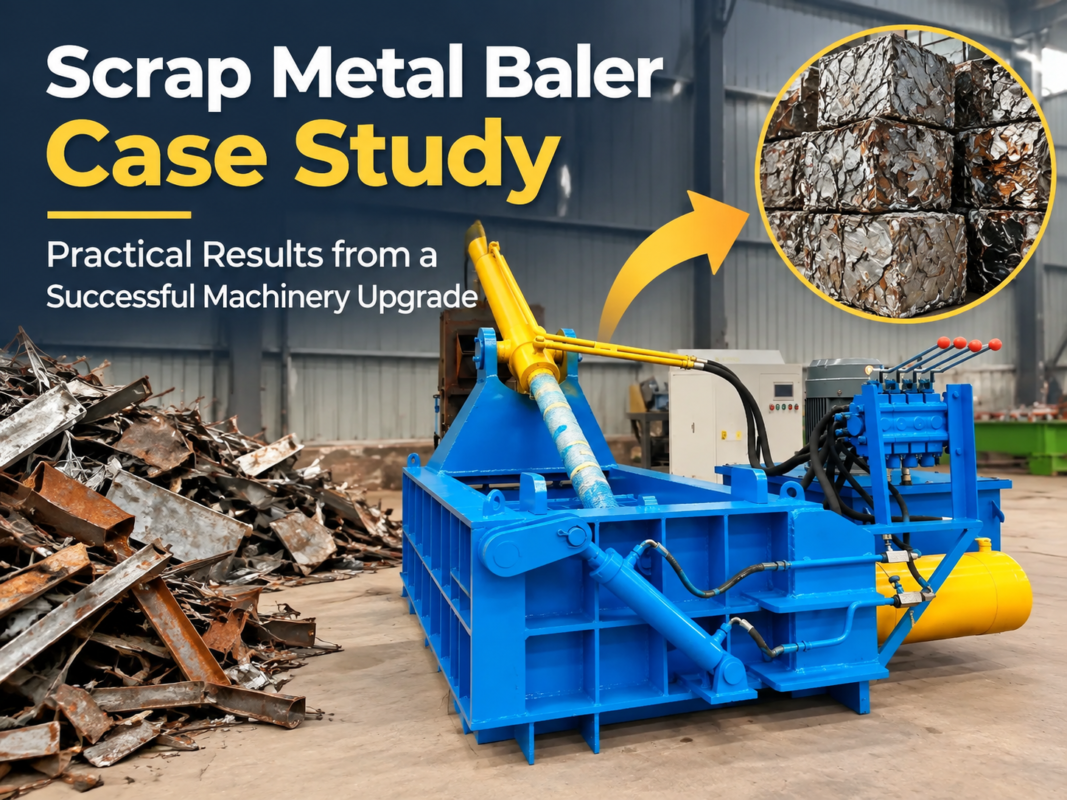
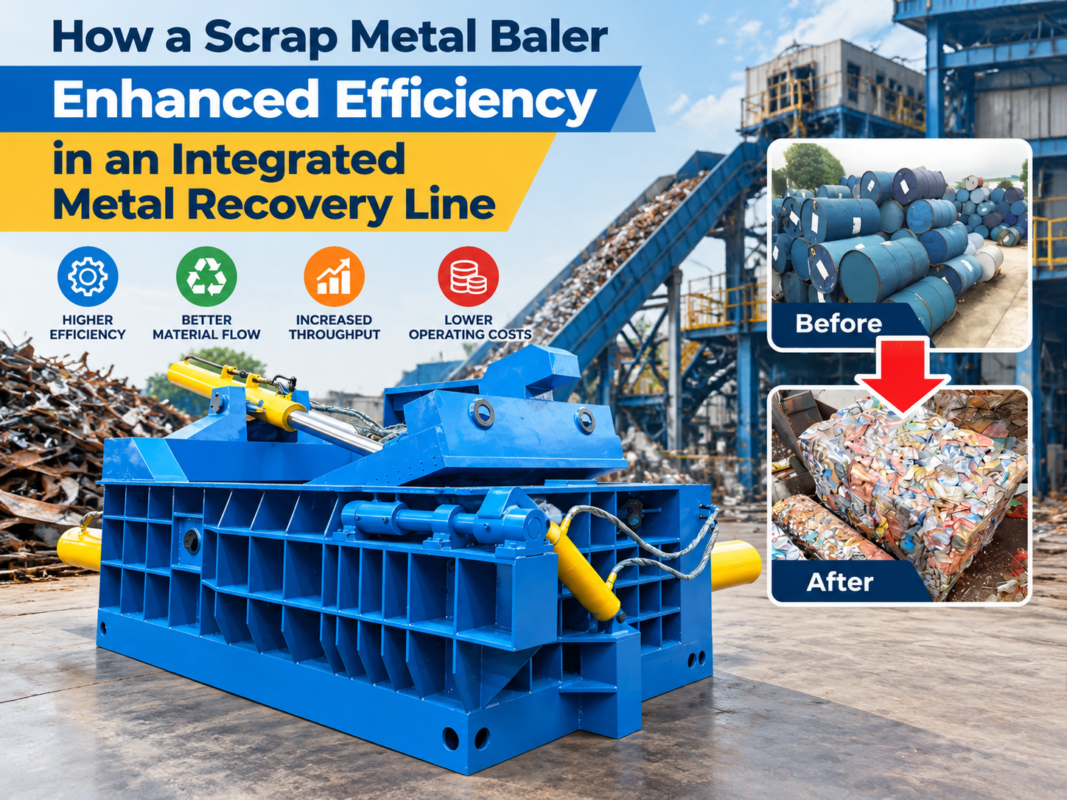
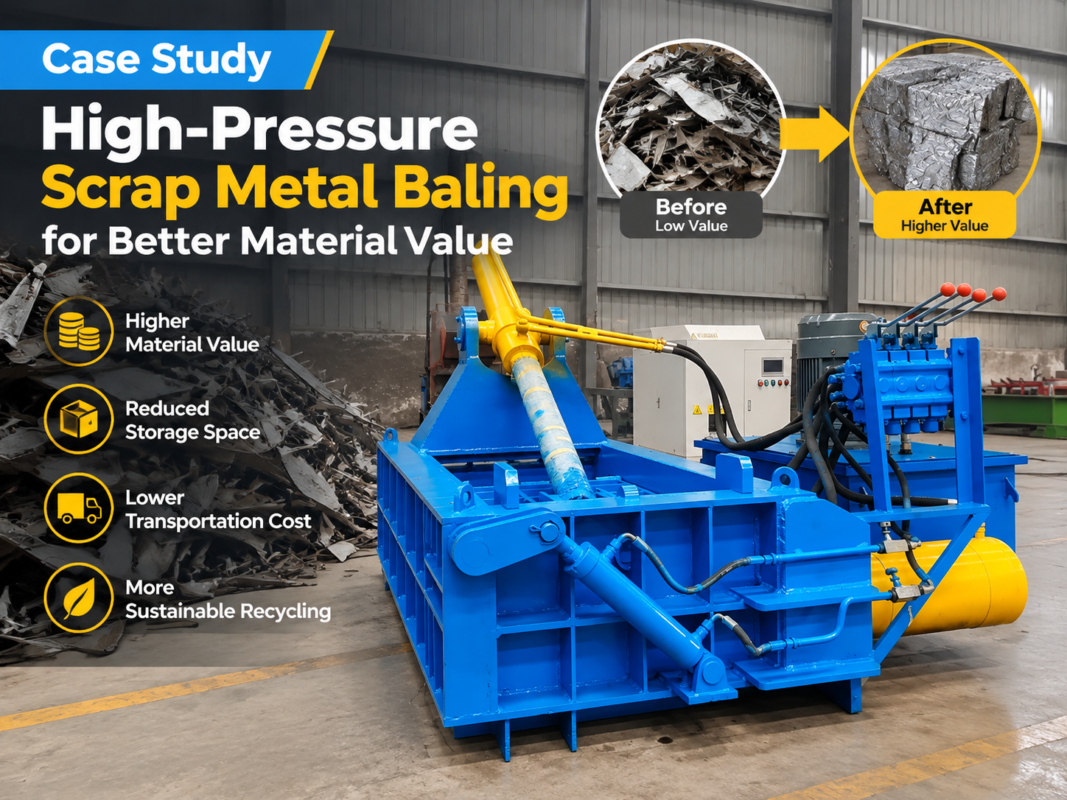
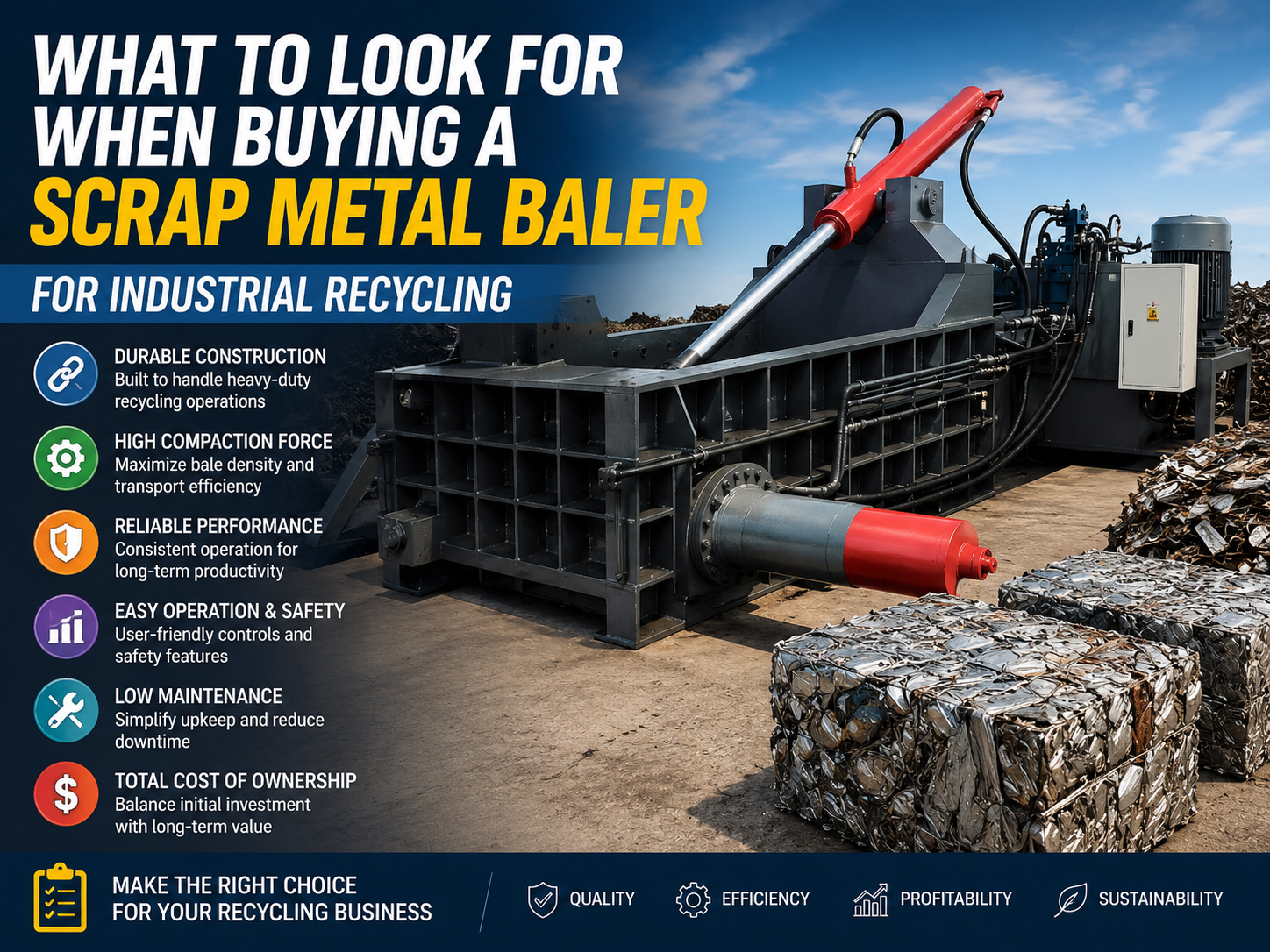
In the rapidly evolving world of industrial recycling, efficiency and volume management are the cornerstones of profitability. As global demand for recycled metals—ranging from aluminum and copper to stainless steel—continues to rise, facilities must optimize how they handle, store, and transport scrap. This is where the scrap metal baler becomes an indispensable asset. A high-quality baler compresses loose metal scrap into dense, manageable blocks, significantly reducing storage space and transportation costs while increasing the market value of the material.
However, selecting the right machine is not a simple task. The market is flooded with various models, each boasting different tonnages, cycle times, and automation levels. For a business owner or facility manager, knowing exactly what to Look When Buying A Scrap Metal Baler Industrial Recycling is the difference between a high-return investment and a costly operational bottleneck. This guide provides a deep dive into the technical, financial, and operational factors you must consider to make an informed decision.
At HARSLE, we understand that industrial machinery is the backbone of your production. Whether you are a small-scale scrap yard or a massive industrial processing plant, the configuration of your baler must align with your specific material flow. In the following sections, we will break down the costs, configurations, and long-term ROI strategies to help you navigate the complexities of the scrap metal baling industry.
Price Range Overview: Understanding the Investment
The price of a scrap metal baler can vary wildly based on its capacity and intended use. Generally, industrial balers fall into three primary price categories. Entry-level machines, often used for light non-ferrous metals like aluminum cans or thin copper wiring, typically range from $15,000 to $40,000. these machines are usually vertical or small horizontal units with lower hydraulic pressure, suitable for businesses processing less than 5 tons of scrap per day.
Mid-range industrial balers, which are the workhorses of most recycling centers, fall between $50,000 and $150,000. These machines offer higher tonnage (typically 125 to 250 tons of pressure), faster cycle times, and more robust construction. They are designed to handle heavier materials, including light steel scrap, automotive parts, and industrial offcuts. At this price point, you begin to see features like semi-automatic operation and improved hydraulic cooling systems.
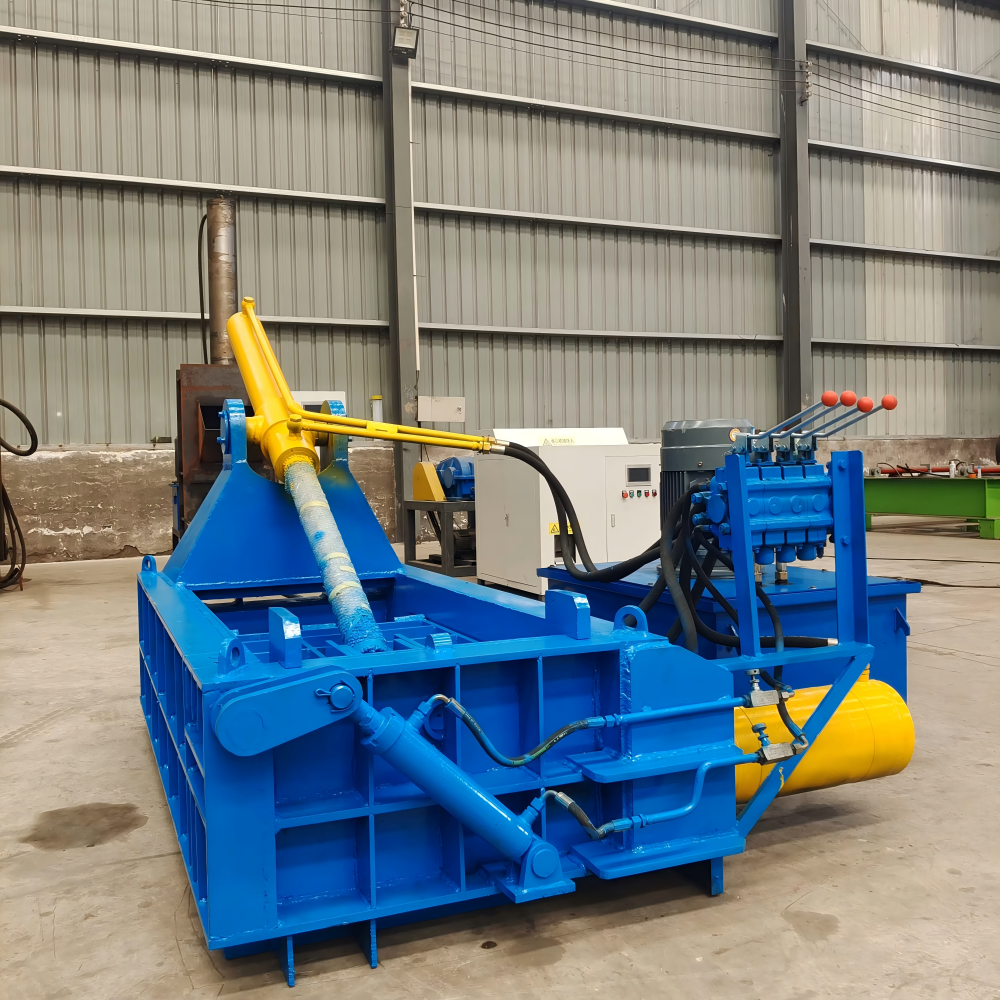
High-end, heavy-duty balers for large-scale industrial recycling can exceed $250,000, sometimes reaching over $500,000 for fully automated, high-speed systems. These machines are built for 24/7 operation and can process massive volumes of heavy ferrous scrap. They often feature triple-compression technology, advanced PLC controls, and integrated conveyor systems. When you Look When Buying A Scrap Metal Baler Industrial Recycling, it is vital to match the price point with your projected volume to ensure you aren’t over-investing in capacity you won’t use, or under-investing in a machine that will break down under heavy loads.
Main Cost Drivers: What Influences the Price Tag?
Several technical factors dictate the final cost of a scrap metal baler. Understanding these drivers allows you to prioritize features that matter most to your operation. The most significant driver is the nominal pressure or tonnage. A 100-ton baler requires significantly less structural steel and smaller hydraulic cylinders than a 400-ton baler. The higher the tonnage, the denser the bale, which is critical for meeting the strict requirements of steel mills and foundries.
The quality of the hydraulic system is another major factor. High-end balers use premium pumps (such as Rexroth or Vickers) and valves that offer better precision and longevity. A cheap hydraulic system might save money upfront but will lead to frequent leaks, slower cycle times, and higher energy consumption. Additionally, the cycle time—the time it takes for the ram to extend and retract—directly impacts throughput. Faster cycle times require more powerful motors and sophisticated hydraulic circuits, which add to the cost.
Material durability also plays a role. Look for balers that feature wear-resistant liners (like Hardox steel) inside the baling chamber. These liners protect the main frame from the abrasive nature of metal scrap. While machines with replaceable liners are more expensive, they prevent the structural frame from wearing out, effectively doubling or tripling the machine’s lifespan. Finally, the level of automation—from manual lever controls to fully integrated Siemens PLC touchscreens—will shift the price significantly.
Configuration Impact: Choosing the Right Setup
When evaluating what to Look When Buying A Scrap Metal Baler Industrial Recycling, the physical configuration of the machine is paramount. There are three main types of discharge configurations, each suited for different space and material requirements:
- Turn-out Balers: The bale is pushed out and then flipped over the side of the machine. These are common for smaller to medium loads and are generally the most affordable.
- Side-push Balers: The bale is ejected through a side gate. This is ideal for continuous operations where the bale can be pushed directly onto a conveyor or into a collection bin.
- Forward-out (Front-push) Balers: The bale is pushed out the front. These are often used in heavy-duty applications where the bale density is extremely high.
Beyond discharge, you must consider the chamber size. If you are processing large automotive parts or bulky industrial cabinets, you need a large charging box to avoid the need for pre-cutting the scrap. Pre-cutting is labor-intensive and expensive, so a larger chamber can often pay for itself in labor savings. Furthermore, consider the power source. While most industrial balers are electric, some mobile units are diesel-powered. For indoor industrial recycling, electric is preferred for noise reduction and zero emissions.
| Feature | Entry-Level | Mid-Range | Heavy-Duty |
|---|---|---|---|
| Pressure (Tons) | 63 – 100 | 125 – 250 | 315 – 600+ |
| Bale Size (mm) | 300×300 | 400×400 to 500×500 | 600×600+ |
| Operation | Manual Valve | Semi-Automatic / PLC | Fully Automatic PLC |
| Main Application | Aluminum, Copper | Light Steel, Offcuts | Heavy Scrap, HMS 1/2 |
Hidden Costs: Beyond the Initial Purchase Price
The sticker price of a scrap metal baler is only part of the total cost of ownership. To truly understand what to Look When Buying A Scrap Metal Baler Industrial Recycling, you must account for the “hidden” expenses that arise during installation and operation. First is site preparation. Heavy-duty balers exert immense force and vibrate significantly; they often require a reinforced concrete foundation to prevent the floor from cracking over time.
Shipping and Installation can also be substantial. These machines are incredibly heavy and often require specialized rigging and cranes for placement. Once installed, you have the cost of hydraulic oil. A large baler can require hundreds of gallons of high-grade hydraulic fluid, which must be factored into the initial setup budget. Furthermore, electrical infrastructure upgrades may be necessary if your facility doesn’t currently support the high-amperage draw of large 30kW or 45kW motors.
Ongoing maintenance is the most significant hidden cost. Wear parts, such as blades (for shearing excess metal) and chamber liners, need regular replacement. If you choose a machine with poor parts availability, a $500 sensor failure could result in weeks of downtime, costing you thousands in lost production. Always ask the manufacturer about their spare parts inventory and the expected lifespan of consumable components.
ROI Calculation: Measuring the Value of Your Investment
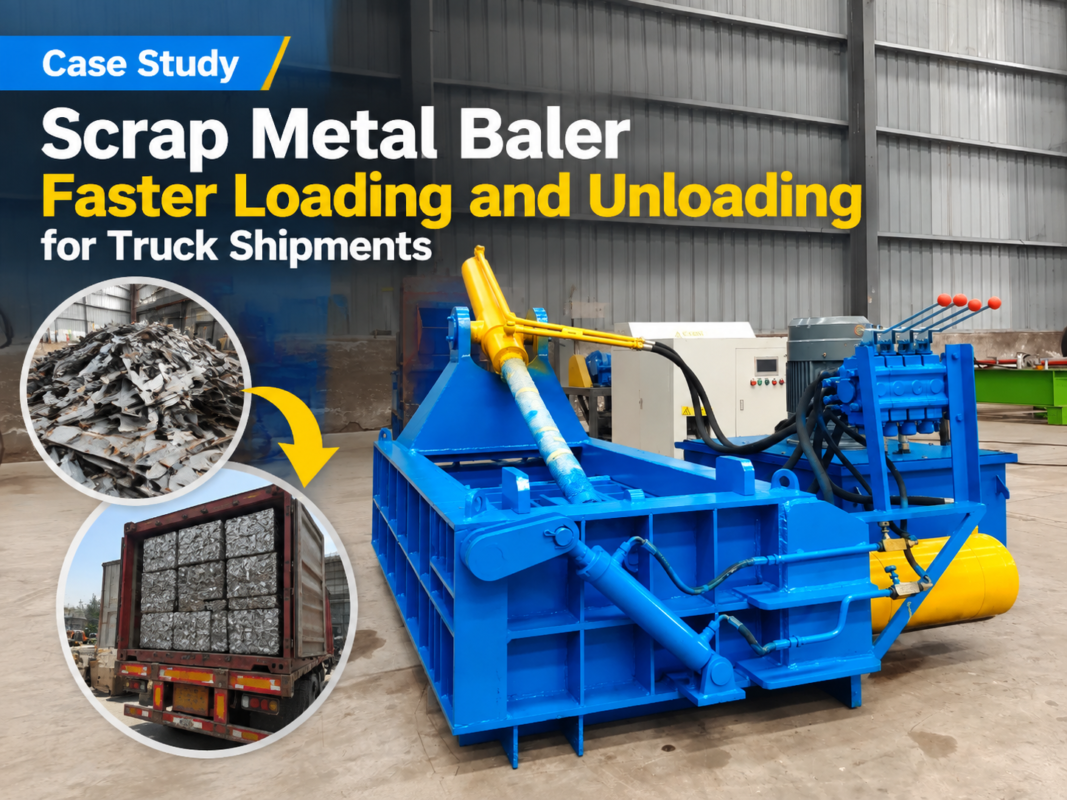
Investing in a scrap metal baler is ultimately a financial decision. To justify the expense, you must calculate the Return on Investment (ROI). The primary source of ROI is transportation efficiency. Loose scrap is mostly air; a truck filled with loose aluminum might only carry 3 tons, whereas the same truck filled with dense bales could carry 20 tons. By maximizing the weight of every load, you drastically reduce freight costs.
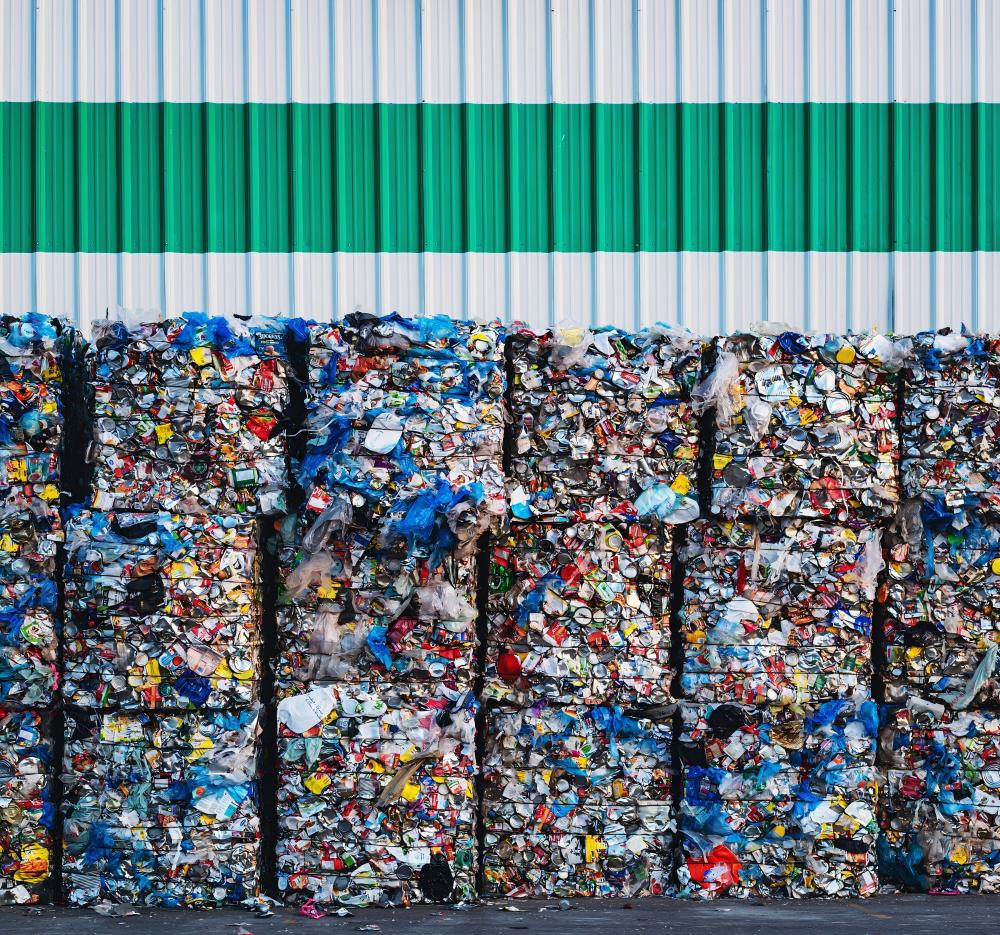
Another factor is material value. Many steel mills and smelters pay a premium for baled material because it is easier for them to handle and melt. Bales have less surface area than loose scrap, which reduces oxidation during the melting process, leading to higher yields for the foundry. This “baling premium” can range from $10 to $40 per ton depending on the material and market conditions.
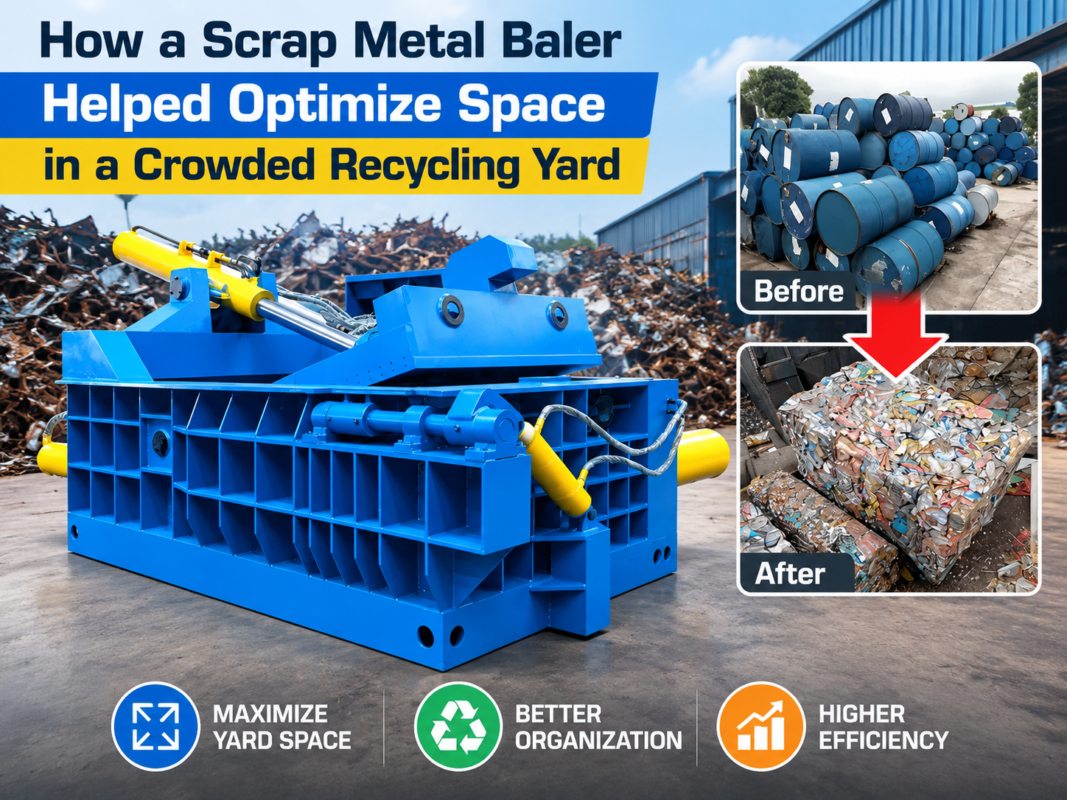
Finally, consider labor and space savings. A baler allows you to organize your yard more effectively, freeing up square footage for other revenue-generating activities. It also reduces the labor required to manage loose piles of scrap. If a $100,000 baler saves you $2,000 a month in shipping, $1,500 in labor, and generates an extra $1,000 in material premiums, the machine pays for itself in less than 2.5 years. For industrial equipment designed to last 10-15 years, this represents an excellent ROI.
Buying Advice: A Step-by-Step Guide for Industrial Recyclers
When you are ready to make a purchase, follow this checklist to ensure you get the best machine for your needs:
- Analyze Your Scrap Stream: Document the types of metal you process and the daily volume. Do not guess. Accurate data ensures you don’t buy a machine that is too weak for your heaviest scrap.
- Check the Frame Construction: Look for a fully welded frame with thick steel plates. Avoid machines that look “thin” or use bolted-on structural components in high-stress areas.
- Verify Component Brands: Ensure the PLC, motors, and hydraulic pumps are from reputable international brands. This ensures you can find replacement parts locally if the manufacturer is far away.
- Request a Video Test: Before shipping, ask the manufacturer for a video of the machine processing your specific type of scrap. This confirms the cycle time and bale density meet your expectations.
- Evaluate Safety Features: Industrial balers are powerful and potentially dangerous. Ensure the machine has emergency stop buttons, safety interlocks on access doors, and clear warning labels.
- Consider Future Growth: If you expect your volume to grow by 20% next year, buy a machine that can handle that future capacity today. Upgrading a machine after only 12 months is a costly mistake.
At HARSLE, we pride ourselves on providing transparent technical specifications and robust machinery designed for the rigors of industrial recycling. Our team can help you analyze your material flow to recommend the perfect tonnage and configuration for your facility.
Frequently Asked Questions (FAQ)
1. What is the difference between a vertical and horizontal scrap baler?
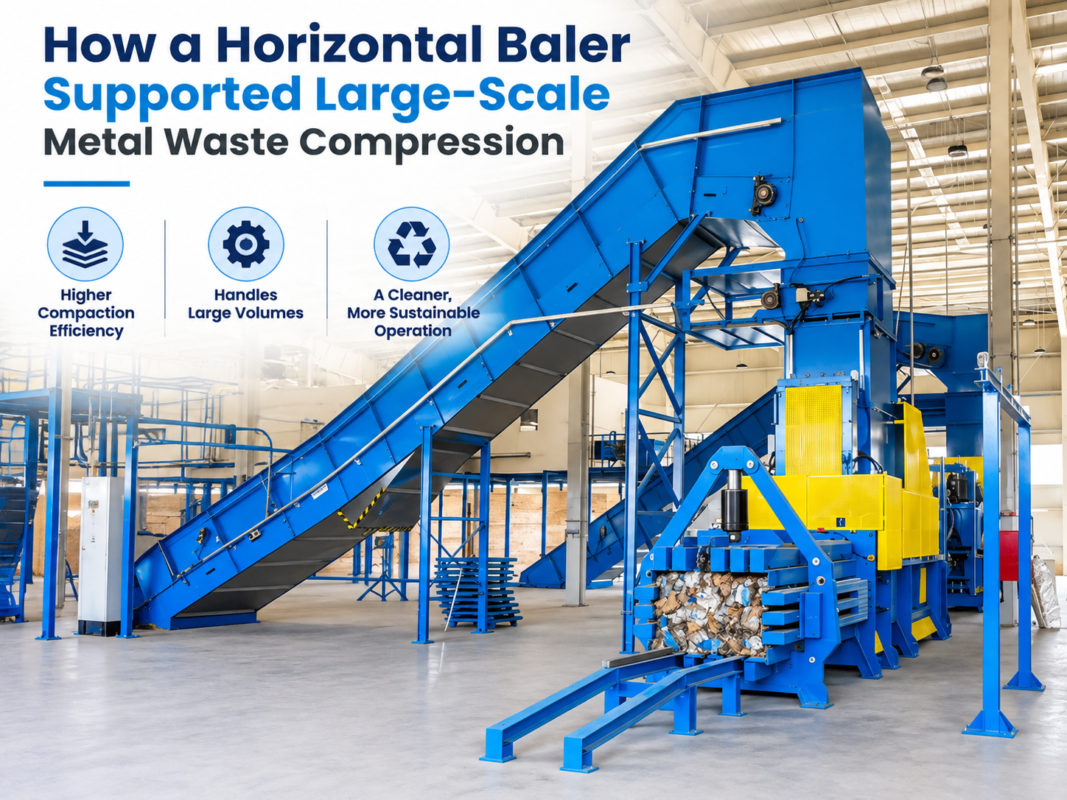
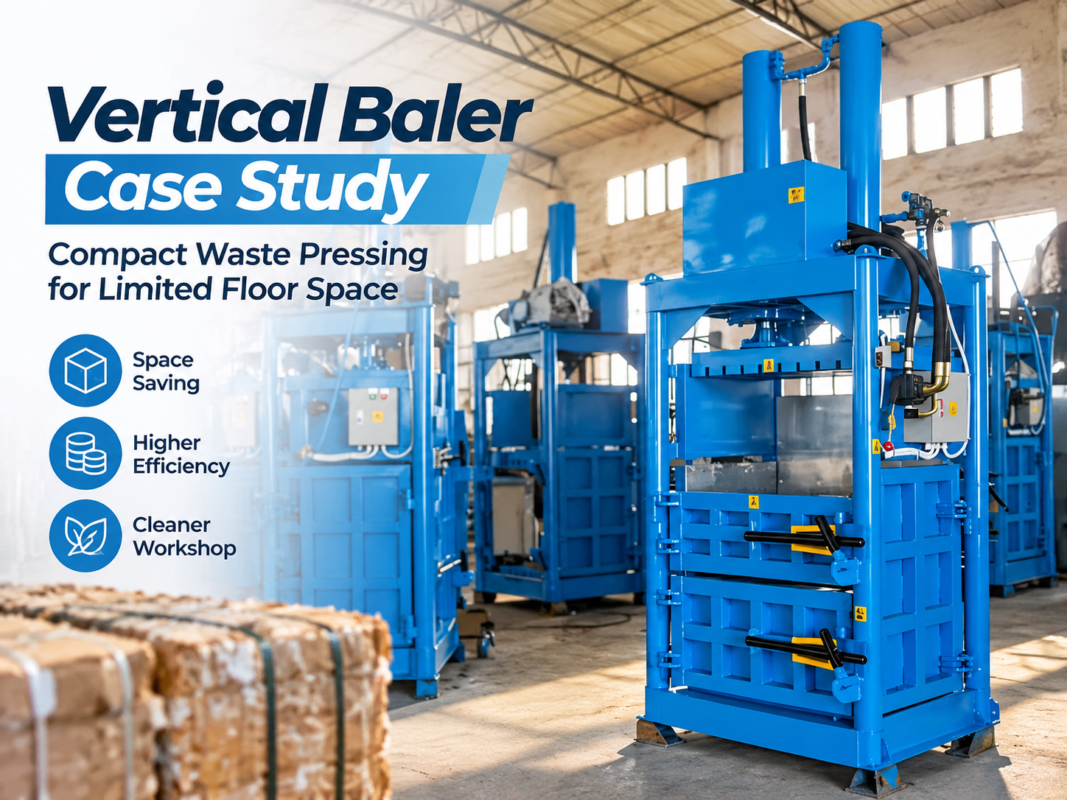
Vertical balers are generally smaller, cheaper, and have a smaller footprint, making them ideal for light materials like aluminum cans or cardboard. Horizontal balers are designed for high-volume industrial recycling, offering much higher pressure and the ability to process heavy ferrous metals and large offcuts.
2. How often does a scrap metal baler need maintenance?
Daily checks should include hydraulic oil levels and looking for leaks. Monthly maintenance involves greasing moving parts and checking the tightness of bolts. Depending on usage, wear liners and blades may need replacement every 12 to 24 months. Regular maintenance is key to preventing catastrophic hydraulic failure.
3. Can one baler handle all types of metal?
Technically, yes, but it may not be efficient. A baler designed for heavy steel will be overkill for aluminum cans, while a light-duty aluminum baler will fail if fed heavy steel plate. Most industrial facilities use a mid-to-high tonnage horizontal baler to provide the versatility needed for a mixed scrap stream.
4. What power supply is required for an industrial baler?
Most industrial scrap balers require a three-phase electrical supply (220V, 380V, or 480V depending on your region). The horsepower of the motor (often 20HP to 100HP+) will dictate the specific amperage your facility needs to provide.
5. How do I know what bale size to choose?
Bale size should be determined by your downstream customer (the mill or foundry) and your transport method. Standard sizes like 400x400mm or 600x600mm are common because they stack efficiently in standard shipping containers and fit into most furnace openings.