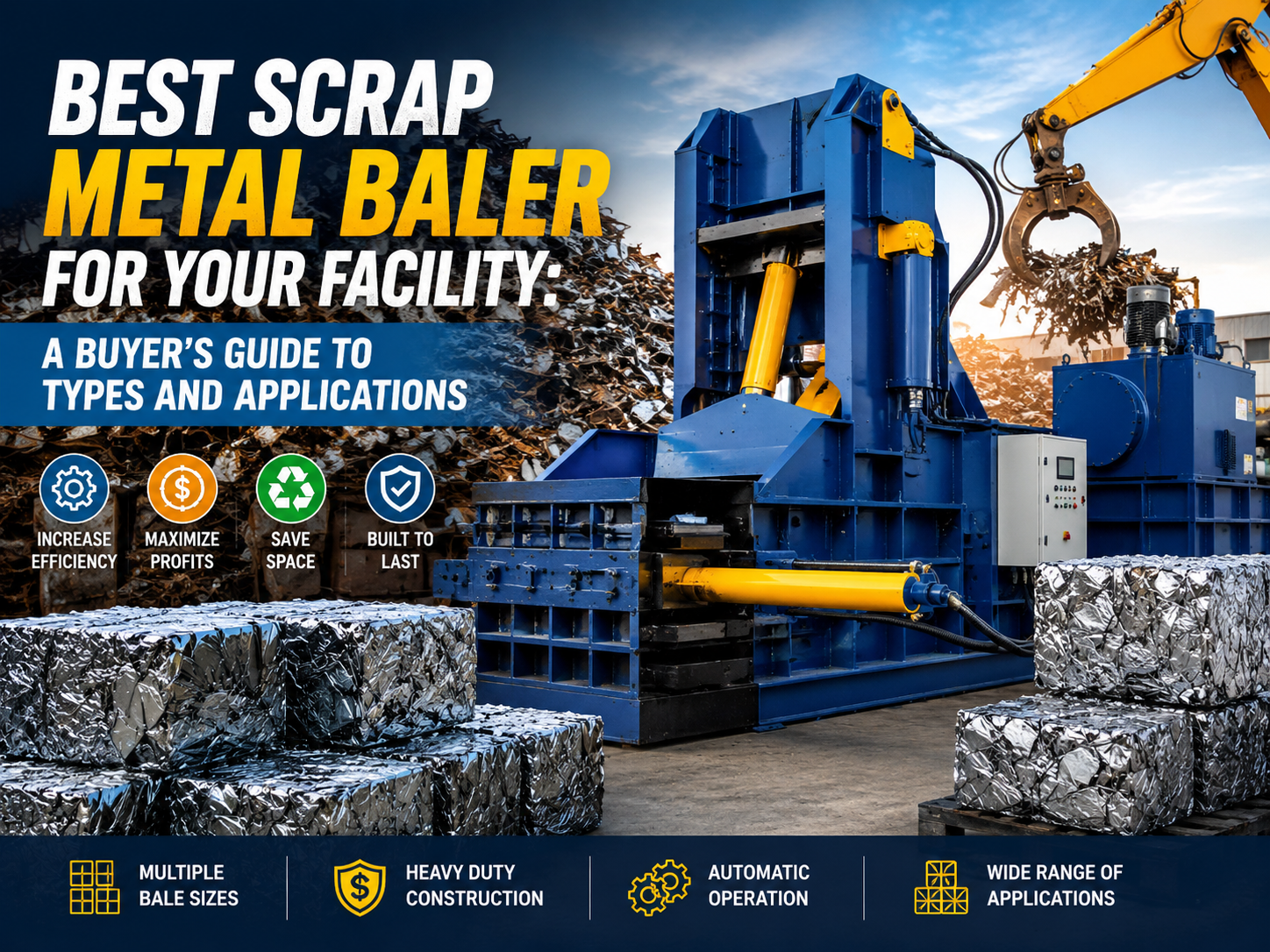
Best Scrap Metal Baler for Your Facility: A Buyer’s Guide to Types and Applications

Introduction to Industrial Scrap Management
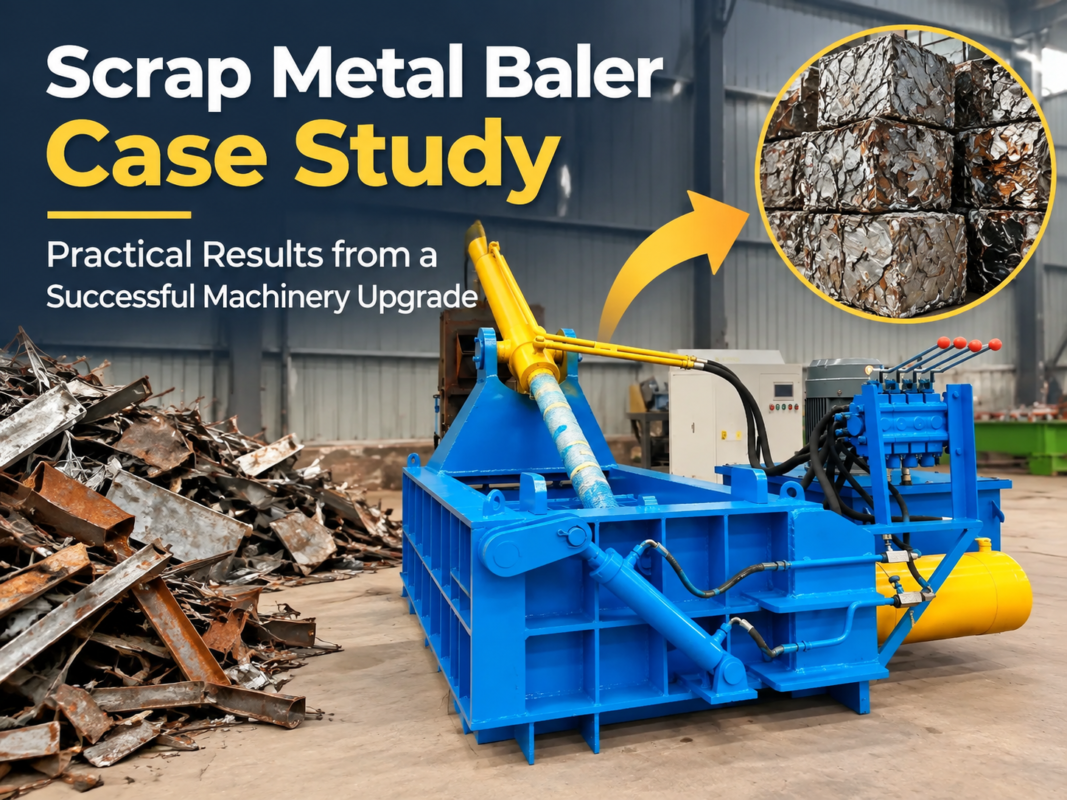
In the modern manufacturing and recycling landscape, managing waste efficiently is no longer just an environmental consideration; it is a critical financial strategy. For facilities dealing with significant volumes of aluminum, copper, steel, or stainless steel scrap, the Best Scrap Metal Baler Facility: A Buyer’s Types Applications guide serves as an essential resource. A scrap metal baler is a hydraulic powerhouse designed to compress loose metal fragments into dense, manageable blocks known as bales. This process significantly reduces the volume of waste, making storage, transportation, and resale far more efficient.
HARSLE has long been at the forefront of providing high-performance metal fabrication machinery, and our scrap metal balers are engineered to meet the rigorous demands of industrial environments. Whether you are running a small fabrication shop or a massive scrap yard, choosing the right baler can transform your waste stream into a profit center. This guide will walk you through the financial, technical, and operational aspects of selecting the ideal machine for your specific needs.
Price Range Overview: Investing in Efficiency
When searching for the best scrap metal baler for your facility, understanding the price landscape is the first step. The cost of these machines varies widely based on their compression force, cycle speed, and automation level. Generally, the market is divided into three primary tiers: entry-level, mid-range, and heavy-duty industrial systems.
Entry-level scrap metal balers, often vertical or small horizontal units with a compression force of 63 to 100 tons, typically range from $15,000 to $35,000. These are ideal for facilities generating moderate amounts of non-ferrous scrap like aluminum cans or thin copper wiring. They offer a compact footprint and are relatively easy to operate without extensive training.
Mid-range balers, which are the workhorses of most medium-sized recycling centers, fall between $40,000 and $90,000. These machines usually feature compression forces ranging from 125 to 250 tons and often include semi-automatic controls. They are capable of handling thicker materials and producing larger, denser bales that meet the strict requirements of smelting plants.
For high-volume industrial facilities, heavy-duty balers can cost anywhere from $100,000 to over $300,000. These systems are designed for 24/7 operation, featuring massive hydraulic cylinders (315 to 600+ tons of force), fully automated feeding systems, and advanced cooling mechanisms. While the initial investment is high, the throughput and bale density they provide are unmatched, ensuring the lowest possible cost per ton of processed material.
Main Cost Drivers in Scrap Metal Baler Procurement
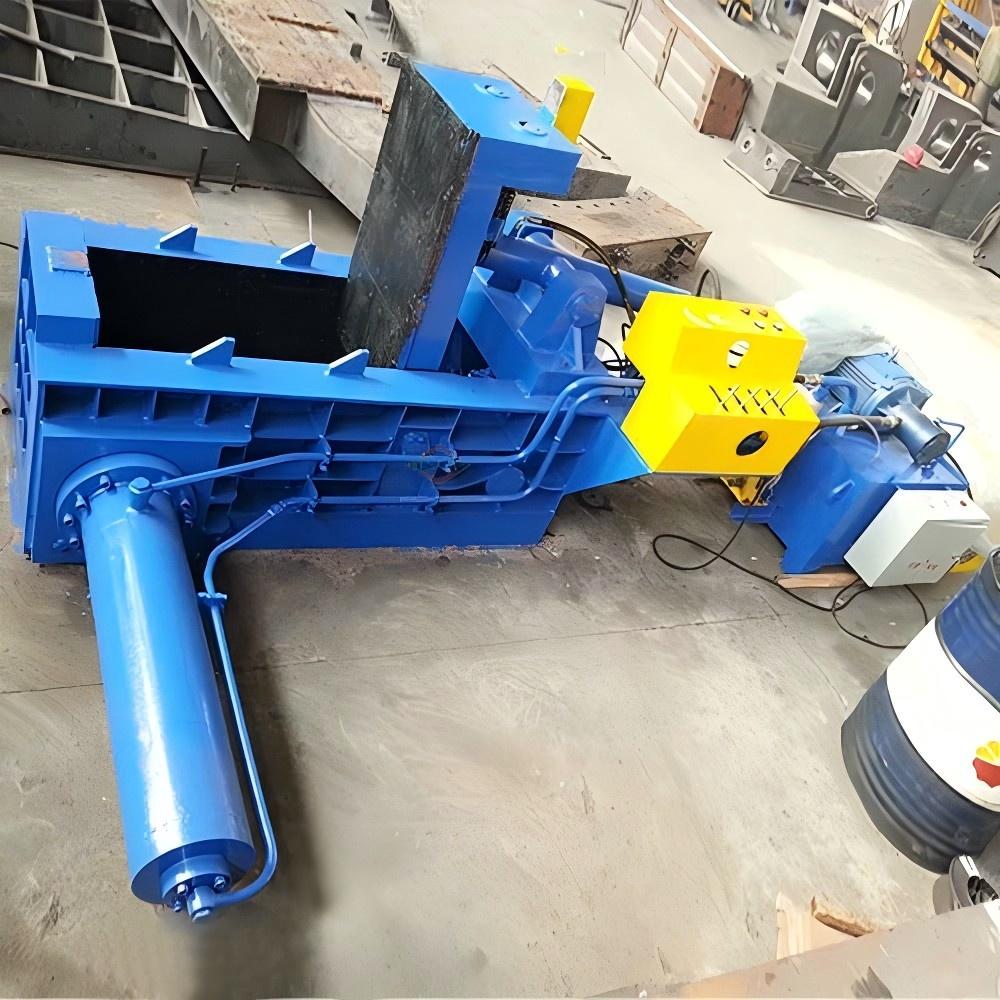
Several technical factors influence the final price tag of a scrap metal baler. Understanding these drivers helps buyers distinguish between a machine that is simply expensive and one that offers high value. The primary driver is the Hydraulic System. The quality of the pumps, valves, and cylinders determines the machine’s reliability and speed. High-end machines utilize variable displacement pumps that adjust flow based on resistance, saving energy and reducing wear.
The Structural Integrity of the baler is another major cost factor. A baler subjected to hundreds of tons of force daily must be built with high-grade steel and reinforced stress points. HARSLE balers, for instance, utilize wear-resistant plates (often Hardox or equivalent) in the compression chamber to prevent the abrasive nature of scrap metal from eroding the machine’s frame. The thickness and quality of these liners directly impact the machine’s lifespan.
Automation and Control Systems also play a significant role. A basic manual valve system is cheaper but requires a dedicated operator and is prone to human error. In contrast, systems equipped with PLC (Programmable Logic Controller) units, touch-screen interfaces, and remote diagnostics allow for precise control over bale density and cycle times. These features increase the upfront cost but significantly lower labor costs and downtime over the long term.
Configuration Impact: Matching Machine to Material
The configuration of a baler—how it loads, compresses, and ejects—is vital for operational flow. There are three main ejection styles common in the industry: Turn-out, Side-push, and Forward-out. Turn-out balers are popular for their simplicity and reliability; the bale is literally flipped out of the chamber once compressed. Side-push and Forward-out models are often integrated into automated lines where the bale is pushed directly onto a conveyor or into a collection bin.
The Chamber Size is another critical configuration detail. If your scrap consists of large, bulky items like car fenders or industrial cabinets, you need a large charging box to avoid the need for pre-cutting. Conversely, if you are processing small punchings from a CNC machine, a smaller, faster-cycling chamber is more efficient. The “Best Scrap Metal Baler Facility: A Buyer’s Types Applications” strategy involves matching the chamber dimensions to your most common scrap profile to minimize idle time.
Furthermore, the Power Source configuration matters. While most industrial balers are electric, some facilities may require diesel-powered units for outdoor or remote scrap yard operations. Electric units are generally more cost-effective and easier to maintain, especially when equipped with high-efficiency motors that comply with modern energy standards. HARSLE offers various motor configurations to suit different regional voltage and frequency requirements.
Hidden Costs of Ownership
Beyond the purchase price, several “hidden” costs can affect the total cost of ownership (TCO). Installation and Site Preparation are often overlooked. A heavy-duty baler requires a reinforced concrete foundation to handle the vibration and weight. Additionally, you must ensure your facility’s electrical grid can handle the high startup current of large hydraulic motors, which might necessitate a transformer upgrade.
Maintenance and Wear Parts represent an ongoing expense. Scrap metal is inherently abrasive. The knives used to shear overhanging metal and the liners inside the chamber will eventually need replacement. Buyers should inquire about the availability and cost of these consumables. A machine that uses standard, off-the-shelf hydraulic components will be much cheaper to maintain than one requiring proprietary parts from a single overseas supplier.
Hydraulic Oil Management is another factor. Large balers can hold hundreds of gallons of hydraulic fluid. This oil needs to be filtered and occasionally replaced. Furthermore, in hot climates, an industrial oil cooler (air or water-cooled) is essential to prevent the oil from thinning, which can lead to seal failure and loss of pressure. Factoring in these operational costs is essential for an accurate budget.
ROI Calculation: When Does a Baler Pay for Itself?
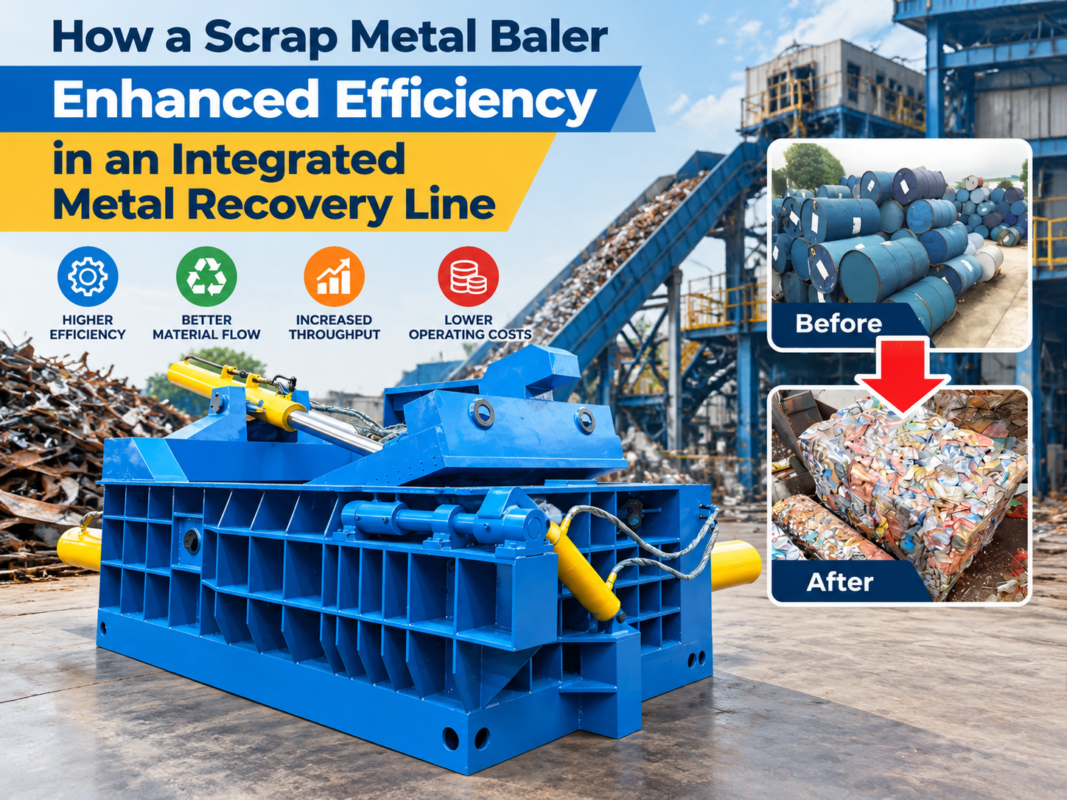
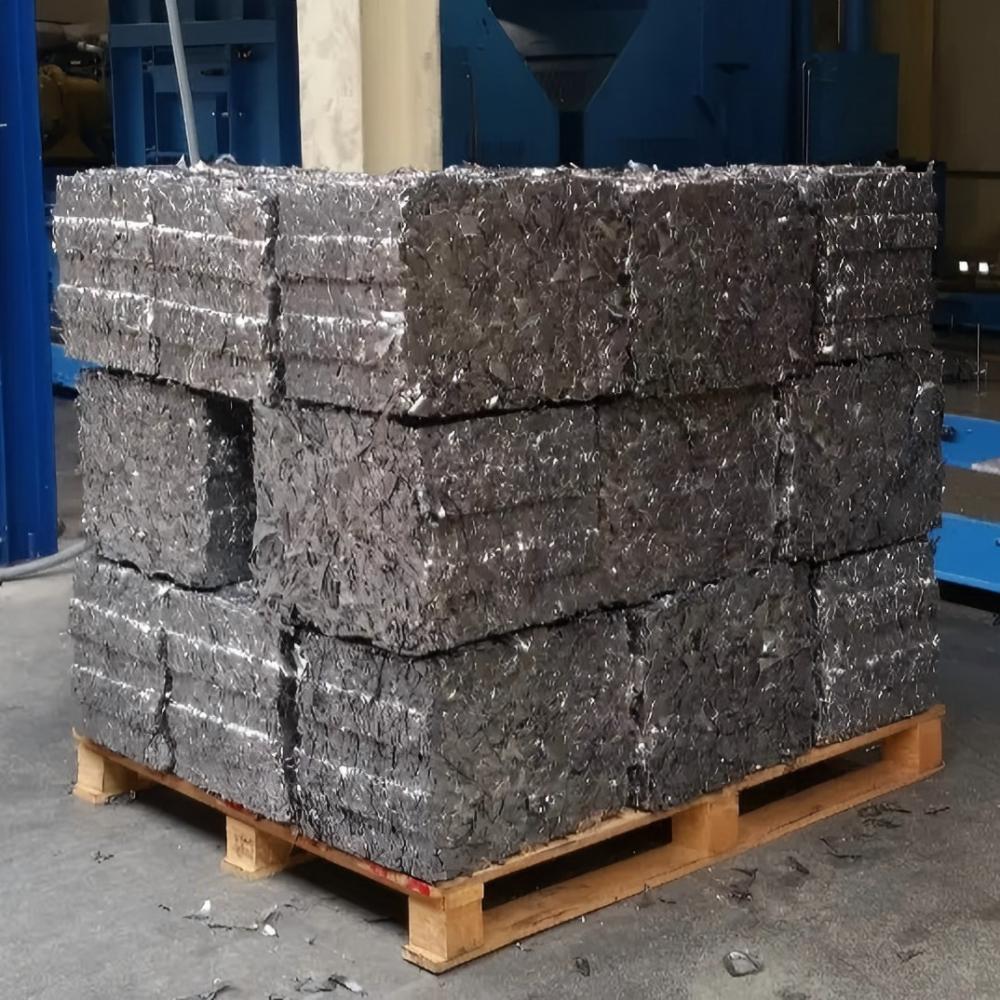
The Return on Investment (ROI) for a scrap metal baler is primarily driven by Logistics Savings and Material Value. Loose scrap is incredibly inefficient to transport. A truck filled with loose aluminum cans might only weigh a few tons, whereas the same truck filled with dense bales can reach its maximum weight capacity. By increasing the density of your shipments, you can reduce the number of truck trips by 70% or more, leading to massive savings in freight costs.
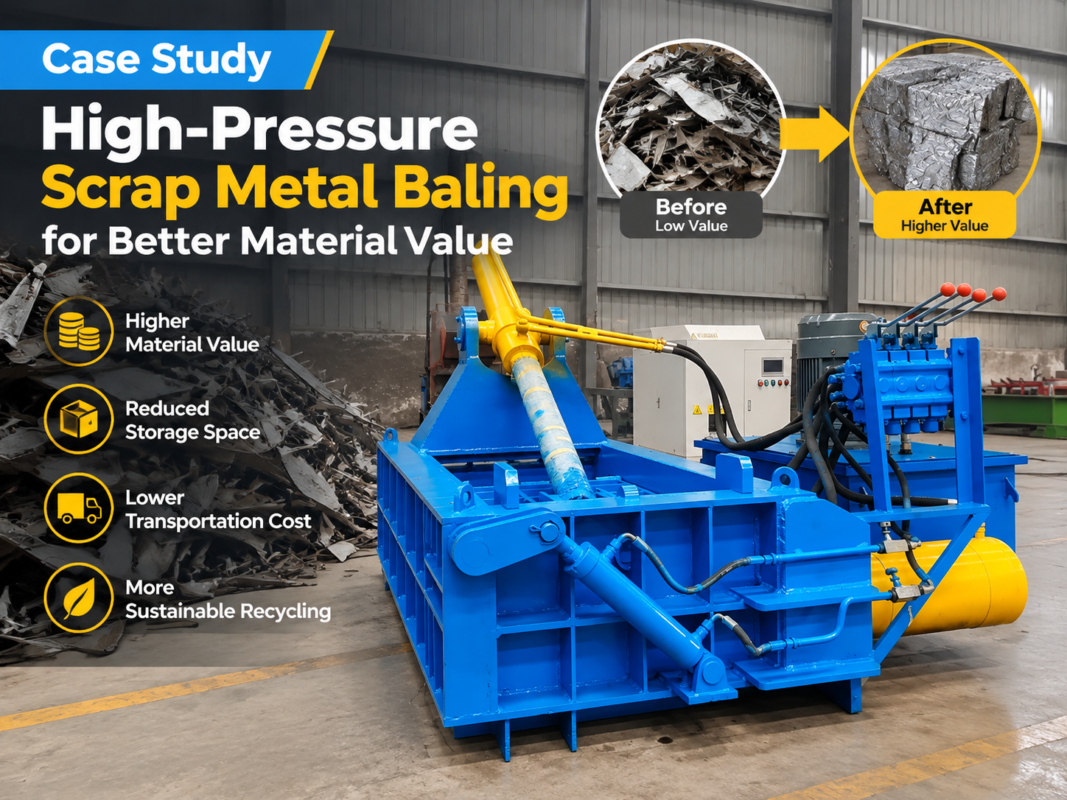
Secondly, scrap processors and smelters pay a premium for baled material. Bales are easier for them to handle and melt, as they have a lower surface-area-to-volume ratio, which reduces oxidation losses during the melting process. Typically, baled scrap can fetch 10% to 25% more per ton than loose scrap.
To calculate ROI, consider this example: If a facility produces 50 tons of scrap per month and saves $100 per ton in logistics and improved scrap pricing, the monthly gain is $5,000. A $60,000 baler would therefore pay for itself in just 12 months. This does not even account for the labor savings associated with a cleaner, more organized workspace and reduced material handling time.
Buying Advice: Selecting the Right Partner
Choosing the best scrap metal baler for your facility requires more than just looking at a spec sheet. You need a partner who understands the nuances of metal fabrication. When evaluating suppliers, ask for Material Testing. A reputable manufacturer like HARSLE can often test your specific scrap material in their machines to ensure the resulting bale meets your density requirements.
Check the After-Sales Support. Does the manufacturer provide detailed wiring diagrams, hydraulic schematics, and troubleshooting guides? In the world of industrial machinery, downtime is the ultimate profit killer. Ensure that technical support is available in your time zone and that spare parts are stocked locally or can be shipped via express air freight.
Finally, consider the Safety Features. Modern balers must be equipped with emergency stop buttons, safety interlocks on the chamber doors, and protective guarding around moving parts. A machine that lacks these features is not only a liability for your workers but can also lead to significant legal and insurance costs in the event of an accident.
Buyer’s Checklist for Scrap Metal Balers:
- Material Type: Is the baler rated for ferrous (steel/iron) or just non-ferrous (aluminum/copper) metals?
- Throughput Requirements: How many tons do you need to process per 8-hour shift?
- Bale Size: Does the bale dimensions fit standard shipping containers or truck beds?
- Space Constraints: Do you have enough ceiling height and floor space for the machine and the loading equipment?
- Power Supply: Does your facility have the necessary Amperage and Voltage?
- Loading Method: Will you load by hand, by conveyor, or with a grapple crane?
Frequently Asked Questions (FAQ)
1. What is the difference between a vertical and horizontal scrap metal baler?
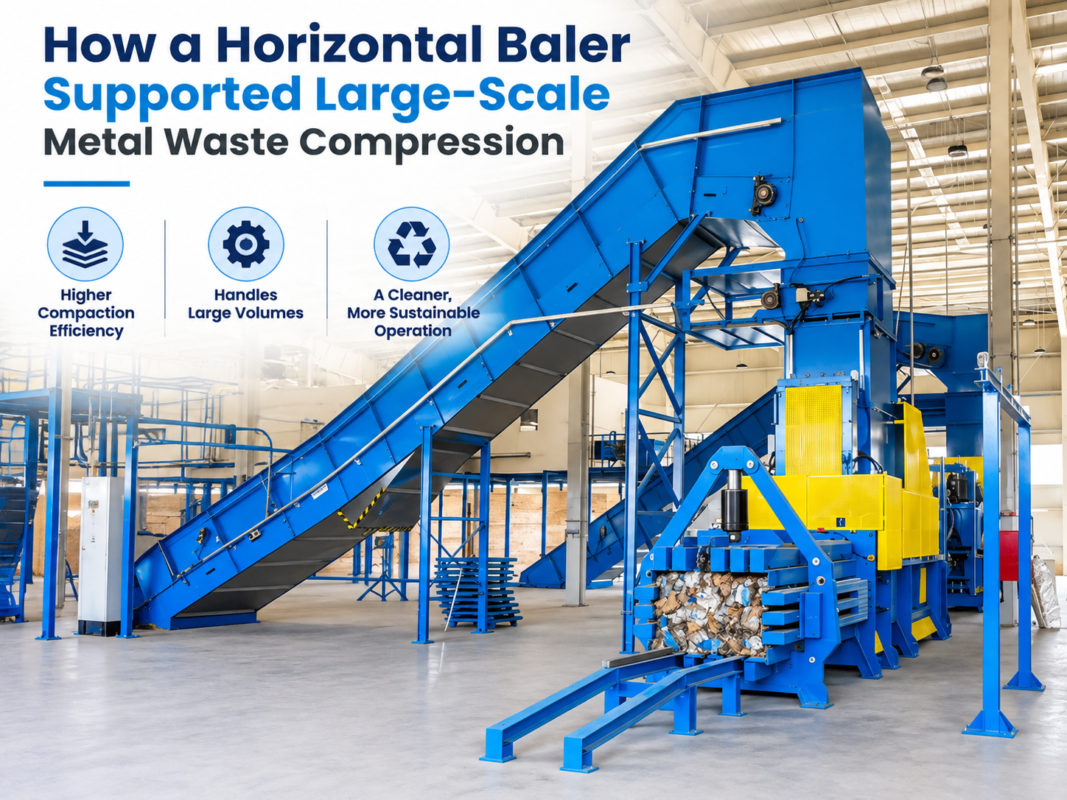
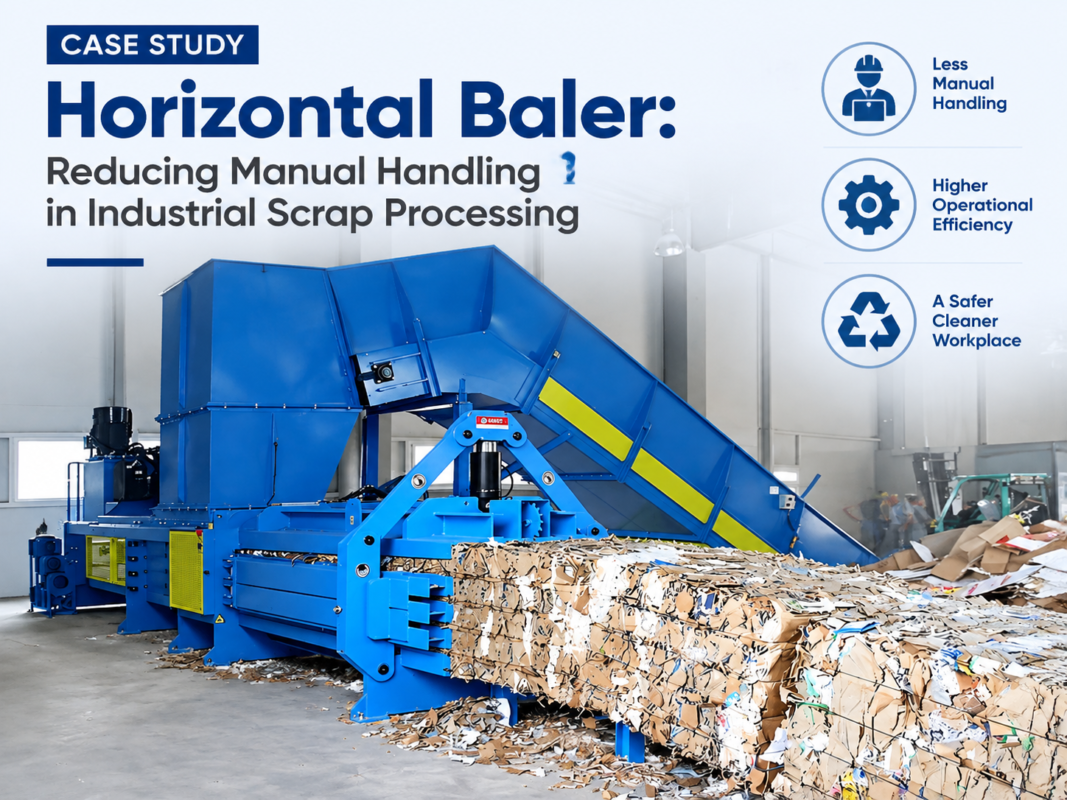
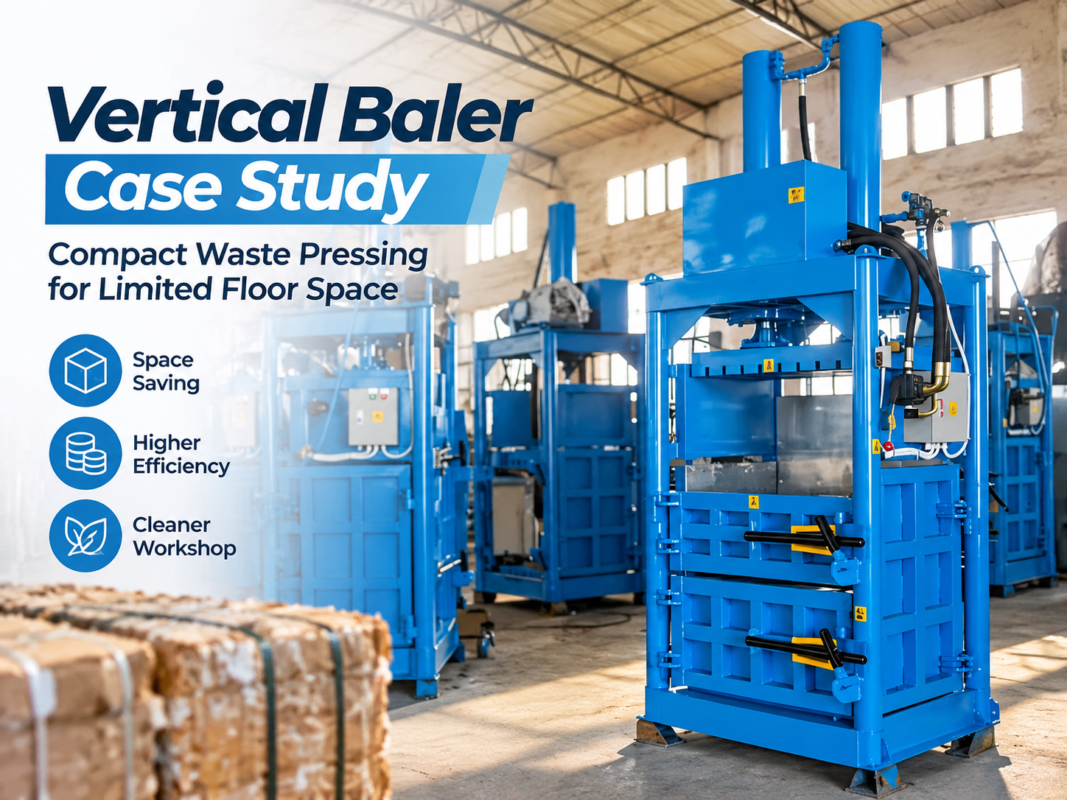
Vertical balers are generally smaller, cheaper, and hand-loaded. They are best for low-volume facilities with limited floor space. Horizontal balers are designed for high-volume, continuous operation and can be integrated with conveyor belts for automated loading.
2. How often does a scrap metal baler require maintenance?
Daily checks should include oil levels and visual inspections for leaks. Monthly maintenance involves greasing pivot points and checking bolt tightness. A full hydraulic system service, including filter changes, is typically required every 1,000 to 2,000 operating hours.
3. Can one baler handle all types of metal?
While most balers can handle various metals, the density and wear will vary. Harder metals like stainless steel require higher compression forces and more durable chamber liners than soft metals like aluminum. Always check the manufacturer’s maximum material thickness rating.
4. What safety certifications should I look for?
Look for CE certification (for the European market) or compliance with ANSI/OSHA standards (for the North American market). These ensure the machine meets rigorous safety and electrical engineering standards.
5. How do I determine the right compression force?
This depends on the “springback” of the material. Aluminum and light steel require moderate force (100-200 tons), while heavy structural steel or springy materials may require 400 tons or more to stay in a dense bale shape.
6. Does HARSLE provide installation services?
Yes, HARSLE provides comprehensive installation guidance, including foundation drawings and remote or on-site commissioning support to ensure your machine is set up for maximum performance from day one.