Scrap Metal Baler Buying Guide: Hydraulic Power, Bale Size, and Capacity Explained

Introduction to Scrap Metal Baler Procurement
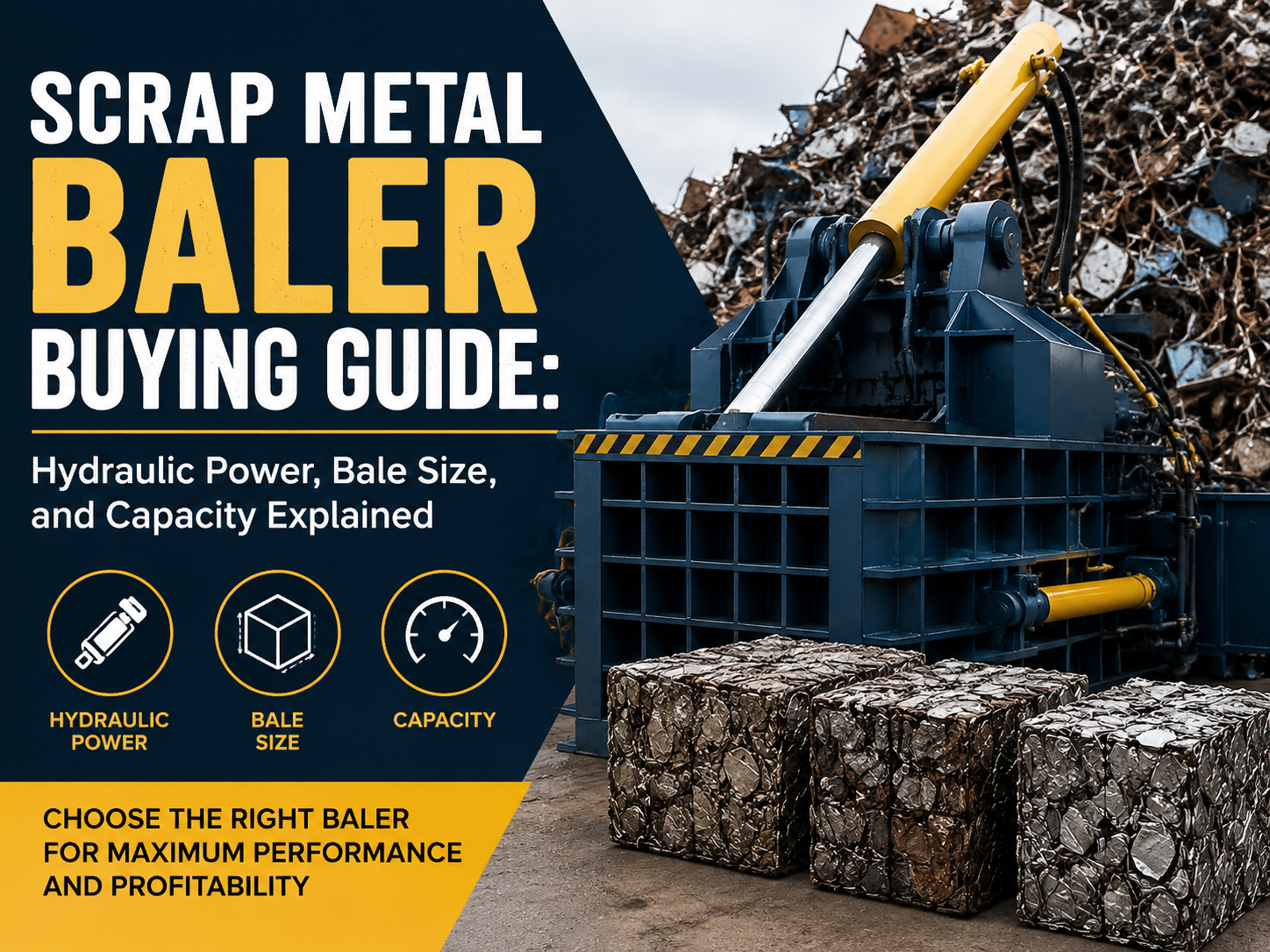
In the modern industrial landscape, the management of metal waste is no longer just a matter of housekeeping; it is a critical component of operational efficiency and environmental sustainability. For metal fabrication shops, recycling centers, and manufacturing plants, a scrap metal baler is an indispensable investment. However, navigating the complexities of hydraulic power, bale dimensions, and hourly capacity can be daunting for even seasoned procurement managers. This guide, presented by HARSLE, aims to demystify the technical specifications and economic factors involved in selecting the right scrap metal baler for your facility.
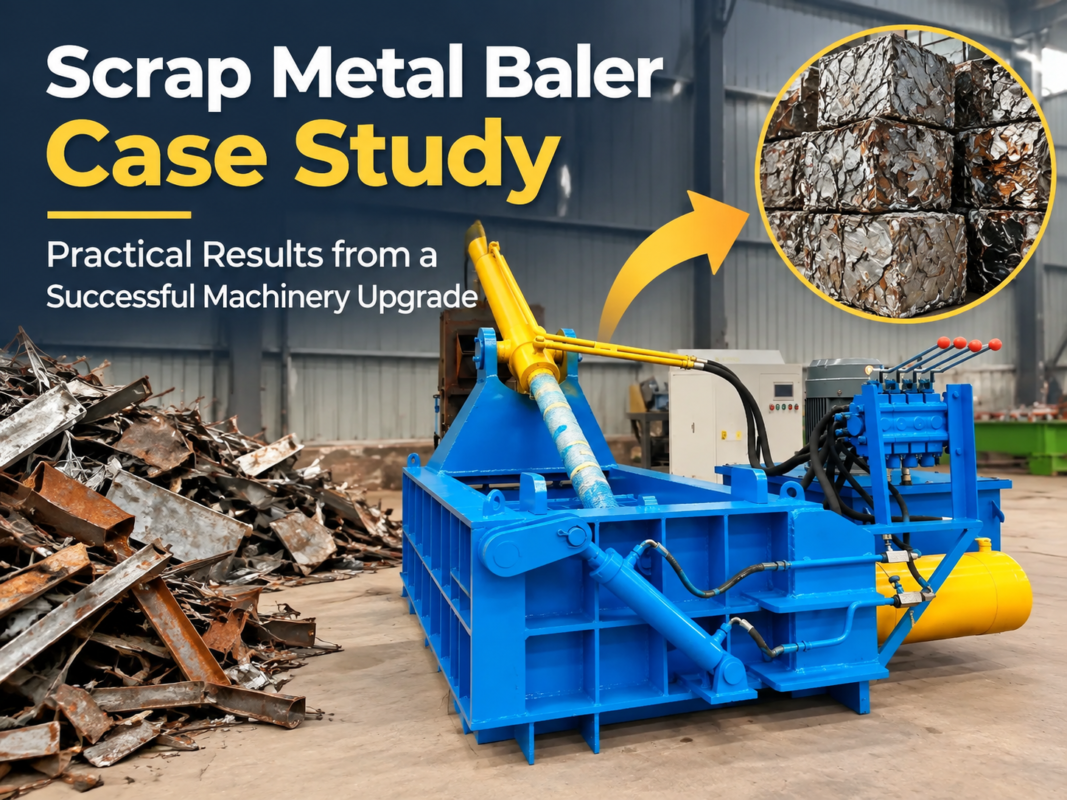
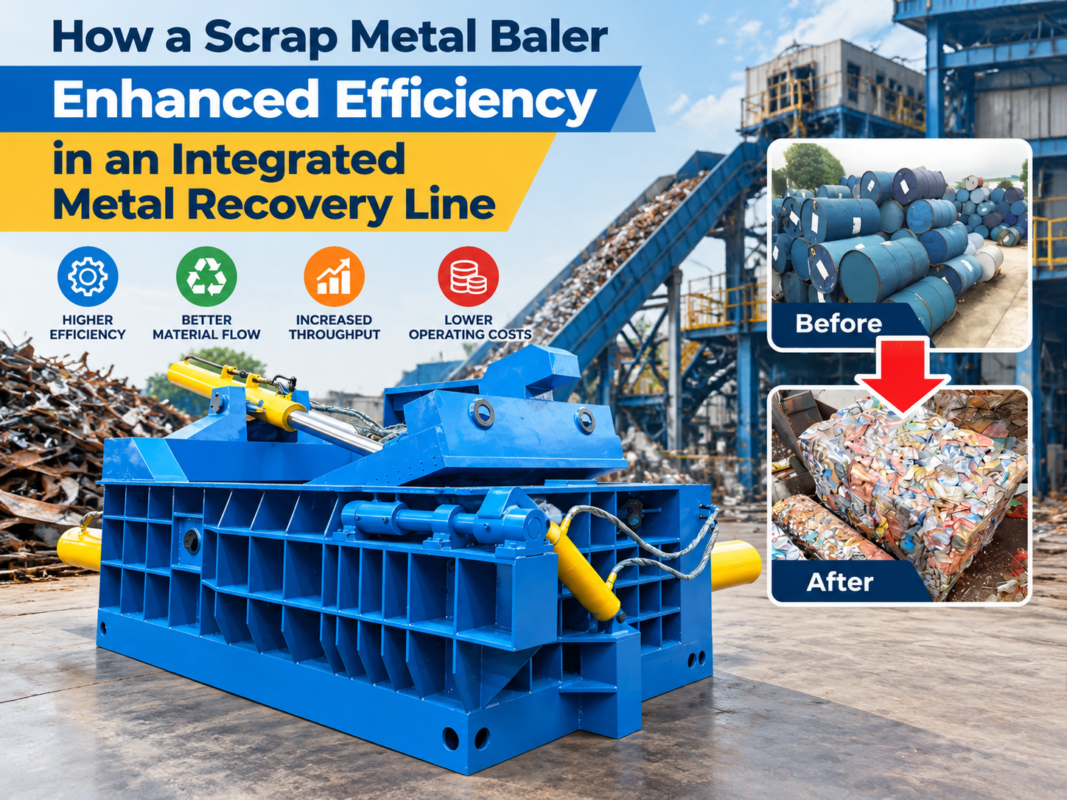
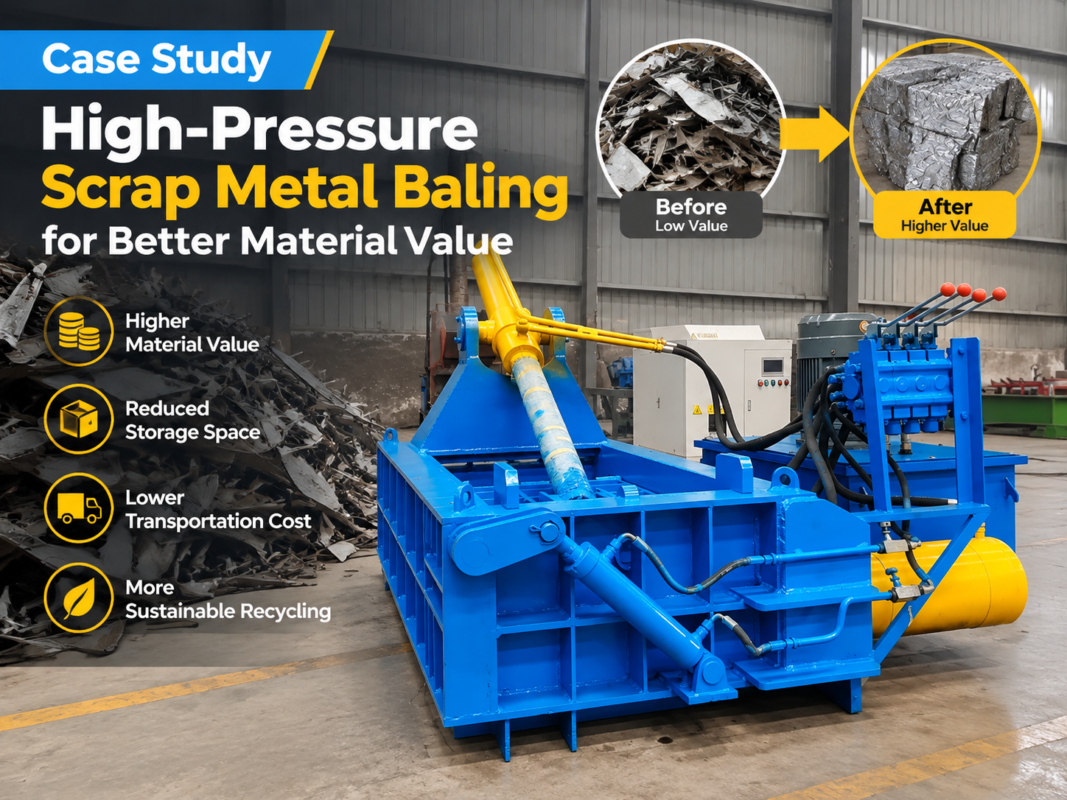
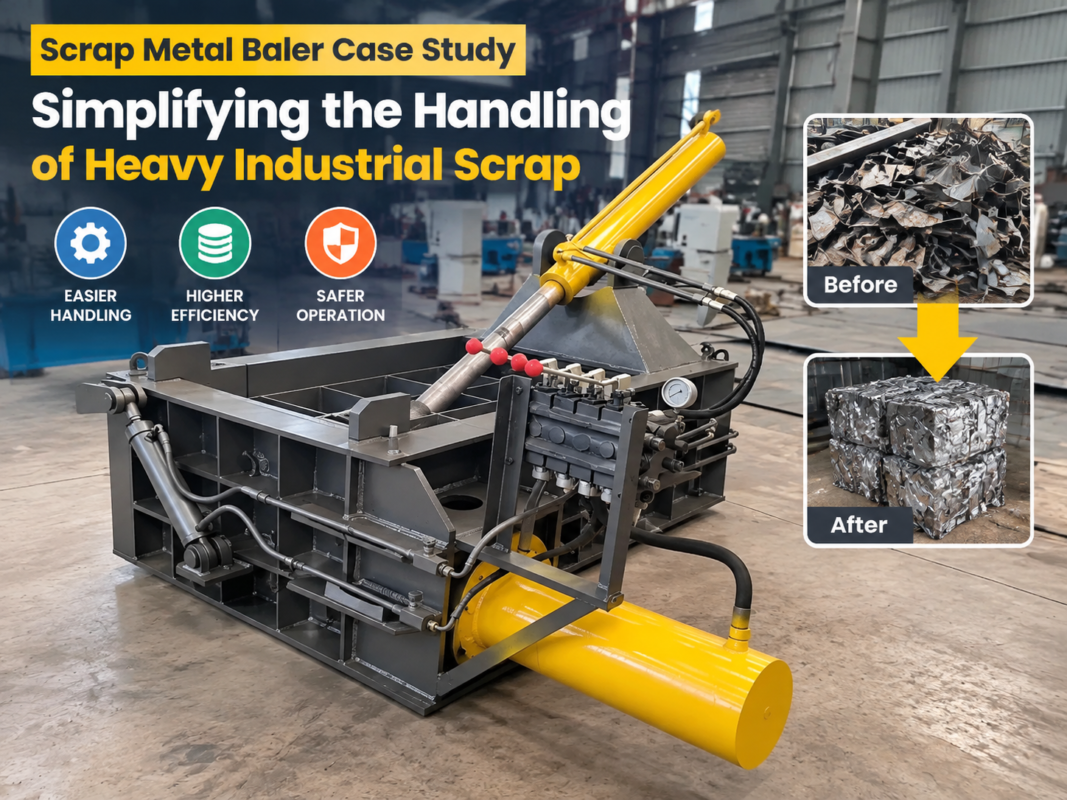
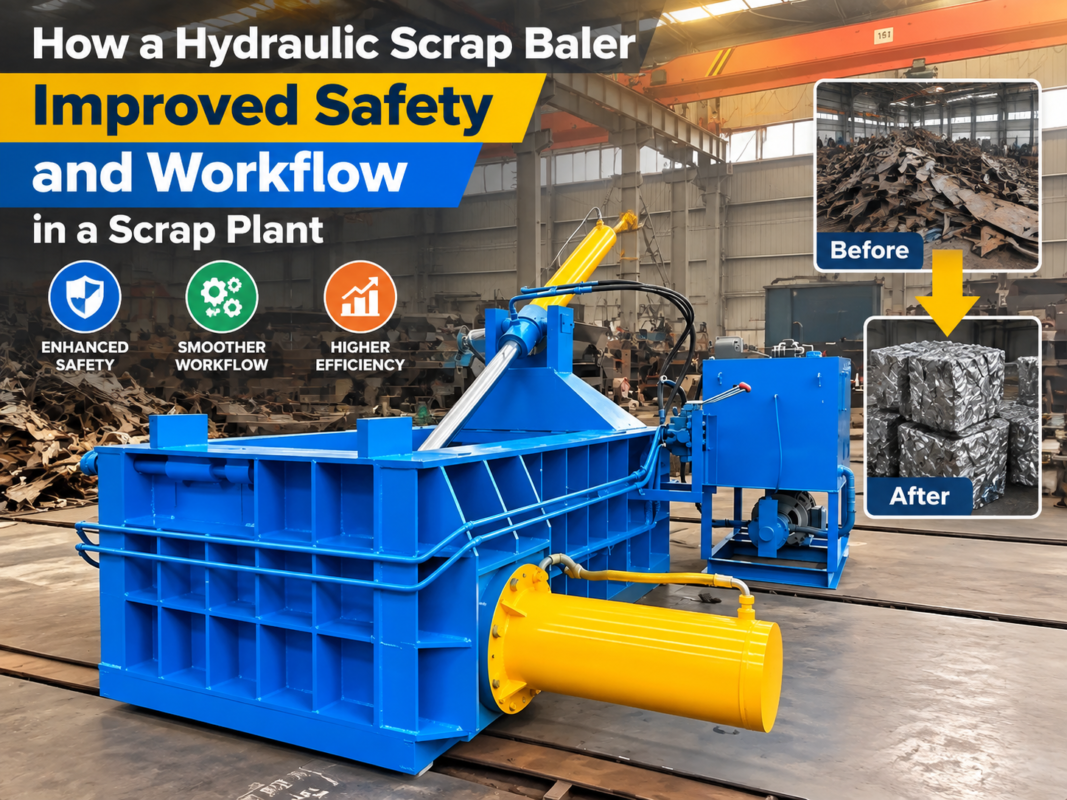
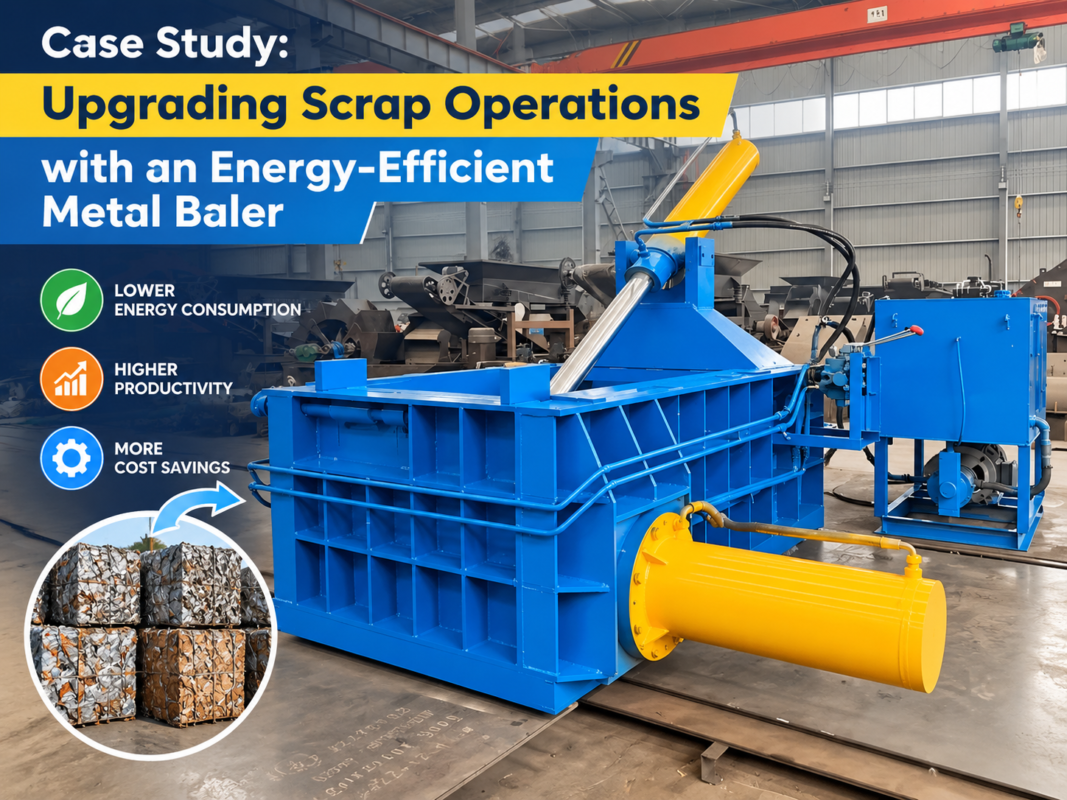
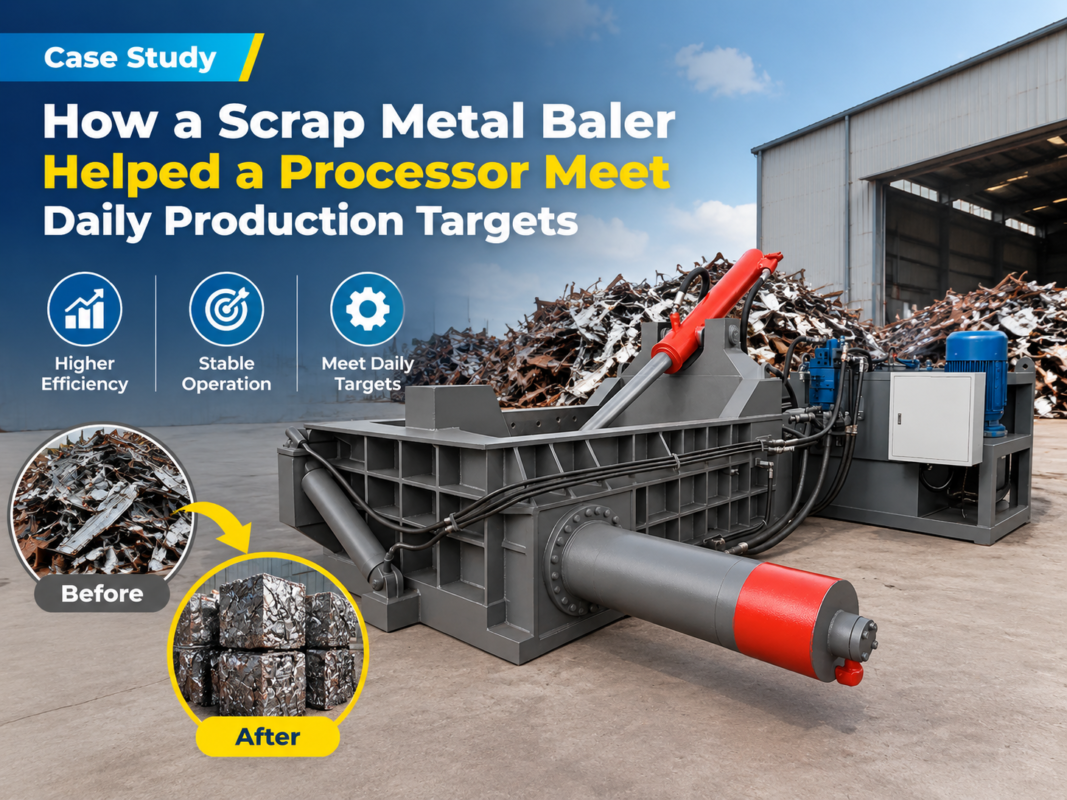
A scrap metal baler functions by applying immense hydraulic pressure to loose metal scraps—ranging from aluminum cans and copper wiring to steel sheets and automotive parts—compressing them into dense, manageable blocks known as bales. This process significantly reduces the volume of waste, leading to lower transportation costs, optimized storage space, and higher resale value at smelting plants. Understanding the interplay between a machine’s hydraulic force and its structural design is the first step toward making a profitable purchase.
As global regulations regarding industrial waste become more stringent, the demand for high-performance baling solutions has surged. HARSLE remains at the forefront of this industry, providing machinery that balances robust engineering with user-friendly automation. Whether you are looking to upgrade an existing recycling line or establishing a new scrap processing facility, this guide will provide the technical depth required to evaluate your options effectively.
Price Range Overview: Understanding the Market Tiers
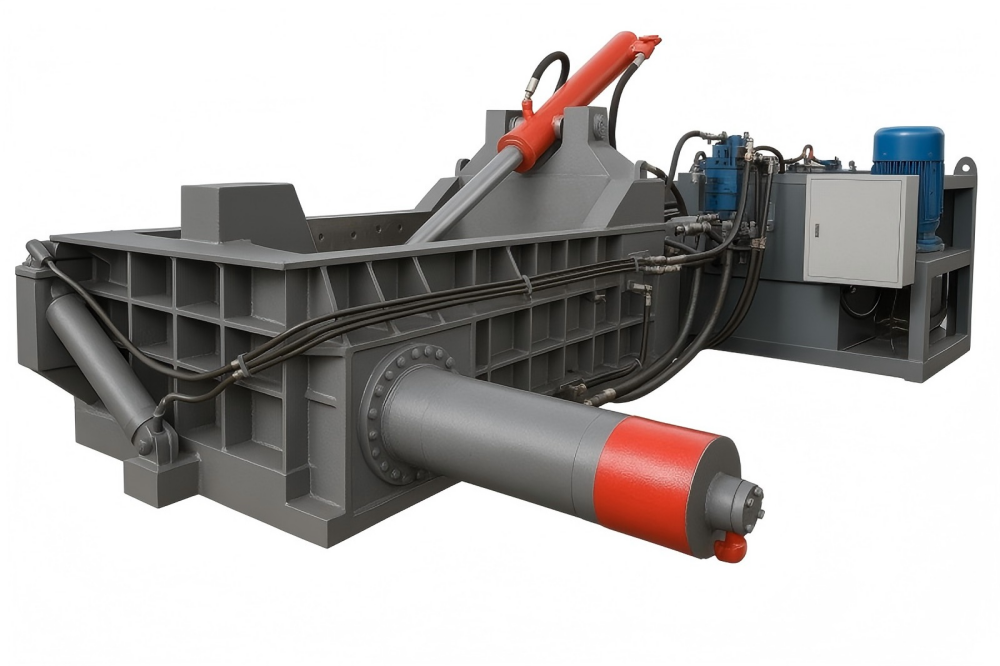
The cost of a scrap metal baler varies significantly based on its configuration, automation level, and pressing force. Generally, the market is divided into three primary tiers: entry-level vertical balers, mid-range horizontal balers, and heavy-duty industrial processing systems. Understanding where your needs fall within these tiers is essential for budgeting and long-term planning.
Entry-Level and Vertical Balers ($5,000 – $20,000): These machines are typically designed for smaller operations or businesses that generate a limited volume of non-ferrous scrap, such as aluminum or thin copper. Vertical balers have a smaller footprint and are manually loaded. While they are affordable, their throughput is limited by the manual cycle and the time required to tie and eject bales. They are ideal for retail environments or small fabrication shops with space constraints.
Mid-Range Horizontal Balers ($25,000 – $85,000): This is the most common category for professional recycling centers and medium-sized manufacturing plants. These machines offer higher hydraulic power (typically 100 to 250 tons) and often feature semi-automatic or fully automatic operation. They can handle a wider variety of materials, including light steel scrap and bulky aluminum extrusions. The investment in this tier is justified by the significant increase in daily throughput and the reduction in labor costs.
Heavy-Duty Industrial Balers ($100,000 – $500,000+): At the top end of the spectrum are massive, high-speed balers designed for 24/7 operation in large-scale scrap yards or automotive dismantling facilities. These machines feature hydraulic forces exceeding 400 tons, advanced PLC controls, and integrated conveyor systems. They are built with high-wear resistant liners (such as Hardox) to withstand the abrasive nature of heavy ferrous metals. While the initial capital expenditure is high, the ROI is driven by massive volume processing and the ability to produce export-grade high-density bales.
Main Cost Drivers in Scrap Metal Baler Selection
When evaluating a quote for a scrap metal baler, it is important to look beyond the sticker price and understand the components that drive the cost. The engineering quality and the specifications of the hydraulic system are the primary factors that determine both the price and the machine’s longevity.
1. Hydraulic Power and Tonnage
The “tonnage” of a baler refers to the total force the main hydraulic cylinder can exert on the material. Higher tonnage allows for the compression of thicker and more resilient metals. A 125-ton baler might be sufficient for aluminum cans, but processing stainless steel scrap or thick copper busbars requires 250 tons or more. The cost increases with tonnage because larger cylinders require more robust frames, larger hydraulic pumps, and more powerful motors to maintain cycle speeds.
2. Motor Power and Pump Efficiency
The heart of the baler is its power unit. High-end machines utilize variable displacement pumps and high-efficiency motors (often IE3 or IE4 rated). These components ensure that the machine delivers maximum force when needed while reducing energy consumption during the idle or return phases of the cycle. While a more efficient motor adds to the initial cost, it significantly reduces the operational overhead over the machine’s lifespan.
3. Material Quality and Wear Liners
Scrap metal is inherently abrasive. As the metal is compressed against the walls of the baling chamber, it causes significant wear. Premium balers like those from HARSLE use replaceable wear plates made from hardened steel alloys like NM450 or Hardox. The thickness and quality of these liners are major cost drivers. Cheaper machines may use standard carbon steel for the chamber walls, which will lead to structural failure and frequent repairs when processing heavy scrap.
4. Automation and Control Systems
The level of integration with Programmable Logic Controllers (PLC) affects the price. A machine equipped with a Siemens or Schneider PLC, touchscreen HMI, and remote diagnostic capabilities will cost more than a manual valve-operated system. However, automation allows for consistent bale density, safety interlocks, and the ability to integrate the baler into a larger automated production line.
Configuration Impact: Hydraulic Power, Bale Size, and Capacity Explained
Choosing the right configuration is a balancing act between the physical properties of your scrap and your production targets. The relationship between hydraulic power, bale size, and capacity is the most critical technical aspect of the buying process.
Hydraulic Power vs. Material Density
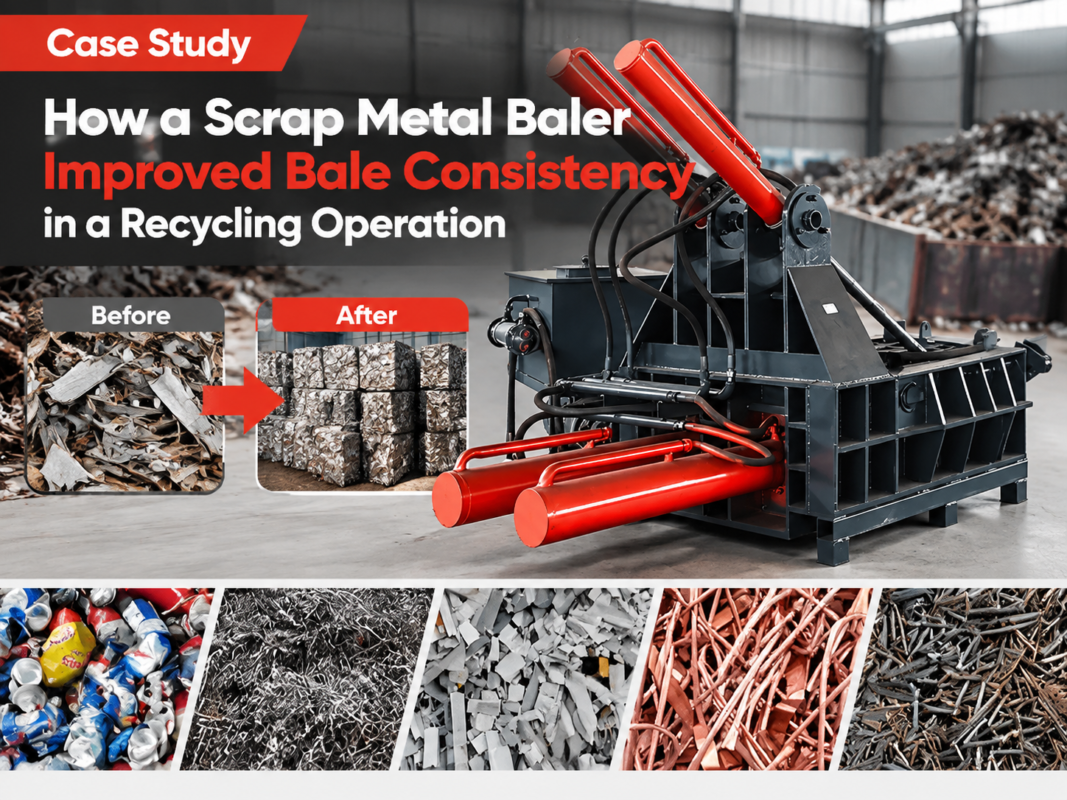
Hydraulic power determines the final density of the bale. For international shipping, bales must often meet specific density requirements to maximize container weight. If your hydraulic power is too low for the material type, the bales will be “loose,” leading to higher shipping costs and potential rejection by foundries. Conversely, over-specifying power for light materials leads to unnecessary energy expenditure and higher machine wear.
Bale Size and Logistics
Bale size is not just about the machine’s chamber; it is about your downstream logistics. Common bale sizes include 300x300mm, 400x400mm, and 600x600mm. You must ensure that the bale size is compatible with the charging doors of the furnaces where the scrap will eventually be melted. Furthermore, the bale size dictates how many units can fit into a standard truck or shipping container. A mismatch here can lead to inefficient transport cycles.
Capacity and Cycle Time
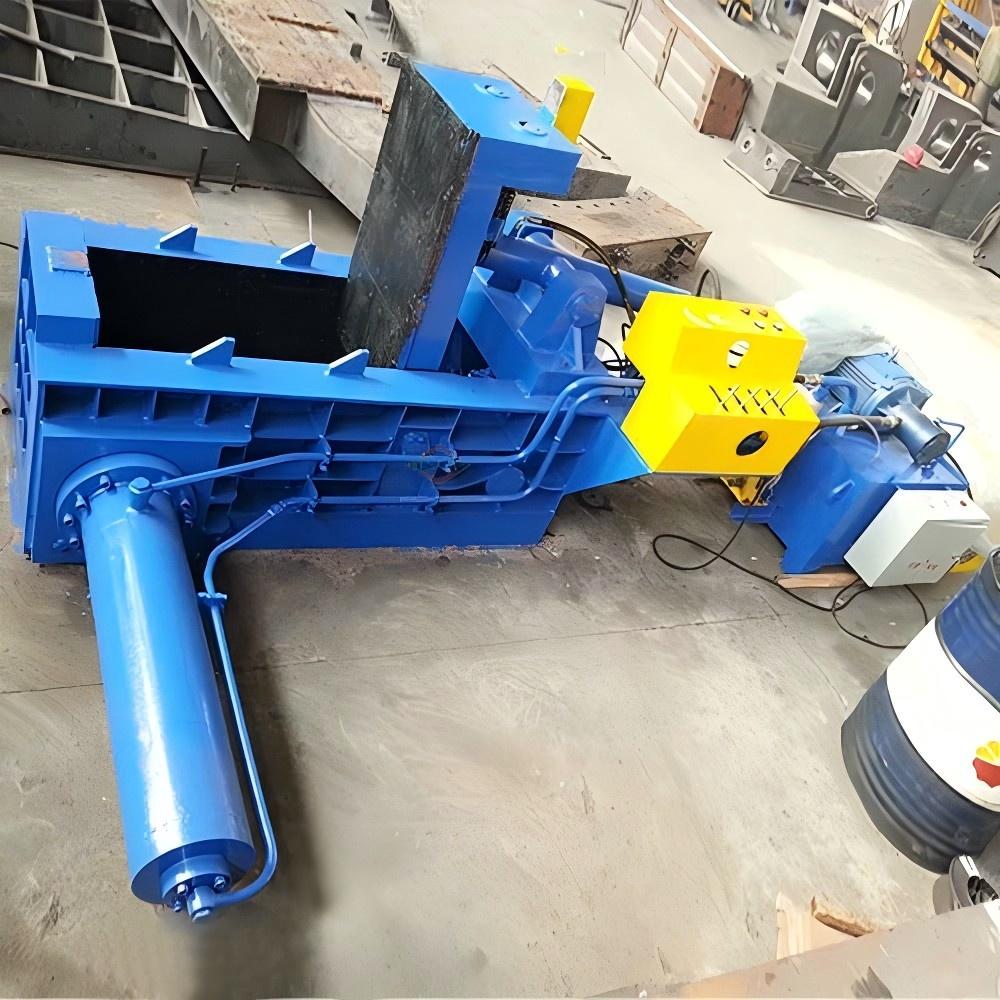
Capacity is usually measured in tons per hour (TPH). This is a function of the chamber volume and the cycle time (the time it takes for the ram to extend and retract). A machine with a 30-second cycle time will naturally have a higher capacity than one with a 60-second cycle. When calculating capacity, always account for loading time. If you are manually loading a high-speed baler, the machine will spend most of its time waiting, negating the benefit of a fast hydraulic system. For high-capacity requirements, an integrated conveyor or grab-loader is essential.
Hidden Costs of Owning a Scrap Metal Baler
The purchase price is only the beginning of the total cost of ownership (TCO). Buyers must account for several “hidden” expenses that can impact the budget during the first year of operation.
- Installation and Commissioning: Large horizontal balers require a reinforced concrete foundation to handle the vibration and weight. You may also need a crane for offloading and professional technicians to calibrate the hydraulic pressures and PLC settings.
- Hydraulic Oil: A medium-sized baler can require 600 to 1,000 liters of high-grade hydraulic oil. This is a significant initial expense, and the oil must be filtered or replaced periodically to protect the pump and valves.
- Electrical Infrastructure: High-tonnage balers require significant amperage. You may need to upgrade your facility’s electrical panel or install new transformers to handle the startup current of large industrial motors.
- Consumables and Wear Parts: This includes baling wire (for manual tie machines), replacement shear blades (for horizontal balers that cut overhanging scrap), and hydraulic seals. Keeping a stock of these parts is necessary to prevent downtime.
- Training and Safety Compliance: Operating a high-pressure hydraulic machine requires specialized training. Investing in operator safety programs and regular inspections is mandatory in most jurisdictions to comply with OSHA or CE standards.
ROI Calculation: Is the Investment Justified?
To determine the Return on Investment (ROI) for a HARSLE scrap metal baler, you must look at both direct revenue increases and indirect cost savings. The formula for ROI in scrap processing typically involves the following variables:
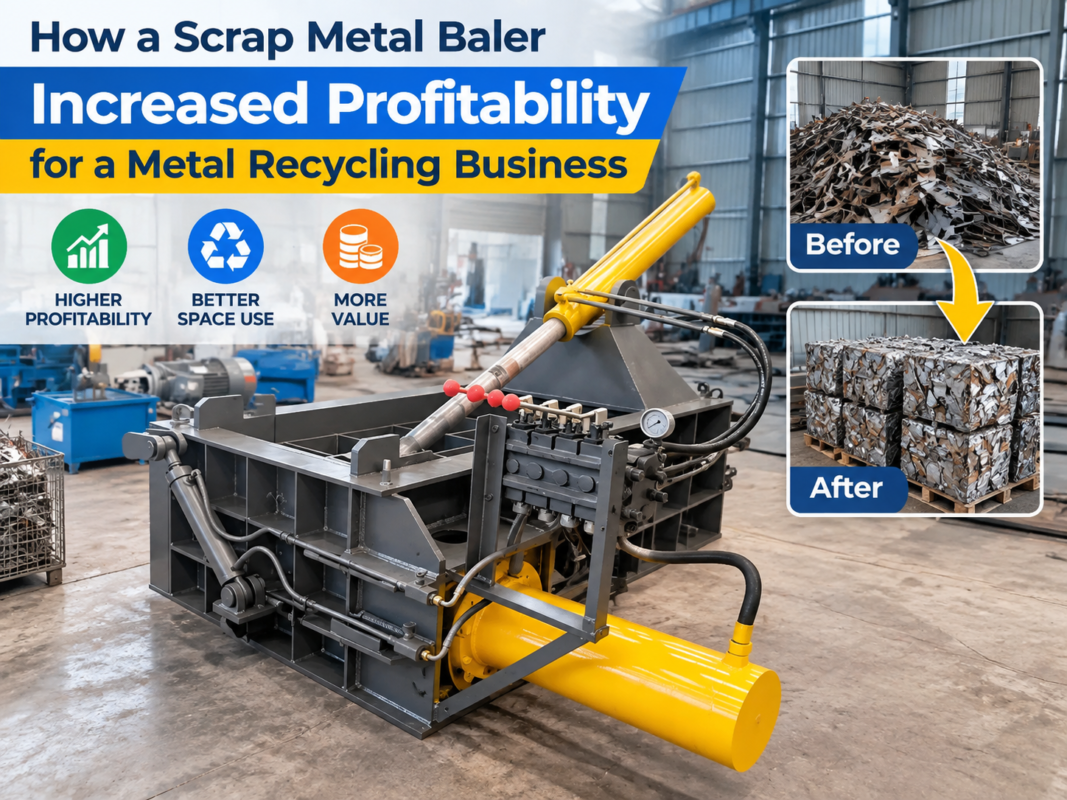
1. Increased Scrap Value: Loose scrap is often bought at a lower price than “prepared” or baled scrap. Foundries prefer bales because they are easier to handle and have a known density. The price delta between loose and baled scrap can range from 10% to 30% depending on the material.
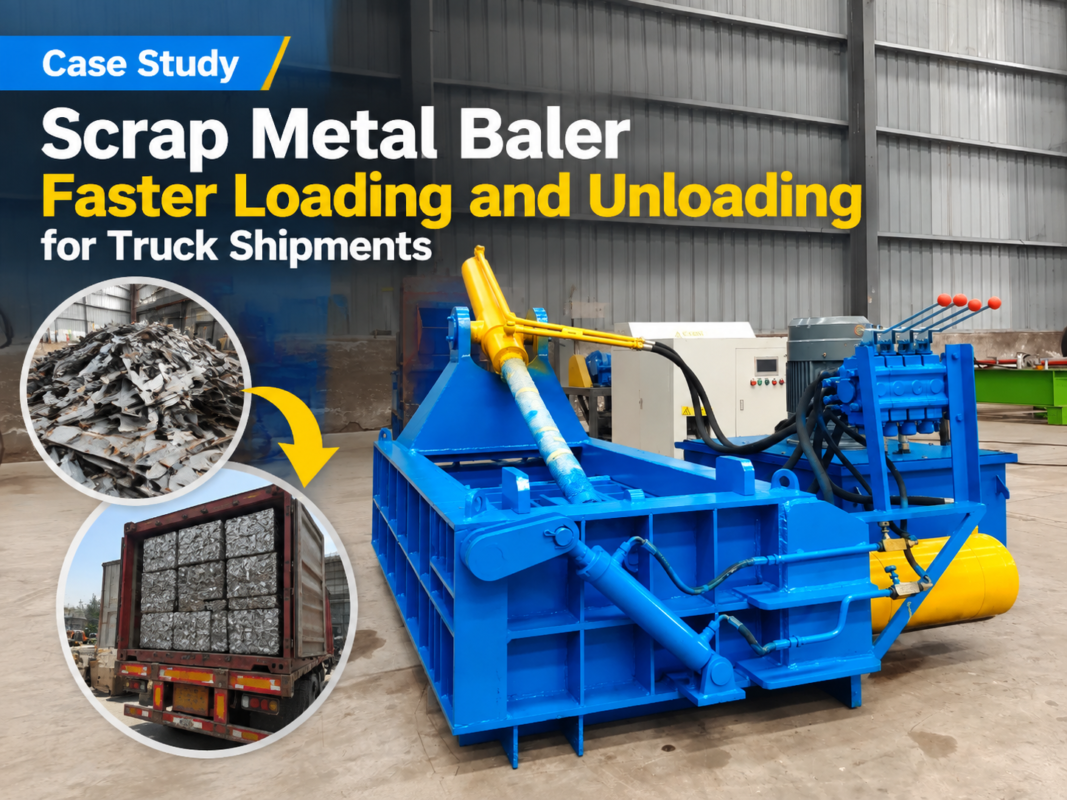
2. Transportation Savings: This is often the biggest driver of ROI. If you can fit 20 tons of baled aluminum into a truck that previously only held 5 tons of loose scrap, you have reduced your transport costs by 75%. In many cases, the savings in freight alone can pay for the machine within 18 to 24 months.
3. Labor Efficiency: A manual scrap handling process is labor-intensive. An automated baler allows one operator to do the work of four, freeing up staff for other value-added tasks in the fabrication shop.
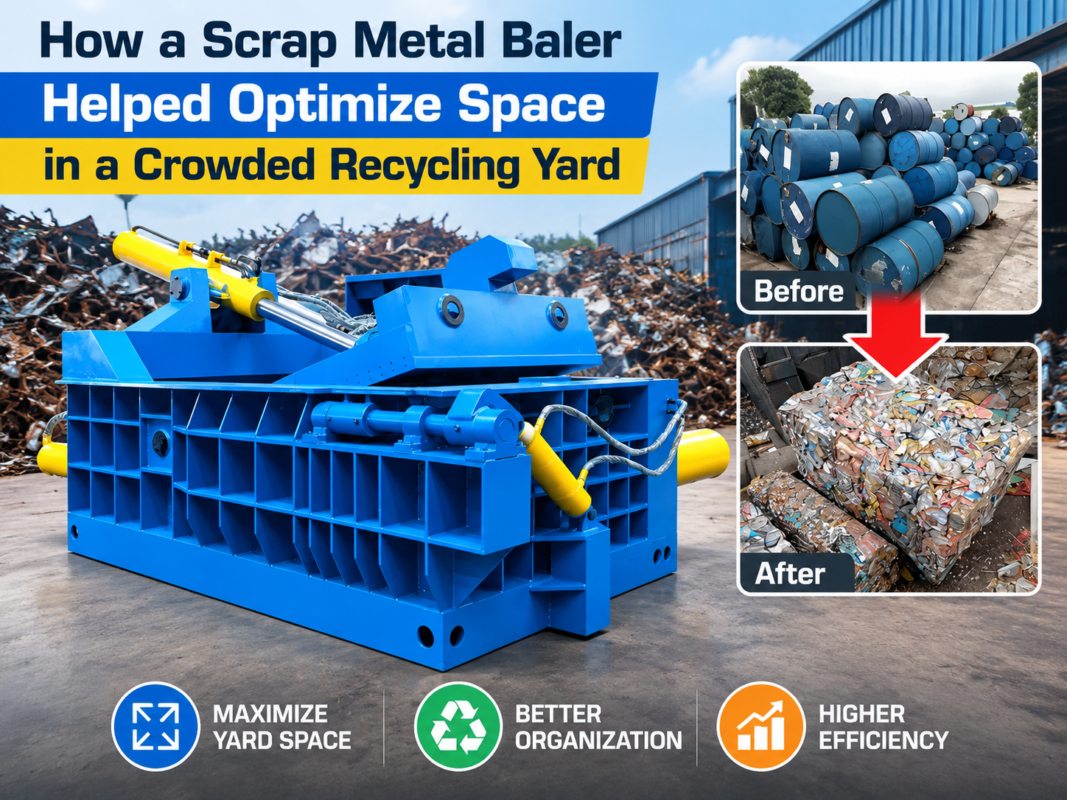
4. Space Reclamation: Loose scrap takes up massive amounts of floor space. By baling waste, you can reclaim valuable square footage for production machinery or inventory storage, effectively increasing the productive capacity of your facility without expanding the building.
Buying Advice: Choosing the Right HARSLE Baler
When you are ready to make a purchase, follow this checklist to ensure you select the machine that best fits your operational reality:
- Analyze Your Material Mix: Do you process mostly ferrous (steel/iron) or non-ferrous (aluminum/copper) metals? Ferrous metals require higher tonnage and harder wear liners.
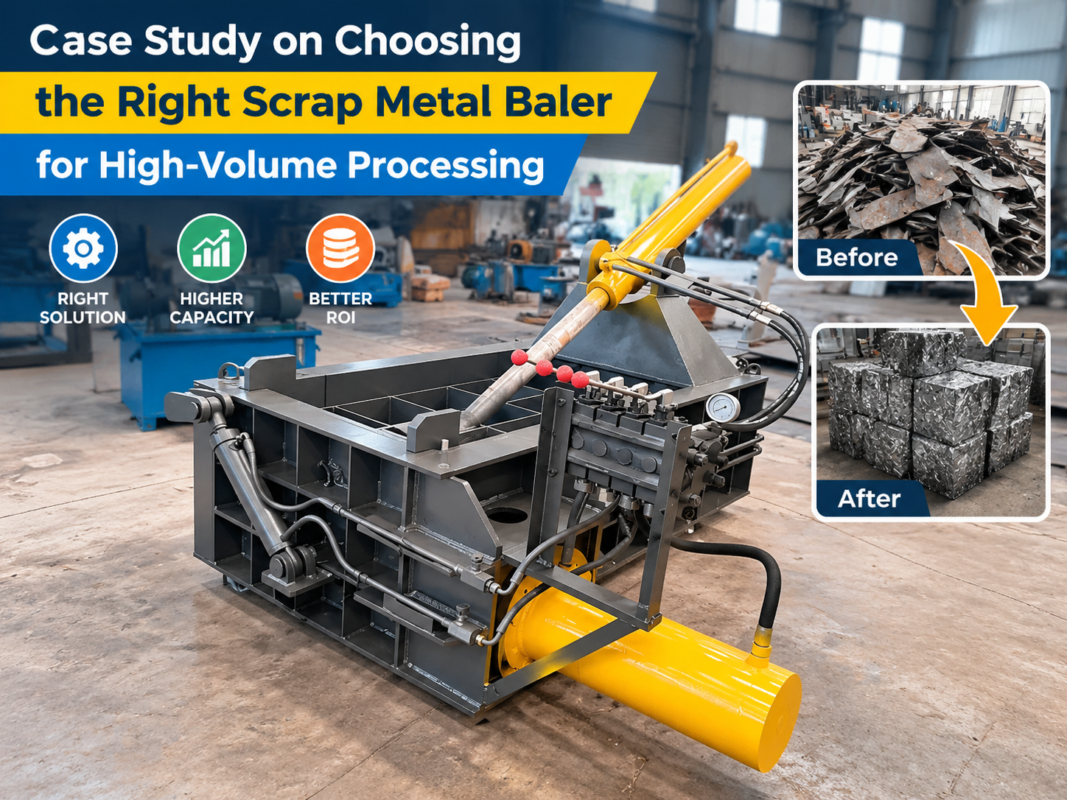
- Define Your Volume: Calculate your average daily scrap generation in tons. Choose a machine with a rated capacity at least 20% higher than your current needs to allow for future growth.
- Check Your Power Supply: Ensure your facility can support the voltage and phase requirements of the machine. HARSLE offers custom motor configurations for different regional power grids.
- Consider the Discharge Method: Balers offer different ways to exit the bale: “Side-push,” “Forward-out,” or “Turn-out.” Choose the one that fits your floor plan and loading equipment (forklift vs. conveyor).
- Evaluate After-Sales Support: Industrial machinery requires maintenance. Ensure that your supplier provides comprehensive manuals, readily available spare parts, and technical support. HARSLE’s global network ensures that help is available when you need it.
Frequently Asked Questions (FAQ)
What is the difference between a single-ram and a double-ram baler?
A single-ram baler uses one main cylinder to compress the metal against a fixed door or wall. It is simpler and more cost-effective. A double-ram baler (or L-shaped baler) uses two cylinders: one to compress the material and another to push it out or provide secondary compression. Double-ram balers are generally better for high-density requirements and difficult materials like stainless steel.
How often should I change the hydraulic oil?
For most industrial scrap balers, the hydraulic oil should be checked monthly and typically replaced every 2,000 to 4,000 operating hours. However, using a high-quality filtration system can extend the life of the oil. Always monitor the oil temperature; overheating is the primary cause of oil degradation.
Can one baler handle both aluminum and steel?
Yes, most HARSLE balers are versatile enough to handle various metals. However, you must adjust the pressure settings via the PLC for different materials. Baling aluminum at the same pressure used for heavy steel can result in overly dense bales that may be difficult for some aluminum smelters to process, or it may cause unnecessary wear on the machine.
What safety features should I look for?
Essential safety features include emergency stop buttons at multiple locations, safety interlocks on all access doors (preventing the machine from running while a door is open), pressure relief valves to prevent hydraulic over-pressurization, and infrared sensors to detect movement in the loading hopper.
How long does a typical scrap metal baler last?
With proper maintenance, a high-quality industrial baler from HARSLE can last 15 to 20 years or more. The key to longevity is the regular replacement of wear liners and seals, as well as ensuring the hydraulic system remains free of contaminants.
Does the machine require a special operator license?
While a specific “baler license” is rarely required by law, operators must be trained in hydraulic safety and the specific controls of the machine. Most companies implement an internal certification process to ensure that only trained personnel operate the equipment, reducing the risk of accidents and machine damage.