How to Choose a Scrap Metal Baler: A Practical Buying Guide for Recycling Businesses


Introduction to Scrap Metal Balers in Modern Recycling
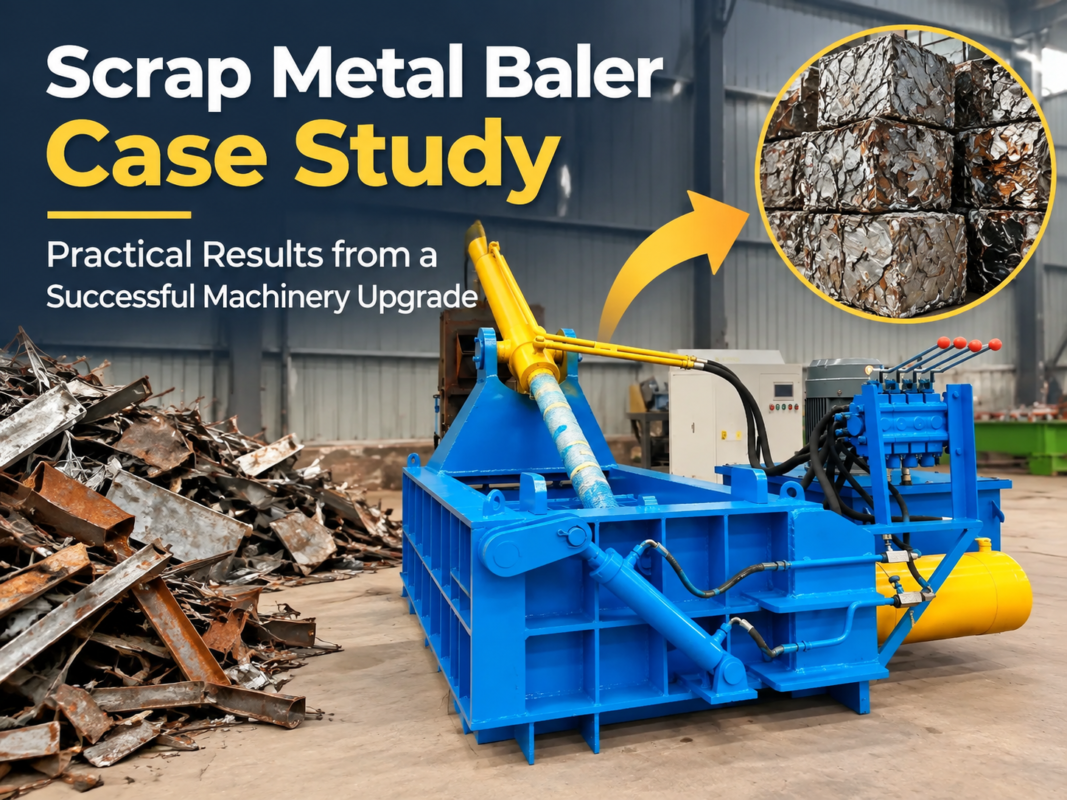
In the rapidly evolving world of industrial recycling, the efficiency of your operations often hinges on the quality and suitability of your machinery. For businesses dealing with high volumes of metal waste, the decision to choose a scrap metal baler: a practical buying recycling businesses need to make is one of the most significant capital investments they will face. A scrap metal baler is not merely a machine that crushes metal; it is a strategic tool designed to reduce volume, lower transportation costs, and increase the market value of scrap materials. Whether you are processing aluminum cans, copper wiring, or heavy steel plates, selecting the right equipment is paramount to maintaining a competitive edge.
HARSLE has long been at the forefront of providing high-performance metal fabrication machinery, and our scrap metal balers are engineered to meet the rigorous demands of the global recycling industry. This guide is designed to walk you through the complexities of the purchasing process, ensuring that your investment yields the highest possible return. From understanding hydraulic pressures to calculating the long-term ROI, we provide the technical depth required for an informed decision.
Price Range Overview: What to Expect
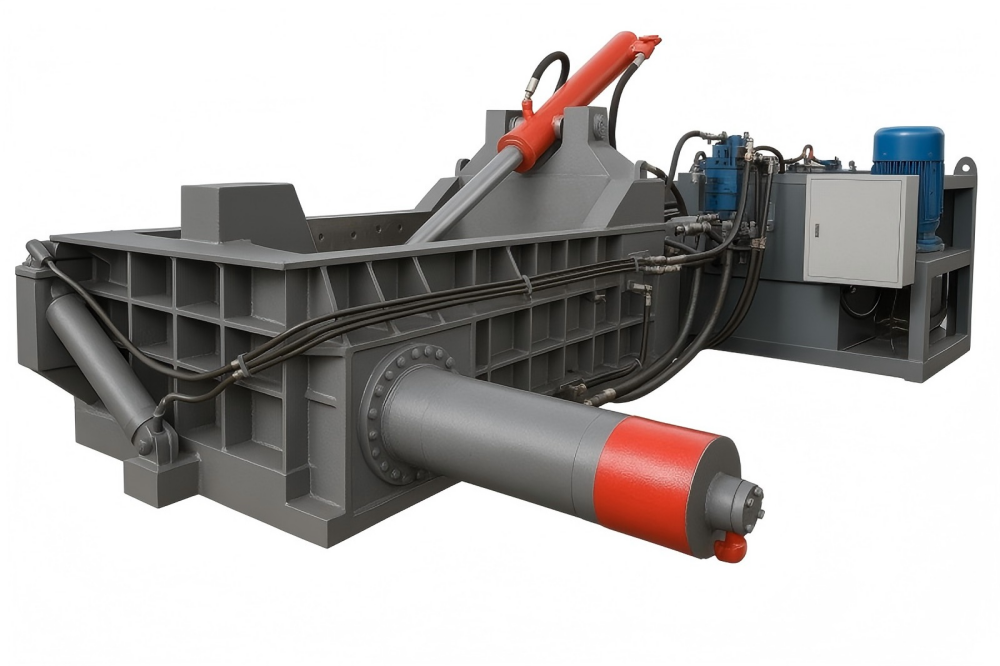
When you begin to choose a scrap metal baler: a practical buying recycling businesses should first establish a realistic budget based on their processing needs. The price of a scrap metal baler can vary significantly based on its capacity, automation level, and build quality. Generally, the market is divided into three primary tiers: entry-level, mid-range, and high-end industrial systems.
Entry-level balers, often vertical or small horizontal units, typically range from $15,000 to $35,000. These machines are ideal for smaller yards or manufacturing facilities that produce a consistent but moderate amount of non-ferrous scrap, such as aluminum or thin copper. While they lack the speed of larger units, they offer a compact footprint and lower power consumption, making them a great starting point for growing businesses.
Mid-range balers, which are the workhorses of most medium-sized recycling centers, usually fall between $40,000 and $90,000. These machines feature higher hydraulic pressure (often between 125 and 250 tons) and faster cycle times. They are capable of handling a wider variety of materials, including light ferrous scrap and larger volumes of non-ferrous metals. At this price point, you begin to see features like semi-automatic operation and enhanced safety systems.
High-end industrial balers are designed for 24/7 operation and massive throughput, with prices starting at $100,000 and reaching well over $250,000 for fully automated, high-tonnage systems. These machines are built with heavy-duty wear plates (such as Hardox), advanced PLC control systems, and massive hydraulic reservoirs. They are intended for large-scale scrap yards that process HMS 1/2, heavy structural steel, and automotive scrap. Investing in this tier is about maximizing volume and minimizing labor costs through automation.
Main Cost Drivers in Scrap Metal Baler Procurement
Understanding what drives the cost of a baler is essential when you choose a scrap metal baler: a practical buying recycling businesses can use to compare quotes effectively. The primary cost driver is the hydraulic system, specifically the tonnage or pressing force. A machine capable of 400 tons of pressure requires significantly more robust cylinders, pumps, and structural framing than a 100-ton machine. The quality of these components—such as using Rexroth valves or Siemens motors—will also influence the initial price but ensure better long-term reliability.
Material of construction is another critical factor. Balers that process abrasive materials like steel scrap require replaceable wear-resistant liners. High-quality liners made from manganese steel or Hardox increase the machine’s lifespan but add to the manufacturing cost. Furthermore, the size of the charging box (the area where scrap is loaded) dictates how much material can be processed per cycle. A larger box requires more steel and larger hydraulic rams, driving up the price.
Automation and control systems also play a role. A manual valve-operated baler is cheaper to produce than one equipped with a PLC (Programmable Logic Controller) and a touch-screen interface. However, the PLC allows for precise control over cycle times, pressure settings, and diagnostic monitoring, which can prevent costly breakdowns. Finally, the inclusion of specialized features like integrated shear blades (to cut oversized scrap during the lid-closing process) adds complexity and cost but significantly improves operational efficiency.
Configuration Impact: Tailoring the Machine to Your Needs
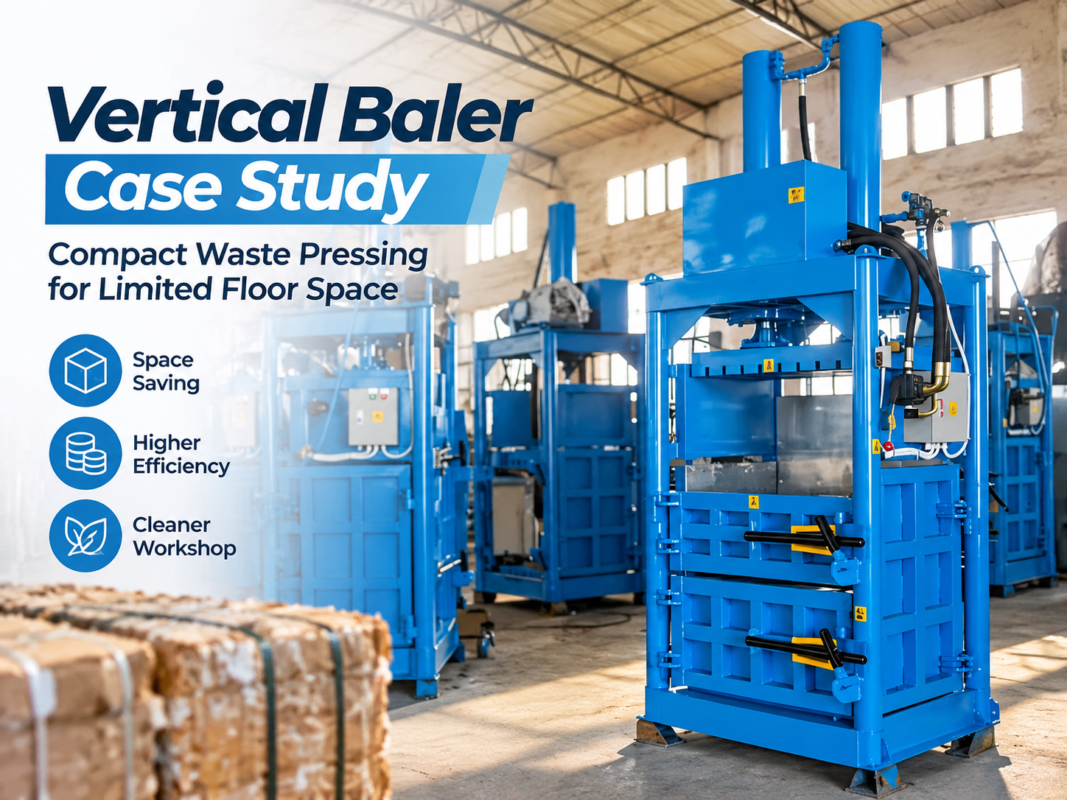
The configuration of your baler should be dictated by your specific material flow and facility layout. The most fundamental choice is between vertical and horizontal configurations. Vertical balers are generally more affordable and save floor space, but they require manual loading and unloading, which limits their throughput. They are best suited for businesses where scrap processing is a secondary activity rather than the primary revenue stream.
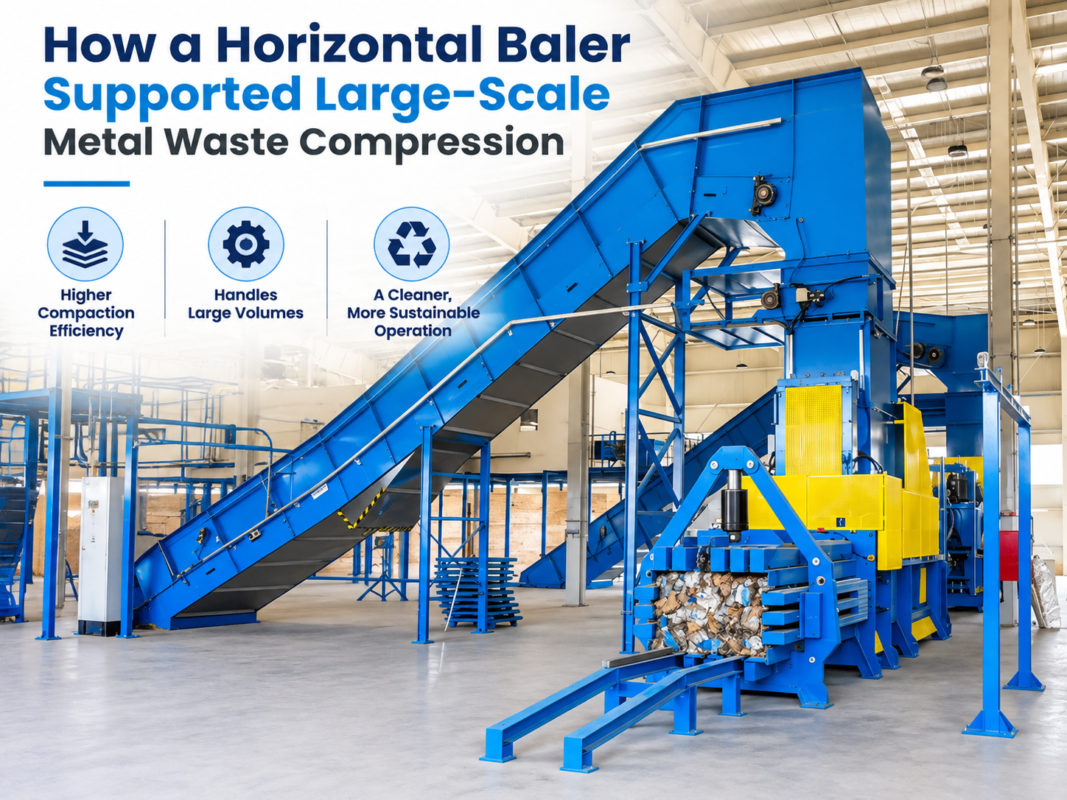
Horizontal balers are the standard for dedicated recycling businesses. They allow for continuous loading via conveyor belts or grab cranes, significantly increasing efficiency. Within the horizontal category, you must choose between side-eject, end-eject, or “triple compression” models. Triple compression balers are the gold standard for creating high-density bales, as they apply pressure from three directions, ensuring the bale is compact enough for international shipping standards.
Another configuration detail is the cooling system. For businesses operating in hot climates or running multiple shifts, an integrated oil cooling system (either air-cooled or water-cooled) is non-negotiable. Without it, the hydraulic oil will overheat, leading to seal failure and reduced pressure. Additionally, the choice of power source—electric motor vs. diesel engine—depends on your facility’s infrastructure. While electric motors are more common and easier to maintain, diesel-powered balers offer mobility for on-site scrap processing at demolition sites.
Hidden Costs of Owning a Scrap Metal Baler
When calculating the total cost of ownership, many buyers overlook the “hidden” expenses that occur after the initial purchase. The first is installation and site preparation. A large horizontal baler requires a reinforced concrete foundation to handle the vibration and weight. You may also need to upgrade your facility’s electrical service to accommodate high-horsepower motors, which can involve significant utility fees and electrical contracting costs.
Hydraulic oil is another recurring expense. A large baler can hold hundreds of gallons of hydraulic fluid. This oil must be filtered and periodically replaced to protect the sensitive hydraulic components. Furthermore, wear parts like shear blades and chamber liners are consumables. Depending on the abrasiveness of the scrap you process, these may need replacement every 6 to 18 months. Failing to budget for these parts can lead to unexpected downtime.
Labor and training are also factors. While a baler reduces the need for manual sorting and loading, it requires a skilled operator who understands the machine’s limits and maintenance schedule. Investing in training for your staff is essential to prevent accidents and machine misuse. Lastly, consider the cost of logistics for the machine itself. These are heavy, oversized loads that require specialized shipping and rigging to move from the port or factory to your facility.
ROI Calculation: Turning Waste into Profit
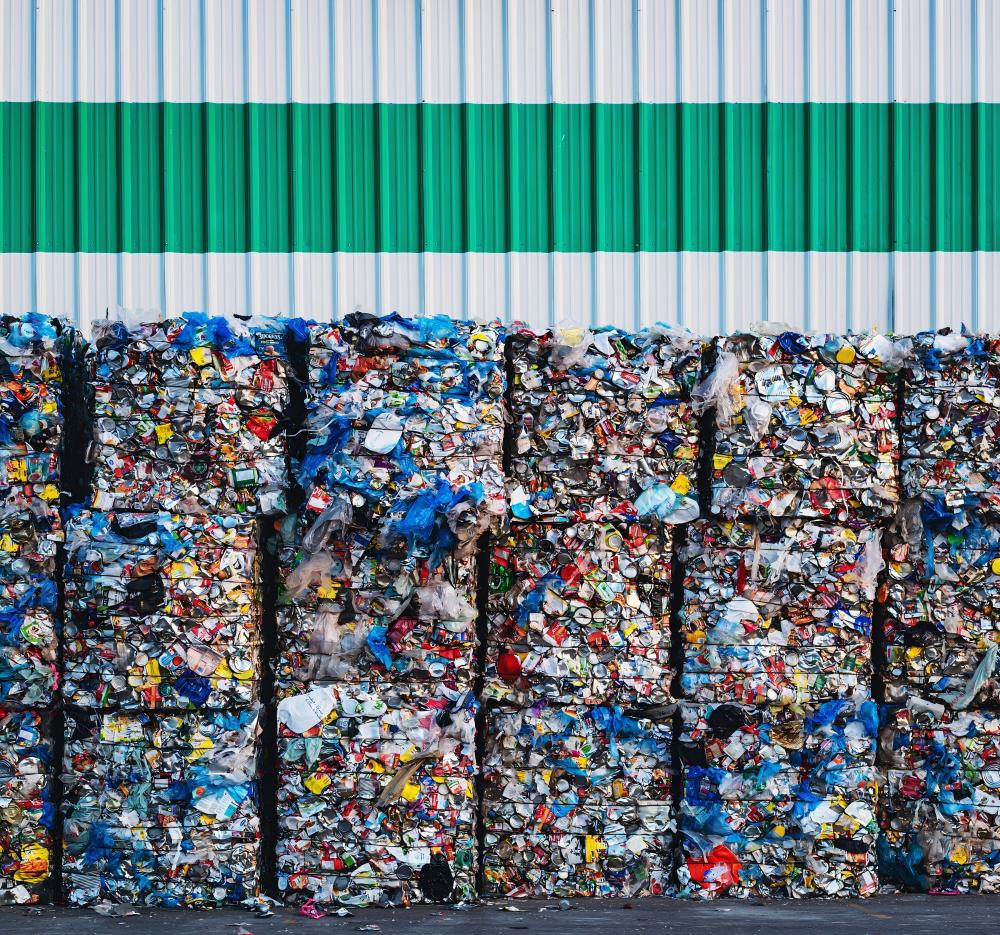
The ultimate goal when you choose a scrap metal baler: a practical buying recycling businesses implement is to achieve a rapid Return on Investment (ROI). The ROI is primarily driven by three factors: transportation savings, labor reduction, and increased scrap value. Loose scrap is incredibly inefficient to transport; a truck filled with loose aluminum cans might only carry a fraction of its weight capacity. By baling that material, you can maximize the weight of every load, often reducing transportation costs by 50% to 70%.
Furthermore, many scrap consumers (smelters and foundries) pay a premium for baled material because it is easier for them to handle and charge into their furnaces. This “bale premium” can range from $10 to $50 per ton depending on the metal type and market conditions. If your facility processes 500 tons of scrap per month, a $20 premium per ton results in an additional $10,000 in monthly revenue, which quickly covers the cost of the machine.
To calculate your ROI, use the following formula: (Monthly Transportation Savings + Monthly Labor Savings + Monthly Bale Premium) – (Monthly Operating Costs + Finance Payments) = Net Monthly Gain. Most well-chosen balers in a high-volume environment will pay for themselves within 12 to 24 months. HARSLE provides detailed technical specs to help you estimate these variables accurately before you sign a purchase agreement.
Buying Advice: A Step-by-Step Checklist
To ensure you choose a scrap metal baler: a practical buying recycling businesses can rely on, follow this systematic approach:
- Analyze Your Material: What is the thickest and hardest material you will process? Your baler must be rated for your toughest scrap, not your average scrap.
- Determine Throughput: Calculate how many tons you need to process per hour. This will dictate the cycle time and motor power required.
- Check the Footprint: Measure your available space, including the area needed for loading, bale storage, and maintenance access.
- Evaluate the Manufacturer: Look for companies like HARSLE that have a proven track record, provide comprehensive manuals, and offer robust after-sales support.
- Inspect the Hydraulics: Ensure the machine uses standard, high-quality hydraulic components that can be sourced locally if an emergency repair is needed.
- Safety Features: Verify the presence of emergency stops, safety interlocks on doors, and protective guarding around moving parts.
Before finalizing a purchase, always request a video of the machine processing material similar to yours, or better yet, visit a site where the machine is in operation. Testing the machine with your specific scrap type is the only way to guarantee performance.
Frequently Asked Questions (FAQ)
1. What is the difference between a single-ram and a double-ram baler?
A single-ram baler uses one main cylinder to compress the metal against a fixed wall or door. It is simpler and cheaper. A double-ram (or L-type) baler uses two cylinders: one to compress the material and another to push the bale out or provide secondary compression. Double-ram balers generally produce denser bales and are better for difficult materials.
2. How often does the hydraulic oil need to be changed?
Typically, hydraulic oil should be checked monthly and replaced every 2,000 to 4,000 operating hours, depending on the environment and the quality of the oil used. Using high-quality filtration systems can extend this interval significantly.
3. Can one baler handle both ferrous and non-ferrous metals?
Yes, most industrial balers can handle both. However, you must ensure the pressure settings and wear liners are appropriate for the harder ferrous metals. It is also important to clean the chamber between different metal types to prevent cross-contamination, which can lower the scrap value.
4. What is the typical lifespan of a HARSLE scrap metal baler?
With proper maintenance, a high-quality scrap metal baler can last 15 to 20 years or more. Key components like pumps and motors may be replaced during this time, but the structural frame is designed for long-term industrial use.
5. Do I need a special foundation for the baler?
For small vertical balers, a standard thick concrete floor is usually sufficient. For large horizontal balers (over 200 tons of pressure), a reinforced concrete pad designed to absorb vibration and distribute the machine’s weight is highly recommended to prevent floor cracking and machine misalignment.
6. How does the bale size affect my shipping costs?
Bale size is critical for maximizing container or truck loading. Standard bale sizes (e.g., 600mm x 600mm) are designed to stack efficiently. If your bales are too large or irregularly shaped, you will have “dead space” in your transport vehicles, which increases your cost per ton moved.
7. Is automation worth the extra cost?
If you process more than 10-15 tons of scrap per day, automation is almost always worth the investment. It reduces the number of operators needed and ensures consistent bale density and cycle times, leading to more predictable production schedules.