Scrap Metal Baler Buying Guide for 2026: Key Features, Costs, and ROI Factors


Introduction to the 2026 Scrap Metal Recycling Landscape
As we move into 2026, the metal recycling industry is undergoing a significant transformation driven by global sustainability mandates and the push for circular economies. For scrap yard owners and metal fabrication facilities, the scrap metal baler remains the cornerstone of operational efficiency. A high-quality baler does more than just compress metal; it optimizes logistics, reduces storage footprints, and significantly increases the market value of processed scrap. However, with the introduction of AI-integrated controls and more energy-efficient hydraulic systems, the process of selecting the right machine has become more complex. This guide serves as a comprehensive resource for navigating the Scrap Metal Baler Buying 2026: Key Features, Costs, ROI Factors landscape, ensuring your investment aligns with both current needs and future industry trends.
HARSLE has been at the forefront of this evolution, developing machinery that balances raw power with precision engineering. In 2026, the focus has shifted from simple compression to ‘smart baling’—where machines provide real-time data on bale density, cycle times, and energy consumption. Whether you are processing aluminum extrusions, copper wire, or heavy steel plate, understanding the nuances of modern baler technology is essential for maintaining a competitive edge in an increasingly volatile scrap market.
Price Range Overview: What to Expect in 2026
The cost of a scrap metal baler in 2026 is influenced by several factors, including raw material costs (specifically high-grade steel), technological integration, and shipping logistics. Generally, the market is divided into three primary tiers based on capacity and automation levels. Understanding these price points is the first step in your Scrap Metal Baler Buying 2026: Key Features, Costs, ROI Factors journey.
Entry-Level and Portable Balers ($15,000 – $45,000)
Entry-level machines are typically designed for smaller recycling centers or fabrication shops that generate a moderate amount of scrap. These are often vertical balers or small horizontal units with manual valve controls. While they lack the speed of larger units, they are highly effective for non-ferrous metals like aluminum and copper. In 2026, even these budget-friendly models are seeing improvements in safety sensors and more compact hydraulic power units, making them more reliable than their predecessors from a decade ago.
Mid-Range Industrial Balers ($50,000 – $160,000)
This is the most popular category for established scrap yards. These machines offer semi-automatic or fully automatic operation, larger chamber sizes, and higher compression forces (typically 125 to 250 tons). At this price point, buyers expect features like PLC (Programmable Logic Controller) systems, integrated oil cooling, and wear-resistant liners. These machines are capable of processing a wider variety of materials, including light ferrous scrap and stainless steel, providing a versatile solution for growing businesses.
High-Capacity and Specialized Systems ($200,000 – $500,000+)
For industrial-scale operations processing hundreds of tons of scrap per month, high-capacity balers are a necessity. These systems often feature triple-compression technology, high-speed cycle times, and fully automated bale discharge systems. In 2026, these top-tier machines are frequently equipped with remote diagnostic capabilities and IoT connectivity, allowing managers to monitor performance from a central office. The investment here is significant, but the throughput and bale density achieved are unmatched, leading to the lowest possible transportation costs per ton.
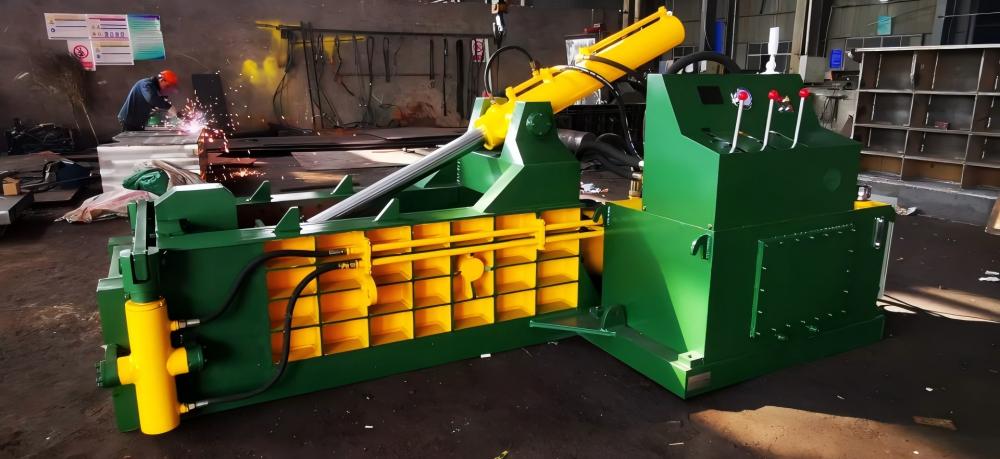
Main Cost Drivers in Modern Baler Manufacturing
When evaluating the price of a scrap metal baler, it is important to look beneath the surface. Several critical components and manufacturing choices drive the final sticker price. Understanding these drivers helps buyers distinguish between a machine that is ‘cheap’ and one that offers ‘value.’
1. Hydraulic System Sophistication
The heart of any baler is its hydraulic system. In 2026, the cost is heavily influenced by the quality of pumps and valves. High-end brands like Rexroth or Vickers are more expensive but offer superior longevity and smoother operation. Furthermore, the inclusion of variable frequency drives (VFDs) can increase initial costs but significantly reduce electricity consumption by adjusting motor speed based on the pressure required during different stages of the baling cycle.
2. Steel Quality and Structural Reinforcement
A baler is subjected to immense internal pressures. The grade of steel used in the frame and the chamber is a major cost factor. Machines built with Q345B or higher-grade carbon steel, reinforced at critical stress points, will naturally cost more than those using thinner, lower-grade materials. Additionally, the use of Hardox or similar abrasion-resistant liners in the baling chamber adds to the cost but prevents the frame from wearing down over years of contact with abrasive scrap metal.
3. Automation and Control Systems
The shift toward Industry 4.0 has made electronics a significant portion of a baler’s cost. A machine with a simple manual lever system is far cheaper than one with a Siemens PLC, touchscreen HMI (Human Machine Interface), and laser-guided positioning for the ram. However, the latter allows for consistent bale sizes and reduces the risk of operator error, which can lead to costly machine downtime.
Configuration Impact: Tailoring the Machine to Your Scrap
The configuration of your baler should be dictated by the type of scrap you process most frequently. Choosing the wrong configuration can lead to inefficiencies that eat into your profit margins. Here is how different configurations impact performance and cost.
Horizontal vs. Vertical Balers
Vertical balers have a smaller footprint and are generally less expensive, but they require more manual labor for loading and tying. They are best suited for light-gauge materials. Horizontal balers, while requiring more floor space, allow for continuous feeding (often via conveyor) and automatic bale ejection. For most scrap yards in 2026, the horizontal configuration is the standard for maximizing throughput.
Side-Push vs. Forward-Out Discharge
The method of bale discharge affects the layout of your facility. Side-push balers are common and efficient, but forward-out (or ‘flip-out’) designs are often preferred for heavy-duty applications where the bale needs to be moved immediately by a forklift or crane. The complexity of the discharge mechanism can add several thousand dollars to the machine’s price but can save minutes on every cycle.
Chamber Size and Bale Density
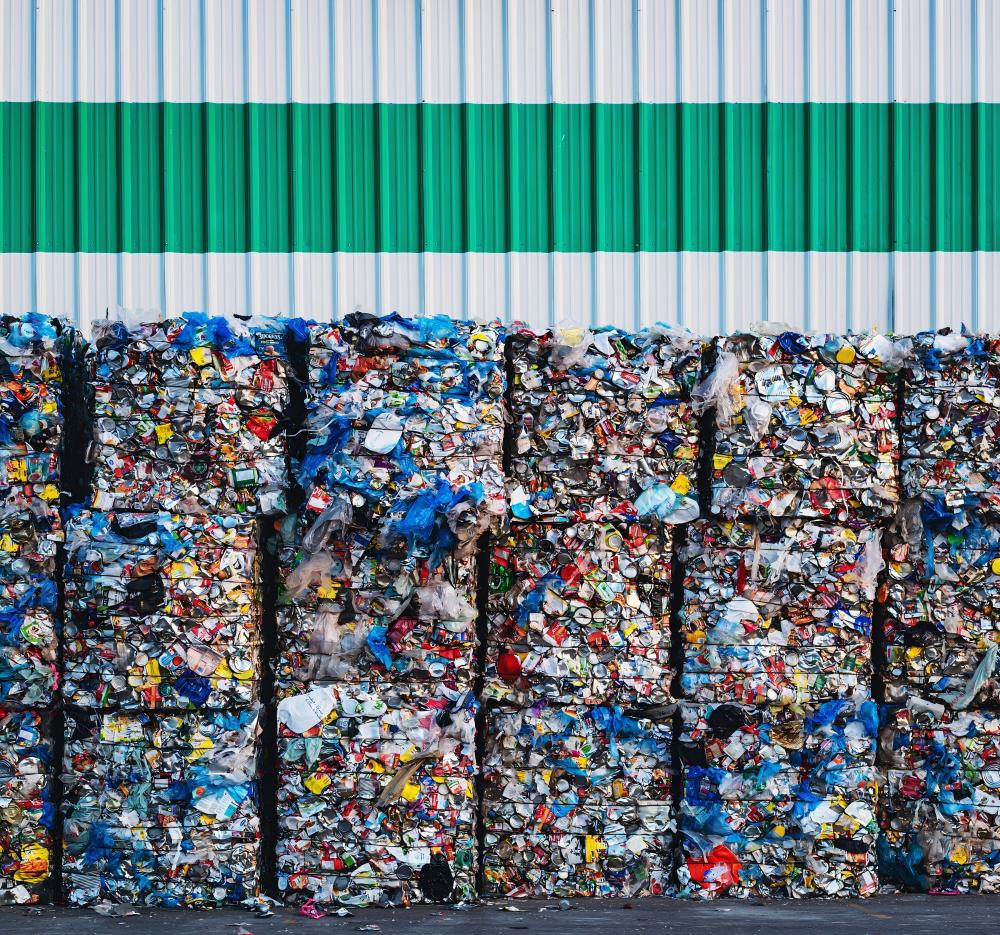
In 2026, transportation costs are a major concern. A baler that produces a standard ‘mill-ready’ bale size (e.g., 60x30x30 inches) is essential for maximizing truckload weights. If your baler produces undersized or low-density bales, you are essentially paying to ship air. Investing in a machine with a larger chamber and higher main cylinder pressure ensures that every bale meets the maximum density requirements of the smelters and mills.
Hidden Costs: Beyond the Initial Purchase
The ‘Scrap Metal Baler Buying 2026: Key Features, Costs, ROI Factors’ equation is incomplete without considering the hidden costs of ownership. These expenses can often surprise first-time buyers and should be budgeted for from the start.
- Shipping and Rigging: These machines are incredibly heavy. Shipping a 20-ton baler across the country or importing it requires specialized logistics. Once it arrives, you will likely need a professional rigging team and a heavy-duty crane to set it in place.
- Foundation Requirements: High-capacity balers cannot sit on standard warehouse concrete. They often require a reinforced concrete pad, sometimes several feet thick, to absorb the vibrations and weight of the machine during operation.
- Electrical Upgrades: A large hydraulic motor (e.g., 50HP or 100HP) requires significant amperage. You may need to upgrade your facility’s electrical panel or install a dedicated transformer to handle the load.
- Wear Parts and Maintenance: Blades for shearing overhanging scrap, hydraulic seals, and chamber liners are consumables. A proactive maintenance schedule is required to prevent catastrophic pump failure, which can cost tens of thousands of dollars to repair.
- Operator Training: Modern balers with PLC interfaces require trained operators. Investing in staff training ensures the machine is used safely and efficiently, reducing the likelihood of accidental damage.
ROI Calculation: When Will the Baler Pay for Itself?
Calculating the Return on Investment (ROI) is the most critical part of the Scrap Metal Baler Buying 2026: Key Features, Costs, ROI Factors process. To find your ROI, you must look at three primary areas of savings and revenue generation.
1. Increased Scrap Value
Loose scrap is often bought at a lower price because of the difficulty in handling it. Baled scrap is ‘mill-ready.’ In many markets, the price difference between loose aluminum and baled aluminum can be as much as 10-20%. If you process 100 tons a month, that premium adds up quickly.
2. Transportation Savings
This is often where the biggest ROI is found. If you can fit 20 tons of baled scrap on a trailer that previously only held 8 tons of loose scrap, you have reduced your shipping costs by 60%. In an era of high fuel prices and driver shortages, this efficiency is paramount.
3. Labor and Space Efficiency
A baler reduces the amount of time staff spends moving piles of metal around the yard. Furthermore, by compacting scrap, you free up valuable real estate in your facility, allowing you to store more inventory or add new processing lines. A typical ROI for a mid-range HARSLE baler in a busy yard is often achieved within 12 to 18 months.
Buying Advice for 2026: A Step-by-Step Checklist
To ensure you make the best decision, follow this checklist when evaluating potential scrap metal balers in 2026:
- Define Your Material Stream: Be specific about what you are baling. Is it mostly HMS (Heavy Melting Scrap), UBC (Used Beverage Cans), or industrial offcuts? The machine must be rated for your toughest material.
- Request a Cycle Time Test: Don’t just look at the pressure; look at the speed. A machine that takes 3 minutes to make a bale will produce half as much as one that takes 90 seconds.
- Verify Component Brands: Ensure the hydraulics and electronics are from reputable, global brands so that replacement parts are easily accessible in your local market.
- Check Safety Compliance: In 2026, safety regulations are stricter than ever. Ensure the machine has emergency stops, safety interlocks on all doors, and proper guarding.
- Evaluate After-Sales Support: Does the manufacturer offer remote troubleshooting? What is the lead time for wear parts? HARSLE, for example, provides extensive technical documentation and support to ensure minimal downtime.
- Consider Future Scalability: If you expect your volume to grow by 30% in the next two years, buy a machine that can handle that future capacity today.
Frequently Asked Questions (FAQ)
How long does a typical scrap metal baler last?
With proper maintenance, a high-quality industrial baler from a manufacturer like HARSLE can last 15 to 20 years. The key is regular oil filtration, timely replacement of wear liners, and ensuring the machine is not consistently pushed beyond its rated tonnage.
Can one baler handle both ferrous and non-ferrous metals?
Yes, most versatile horizontal balers can handle both. However, you must be careful about cross-contamination. Most yards will run all their aluminum, then clean the chamber before switching to steel or copper to maintain the purity and value of the bales.
What is the difference between a 2-ram and a 3-ram baler?
A 2-ram baler uses one ram to compress and another to eject or provide side pressure. A 3-ram (triple compression) baler applies pressure from three directions, resulting in the highest possible bale density. Triple compression is typically reserved for very high-volume operations or specific materials like stainless steel turnings.
Is AI integration really necessary for a baler?
While not ‘necessary’ for the physical act of baling, AI and IoT integration in 2026 help with predictive maintenance. The system can alert you that a seal is likely to fail or that the oil temperature is trending too high before a breakdown occurs, saving you from expensive emergency repairs.
How do I choose between a new and a used baler?
While used balers have a lower entry price, they often come with hidden wear and outdated safety features. In 2026, the energy efficiency of new machines often makes them cheaper to operate over a 5-year period compared to an older, power-hungry used model. Additionally, new machines come with warranties that protect your capital investment.
Conclusion
Investing in a scrap metal baler is a defining moment for any recycling or fabrication business. By focusing on the Scrap Metal Baler Buying 2026: Key Features, Costs, ROI Factors, you can move beyond simple price comparisons and make a strategic decision that enhances your operational throughput and profitability. As the industry continues to prioritize efficiency and sustainability, having the right equipment—like the advanced solutions offered by HARSLE—will ensure your business remains resilient and profitable for years to come. Take the time to analyze your material, calculate your potential ROI, and choose a partner that offers the technical support necessary to keep your rams moving and your bales shipping.