How to Select the Right Scrap Metal Baler for Steel, Aluminum, and Copper Waste

Introduction to Scrap Metal Baling Technology
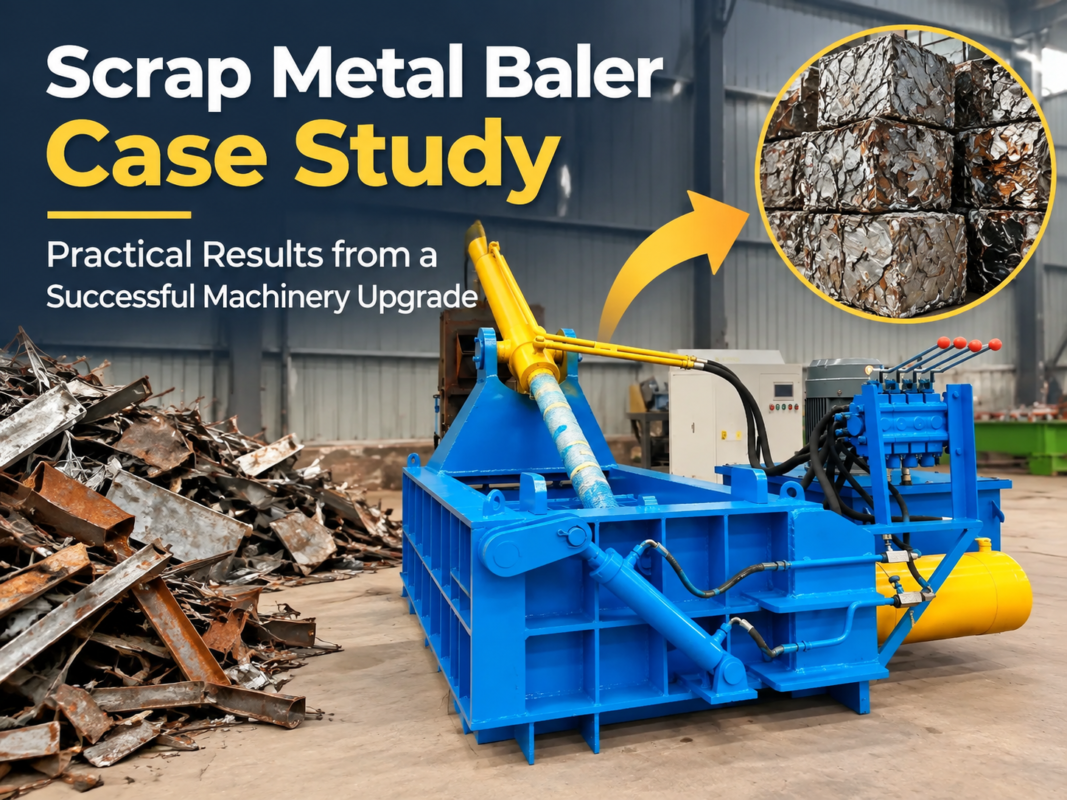
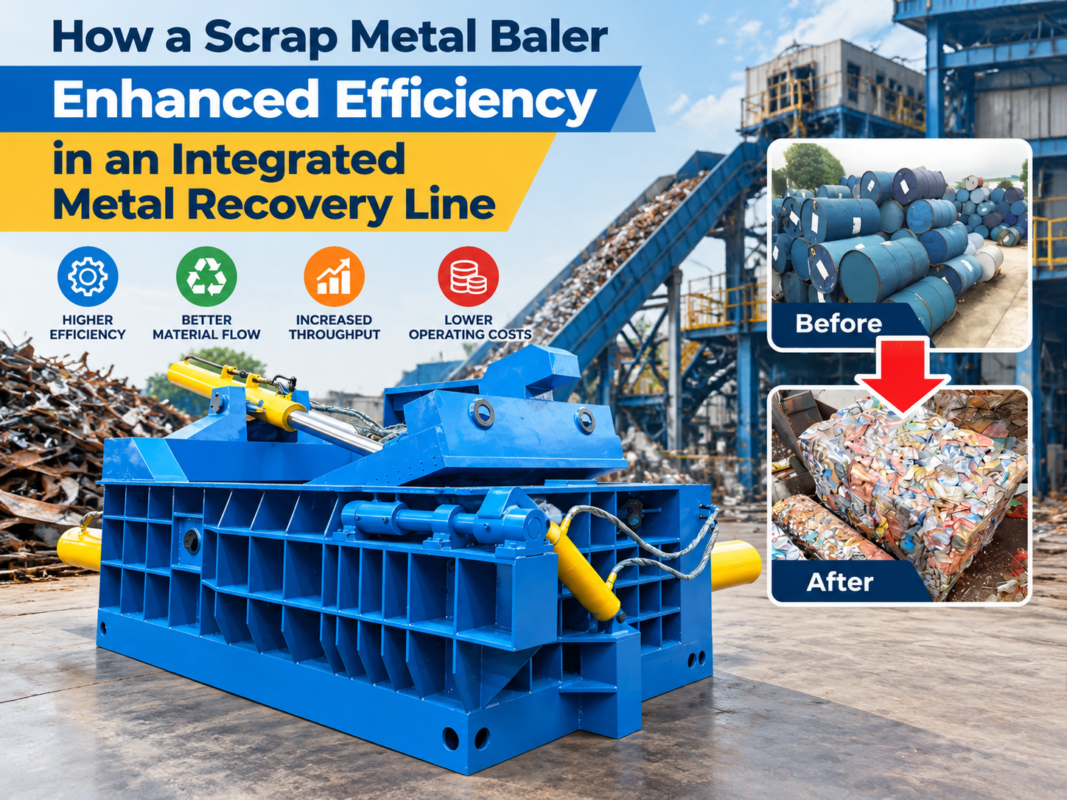
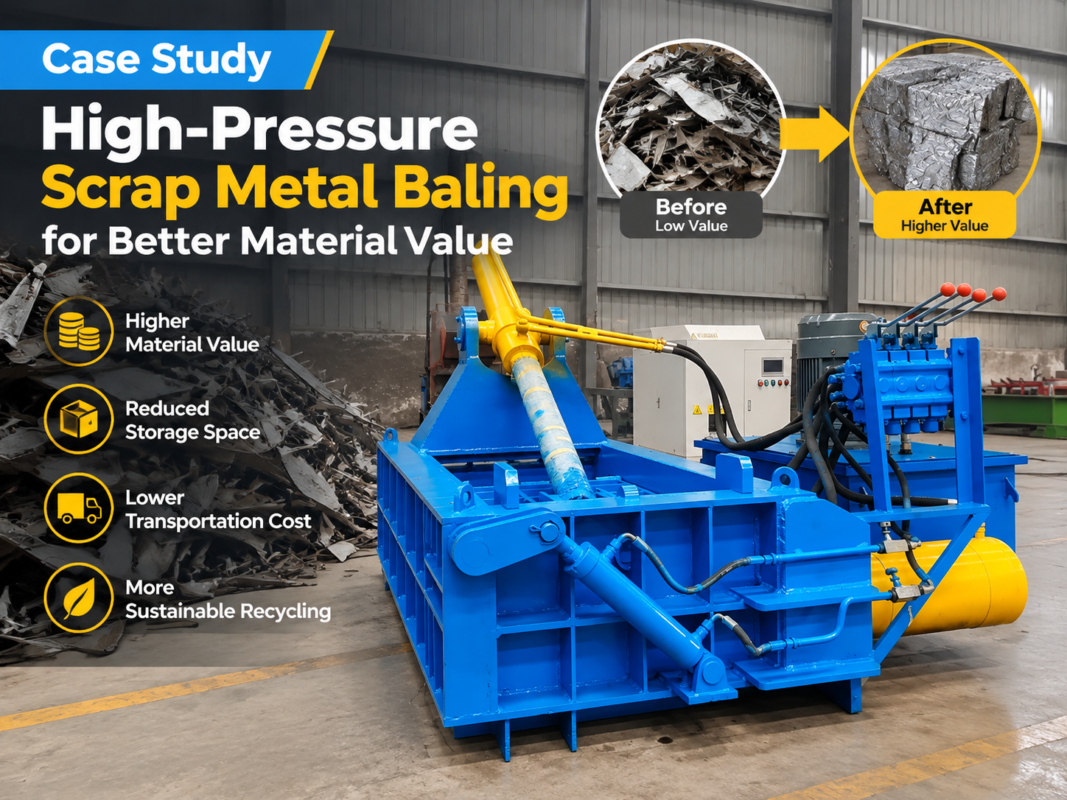
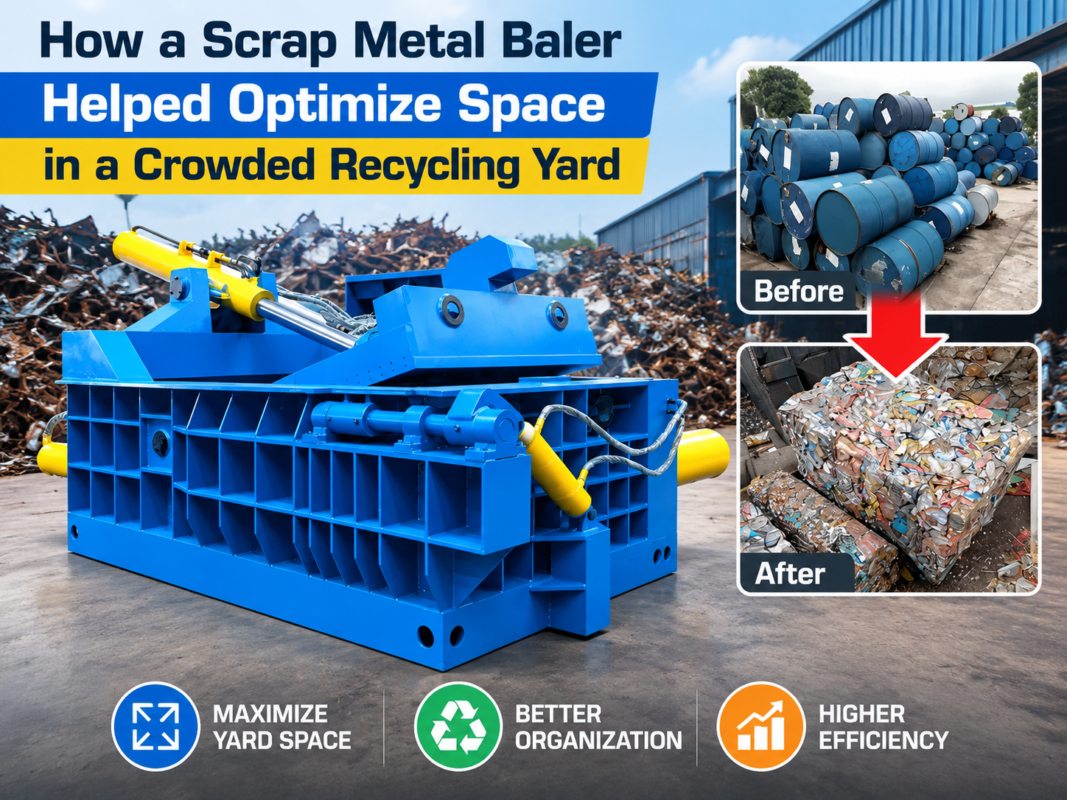
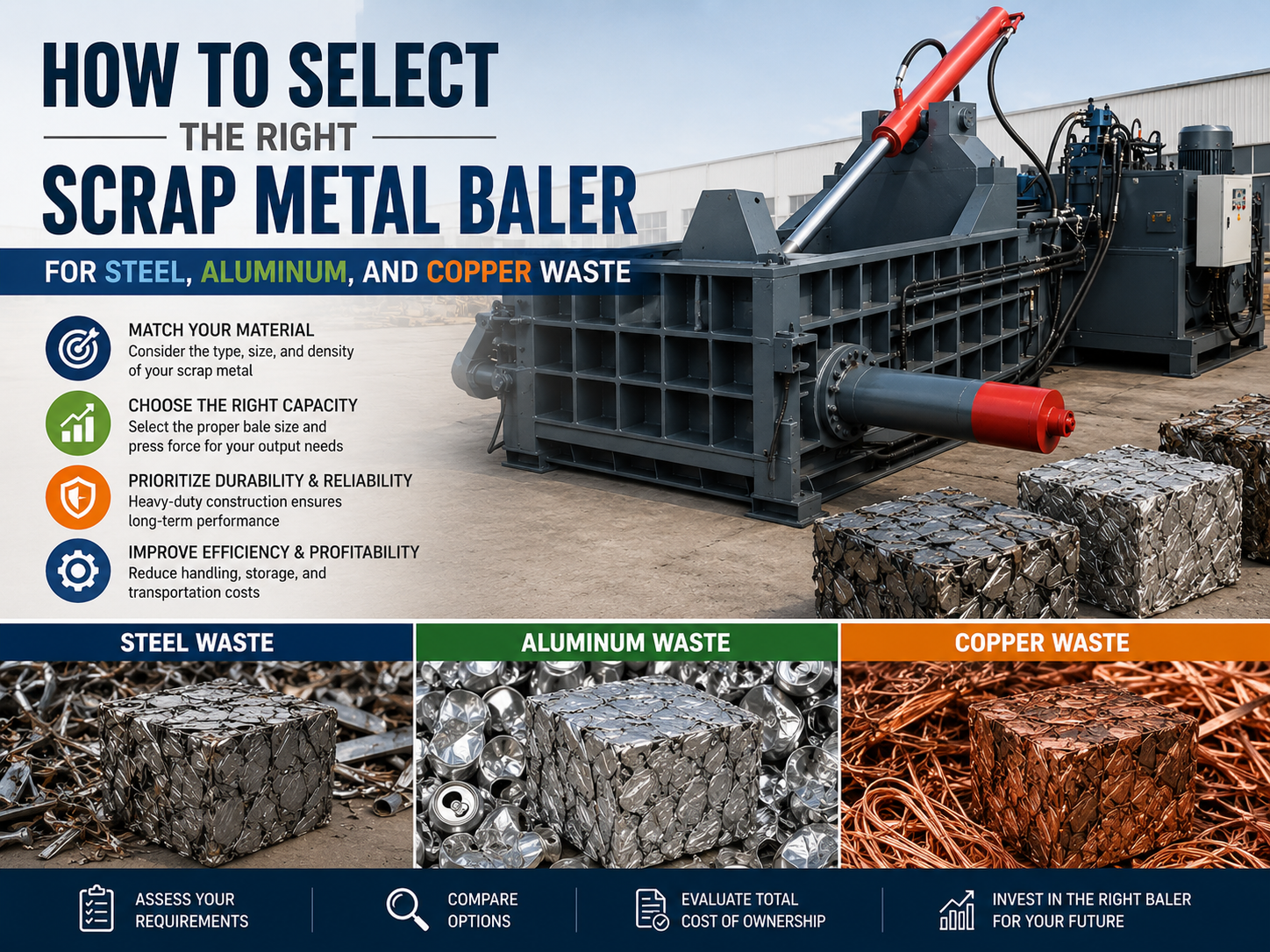
In the modern industrial landscape, efficient waste management is not just a matter of environmental responsibility; it is a critical component of operational profitability. For facilities dealing with significant volumes of metal offcuts, turnings, and structural waste, the decision to select scrap metal baler steel, aluminum, copper waste processing equipment is a pivotal investment. A scrap metal baler compresses loose metal into dense, manageable blocks (bales), which significantly reduces storage space, lowers transportation costs, and increases the resale value of the material at foundries and recycling centers.
HARSLE has long been at the forefront of providing high-performance hydraulic solutions for the metal fabrication industry. Choosing the right baler requires a deep understanding of the physical properties of the metals being processed. Steel, with its high tensile strength, requires immense shearing and compression force. Aluminum, being lightweight but high-volume, demands speed and specific bale dimensions to optimize shipping containers. Copper, often found in the form of wire or high-grade tubing, requires precision to maintain purity and density without excessive wear on the machine. This guide provides a comprehensive roadmap for procurement managers and facility owners to navigate the complexities of selecting the ideal baler.
Price Range Overview: Understanding the Investment Tiers
The market for scrap metal balers is diverse, with prices ranging from entry-level manual units to fully automated, high-capacity systems. When you look to select scrap metal baler steel, aluminum, copper waste solutions, you must first categorize your needs based on volume and material type. Generally, the price of a baler is a reflection of its hydraulic force (measured in tons), the size of the compression chamber, and the level of automation integrated into the system.
| Baler Category | Typical Price Range (USD) | Best For | Key Features |
|---|---|---|---|
| Small/Entry-Level | $12,000 – $35,000 | Small workshops, copper wire recycling | Manual valves, compact footprint, 60-100 ton force |
| Medium Industrial | $40,000 – $95,000 | Regional scrap yards, aluminum extrusions | Semi-automatic, 125-250 ton force, side-push ejection |
| Large/High-Volume | $100,000 – $300,000+ | Automotive plants, large-scale steel recycling | Fully automatic PLC, 315-600+ ton force, continuous feeding |
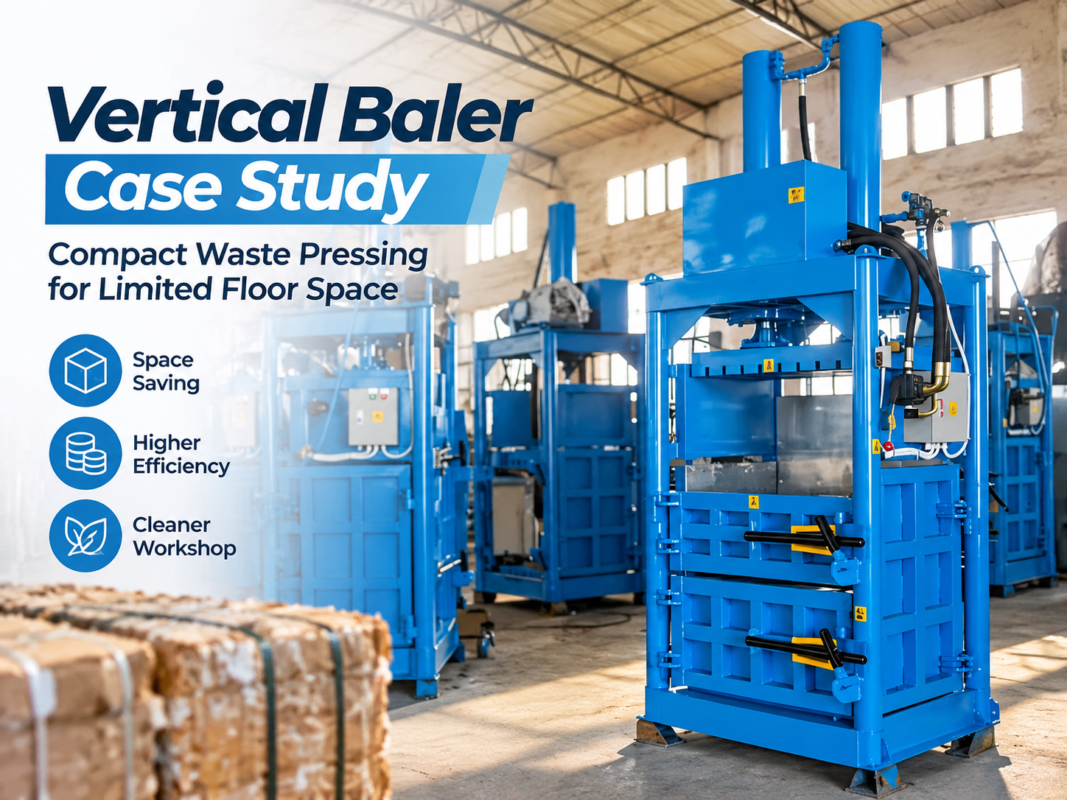
Entry-level machines are often vertical or small horizontal units. They are ideal for copper waste because copper is relatively soft and high-value, meaning you don’t need massive force to create a dense bale that meets smelter requirements. However, if you are processing structural steel or thick aluminum plates, these smaller units will suffer from frame fatigue and hydraulic overheating. Mid-range units are the “workhorses” of the industry, offering a balance between speed and durability. High-end units are specialized for 24/7 operations where the cost of downtime far outweighs the initial capital expenditure.
Main Cost Drivers in Metal Baler Procurement
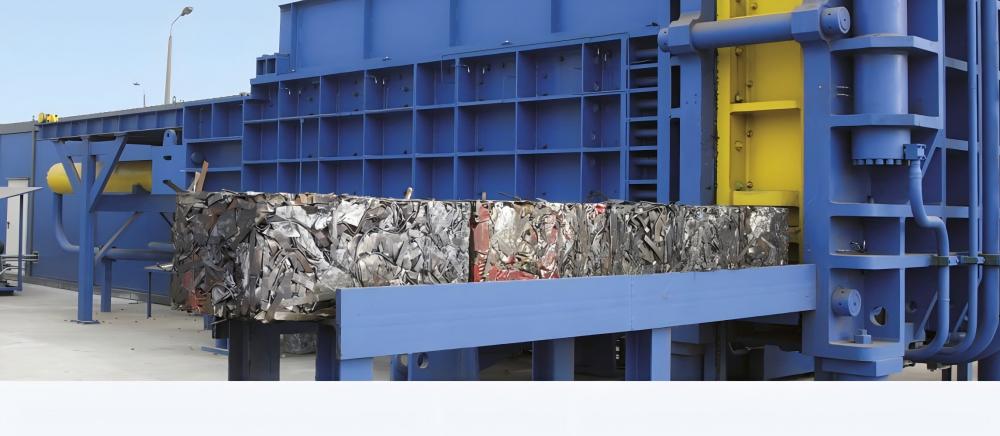
When evaluating quotes, it is essential to look beyond the sticker price. Several technical factors drive the cost of a scrap metal baler. The most significant is the Hydraulic System. High-quality balers utilize premium pumps (such as Rexroth or Vickers) and valves that can withstand high-pressure cycles without leaking or losing efficiency. A machine with a 250-ton press force using a high-efficiency pump will be more expensive than a 300-ton machine using generic components, but the former will offer better longevity and lower energy bills.
The Frame Construction and Liner Plates are the second major cost driver. Steel and aluminum scrap are abrasive. To prevent the compression chamber from wearing out, high-quality balers use replaceable liner plates made of Hardox or similar wear-resistant alloys. The thickness of the main frame steel also dictates how much stress the machine can take over thousands of cycles. A machine designed for steel waste must have a much more rigid frame than one designed exclusively for light aluminum cans.
Finally, Automation and Control Systems play a huge role. A manual lever-operated machine is cheaper but requires a skilled operator to stand by the machine throughout the cycle. In contrast, a machine equipped with a Siemens PLC and a remote control allows the operator to load the machine with a crane or forklift and trigger the cycle from the cab. This integration of sensors (for bale length, oil temperature, and pressure) adds to the initial cost but drastically reduces labor costs and prevents machine damage due to operator error.
Configuration Impact: Matching Machine to Material
The configuration of the baler must match the physical characteristics of your waste stream. For instance, if you primarily process aluminum waste, you are dealing with high volume but low density. You need a baler with a large hopper and a fast cycle time. Aluminum tends to spring back, so the baler should have “dogs” or retainers inside the chamber to keep the material compressed while the next load is added.
For steel waste, the configuration focus shifts to shearing and force. Many steel balers include integrated shearing blades on the lid and the edge of the compression chamber. As the lid closes, it shears off any overhanging metal, ensuring a clean bale and preventing jams. Without this configuration, processing long structural steel offcuts becomes a labor-intensive task of pre-cutting the material manually.
Copper waste, particularly wire and cable, requires a configuration that prevents small pieces from falling behind the ram. Precision-machined tolerances in the compression chamber are vital here. Furthermore, the ejection method matters. Side-push balers are generally faster and produce denser bales, which is preferable for copper to ensure it doesn’t fall apart during transport. Front-push or “turn-out” balers are often used for smaller, lighter bales where space is at a premium.

Hidden Costs of Owning a Scrap Metal Baler
The purchase price is only the beginning of the total cost of ownership (TCO). One of the most overlooked hidden costs is Site Preparation. A heavy-duty baler exerts massive vibration and downward force. You may need to pour a reinforced concrete pad (often 300mm to 500mm thick) to prevent the machine from cracking the floor or shifting out of alignment. Additionally, these machines require significant electrical power. Upgrading your facility’s transformer or installing new 3-phase wiring can cost thousands of dollars.
Hydraulic Oil and Cooling are ongoing expenses. A large baler can hold 500 to 1,000 liters of hydraulic oil. This oil must be filtered and eventually replaced. Furthermore, in hot climates or high-duty cycles, an industrial oil cooler (air or water-cooled) is mandatory. If your facility doesn’t have a water cooling loop, you will need to invest in an air-chilled system, which adds to the monthly electricity bill.
Lastly, consider Wear Parts and Consumables. The blades that shear the metal and the liners that protect the chamber are designed to be replaced. Depending on the abrasiveness of your scrap (steel is much harder on liners than copper), you might be replacing these every 6 to 18 months. Choosing a manufacturer like HARSLE ensures that these parts are standardized and easily sourced, but the cost of the parts and the downtime for maintenance must be factored into your annual budget.
ROI Calculation: When Does a Baler Pay for Itself?
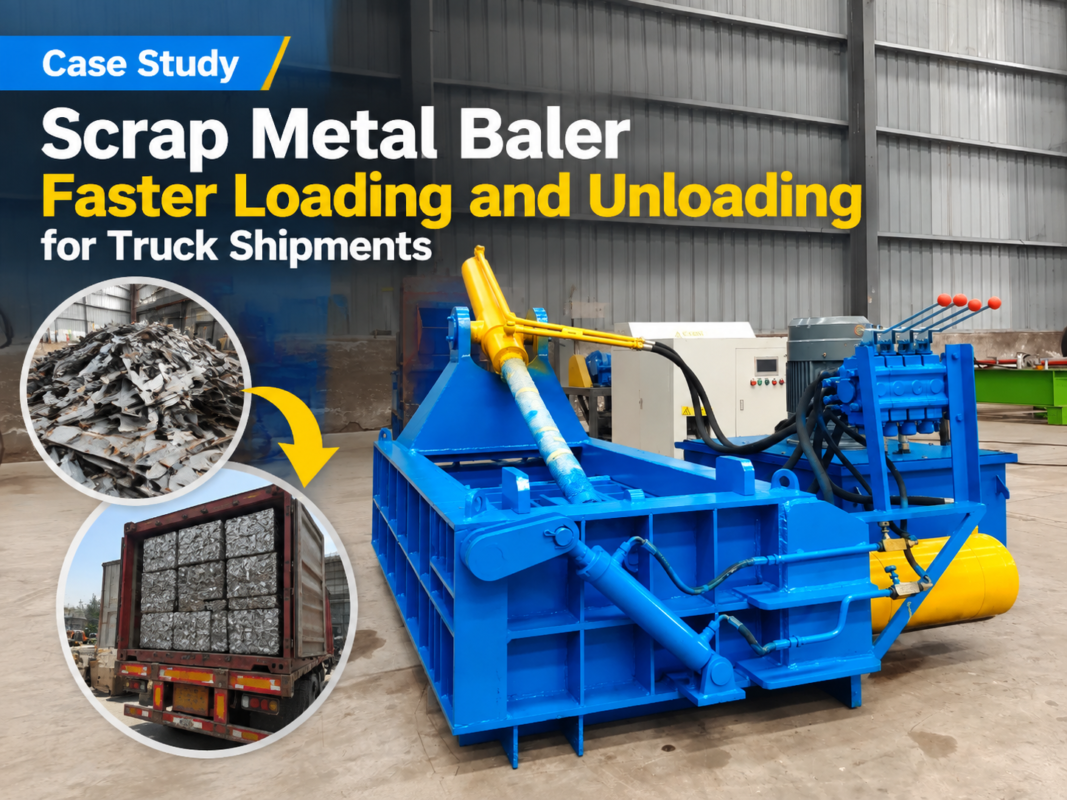
To justify the decision to select scrap metal baler steel, aluminum, copper waste equipment, a clear Return on Investment (ROI) calculation is necessary. The primary savings come from Logistics. Loose aluminum scrap might have a density of only 100 kg per cubic meter. Once baled, that density can jump to 1,000 kg per cubic meter. This means you can fit 10 times more material in a single truck, reducing your shipping costs by up to 90%.
The second factor is Material Value. Foundries prefer baled scrap because it is easier to handle, takes up less space in the furnace, and has less surface area (which reduces oxidation/melt loss). Consequently, baled scrap often commands a premium price per ton compared to loose scrap. For high-value materials like copper, this premium can be substantial.
Consider this example: A facility produces 50 tons of steel scrap per month. Transporting loose scrap costs $500 per load (5 tons per load = 10 loads = $5,000/month). Baled scrap allows 20 tons per load (2.5 loads = $1,250/month). The savings in transport alone is $3,750 per month. If the baler costs $60,000, the machine pays for itself in just 16 months, even before considering the higher resale price of the metal and reduced labor for handling.
Professional Buying Advice for Metal Fabrication Facilities
When you are ready to select scrap metal baler steel, aluminum, copper waste machinery, follow this professional checklist to ensure you get the best value:
- Analyze Your Scrap Mix: If you process 80% aluminum and 20% steel, buy a baler optimized for aluminum speed but with the structural integrity to handle occasional steel loads. Don’t over-spec for a material you rarely process.
- Verify Cycle Times: A machine that takes 120 seconds to make a bale will bottleneck your production if you have a high-volume line. Aim for 60-90 seconds for industrial applications.
- Check the Cooling System: If you plan to run the machine for more than 4 hours a day, ensure it has an integrated oil cooling system to prevent seal failure.
- Safety Standards: Ensure the machine has emergency stop buttons, safety interlocks on the doors, and CE/ISO certification. Scrap balers are powerful machines; safety cannot be compromised.
- After-Sales Support: Ask the manufacturer about the availability of hydraulic seals and PLC components. A machine is only as good as the support behind it when a hose bursts or a sensor fails.
HARSLE recommends conducting a “material test” where possible. Send samples of your typical waste to the manufacturer to see the resulting bale density and the time taken to process it. This empirical data is far more valuable than any spec sheet.
Frequently Asked Questions (FAQ)
1. What is the difference between a side-push and a front-push baler?
A side-push baler ejects the finished bale out of the side of the chamber, which is generally faster and allows for continuous feeding. A front-push (or turn-out) baler pushes the bale out of the front or tips it out. Turn-out balers are often more compact and better suited for smaller spaces or lighter materials like thin aluminum sheets.
2. Can one baler handle steel, aluminum, and copper?
Yes, most hydraulic scrap balers are versatile. However, the settings (pressure and cycle time) may need to be adjusted. Steel requires maximum pressure, while aluminum might require faster cycles with lower pressure to prevent the machine from overworking unnecessarily. Always clean the chamber between different metals to avoid cross-contamination, which lowers the scrap value.
3. How long does a typical HARSLE scrap metal baler last?
With proper maintenance—including regular oil filtration, greasing of moving parts, and timely replacement of wear liners—an industrial-grade baler can last 10 to 15 years or more. The hydraulic cylinders may need resealing every 3-5 years depending on the intensity of use.
4. Do I need a full-time operator for the baler?
Not necessarily. Modern automatic balers can be integrated into a production line with conveyors and sensors. For stand-alone units, an operator is usually needed to load the material and tie the bales (if they aren’t automatically strapped), but they can often perform other tasks in the yard while the machine is mid-cycle.
5. What bale size should I choose?
Bale size should be determined by your transport method and the requirements of the foundry you sell to. Standard sizes like 300x300mm or 400x400mm are common because they fit well on standard pallets and in shipping containers. Always check with your scrap buyer before finalizing the machine configuration.