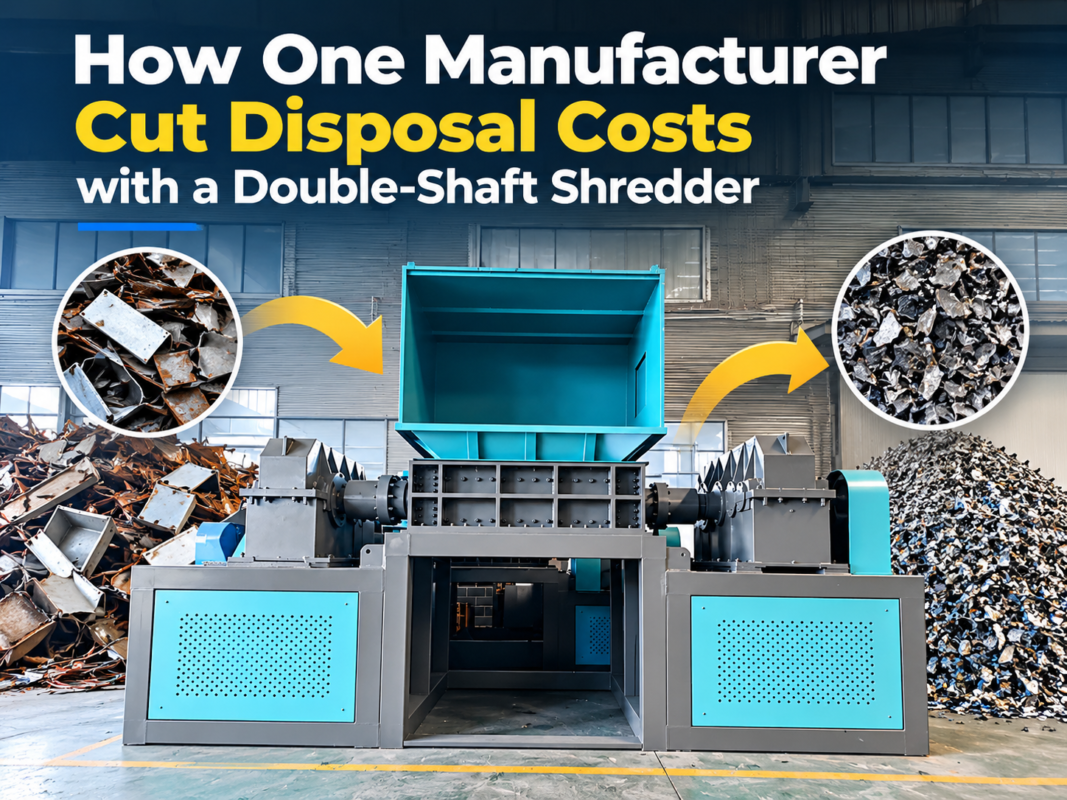
Industrial Shredder Blade Maintenance for Consistent Cutting Performance: The Ultimate Guide

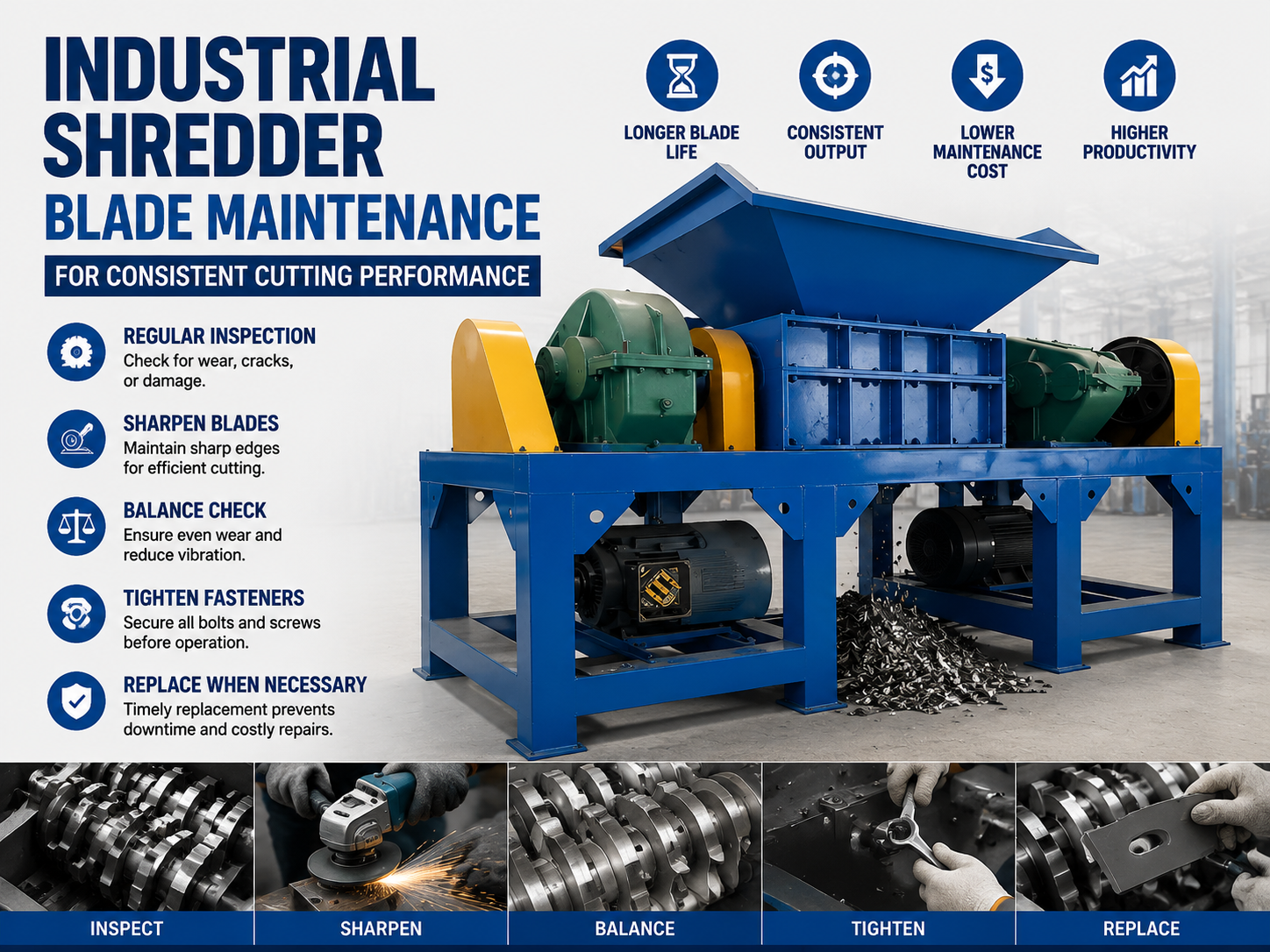
The Critical Role of Industrial Shredder Blade Maintenance for Consistent Cutting Performance
In the world of heavy-duty recycling and waste management, the industrial shredder stands as a cornerstone of efficiency. Whether processing scrap metal, plastics, or electronic waste, the heart of these machines lies in their blades. Achieving Industrial Shredder Blade Maintenance for Consistent Cutting Performance is not merely a suggestion; it is a fundamental requirement for any facility looking to maximize uptime and minimize operational costs. When blades are neglected, the entire system suffers, leading to increased energy consumption, reduced throughput, and potential catastrophic mechanical failure.
Consistent cutting performance ensures that the output material meets specific size requirements, which is vital for downstream processing. For instance, in metal recycling, uniform shred sizes allow for better separation of ferrous and non-ferrous materials. HARSLE understands that the precision of the cut is directly proportional to the sharpness and alignment of the shredder blades. Without a rigorous maintenance protocol, the ‘scissor effect’ required for efficient shearing degrades into a ‘tearing effect,’ which puts immense strain on the motor and drive shafts.
Furthermore, the economic implications of poor maintenance are staggering. Replacing a full set of industrial shredder blades is a significant capital investment. By extending the life of these components through proactive care, companies can significantly improve their Return on Investment (ROI). This guide provides a comprehensive deep dive into the technicalities of maintaining these critical components, ensuring your HARSLE equipment operates at peak performance for years to come.
Finally, safety cannot be overlooked. Dull or damaged blades are more likely to cause material jams or ‘kickbacks,’ which pose a direct threat to operators and nearby personnel. A well-maintained shredder is a safe shredder. By prioritizing Industrial Shredder Blade Maintenance for Consistent Cutting Performance, you are investing in the safety of your workforce and the longevity of your industrial assets.
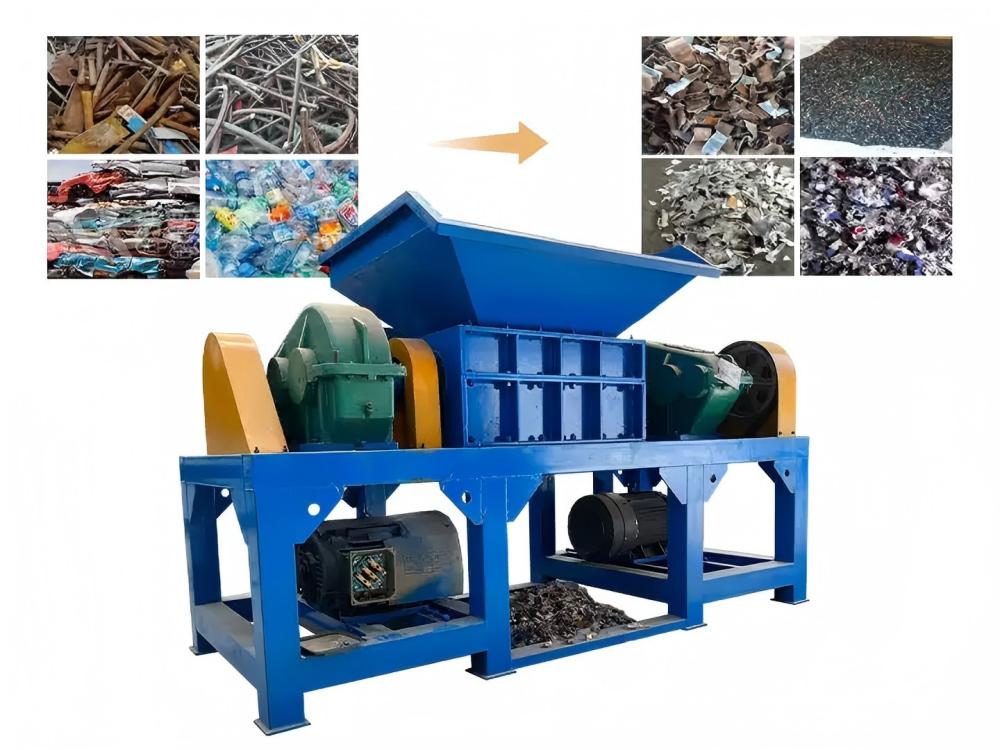
Daily Inspection: The First Line of Defense
The foundation of Industrial Shredder Blade Maintenance for Consistent Cutting Performance begins with the daily inspection. This routine should be performed at the start of every shift to identify potential issues before they escalate into costly repairs. Operators should begin with a visual assessment of the blade chamber, looking for any signs of excessive wear, chipping, or cracking on the blade edges. Even minor chips can lead to stress fractures that eventually cause a blade to shatter during operation.
Another critical aspect of the daily check is the removal of ‘wraps’ or ‘bridging’ material. In many applications, long strips of plastic or metal wire can wrap around the shafts, creating friction and heat. This heat can temper the steel of the blades, reducing their hardness and making them dull faster. Clearing the cutting chamber ensures that the blades can engage the material cleanly without unnecessary resistance.
Tightness of the blade bolts and locking mechanisms must also be verified. The high-vibration environment of an industrial shredder can cause even the most secure fasteners to loosen over time. A loose blade can shift during a cut, leading to a collision with the counter-blades or the chamber walls. This ‘metal-on-metal’ contact is the leading cause of emergency downtime in shredding facilities. Using a torque wrench to verify that all fasteners meet the manufacturer’s specifications is a best practice that cannot be skipped.
Lastly, operators should listen for unusual noises during the startup phase. Grinding, clicking, or heavy thumping sounds often indicate that the blade clearance has shifted or that a foreign object is lodged in the system. Early detection through auditory cues is often the difference between a five-minute adjustment and a five-day overhaul. Documenting these daily checks in a maintenance log helps track the wear patterns of the blades over time, providing valuable data for future procurement decisions.
Hydraulic, Electrical, and Mechanical System Integration
While the blades do the physical work, they are entirely dependent on the hydraulic and electrical systems that power them. For Industrial Shredder Blade Maintenance for Consistent Cutting Performance, one must look beyond the cutting edge. The hydraulic system, which often drives the high-torque motors in HARSLE shredders, must be maintained at the correct pressure and temperature. Contaminated hydraulic fluid can lead to erratic shaft speeds, which prevents the blades from striking the material at the optimal angle and velocity.
Electrical monitoring is equally important. Modern industrial shredders utilize Variable Frequency Drives (VFDs) to manage motor load. If the blades are dull, the motor will draw more current to compensate for the lack of cutting efficiency. By monitoring the amperage draw during standard operation, maintenance teams can identify when blades are reaching the end of their effective life. An unexplained spike in power consumption is a clear signal that the blades require sharpening or replacement.
Mechanical alignment of the shafts is the third pillar of this integration. Over time, the bearings supporting the heavy blade shafts can wear, leading to minute shifts in alignment. Even a millimeter of deviation can ruin the ‘cutting gap’ between the rotating blades and the fixed bed knives. This misalignment causes uneven wear, where one side of the blade becomes completely rounded while the other remains sharp. Regular laser alignment checks or manual feeler gauge measurements are necessary to ensure the shafts remain perfectly parallel.
Furthermore, the coupling between the motor and the gearbox should be inspected for wear. If the power transmission is not smooth, the blades will experience ‘chatter’—a high-frequency vibration that causes micro-chipping on the carbide or hardened steel edges. Ensuring that the entire mechanical drivetrain is synchronized allows the blades to perform their shearing action with maximum efficiency and minimum stress on the machine’s frame.
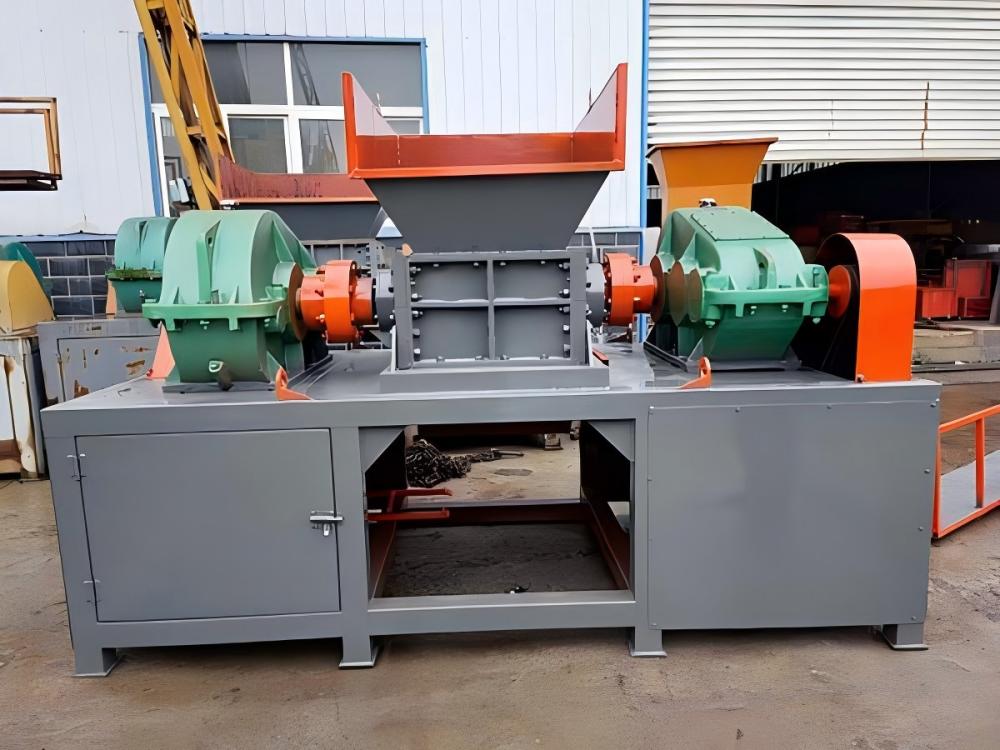
Comprehensive Lubrication Plan for Shredder Longevity
Lubrication is the lifeblood of any heavy machinery, and for industrial shredders, it is the primary defense against heat and friction. A robust lubrication plan is essential for Industrial Shredder Blade Maintenance for Consistent Cutting Performance. The main bearings, which support the massive loads generated during the shredding process, require high-pressure, extreme-temperature grease. Without proper lubrication, these bearings can overheat, leading to shaft seizure and catastrophic damage to the blade assembly.
The frequency of lubrication depends on the operating environment. In dusty or corrosive environments, such as E-waste or chemical drum recycling, lubrication should be performed more frequently to flush out contaminants. Many HARSLE machines are equipped with automatic lubrication systems, but these must be checked daily to ensure the reservoirs are full and the delivery lines are not blocked. A blocked grease line is a silent killer of industrial equipment.
It is also important to use the correct type of lubricant. Not all greases are created equal; using a general-purpose lubricant in a high-torque shredder can lead to oil separation and failure under load. Manufacturers typically specify a lithium-complex or synthetic grease with EP (Extreme Pressure) additives. These additives create a microscopic film on the metal surfaces, preventing direct contact even when the shredder is processing the toughest materials like reinforced tires or thick steel plates.
Beyond the bearings, the drive gears and splines also require attention. In many designs, the blades are mounted on hexagonal or splined shafts. Applying a thin layer of anti-seize or specialized lubricant during blade changes prevents the blades from ‘cold welding’ to the shaft due to the immense pressures involved. This makes future maintenance much easier and prevents damage to the shaft surface during blade removal. A disciplined approach to lubrication reduces the total cost of ownership by preventing premature wear of both the blades and their supporting components.
Troubleshooting Signals: Identifying Blade Wear Early
Recognizing the early warning signs of blade degradation is a skill that every operator should master. The most obvious signal that Industrial Shredder Blade Maintenance for Consistent Cutting Performance is failing is a change in the output material. If the shredded pieces are becoming larger, ‘stringy,’ or if the material is simply being crushed rather than cut, the blades have likely lost their edge. This ’rounding’ of the blade profile prevents the clean shearing action required for high-quality output.
Vibration is another key indicator. While all shredders vibrate to some extent, an increase in the amplitude or a change in the frequency of vibration often points to an unbalanced blade shaft. This can happen if one blade has lost a significant chunk of metal or if material has become permanently wedged between the blades. Ignoring these vibrations can lead to fatigue cracks in the shredder housing and the failure of sensitive electronic components.
Heat buildup in the cutting chamber is a subtle but dangerous signal. When blades are dull, they generate friction instead of cutting. This friction converts mechanical energy into heat. If the shredded material coming out of the machine is unusually hot to the touch, or if there is a smell of burning rubber or plastic when processing non-flammable materials, the blades are likely overdue for a change. Excessive heat can also warp the blade shafts, leading to permanent mechanical damage.
Finally, monitor the ‘reversing’ frequency of the shredder. Most modern shredders, including those from HARSLE, feature an auto-reverse function to clear jams. If the machine is reversing more frequently than usual while processing the same type of material, it is a sign that the blades can no longer ‘bite’ into the material effectively. This constant reversing significantly reduces throughput and puts unnecessary wear on the motor starters and gearboxes. Troubleshooting these signals early allows for planned maintenance rather than reactive repairs.
Industrial Shredder Maintenance Schedule Table
| Frequency | Component | Action Required | Goal |
|---|---|---|---|
| Daily | Blade Chamber | Visual inspection and debris removal | Prevent jams and overheating |
| Daily | Fasteners | Check torque on blade bolts | Prevent blade shifting/collision |
| Weekly | Lubrication System | Check grease levels and line integrity | Reduce friction and bearing wear |
| Weekly | Hydraulic Fluid | Check level, color, and temperature | Ensure consistent power delivery |
| Monthly | Blade Edges | Measure wear and check for micro-cracks | Plan for sharpening or replacement |
| Monthly | Drive Belts/Couplings | Inspect for tension and wear | Maintain efficient power transfer |
| Quarterly | Shaft Alignment | Perform laser or manual alignment check | Ensure even blade wear |
| Quarterly | Electrical System | Inspect VFD and motor connections | Prevent electrical failure/overheating |
| Yearly | Full System Audit | Deep clean and component stress testing | Maximize machine lifespan |
Frequently Asked Questions (FAQ)
1. How often should industrial shredder blades be sharpened?
The frequency of sharpening depends entirely on the material being processed. For soft plastics, blades may last several months, whereas, for abrasive materials like glass-filled polymers or contaminated scrap metal, sharpening may be required every few weeks. The best indicator is a 10-15% drop in throughput or a noticeable change in output quality.
2. Can I sharpen shredder blades myself, or should I send them out?
While minor touch-ups can be done in-house with specialized grinding equipment, professional sharpening is recommended for maintaining the correct blade geometry. Professional services use precision CNC grinders to ensure that all blades in a set are identical in height and angle, which is crucial for Industrial Shredder Blade Maintenance for Consistent Cutting Performance.
3. What is the best material for industrial shredder blades?
Most high-quality blades are made from D2, SKD11, or other high-carbon, high-chromium tool steels. These materials offer an excellent balance of hardness (to maintain an edge) and toughness (to resist chipping). For extremely demanding applications, some blades feature tungsten carbide inserts, though these are more brittle and require careful handling.
4. Why is my shredder vibrating excessively even with new blades?
Excessive vibration with new blades usually indicates an installation error. Check if the blades are seated correctly on the shaft and that the spacers are in the right order. It is also possible that the shaft itself was bent during a previous jam or that the bearings are worn and need replacement.
5. How do I know when a blade is beyond repair and needs replacement?
A blade should be replaced if it has lost more than 10-15% of its original mass through sharpening, if it has deep cracks that penetrate the core of the metal, or if the mounting holes have become elongated. Using a blade past its safe limit risks a catastrophic break that could destroy the entire cutting chamber.
6. Does the ‘gap’ between blades really matter that much?
Yes, the ‘cutting gap’ or clearance is critical. If the gap is too wide, the material will simply fold or tear, increasing the load on the motor. If it is too narrow, the blades may touch as they expand due to heat, leading to immediate damage. Always follow the manufacturer’s specifications for clearance settings.
Conclusion: Investing in Excellence
Mastering Industrial Shredder Blade Maintenance for Consistent Cutting Performance is an ongoing commitment to excellence. By implementing the daily inspections, technical checks, and lubrication plans outlined in this guide, operators can ensure that their HARSLE shredders remain productive and profitable. The shredder is a powerful tool, but its performance is only as good as the care it receives. Regular maintenance doesn’t just fix problems—it prevents them, allowing your facility to operate with the confidence that every cut will be as precise as the first.