Industrial Scrap Metal Baler Buying Guide: Features That Affect Performance and Output

Introduction to Industrial Scrap Metal Balers
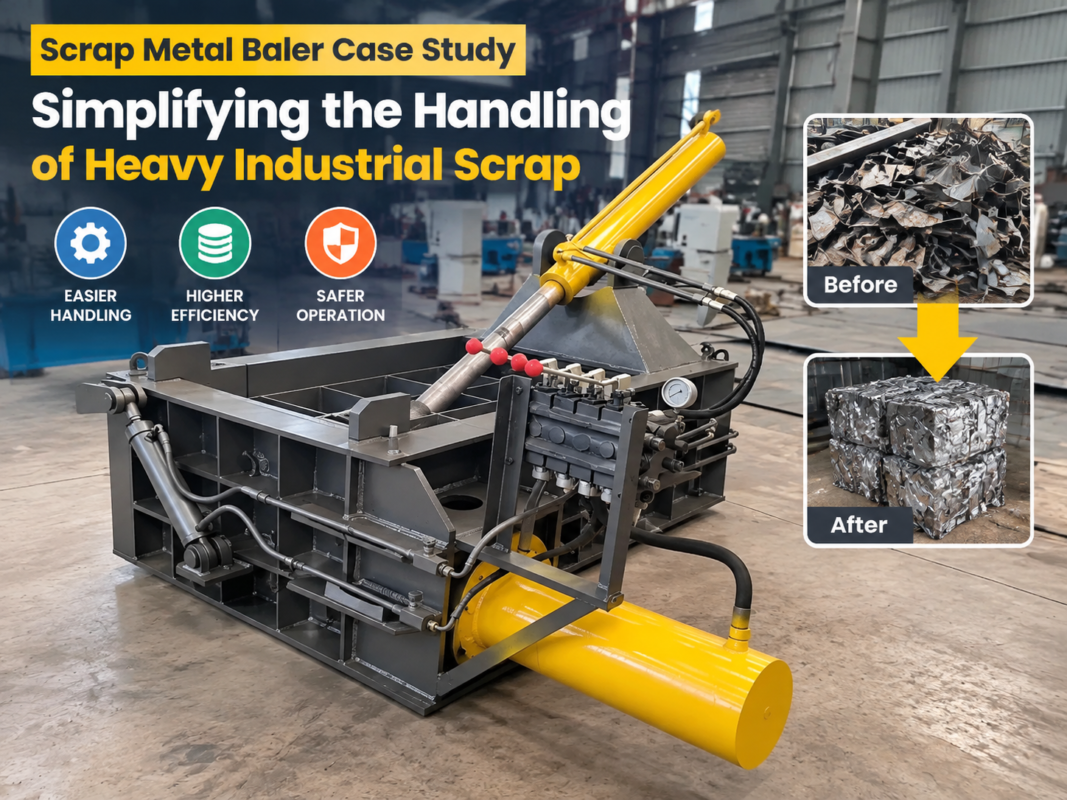
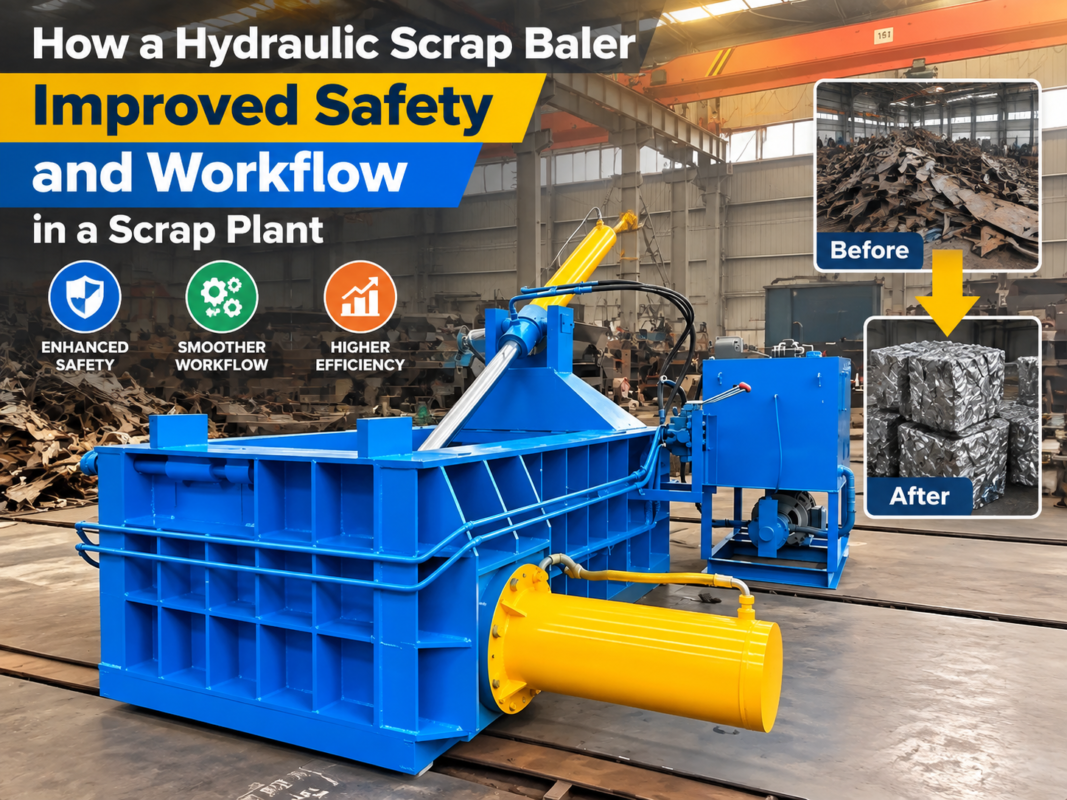
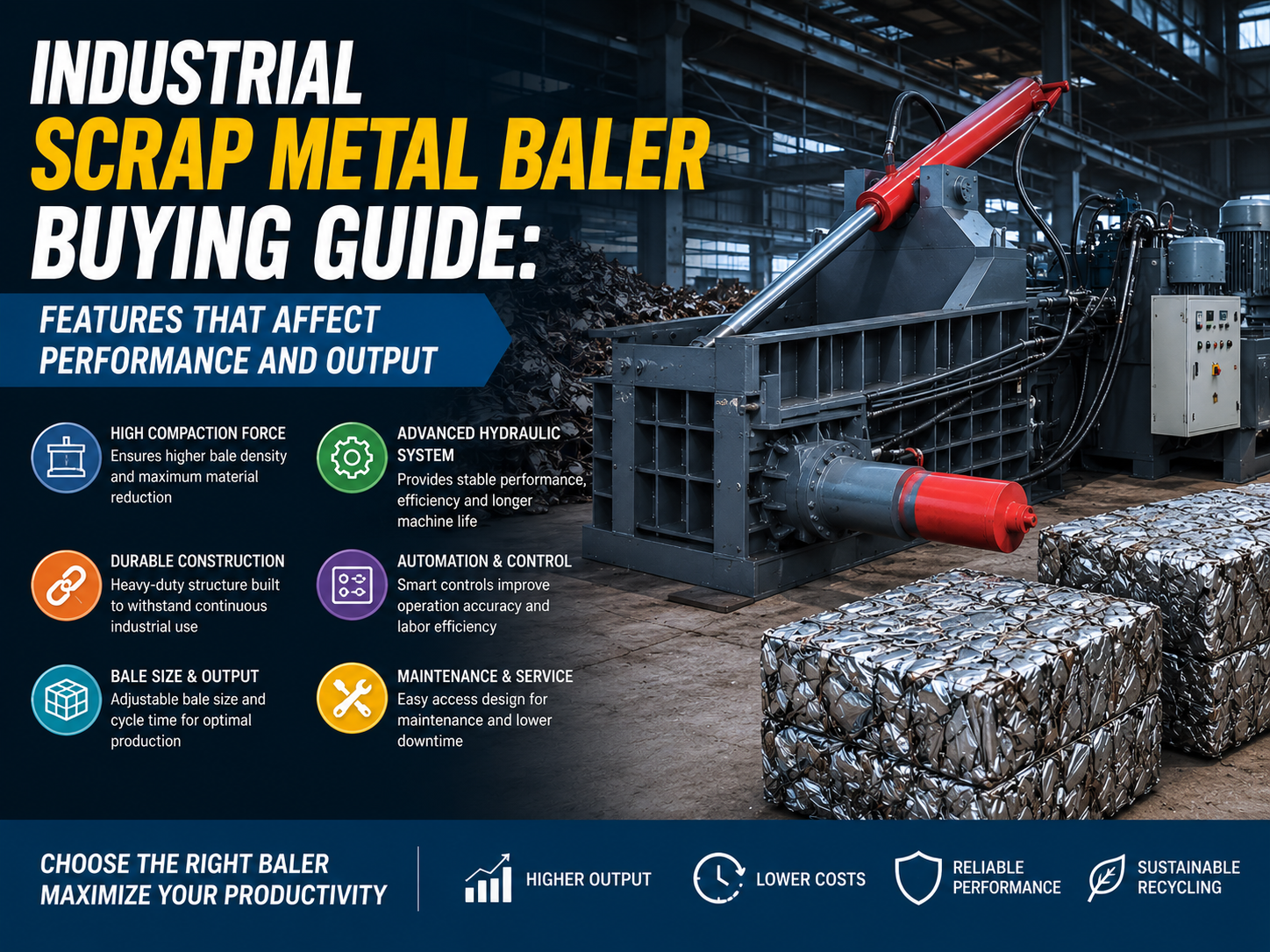
In the modern recycling and metal fabrication industry, the efficiency of waste management directly correlates with the profitability of the operation. An industrial scrap metal baler is not merely a piece of equipment; it is a strategic investment that transforms loose, voluminous scrap into dense, manageable, and highly marketable bales. Whether you are dealing with aluminum extrusions, steel shavings, copper wiring, or end-of-life vehicle components, the right baler can significantly reduce logistical costs and increase the value of your secondary raw materials.
Choosing the right machine requires a deep understanding of the technical specifications that drive performance. The market is flooded with various models, from vertical manual balers to massive horizontal fully automatic systems. For a professional buyer, the challenge lies in identifying which features truly impact the output and which are unnecessary additions. This guide provides an exhaustive look at the Industrial Scrap Metal Baler Buying : Features That Affect Performance Output, ensuring that your procurement process is backed by technical insight and financial logic.
Price Range Overview: Understanding the Market Tiers
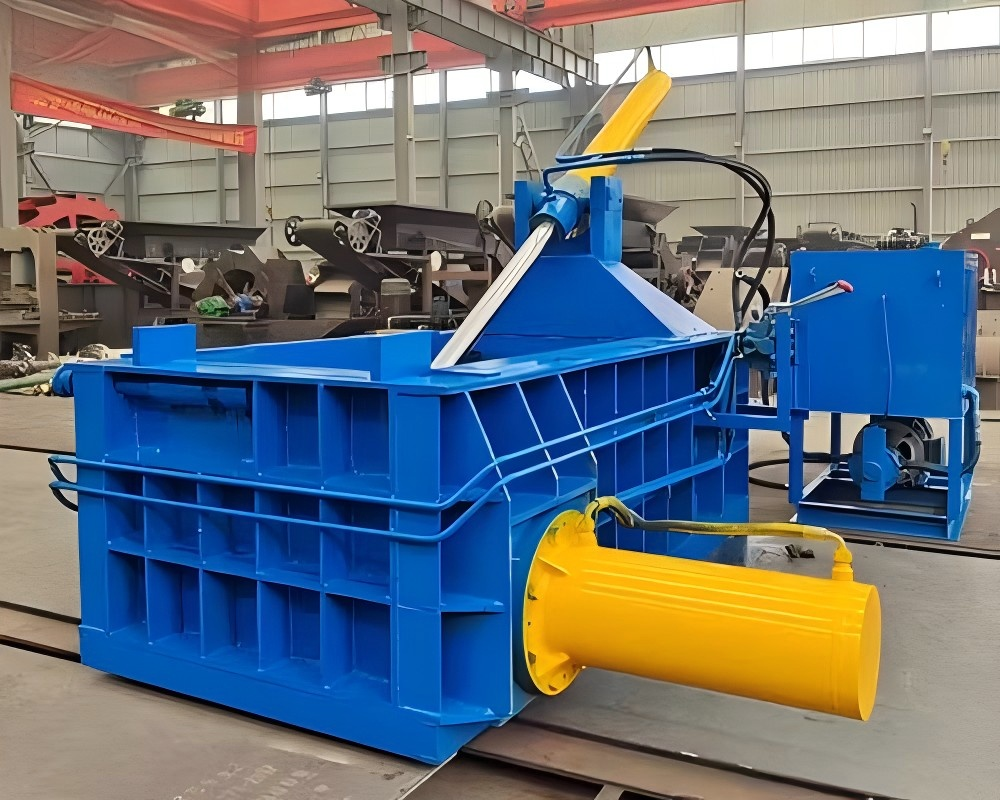
The price of an industrial scrap metal baler varies wildly based on its capacity, force, and level of automation. Understanding these price tiers is the first step in budgeting for your facility. Generally, the market is divided into three primary categories:
- Entry-Level / Manual Balers ($10,000 – $35,000): These are typically vertical or small horizontal units designed for low-volume operations. They require significant manual labor for loading and tying. While affordable, their output is limited, making them suitable for small fabrication shops or local collection centers.
- Mid-Range / Semi-Automatic Balers ($40,000 – $95,000): This is the most common tier for medium-sized recycling yards. These machines offer higher hydraulic pressure (often 125 to 200 tons) and semi-automated cycles. They can handle a wider variety of materials, including light ferrous metals and non-ferrous alloys.
- High-End / Fully Automatic Systems ($100,000 – $300,000+): These are the workhorses of industrial-scale recycling. Featuring continuous feeding via conveyors, automatic bale ejection, and advanced PLC controls, these machines are designed for 24/7 operation. They produce high-density bales that meet the strictest export standards.
It is important to note that the initial purchase price is only one part of the equation. A cheaper machine with a slow cycle time may end up costing more in labor and missed production targets over a five-year period than a more expensive, high-efficiency model.
Main Cost Drivers in Metal Baler Procurement
When evaluating quotes for an industrial scrap metal baler, several key factors drive the final price. Understanding these allows you to negotiate better and choose configurations that offer the best value for your specific application.
1. Hydraulic System Sophistication
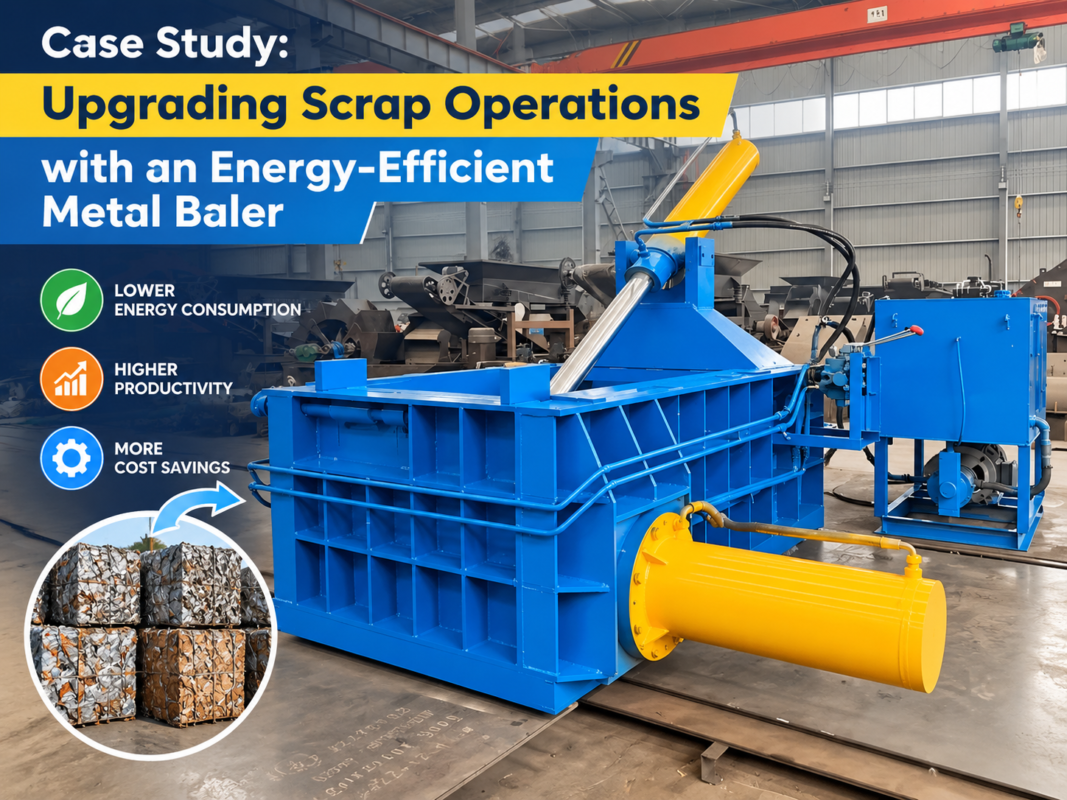
The hydraulic system is the heart of the baler. The cost is driven by the quality of the pumps (e.g., Rexroth or Vickers), the diameter of the main cylinders, and the complexity of the valve blocks. High-pressure systems that can maintain 250-300 bar consistently are more expensive but offer much higher bale density and faster cycle times. Furthermore, the inclusion of energy-efficient variable frequency drives (VFD) can increase the upfront cost but significantly reduce long-term electricity bills.
2. Structural Steel and Wear Liners
Not all steel is created equal. A baler subjected to the constant abrasion of scrap metal requires high-tensile steel frames and replaceable wear liners. Premium machines use Hardox or similar abrasion-resistant plates in the baling chamber. The thickness of the chamber walls and the quality of the welding directly impact the machine’s lifespan. A machine built with thinner, standard-grade steel will flex under pressure, leading to premature structural failure.
3. Automation and Control Systems
The “brain” of the machine—the PLC (Programmable Logic Controller)—is a major cost driver. Systems integrated with Siemens or Schneider Electric components offer better reliability and easier sourcing of spare parts. Features like remote diagnostics, touch-screen interfaces, and integrated weighing systems add to the cost but provide invaluable data for managing production efficiency.
Configuration Impact: Features That Affect Performance and Output
The configuration of your baler determines its daily throughput and the quality of the final product. When looking at the Industrial Scrap Metal Baler Buying : Features That Affect Performance Output, pay close attention to the following technical specifications:
Cycle Time and Ram Speed
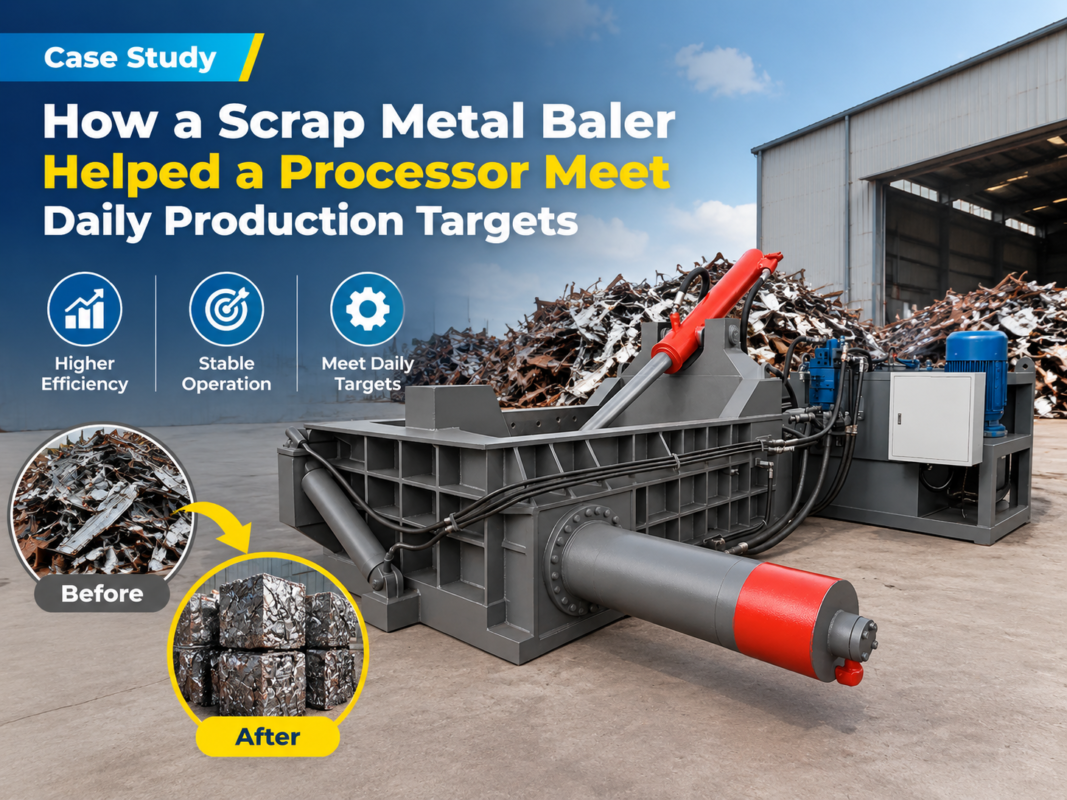
Cycle time is the duration it takes for the ram to extend, compress the metal, and retract. In high-volume environments, a difference of 10 seconds per cycle can result in dozens of tons of lost production per month. Look for machines with “fast-approach” valves that move the ram quickly when not under load and switch to high-pressure mode only during actual compression. This optimizes the motor’s power and reduces idle time.
Bale Density and Size
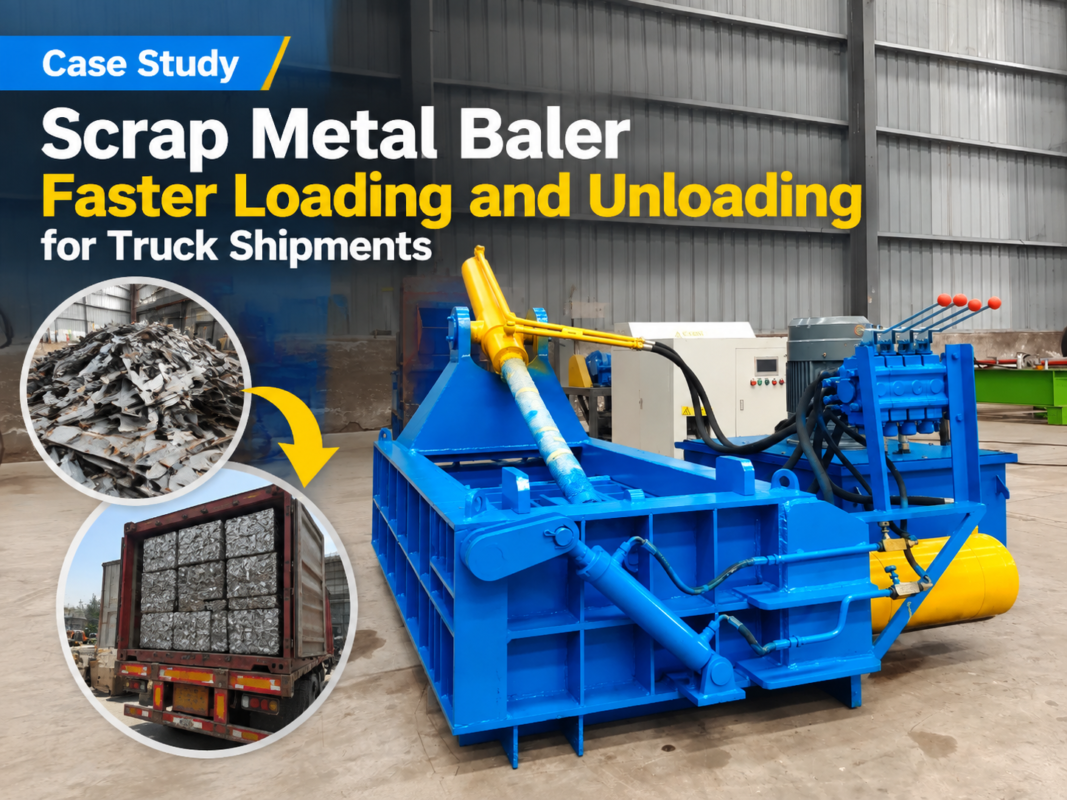
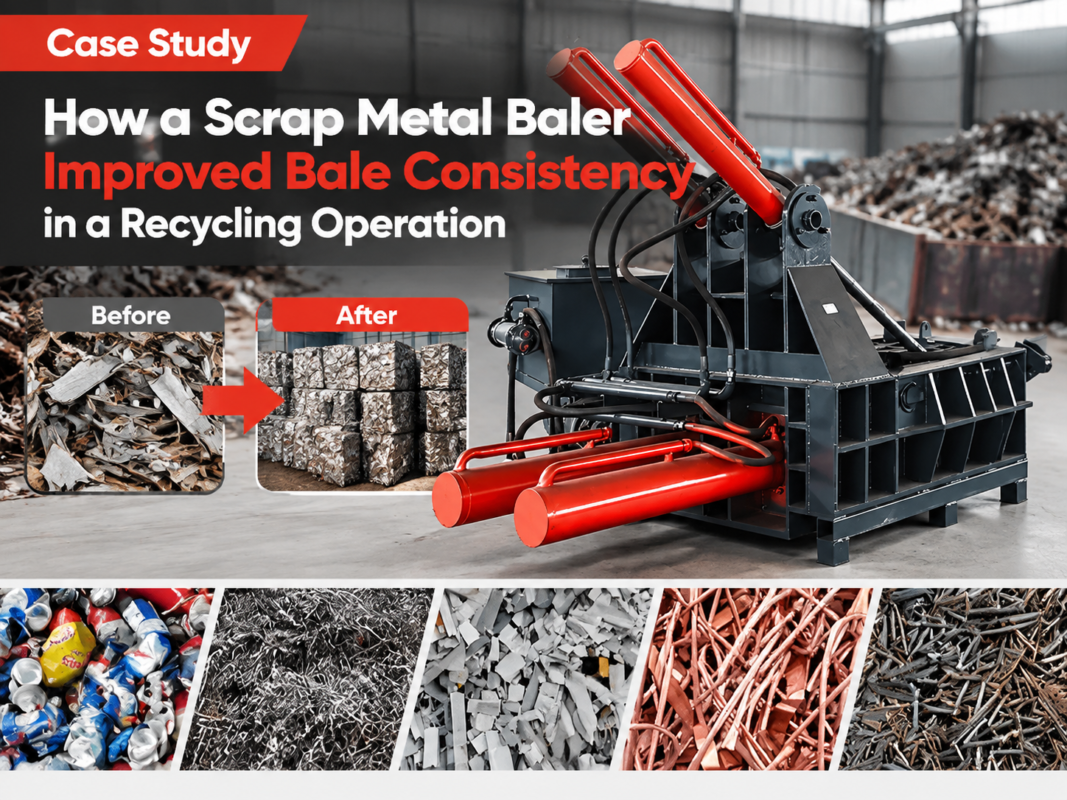
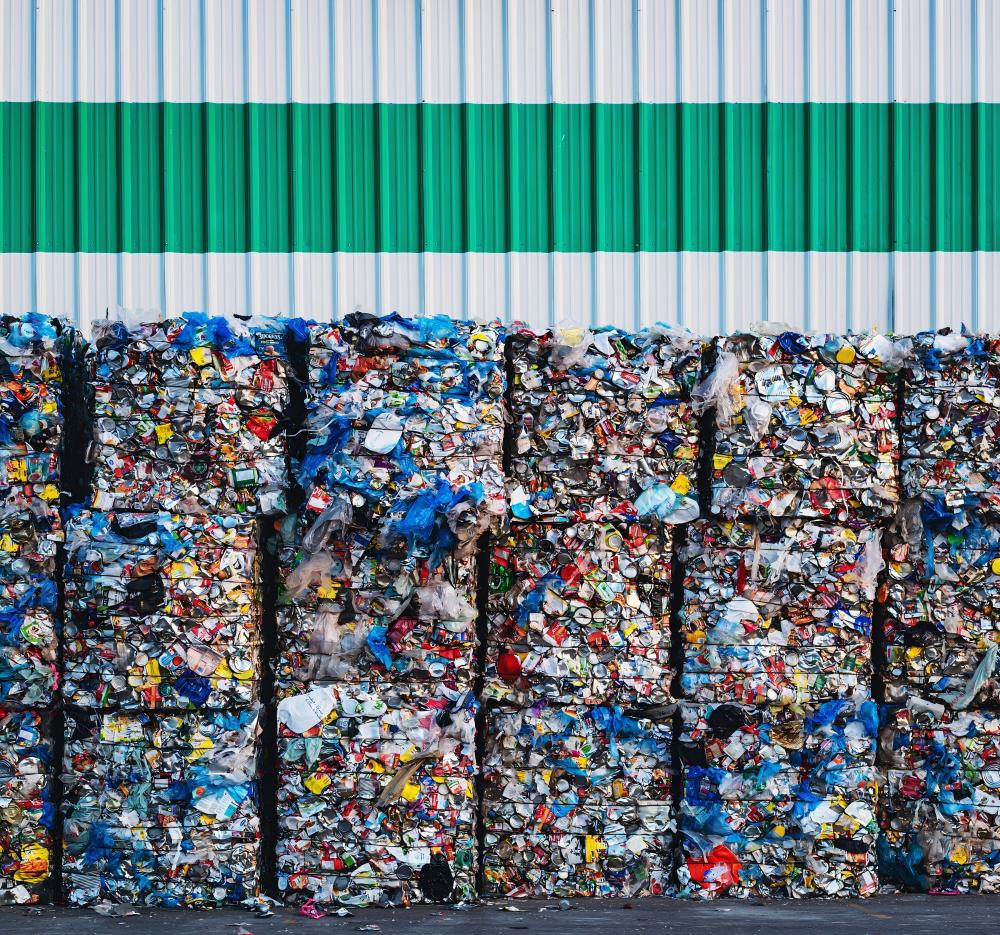
Bale density is critical for maximizing shipping container weights. If your bales are too loose, you are essentially paying to ship air. High-performance balers use multi-stage compression (side-press and main-press) to ensure the scrap is interlocked and dense. The bale size should also be configured to match standard truck or container dimensions to ensure efficient loading without wasted space.
Cooling and Filtration Systems
Industrial balers generate significant heat during continuous operation. Without an efficient cooling system (either air-cooled or water-cooled), the hydraulic oil will degrade, leading to seal failure and loss of pressure. High-output machines must be equipped with oversized oil coolers and high-efficiency filtration systems to keep the hydraulic fluid clean and at an optimal temperature, ensuring consistent performance throughout a multi-shift workday.
Feeding Mechanism
The way material enters the machine dictates the overall workflow. Gravity-fed hoppers are standard, but for maximum output, integrated conveyor belts or grab-crane feeding zones are essential. Some advanced balers feature a “pre-press” lid or a “shear-leg” design that cuts overhanging scrap as the chamber closes, preventing jams and ensuring a smooth, uninterrupted cycle.
Hidden Costs of Owning a Scrap Metal Baler
Beyond the invoice price, several hidden costs can affect the total cost of ownership (TCO). Savvy buyers factor these into their ROI calculations before signing a contract.
- Installation and Commissioning: Large balers require specialized foundations, heavy-duty electrical hookups, and professional calibration. Depending on the location, this can add 5-10% to the project cost.
- Consumables and Wear Parts: Hydraulic oil, seals, and wear plates are recurring expenses. A machine that uses non-standard parts may lead to longer downtimes and higher shipping costs for replacements.
- Energy Consumption: A 100kW motor running 16 hours a day consumes a massive amount of electricity. Choosing a machine with power-saving modes or high-efficiency motors is essential in regions with high utility rates.
- Operator Training: Modern PLC-controlled machines require skilled operators. Investing in training ensures the machine is used within its design limits, preventing costly accidental damage.
ROI Calculation: Is the Investment Justified?
To calculate the Return on Investment (ROI) for an industrial scrap metal baler, you must look at three primary areas of savings and revenue generation:
1. Transportation Savings
Loose scrap might require 10 truckloads to move 100 tons. Baled scrap, due to its density, might only require 3 truckloads for the same weight. Calculate the cost per mile and the number of trips saved annually. In many cases, transportation savings alone can pay for a mid-range baler within 18 to 24 months.
2. Material Value Increase
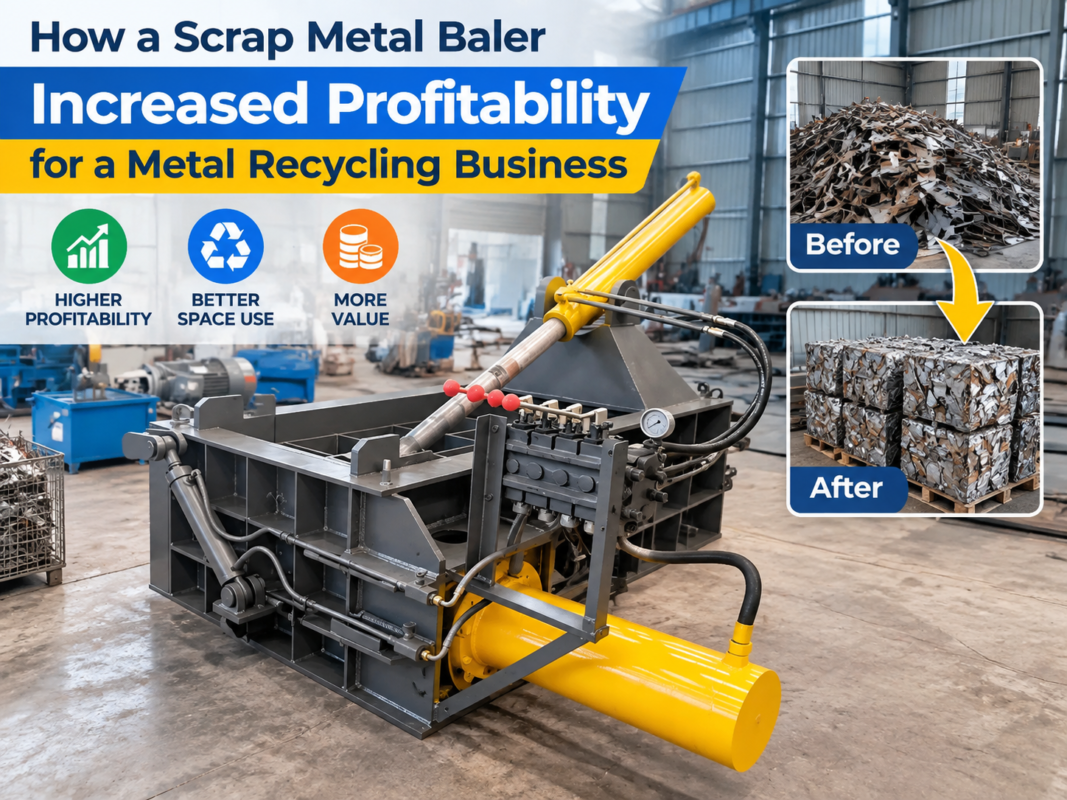
Steel mills and smelters pay a premium for baled material because it is easier to handle and melts more efficiently. The price difference between “loose” and “prepared” scrap can range from $20 to $60 per ton. Multiply this premium by your annual tonnage to see the direct revenue boost.
3. Labor Efficiency
An automated baler reduces the need for manual sorting and loading. If a new machine allows you to reassign two workers to other tasks, the annual salary savings should be credited toward the machine’s payback period.
Buying Advice: Choosing the Right HARSLE Baler for Your Needs
When you are ready to purchase, follow this checklist to ensure the machine matches your operational reality:
- Analyze Your Scrap Profile: Are you processing light aluminum cans or heavy structural steel? The shear force and chamber lining must match the toughest material you intend to process.
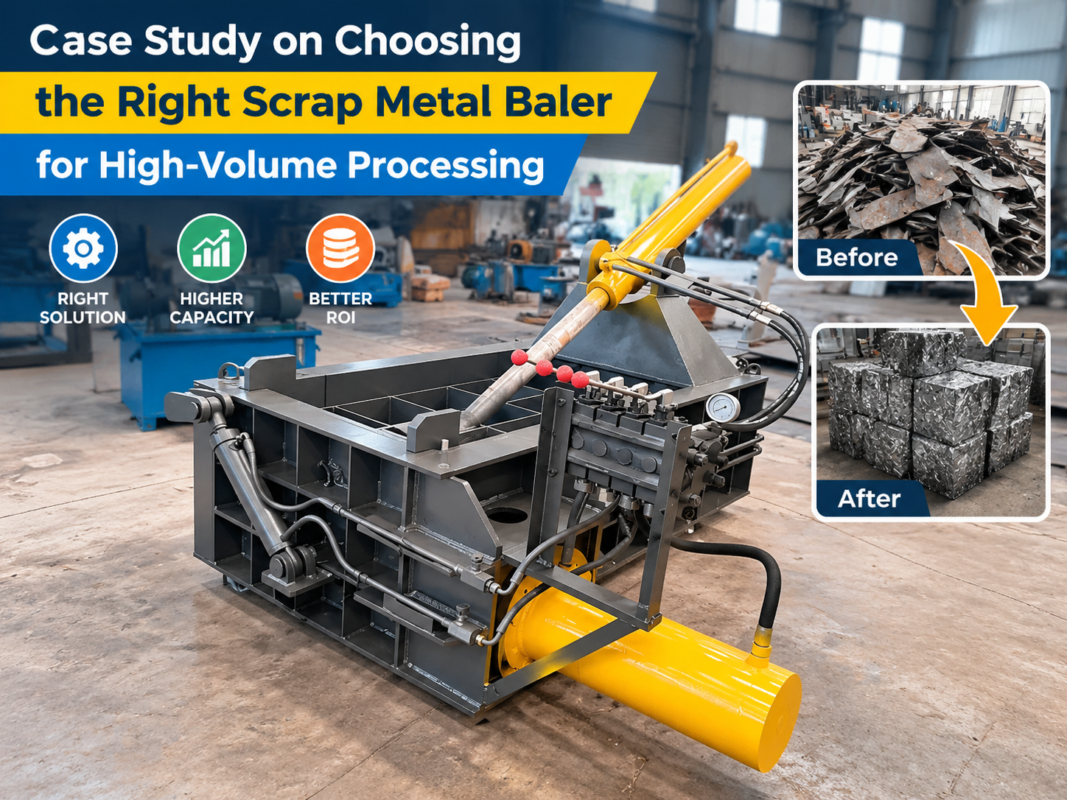
- Define Your Throughput Goals: Don’t buy a machine based on your current volume; buy for where you want to be in three years. A machine running at 90% capacity from day one leaves no room for growth.
- Verify After-Sales Support: Industrial machinery will eventually need service. Ensure the manufacturer, like HARSLE, provides robust technical support, available spare parts, and clear maintenance documentation.
- Request a Test Run: If possible, see the machine in action or request a video of it processing material similar to yours. Pay attention to the noise levels, vibration, and the consistency of the ejected bales.
Frequently Asked Questions (FAQ)
What is the average lifespan of an industrial scrap metal baler?
With proper maintenance, a high-quality industrial baler from a reputable manufacturer like HARSLE can last 15 to 20 years. The key is regular hydraulic oil changes, timely replacement of wear liners, and ensuring the machine is not consistently over-pressured beyond its design limits.
Can one baler handle both ferrous and non-ferrous metals?
Yes, most industrial balers are versatile. However, the settings (such as pressure and cycle speed) may need to be adjusted via the PLC. It is also important to clean the chamber between different material types to prevent contamination, especially when switching from ferrous to high-value non-ferrous metals like copper.
How much space is required for a horizontal scrap baler?
A typical mid-sized horizontal baler requires a footprint of approximately 6 meters by 3 meters, but you must also account for the feeding area (conveyors), the bale discharge zone, and maintenance access. Total operational space should be at least double the machine’s physical footprint.
What safety features should I look for?
Safety is paramount in metal fabrication. Look for machines with emergency stop buttons at multiple stations, safety interlocks on all access doors, infrared light curtains around the feeding zone, and automatic pressure relief valves to prevent hydraulic overloads.
Does the bale size affect the resale value of the scrap?
Absolutely. Most smelters and international buyers prefer “standard” bale sizes (e.g., 600mm x 600mm) that fit perfectly into furnace charging systems. Producing non-standard or oversized bales may result in price deductions or rejection of the load.
Is a vertical or horizontal baler better for my facility?
Vertical balers are excellent for low-volume operations with limited floor space. However, for industrial performance and high output, horizontal balers are superior because they allow for continuous feeding and automated ejection, which are critical for scaling a recycling business.