How to Buy a Scrap Metal Baler: A Complete Guide to Machine Selection and Budgeting

Introduction to Scrap Metal Baler Procurement
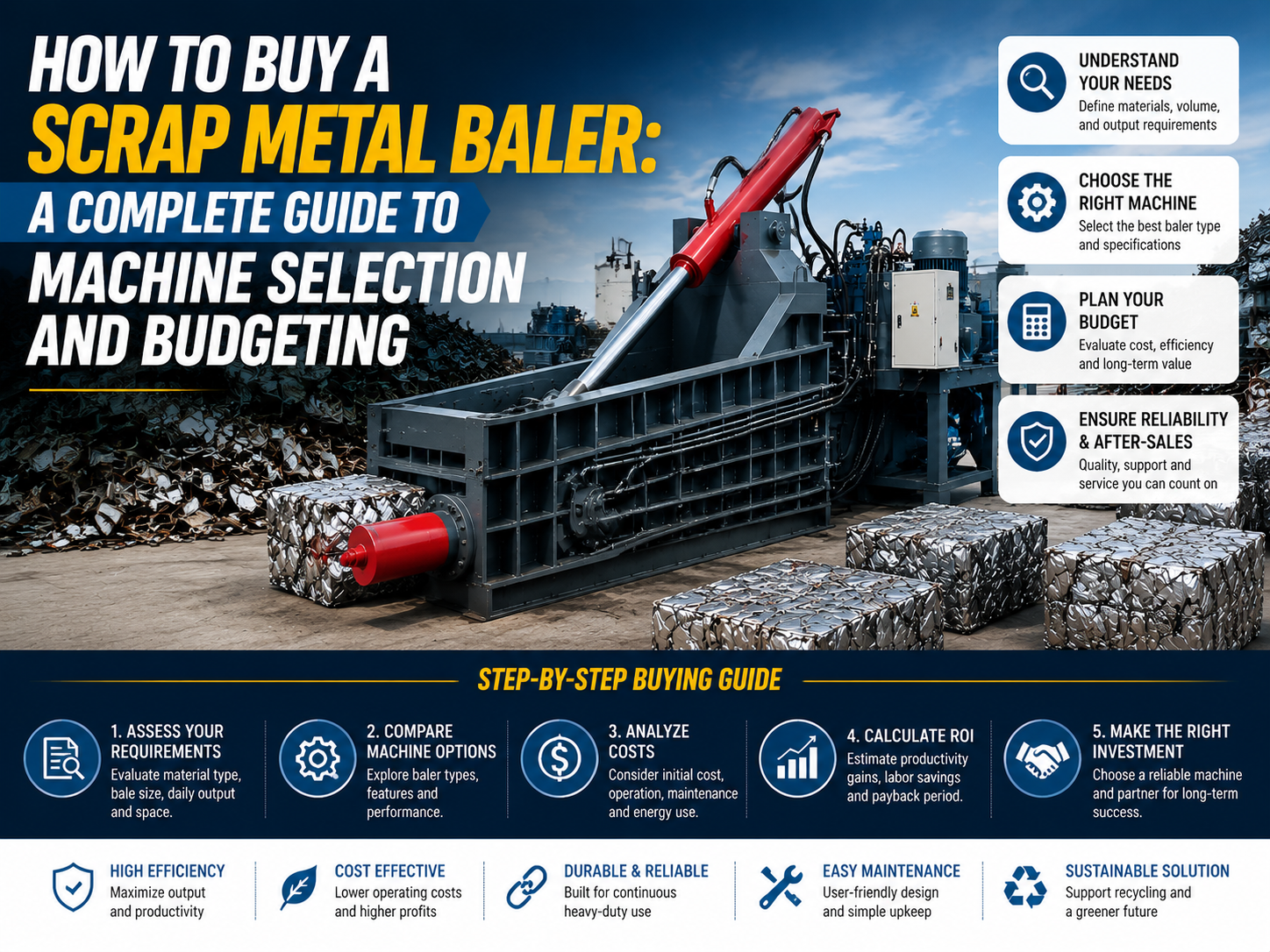
In the modern industrial landscape, efficiency in waste management is not just a logistical necessity but a significant driver of profitability. For recycling centers, metal fabrication shops, and demolition firms, the decision to Buy A Scrap Metal Baler: A Complete Machine Selection Budgeting process is a pivotal investment. A scrap metal baler compresses bulky metal waste—ranging from aluminum cans and copper wiring to steel sheets and automotive scrap—into dense, manageable blocks or bales. This process drastically reduces storage space requirements and slashes transportation costs, as more material can be moved in a single trip.
HARSLE has long been at the forefront of providing high-quality metal fabrication machinery, and understanding the nuances of baler selection is essential for any business looking to optimize its scrap handling. This guide is designed to walk you through every critical aspect of the purchasing journey, from initial price estimations to the technical configurations that will define your operational success. Whether you are a first-time buyer or looking to upgrade an existing fleet, the following sections provide the technical depth and financial insight needed to make an informed decision.
Price Range Overview: What to Expect
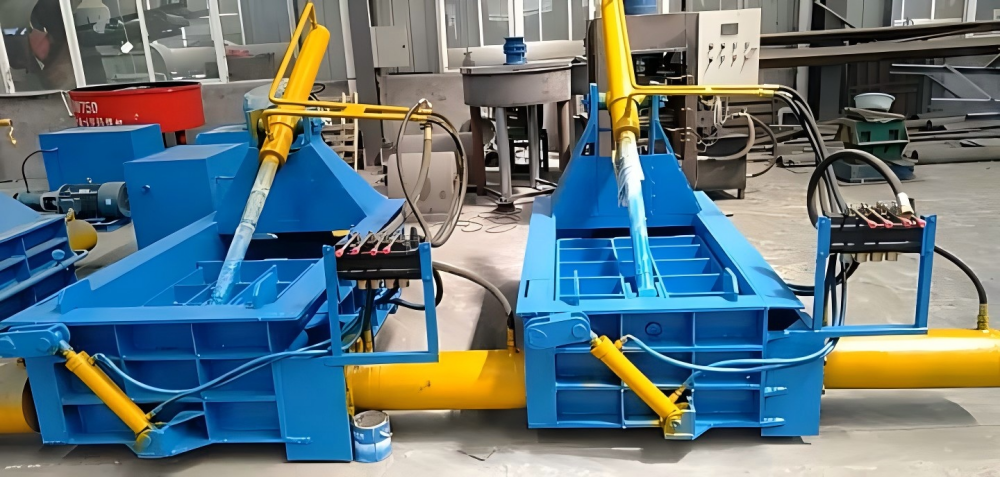
The market for scrap metal balers is diverse, with prices varying significantly based on capacity, force, and automation levels. Understanding the general price brackets helps in setting a realistic budget. Generally, scrap metal balers can be categorized into three main tiers: entry-level, mid-range, and heavy-duty industrial systems.
Entry-level balers, often vertical or small horizontal units, typically range from $15,000 to $40,000. These are ideal for small-scale recycling operations or fabrication shops that generate a consistent but moderate amount of light-gauge scrap like aluminum or thin copper. These machines usually require manual loading and have slower cycle times, but they offer a low barrier to entry for businesses looking to start baling.
Mid-range balers, which are the most common choice for professional recycling yards, fall between $50,000 and $150,000. These machines offer higher hydraulic pressure (often between 125 to 250 tons), faster cycle times, and semi-automatic features. They are capable of handling heavier materials, including stainless steel scrap and thicker aluminum extrusions. At this level, you begin to see features like integrated cooling systems and more robust PLC (Programmable Logic Controller) systems.
Heavy-duty industrial balers are the titans of the industry, with prices exceeding $200,000 and sometimes reaching over $500,000 for fully automated, high-speed systems. These machines are designed for 24/7 operation, processing massive volumes of ferrous and non-ferrous metals. They feature massive compression chambers, multi-stage hydraulic pumps, and advanced automation that requires minimal human intervention. When you Buy A Scrap Metal Baler: A Complete Machine Selection Budgeting for this tier, you are investing in long-term high-volume throughput.
| Baler Category | Estimated Price Range (USD) | Typical Application | Key Features |
|---|---|---|---|
| Small/Vertical | $15,000 – $40,000 | Light non-ferrous, small shops | Manual operation, compact footprint |
| Medium Horizontal | $50,000 – $150,000 | General recycling, mid-size fab | Semi-auto, 150-250 ton force |
| Heavy Industrial | $200,000+ | Large scale scrap yards, auto-shredding | Full-auto, high speed, 400+ ton force |
Main Cost Drivers in Baler Selection
When evaluating the cost of a scrap metal baler, it is important to look beyond the sticker price. Several technical factors drive the manufacturing cost and, consequently, the purchase price. The most significant driver is the hydraulic system. The quality of the pumps, valves, and cylinders determines the machine’s reliability and pressing force. High-end brands like HARSLE utilize precision-engineered hydraulic components that ensure smooth operation and longevity, which may command a higher initial price but reduce long-term maintenance costs.
The frame and chamber construction also play a massive role. A baler subjected to hundreds of tons of pressure daily must be built with high-tensile steel and reinforced stress points. The thickness of the steel plates and the quality of the welding directly impact the machine’s lifespan. Furthermore, the inclusion of wear-resistant liners (such as Hardox plates) inside the compression chamber adds to the cost but is essential for processing abrasive materials like iron and steel scrap.
Automation and control systems are the third major cost driver. A basic manual valve system is inexpensive but labor-intensive. In contrast, a modern PLC system with a touch-screen interface allows for precise control over bale density, cycle times, and diagnostic monitoring. These systems often include remote troubleshooting capabilities, which can save thousands in service calls. When you Buy A Scrap Metal Baler: A Complete Machine Selection Budgeting, consider how much you are willing to pay for the efficiency and ease of use provided by advanced electronics.
Configuration Impact: Matching Machine to Material
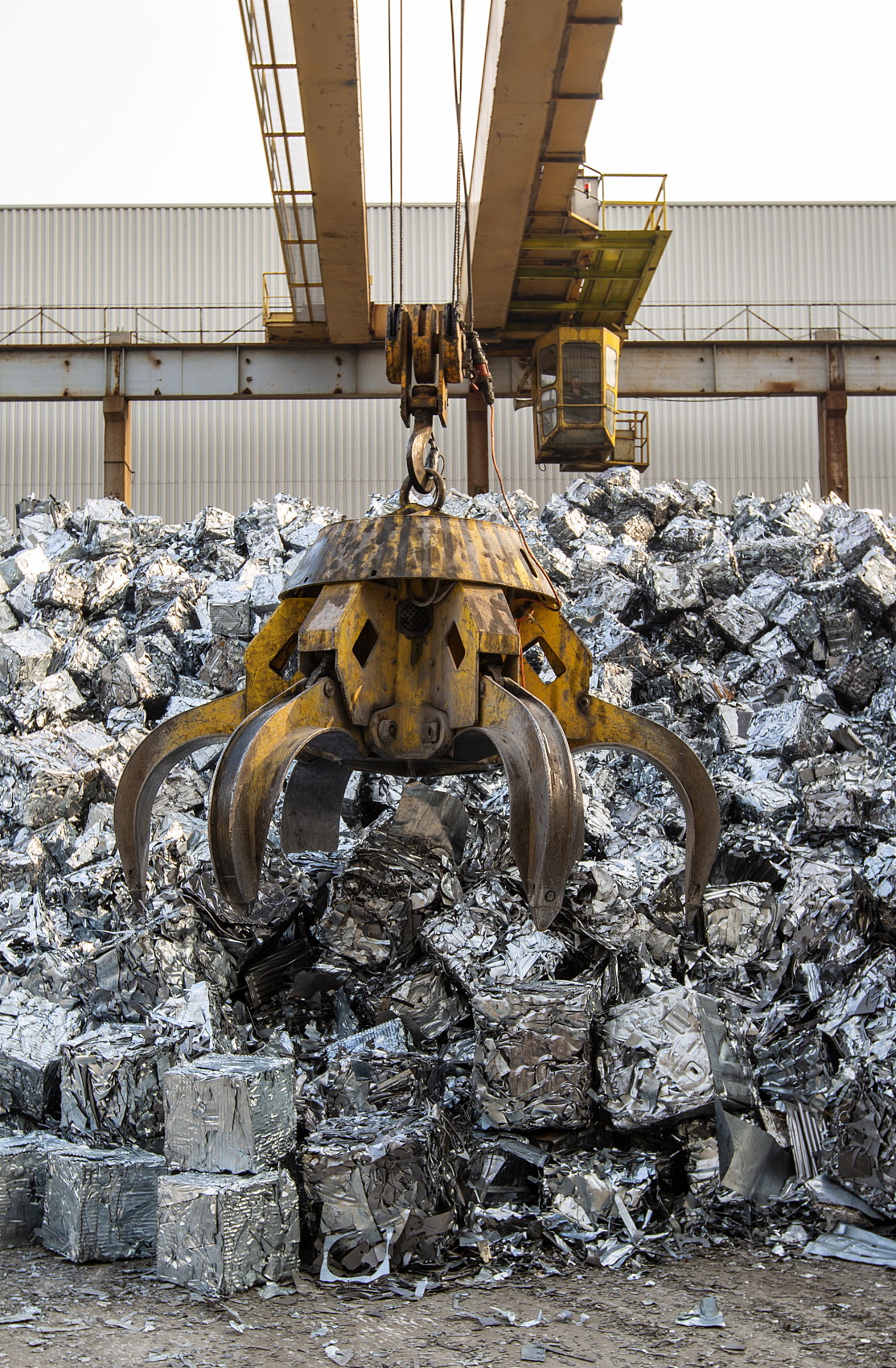
Choosing the right configuration is critical to ensuring the machine performs as expected for your specific scrap profile. The first choice is usually between vertical and horizontal balers. Vertical balers have a smaller footprint and are generally cheaper, but they are limited by gravity-fed loading and lower throughput. Horizontal balers, while requiring more floor space, allow for continuous feeding via conveyors or grapples, making them the standard for high-volume operations.
Another critical configuration detail is the ejection method. There are three primary types: side-push, turn-out (flip-out), and forward-out. Side-push balers are excellent for creating very dense, uniform bales of non-ferrous metals. Turn-out balers are often preferred for heavier ferrous scrap because the bale is lifted out of the chamber, reducing wear on the floor of the machine. Forward-out balers are common in smaller horizontal units. The choice here affects not only the price but also the layout of your facility and how you will move the finished bales.
The power unit configuration also matters. Some operations require a diesel-powered unit for mobile scrap processing in remote yards, while most fixed facilities prefer electric motors. The horsepower of the motor and the flow rate of the hydraulic pump will determine the cycle time. If your goal is to process 10 tons of aluminum per hour, you cannot settle for a low-flow hydraulic configuration. Every technical specification must be mapped back to your production goals during the Buy A Scrap Metal Baler: A Complete Machine Selection Budgeting phase.
Hidden Costs: Beyond the Purchase Price
The purchase price of the machine is only the beginning of the financial commitment. One of the most overlooked hidden costs is shipping and logistics. Scrap metal balers are incredibly heavy, often requiring specialized heavy-haul trucking and oversized load permits. Depending on the distance from the manufacturer (such as HARSLE’s production facilities) to your site, shipping can add several thousand dollars to the total cost.
Installation and site preparation are equally important. A heavy-duty baler cannot simply be placed on a standard warehouse floor. It often requires a reinforced concrete pad to handle the vibration and concentrated weight. Additionally, you must ensure your facility has the electrical capacity to run large industrial motors. Upgrading a transformer or installing new high-voltage lines can be a significant expense that must be factored into the initial budget.
Training and safety compliance are also ongoing costs. Operators must be properly trained not only to run the machine efficiently but to do so safely. This includes understanding lockout/tagout procedures and routine maintenance checks. Finally, consider the cost of consumables and spare parts. Hydraulic oil, filters, and wear plates will need regular replacement. Choosing a manufacturer like HARSLE, which provides excellent after-sales support and readily available parts, can mitigate these long-term operational expenses.
ROI Calculation: Justifying the Investment
To justify the decision to Buy A Scrap Metal Baler: A Complete Machine Selection Budgeting, a clear Return on Investment (ROI) analysis is necessary. The primary source of ROI is the reduction in transportation costs. Loose scrap metal is incredibly inefficient to transport; a truck might reach its volume limit long before it reaches its weight limit. By baling the metal, you maximize the weight capacity of every truckload, often reducing the number of required trips by 50% to 75%.
Secondary ROI comes from the increased value of the material. Many scrap consumers and smelters pay a premium for baled material because it is easier for them to handle and charge into their furnaces. Furthermore, baling reduces labor costs associated with moving loose scrap around the yard. Instead of multiple employees spending hours shoveling or moving loose piles with a skid steer, a single operator can manage the baling process, freeing up staff for other value-added tasks.
To calculate ROI, estimate your monthly savings in transport and labor, add the projected increase in scrap sale value, and divide the total machine cost by this monthly benefit. Most high-quality balers from HARSLE pay for themselves within 12 to 24 months, depending on the volume of material processed. This makes the baler not just a piece of equipment, but a core profit center for the business.
Buying Advice: A Step-by-Step Checklist
When you are ready to move forward, follow this checklist to ensure you select the right partner and machine:
- Define Your Material: Be specific. Are you baling UBC (Used Beverage Cans), HMS (Heavy Melting Steel), or copper wire? The material dictates the required pressure and chamber design.
- Measure Your Volume: Calculate your daily and monthly scrap tonnage. Don’t buy a machine for today’s volume; buy for the volume you expect to have in three years.
- Evaluate the Manufacturer: Look for established names like HARSLE. Check their track record, read customer reviews, and ask about their warranty terms and technical support availability.
- Inspect the Hydraulics: Ask about the brand of the valves and pumps. Reliable components from recognized global brands are a sign of a quality machine.
- Consider the Footprint: Ensure the machine fits in your facility with enough room for loading equipment (forklifts/cranes) and bale storage.
- Request a Demo or Video: If possible, see the machine in action. A video of the specific model processing your type of scrap is invaluable.
By following these steps, you minimize the risk of purchasing a machine that is either underpowered for your needs or unnecessarily expensive for your volume. The goal of the Buy A Scrap Metal Baler: A Complete Machine Selection Budgeting process is to find the “sweet spot” where machine capability meets financial reality.
Frequently Asked Questions (FAQ)
How long does a typical scrap metal baler last?
With proper maintenance, a high-quality industrial baler from a reputable manufacturer like HARSLE can last 15 to 20 years or more. The lifespan is largely dependent on the regularity of hydraulic oil changes, the replacement of wear liners, and ensuring the machine is not consistently pushed beyond its rated capacity.
Can one baler handle both ferrous and non-ferrous metals?
Yes, many horizontal balers are versatile enough to handle both. However, the settings (such as pressure and cycle speed) may need to be adjusted. It is also important to clean the chamber between different material types to prevent contamination, especially if you are switching between high-value non-ferrous metals like copper and standard steel scrap.
What is the difference between a single-ram and a multi-ram baler?
A single-ram baler uses one main cylinder to compress the metal against a fixed wall or door. A multi-ram (often triple-compression) baler uses multiple cylinders from different directions to create extremely high-density bales. Multi-ram balers are typically used for heavy industrial scrap where maximum density is required for shipping or smelting efficiency.
Is it better to buy new or used?
While used balers have a lower upfront cost, they often come with hidden mechanical issues and outdated control systems. A new machine from HARSLE ensures you have the latest safety features, a full manufacturer’s warranty, and a machine that hasn’t been subjected to years of structural fatigue. For most growing businesses, the reliability of a new machine outweighs the initial savings of a used one.
What kind of maintenance is required daily?
Daily maintenance usually involves checking hydraulic oil levels, inspecting hoses for leaks, clearing debris from the ram tracks, and ensuring safety sensors are functional. Weekly tasks might include greasing moving parts and checking the tightness of bolts on the wear plates. Consistent daily checks are the best way to prevent costly emergency repairs.