Scrap Metal Baler Buying Guide: Manual vs Semi-Automatic vs Fully Automatic Systems


Introduction to Scrap Metal Baling Technology
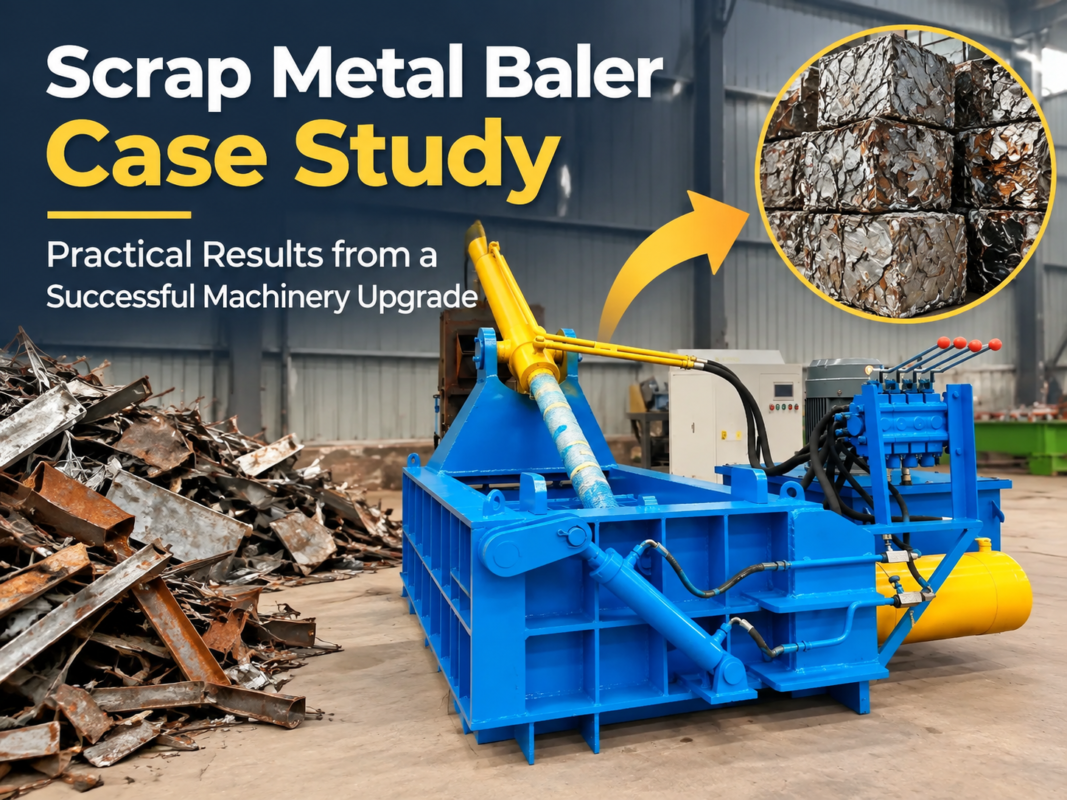
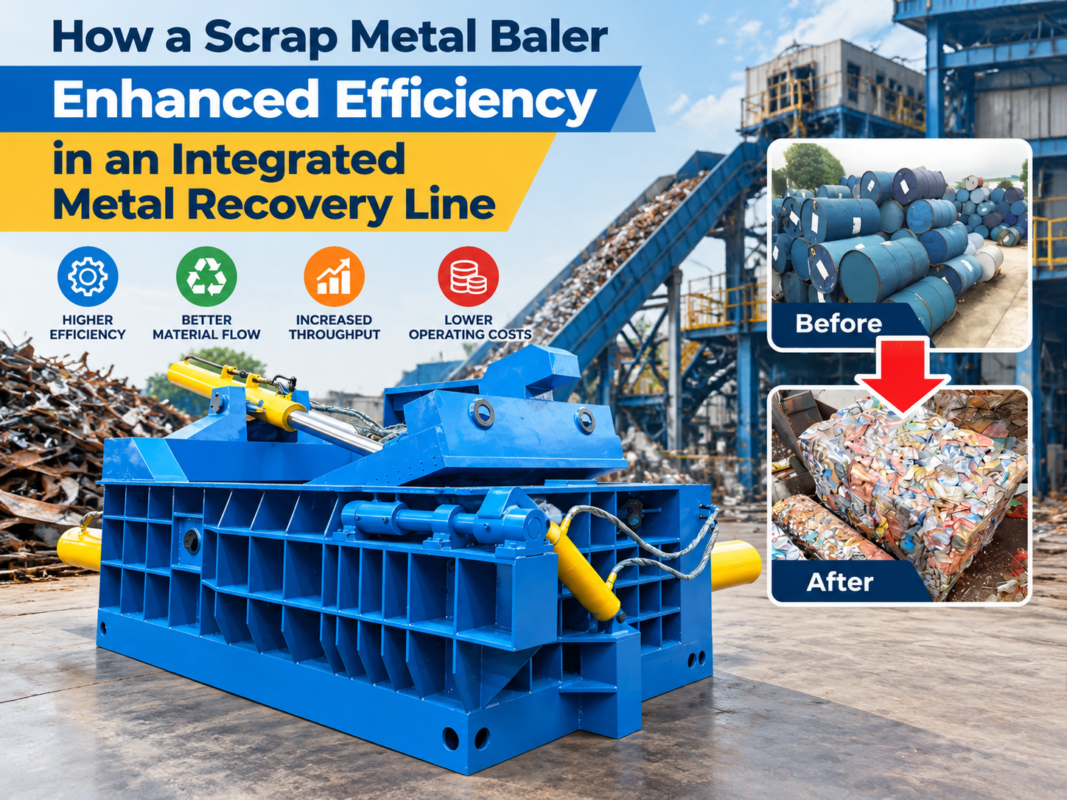
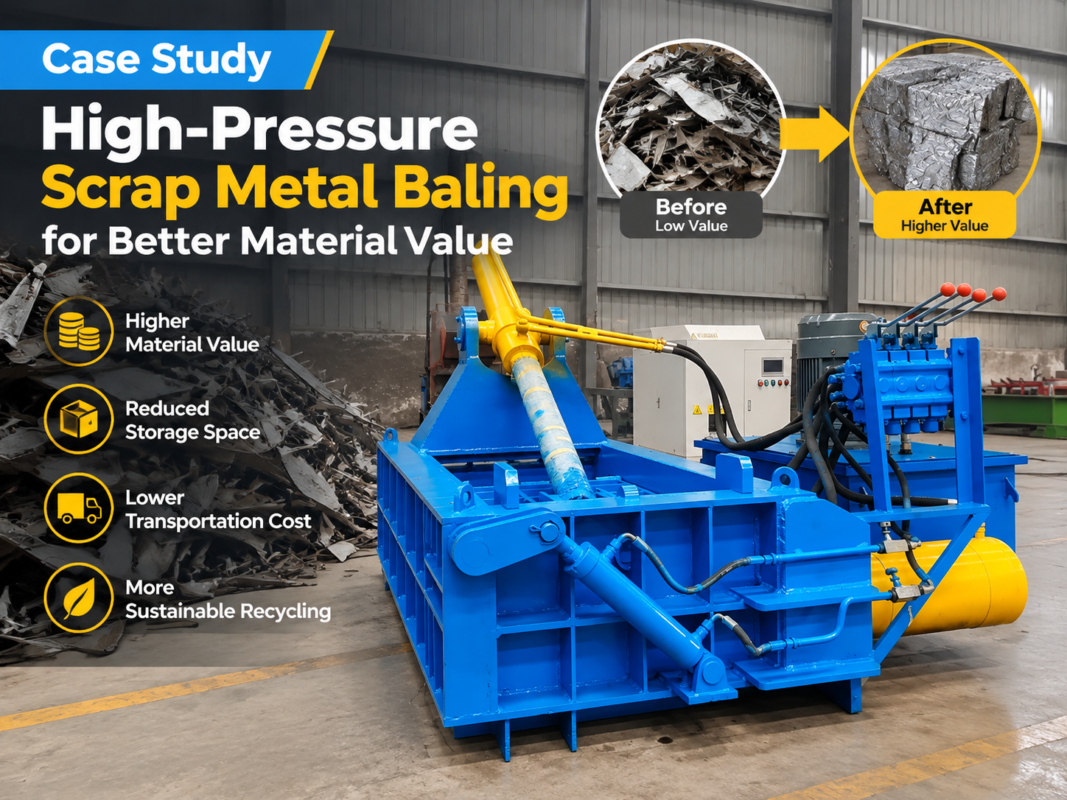
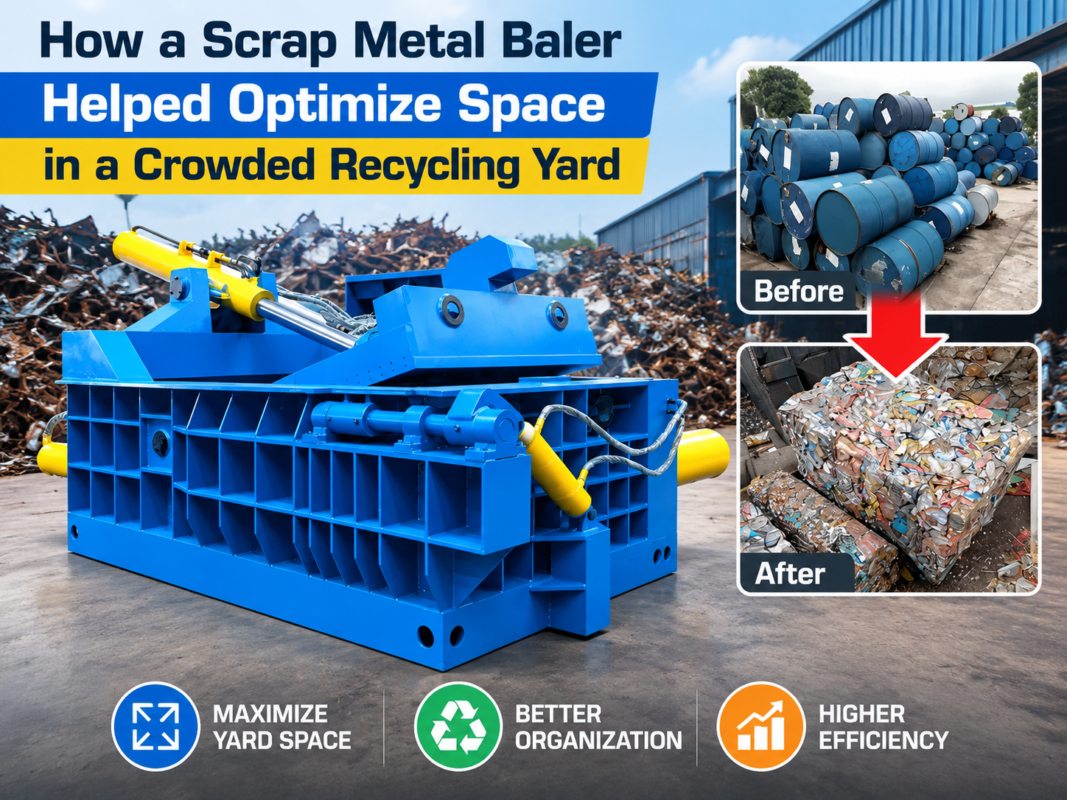
In the modern recycling industry, the efficiency of processing scrap metal directly correlates with the profitability of a facility. Scrap metal balers are the workhorses of this sector, designed to compress bulky metal waste—ranging from aluminum cans and copper wiring to steel sheets and end-of-life vehicle parts—into dense, manageable blocks known as bales. This process significantly reduces storage space requirements and slashes transportation costs, making it a critical investment for scrap yards, manufacturing plants, and recycling centers. However, the market offers a wide spectrum of machinery, leading to the central question for many business owners: which system is right for my operation? This Scrap Metal Baler Buying Guide: Manual vs Semi-Automatic vs Fully Automatic Systems aims to demystify the selection process, providing a deep dive into the technical and financial considerations of each category.
HARSLE, a leader in metal fabrication machinery, understands that every facility has unique throughput requirements and budget constraints. Whether you are a small-scale collector or a high-volume industrial recycler, the choice between manual, semi-automatic, and fully automatic systems will dictate your operational flow for years to come. In this guide, we will explore the nuances of these systems, the factors that drive their costs, and how to calculate a realistic return on investment (ROI) to ensure your capital expenditure translates into long-term growth.
Price Range Overview: What to Expect
The financial commitment required for a scrap metal baler varies significantly based on the level of automation and the compression force (tonnage) of the machine. Understanding the general price brackets is the first step in narrowing down your options. For small-scale operations or those just entering the recycling market, manual scrap metal balers are the most accessible. These units typically range from $5,000 to $15,000. They are often vertical or small horizontal units with lower tonnage, suitable for light non-ferrous metals like aluminum and copper.
Moving into the mid-tier, semi-automatic scrap metal balers represent a significant jump in both price and performance. These machines generally fall between $20,000 and $70,000. The price variance here is largely driven by the bale size, the cycle speed, and the quality of the hydraulic components. Semi-automatic systems are the “sweet spot” for many medium-sized scrap yards that require consistent output without the massive overhead of a fully autonomous line.
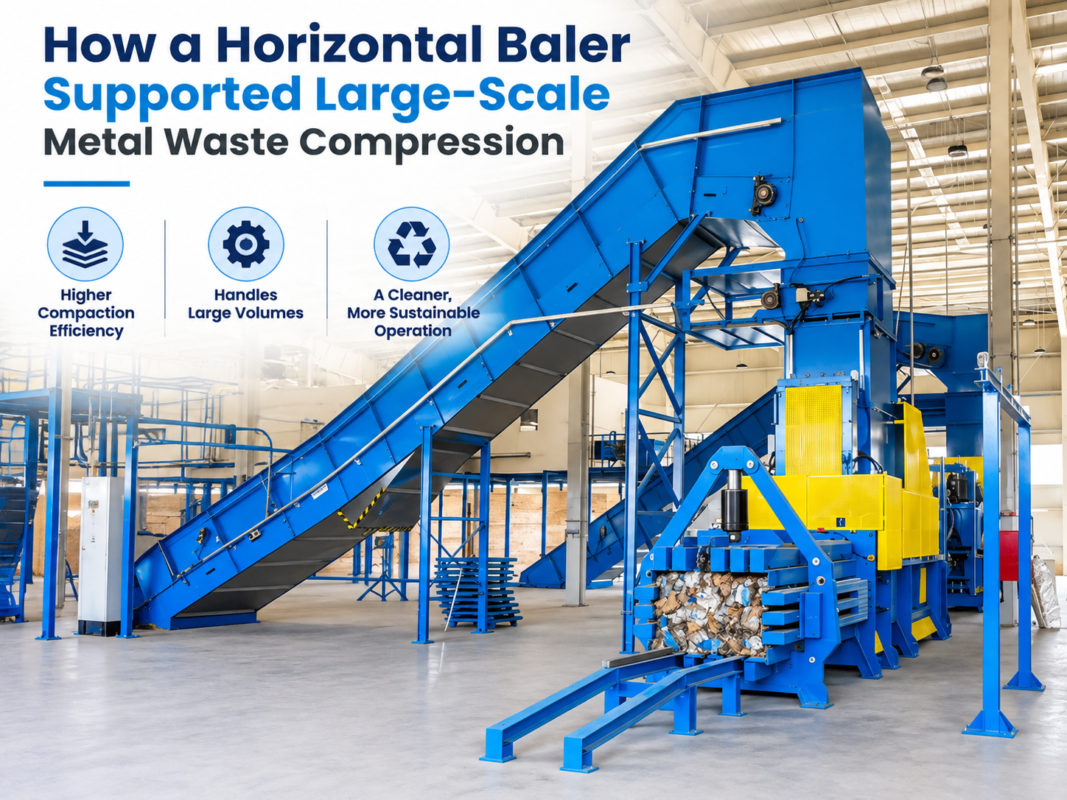
At the top of the spectrum are fully automatic scrap metal baling systems. These are high-capacity, industrial-grade machines that can cost anywhere from $80,000 to over $250,000. These systems are designed for 24/7 operation and often include integrated conveyors, advanced PLC (Programmable Logic Controller) systems, and automatic strapping or tying mechanisms. While the initial investment is high, the throughput capabilities—often exceeding 10 to 20 tons per hour—justify the cost for large-scale industrial recyclers.
Main Cost Drivers in Metal Baler Procurement
When reviewing quotes for a scrap metal baler, it is essential to understand what factors contribute to the final price. The most significant cost driver is the hydraulic system. High-quality pumps and valves, such as those from brands like Rexroth or Vickers, ensure longevity and consistent pressure but come at a premium. The motor power, measured in kilowatts (kW), also dictates the speed of the compression cycle; a more powerful motor reduces cycle time, increasing productivity but also increasing the machine’s price and energy consumption.
The structural integrity of the machine is another major factor. The thickness and grade of the steel used in the compression chamber (often Q235 or Q345 grade) determine how well the machine will withstand the immense internal pressures of baling steel and iron. Furthermore, the inclusion of wear-resistant liners (such as Hardox plates) inside the chamber can add several thousand dollars to the cost but is essential for processing abrasive materials. Finally, the complexity of the control system—ranging from simple manual levers to sophisticated Siemens PLC touchscreens—impacts the price, offering varying levels of diagnostic capabilities and safety features.
Configuration Impact on Performance and Price
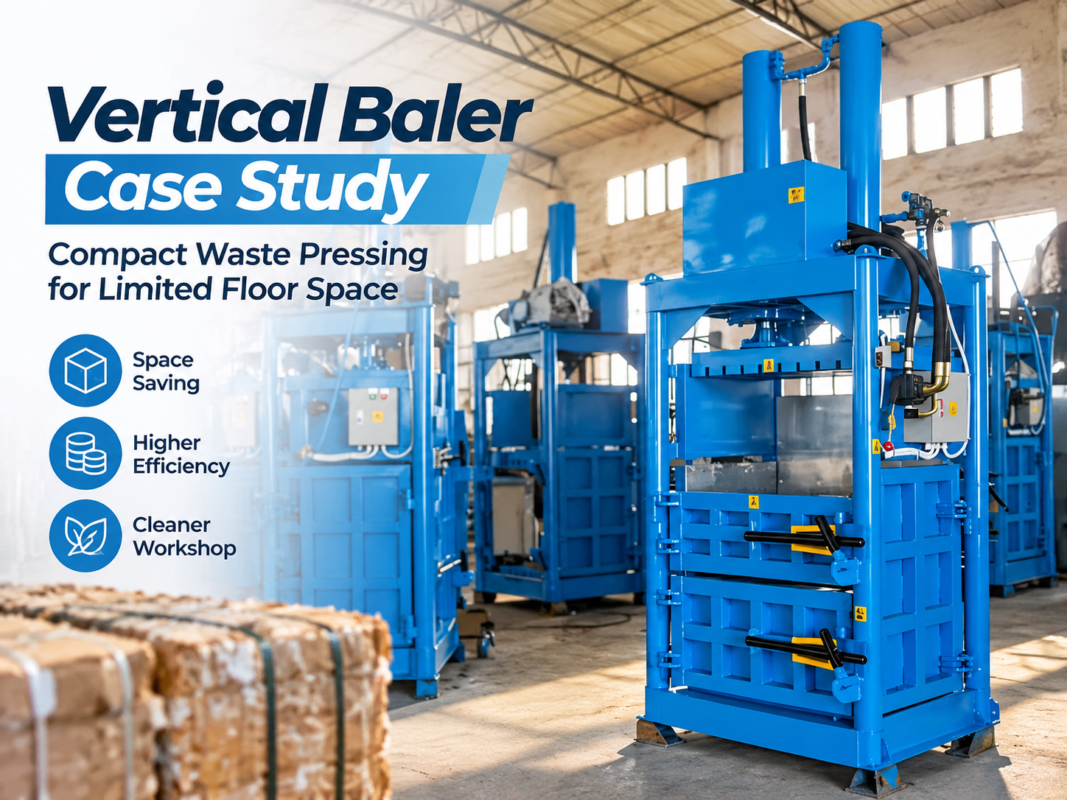
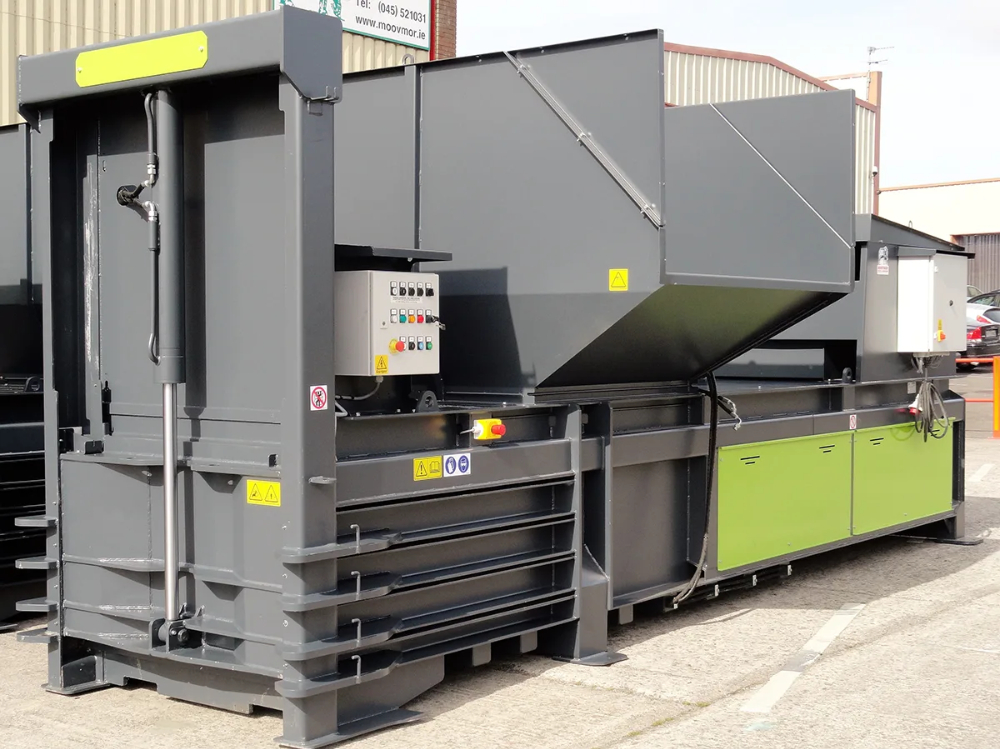
The configuration of a baler refers to its physical layout and the specific features integrated into its design. One of the primary choices is between vertical and horizontal configurations. Vertical balers are generally cheaper and have a smaller footprint, making them ideal for facilities with limited space. However, they are labor-intensive to load and unload. Horizontal balers, while more expensive and requiring more floor space, allow for continuous feeding and are much better suited for high-volume processing.
Another configuration choice is the type of bale ejection. Some machines use a “side-push” method, while others use a “forward-out” or “turn-out” system. Side-push balers are often more robust and capable of higher densities, which is critical for maximizing shipping container weights. Additionally, the inclusion of an integrated cooling system (air or water cooling) for the hydraulic oil is a configuration choice that can prevent overheating during long shifts in hot climates. While an optional add-on for some, it is a necessity for high-duty cycles, adding to the initial configuration cost but preventing expensive downtime later.
Manual vs. Semi-Automatic vs. Fully Automatic: A Detailed Comparison
Manual Scrap Metal Balers
Manual systems are characterized by the high level of operator involvement required. The operator must manually load the material into the chamber, engage the hydraulic press via a lever, and manually tie or strap the bale once compressed. These machines are typically low-tonnage (10-40 tons) and are best suited for non-ferrous metals. The primary advantage is the low entry cost and simplicity of maintenance. However, the labor cost per ton of processed material is high, and the throughput is limited by the physical stamina and speed of the operator.
Semi-Automatic Scrap Metal Balers
Semi-automatic systems automate the most physically demanding part of the process: the compression and, often, the bale ejection. The operator usually loads the machine (often using a forklift or a small conveyor) and initiates the cycle. Once the bale is formed, the machine may automatically open the door, but the operator still needs to manually tie the bale. These systems offer a significant increase in safety and efficiency over manual units. They are ideal for businesses that process a consistent volume of scrap but do not yet have the volume to justify a fully automated line.
Fully Automatic Scrap Metal Balers
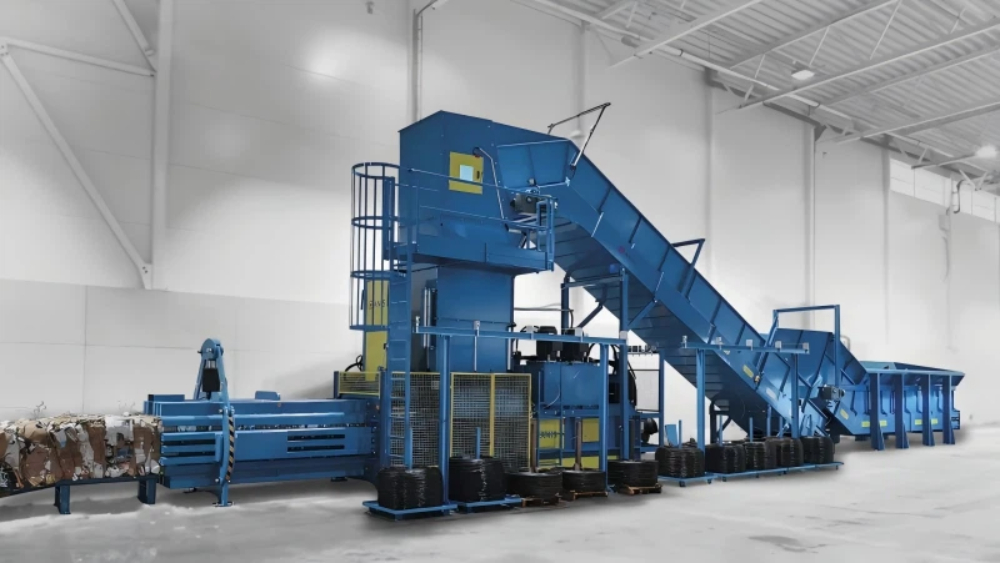
Fully automatic systems are the pinnacle of recycling technology. These machines are designed to operate with minimal human intervention. Material is fed via a continuous conveyor belt, sensors detect when the chamber is full, and the compression cycle begins automatically. Once the bale is complete, an automatic tying system secures it with wire or plastic strapping, and the bale is ejected onto a discharge ramp. These systems are essential for processing massive quantities of scrap, such as automotive factory waste or municipal recycling. The primary drawbacks are the high initial cost and the need for specialized technicians for maintenance and PLC programming.
Hidden Costs of Ownership
The purchase price of a scrap metal baler is only the beginning of the total cost of ownership (TCO). One of the most overlooked hidden costs is site preparation. High-tonnage horizontal balers require a reinforced concrete foundation to handle the vibrations and weight of the machine. This can cost several thousand dollars in engineering and construction. Additionally, the electrical infrastructure of your facility may need an upgrade to support the high-amperage motors used in industrial balers.
Maintenance and wear parts represent another ongoing expense. The shearing blades that cut excess metal during the compression cycle will eventually dull and require sharpening or replacement. Hydraulic seals, filters, and oil also need regular attention. Furthermore, the cost of consumables—specifically the baling wire or strapping—can add up significantly over a year of high-volume operation. When choosing a baler, it is vital to inquire about the availability and cost of these spare parts from the manufacturer, as proprietary parts can be much more expensive than generic industrial components.
ROI Calculation: When Does an Upgrade Make Sense?
Calculating the ROI for a scrap metal baler involves comparing the total cost of the machine (including hidden costs) against the savings and increased revenue it generates. The primary areas of savings are labor and logistics. For example, if moving from a manual to a semi-automatic system allows you to reduce your yard staff by one person, the annual salary savings alone could pay for the machine in less than two years.
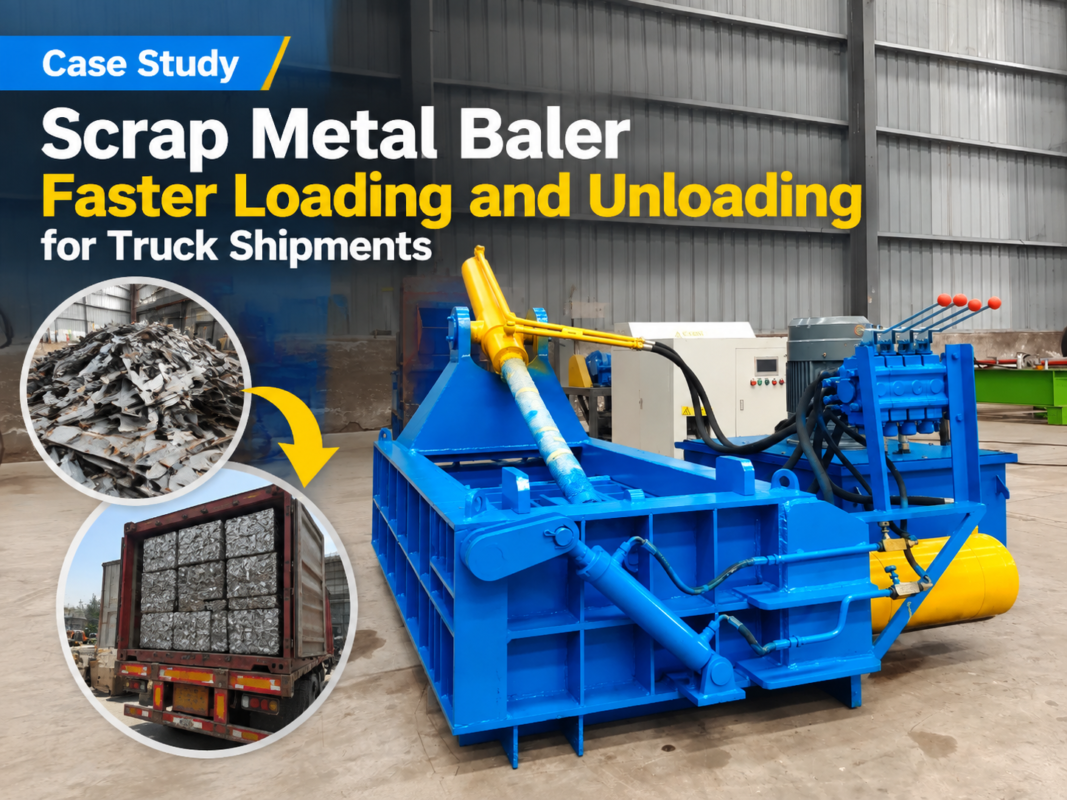
Increased revenue comes from bale density. Shipping loose scrap is incredibly inefficient; you are essentially paying to transport air. A high-density baler allows you to fit more weight into a standard shipping container or truck, significantly reducing your freight cost per ton. Furthermore, many smelters and refineries pay a premium for clean, high-density bales because they are easier to melt and result in less oxidation loss. To calculate your ROI, estimate your monthly increase in throughput, your monthly labor savings, and your reduction in shipping costs, then divide the total machine cost by these monthly gains to find your payback period in months.
Buying Advice for New and Experienced Buyers
When you are ready to purchase, start by conducting a thorough audit of your current and projected scrap volume. Buying a machine that is too small will lead to bottlenecks and mechanical strain, while buying one that is too large will result in wasted capital and high energy bills. Always request a video of the machine in operation or, better yet, visit a facility where the model you are considering is currently in use. This allows you to see the real-world cycle time and bale quality.
Choose a supplier like HARSLE that offers comprehensive after-sales support. A baler is a long-term investment, and having access to technical experts who can troubleshoot PLC issues or provide hydraulic schematics is invaluable. Additionally, consider the “resale value” of the machine. Well-known brands with a reputation for durability hold their value much better on the used market, providing an exit strategy if your business needs change in the future. Finally, ensure the machine complies with local safety standards (such as CE or UL certification), as non-compliant machinery can lead to heavy fines and increased insurance premiums.
Frequently Asked Questions (FAQ)
1. What is the average lifespan of a scrap metal baler?
With proper maintenance, a high-quality industrial scrap metal baler can last 15 to 20 years. The hydraulic cylinders and structural frame are designed for longevity, though wear parts like liners and blades will need replacement every 1-3 years depending on usage intensity.
2. Can one baler handle all types of metal?
Most balers are versatile, but there are limits. A baler designed for light aluminum cans may struggle with heavy structural steel or thick copper busbars. It is essential to specify your primary material to the manufacturer so they can recommend the correct tonnage and blade configuration.
3. How much space do I need for a horizontal baler?
A standard mid-sized horizontal baler typically requires a footprint of about 20 feet by 10 feet, plus additional space for the loading area (conveyor or forklift access) and the bale discharge zone. Always refer to the manufacturer’s floor plan before finalizing your shop layout.
4. Is a fully automatic baler always better than a semi-automatic one?
Not necessarily. If your scrap volume is inconsistent or relatively low, the high capital cost and complexity of a fully automatic system may not be justified. Semi-automatic systems offer more flexibility for yards that process a wide variety of materials in smaller batches.
5. What kind of hydraulic oil should I use?
Most scrap metal balers use anti-wear hydraulic oil (ISO VG 46 or 68). The specific grade depends on your local climate; thinner oil is better for cold environments, while thicker oil is preferred for high-temperature regions. Always follow the manufacturer’s specifications to maintain your warranty.
6. How do I ensure the safety of my operators?
Modern balers come equipped with emergency stop buttons, safety interlocks on doors, and infrared sensors to prevent operation if a person is in the loading zone. Regular safety training and ensuring that all guards are in place are the most effective ways to prevent accidents.