How to Choose the Right Briquetting Machine for Your Workshop: A Comprehensive Guide

Introduction to Metal Briquetting in Modern Workshops
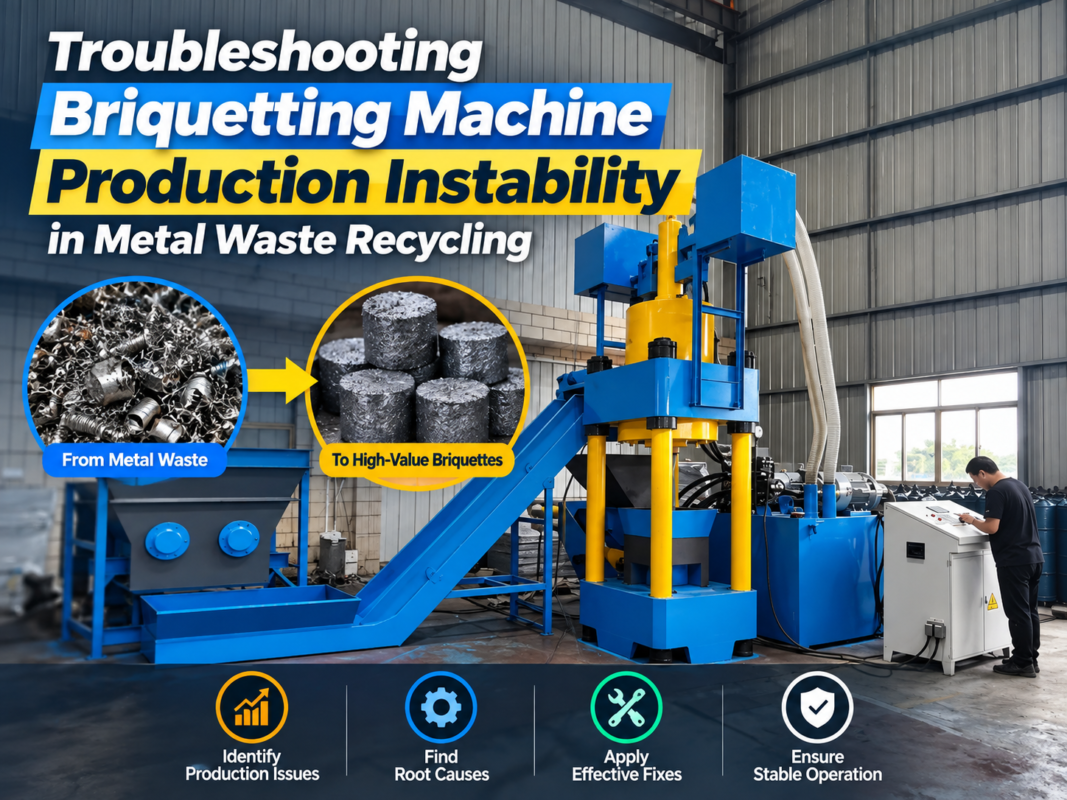
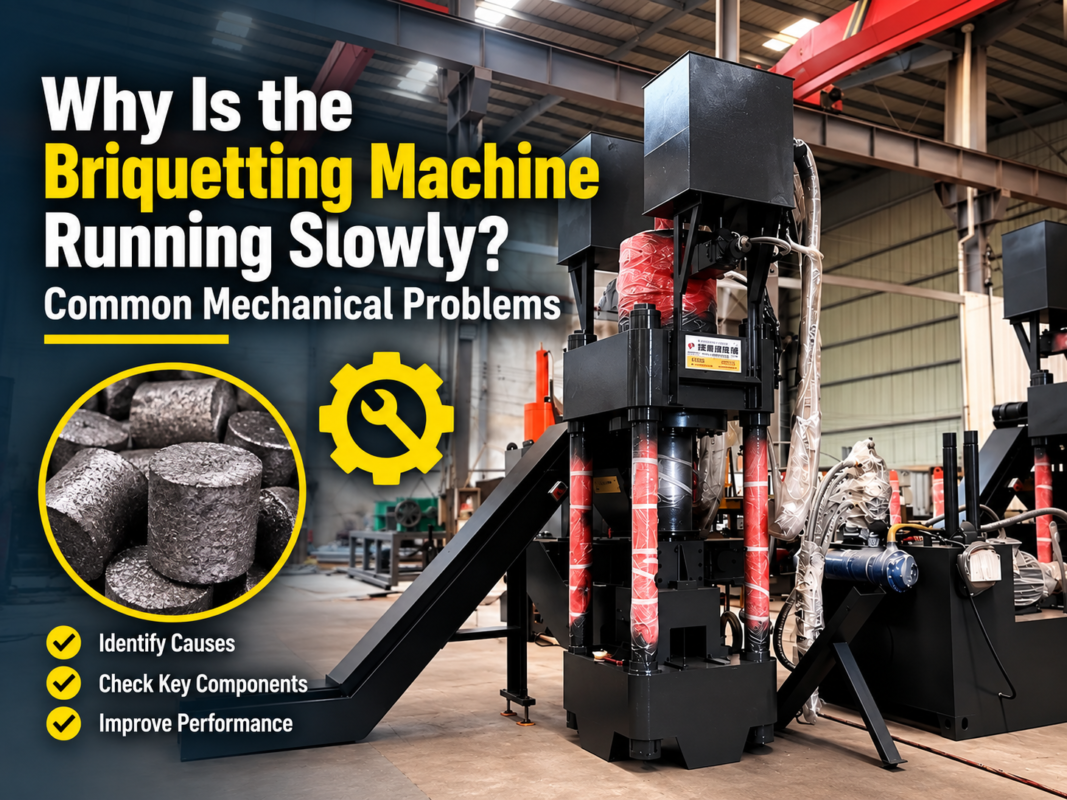
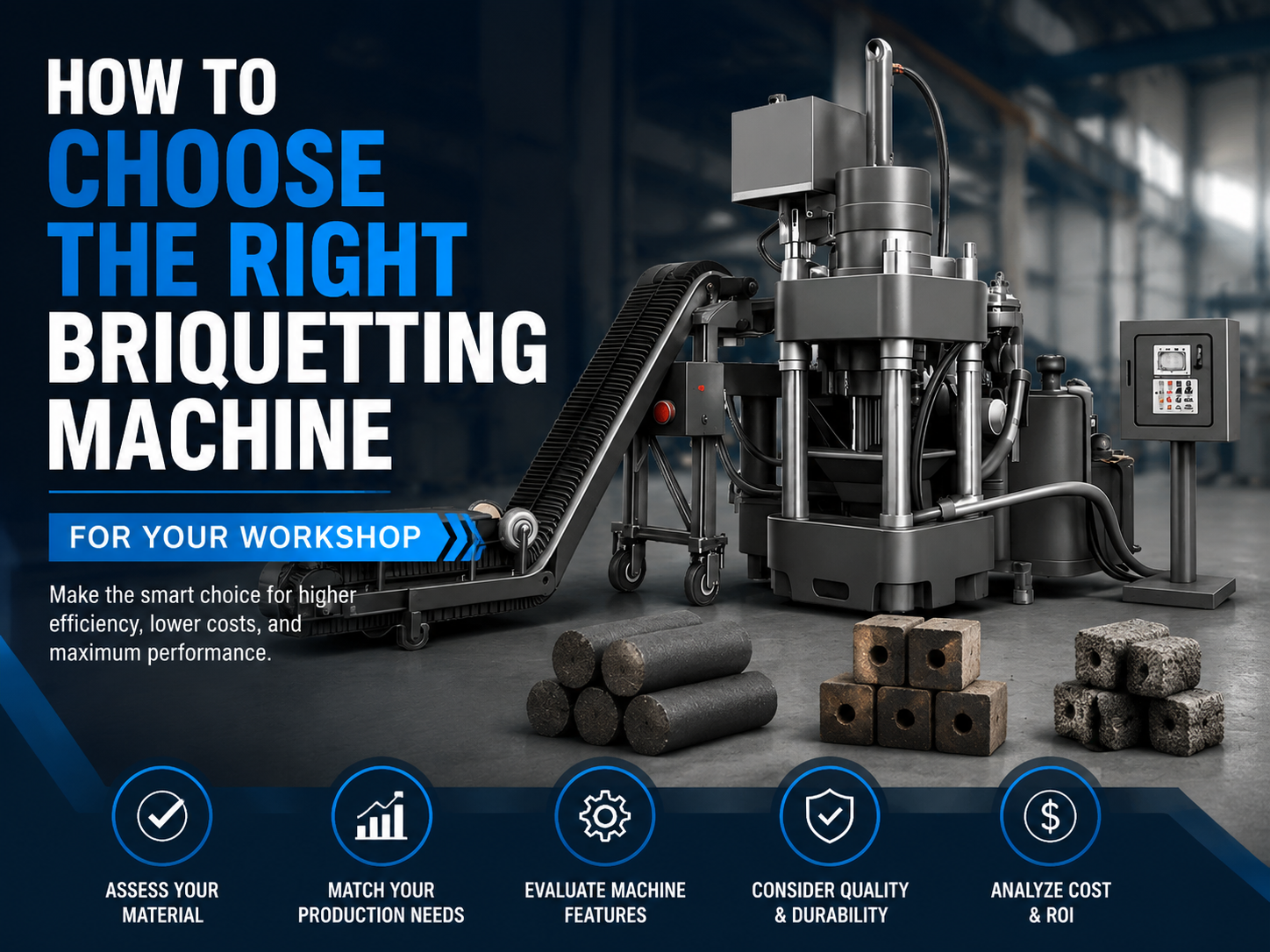
In the modern metal fabrication landscape, efficiency is no longer just about how fast you can cut or bend metal; it is also about how effectively you manage the waste generated during those processes. For workshops dealing with high volumes of metal chips, turnings, and swarf, the decision to choose briquetting machine workshop solutions is a strategic move toward sustainability and increased profitability. A briquetting machine compresses loose metal scrap into dense, uniform blocks, significantly reducing volume and increasing the market value of the waste material.
The process of briquetting serves multiple purposes. First, it drastically reduces the storage space required for scrap. Loose aluminum or steel chips can take up massive amounts of floor space, creating safety hazards and logistical nightmares. Second, briquetting allows for the recovery of expensive cutting fluids and coolants that are often trapped within the swarf. Finally, smelters and recyclers pay a premium for briquetted material because it has a higher density and lower melt loss during the recycling process. This guide will walk you through every aspect of selecting the perfect machine for your specific needs.
Price Range Overview: What to Expect
When you begin to choose briquetting machine workshop equipment, the first thing you will notice is the wide variance in pricing. Generally, the market is divided into three main tiers: entry-level, mid-range, and heavy-duty industrial systems. Understanding where your workshop fits within these tiers is crucial for budgeting and ensuring you don’t over-invest or under-equip your facility.
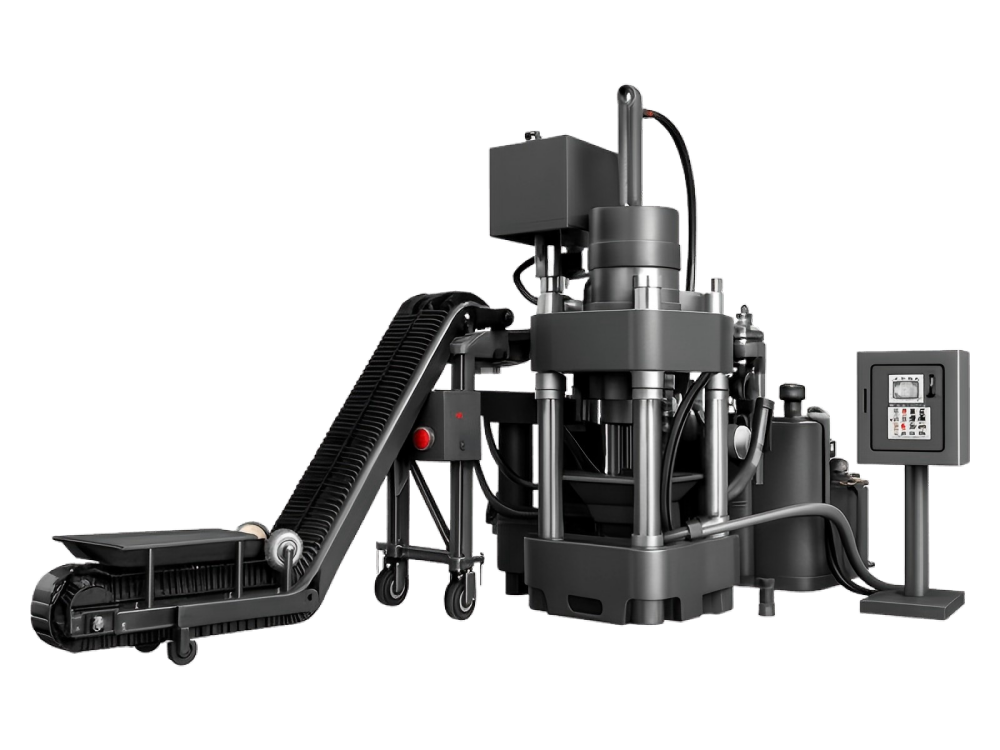
Entry-level machines typically range from $8,000 to $20,000. These are often vertical designs with lower tonnage, suitable for small workshops that produce a few hundred kilograms of scrap per day. They are excellent for basic volume reduction but may lack the speed or automation required for continuous operation. Mid-range machines, priced between $25,000 and $60,000, offer higher compression forces and better automation, making them ideal for medium-sized fabrication shops with consistent scrap output.
At the top end, heavy-duty industrial briquetting systems can exceed $100,000. These machines are designed for 24/7 operation in large-scale manufacturing plants or dedicated recycling centers. They feature advanced cooling systems, integrated conveyors, and sophisticated PLC controls. While the initial investment is high, the throughput and durability of these machines provide the lowest cost-per-ton of processed material over the long term.
Main Cost Drivers in Briquetting Technology
Several technical factors influence the final price of a briquetting machine. The most significant is the compression force, usually measured in tons. Higher tonnage allows the machine to process tougher materials like stainless steel or titanium into dense briquettes. If your workshop primarily handles soft aluminum, you might not need the same force required for heavy steel turnings, which can save you significant capital.
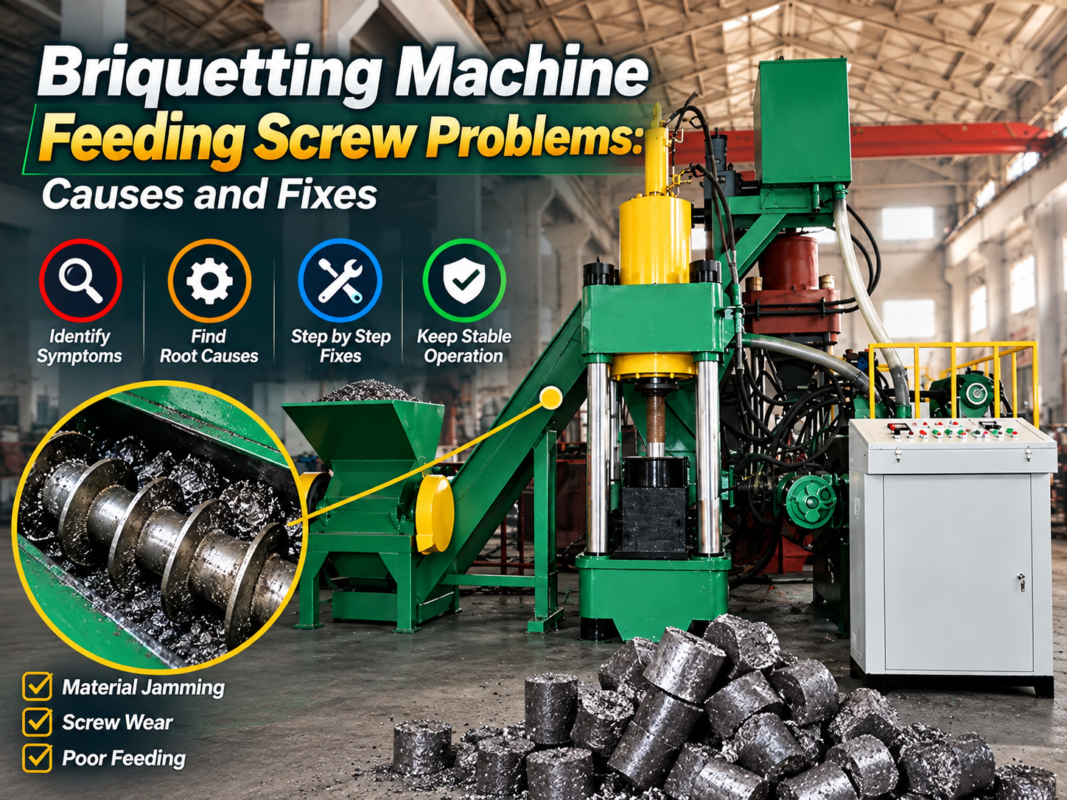
The quality of the hydraulic system is another major cost driver. High-end machines utilize premium pumps (such as Rexroth or Vickers) and valves that offer better energy efficiency and longer lifespans. A cheaper hydraulic system might save money upfront but can lead to higher maintenance costs and frequent downtime. Additionally, the complexity of the feeding system—whether it’s a simple gravity hopper or a sophisticated screw-feeder with agitation—will impact the price.
Material specificity also plays a role. Machines designed specifically for grinding sludge or oily swarf require specialized seals and drainage systems to handle fluids. These features add to the manufacturing cost but are essential for preventing environmental contamination and ensuring the longevity of the machine’s internal components. When you choose briquetting machine workshop configurations, always match the machine’s build quality to the abrasiveness and moisture content of your scrap.
Configuration Impact: Customizing for Your Needs
The configuration of your briquetting machine determines its footprint and how it integrates into your existing workflow. Vertical machines are generally more compact, making them a popular choice for workshops with limited floor space. However, horizontal machines often allow for easier maintenance access and can handle longer, stringier turnings that might clog a vertical feed system.
Automation levels are a critical configuration choice. A basic machine might require manual loading and unloading, which increases labor costs. In contrast, a fully automated system can be integrated directly into your CNC machining centers via conveyors. This “lights-out” scrap management approach reduces human intervention and ensures that scrap is processed as soon as it is generated. Consider whether you need integrated weighing systems, moisture sensors, or briquette bagging attachments.
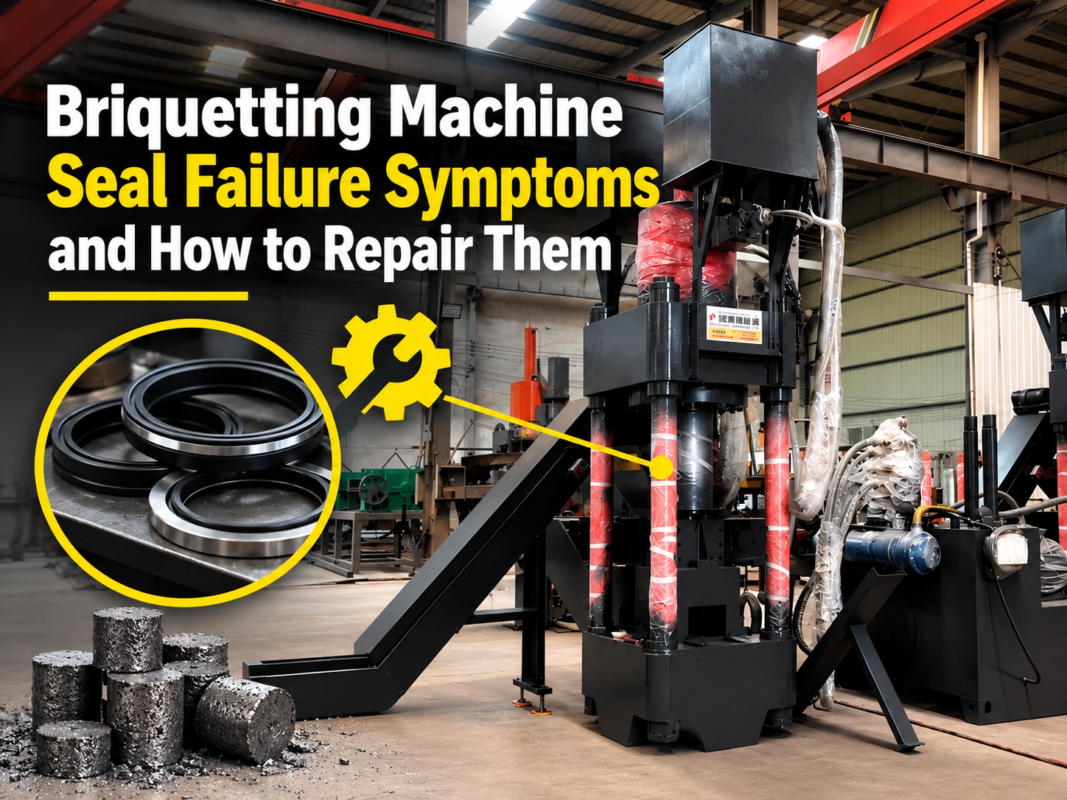
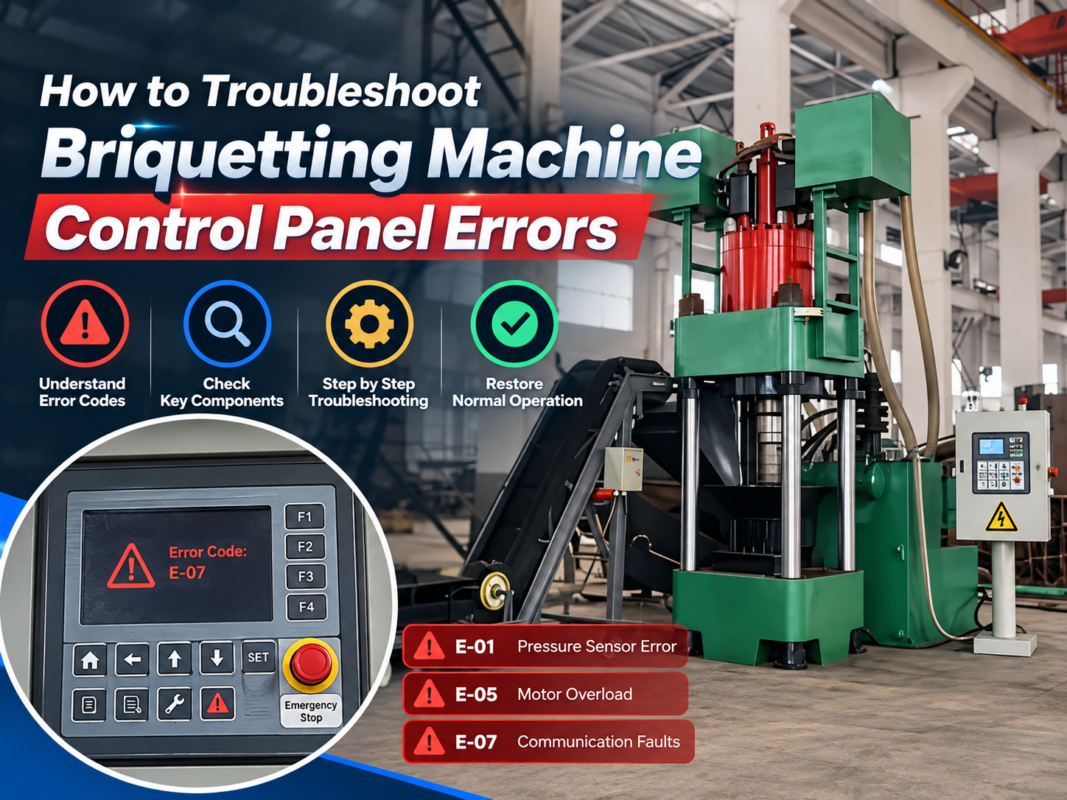
Control systems also vary. Modern machines feature touch-screen PLC interfaces that allow operators to adjust compression time, pressure settings, and cycle speeds for different materials. This flexibility is vital if your workshop processes a variety of metals. Furthermore, the inclusion of a robust oil cooling system is non-negotiable for high-volume environments, as hydraulic fluid can overheat during continuous cycles, leading to seal failure and reduced performance.
Hidden Costs of Ownership
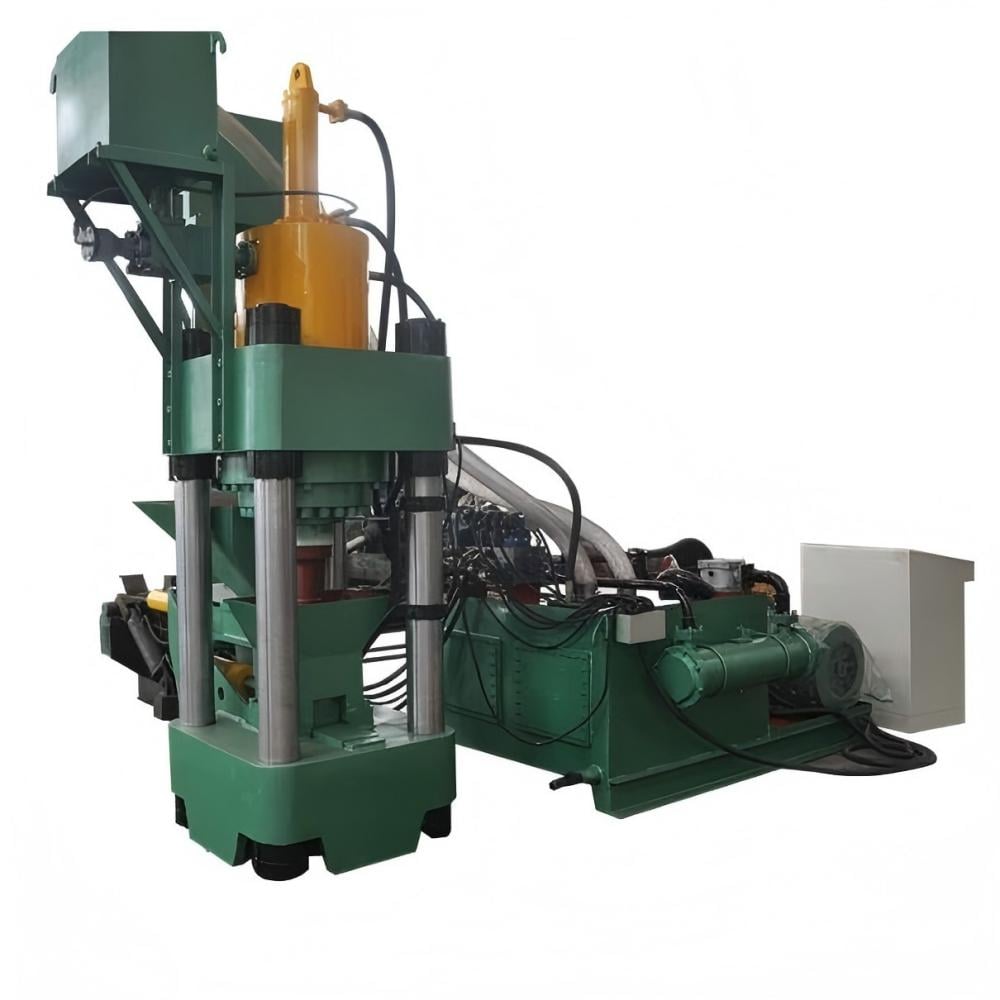
Beyond the purchase price, there are several hidden costs to consider when you choose briquetting machine workshop equipment. Installation is the first. Depending on the size of the machine, you may need a reinforced concrete foundation to handle the vibrations and weight. Electrical upgrades might also be necessary if your workshop’s current power supply cannot handle the high-kilowatt motors required for heavy compression.
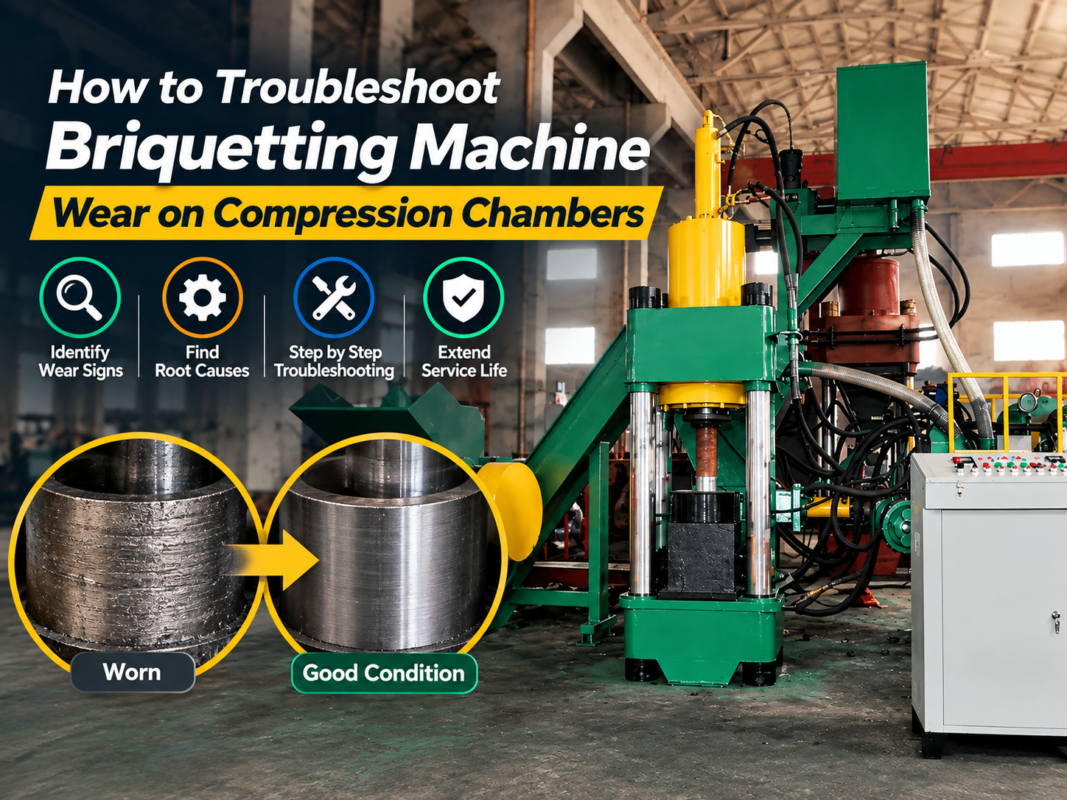
Maintenance and wear parts represent an ongoing expense. The dies and punches that form the briquettes are subject to extreme pressure and abrasion. Depending on the material being processed, these components will eventually need replacement. It is essential to check the availability and cost of these spare parts before purchasing. Using high-quality, hardened tool steel for dies can extend their life, but they come at a higher replacement cost.
Energy consumption is another factor often overlooked. A machine that runs inefficiently can add thousands of dollars to your annual utility bill. Look for machines with variable frequency drives (VFDs) or high-efficiency motors that reduce power consumption during idle times. Finally, consider the cost of shipping and potential import duties if the machine is being sourced from overseas, as these can add 10-20% to the total project cost.
ROI Calculation: Is It Worth the Investment?
Calculating the Return on Investment (ROI) is the most important step for any business owner. To do this, you must look at three primary areas: scrap value increase, transport savings, and fluid recovery. On average, briquetted metal scrap can fetch 10% to 50% more per ton than loose swarf. This is because briquettes are easier for smelters to handle and result in significantly less oxidation during melting.
Transport savings are equally dramatic. Loose chips have a very low bulk density, meaning you are often paying to transport air. By compressing the scrap into briquettes, you can fit much more weight into a single truckload, reducing the frequency of scrap pickups and the associated logistics costs. For many workshops, the savings in transport alone can cover the monthly lease payment on a new machine.
Don’t forget the value of recovered coolants. A high-pressure briquetting press can squeeze out up to 95% of the cutting fluids trapped in the swarf. This fluid can be filtered and reused in your machines, directly reducing your chemical procurement costs. When you combine these three factors, most medium-to-high volume workshops find that a briquetting machine pays for itself within 12 to 24 months.
Expert Buying Advice for Workshop Owners
When you are ready to choose briquetting machine workshop equipment, start by conducting a thorough audit of your scrap. Weigh your weekly output and identify the types of metals you use most. If possible, send samples of your scrap to the manufacturer for testing. A reputable supplier like HARSLE will provide a test report showing the density and quality of the briquettes produced from your specific material.
Check the manufacturer’s reputation for after-sales support. A briquetting machine is a mechanical workhorse, and eventually, it will need service. Ensure that the supplier offers technical support, a clear warranty policy, and a ready stock of critical spare parts. It is also wise to speak with other workshop owners who use the same model to get an honest assessment of its reliability and ease of use.
Finally, think about future-proofing. If you expect your production to grow, it might be worth investing in a machine with a slightly higher capacity than you currently need. It is much more cost-effective to buy a larger machine now than to replace an undersized one in two years. Look for modular designs that allow for future upgrades, such as adding automated feeding systems or advanced monitoring software.
Frequently Asked Questions (FAQ)
1. What types of metal can be briquetted?
Almost all industrial metals can be briquetted, including aluminum, steel, cast iron, copper, brass, titanium, and magnesium. The key is to match the machine’s compression force to the hardness and elasticity of the specific metal. Aluminum is relatively easy to compress, while stainless steel and titanium require much higher pressures to form a stable briquette.
2. How much space does a briquetting machine require?
The footprint varies by model. A small vertical machine might only require 2×2 meters of floor space, while a large horizontal system with conveyors and a hopper could require 10×5 meters. Always account for additional space around the machine for maintenance access and scrap storage.
3. Can the machine handle oily or wet scrap?
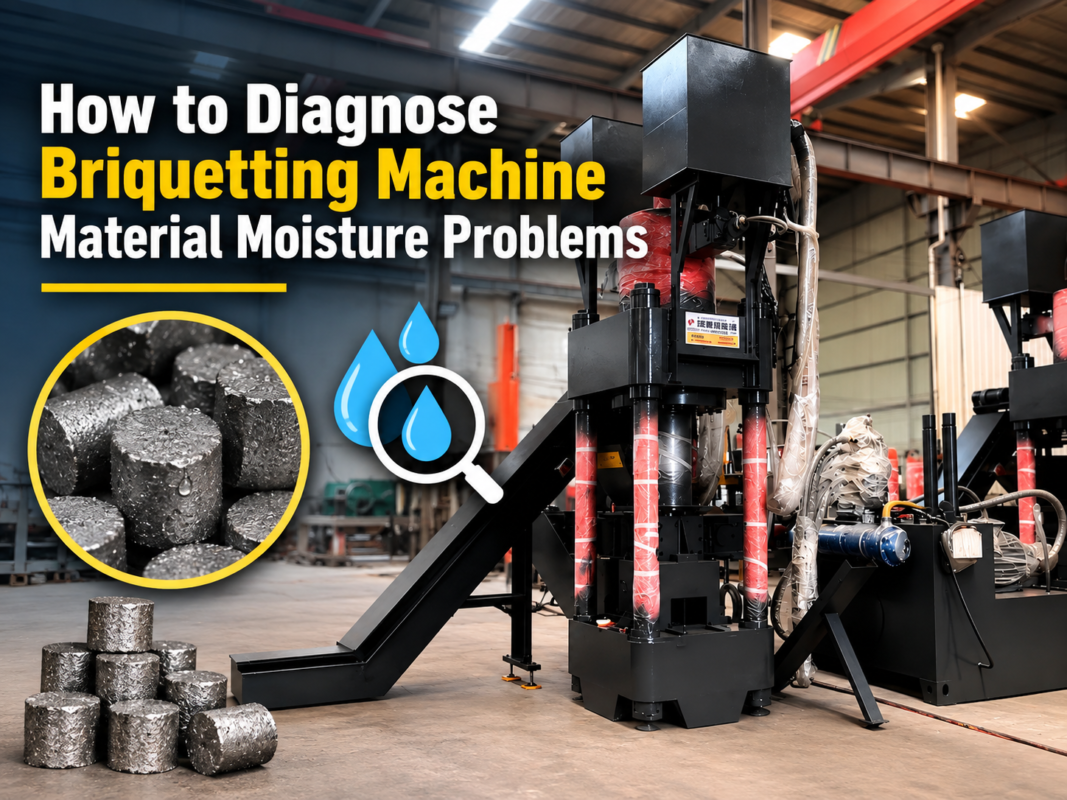
Yes, most industrial briquetting machines are designed to handle wet scrap. They feature integrated collection trays and drainage ports to capture the fluids squeezed out during compression. If your scrap is particularly oily, ensure the machine has specialized seals to prevent the oil from contaminating the hydraulic system.
4. How often do the dies need to be replaced?
Die life depends on the material being processed and the volume of production. For soft metals like aluminum, dies can last for several years. For abrasive materials like cast iron or if the scrap contains sand or grit, dies may need replacement every 6 to 12 months. Regular cleaning and lubrication can extend die life significantly.
5. Is it difficult to operate a briquetting machine?
Modern machines are designed for ease of use. Most feature PLC-controlled automatic cycles, meaning the operator only needs to ensure the hopper is filled and the finished briquettes are collected. Training typically takes less than a day, focusing on safety procedures, basic troubleshooting, and routine maintenance tasks like checking hydraulic oil levels.
6. Does briquetting help with environmental compliance?
Absolutely. By compressing scrap and recovering coolants, you reduce the risk of oil leaks and spills in your workshop. Furthermore, many regions offer tax incentives or grants for businesses that invest in recycling technology, as it reduces the carbon footprint associated with metal production and waste transport.