
Comprehensive Guide: How to Extend Service Life of an Aluminium Extrusion Press

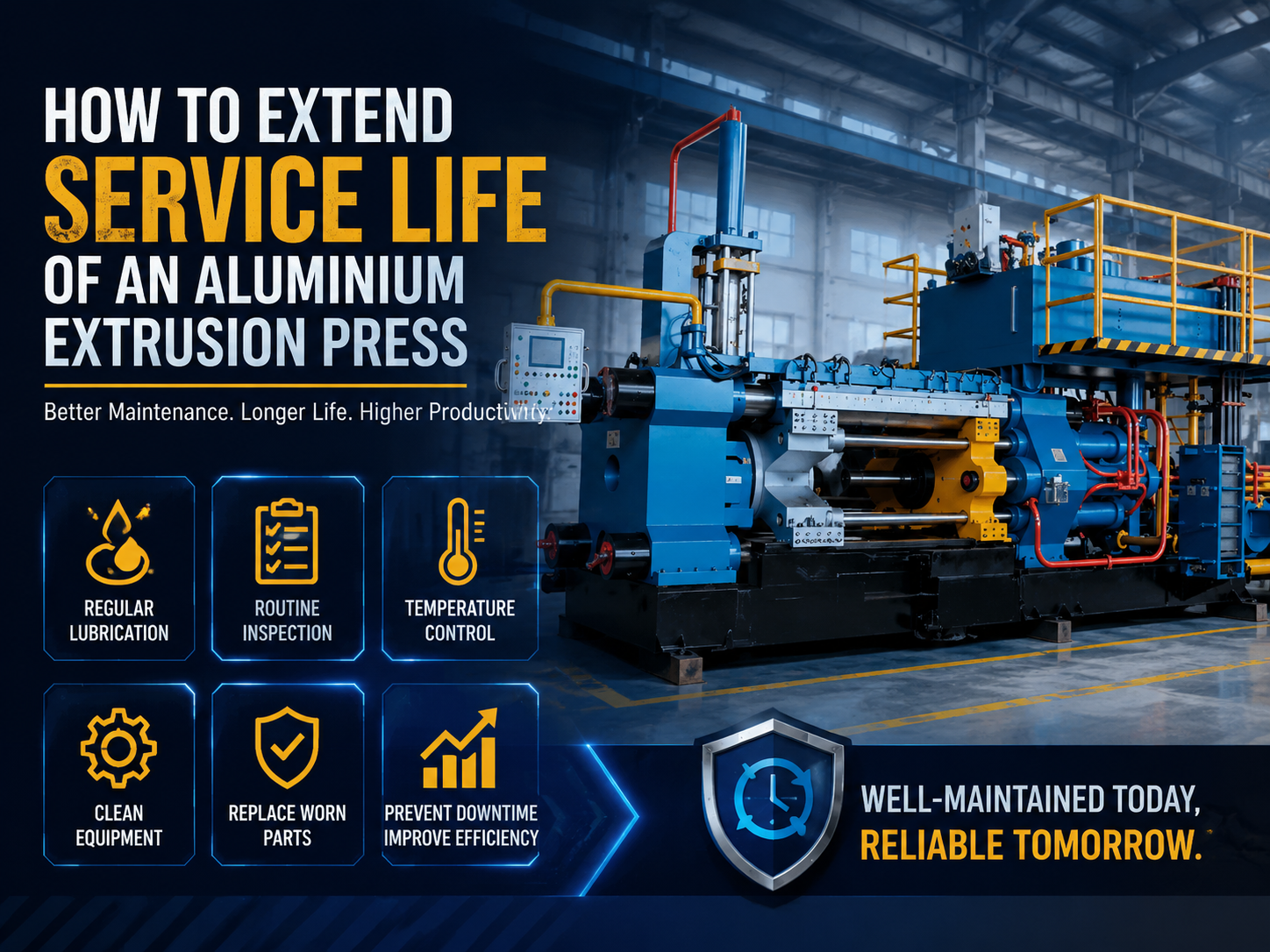
The Critical Importance of Maintenance for Aluminium Extrusion Presses
An aluminium extrusion press is a significant capital investment for any metal fabrication facility. These machines operate under extreme conditions, including high pressure, intense heat, and continuous mechanical stress. Understanding how to extend service life of an aluminium extrusion press is not just about saving money on repairs; it is about ensuring operational safety, maintaining product quality, and maximizing the Return on Investment (ROI). When a press is well-maintained, it operates with higher precision, consumes less energy, and experiences significantly less unplanned downtime.
The lifespan of an industrial press is directly proportional to the quality of its maintenance regime. Neglect leads to a cascade of failures: a small hydraulic leak can lead to pump cavitation, which then causes overheating, eventually resulting in the failure of expensive seals and valves. By implementing a proactive maintenance strategy, manufacturers can push the operational life of their HARSLE equipment well beyond the standard industry expectations. This guide provides a deep dive into the technical requirements and best practices for preserving your machinery.
Furthermore, the economic impact of downtime in a high-volume extrusion line can be devastating. A single day of lost production can cost thousands of dollars in missed deadlines and wasted energy. Beyond the financial aspect, a poorly maintained press poses a safety risk to operators. High-pressure hydraulic systems and heavy moving parts require absolute structural integrity. Therefore, extending the service life of your press is a multi-faceted goal that encompasses financial, operational, and safety objectives.
In the following sections, we will explore the specific steps required to keep your aluminium extrusion press in peak condition. From daily visual checks to complex hydraulic analysis, every action contributes to the long-term health of the machine. Whether you are operating a new HARSLE press or managing an older fleet, these principles remain the cornerstone of industrial excellence.
Daily Inspection: The First Line of Defense
The most effective way to extend service life of an aluminium extrusion press is through consistent, daily inspections. These checks allow operators to identify potential issues before they escalate into catastrophic failures. A daily walk-around should be mandatory before every shift. Operators should look for signs of hydraulic fluid leaks around the main cylinder, pumps, and valve blocks. Even a small puddle can indicate a loose fitting or a worn seal that needs immediate attention.
Visual inspections should also include the state of the extrusion stem and the container. Check for any signs of scoring or unusual wear patterns. The alignment of the stem with the container is critical; even a slight deviation can cause uneven wear on the dummy block and the container liner. Additionally, operators should listen for unusual noises. High-pitched whining often indicates pump cavitation or air in the hydraulic lines, while clunking sounds might suggest mechanical looseness in the tie rods or the die slide mechanism.
Temperature monitoring is another vital part of the daily routine. Check the temperature of the hydraulic oil and the main motor bearings. Modern HARSLE presses often come equipped with digital sensors, but manual verification is always a good backup. If the oil temperature is consistently higher than the recommended operating range, it could indicate a failure in the cooling system or excessive internal friction within the pumps. Addressing these thermal issues early prevents the premature degradation of hydraulic fluid and seals.
Finally, ensure that the work area is clean. Accumulations of aluminium dust, scale, and debris can infiltrate sensitive mechanical parts and hydraulic reservoirs. A clean machine is easier to inspect and less prone to external contamination. Daily cleaning of the die slide area and the platen faces ensures that the die sits flush, preventing flash and reducing the stress on the press structure during the extrusion cycle.
Hydraulic System Maintenance and Oil Quality
The hydraulic system is the heart of the aluminium extrusion press. To extend service life of an aluminium extrusion press, one must prioritize the health of the hydraulic fluid and the components that move it. Hydraulic oil serves three main purposes: transmitting power, lubricating moving parts, and carrying heat away from the system. Over time, oil degrades due to oxidation, thermal stress, and contamination. Regular oil analysis is essential to monitor the ISO cleanliness levels and the chemical composition of the fluid.
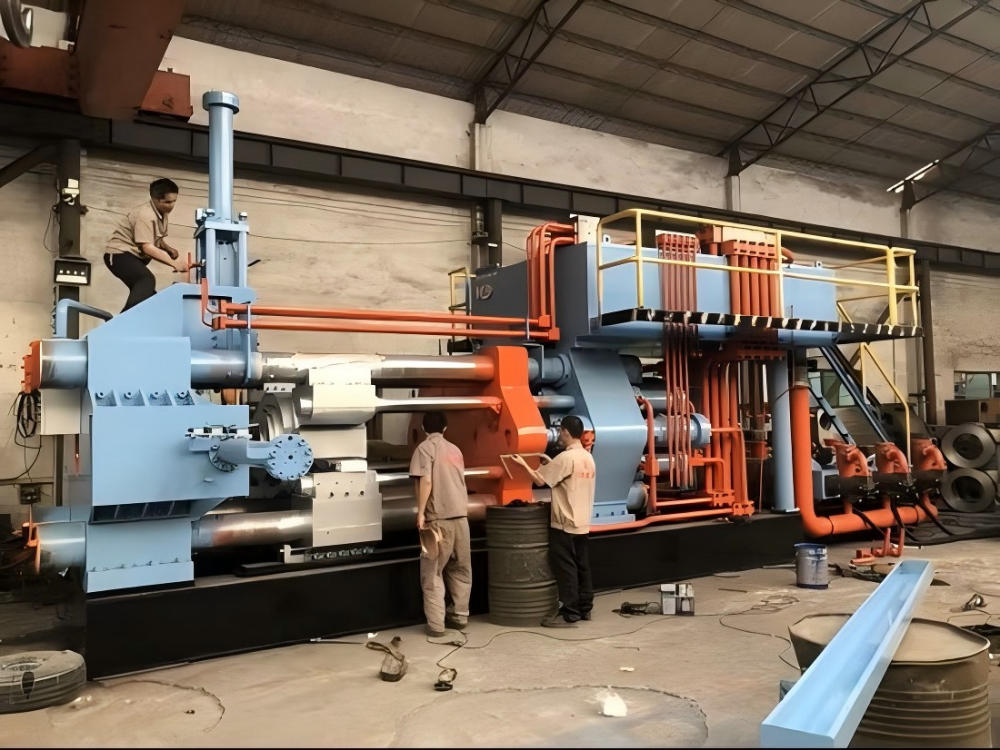
Contamination is the leading cause of hydraulic component failure. Microscopic particles of metal, rubber, and dust can act as an abrasive, wearing down the precision-engineered surfaces of pumps and valves. It is crucial to replace hydraulic filters according to the manufacturer’s schedule, or even more frequently if the environment is particularly dusty. High-quality, high-efficiency filters are a small investment that protects very expensive components like axial piston pumps and proportional valves.
In addition to filtration, maintaining the correct oil temperature is paramount. If the oil becomes too hot, its viscosity drops, leading to inadequate lubrication and increased wear. If it becomes too cold, the oil may be too thick to flow properly, causing pump starvation. The heat exchanger (cooler) must be inspected regularly for clogs or leaks. In water-cooled systems, ensure the water flow is adequate and the internal tubes are free of scale buildup. In air-cooled systems, keep the cooling fins clean and the fans operational.
Lastly, check the integrity of all hydraulic hoses and hard lines. Hoses have a finite lifespan and can become brittle over time due to heat and pressure cycles. Look for signs of bulging, cracking, or abrasion. A burst hose not only causes an immediate shutdown but also presents a significant fire hazard, especially near the heated container and die areas. Replacing hoses proactively every few years is a standard best practice for extending the overall service life of the press.
Electrical and Control System Integrity
Modern aluminium extrusion presses rely heavily on sophisticated electrical systems and Programmable Logic Controllers (PLCs). While these components don’t suffer from mechanical wear in the traditional sense, they are susceptible to heat, dust, and vibration. To extend service life of an aluminium extrusion press, the electrical cabinets must be kept clean and cool. Dust accumulation on circuit boards can cause short circuits or prevent proper heat dissipation, leading to component failure.
Regularly inspect the wiring and connections within the control panels. Vibrations from the press can cause terminal screws to loosen over time, leading to intermittent signals or electrical arcing. A thermographic inspection (using an infrared camera) can identify “hot spots” in the electrical cabinet, which usually indicate a loose connection or an overloaded circuit. Addressing these issues early prevents unexpected downtime and protects the expensive PLC and HMI units.
Sensors and limit switches play a critical role in the safe operation of the press. These devices ensure that the stem, container, and die slide are in the correct positions before the high-pressure cycle begins. If a sensor fails or becomes misaligned, it can lead to a mechanical collision, causing catastrophic damage to the press frame or the extrusion tools. Regularly test all safety interlocks and emergency stop buttons to ensure they are functioning as intended.
Software and firmware updates should also be considered part of the maintenance routine. Manufacturers like HARSLE may release updates that optimize the press cycle, improve energy efficiency, or provide better diagnostic tools. Keeping the control software up to date ensures that the machine is running with the latest logic improvements, which can reduce unnecessary stress on the mechanical and hydraulic systems during the extrusion process.
Mechanical Components and Structural Alignment
The mechanical structure of an aluminium extrusion press must withstand millions of pounds of force. The main cylinder, tie rods, and platens form the backbone of the machine. To extend service life of an aluminium extrusion press, regular checks on the structural alignment are mandatory. If the press is out of alignment, the force is not distributed evenly, leading to excessive wear on the bushings and potential cracking of the main castings or tie rods.
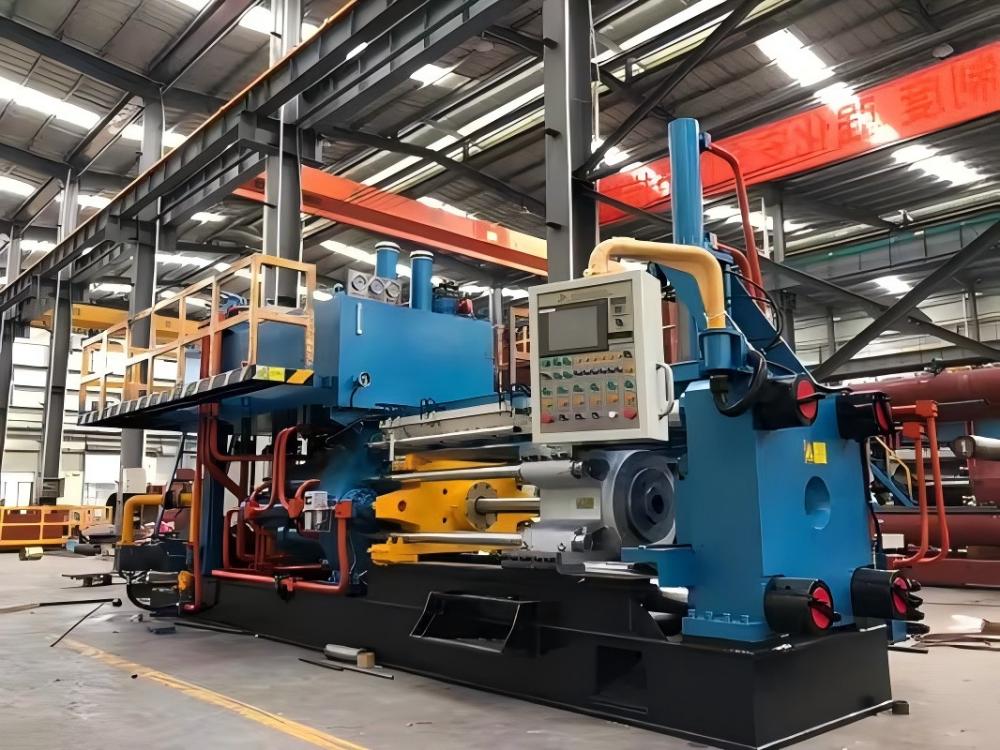
The tie rods are under immense tension during the extrusion stroke. It is important to check the tension of the tie rod nuts periodically. Uneven tension can cause the press to “flex” incorrectly, which puts lateral stress on the main ram. Ultrasonic testing of the tie rods can detect internal fatigue cracks that are not visible to the naked eye, allowing for replacement before a catastrophic failure occurs. This is a specialized service but is highly recommended for presses that have been in service for several years.
The container and the extrusion stem are the primary wear parts. The container liner must be inspected for wear and ovality. A worn liner allows aluminium to leak past the dummy block (back-extrusion), which wastes material and can damage the stem. The stem itself must be perfectly straight. Even a minor bend in the stem will cause it to rub against the container wall, generating heat and causing rapid wear. Regularly measuring the stem’s runout and the container’s internal diameter is a key part of mechanical maintenance.
Finally, pay attention to the die slide and the tool carrier. These components move frequently and are exposed to high temperatures and extrusion lubricants. Ensure that the ways and guides are clean and well-lubricated. Any play or “slop” in the die slide mechanism can result in poor profile quality and increased stress on the press platens. Replacing wear plates and adjusting the gibs will keep the movement smooth and precise, protecting the larger structural components of the machine.
Developing a Robust Lubrication Plan
Lubrication is often overlooked, yet it is one of the simplest ways to extend service life of an aluminium extrusion press. A proper lubrication plan involves using the right lubricant, in the right amount, at the right time. Different parts of the press require different types of grease or oil. For example, the high-temperature environment of the container and die area requires specialized lubricants that won’t break down or carbonize under heat.
The main ram and the container shifting cylinders have large sliding surfaces that must be kept coated with a film of clean oil. Automated lubrication systems are common on HARSLE presses and should be checked daily to ensure they are delivering the correct dosage. If the system is blocked, the sliding surfaces will quickly gall and score, leading to expensive repairs. Manually grease points, such as the die slide pivots and the loader arm bearings, should be serviced according to a strict schedule.
It is also important to avoid over-lubrication. Excess grease can attract aluminium dust and scale, creating an abrasive paste that actually accelerates wear. Furthermore, excess lubricant can leak into the hydraulic system or contaminate the aluminium profiles. A clean, controlled application of lubricant is the goal. Use high-quality synthetic greases where appropriate, as they offer better thermal stability and longer service intervals than conventional mineral-based products.
Keep a detailed log of all lubrication activities. This log should include the date, the type of lubricant used, and the quantity. This not only ensures that no points are missed but also helps in troubleshooting. If a bearing fails prematurely, the lubrication log can help determine if the failure was due to lack of grease or if a different type of lubricant is required for that specific application.
Troubleshooting Signals: Recognizing Early Warnings
To truly extend service life of an aluminium extrusion press, operators and maintenance staff must become “attuned” to the machine. Early warning signals are often subtle but, if caught, can prevent major breakdowns. One of the most common signals is a change in the cycle time. If the press is taking longer to complete a stroke, it could indicate a loss of hydraulic efficiency, a dragging mechanical component, or a failing pump.
Vibration is another key indicator. While some vibration is normal during high-pressure extrusion, any new or increasing vibration should be investigated. It could be caused by a loose mounting bolt, an unbalanced motor, or internal damage to a hydraulic valve. Using a handheld vibration analyzer can help quantify these changes and identify the source. Similarly, monitoring the electrical current draw of the main motors can reveal if the machine is working harder than usual to overcome internal friction.
The quality of the extruded aluminium profile also provides clues about the press’s health. If the profiles are consistently off-gauge or show surface defects like “pick-up” or streaks, it may indicate that the container is not heating evenly, the stem is misaligned, or the hydraulic pressure is fluctuating. By linking product quality to machine condition, you can use the output of the press as a diagnostic tool for its internal health.
Lastly, pay attention to the hydraulic oil’s appearance. If the oil looks milky, it is contaminated with water. If it looks dark and smells burnt, it has been subjected to excessive heat. If there are visible metal flakes, a component is actively disintegrating. Regular visual checks of the oil in the sight glass, combined with professional laboratory analysis, provide a clear window into the internal state of the hydraulic system.
Maintenance Schedule Table
A structured maintenance schedule is the backbone of any longevity strategy. Below is a recommended framework for HARSLE aluminium extrusion presses.
| Frequency | Component | Action Required |
|---|---|---|
| Daily | Hydraulic System | Check oil level, temperature, and look for leaks. |
| Daily | Mechanical | Inspect stem alignment and clean die slide area. |
| Weekly | Filters | Check pressure gauges on filters; replace if necessary. |
| Weekly | Lubrication | Manually grease loader arms and auxiliary pivots. |
| Monthly | Electrical | Clean control cabinets and inspect cooling fans. |
| Monthly | Hydraulic Oil | Take a sample for laboratory analysis (cleanliness/viscosity). |
| Quarterly | Tie Rods | Check nut tightness and inspect for visible cracks. |
| Quarterly | Cooling System | Clean heat exchanger fins or flush water tubes. |
| Annually | Structural | Perform ultrasonic testing on tie rods and main cylinder. |
| Annually | Calibration | Recalibrate pressure transducers and temperature sensors. |
Frequently Asked Questions (FAQ)
1. How long does an aluminium extrusion press typically last?
With professional maintenance, a high-quality press from HARSLE can last 25 to 30 years or more. Many presses are still in operation after 40 years, though they often require hydraulic and control system upgrades to remain competitive in terms of speed and energy efficiency.
2. What is the most common cause of press failure?
Hydraulic contamination is the leading cause of failure. Small particles damage the precision surfaces of pumps and valves, leading to a loss of pressure and eventual system breakdown. Regular oil filtration and analysis are the best ways to prevent this.
3. How often should I change the hydraulic oil?
Oil should not be changed based on time alone, but rather on its condition. Regular oil analysis will tell you when the additives are depleted or when contamination levels are too high. However, in typical environments, a full oil change might occur every 2 to 5 years if filtration is excellent.
4. Can I upgrade an old press to extend its life?
Yes, retrofitting is a great way to extend service life. Replacing old relay-based controls with modern PLCs and installing new, high-efficiency variable speed pumps can make an old press perform like a new one at a fraction of the cost.
5. Why is stem alignment so important?
Stem alignment ensures that the force of the press is directed perfectly through the center of the container. Misalignment causes the stem to rub against the container, leading to rapid wear of both parts and potentially causing the stem to snap under high pressure.
6. How does heat affect the service life of the press?
Excessive heat degrades hydraulic oil, hardens seals (making them brittle), and can cause thermal expansion issues in the mechanical frame. Maintaining a stable operating temperature is critical for protecting all non-metallic components and ensuring consistent extrusion quality.


