Aluminium Extrusion Press Die Maintenance Tips to Improve Output Quality: A Comprehensive Guide

The Critical Role of Die Maintenance in Aluminium Extrusion
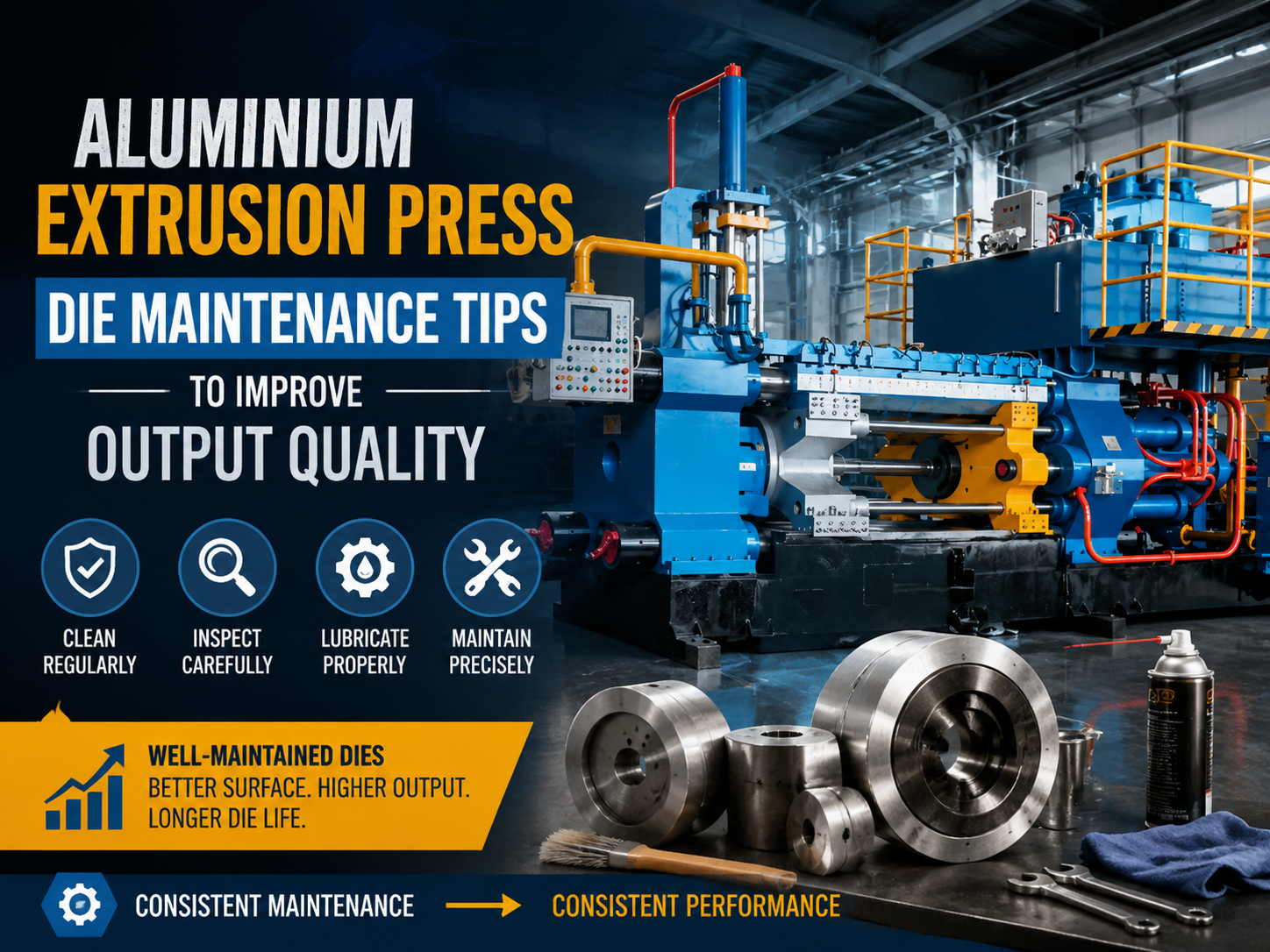
In the world of metal fabrication, the die is often referred to as the heart of the extrusion process. For operators using a HARSLE aluminium extrusion press, understanding that the quality of the final profile is directly proportional to the condition of the die is paramount. Implementing effective Aluminium Extrusion Press Die Maintenance Tips Improve Output Quality by ensuring that the metal flows smoothly, dimensions remain within tight tolerances, and surface finishes meet industrial standards. Without a rigorous maintenance protocol, even the most advanced extrusion press will fail to produce high-grade architectural or industrial profiles.
Maintenance is not merely about cleaning; it is a holistic approach involving thermal management, chemical treatment, and mechanical inspection. The high pressures and temperatures inherent in the extrusion process subject the die to immense stress. Over time, this leads to wear, deformation, and the accumulation of aluminium oxides. By prioritizing maintenance, facilities can significantly extend the lifespan of their expensive tooling, reducing the total cost of ownership and increasing the overall equipment effectiveness (OEE) of their HARSLE machinery.
Furthermore, consistent die maintenance reduces the frequency of “die changes,” which are notorious for causing downtime. When a die is well-maintained, it performs predictably, allowing production managers to schedule runs with confidence. This reliability is essential for meeting just-in-time delivery requirements in competitive markets like automotive manufacturing or aerospace components. In this guide, we will explore the specific strategies required to keep your dies in peak condition.
Finally, it is important to recognize that die maintenance is a collaborative effort between the die shop and the press operators. The feedback loop between the two departments ensures that issues observed during the extrusion run—such as surface tearing or dimensional drift—are addressed during the next maintenance cycle. This proactive approach is the cornerstone of modern industrial excellence.

Why Maintenance Importance Cannot Be Overstated
The primary reason to focus on Aluminium Extrusion Press Die Maintenance Tips Improve Output Quality is the prevention of surface defects. Aluminium is a soft metal that easily picks up imperfections from the die land. If the die land is scratched, pitted, or coated with oxidized aluminium, these defects will be transferred directly onto the extruded profile. This results in “die lines” or “pick-up,” which often lead to the rejection of the entire batch, especially for anodized finishes where every scratch is magnified.
Another critical factor is dimensional stability. As a die wears down, the “bearing” surfaces change, which can alter the flow speed of the aluminium through different parts of the die. This leads to twisting, bowing, or wall thickness variations. Regular maintenance, including checking the flatness of the die face and the integrity of the support tools (like backers and bolsters), ensures that the pressure is distributed evenly, maintaining the geometric integrity of the profile throughout the production run.
Thermal fatigue is a silent killer of extrusion dies. The constant cycling between pre-heating temperatures (around 450°C) and the actual extrusion temperature (which can rise due to friction) causes the steel to expand and contract. Without proper stress-relieving and controlled cooling cycles—key components of a maintenance plan—the die will eventually develop cracks. Once a crack forms, the die is usually beyond repair, leading to expensive replacements and lost production time.
Lastly, the chemical aspect of maintenance, specifically nitriding, is vital. Nitriding creates a hard, wear-resistant layer on the surface of the H13 tool steel. However, this layer wears off during use. A structured maintenance schedule includes periodic re-nitriding to replenish this protective skin. This not only improves the flow of the metal but also prevents the aluminium from chemically bonding to the steel, a phenomenon known as “soldering.”
Daily Inspection: The First Line of Defense
Daily inspections are the most effective way to catch minor issues before they escalate into catastrophic failures. Before any die is loaded into the HARSLE extrusion press, it must undergo a visual audit. Operators should look for any signs of residual aluminium from previous runs, especially in the ports and pockets. Even a small amount of leftover metal can cause a “cold weld” issue or block the flow, leading to an unbalanced extrusion.
Temperature monitoring is another crucial daily task. A die must be pre-heated to the correct temperature in a die oven before being placed in the press. If the die is too cold, the initial “breakthrough” pressure will be excessively high, potentially cracking the die or damaging the press stem. Conversely, if the die is overheated, the aluminium will flow too fast, leading to surface tearing. Daily logs should record the oven time and temperature for every die used in the shift.
During the extrusion process, the operator should constantly monitor the “butt” (the leftover piece of the billet). The appearance of the butt can tell you a lot about the die’s health. For example, an uneven butt thickness suggests that the die is not sitting square in the press or that the container is misaligned. These mechanical issues, if not caught daily, will cause premature wear on one side of the die bearing.
Post-run inspection is equally important. Once the die is removed, it should be allowed to cool naturally in a controlled environment—never quenched in water, which causes thermal shock. Once cooled, the die should be inspected for “bearing wash,” where the sharp edges of the die land have become rounded. Identifying this early allows the die shop to perform minor corrections rather than a major overhaul.
Hydraulic, Electrical, and Mechanical Checks
Hydraulic System Integrity
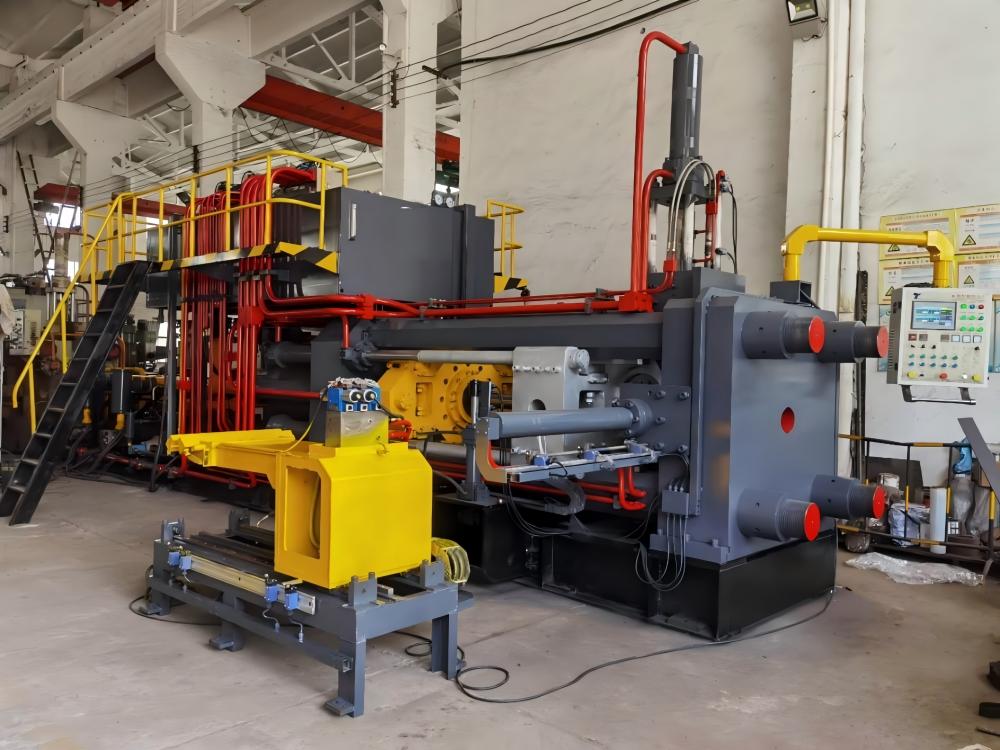
While the die is the focus, the HARSLE press’s hydraulic system provides the force that drives the process. Aluminium Extrusion Press Die Maintenance Tips Improve Output Quality must include checking the hydraulic pressure stability. Fluctuations in pressure can cause “surging” in the extrusion speed, which leads to visible bands on the profile. Ensure that the hydraulic oil is clean and that filters are replaced according to the manufacturer’s guidelines. Contaminated oil can lead to valve lag, making it impossible to maintain the precise speeds required for complex die geometries.
Electrical and Control Systems
Modern extrusion presses rely on sophisticated PLC (Programmable Logic Controller) systems to manage the speed and pressure curves. Electrical maintenance involves checking the calibration of the pressure transducers and the ram speed sensors. If the sensors are giving false readings, the press might be pushing harder than necessary, putting undue stress on the die. Additionally, ensure that the heating elements in the die slide and the container are functioning correctly to maintain the “isothermal” extrusion environment necessary for high-quality output.
Mechanical Alignment and Wear
The mechanical alignment of the press is the foundation of die longevity. The “press centerline”—consisting of the ram, the container, and the die—must be perfectly collinear. If the container is slightly off-center, it will apply asymmetrical pressure to the die face, causing the die to tilt or deflect. This results in profiles that are out of dimension. Regularly check the wear plates on the die slide and the container housing. Any excessive play in these components will translate into vibrations that degrade the surface finish of the aluminium.
Comprehensive Lubrication Plan for Extrusion Tooling
Lubrication in aluminium extrusion is a delicate balance. Too little lubrication leads to friction and heat; too much can lead to inclusions and surface contamination. A professional lubrication plan focuses on three areas: the dummy block, the die face (in specific cases), and the shear blade. For the dummy block, a thin, even coating of boron nitride or a similar high-temperature lubricant prevents the billet from sticking to the press stem, ensuring a clean separation after the stroke.
The die itself generally does not require lubrication on the bearing surfaces, as the aluminium should flow through the nitrided steel. However, the “die slide” and the moving parts of the die changer must be lubricated with heavy-duty industrial grease to ensure smooth movement. This prevents mechanical sticking, which can delay production and cause safety hazards. The lubrication schedule should be strictly followed, with specific lubricants chosen for their ability to withstand the extreme heat near the container.
It is also important to consider the lubrication of the shear blade. The shear blade cuts the butt from the back of the die. If the blade is not properly lubricated, it can drag across the die face, causing scratches or leaving behind debris that will be pushed into the next billet. Using a spray-mist lubrication system for the shear blade is a common best practice that keeps the cut clean and protects the die’s rear surface.
Troubleshooting Signals: Identifying Die Issues Early
Recognizing the early warning signs of die failure is a skill every operator should master. One of the most common signals is “pick-up,” which appears as small, silver specks of aluminium welded to the profile surface. This usually indicates that the nitrided layer on the die has worn thin or that the die temperature is too high. If pick-up is detected, the die should be pulled for cleaning and potentially re-nitriding.
Another signal is “die lines,” which are continuous longitudinal scratches. These are caused by particles of oxide or foreign matter trapped on the die land. While some die lines are inevitable, a sudden increase in their depth or frequency suggests that the die land needs to be polished. In a HARSLE press environment, maintaining a high-quality finish is essential for customers who require decorative anodizing, so die lines must be addressed immediately.
Dimensional inaccuracies, such as a hollow profile’s wall becoming thinner on one side, often point to “die deflection.” This happens when the die or its supporting tools (backers) are not strong enough to resist the extrusion pressure, or when they have become deformed over time. If the dimensions start to drift, it is time to check the flatness of the bolsters and the alignment of the die stack. Ignoring these signals can lead to a total collapse of the die mandrels in hollow sections.
Detailed Maintenance Schedule Table
| Component | Maintenance Task | Frequency | Goal / Benefit |
|---|---|---|---|
| Die Land / Bearing | Visual inspection for pick-up and scratches | Every Shift | Prevent surface defects and die lines |
| Die Oven | Calibration of temperature sensors | Monthly | Ensure correct pre-heating temperatures |
| Die Surface | Caustic soda cleaning and polishing | After every run | Remove residual aluminium and oxides |
| Die Steel (H13) | Nitriding / Re-nitriding | Every 500-1000 cycles | Increase wear resistance and metal flow |
| Press Alignment | Laser alignment of ram, container, and die | Quarterly | Maintain dimensional tolerances |
| Hydraulic System | Oil analysis and filter replacement | Every 2000 hours | Ensure smooth, consistent extrusion speed |
| Shear Blade | Sharpening and lubrication check | Weekly | Ensure clean butt separation |
Frequently Asked Questions (FAQ)
How often should an aluminium extrusion die be nitrided?
The frequency of nitriding depends on the complexity of the profile and the type of alloy being extruded. Generally, a new die should be nitrided before its first use, and then re-nitrided after a specific volume of aluminium has passed through it (typically every 500 to 1,000 billets). Regular nitriding maintains the surface hardness and prevents the aluminium from sticking to the die land.
What is the best way to clean residual aluminium from a die?
The standard industrial method is using a caustic soda (sodium hydroxide) bath. The die is submerged in a heated solution which chemically dissolves the aluminium without attacking the H13 tool steel. After the bath, the die must be thoroughly rinsed, dried, and lightly oiled to prevent rusting. It is crucial to follow safety protocols when handling caustic chemicals.
Why is my HARSLE press producing profiles with wavy edges?
Wavy edges, or “speed cracks,” are often a sign that the metal is flowing too fast at the edges compared to the center. This can be caused by an overheated die, excessive press speed, or a die bearing that has worn unevenly. Check your temperature settings and inspect the die bearing for wear. Adjusting the “bearing length” in the die shop can also help balance the flow.
Can I use water to cool down a hot die quickly?
No, you should never use water to quench a hot extrusion die. The rapid temperature drop causes extreme thermal stress, which leads to immediate cracking or long-term structural weakness. Dies should always be allowed to cool naturally in still air or in a controlled cooling station to preserve the integrity of the tool steel.
How does die maintenance affect the energy consumption of the press?
A well-maintained, polished, and properly nitrided die reduces friction. Lower friction means the HARSLE press requires less hydraulic pressure to push the aluminium through the die. This results in lower energy consumption per ton of extruded metal, contributing to a more sustainable and cost-effective manufacturing process.