Essential Technical Specifications Review In An Aluminium Extrusion Press: A Comprehensive Guide

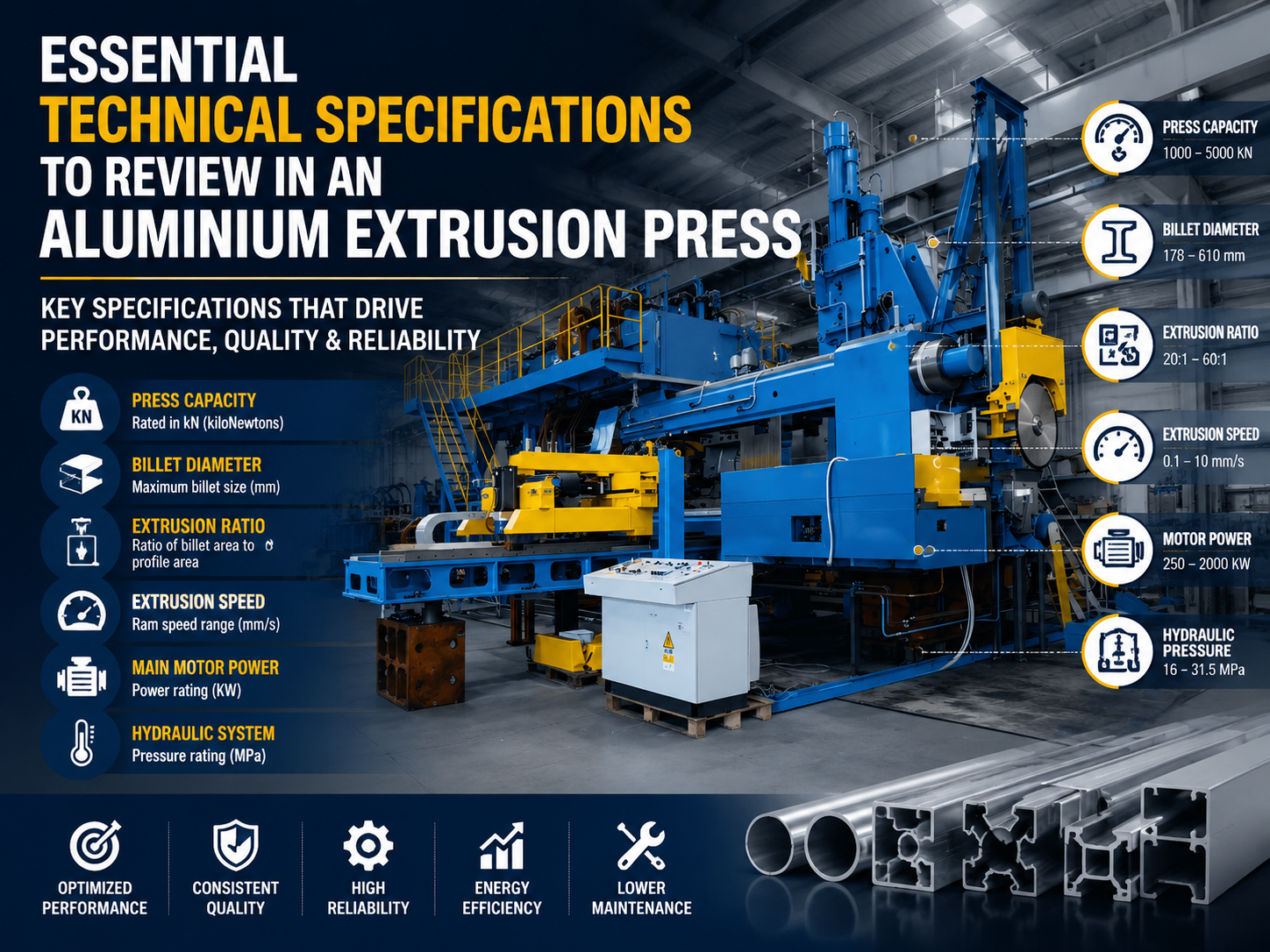
Introduction to Aluminium Extrusion Press Specifications
In the modern landscape of metal fabrication, the aluminium extrusion press stands as a cornerstone of industrial production. Whether you are manufacturing architectural profiles, automotive components, or aerospace parts, the efficiency and quality of your output depend heavily on the machinery you select. Conducting an Essential Technical Specifications Review In An Aluminium Extrusion Press is not merely a preliminary step; it is a critical strategic move that determines your long-term profitability and operational stability.
An aluminium extrusion press is a complex assembly of hydraulic, mechanical, and electronic systems. Understanding how these systems interact—and more importantly, how their specifications align with your production goals—is the difference between a high-yield facility and one plagued by downtime and scrap. This guide is designed to walk you through every technical nuance, from tonnage and hydraulic pressure to automation levels and energy consumption, ensuring you make an informed investment with HARSLE.
As the demand for lightweight, high-strength aluminium profiles continues to grow globally, manufacturers must look beyond the surface-level features. We will delve into the core components that drive performance, the hidden costs that often surprise new buyers, and the ROI calculations that justify the acquisition of high-end extrusion technology. By the end of this article, you will have a comprehensive framework for evaluating any extrusion press on the market.
Price Range Overview
The price of an aluminium extrusion press varies significantly based on its capacity, technology level, and country of origin. Generally, these machines are categorized by their extrusion force, measured in metric tons (T) or Meganewtons (MN). For a standard industrial setup, prices can range from mid-five figures for small, used units to several million dollars for high-tonnage, fully automated lines.
| Press Capacity (Tons) | Estimated Price Range (USD) | Typical Applications |
|---|---|---|
| 600T – 800T | $150,000 – $350,000 | Small profiles, heat sinks, decorative trim |
| 1000T – 1450T | $400,000 – $750,000 | Window frames, door sections, standard industrial profiles |
| 1800T – 2500T | $800,000 – $1,500,000 | Automotive parts, structural architectural elements |
| 3000T – 5000T+ | $2,000,000 – $5,000,000+ | Heavy transport, aerospace, large-scale infrastructure |
Entry-level machines often feature manual or semi-automatic controls and basic hydraulic systems. While these are cost-effective for startups, they may lack the precision required for high-tolerance industries. Mid-range presses, which are the most common in the market, offer a balance of speed and reliability, often incorporating PLC systems from reputable brands like Siemens or Mitsubishi.
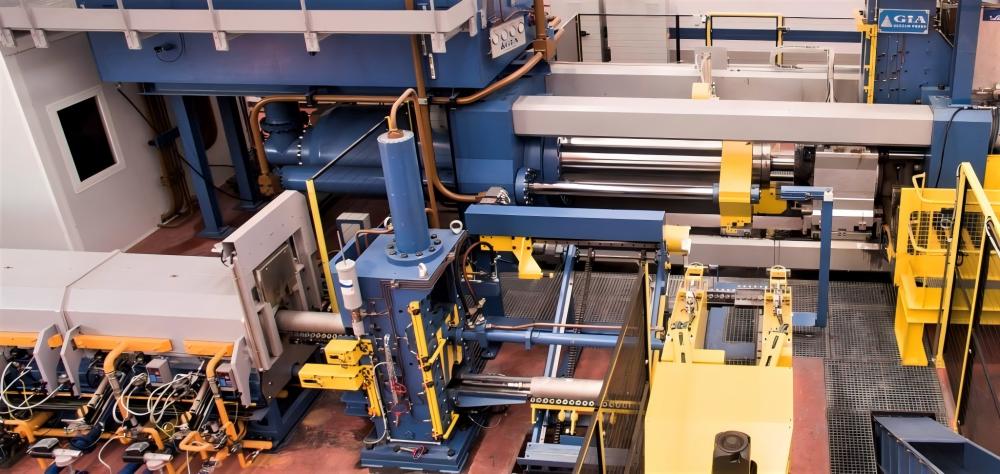
High-end presses are characterized by advanced energy-saving features, such as servo-driven hydraulic pumps and sophisticated cooling systems. These machines command a premium price but offer significantly lower operating costs and higher throughput. When reviewing prices, it is essential to consider the entire production line, including the billet heating furnace, the cooling table, and the puller system, as these are often quoted separately or as part of a turnkey package.
Main Cost Drivers
When performing an Essential Technical Specifications Review In An Aluminium Extrusion Press, it is vital to identify what exactly you are paying for. Several key components and features drive the final price tag of the machinery.
1. Tonnage and Structural Integrity
The primary cost driver is the extrusion force. Higher tonnage requires larger main cylinders, thicker steel frames, and more robust tie-rods. The quality of the steel used in the press frame—specifically whether it is cast steel or forged—impacts both the price and the machine’s lifespan. A press designed for 24/7 operation must have a frame that can withstand immense pressure cycles without fatigue.
2. Hydraulic System Sophistication
The hydraulic system is the heart of the press. High-quality pumps from manufacturers like Rexroth or Parker increase the initial cost but provide superior reliability and precision. Furthermore, the inclusion of servo-hydraulic technology, which allows the pumps to adjust their output based on real-time demand, can add 15-20% to the cost but reduces energy consumption by up to 50%.
3. Billet Heating and Handling
How the aluminium billet is prepared for extrusion is a major cost factor. Induction heating furnaces are more expensive than gas-fired furnaces but offer faster heating times and better temperature uniformity. Additionally, automated billet loading systems reduce labor costs and improve safety, though they require a higher upfront investment.
4. Control Systems and Software
A modern extrusion press is only as good as its software. Advanced HMI (Human Machine Interface) systems that allow for recipe storage, real-time data logging, and remote diagnostics are standard on premium models. These systems ensure consistency across different production runs and simplify the troubleshooting process, but they involve significant licensing and hardware costs.
Configuration Impact on Production Efficiency
The configuration of your extrusion press determines its versatility and the quality of the finished profiles. During your Essential Technical Specifications Review In An Aluminium Extrusion Press, pay close attention to the following configuration options:
Direct vs. Indirect Extrusion
Most standard presses use direct extrusion, where the ram pushes the billet through a stationary die. This is simpler and more common. Indirect extrusion, where the die moves toward the billet, reduces friction and allows for more consistent grain structure in the aluminium. While indirect presses are more complex and expensive, they are often preferred for high-performance alloys used in the aerospace sector.
Cooling Systems
The cooling table is where the profile gains its final mechanical properties. Configurations can range from simple air cooling fans to sophisticated water quench systems. For 6000-series alloys, rapid water quenching is often necessary to achieve the desired T6 temper. The length and type of the cooling table (e.g., felt-covered vs. graphite) also impact the surface finish of the profiles.
Puller Systems
The puller is responsible for guiding the profile out of the die at a constant speed and tension. A single puller is standard, but a double-puller system allows for continuous extrusion without stopping to cut the profile, significantly increasing the “dead cycle” efficiency. This configuration is essential for high-volume production environments where every second of downtime counts.
Die Heating and Changing Systems
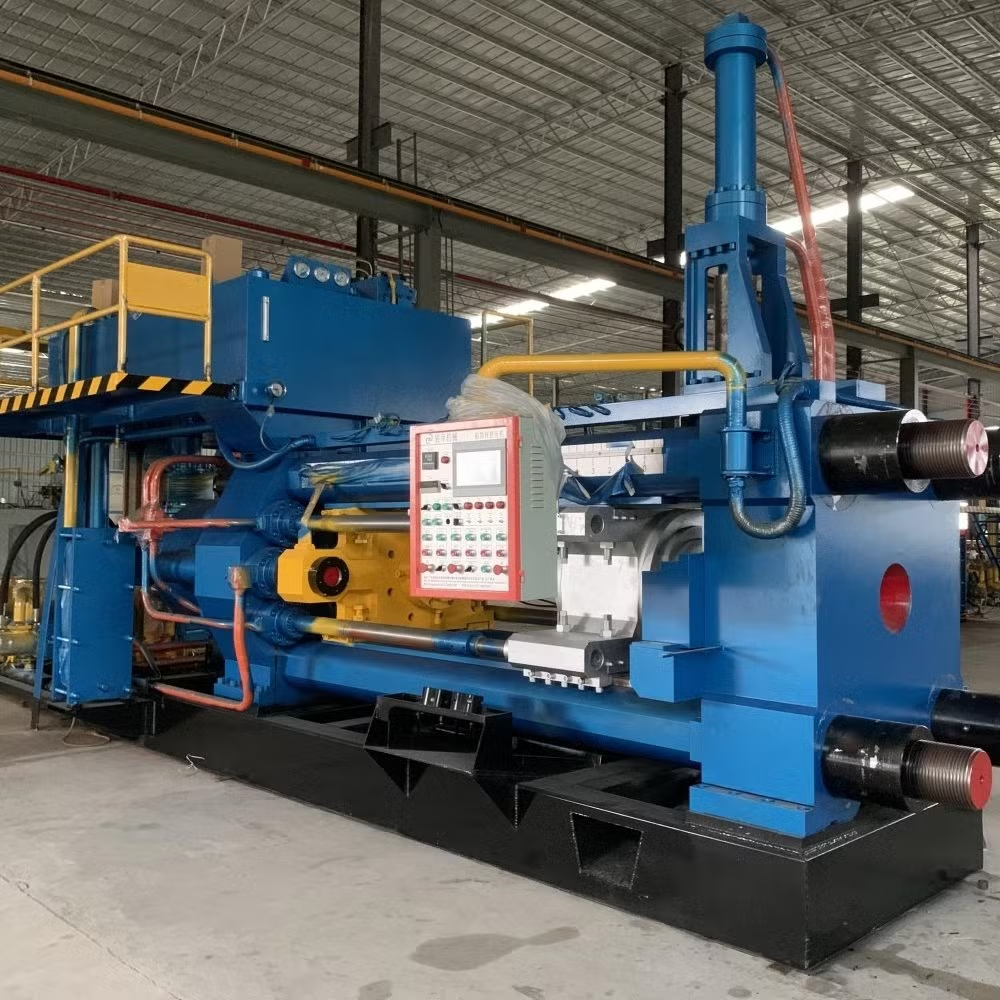
Efficient die management is crucial. Quick-change die systems allow operators to swap dies in minutes rather than hours. Furthermore, integrated die heating ovens ensure that the die is at the optimal temperature before extrusion begins, preventing “cold starts” that can damage the machine or produce scrap material.
Hidden Costs of Owning an Aluminium Extrusion Press
The purchase price is only the beginning. To truly understand the financial commitment, you must account for several hidden costs that are often overlooked during the initial Essential Technical Specifications Review In An Aluminium Extrusion Press.
- Foundation and Installation: An extrusion press requires a specialized reinforced concrete foundation to handle the weight and vibration. This can cost tens of thousands of dollars and requires precise engineering.
- Electrical Infrastructure: These machines consume massive amounts of power. You may need to upgrade your facility’s transformers, switchgear, and cabling to support the press and its auxiliary equipment.
- Consumables and Tooling: Dies, dummy blocks, and containers are consumables that wear out over time. High-quality H13 tool steel dies are expensive, and a large library of dies represents a significant capital tie-up.
- Maintenance and Spare Parts: Hydraulic seals, filters, and sensors require regular replacement. Keeping a stock of critical spare parts is essential to avoid prolonged downtime, which can cost thousands of dollars per hour in lost production.
- Training and Labor: Operating a modern extrusion line requires skilled technicians. Budgeting for initial manufacturer training and ongoing skill development is vital for maintaining high OEE (Overall Equipment Effectiveness).
ROI Calculation: Measuring the Value of Your Investment
Calculating the Return on Investment (ROI) for an aluminium extrusion press involves more than just subtracting the cost from the revenue. You must look at the total cost of ownership (TCO) and the productivity gains provided by the machine’s technical specifications.
1. Productivity Increase: Compare the “dead cycle time” (the time when the press is not extruding) of different models. A press with a 15-second dead cycle versus a 25-second dead cycle can produce significantly more profiles over a year. If your margin per kg of aluminium is $0.50, those extra seconds can translate into hundreds of thousands of dollars in annual profit.
2. Scrap Reduction: Advanced specifications like isothermal extrusion (maintaining a constant temperature throughout the stroke) reduce the amount of “butt end” scrap and improve the yield per billet. Even a 2% improvement in yield can have a massive impact on the bottom line when processing hundreds of tons of aluminium monthly.
3. Energy Savings: As mentioned earlier, servo-hydraulic systems can drastically reduce electricity bills. In regions with high energy costs, the payback period for the additional cost of a servo system can be as short as 18 to 24 months.
4. Market Expansion: A higher tonnage press or one with better cooling capabilities allows you to bid on more complex, higher-margin projects that your competitors might not be able to handle. This strategic advantage is a key component of ROI.
Buying Advice: Essential Technical Specifications Review In An Aluminium Extrusion Press
When you are ready to move forward with a purchase, follow this checklist to ensure your Essential Technical Specifications Review In An Aluminium Extrusion Press is thorough and effective:
- Define Your Product Range: Do not buy more tonnage than you need, but leave room for growth. Analyze the maximum circumscribing circle of the profiles you intend to produce to determine the required container size.
- Verify Component Brands: Ensure that critical components (PLC, pumps, valves, sensors) are from globally recognized brands. This ensures that you can find replacements locally and that the software is well-supported.
- Inspect the Hydraulic Manifold: A well-designed manifold reduces the number of pipes and fittings, which in turn reduces the risk of leaks—the number one maintenance headache in extrusion plants.
- Evaluate the Supplier’s Service Record: Ask for references. A machine is only as good as the support behind it. Does the manufacturer offer remote troubleshooting? How quickly can they get a technician to your site?
- Check for Safety Compliance: Ensure the machine meets CE, UL, or local safety standards. This includes light curtains, emergency stops, and proper guarding around moving parts.
- Consider the Environmental Impact: Look for features like oil cooling systems that reuse water or energy-efficient motors. Not only is this better for the planet, but it also prepares your business for future environmental regulations.
Frequently Asked Questions (FAQ)
What is the most important specification in an aluminium extrusion press?
While tonnage is the most cited spec, the extrusion speed control and dead cycle time are often more important for actual profitability. Precise speed control ensures profile quality, while a low dead cycle time maximizes the number of billets pushed per hour.
How long does an aluminium extrusion press last?
With proper maintenance, a high-quality extrusion press can last 20 to 30 years. Many presses from the 1990s are still in operation today, though they often require hydraulic and electronic retrofits to remain competitive with modern standards.
Can I extrude different alloys on the same press?
Yes, but different alloys require different temperatures, extrusion ratios, and cooling rates. When reviewing specifications, ensure the press has the flexibility in its control system to store multiple “recipes” for different alloys like 6061, 6063, or 7075.
What is the difference between a front-loading and back-loading press?
Front-loading presses are generally more compact and have shorter cycle times because the billet is loaded closer to the container. Back-loading presses are older designs but are sometimes preferred for very large tonnages where space is less of a concern.
How much floor space is required for a complete extrusion line?
A standard 1450T press line, including the furnace, press, cooling table, stretcher, and saw, typically requires a space of at least 50 meters in length and 10 meters in width. Always request a detailed layout drawing from the manufacturer during the technical review phase.
Is automation worth the extra cost?
In almost all cases, yes. Automation in billet handling, die changing, and profile stacking reduces human error, improves safety, and ensures a consistent production pace that manual labor cannot match over an 8-hour shift.
What should I look for in a warranty?
A standard warranty is 12 months, but you should negotiate for coverage on major structural components (like the main cylinder and frame) for 24 to 36 months. Ensure the warranty covers both parts and the labor/travel for the technician.