Comprehensive Guide: How to Choose An Aluminium Extrusion Press Profile Production

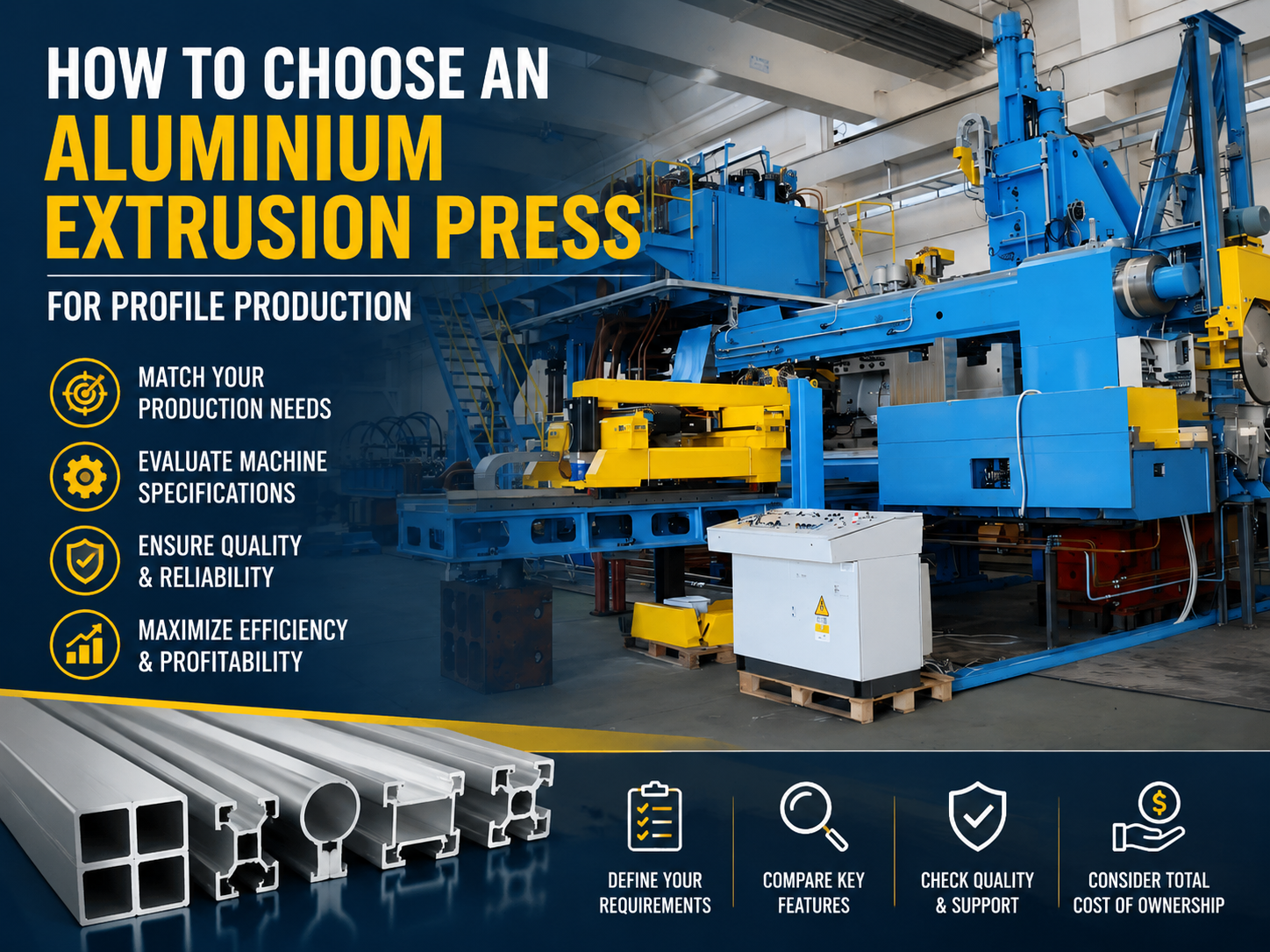
Introduction to Aluminium Extrusion Press Selection
In the modern manufacturing landscape, the ability to produce high-quality aluminium profiles is a cornerstone of industries ranging from aerospace and automotive to construction and consumer electronics. However, the success of these operations hinges on one critical decision: how to choose an aluminium extrusion press profile production setup that aligns with both current needs and future growth. An aluminium extrusion press is a significant capital investment, often serving as the heart of a production line for decades. Therefore, understanding the technical nuances, cost structures, and operational efficiencies is paramount for any facility manager or business owner.
The process of extrusion involves forcing a heated aluminium billet through a shaped die to create a continuous profile. While the concept is simple, the execution requires immense pressure, precise temperature control, and sophisticated automation. Choosing the wrong machine can lead to high scrap rates, excessive energy consumption, and an inability to meet the tight tolerances required by high-end clients. This guide provides a deep dive into the factors that influence the selection process, ensuring you make an informed decision that maximizes your return on investment.
Price Range Overview: Understanding the Market
When you begin to choose an aluminium extrusion press profile production system, the first thing you will notice is the wide variance in pricing. The cost of an extrusion press is primarily determined by its tonnage—the amount of force it can exert on the billet. Generally, presses are categorized into small, medium, and large capacities, each serving different market segments.
| Press Capacity (Tonnage) | Typical Profile Applications | Estimated Price Range (USD) |
|---|---|---|
| 600T – 1000T | Small window frames, decorative trims, heat sinks | $150,000 – $450,000 |
| 1100T – 1800T | Standard architectural profiles, furniture components | $500,000 – $950,000 |
| 2000T – 3500T | Automotive parts, structural beams, solar panel frames | $1,000,000 – $2,500,000 |
| 4000T – 6000T+ | Aerospace components, heavy transport, railway sleepers | $3,000,000+ |
It is important to note that these prices often reflect the press alone. A complete extrusion line, which includes the billet heating furnace, the handling system, the cooling table, and the aging oven, can easily double or triple the initial investment. Entry-level machines from emerging markets may offer lower upfront costs, but established brands like HARSLE emphasize the long-term value of precision engineering and reliable after-sales support.
For a startup or a small-scale workshop, a 600T to 1000T press is often the most logical starting point. These machines are versatile enough to handle a variety of small profiles while maintaining a manageable footprint. Conversely, industrial giants focusing on the electric vehicle (EV) market or large-scale infrastructure projects will require the power and stability of a 2500T+ press to handle larger billets and more complex alloys.
Main Cost Drivers in Extrusion Press Procurement
Beyond the base tonnage, several factors drive the final price of the equipment. Understanding these drivers is essential when you choose an aluminium extrusion press profile production line, as they directly impact both the quality of the output and the operational costs.
1. Hydraulic System Sophistication
The hydraulic system is the muscles of the press. High-end presses utilize variable displacement pumps and servo-driven motors. While more expensive, these systems offer significantly better energy efficiency and faster cycle times. Brands like Rexroth or Vickers are often preferred for their reliability. A press equipped with a modern servo-hydraulic system can reduce energy consumption by up to 30-50% compared to traditional fixed-pump systems.
2. Frame Construction and Material Quality
The structural integrity of the press frame determines its lifespan and precision. Pre-stressed tie-rod designs are common in high-quality presses because they can withstand the immense repetitive stress of extrusion without deforming. The quality of the steel used in the main cylinder and the container also plays a role. High-grade forged steel components will naturally command a higher price than cast alternatives but offer superior durability.
3. Automation and Control Systems
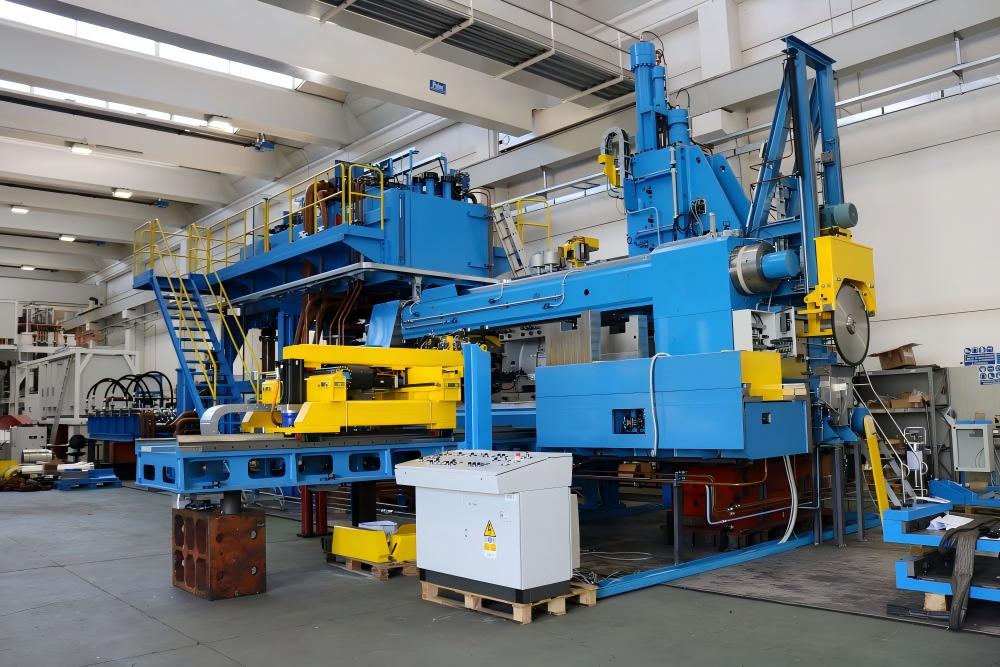
In the era of Industry 4.0, the level of automation is a major cost driver. A basic press might rely on manual controls for billet loading and profile handling. However, a modern production line features PLC-controlled systems (such as Siemens or Mitsubishi) that manage everything from billet temperature to the speed of the puller. Advanced software can store “recipes” for different profiles, allowing for rapid changeovers and consistent quality across different production runs.
4. Billet Heating Technology
How the aluminium billet is heated before entering the press is crucial. Gas-fired furnaces are common for their lower operating costs in certain regions, but induction heating offers much faster ramp-up times and more precise temperature gradients. Multi-log shear systems, which heat a long log and then cut it to the required billet length just before extrusion, are highly efficient but add significant cost to the initial setup.
Configuration Impact on Production Quality
The configuration of your press determines the types of profiles you can produce and the efficiency of your workflow. When you choose an aluminium extrusion press profile production strategy, you must decide between direct and indirect extrusion, as well as the specific auxiliary equipment needed.
Direct vs. Indirect Extrusion
Direct extrusion is the most common method, where the ram pushes the billet through a stationary die. It is versatile and easier to maintain. Indirect extrusion, where the die is pushed into the billet, reduces friction between the billet and the container. This allows for higher extrusion speeds and more uniform grain structures in the finished profile. However, indirect presses are more complex and expensive, usually reserved for specialized high-strength alloys used in the aerospace industry.
The Importance of the Handling System
The press is only as fast as its handling system. A high-speed press paired with a slow manual cooling table will create a bottleneck. Modern configurations include automated pullers that maintain constant tension on the profile as it exits the die, preventing warping. Cooling systems—using air, water mist, or full water baths—must be configured based on the alloy being used. For example, 6000-series alloys require specific cooling rates to achieve the desired mechanical properties (T5 or T6 tempers).
Die Station and Tooling
The ease of die changes is a critical configuration factor. Quick-change die systems allow operators to swap tooling in minutes rather than hours, which is vital for shops that handle many small-batch orders. Additionally, the container heating system must be robust enough to maintain a consistent temperature, preventing “cold spots” that can lead to profile defects or die breakage.
Hidden Costs of Owning an Extrusion Press
The purchase price is just the beginning. To accurately choose an aluminium extrusion press profile production partner, you must account for the “hidden” costs that arise during installation and operation.
- Foundation and Infrastructure: An extrusion press requires a massive, reinforced concrete foundation to handle the vibration and weight. Additionally, you may need to upgrade your factory’s electrical grid and install large-scale cooling towers for the hydraulic fluid.
- Hydraulic Oil: A medium-sized press can require thousands of liters of specialized hydraulic oil. This oil must be filtered and occasionally replaced, representing a recurring maintenance cost.
- Spare Parts Inventory: Critical components like seals, heaters, and sensors should be kept in stock. Downtime on an extrusion line can cost thousands of dollars per hour, making a robust spare parts strategy essential.
- Training and Labor: Operating a modern press requires skilled technicians. Budgeting for initial manufacturer training and ongoing skill development is necessary to ensure the machine is operated safely and efficiently.
- Shipping and Rigging: These machines are incredibly heavy and often shipped in multiple large sections. The cost of transoceanic shipping, customs duties, and the specialized cranes required for rigging can add 10-15% to the total project cost.
ROI Calculation: When Does the Investment Pay Off?
Calculating the Return on Investment (ROI) is the most critical step for any business looking to choose an aluminium extrusion press profile production system. A well-chosen press should pay for itself within 3 to 5 years through increased productivity and reduced waste.
To calculate ROI, consider the following factors:
- Throughput Increase: How many kilograms of finished profile can the new press produce per hour compared to your current method or a lower-end machine?
- Scrap Rate Reduction: Modern presses with precise control systems significantly reduce the “butt end” of the billet and minimize surface defects, leading to a higher yield of saleable material.
- Energy Savings: As mentioned, servo-driven hydraulics can slash electricity bills. In regions with high energy costs, this alone can save tens of thousands of dollars annually.
- Market Expansion: Does the new press allow you to work with harder alloys or larger profiles? Entering high-margin markets like automotive or aerospace can drastically shorten the ROI period.
For example, if a new 1800T press increases your yield by 5% and reduces energy costs by 20%, while allowing you to charge a premium for high-precision profiles, the monthly profit increase can be substantial. When balanced against the monthly financing costs of the machine, the net positive cash flow becomes the primary metric for success.
Expert Buying Advice for Profile Production
When you are ready to choose an aluminium extrusion press profile production unit, follow this checklist to ensure you select the right partner and equipment:
- Define Your Product Range: Don’t buy a press for what you make today; buy it for what you want to make in five years. Analyze the maximum circle size and the wall thickness of the profiles you intend to produce.
- Audit the Manufacturer: Visit the manufacturer’s facility if possible. Check their quality control processes and ask for references from existing customers in your region. A company like HARSLE, with a proven track record in metal fabrication machinery, offers peace of mind.
- Prioritize Serviceability: Ensure that the components (valves, PLCs, motors) are from globally recognized brands. This ensures that you can find replacement parts locally if the manufacturer’s support is delayed.
- Consider the Environment: With increasing regulations on carbon footprints, investing in energy-efficient heating and hydraulic systems is not just good for the planet—it’s a hedge against future carbon taxes and rising energy prices.
- Negotiate the Warranty: A standard one-year warranty is common, but try to negotiate extended coverage on major structural components like the main cylinder and the frame.
Finally, always involve your lead operators in the selection process. They are the ones who will be interacting with the machine daily, and their insights into ergonomics, control interface usability, and maintenance access are invaluable.
Frequently Asked Questions (FAQ)
What is the most common alloy used in aluminium extrusion?
The 6000 series, particularly 6061 and 6063, are the most common. They offer an excellent balance of strength, corrosion resistance, and extrudability, making them ideal for architectural and general-purpose profiles.
How long does an aluminium extrusion press last?
With proper maintenance, a high-quality extrusion press can last 25 to 40 years. Many companies perform “mid-life” retrofits, where they update the hydraulic and control systems while keeping the original heavy steel frame.
Can one press produce different sizes of profiles?
Yes, by changing the die, a single press can produce a wide variety of shapes. However, the size of the profile is limited by the press tonnage and the diameter of the billet container.
What is the difference between a front-loading and back-loading press?
Front-loading presses are generally more compact and faster, as the billet is loaded directly into the container from the front. Back-loading presses are an older design but are still used in certain heavy-duty applications where space is less of a concern.
How much space is required for a full extrusion line?
A complete line, including the furnace, press, cooling table, and saw, typically requires a building length of at least 50 to 80 meters and a width of 15 to 20 meters, depending on the tonnage and the length of the finished profiles.
Why is billet temperature so important?
If the billet is too cold, the press will require excessive pressure, potentially damaging the die. If it is too hot, the aluminium may tear or develop surface defects as it exits the die. Precise temperature control is the key to high-quality extrusion.