Aluminium Extrusion Press Cost Guide: What Affects Price and Value

Introduction to Aluminium Extrusion Press Investment
Investing in an aluminium extrusion press is a monumental decision for any metal fabrication business. Whether you are expanding an existing facility or starting a new production line, understanding the Aluminium Extrusion Press Cost : Affects Price Value is critical for long-term profitability. The market for aluminium profiles is expanding rapidly, driven by the automotive, aerospace, and construction industries. Consequently, the demand for high-quality extrusion machinery has never been higher.
However, the price of an extrusion press is not a single, static figure. It is a complex calculation influenced by engineering precision, material quality, automation levels, and the specific needs of the end-user. At HARSLE, we recognize that our clients need more than just a machine; they need a value-driven solution that balances initial capital expenditure with operational efficiency. This guide aims to demystify the pricing structure of aluminium extrusion presses and provide a clear roadmap for making an informed purchase.
When evaluating the Aluminium Extrusion Press Cost : Affects Price Value, one must look beyond the sticker price. A cheaper machine might lead to higher maintenance costs and lower yield, while a premium machine might offer features that your specific production line doesn’t require. By the end of this article, you will have a comprehensive understanding of what drives these costs and how to maximize the value of your investment.
Price Range Overview: Categorizing by Tonnage
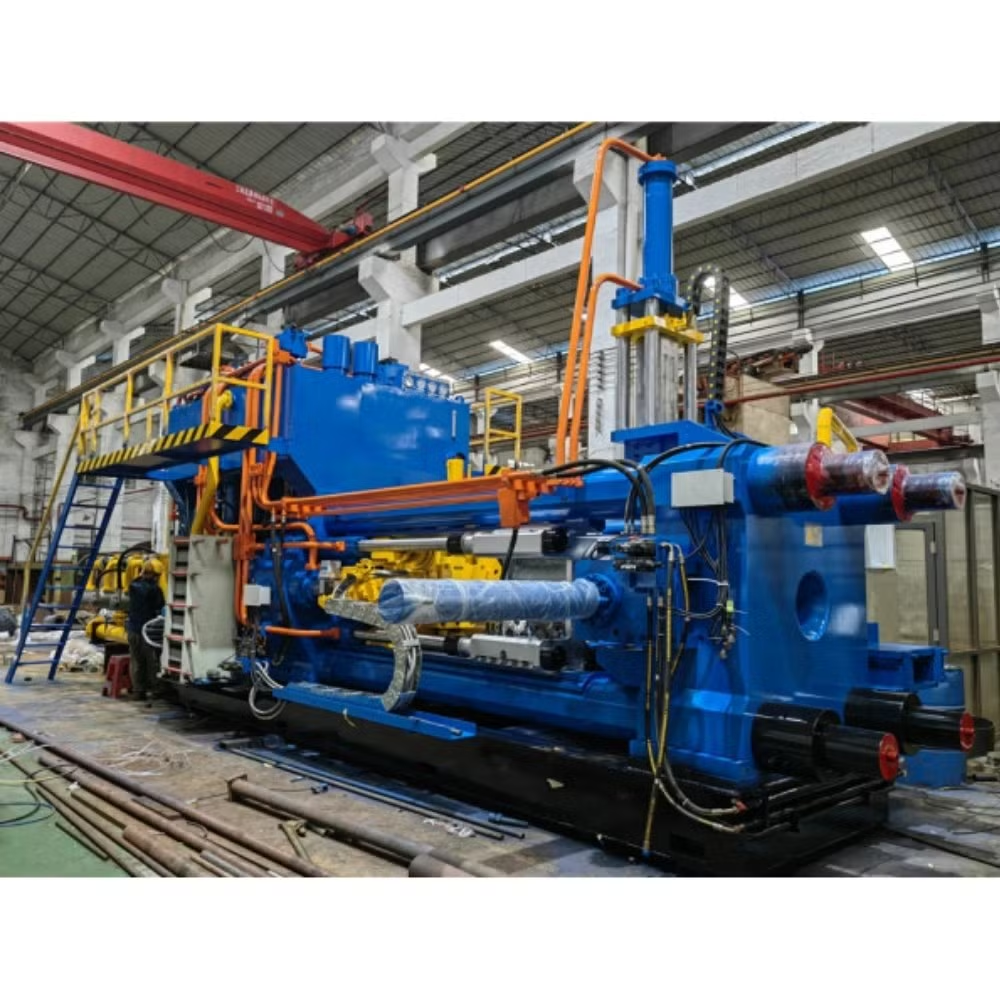
The most significant factor in determining the cost of an aluminium extrusion press is its tonnage, which refers to the amount of pressure the machine can exert on the aluminium billet. Generally, the higher the tonnage, the larger the profiles the machine can produce, and the higher the price tag.
Small-Scale Presses (600T – 1000T)
Small-scale presses are typically used for producing thin-walled profiles, small architectural components, and decorative trims. These machines are the entry point for many fabrication shops. Prices for these units usually range from $150,000 to $450,000, depending on the manufacturer and the level of automation. While they are more affordable, they are limited in the size and complexity of the shapes they can extrude.
Medium-Scale Presses (1100T – 2500T)
This is the most common category for industrial applications, including window frames, door sections, and automotive parts. A 1450T or 1800T press is often considered the “workhorse” of the industry. The Aluminium Extrusion Press Cost : Affects Price Value for this range typically falls between $500,000 and $1,200,000. These machines offer a balance of versatility and speed, making them ideal for businesses with diverse product lines.
Large-Scale and Heavy-Duty Presses (3000T – 10,000T+)
Large-scale presses are specialized machines used for heavy industrial components, such as structural beams for the aerospace industry or large heat sinks for power electronics. These machines are massive engineering feats and can cost anywhere from $2 million to over $10 million. The investment here is significant, but the value lies in the ability to produce high-margin, specialized products that smaller competitors cannot match.
Main Cost Drivers: What You Are Paying For
Understanding the Aluminium Extrusion Press Cost : Affects Price Value requires a deep dive into the components and engineering that make up the machine. Several key factors drive the final price of the equipment.
1. Hydraulic System Quality
The hydraulic system is the heart of the extrusion press. High-end machines utilize components from world-renowned brands like Rexroth or Vickers. These systems offer superior pressure control, faster cycle times, and better energy efficiency. A high-quality hydraulic system can add 15-20% to the initial cost but significantly reduces downtime and energy bills over the machine’s lifespan.
2. Control Systems and PLC
Modern extrusion requires precision. Advanced PLC (Programmable Logic Controller) systems from Siemens or Schneider Electric allow for fine-tuning of extrusion speeds, temperature monitoring, and automated billet loading. The integration of Industry 4.0 features, such as remote monitoring and data analytics, also adds to the cost but provides invaluable insights into production efficiency.
3. Frame Construction and Material
The structural integrity of the press frame is paramount. High-quality steel and precision machining ensure that the press remains aligned even under immense pressure. Cheaper machines may use lower-grade steel or less rigorous welding techniques, which can lead to frame deformation and inaccurate extrusions over time. Investing in a robust frame is essential for maintaining product quality and machine longevity.
4. Pump Technology: Servo vs. Standard
The choice between standard hydraulic pumps and servo-driven pumps is a major cost driver. Servo systems are more expensive upfront but can reduce energy consumption by up to 50%. In regions with high electricity costs, the payback period for a servo system can be as short as 18 months. This is a classic example of how initial cost affects long-term value.
Configuration Impact: Customizing for Performance
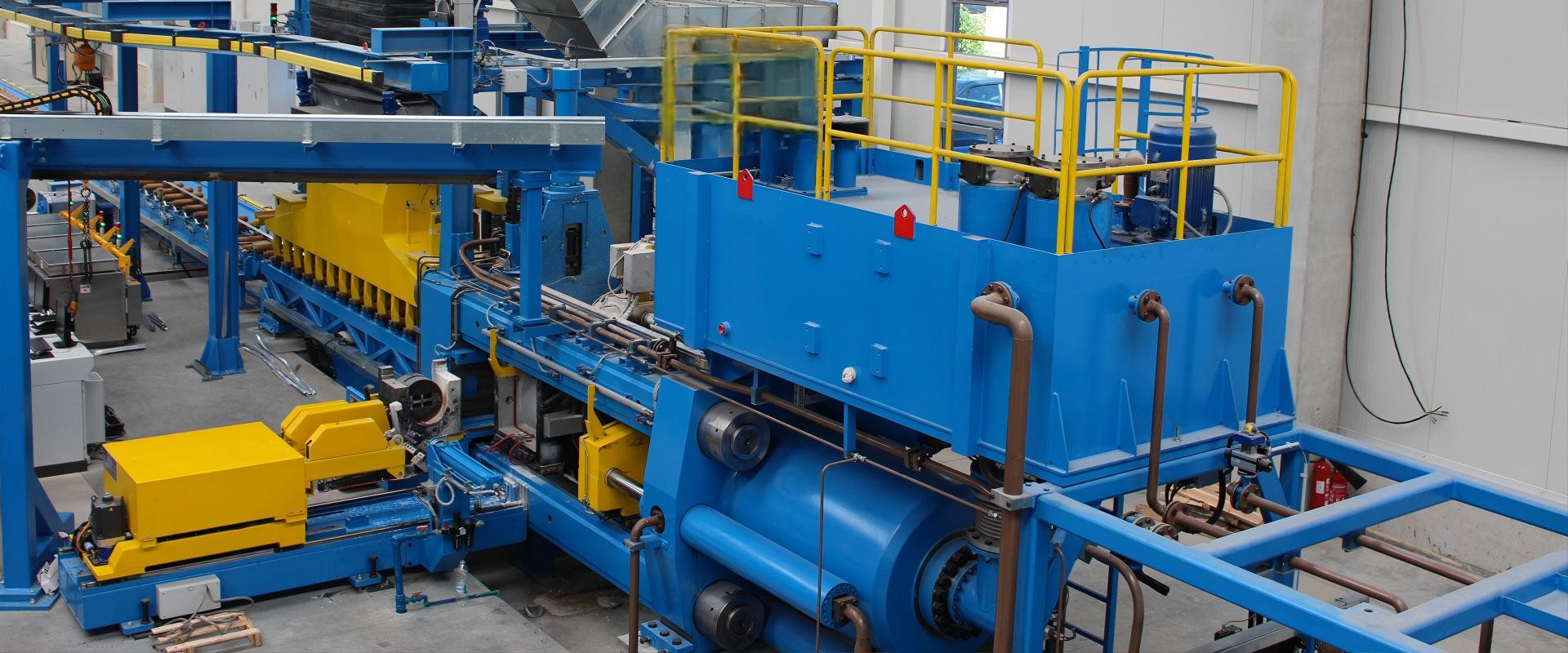
The configuration of the press and the auxiliary equipment included in the package play a vital role in the Aluminium Extrusion Press Cost : Affects Price Value. A “bare-bones” press is rarely sufficient for a modern production environment.
Direct vs. Indirect Extrusion
Most standard presses use direct extrusion, where the ram pushes the billet through a stationary die. Indirect extrusion, where the die is pushed into the billet, offers less friction and more uniform grain structure but is more complex and expensive to manufacture. Choosing the right method depends on the specific alloys and profile requirements of your customers.
Billet Heating and Handling
The cost of the press often includes or is bundled with a billet heating furnace. Options range from simple gas-fired ovens to high-efficiency induction heaters. Induction heating is faster and more precise but carries a higher price tag. Additionally, automated billet loaders and log shears can increase the total project cost by $50,000 to $150,000 but drastically reduce labor requirements.
Cooling and Handling Systems
Once the profile exits the die, it must be cooled and handled. The complexity of the run-out table, cooling fans, water quench systems, and stretchers all contribute to the final price. A fully automated handling system ensures that the profiles are not damaged during the cooling process, preserving the value of the finished product.
Hidden Costs: Beyond the Purchase Price
When calculating the Aluminium Extrusion Press Cost : Affects Price Value, many buyers overlook the secondary expenses associated with commissioning a new machine. These “hidden” costs can easily add 20-30% to the total budget.
- Shipping and Logistics: Extrusion presses are heavy and oversized. Shipping them across oceans and continents requires specialized heavy-lift vessels and inland transport, which can cost tens of thousands of dollars.
- Foundation and Installation: A press requires a reinforced concrete foundation to handle the vibration and weight. Excavation and specialized civil engineering work are often necessary.
- Training and Commissioning: Your staff needs to be trained on the new control systems and safety protocols. While HARSLE provides comprehensive support, the time lost during the learning curve is a cost to consider.
- Tooling and Dies: The press is useless without high-quality dies. Depending on your product range, you may need to invest heavily in a library of custom dies.
- Utility Upgrades: A large press may require upgrades to your facility’s electrical grid or gas lines to handle the increased load.
ROI Calculation: Measuring the Value
The true value of an aluminium extrusion press is measured by its Return on Investment (ROI). To calculate this, you must look at several factors over a 5-to-10-year horizon.
First, consider Productivity Gains. A modern press with a faster dead-cycle time (the time between extrusions) can produce more kilograms of aluminium per hour. If a HARSLE press reduces dead-cycle time by just 10 seconds, that can translate into thousands of extra tons of production over a year.
Second, evaluate Scrap Reduction. Precision control systems ensure that the “butt” (the leftover piece of the billet) is minimized and that the profile dimensions are consistent. Reducing scrap by even 2% can save a medium-sized facility hundreds of thousands of dollars in raw material costs annually.
Third, factor in Energy Savings. As mentioned earlier, servo-driven pumps and efficient heating systems significantly lower the cost per kilogram of extruded aluminium. When energy prices fluctuate, an efficient machine provides a competitive advantage by keeping operational costs stable.
Buying Advice: How to Choose the Right Press
Navigating the Aluminium Extrusion Press Cost : Affects Price Value landscape requires a strategic approach. Here is some expert advice for prospective buyers:
- Define Your Product Mix: Don’t buy a 2500T press if 90% of your orders are for small decorative trims. Match the tonnage to your most frequent orders to maximize efficiency.
- Prioritize Component Quality: It is tempting to save money on the initial purchase by choosing a machine with generic hydraulic components. However, the cost of a single week of downtime due to a failed pump can far exceed the savings.
- Check the Manufacturer’s Reputation: Look for a partner like HARSLE that has a proven track record of international installations and robust after-sales support. Ask for references and, if possible, visit a facility using the equipment.
- Consider Future-Proofing: Technology moves fast. Ensure the PLC and software can be updated and that the machine can be integrated with future automation tools.
- Negotiate the Total Package: Sometimes, the best value isn’t a lower price on the press itself, but the inclusion of spare parts, extended warranties, or discounted installation services.
Conclusion: Balancing Cost and Quality
In the world of industrial machinery, you often get what you pay for. The Aluminium Extrusion Press Cost : Affects Price Value is a reflection of the engineering, materials, and technology that go into the machine. While the initial investment is high, a well-chosen extrusion press from a reputable manufacturer like HARSLE is an asset that will generate revenue for decades.
By focusing on the total cost of ownership—including energy, maintenance, and productivity—rather than just the purchase price, you can ensure that your investment provides the best possible value for your business. Whether you are looking for a standard 1000T press or a custom-engineered heavy-duty solution, HARSLE is committed to providing the technical expertise and high-quality machinery needed to help your business thrive in the competitive aluminium market.
Frequently Asked Questions (FAQ)
1. What is the average lifespan of an aluminium extrusion press?
With proper maintenance and occasional hydraulic/electronic upgrades, a high-quality extrusion press can last 25 to 30 years or more. The mechanical frame is often durable enough to outlast several generations of control systems.
2. How long does it take from order to installation?
Typically, the lead time for a custom-built aluminium extrusion press is between 6 to 10 months. This includes engineering, manufacturing, testing, and shipping. Installation and commissioning usually take an additional 4 to 8 weeks.
3. Can I upgrade an older press to improve its value?
Yes, many older presses can be retrofitted with modern servo pumps and PLC systems. This can significantly improve energy efficiency and precision at a fraction of the cost of a new machine, though it won’t change the physical tonnage limits of the frame.
4. Does HARSLE provide training for operators?
Absolutely. HARSLE offers comprehensive training programs that cover machine operation, safety protocols, and basic maintenance. We believe that a well-trained team is essential for maximizing the value of the equipment.
5. What are the most common maintenance tasks?
Regular maintenance includes monitoring hydraulic oil quality, checking for leaks, lubricating moving parts, and inspecting the alignment of the container and die slide. Preventive maintenance is key to avoiding costly unplanned downtime.
6. How does the choice of alloy affect the press cost?
While the press itself can handle various alloys, harder alloys (like the 7000 series) require more pressure and slower extrusion speeds. If you plan to work exclusively with hard alloys, you may need a higher-tonnage press with more robust cooling systems, which increases the initial cost.