Comprehensive Guide to Daily and Weekly Scrap Metal Shear Maintenance Best Practices

The Critical Role of Maintenance in Scrap Metal Processing
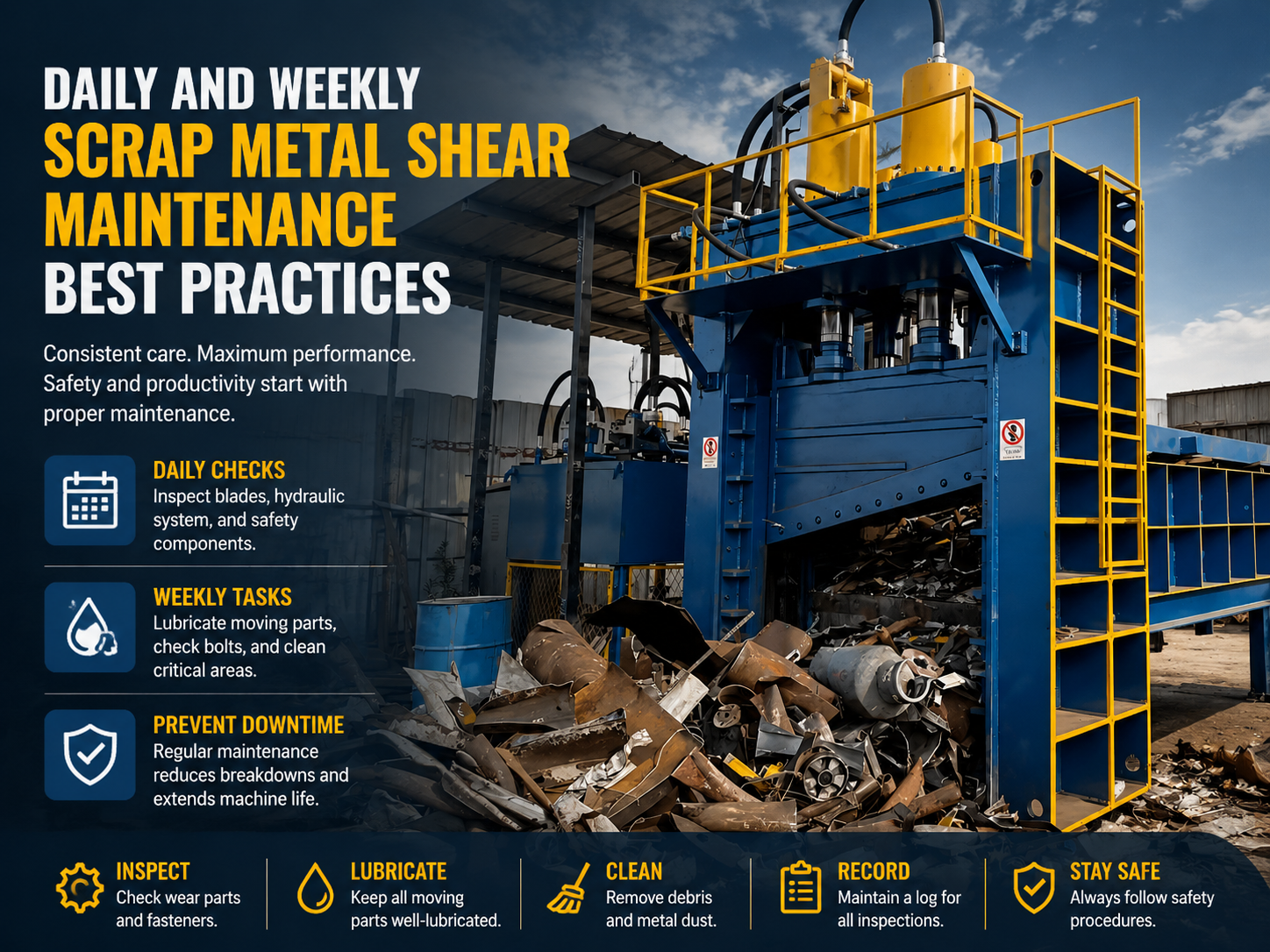
In the high-intensity world of metal recycling and fabrication, the scrap metal shear stands as a cornerstone of productivity. These machines are engineered to exert massive force, often operating in harsh environments filled with dust, metal shards, and varying temperatures. Because of the extreme mechanical stress placed on these units, adhering to Daily Weekly Scrap Metal Shear Maintenance Best Practices is not merely a recommendation—it is a necessity for operational survival. Proper maintenance ensures that the machine operates at peak efficiency, reduces the risk of catastrophic failure, and significantly extends the service life of the equipment.
When maintenance is neglected, the consequences are often immediate and costly. A minor hydraulic leak can escalate into a complete system failure, while a loose blade bolt can lead to structural damage that costs tens of thousands of dollars to repair. Furthermore, inconsistent maintenance compromises operator safety. HARSLE emphasizes that a well-maintained machine is a safe machine. By implementing a rigorous daily and weekly schedule, facility managers can transform their maintenance department from a reactive cost center into a proactive asset management team.
Beyond the immediate mechanical benefits, regular maintenance impacts the quality of the output. A shear with dull blades or improper clearance produces jagged, inconsistent cuts, which can lower the market value of the processed scrap. By following the best practices outlined in this guide, operators can ensure that every cut is precise, every cycle is smooth, and every hour of operation contributes to the bottom line rather than draining it through unexpected downtime.
Daily Inspection Protocols: The First Line of Defense
The daily inspection is the most critical component of any maintenance program. It should be performed at the start of every shift before the machine is powered on. This “walk-around” inspection allows the operator to identify potential issues that may have developed during the previous shift or while the machine was idle. The goal is to catch small problems before they evolve into major breakdowns.
Visual and Structural Integrity Checks
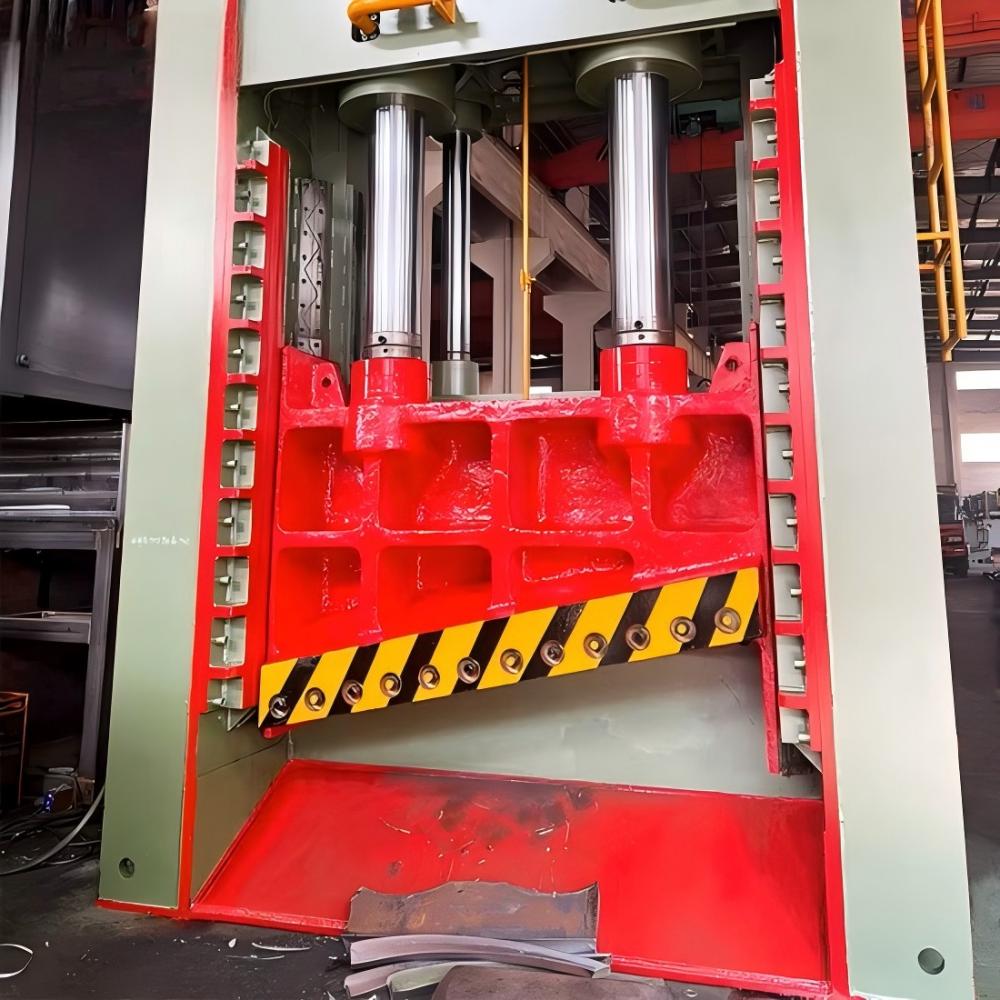
Begin by examining the main frame and the cutting head for any signs of stress cracks or deformation. While HARSLE machines are built with high-grade structural steel, the repetitive nature of shearing heavy scrap can eventually fatigue even the strongest materials. Pay close attention to the weld points and the areas surrounding the cylinder mounts. If any hairline cracks are spotted, the machine should be locked out until a qualified technician can assess the structural integrity.
Next, inspect the blades. Check for chipping, rounding of the edges, or excessive wear. Scrap metal often contains hardened materials that can damage standard blades. If the blades are dull, the hydraulic system must work harder to achieve the same cut, leading to increased heat and wear on the pumps. Ensure that all blade bolts are tight and that there is no visible movement in the blade seats.
Cleaning and Debris Management
One of the most overlooked aspects of Daily Weekly Scrap Metal Shear Maintenance Best Practices is cleanliness. Metal dust and small offcuts can migrate into sensitive areas, such as the guide rails and hydraulic seals. Use compressed air or a heavy-duty brush to clear the cutting area of all debris. Pay particular attention to the area behind the ram and around the limit switches. Accumulated debris can cause sensors to misfire, leading to cycle errors or safety shut-offs.
Check the floor around the machine for any signs of fluid. A puddle of oil is a clear indicator of a leak that needs immediate attention. Even a slow drip can lead to significant fluid loss over a 24-hour period, potentially starving the hydraulic pump and causing cavitation. Cleaning the machine daily makes it much easier to spot these leaks as soon as they occur.
Deep Dive into Hydraulic System Maintenance
The hydraulic system is the heart of the scrap metal shear. It converts electrical energy into the massive mechanical force required to slice through steel beams and heavy plate. Maintaining the health of this system is paramount. Hydraulic failures are often the most expensive to repair and result in the longest periods of downtime.
Monitoring Fluid Levels and Quality
Every morning, check the hydraulic oil level via the sight glass on the reservoir. The oil should be at the recommended level and should appear clear and amber-colored. If the oil looks milky, it indicates water contamination; if it looks dark or smells burnt, it has likely oxidized due to overheating. Contaminated oil loses its lubricating properties and can cause rapid wear on the internal components of valves and pumps.
Temperature management is equally important. Most modern shears are equipped with oil coolers. Ensure that the cooling fans are operational and that the heat exchanger fins are not clogged with dust. If the hydraulic oil exceeds its recommended operating temperature (usually around 50-60°C), its viscosity drops, leading to internal leakage and reduced cutting force. Regular daily monitoring of the temperature gauge during operation is a key best practice.
Hose and Fitting Integrity
Hydraulic hoses are subject to constant pulsing and vibration. Inspect all high-pressure hoses for signs of abrasion, bulging, or weeping at the crimped fittings. A hose failure under high pressure is not only a maintenance issue but a severe safety hazard. Ensure that hoses are properly routed and secured in their clamps to prevent them from rubbing against the machine frame. If a hose shows any sign of the wire braid through the outer rubber jacket, it must be replaced immediately.
Electrical and Control System Oversight
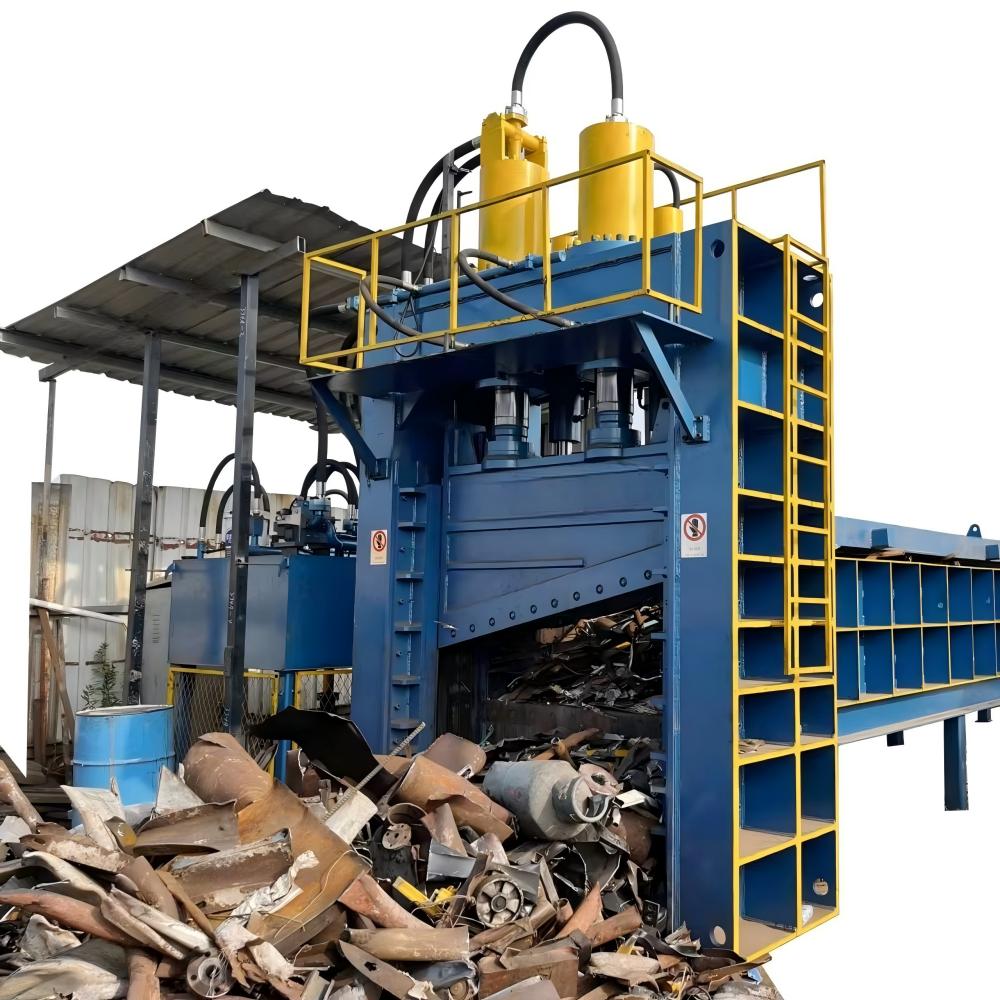
Modern scrap shears rely on sophisticated PLC (Programmable Logic Controller) systems and sensors to manage the cutting cycle. While these components are generally reliable, the vibration and dust of a scrap yard can take a toll. Daily and weekly electrical checks ensure that the “brain” of the machine remains in sync with the mechanical components.
On a daily basis, test all emergency stop buttons and safety interlocks. The machine should cease all movement immediately when an E-stop is pressed. Check the control panel for any warning lights or error codes. If the machine is equipped with a touchscreen interface, ensure it is clean and responsive. Avoid using sharp objects or greasy gloves on the screen, as this can damage the sensitive overlay.
Weekly, open the electrical cabinet (after ensuring the power is locked out) and perform a visual inspection. Look for any signs of overheating, such as discolored wire insulation or a burnt smell. Ensure that all terminal connections are tight; vibration can cause wires to back out of their terminals over time, leading to intermittent faults that are notoriously difficult to diagnose. Use a vacuum or low-pressure clean air to remove any dust that has bypassed the cabinet seals.
Mechanical Components and Blade Management
The mechanical interface between the ram and the frame is where the actual work happens. This area requires meticulous attention to ensure that the force is applied efficiently and that the machine does not sustain internal damage.
Blade Clearance and Rotation
The gap between the upper and lower blades—known as blade clearance—is critical. If the clearance is too wide, the metal will fold rather than cut, wedging itself between the blades and potentially stalling the machine or breaking the blade seats. If it is too tight, the blades may clash, leading to catastrophic failure. Check the clearance weekly using feeler gauges and compare the measurements against the manufacturer’s specifications. Adjustments should only be made by trained personnel.
Most scrap shear blades are designed to be rotated. They typically have four cutting edges. A weekly inspection of the edge wear will help you determine when to rotate the blades. Do not wait until the edge is completely rounded; rotating the blades early ensures a cleaner cut and puts less strain on the hydraulic system. Keep a log of blade rotations to predict when a new set of blades will need to be ordered.
The Essential Lubrication Plan
Lubrication is the simplest yet most effective way to prevent premature wear. In a scrap metal shear, there are numerous pivot points, slides, and bushings that are under extreme pressure. Without a consistent film of grease, these metal-on-metal surfaces will grind each other down, leading to expensive part replacements.
Identify all grease points on the machine. These are typically found on the main cylinder pins, the ram guides, and the pivot points of the hold-down clamp. For daily maintenance, apply 2-3 pumps of high-quality lithium-based grease to the primary moving parts. On a weekly basis, perform a more thorough lubrication of the secondary points. If the machine features an automatic lubrication system, check the grease reservoir daily and ensure that the distribution lines are not blocked or broken.
It is important to use the correct type of lubricant. Not all greases are created equal. For scrap shears, a grease with “Extreme Pressure” (EP) additives is usually required to withstand the shock loads of the shearing process. Consult the HARSLE manual for the specific NLGI grade recommended for your climate and machine model.
Troubleshooting Early Warning Signals
Experienced operators develop a “feel” for their machines. They can often sense a problem before a sensor even picks it up. Part of the Daily Weekly Scrap Metal Shear Maintenance Best Practices involves being attuned to these subtle signals.
- Unusual Noises: A high-pitched squeal often indicates hydraulic cavitation or a failing pump. A heavy clunking sound during the cut may suggest loose blades or worn bushings.
- Slow Cycle Times: If the ram is moving slower than usual, it could be a sign of internal bypass in the cylinders, a clogged suction filter, or a pump that is losing efficiency.
- Excessive Heat: If the hydraulic tank feels hot to the touch or the oil cooler is running constantly, the system is working too hard. This is often caused by dull blades or a malfunctioning relief valve.
- Irregular Cuts: If the scrap is being crushed rather than sheared, check the blade clearance and the sharpness of the cutting edges immediately.
Comprehensive Maintenance Schedule Table
To help your team stay organized, use the following table as a template for your maintenance logs. Consistency is the key to success.
| Frequency | Component | Action Required | Target Outcome |
|---|---|---|---|
| Daily | Hydraulic Oil | Check level and temperature | Prevent pump starvation and overheating |
| Daily | Safety Systems | Test E-stops and interlocks | Ensure operator safety |
| Daily | Cutting Area | Clear debris and metal shards | Prevent sensor interference and mechanical jams |
| Daily | Blades | Visual inspection for chips/cracks | Maintain cutting efficiency |
| Daily | Lubrication | Grease primary pivot points | Reduce friction and wear |
| Weekly | Hydraulic Filters | Check pressure gauges/indicators | Ensure fluid cleanliness |
| Weekly | Blade Clearance | Measure with feeler gauges | Prevent blade clashing or material wedging |
| Weekly | Electrical Cabinet | Inspect for loose wires/dust | Prevent intermittent electrical faults |
| Weekly | Structural Bolts | Check torque on critical fasteners | Maintain machine rigidity |
| Weekly | Hoses & Fittings | Inspect for leaks and abrasions | Prevent high-pressure fluid release |
Frequently Asked Questions (FAQ)
1. How often should I change the hydraulic oil in my scrap shear?
While daily checks are essential, a full oil change is typically required every 2,000 to 4,000 operating hours, or once a year, whichever comes first. However, you should perform oil analysis every six months to check for microscopic contaminants and additive depletion, which may necessitate an earlier change.
2. What is the most common cause of hydraulic pump failure?
Contamination is the leading cause of pump failure. Small particles of metal or dirt act as an abrasive, wearing down the internal tolerances of the pump. This is why maintaining clean filters and following strict Daily Weekly Scrap Metal Shear Maintenance Best Practices regarding cleanliness is so vital.
3. Can I sharpen my own shear blades?
While some facilities have the equipment to grind blades, it is generally recommended to have them professionally serviced. Shear blades are made of specialized tool steel and require precise heat treatment and grinding angles. Improper sharpening can lead to brittle edges that chip easily under load.
4. Why is my shear vibrating excessively during the cut?
Excessive vibration is usually caused by either loose mounting bolts, worn-out guide slides, or attempting to cut material that exceeds the machine’s rated capacity. Check the tightness of all structural bolts and inspect the wear plates on the ram guides.
5. How do I know if my blade clearance needs adjustment?
If you notice that thin materials are folding instead of cutting, or if there is a visible “burr” on the cut edge of the scrap, your clearance is likely too wide. Use feeler gauges to check the gap at multiple points along the blade length to ensure it is uniform.
6. Does the ambient temperature affect maintenance?
Yes. In extremely cold environments, hydraulic oil can become too thick, requiring a warm-up period before full-load operation. In hot environments, the cooling system must be checked more frequently to prevent oil thinning and oxidation. Always use the oil viscosity grade recommended for your specific climate.
7. What should I do if I find a crack in the machine frame?
Stop operation immediately. A crack in the frame indicates that the structural integrity of the machine is compromised. Contact HARSLE or a certified structural welder who specializes in heavy machinery. Continuing to operate a cracked machine can lead to a catastrophic and dangerous collapse.