How to Compare Aluminium Extrusion Press Machines Before You Buy: A Comprehensive Guide

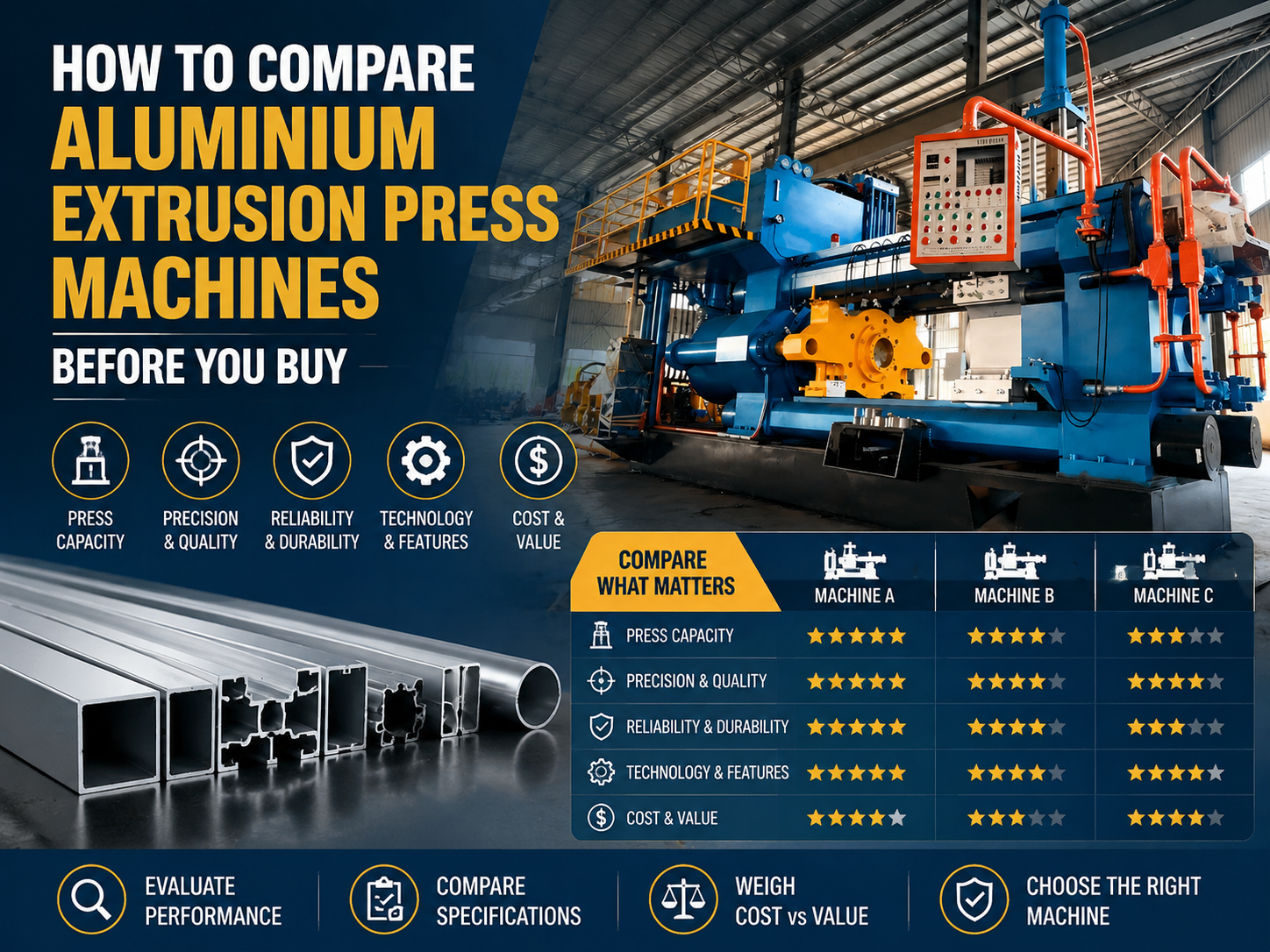
Introduction to Aluminium Extrusion Press Comparison
Investing in an aluminium extrusion press is a monumental decision for any metal fabrication business. These machines are the heart of production lines that create everything from window frames and automotive parts to aerospace components. However, the market is flooded with various brands, tonnages, and technological configurations, making the selection process daunting. To ensure a high return on investment (ROI), you must know how to compare aluminium extrusion press machines before you buy. This guide provides a deep dive into the technical and financial metrics that matter most.
The process of extrusion involves forcing an aluminium billet through a shaped die to create a continuous profile. The efficiency, precision, and longevity of this process depend entirely on the quality of the press. A poorly chosen machine can lead to high scrap rates, excessive energy consumption, and frequent downtime. Conversely, a well-matched press enhances your competitive edge by allowing for tighter tolerances and faster cycle times. In the following sections, we will break down the comparison process into actionable steps, focusing on cost, configuration, and long-term value.
Price Range Overview: Understanding the Market Spectrum
When you begin to compare aluminium extrusion press machines before you buy, the first thing you will notice is the vast disparity in pricing. Generally, the price is dictated by the tonnage (clamping force) and the country of origin. Entry-level machines, often ranging from 600 to 1000 tons, are suitable for small profiles and architectural sections. These can range from $150,000 to $400,000 depending on the level of automation. Mid-range presses (1450 to 2500 tons) are the workhorses of the industry, handling larger industrial profiles, with prices often falling between $500,000 and $1.2 million.
High-capacity presses, exceeding 3600 tons and reaching up to 10,000 tons or more, are specialized for heavy-duty industrial and structural applications. These machines represent multi-million dollar investments. It is crucial to understand that the ‘sticker price’ is only the beginning. A lower-priced machine from a less-reputable manufacturer might use inferior hydraulic components or a lighter frame, leading to structural fatigue over time. When comparing prices, always ask for a detailed breakdown of what is included—such as the billet heater, handling system, and aging oven—as these are often quoted separately.
| Press Tonnage | Typical Billet Diameter | Common Applications | Estimated Price Range (USD) |
|---|---|---|---|
| 600T – 800T | 90mm – 110mm | Small trim, heat sinks, tubing | $150k – $300k |
| 1000T – 1450T | 127mm – 152mm | Window frames, door profiles | $350k – $650k |
| 1800T – 2500T | 178mm – 203mm | Automotive parts, solar frames | $700k – $1.2M |
| 3600T+ | 254mm+ | Railway, aerospace, structural beams | $2M+ |
Main Cost Drivers in Extrusion Machinery
The internal components of an extrusion press are what truly define its price and performance. One of the primary cost drivers is the hydraulic system. High-end machines utilize premium brands like Rexroth or Vickers for their pumps and valves. These components offer superior pressure control and longevity compared to generic alternatives. Furthermore, the design of the main cylinder—whether it is forged from a single piece of high-grade steel or cast—significantly impacts the machine’s ability to withstand millions of cycles without cracking.
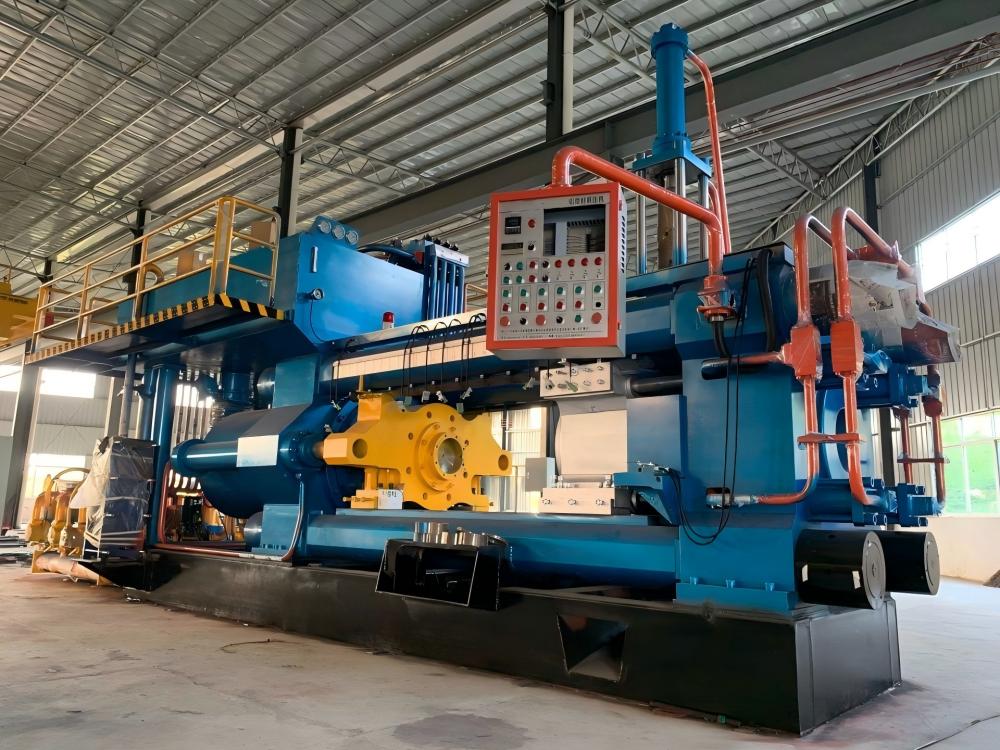
Another significant driver is the control system. Modern presses require sophisticated PLC (Programmable Logic Controller) systems, such as those from Siemens or Schneider Electric, to manage the complex synchronization of the billet loader, the main ram, and the puller. A press with advanced ‘Constant Speed Extrusion’ software will cost more but will drastically reduce scrap by maintaining uniform profile dimensions throughout the stroke. Additionally, the quality of the tie rods and the platen thickness contribute to the overall weight and stability of the machine, which directly influences the precision of the extruded profiles.
Configuration Impact: Direct vs. Indirect and Automation Levels
How you configure your machine will dictate your production capabilities. The most common choice is the ‘Direct Extrusion’ press, where the ram moves the billet through the die. It is versatile and easier to maintain. However, ‘Indirect Extrusion,’ where the die is pushed into the billet, offers lower friction and better grain structure for specialized alloys. When you compare aluminium extrusion press machines before you buy, you must decide which method aligns with your target market. Indirect presses are generally more expensive due to the complexity of the hollow stem and die arrangement.
Automation is another critical configuration factor. A basic press requires manual billet loading and profile handling, which increases labor costs and safety risks. Modern ‘Short Stroke’ designs reduce the ‘dead cycle time’ (the time when the machine is not extruding), significantly boosting hourly output. Integrating a double-puller system and an automated cooling table can increase the initial investment by 30-50%, but it allows the press to run at its maximum theoretical speed. You should also consider the ‘Container Heating’ system; multi-zone induction heating offers much better temperature control than simple resistance heating, leading to more consistent extrusion quality.
Hidden Costs: Beyond the Machine Purchase
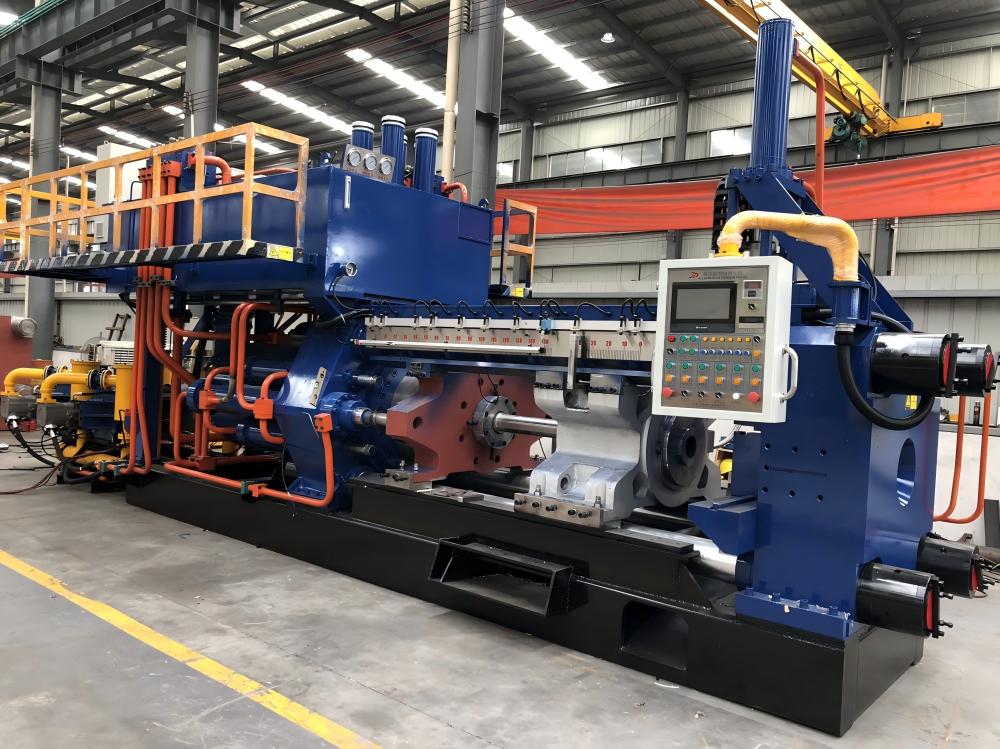
Many first-time buyers fail to account for the ‘hidden’ costs associated with installing an extrusion press. These machines are incredibly heavy and generate massive vibration. Consequently, the civil engineering requirements—specifically the reinforced concrete foundation or ‘pit’—can cost tens of thousands of dollars. You must also consider the electrical infrastructure; an 1800T press may require a dedicated transformer and high-voltage switchgear to handle the peak loads of the hydraulic pumps.
Shipping and installation are other major expenses. Since these machines are often shipped in oversized sections, specialized heavy-lift cranes and expert riggers are required for assembly. Furthermore, don’t overlook the cost of ‘Initial Tooling’ and ‘Spare Parts.’ You will need a variety of dies, dummy blocks, and stems just to start production. Finally, training your operators is a hidden but vital cost. A highly sophisticated machine is only as good as the person operating it; investing in a week of on-site training from the manufacturer’s engineers is essential for preventing early-stage mechanical failures.
ROI Calculation: Measuring Efficiency and Productivity
To truly compare aluminium extrusion press machines before you buy, you must perform a Return on Investment (ROI) calculation. This isn’t just about how much the machine costs, but how much profit it generates per hour. The key metric here is the ‘Recovery Rate’—the percentage of the aluminium billet that ends up as a finished, saleable product. A high-precision press with a stable container and accurate puller system can improve recovery by 3-5%, which translates to hundreds of thousands of dollars in savings over a year of high-volume production.
Energy efficiency is the second pillar of ROI. Modern presses utilize ‘Servo-Drive’ hydraulic pumps that only consume power when the machine is moving. Older or cheaper designs use constant-speed pumps that bypass oil and waste heat even when the press is idle. Given the rising cost of electricity, a servo-driven press can often pay for its price premium within 24 to 36 months through energy savings alone. Additionally, consider the ‘Dead Cycle Time.’ If Machine A has a dead cycle of 15 seconds and Machine B has 22 seconds, Machine A will produce significantly more billets per shift, directly impacting your top-line revenue.
Buying Advice: How to Make the Final Decision
When you are ready to make a purchase, the most important advice is to look beyond the brochure. Visit the manufacturer’s facility if possible, or at least visit a factory where their machines are currently in operation. Observe the machine under load. Is there excessive vibration? Are the hydraulic seals leaking? How loud is the operation? These are all indicators of build quality. Furthermore, evaluate the manufacturer’s after-sales support. In the world of heavy machinery, a 48-hour delay in getting a spare part can result in massive financial losses.
Always insist on a ‘Factory Acceptance Test’ (FAT) before the machine is shipped. This test should involve running the machine at full pressure and cycling it through its automated sequences. Ensure the contract specifies the expected tolerances and cycle times. Finally, consider the ‘Future-Proofing’ of the machine. Does the control system allow for remote diagnostics via the internet? Can it be easily integrated into an Industry 4.0 factory management system? Choosing a machine with modern digital architecture will ensure it remains competitive for the next 15 to 20 years.
Frequently Asked Questions (FAQ)
What is the most important factor when comparing extrusion presses?
While price is always a factor, the ‘Dead Cycle Time’ and ‘Energy Efficiency’ are the most critical for long-term profitability. A faster, more efficient machine will always out-earn a cheaper, slower one.
How long does an aluminium extrusion press typically last?
A well-maintained, high-quality extrusion press can last 20 to 30 years. However, the hydraulic and control systems may need upgrading every 10 to 15 years to maintain peak efficiency.
Is a used extrusion press a good investment?
Used machines can be cost-effective, but they often come with hidden wear and outdated technology. If buying used, ensure you factor in the cost of a complete hydraulic and PLC overhaul.
What is the difference between a short-stroke and a long-stroke press?
Short-stroke presses are designed to reduce the time it takes to load the billet, thereby shortening the dead cycle. They are generally more modern and efficient than traditional long-stroke designs.
How does the billet temperature affect the extrusion process?
Billet temperature must be precisely controlled (usually between 400°C and 500°C). If the billet is too cold, the press requires more force; if too hot, the profile surface quality will suffer. This is why a high-quality billet heater is as important as the press itself.
Can one press handle all types of aluminium alloys?
Most presses can handle common 6000-series alloys. However, harder alloys like the 2000 or 7000 series require much higher extrusion pressures and specific cooling (quenching) setups.