
Best Aluminium Extrusion Press Buying Tips for Industrial Production Lines

Introduction to Aluminium Extrusion in Modern Industry
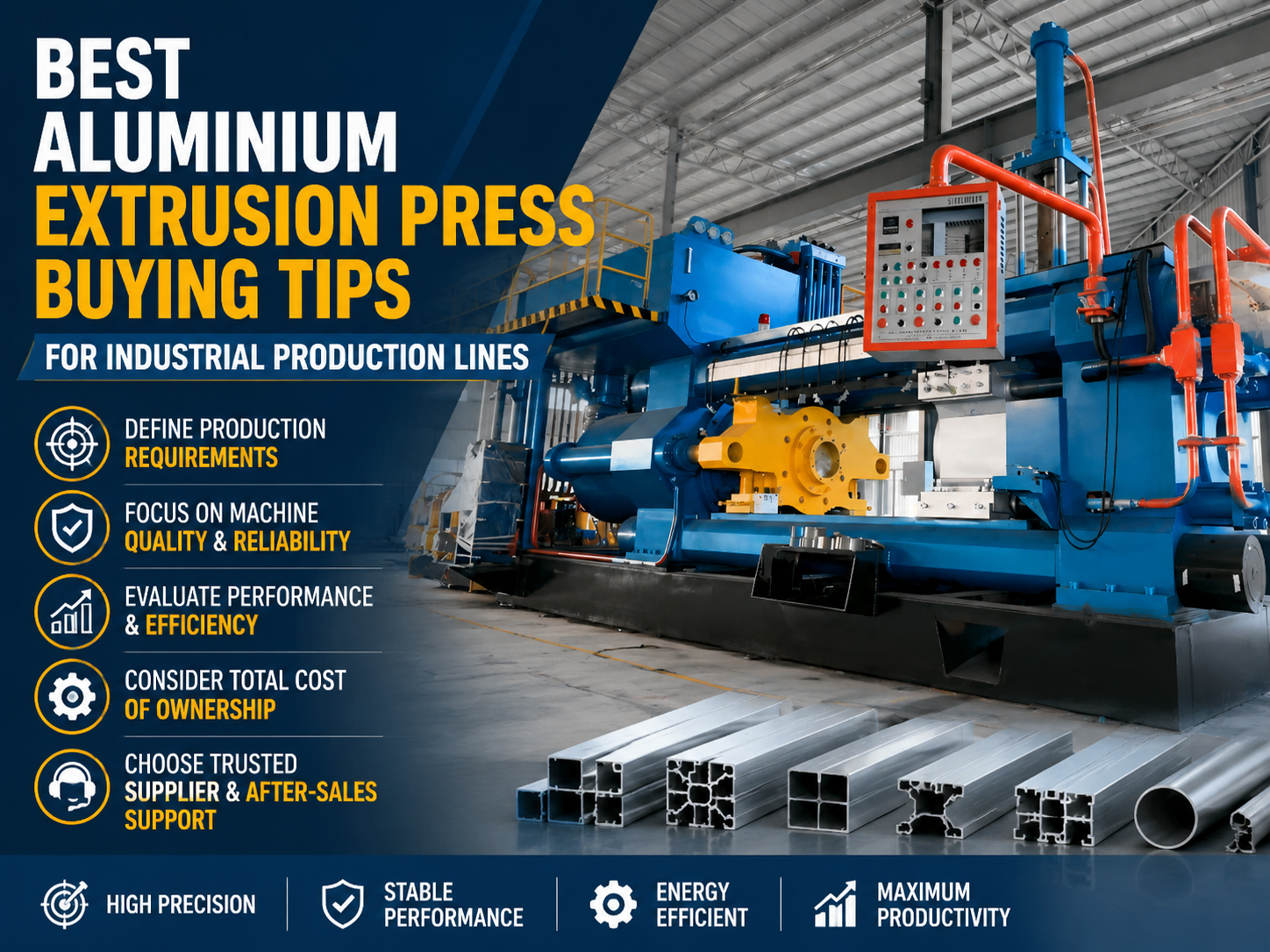
The global demand for aluminium profiles is skyrocketing, driven by the automotive, aerospace, construction, and renewable energy sectors. As industries shift toward lightweight, high-strength materials, the aluminium extrusion press has become the cornerstone of modern manufacturing. However, investing in an industrial-scale extrusion line is a multi-million dollar decision that requires meticulous planning. This guide provides the Best Aluminium Extrusion Press Buying Tips for Industrial Production Lines, ensuring that your investment translates into long-term profitability and operational excellence.
Choosing the right press is not merely about selecting the highest tonnage; it is about balancing throughput, precision, energy efficiency, and maintenance costs. A mismatch between the machine’s capabilities and your production goals can lead to excessive scrap rates, high energy bills, and frequent downtime. In the following sections, we will break down the financial and technical aspects of acquiring an aluminium extrusion press, from initial price ranges to complex ROI calculations.
Price Range Overview: Understanding the Market Landscape
The cost of an aluminium extrusion press varies significantly based on its pressure capacity (tonnage), the level of automation, and the country of origin. For industrial production lines, presses typically range from 600 tons to over 5,000 tons. Understanding where your needs fall on this spectrum is the first step in budgeting.
| Press Capacity (Tonnage) | Typical Application | Estimated Price Range (USD) |
|---|---|---|
| 600T – 1000T | Small profiles, window frames, heat sinks | $250,000 – $600,000 | 1450T – 2500T | Automotive parts, structural architectural components | $700,000 – $1,500,000 | 3000T – 5500T+ | Aerospace, heavy transport, large industrial beams | $2,000,000 – $5,000,000+ |
Entry-level machines from emerging markets may offer lower upfront costs, but they often lack the sophisticated hydraulic controls and energy-saving features found in high-end models. Conversely, premium European or top-tier Chinese brands like HARSLE integrate advanced PLC systems and servo-driven hydraulics that, while more expensive initially, significantly reduce operational costs over the machine’s 20-year lifespan.
Main Cost Drivers in Extrusion Press Acquisition
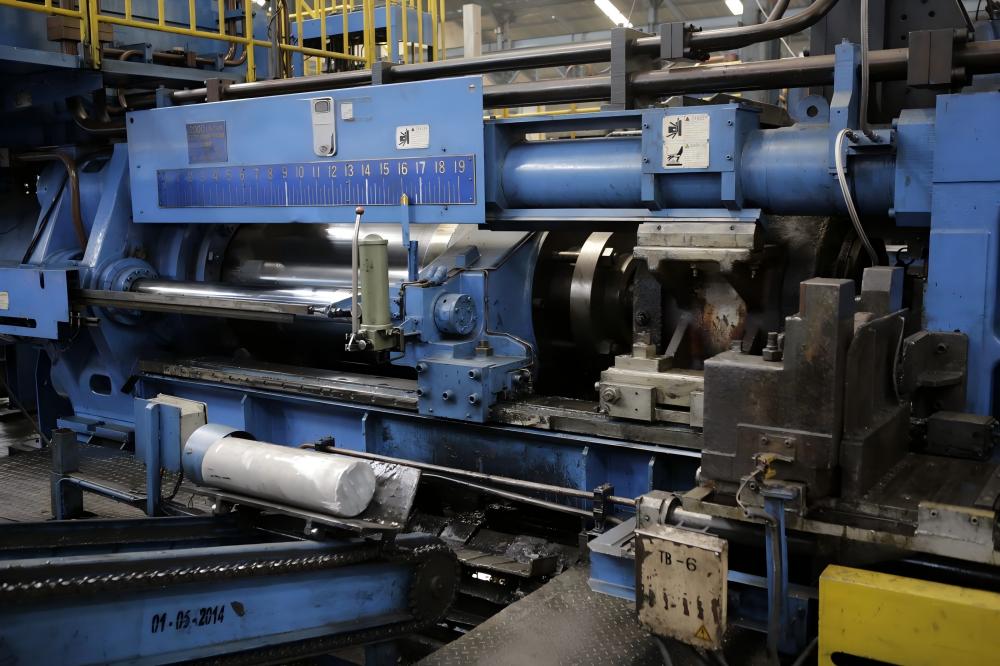
When evaluating the Best Aluminium Extrusion Press Buying Tips for Industrial Production Lines, it is vital to identify what exactly you are paying for. The price tag is influenced by several core components that dictate the machine’s performance.
1. Hydraulic System Sophistication
The hydraulic system is the heart of the press. High-end machines utilize variable displacement pumps and servo-motor drives. These systems allow for precise control over the extrusion speed and pressure, which is critical for maintaining the metallurgical properties of the aluminium. Cheap hydraulic systems often suffer from oil leaks, pressure fluctuations, and high noise levels, leading to inconsistent product quality.
2. Frame Construction and Metallurgy
The structural integrity of the press frame determines its precision under load. Pre-stressed tension rod designs are preferred for high-tonnage applications because they minimize frame deflection. The quality of the steel used in the main cylinder and the container also plays a massive role in the machine’s durability. A press that flexes too much will produce profiles with uneven wall thickness, leading to high rejection rates.
3. Automation and Control Systems
Modern industrial lines require seamless integration with ERP systems. The inclusion of high-end PLCs (such as Siemens S7-1500 or Schneider Electric) and intuitive HMI (Human Machine Interface) panels adds to the cost but ensures that the operator can monitor every variable in real-time. Automation in billet loading, die changing, and profile handling further increases the initial investment but slashes labor costs.
Configuration Impact: Tailoring the Machine to Your Product
The configuration of your press should be dictated by the specific aluminium alloys you intend to process and the complexity of the profiles. Not all presses are created equal; a configuration optimized for 6000-series architectural alloys may struggle with high-strength 7000-series aerospace alloys.
Direct vs. Indirect Extrusion
Direct extrusion is the most common method, where the ram pushes the billet through a stationary die. It is versatile and easier to maintain. Indirect extrusion, where the die moves toward the billet, reduces friction between the billet and the container wall. This allows for higher extrusion speeds and better grain structure in the finished product, though the machinery is more complex and expensive.
Single-Action vs. Double-Action
Single-action presses are standard for solid and simple hollow profiles. However, if your production line targets complex seamless tubes, a double-action press with an internal piercing mandrel is necessary. Choosing a double-action press when a single-action would suffice is a common over-specification error that wastes capital.
Cooling and Handling Systems
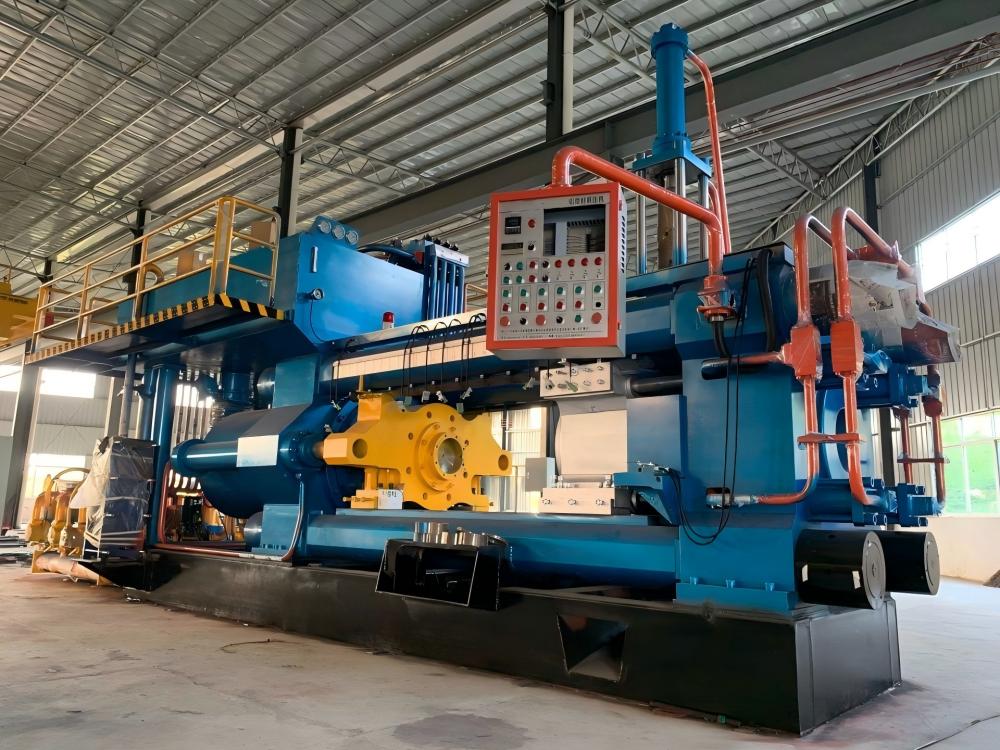
The press is only one part of the line. The configuration of the run-out table, the cooling fan arrangement (air vs. water quench), and the stretcher system must match the press’s output capacity. If your press produces 50 meters of profile per minute but your cooling table can only handle 30, you have created a permanent bottleneck in your industrial production line.
Hidden Costs: Beyond the Purchase Price
One of the most important Best Aluminium Extrusion Press Buying Tips for Industrial Production Lines is to budget for the “unseen” expenses. These can often amount to 20-30% of the total project cost.
- Foundation and Civil Works: An extrusion press exerts massive forces. You will need a reinforced concrete foundation, often several meters deep, with specific vibration-dampening characteristics.
- Logistics and Installation: Shipping a 200-ton machine requires specialized heavy-lift logistics and permits. Once on-site, a team of specialized engineers is needed for assembly, leveling, and commissioning.
- Energy Infrastructure: A large press requires a significant power draw. You may need to upgrade your factory’s electrical transformers and install power factor correction units to avoid utility penalties.
- Initial Tooling and Dies: While the press comes with a container, you will need a vast library of dies for different profiles. High-quality H13 tool steel dies are an ongoing and significant expense.
- Training and Safety: Operating high-pressure hydraulic equipment is dangerous. Comprehensive staff training and the installation of safety fencing, light curtains, and emergency stop systems are mandatory.
ROI Calculation: Measuring Success
To justify the purchase of a high-end aluminium extrusion press, you must calculate the Return on Investment (ROI). This involves looking past the purchase price and focusing on the Total Cost of Ownership (TCO).
The Productivity Metric
Calculate the “Dead Cycle Time”—the time when the press is not extruding (loading billets, shearing butts). A press with a 15-second dead cycle is significantly more profitable than one with a 25-second cycle over a three-shift operation. In a year, those 10 seconds can equate to thousands of additional tons of finished product.
Energy Efficiency Savings
Modern presses with servo-hydraulic systems can reduce energy consumption by up to 30% compared to older valve-controlled systems. Given the rising cost of industrial electricity, an energy-efficient press can often pay for the price difference in just 3 to 5 years through utility savings alone.
Scrap Reduction
Precision control reduces the “butt end” waste and minimizes the number of profiles that fall out of tolerance. If a high-quality press reduces your scrap rate from 15% to 12%, that 3% saving in raw material (aluminium billet) directly impacts your bottom line every single day.
Buying Advice for Industrial Production Lines
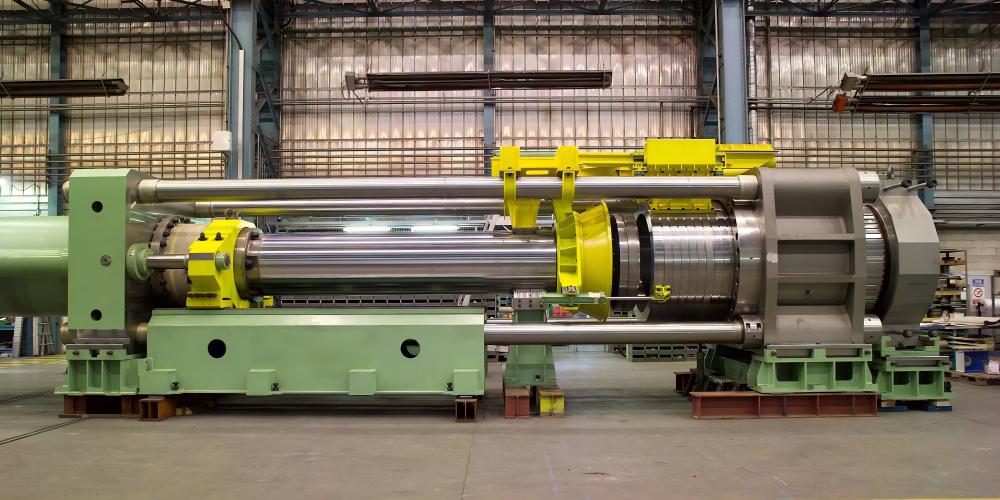
When you are ready to move forward, follow these strategic buying tips to ensure you select the best partner for your machinery needs.
- Conduct a Thorough Needs Analysis: Define your maximum and minimum profile dimensions, the alloys you will use most frequently, and your target annual tonnage. Do not buy a 2500T press if 90% of your work can be done on a 1450T machine.
- Evaluate the Hydraulic Manifold Design: Look for integrated manifold blocks that minimize piping. Fewer pipes mean fewer potential leak points and easier maintenance.
- Check After-Sales Support and Spare Parts: A press is a 20-year investment. Ensure the manufacturer has a local service presence or a robust remote diagnostic system. Ask for a critical spare parts list and their availability.
- Visit Existing Installations: Never buy a press based solely on a brochure. Visit a factory where the machine is already in operation. Talk to the operators about the machine’s reliability and the manufacturer’s responsiveness to issues.
- Verify PLC Openness: Ensure the control software is not “locked.” You should have the ability to make minor adjustments or integrate third-party sensors without needing a factory technician for every change.
Frequently Asked Questions (FAQ)
What is the average lifespan of an industrial aluminium extrusion press?
With proper maintenance, a high-quality aluminium extrusion press can last 25 to 30 years. Many companies perform a “mid-life” hydraulic and electronic retrofit after 15 years to bring the machine up to modern efficiency standards.
How much floor space is required for a complete extrusion line?
While the press itself might only be 15-20 meters long, a full industrial line—including the billet heater, run-out table, cooling bed, stretcher, and saw—typically requires a building length of 60 to 100 meters and a width of at least 15-20 meters.
Can one press handle all types of aluminium alloys?
Technically, yes, but efficiency will vary. Harder alloys (like the 7000 series) require much higher pressures and slower extrusion speeds. If you plan to switch between soft and hard alloys frequently, you need a press with a very wide range of programmable speed and pressure controls.
What is the most common cause of downtime in extrusion lines?
Hydraulic failures (leaks or pump breakdowns) and die failures are the most common causes. Implementing a predictive maintenance program using sensors to monitor oil temperature and vibration can prevent most of these issues before they cause a shutdown.
Is automation worth the extra cost for a new production line?
In regions with high labor costs, automation is essential. Automated billet loading and profile handling not only reduce headcount but also ensure a consistent cycle time, which is nearly impossible to achieve with manual labor over an 8-hour shift.
How does HARSLE ensure the quality of its extrusion presses?
HARSLE utilizes premium components from global leaders like Rexroth and Siemens, combined with rigorous stress-testing of the frames and cylinders. Our focus is on providing high-tonnage solutions that offer the best balance of initial cost and long-term operational efficiency for global industrial markets.


