
Comprehensive Guide: How to Troubleshoot Hydraulic Oil Contamination in Aluminium Extrusion Press Machines

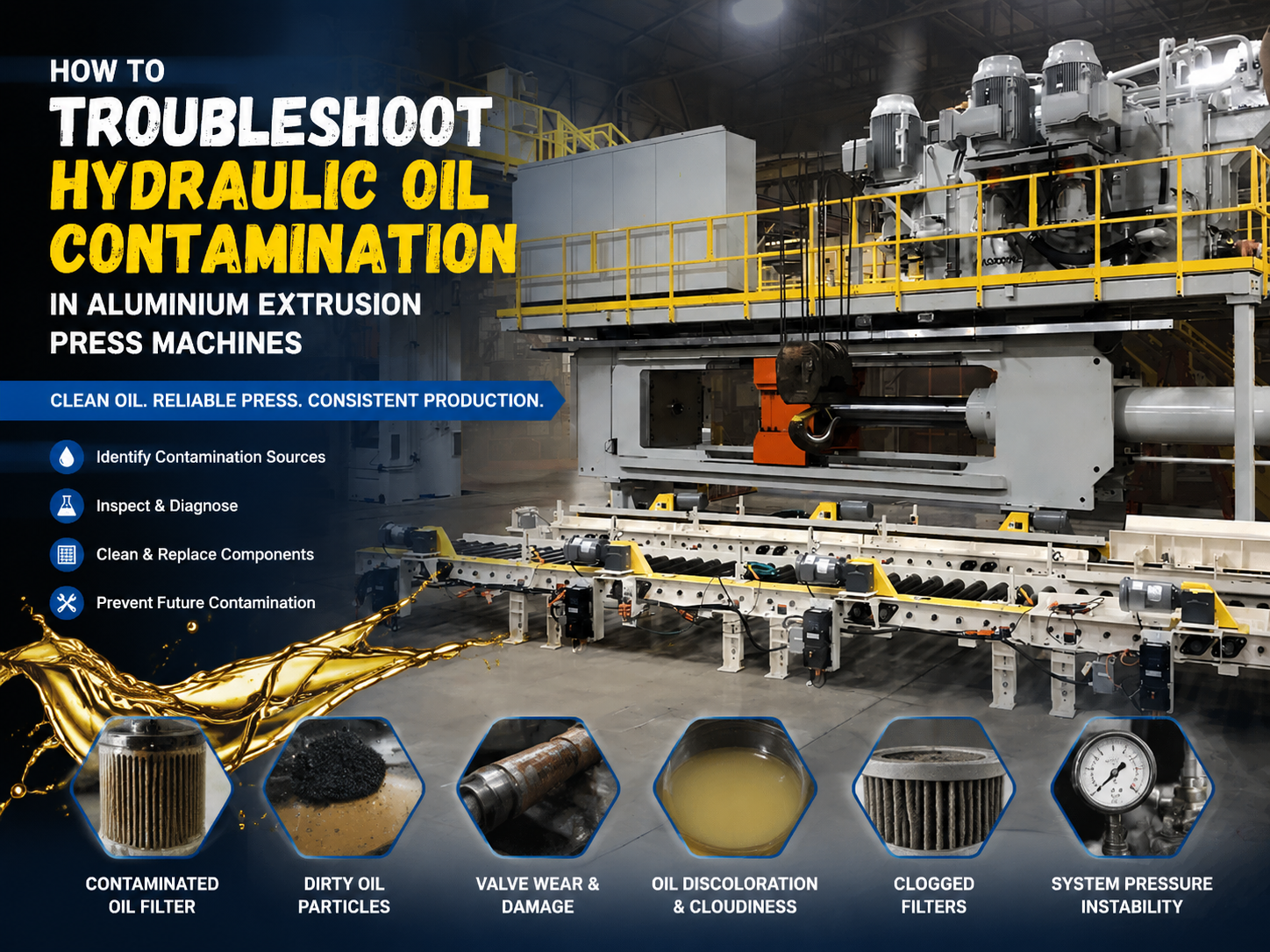
Introduction to Hydraulic Oil Health in Aluminium Extrusion
In the world of heavy industrial manufacturing, the aluminium extrusion press stands as a cornerstone of production. These massive machines rely on complex hydraulic systems to exert the thousands of tons of pressure required to force heated aluminium billets through precision dies. However, the efficiency and longevity of an aluminium extrusion press are inextricably linked to the quality and cleanliness of its hydraulic oil. When you need to troubleshoot hydraulic oil contamination in aluminium extrusion press machines, you are essentially performing a diagnostic check on the machine’s lifeblood.
Hydraulic oil serves multiple roles: it transmits power, lubricates moving parts, dissipates heat, and carries away microscopic wear debris to filters. When contaminants enter this system, they disrupt these functions, leading to catastrophic component failure, unplanned downtime, and expensive repairs. Contamination is often cited as the cause for up to 80% of hydraulic system failures. For operators of HARSLE equipment and other high-performance extrusion presses, understanding how to identify and rectify oil issues is a critical skill.
This guide provides an in-depth look at the methodologies used to troubleshoot hydraulic oil contamination in aluminium extrusion press machines. We will explore the types of contaminants, the technical procedures for diagnosis, and the preventative measures necessary to maintain peak operational efficiency. By the end of this article, maintenance managers and machine operators will have a robust framework for managing hydraulic fluid health.
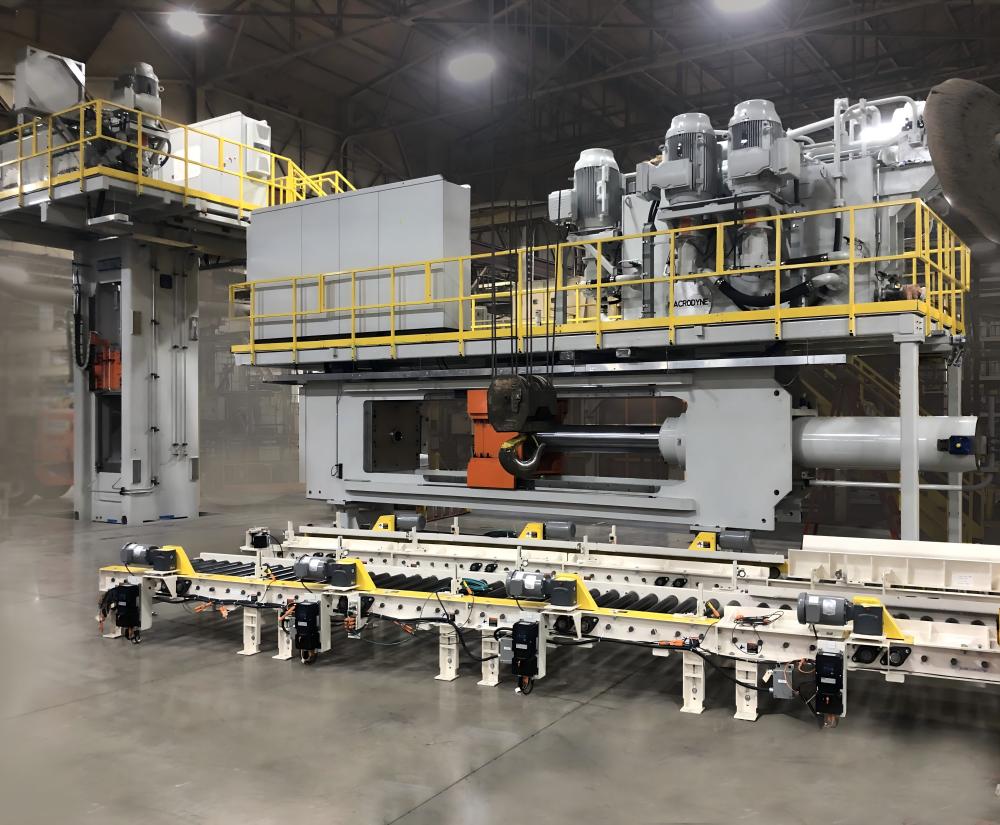
Key Considerations: Understanding the Nature of Contamination
Before diving into the troubleshooting steps, it is essential to understand what exactly we are looking for. Contamination in an aluminium extrusion press is not limited to just ‘dirt.’ It manifests in several forms, each requiring a different approach for detection and removal.
1. Particulate Contamination
Particulate matter is the most common form of contamination. These are solid particles such as metal shavings, silica (dust), and elastomeric bits from seals. In an extrusion environment, the high heat and heavy friction can generate internal wear particles. Furthermore, the surrounding factory air often contains fine dust that can enter through breathers or during maintenance. These particles act as abrasives, grinding down pump vanes, scoring cylinder walls, and clogging valve orifices.
2. Water Contamination
Water is a silent killer in hydraulic systems. It can enter the system through condensation (due to temperature fluctuations in the reservoir) or through leaks in the oil cooling system. Water reduces the oil’s lubricity, leads to the formation of rust on internal components, and can cause the oil to foam. More critically, water reacts with oil additives to form acids and sludge, which can lead to chemical corrosion of sensitive brass and copper components within the hydraulic circuit.
3. Air Contamination
While air is not a ‘substance’ in the same way as metal or water, entrained air and foam are considered contaminants. Air in the hydraulic lines makes the system ‘spongy,’ leading to inconsistent extrusion speeds and poor surface finish on the aluminium profiles. It also causes cavitation in pumps, where air bubbles collapse under high pressure, micro-blasting metal surfaces and causing rapid mechanical degradation.
4. Chemical and Thermal Degradation
Over time, hydraulic oil undergoes chemical changes. High operating temperatures, common in aluminium extrusion, accelerate oxidation. This process creates varnish—a sticky, resinous substance that coats internal surfaces. Varnish can cause valves to stick and reduces the heat transfer efficiency of heat exchangers, creating a vicious cycle of increasing heat and increasing contamination.
Technical Details: How to Troubleshoot Hydraulic Oil Contamination
To effectively troubleshoot hydraulic oil contamination in aluminium extrusion press machines, a systematic approach is required. You cannot rely on guesswork; you must use data-driven diagnostics.
Step 1: Visual and Sensory Inspection
The first step is always a physical check. While many harmful particles are invisible to the naked eye, significant contamination often leaves clues. Check the oil level and color through the sight glass. If the oil appears milky or cloudy, water contamination is likely. If it looks dark and smells burnt, thermal degradation and oxidation are occurring. Look for foam on the surface of the oil in the reservoir, which indicates air entrainment or a failing suction line seal.
Step 2: Oil Sampling and Laboratory Analysis
Professional oil analysis is the gold standard for troubleshooting. To get an accurate reading, take a sample while the machine is at operating temperature and the oil is circulating. Use a clean, dedicated sampling valve rather than drawing from the bottom of the tank where sediment settles. The lab report will provide several key metrics:
- ISO 4406 Cleanliness Code: This represents the number of particles at 4, 6, and 14 microns. For an extrusion press, a target of 16/14/11 is often recommended.
- Water Content (Karl Fischer): Measured in ppm (parts per million). Levels above 500 ppm usually require immediate action.
- Viscosity: Changes in viscosity indicate either oil thinning (due to high heat or shear) or thickening (due to oxidation).
- Total Acid Number (TAN): An increase in TAN indicates the oil is oxidizing and losing its protective properties.
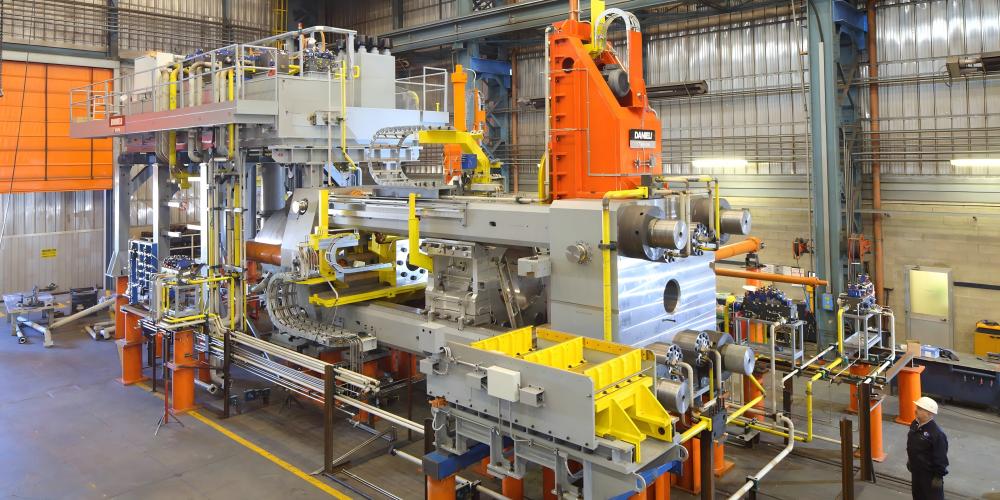
Step 3: Filter Element Examination
Don’t just discard used filters; inspect them. Cut open a spent filter element and look for large metal flakes or ‘glitter.’ Large particles suggest a component (like a pump or motor) is in the process of a catastrophic failure. If the filter is covered in a slimy, brown substance, you have a varnish problem. If the filter is clogged prematurely but looks clean, it might be capturing microscopic water droplets or soot from oil ‘dieseling.’
Step 4: Checking the Cooling and Breather Systems
If water is the primary contaminant, troubleshoot the heat exchanger. Pressure test the cooler to ensure there are no internal leaks between the water and oil circuits. Additionally, check the reservoir breather. In humid or dusty environments, a standard cap is insufficient. Ensure the press is equipped with a high-quality desiccant breather that removes both moisture and fine particulates from the air entering the tank as the oil level fluctuates.
Selection Advice: Choosing the Right Solutions for Contamination Control
Once you have identified the contamination, the next step in the process to troubleshoot hydraulic oil contamination in aluminium extrusion press machines is implementing a solution. This involves selecting the right hardware and fluids.
High-Efficiency Filtration
Standard inline filters are often not enough for the high-demand environment of an aluminium extrusion press. Consider installing an ‘Off-line’ or ‘Kidney Loop’ filtration system. These systems run independently of the main hydraulic circuit, constantly polishing the oil through high-efficiency, high-capacity filters. This ensures that even when the press is idle, the oil is being cleaned.
Selecting the Correct Hydraulic Fluid
Not all hydraulic oils are created equal. For aluminium extrusion, you need an oil with high thermal stability and excellent demulsibility (the ability to separate from water). Look for fluids with advanced anti-wear (AW) additives that can withstand the extreme pressures of the extrusion cycle. Synthetic fluids, while more expensive, offer superior resistance to oxidation and varnish formation, which can save money in the long run by extending drain intervals.
Implementing a Proactive Maintenance Schedule
Troubleshooting should be a proactive task, not a reactive one. Establish a schedule for oil sampling (e.g., every 500 to 1,000 operating hours). Use a tracking log to monitor trends. If the ISO code starts creeping up over three consecutive samples, you can investigate the source before a component fails. This ‘predictive’ approach is the hallmark of a well-managed fabrication facility.
| Contaminant Type | Common Source | Recommended Action |
|---|---|---|
| Hard Particulates | External dust, internal wear | Upgrade to 3-5 micron filtration; install desiccant breathers. |
| Water/Moisture | Cooler leaks, condensation | Repair heat exchanger; use vacuum dehydration for removal. |
| Varnish/Sludge | Oil oxidation due to heat | Improve cooling; use varnish-removal filtration inserts. |
| Entrained Air | Leaky suction lines, low oil | Tighten intake fittings; maintain proper reservoir levels. |
Frequently Asked Questions (FAQ)
How often should I test the hydraulic oil in my aluminium extrusion press?
For most high-production environments, we recommend a full laboratory oil analysis every 3 to 6 months. However, if the machine is running 24/7 or in a particularly harsh environment, monthly sampling may be necessary to catch rapid degradation early.
Can I just change the oil instead of troubleshooting the contamination?
Changing the oil is a temporary fix. If you don’t identify the source of the contamination (e.g., a failing seal or a leaking cooler), the new oil will become contaminated just as quickly. Troubleshooting allows you to fix the root cause, saving you the significant cost of frequent oil changes and potential hardware damage.
What is the ‘ISO Cleanliness Code’ and why does it matter?
The ISO 4406 code is a standardized way of expressing the concentration of particles in oil. It uses three numbers (e.g., 18/16/13) representing particles >4µm, >6µm, and >14µm. Each increase in a number represents a doubling of the particle count. Keeping these numbers low is essential for preventing abrasive wear in high-pressure pumps.
How does temperature affect oil contamination?
High temperatures accelerate the chemical breakdown of oil (oxidation). For every 10°C (18°F) increase in temperature above 60°C (140°F), the rate of oxidation doubles, effectively halving the life of the oil. Keeping your extrusion press’s hydraulic system cool is one of the best ways to prevent chemical contamination.
Is it normal for a new extrusion press to have contaminated oil?
Yes, ‘built-in’ contamination is common. During manufacturing and assembly, metal shavings, welding slag, and dust can enter the system. This is why it is critical to perform a thorough system flush and change the initial set of filters after the first 50-100 hours of operation on a new HARSLE or any other brand of extrusion press.
Conclusion: The Path to Reliable Extrusion Operations
To troubleshoot hydraulic oil contamination in aluminium extrusion press machines is to invest in the future of your production line. By moving away from reactive ‘break-fix’ mentalities and toward a proactive fluid management strategy, manufacturers can significantly reduce their total cost of ownership. Clean oil ensures that the precision valves and high-pressure pumps of your HARSLE extrusion press operate with the accuracy required for high-quality aluminium profiles.
Remember that hydraulic oil is not just a consumable; it is a vital mechanical component. Treating it with the same care as you would the press’s main ram or the extrusion die will result in fewer breakdowns, higher product quality, and a safer working environment. Regular sampling, high-quality filtration, and a keen eye for the early signs of contamination are your best tools for maintaining a world-class extrusion operation. Stay vigilant, keep your systems clean, and your aluminium extrusion press will provide years of reliable, high-output service.


