Aluminium Extrusion Press Billet Shearing Problems: Common Causes and Fixes

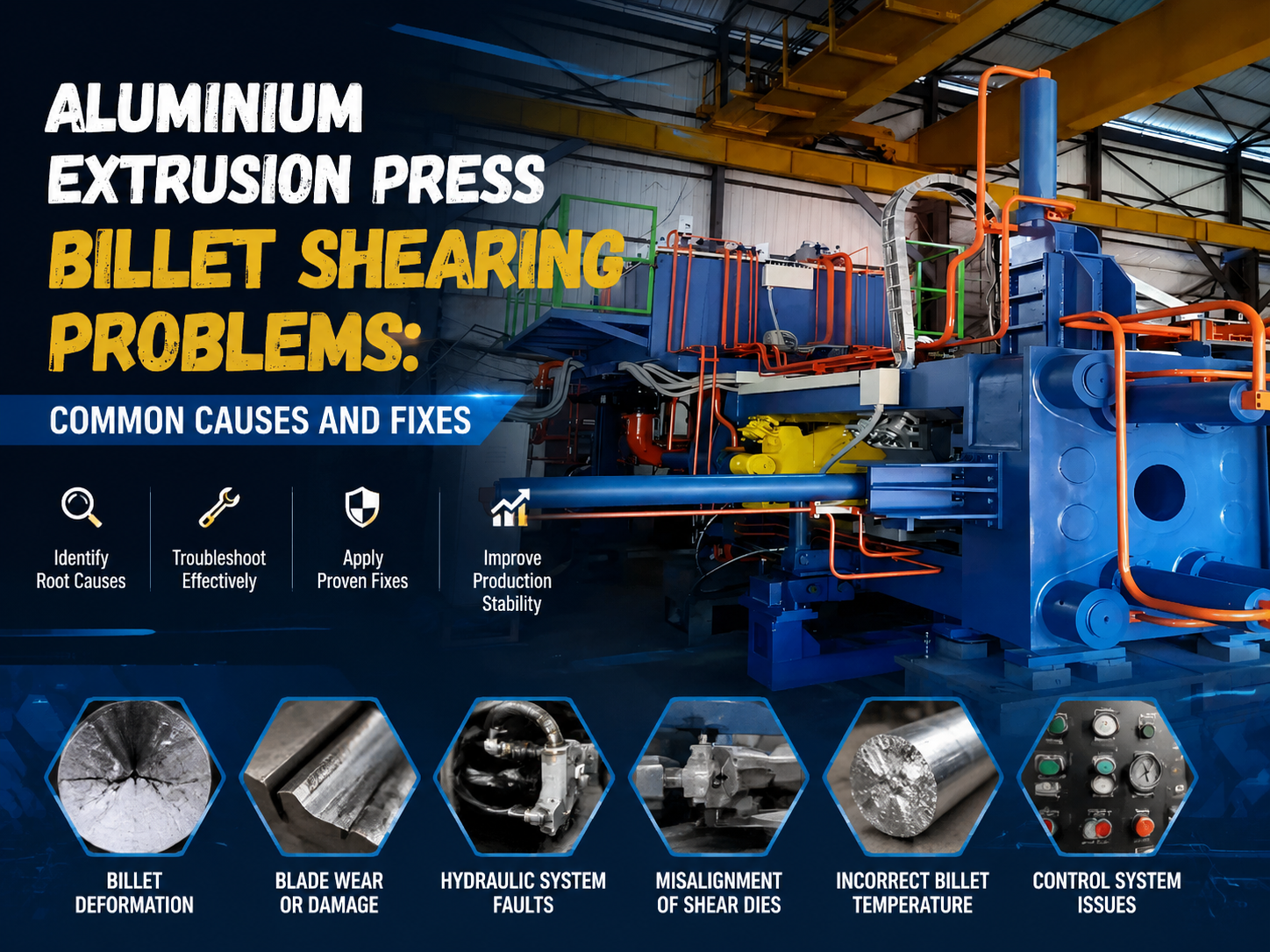
Introduction to Billet Shearing in Aluminium Extrusion
In the high-stakes world of aluminium extrusion, precision is not merely a goal; it is a requirement for operational viability. The billet shearing process, whether performed on a hot log shear or a cold billet shear, represents a critical juncture in the production cycle. When the shearing process fails or underperforms, it creates a domino effect that impacts the entire extrusion line, leading to air entrapment, profile defects, and significant material waste. Understanding the complexities of Aluminium Extrusion Press Billet Shearing Problems: Common Causes Fixes is essential for any facility aiming to maintain high OEE (Overall Equipment Effectiveness).
The billet shear’s primary function is to cut a specific length of aluminium from a longer log or to trim the ends of a billet to ensure a clean interface with the extrusion die and dummy block. Because aluminium becomes significantly more malleable at extrusion temperatures (typically between 400°C and 500°C), the mechanics of shearing change drastically compared to cold metal processing. This thermal variable introduces a unique set of challenges, ranging from metallurgical sticking to structural deformation of the billet end, often referred to as “mushrooming.”
For operators and maintenance managers, the billet shear is often a source of frustration due to its high-cycle nature and the harsh environment in which it operates. Constant heat, high hydraulic pressures, and the abrasive nature of aluminium oxide create a perfect storm for mechanical wear. This article provides an in-depth technical analysis of the most frequent shearing problems encountered in modern extrusion plants and offers actionable solutions to keep your HARSLE machinery or similar industrial presses running at peak performance.
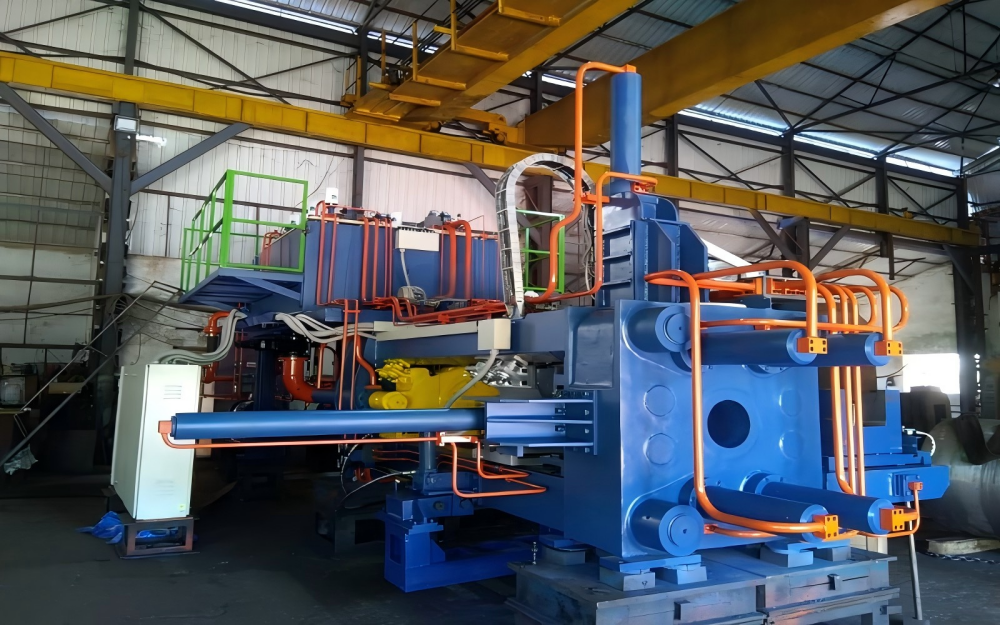
Key Considerations for Effective Billet Shearing
Before diving into specific troubleshooting steps, it is vital to understand the foundational factors that influence shearing quality. The first consideration is the alloy type. Different aluminium alloys, such as the 6000 series (common in architectural applications) versus the 7000 series (aerospace), exhibit different shear strengths and flow characteristics at elevated temperatures. A shear setting that works perfectly for 6063 may cause cracking or excessive burrs on a harder 7075 alloy.
Temperature consistency is the second pillar of successful shearing. If the log is unevenly heated—a condition known as a temperature gradient—the shear blade will encounter varying resistance as it passes through the material. This often results in a crooked cut or “banana-ing” of the billet. Maintaining a precise temperature profile through the induction or gas furnace is just as important as the mechanical state of the shear itself.
Thirdly, the mechanical alignment of the shear assembly cannot be overstated. The shear operates within a frame that must withstand massive lateral forces. Any deflection in the guide rails or the shear carriage will manifest as an imprecise cut. This is particularly problematic in older machines where wear plates may have thinned over years of service. Regular calibration and the use of high-quality wear-resistant materials are non-negotiable for long-term accuracy.
Finally, the role of lubrication must be highlighted. Without proper lubrication of the shear blade, aluminium tends to “pick up” or weld itself to the steel blade. This buildup changes the geometry of the cutting edge, leading to increased friction, higher energy consumption, and poor surface finish on the billet end. Modern systems often utilize automated graphite or boron nitride spray systems to mitigate this issue.
Technical Details: The Mechanics of the Shear
The technical operation of an aluminium billet shear involves a complex interplay of hydraulic force and geometric precision. Most modern shears utilize a “vertical down-cut” or a “swing-cut” motion. The blade itself is typically made from high-hot-hardness tool steel, such as H13, which is heat-treated to withstand repeated thermal cycling without losing its edge. The clearance between the moving blade and the stationary die (or the log support) is the most critical technical parameter.
If the clearance is too wide, the aluminium will be pushed or “smeared” rather than cut, leading to a large burr and a deformed end. If the clearance is too tight, the risk of blade-on-blade contact increases, which can lead to catastrophic tool failure and hydraulic spikes. For most hot shearing applications, a clearance of 0.5mm to 1.0mm is standard, though this must be adjusted based on the log diameter and alloy hardness.
The hydraulic circuit powering the shear must be capable of delivering rapid pressure build-up and a controlled stroke. Many Aluminium Extrusion Press Billet Shearing Problems: Common Causes Fixes stem from the hydraulic system’s inability to maintain constant speed during the cut. If the blade slows down mid-cut due to a pressure drop, the aluminium has more time to deform plastically, resulting in a “mushroomed” end that may not fit into the press container properly.
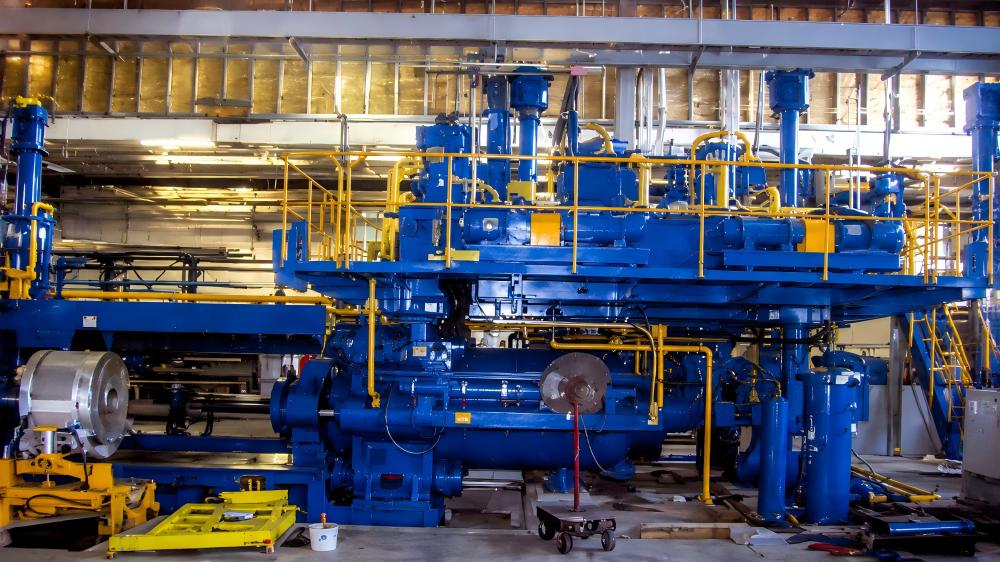
Common Problems and Technical Fixes
1. Mushrooming and End Deformation
Mushrooming occurs when the end of the billet expands in diameter during the shearing process. This is usually caused by excessive heat in the billet or a dull shear blade that “crushes” the material before it begins to cut. When a mushroomed billet is pushed into the container, it can scrape the container liner or trap air, leading to blisters in the final extruded profile.
- Cause: Billet temperature exceeds the recommended range for the alloy.
- Fix: Calibrate the furnace thermocouples and ensure the log is not soaking at high temperatures for too long.
- Cause: Worn or rounded blade edges.
- Fix: Implement a strict blade sharpening schedule. Rotate blades every 500-1000 cuts depending on the material.
2. Crooked or Angled Cuts
An angled cut prevents the billet from sitting flush against the die face or the dummy block. This creates an asymmetrical pressure distribution during the initial stage of extrusion, which can damage the press stem or cause the die to shift. It also introduces air into the container.
- Cause: Misalignment of the log guide rollers.
- Fix: Use a laser alignment tool to ensure the log is perfectly perpendicular to the shear blade path.
- Cause: Uneven wear on the shear carriage gibs or wear plates.
- Fix: Inspect and replace wear plates. Adjust the gibs to eliminate lateral play in the shear head.
3. Excessive Burr Formation
Burrs are sharp protrusions of metal left at the edge of the cut. In aluminium extrusion, these burrs can break off and become inclusions in the finished product, or they can interfere with the loading mechanism of the press.
- Cause: Incorrect blade clearance (usually too large).
- Fix: Re-shim the blade to the manufacturer’s specified clearance.
- Cause: Lack of lubrication on the blade face.
- Fix: Check the automated lubrication system for clogged nozzles or empty reservoirs. Ensure the lubricant is rated for high-temperature aluminium applications.
4. Hydraulic Shudder and Noise
If the shear vibrates or makes a banging noise during operation, it indicates a problem within the hydraulic power unit (HPU) or the cylinder mounting. This not only affects cut quality but also leads to premature fatigue failure of the machine frame.
- Cause: Air trapped in the hydraulic cylinders.
- Fix: Bleed the hydraulic system and check for leaks on the suction side of the pump.
- Cause: Failure of the hydraulic accumulator.
- Fix: Check the nitrogen pre-charge in the accumulator. If the bladder is ruptured, replace it immediately to restore smooth pressure delivery.
Selection Advice for Billet Shearing Systems
When purchasing a new aluminium extrusion press or upgrading an existing line, the choice of billet shear is paramount. First, evaluate the drive system. While traditional hydraulic shears are robust, newer servo-hydraulic systems offer much finer control over the shearing speed and position, which can significantly reduce deformation in softer alloys. These systems are also more energy-efficient, as they only consume power during the actual shearing stroke.
Second, consider the ease of maintenance. A well-designed shear should allow for quick blade changes—ideally in under 15 minutes. Look for “quick-change” blade holders that do not require the entire shear head to be dismantled. This minimizes downtime and encourages operators to change blades as soon as they become dull, rather than waiting for the end of a shift.
Third, integration with the furnace and press PLC (Programmable Logic Controller) is essential. The shear should receive real-time data regarding the log temperature and the required billet length for the next cycle. Advanced systems can even adjust the shearing speed automatically based on the alloy type being processed. When selecting equipment from manufacturers like HARSLE, ensure that the control interface is intuitive and provides comprehensive diagnostic feedback for troubleshooting Aluminium Extrusion Press Billet Shearing Problems: Common Causes Fixes.
Troubleshooting Summary Table
| Problem | Probable Cause | Recommended Action |
|---|---|---|
| Mushroomed Billet End | High temperature or dull blade | Reduce furnace temp; sharpen/replace blade |
| Incomplete Cut | Low hydraulic pressure or valve failure | Check pump output and solenoid valve function |
| Blade Sticking | Insufficient lubrication | Clean blade and check spray system nozzles |
| Surface Cracking | Cold log or brittle alloy | Increase log pre-heat time; check alloy specs |
| Machine Vibration | Loose mounting bolts or air in oil | Tighten all structural bolts; bleed hydraulics |
Frequently Asked Questions (FAQ)
How often should I sharpen my billet shear blades?
The frequency depends on the volume of production and the alloys used. For standard 6063 alloy, blades typically require sharpening every 1,000 to 2,000 cuts. However, if you are processing harder alloys or notice an increase in burr size, you should inspect the blades daily and sharpen them as needed to prevent downstream extrusion defects.
Why is my shear making a loud ‘bang’ at the end of the stroke?
This is often caused by the failure of the hydraulic cushioning at the end of the cylinder stroke or a depleted nitrogen charge in the accumulator. It can also be caused by mechanical stops being out of adjustment. Immediate inspection is required to prevent structural cracking of the shear frame.
Can I use the same shear for both hot and cold billets?
Generally, no. Hot shears are designed for the lower yield strength of heated aluminium and use specific blade clearances and materials. Cold shearing requires significantly higher forces and different blade geometries to prevent shattering the blade or cracking the cold billet. Always use the equipment for its intended thermal range.
What is the ideal clearance for a hot log shear?
For most industrial applications, a clearance of 0.020″ to 0.040″ (0.5mm to 1.0mm) is ideal. However, this should be verified with your machine’s technical manual, as it varies based on the diameter of the log and the specific design of the shear carriage.
Conclusion: Proactive Maintenance for Maximum Productivity
Mastering the nuances of Aluminium Extrusion Press Billet Shearing Problems: Common Causes Fixes is a journey of continuous improvement. By treating the billet shear not just as a simple cutter, but as a precision instrument, manufacturers can significantly reduce scrap rates and improve the quality of their extruded profiles. The key lies in a proactive approach: regular blade maintenance, precise hydraulic tuning, and rigorous alignment checks.
As the aluminium industry moves toward greater automation and tighter tolerances, the reliability of the shearing process becomes even more critical. Investing in high-quality machinery from reputable brands like HARSLE, and backing that investment with a robust preventative maintenance program, ensures that your extrusion line remains competitive in a demanding global market. Remember, a perfect extrusion begins with a perfect cut.