
How to Troubleshoot Oxidation and Black Streaks in Aluminium Extrusion Press Profiles

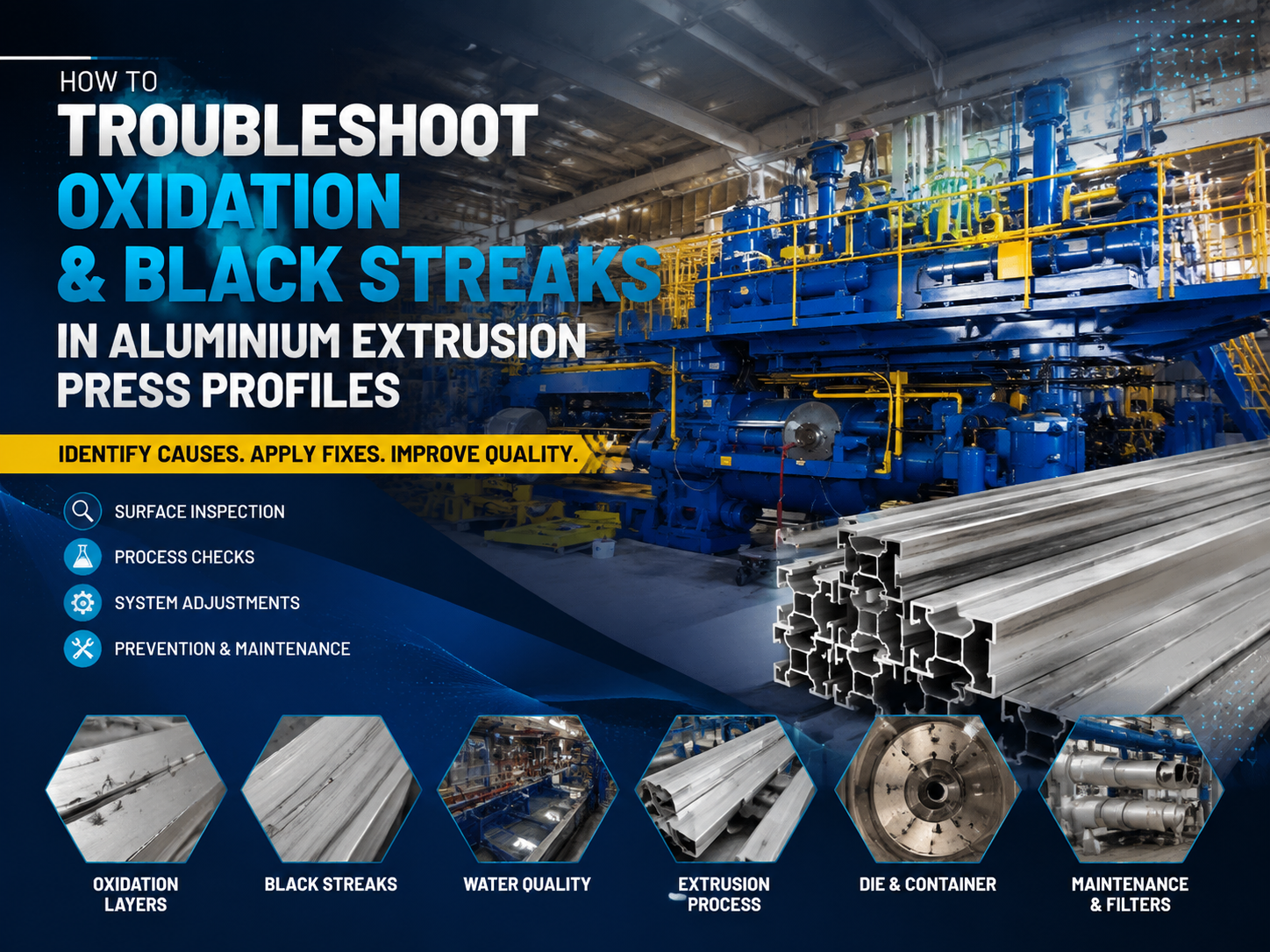
Introduction to Surface Quality in Aluminium Extrusion
In the world of high-precision manufacturing, the surface quality of aluminium profiles is a critical benchmark for excellence. Whether the profiles are destined for architectural frameworks, automotive components, or aerospace structures, any visual or structural defect can lead to significant material waste and financial loss. Among the most frustrating challenges faced by operators is the appearance of oxidation and black streaks. To effectively troubleshoot oxidation black streaks in aluminium extrusion press profiles, one must understand the complex interplay between metallurgy, machine mechanics, and thermal dynamics.
Oxidation typically manifests as a dull, grayish, or white powdery residue on the surface, while black streaks often appear as elongated dark lines or smudges that ruin the aesthetic and structural integrity of the profile. These issues are rarely the result of a single factor; rather, they are often the culmination of improper billet preparation, misaligned machinery, or environmental contaminants. As a leading manufacturer of industrial machinery, HARSLE recognizes that providing high-quality equipment is only half the battle; empowering operators with the knowledge to maintain peak performance is equally vital.
This comprehensive guide delves deep into the root causes of these defects. We will explore the technical nuances of the extrusion process, from the moment the billet enters the furnace to the final quenching stage. By the end of this article, you will have a robust framework for identifying, diagnosing, and resolving surface defects, ensuring your aluminium extrusion press operates at maximum efficiency with minimal scrap rates.
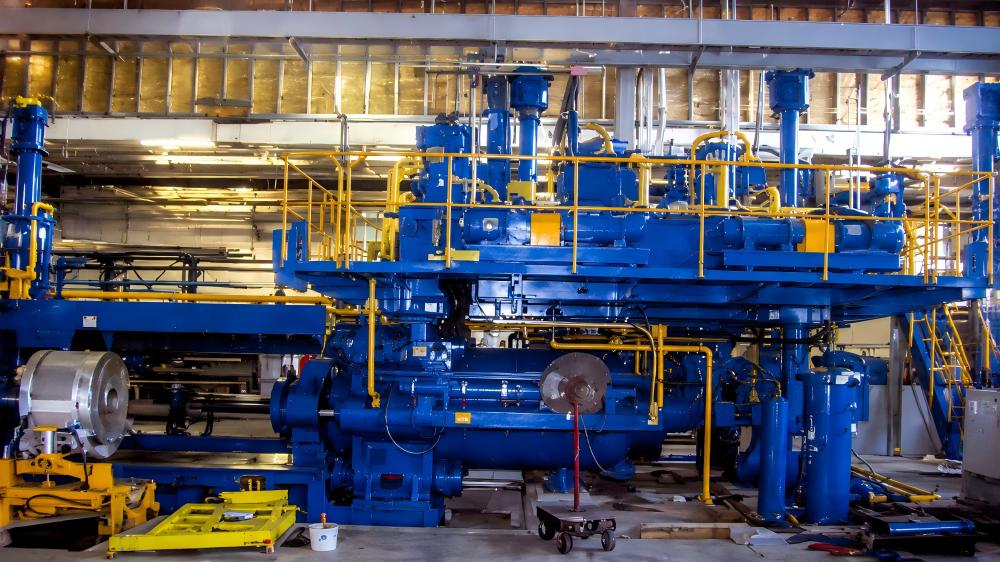
Key Considerations for Preventing Surface Defects
Before diving into specific troubleshooting steps, it is essential to establish a foundation of best practices. Preventing oxidation and black streaks starts long before the extrusion press is cycled. The first consideration is the quality of the raw material. Aluminium billets must be stored in a dry, temperature-controlled environment. Moisture on the surface of a billet can lead to hydrogen porosity and surface oxidation during the heating phase. If the billet is already oxidized before it enters the press, those oxides will inevitably be pushed through the die, resulting in streaks or inclusions.
Temperature control is the second pillar of surface quality. The extrusion process is highly sensitive to thermal fluctuations. If the billet temperature is too high, the metal becomes overly plastic, increasing the likelihood of pick-up and surface tearing. Conversely, if the temperature is too low, the pressure required to extrude increases, leading to excessive friction and the potential for black streaks caused by tool wear. Maintaining a consistent temperature gradient across the billet—often referred to as ‘taper heating’—is a sophisticated technique used to compensate for the heat generated by friction during the stroke.
Lubrication management is another critical factor. While lubrication is necessary for the dummy block and the shear blade, excessive or improper application is a leading cause of black streaks. When lubricants carbonize under high heat, they leave behind dark residues that embed themselves into the profile surface. Operators must ensure that only the necessary amount of high-temperature resistant lubricant is used and that it is applied precisely where needed, avoiding any contact with the die face or the billet’s main body.
Technical Details: The Mechanics of Oxidation and Black Streaks
Understanding Oxidation in the Extrusion Cycle
Oxidation in aluminium extrusion is primarily a chemical reaction between the hot metal and atmospheric oxygen or moisture. When aluminium is heated to extrusion temperatures (typically between 400°C and 500°C), its affinity for oxygen increases exponentially. If the profile exits the die and is exposed to air without immediate and adequate quenching, a thick oxide layer forms. This is particularly problematic in humid environments where water vapor accelerates the reaction.
Furthermore, ‘internal oxidation’ can occur if the billet contains high levels of impurities or if the container of the extrusion press is not properly cleaned. Residual oxides from previous cycles can accumulate in the ‘dead zones’ of the die or the container corners. As the extrusion progresses, these oxides are pulled into the metal flow, appearing as streaks on the finished profile. To troubleshoot oxidation black streaks in aluminium extrusion press profiles, one must inspect the ‘butt’ or the remaining portion of the billet after extrusion, as this is where oxides tend to concentrate.
The Root Causes of Black Streaks
Black streaks are often mechanical in nature, stemming from friction or contamination. One common source is the container liner. If the liner is worn or scored, it can shave off small particles of steel or old aluminium, which then carbonize and form dark lines. Another frequent culprit is the cooling system. If the run-out table or the cooling fans are contaminated with oil or grease, these substances can be transferred to the hot profile, instantly burning and leaving a permanent black mark.
Alignment of the extrusion press is also a technical factor that cannot be overlooked. If the ram, container, and die are not perfectly coaxial, the metal flow becomes asymmetrical. This creates localized areas of extreme high pressure and friction, leading to ‘die lines’ which can appear as dark streaks. Furthermore, a misaligned press can cause the dummy block to scrape the container wall, introducing metallic contaminants into the extrusion stream. Regular laser alignment checks are essential for maintaining the precision required for high-quality finishes.
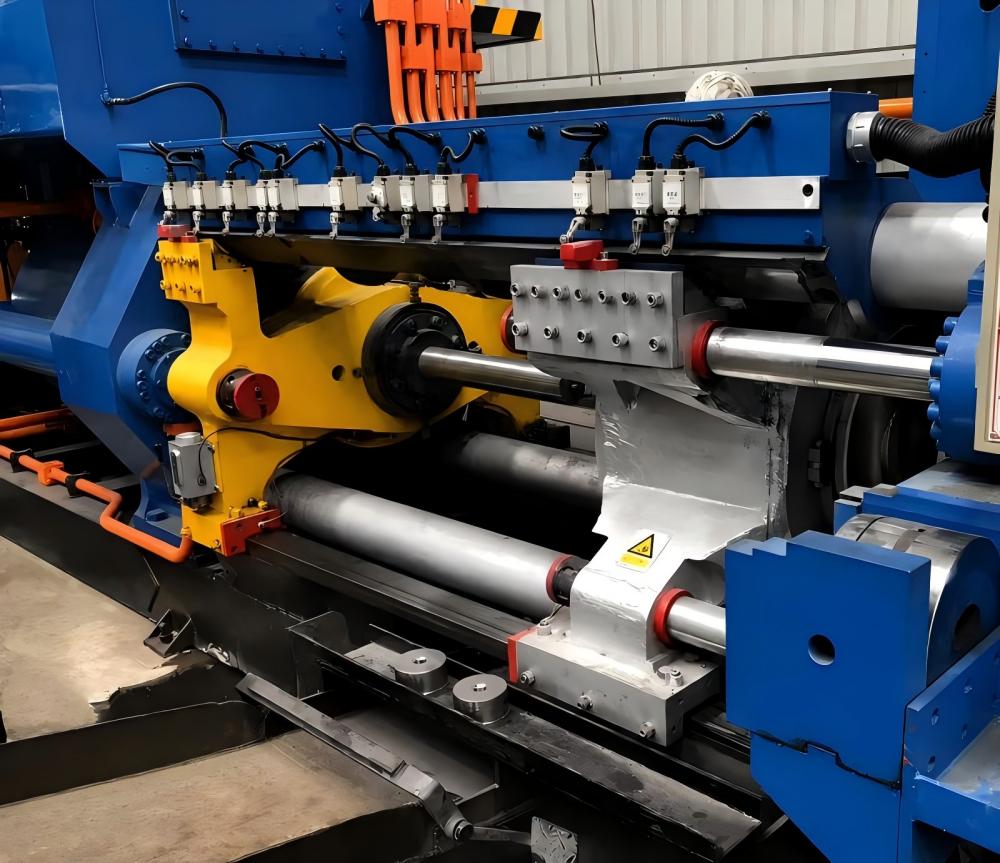
Selection Advice: Choosing the Right Machinery to Minimize Defects
When investing in an aluminium extrusion press, the machine’s ability to control variables is the most important factor in preventing defects. HARSLE’s range of extrusion presses is designed with these challenges in mind. For instance, a press equipped with an advanced PLC (Programmable Logic Controller) allows for precise monitoring of extrusion speed and pressure. Constant speed extrusion is vital; fluctuations in speed can cause temperature spikes, which in turn lead to oxidation and surface tearing.
Another feature to look for is the cooling system integration. Modern presses should offer multi-stage quenching options, such as air-mist or water-spray, which can be adjusted based on the alloy type and profile geometry. Rapid quenching immediately after the die exit is the most effective way to ‘freeze’ the surface and prevent the formation of heavy oxide layers. Additionally, look for machines with robust container heating systems that ensure uniform temperature distribution, reducing the risk of ‘cold spots’ that cause flow irregularities.
Maintenance accessibility is also a key selection criterion. A machine that allows for easy cleaning of the container and quick die changes will naturally suffer from fewer contamination-related issues. HARSLE presses are engineered for durability and ease of service, ensuring that operators can perform the necessary ‘housekeeping’ to keep the extrusion path clean. When you troubleshoot oxidation black streaks in aluminium extrusion press profiles, having a machine that responds accurately to adjustments is half the battle won.
Step-by-Step Troubleshooting Guide
If you encounter surface defects during production, follow this systematic approach to identify the cause:
- Step 1: Inspect the Billet. Check for surface moisture, heavy oxidation, or dirt. Ensure the billet heater is reaching the target temperature uniformly.
- Step 2: Evaluate Lubrication. Observe the application of lubricant on the dummy block. If there is smoke or visible residue on the profile, reduce the amount of lubricant or switch to a higher-quality synthetic alternative.
- Step 3: Check Die Condition. Examine the die for ‘pick-up’ (aluminium stuck to the bearing surface). Use a caustic bath to clean dies thoroughly and ensure they are polished to a mirror finish.
- Step 4: Monitor Quenching. Ensure the cooling fans or water sprays are hitting the profile immediately as it exits the die. Check for any oil leaks in the cooling area that might be contaminating the profile.
- Step 5: Verify Press Alignment. Use a centering tool to ensure the ram and container are aligned. Check for wear on the container liner and replace it if scoring is detected.
- Step 6: Analyze the ‘Butt’. Increase the butt thickness slightly to see if the streaks disappear. This helps determine if the contaminants are being pulled from the back of the billet.
| Defect Type | Potential Cause | Recommended Action |
|---|---|---|
| White/Gray Oxidation | Slow quenching or high humidity | Increase cooling fan speed; check quench delay |
| Continuous Black Streaks | Scored container liner or die damage | Inspect and polish die; check liner for wear |
| Intermittent Dark Spots | Excessive dummy block lubrication | Reduce lubricant volume; ensure precise application |
| Dull Surface Finish | Billet temperature too high | Lower billet furnace temperature; optimize extrusion speed |
| Transverse Cracks/Tearing | Excessive friction or low temperature | Check die bearing length; ensure proper billet taper heating |
Frequently Asked Questions (FAQ)
1. Why do black streaks appear only at the end of the extrusion cycle?
This is often due to the ‘funnel effect.’ As the billet is compressed, the surface oxides and contaminants from the outer skin of the billet are drawn toward the center and pushed through the die at the end of the stroke. Increasing the butt thickness or using a ‘scalped’ billet (where the outer skin is removed) can solve this.
2. Can the type of aluminium alloy affect oxidation rates?
Yes, absolutely. Alloys with higher magnesium content, like the 5000 or 6000 series, are more prone to oxidation. These alloys require more stringent temperature control and faster quenching to maintain a bright surface finish.
3. How often should the extrusion container be cleaned?
The container should be cleaned at the end of every shift, and a ‘cleaning block’ should be run through the press periodically to remove accumulated oxides and debris from the liner walls. This is a critical step to troubleshoot oxidation black streaks in aluminium extrusion press profiles.
4. Does the nitrogen shrouding technique help?
Yes, nitrogen shrouding involves surrounding the die exit with an inert nitrogen atmosphere. This displaces oxygen and significantly reduces the formation of oxides, resulting in a much smoother and shinier profile surface. It also helps cool the die, extending its lifespan.
5. What role does hydraulic oil play in surface streaks?
If there is a leak in the hydraulic system near the front of the press, oil mist can settle on the hot profile or the die. This oil burns instantly, creating black streaks. Regular maintenance of seals and hoses is essential to prevent this type of contamination.
6. Can die nitriding prevent black streaks?
Nitriding hardens the surface of the die, reducing friction and the likelihood of aluminium ‘pick-up.’ A well-nitrided die produces a better surface finish and is less likely to cause the mechanical dragging that leads to dark streaks.
Conclusion: Mastering the Extrusion Process
Troubleshooting oxidation and black streaks in aluminium extrusion is both a science and an art. It requires a keen eye for detail and a deep understanding of how the extrusion press interacts with the material. By focusing on billet quality, maintaining precise temperature control, and ensuring the mechanical integrity of the press, manufacturers can significantly reduce defect rates and improve their bottom line. The key is consistency; even small deviations in the process can lead to visible flaws in the final product.
At HARSLE, we are committed to providing the metal fabrication industry with the tools and knowledge needed to succeed. Our extrusion presses are built to the highest standards, offering the stability and control necessary to produce flawless profiles. However, the machine is only as good as the operator’s ability to maintain it. We encourage all our partners to implement rigorous maintenance schedules and to stay informed about the latest troubleshooting techniques. With the right approach, you can eliminate oxidation and black streaks, ensuring that every profile that leaves your facility meets the highest standards of quality.
In summary, to troubleshoot oxidation black streaks in aluminium extrusion press profiles, one must look at the entire ecosystem of the production line. From the storage of the raw billets to the final cooling of the extruded shapes, every step matters. By following the guidelines outlined in this guide, you can transform your production process, minimize waste, and deliver superior aluminium products to your customers.












