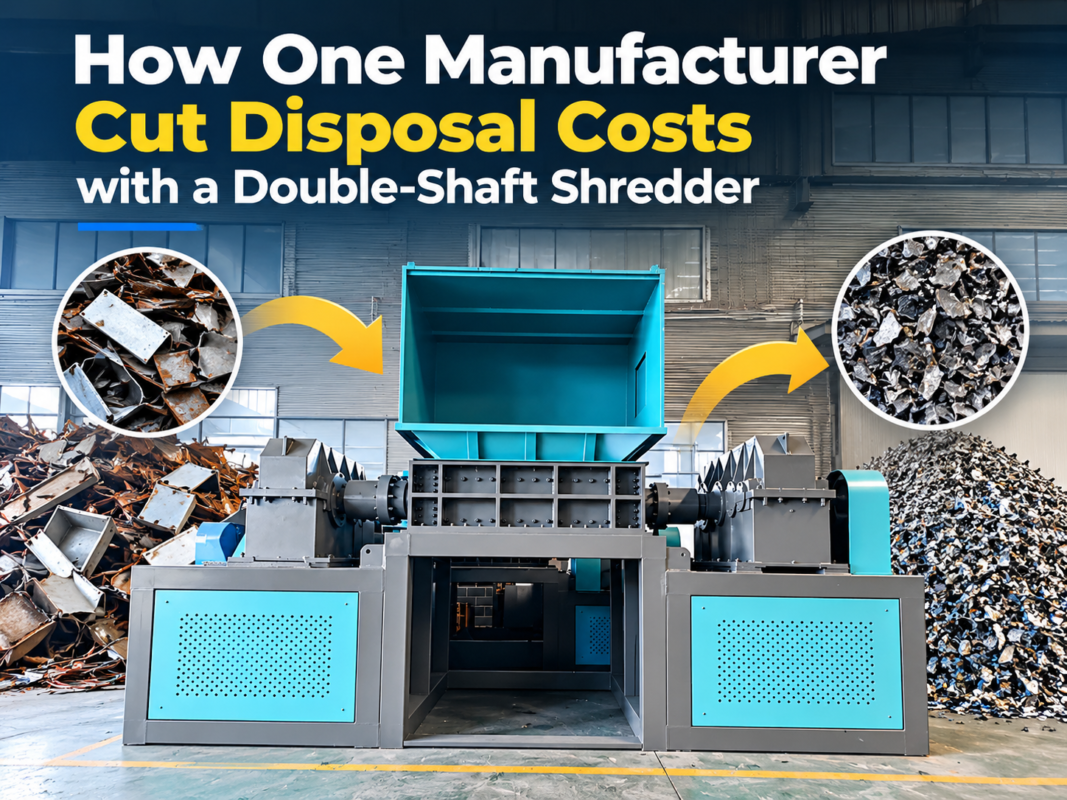
Aluminium Extrusion Press Selection Guide for High-Precision Manufacturing

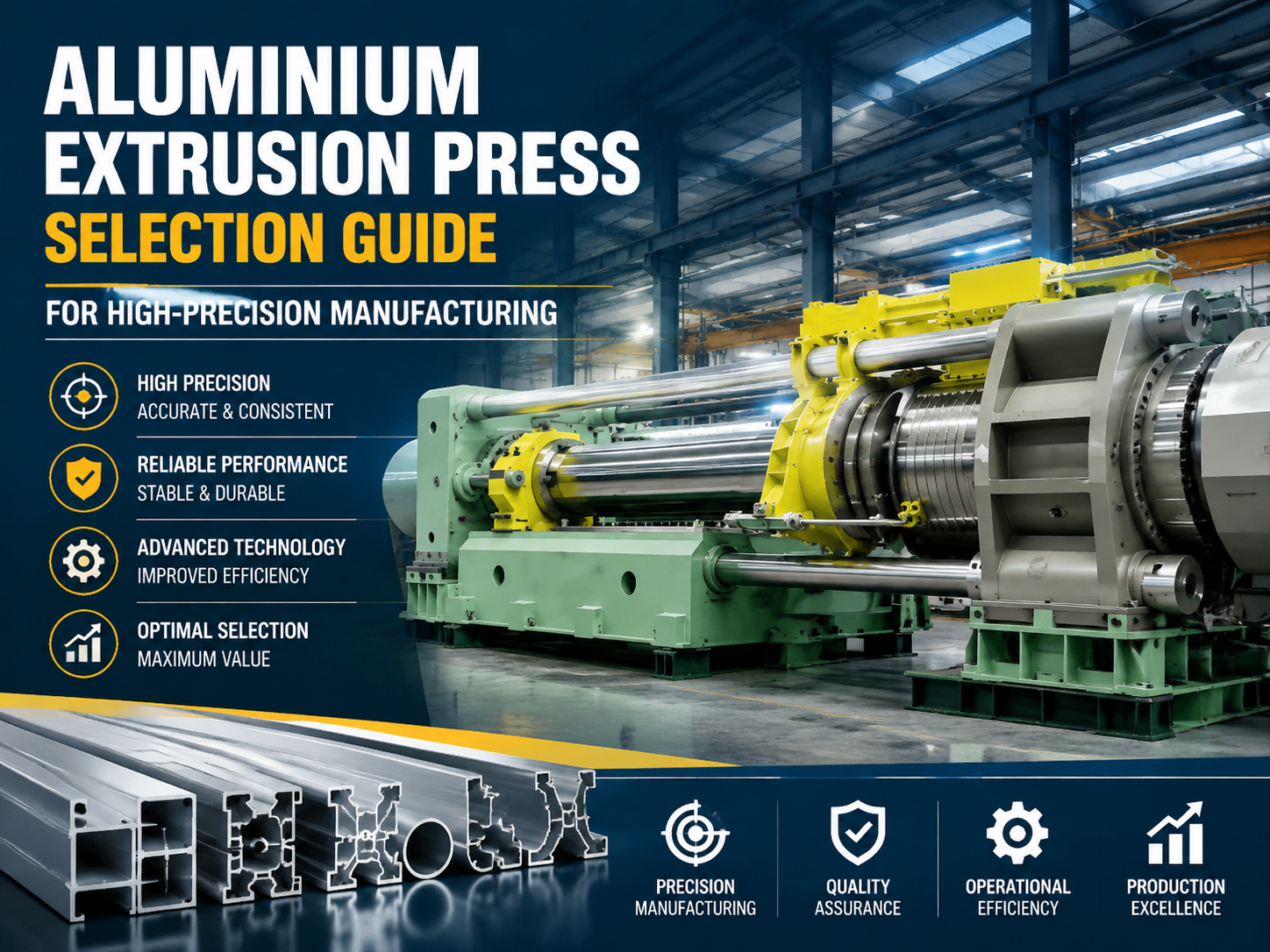
Introduction to High-Precision Aluminium Extrusion
In the modern industrial landscape, the demand for high-precision aluminium profiles has skyrocketed. From aerospace components and automotive structural parts to intricate heat sinks for electronics, the quality of the final product is inextricably linked to the performance of the aluminium extrusion press. Selecting the right machinery is not merely a matter of purchasing a piece of equipment; it is a strategic investment in the future of your manufacturing capabilities. This guide focuses on the critical factors involved in Aluminium Extrusion Press Selection High-Precision Manufacturing, ensuring that your facility can meet the rigorous tolerances and surface finish requirements of today’s market.
High-precision manufacturing requires more than just raw power. It demands a machine that offers exceptional stability, precise control over extrusion speed and temperature, and a robust frame that can withstand millions of cycles without losing alignment. As industries move toward lightweighting and complex geometries, the extrusion press must evolve to handle advanced alloys and thinner wall thicknesses. This article provides a comprehensive roadmap for navigating the complexities of the extrusion press market, specifically tailored for those who prioritize precision and long-term reliability.
Price Range Overview: Understanding the Market Landscape
The cost of an aluminium extrusion press varies significantly based on its tonnage, level of automation, and the technological sophistication of its hydraulic and control systems. For high-precision applications, the entry-level price point is often higher than that of standard commercial-grade presses because of the tighter tolerances required in the machine’s construction. Generally, the market is divided into three main categories based on capacity and price.
Small-tonnage presses (600 to 1,100 tons) are typically used for smaller profiles, such as those found in consumer electronics or decorative trims. These machines can range from $250,000 to $600,000. While they are smaller, high-precision models in this range feature advanced sensors to ensure wall thickness consistency. Mid-range presses (1,450 to 2,500 tons) are the workhorses of the industry, serving the automotive and construction sectors. These units typically cost between $700,000 and $1.5 million. At this level, you begin to see more sophisticated handling systems and energy-saving hydraulic circuits.
Large-tonnage presses (3,000 to 10,000+ tons) are reserved for heavy industrial applications, such as railway components, aerospace structures, and large architectural beams. These machines are massive investments, often exceeding $3 million to $10 million. When selecting a press in this category for high-precision work, the focus shifts to the structural integrity of the press frame and the ability to maintain isothermal extrusion throughout the entire cycle. The following table provides a general overview of the price expectations based on tonnage.
| Press Tonnage (UST) | Application Focus | Estimated Price Range (USD) | Precision Level |
|---|---|---|---|
| 600 – 1,000 | Electronics, Small Parts | $200,000 – $500,000 | Very High |
| 1,100 – 2,200 | Automotive, Windows/Doors | $550,000 – $1,200,000 | High |
| 2,500 – 4,000 | Industrial Frames, Transport | $1,300,000 – $3,500,000 | Standard to High |
| 5,000+ | Aerospace, Infrastructure | $4,000,000+ | Specialized |
Main Cost Drivers in High-Precision Presses
When evaluating the cost of an aluminium extrusion press, it is essential to look beyond the sticker price. Several key components drive the cost, and for high-precision manufacturing, these are areas where you cannot afford to cut corners. The first major driver is the hydraulic system. High-precision presses utilize variable displacement pumps and servo-driven motors to provide exact pressure control. Brands like Rexroth or Parker are often preferred for their reliability and precision, but they come at a premium compared to generic alternatives.
The second driver is the control system. A high-precision press requires a sophisticated PLC (Programmable Logic Controller) and HMI (Human Machine Interface) that can monitor hundreds of data points in real-time. This includes billet temperature, container temperature, extrusion speed, and hydraulic pressure. The integration of “Industry 4.0” features, such as remote diagnostics and data logging for quality traceability, adds to the initial cost but is vital for high-precision sectors like aerospace and medical devices.
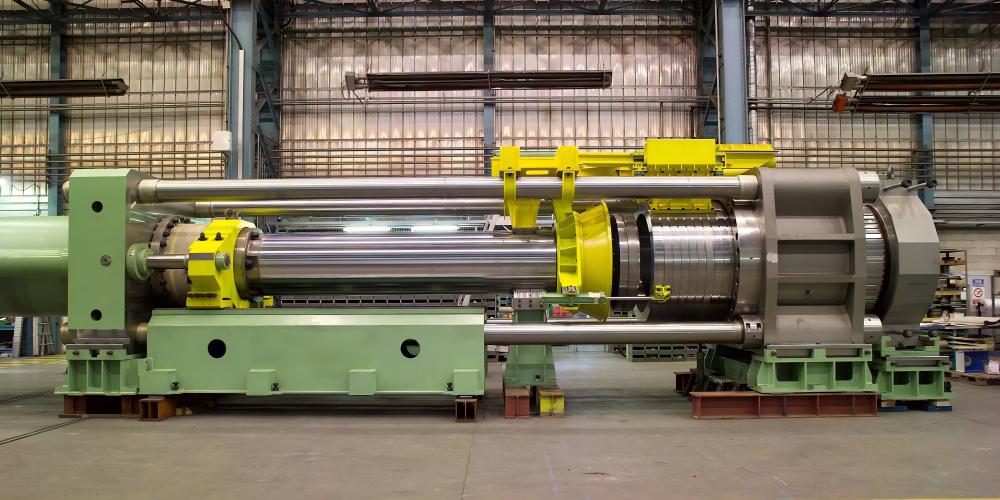
Thirdly, the mechanical structure of the press itself—specifically the frame and the tie rods—is a significant cost factor. In high-precision manufacturing, the press must exhibit minimal deflection under load. Pre-stressed frames and high-quality forged steel components are used to ensure that the container and the die remain perfectly aligned during the extrusion stroke. Any misalignment, even by a fraction of a millimeter, can result in uneven wall thickness or profile twisting, leading to high scrap rates.
Configuration Impact on Production Quality
The configuration of your aluminium extrusion press will directly impact the types of profiles you can produce and the quality you can achieve. One of the most significant choices is between direct and indirect extrusion. Direct extrusion is the most common method, where the ram pushes the billet through the die. However, for high-precision manufacturing of certain alloys, indirect extrusion—where the die is pushed into the billet—can offer better grain structure and more uniform mechanical properties because it eliminates the friction between the billet and the container wall.
Another critical configuration element is the billet heating system. For high-precision work, induction heating is often preferred over gas-fired furnaces. Induction heating allows for “taper heating,” where the billet is heated to different temperatures along its length. This compensates for the heat generated by friction during the extrusion process, allowing for isothermal extrusion. Isothermal extrusion is the holy grail of high-precision manufacturing, as it ensures that the entire length of the profile is extruded at the same temperature, resulting in consistent dimensions and mechanical properties.
Furthermore, the handling system—including the puller, cooling table, and stretcher—must be synchronized with the press. A high-precision puller with constant tension control prevents the profile from deforming as it leaves the die. Similarly, the cooling system (air, water mist, or water quench) must be capable of uniform cooling to prevent warping. For manufacturers targeting the automotive industry, a multi-stage cooling system is often a mandatory configuration to achieve the required T6 temper properties consistently.
Hidden Costs of Owning an Extrusion Press
The purchase price of the machine is only the beginning. Buyers must account for several hidden costs that can impact the total cost of ownership (TCO). One of the most significant is the civil engineering and foundation work. An extrusion press exerts massive forces, and it requires a specialized reinforced concrete foundation, often with deep pilings, to prevent the machine from shifting or vibrating. Depending on the soil conditions and the size of the press, foundation costs can range from $50,000 to over $200,000.
Installation and commissioning are also substantial expenses. This involves transporting the massive components to your facility, assembling them with heavy-duty cranes, and fine-tuning the hydraulic and electrical systems. This process can take several weeks and requires specialized technicians. Additionally, training your staff to operate and maintain a high-precision machine is an ongoing cost. Without proper training, the sophisticated features of a modern press will be underutilized, and the risk of expensive downtime increases.
Energy consumption is another “hidden” cost that becomes very visible once production starts. High-precision presses often run for 24 hours a day. Investing in energy-efficient technologies, such as variable frequency drives (VFDs) for the hydraulic pumps and high-efficiency heating systems, can save tens of thousands of dollars in annual electricity bills. Finally, don’t forget the cost of tooling. High-precision dies, containers, and stems are precision-engineered components that require regular maintenance and eventual replacement.
ROI Calculation: Is the Investment Worth It?
Calculating the Return on Investment (ROI) for an Aluminium Extrusion Press Selection High-Precision Manufacturing project requires looking at both quantitative and qualitative benefits. The primary driver of ROI is the reduction in scrap rates. In high-precision manufacturing, the cost of raw material (aluminium billet) is a major expense. A press that can maintain tighter tolerances will produce fewer rejects, directly increasing the bottom line. For example, reducing scrap by just 3% on a 2,000-ton press can result in annual savings of over $100,000.
Productivity is the second major factor. Modern presses feature faster “dead cycle times” (the time between the end of one extrusion and the start of the next). By shaving 10 seconds off a 60-second cycle, you can increase your daily output by nearly 15%. When combined with automated handling systems that reduce the need for manual labor, the labor cost per kilogram of extruded aluminium drops significantly. Furthermore, the ability to produce high-complexity profiles allows you to charge a premium price, moving your business away from the low-margin commodity market.
Qualitatively, a high-precision press enhances your brand reputation. Being able to consistently meet the stringent requirements of Tier-1 automotive suppliers or aerospace contractors opens doors to long-term, high-value contracts. When calculating ROI, consider a 5-to-10-year horizon. While a cheaper, less precise machine might seem attractive initially, the higher maintenance costs, higher scrap rates, and limited market reach often make it the more expensive choice in the long run.
Buying Advice for High-Precision Manufacturing
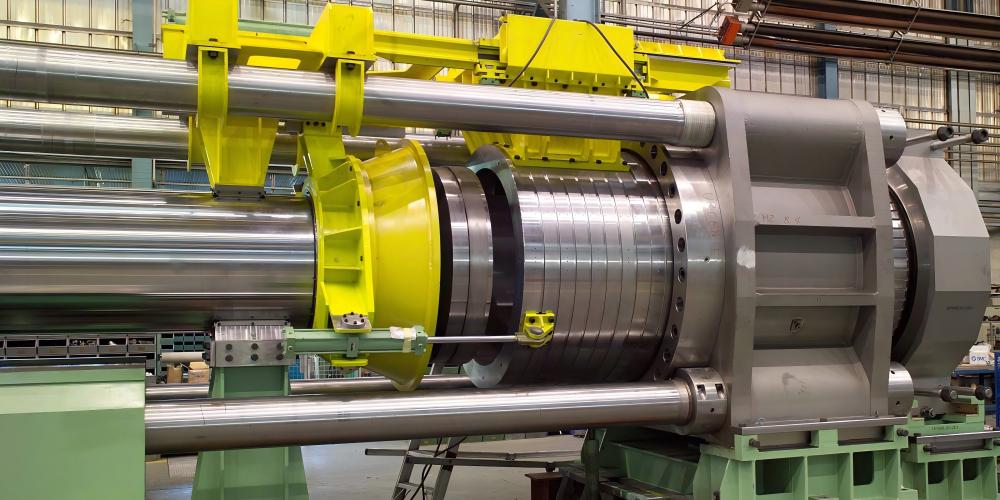
When you are ready to make a purchase, the first step is to define your product mix. Are you focusing on 6000-series alloys for architectural use, or 7000-series alloys for aerospace? The alloy type will dictate the required press pressure and heating capabilities. Once you have defined your needs, research manufacturers with a proven track record in high-precision equipment. HARSLE, for instance, provides robust solutions that balance technological advancement with cost-effectiveness, making them a strong contender for growing manufacturers.
Always request a factory audit. Visit the manufacturer’s facility to see their production process. Pay attention to how they machine the press platens and how they assemble the hydraulic manifolds. A manufacturer that maintains a clean, organized shop floor is more likely to produce a high-quality machine. Furthermore, ask for references from existing customers who are using the equipment for similar high-precision applications. Speaking with an actual operator can provide insights that a sales brochure never will.
Finally, prioritize after-sales support. A high-precision extrusion press is a complex system that will eventually require spare parts and technical assistance. Ensure that the manufacturer has a local service presence or a robust remote support system. Check the availability of critical spare parts like hydraulic seals, PLC modules, and sensors. A machine that is down for three weeks waiting for a part from overseas can cost you more in lost production than the original price difference between a premium and a budget supplier.
Checklist for Buyers:
- Tonnage Accuracy: Ensure the press can deliver its rated tonnage consistently without frame stretching.
- Alignment Systems: Look for machines with easy-to-adjust container and stem alignment tools.
- Software Capabilities: The control system should offer recipe management for different alloys and profiles.
- Energy Efficiency: Check for servo-pump systems or VFDs to reduce operational costs.
- Safety Standards: Ensure the machine complies with CE, UL, or local safety regulations.
Frequently Asked Questions (FAQ)
1. What is the most important factor in Aluminium Extrusion Press Selection High-Precision Manufacturing?
The most important factor is the synergy between the hydraulic control system and the mechanical rigidity of the frame. Without precise pressure control and a stable frame, achieving tight tolerances is impossible, regardless of the other features.
2. How often does a high-precision extrusion press require maintenance?
Daily checks should be performed on hydraulic levels and temperatures. A deep maintenance cycle, including oil filtration and alignment checks, should occur every 2,000 to 3,000 operating hours. Preventive maintenance is key to preserving precision.
3. Can I upgrade an old press for high-precision work?
To an extent, yes. You can retrofit old presses with modern PLC systems, new hydraulic pumps, and improved billet heaters. However, if the physical frame is warped or the tie rods are stretched, the machine’s ultimate precision will always be limited.
4. What role does the billet temperature play in precision?
Billet temperature is critical. If the temperature is inconsistent, the flow of the metal through the die will vary, leading to dimensional inaccuracies and variations in surface finish. This is why taper heating and isothermal extrusion are so important.
5. Is a 2,000-ton press always better than a 1,000-ton press?
Not necessarily. It depends on the size of the profiles you intend to make. Using a 2,000-ton press for a profile that only requires 600 tons is inefficient and can lead to higher energy costs and slower cycle times. Match the tonnage to your specific product range.
6. How long does it take from ordering to full production?
Typically, the lead time for a custom-built extrusion press is 6 to 10 months. Installation and commissioning take another 4 to 8 weeks. It is important to plan your facility layout and utility connections well in advance.