Best Practices for Scrap Metal Shear Machine Cleaning and Care: A Comprehensive Guide


The Critical Importance of Scrap Metal Shear Maintenance
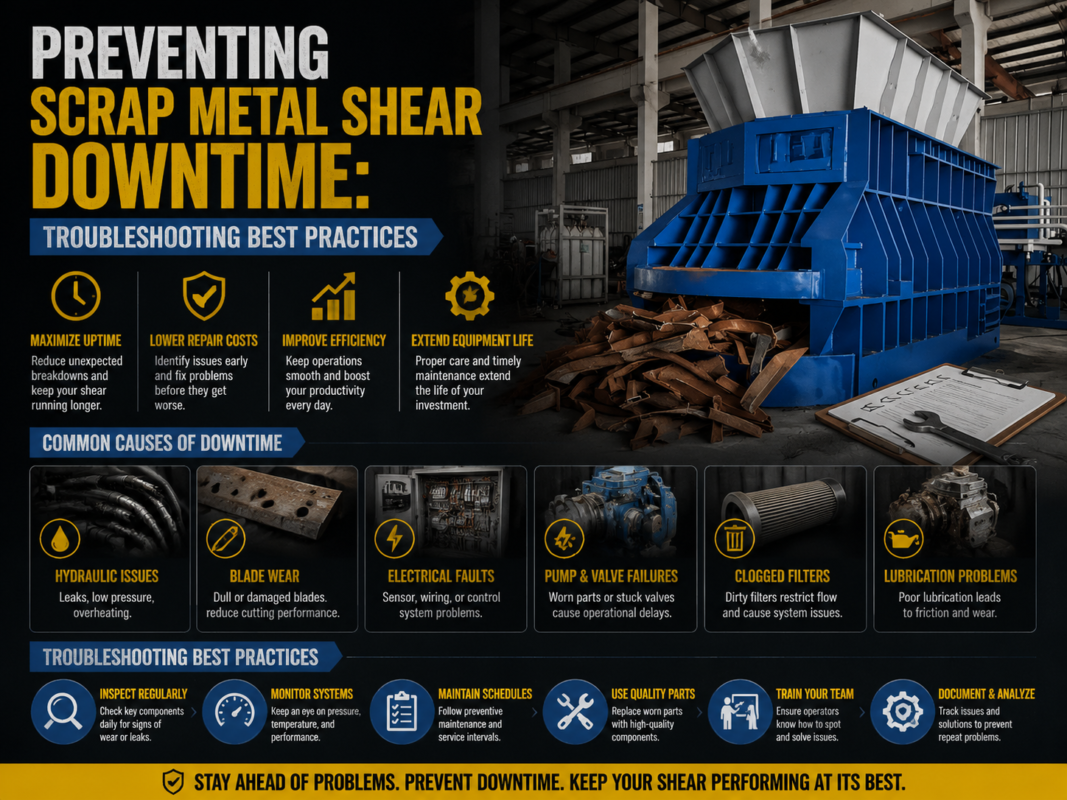
In the high-intensity world of metal recycling, the scrap metal shear stands as the workhorse of the yard. These machines are designed to exert massive force to cut through structural steel, pipes, and mixed scrap. However, the very nature of the work—processing abrasive, heavy, and often dirty materials—puts immense strain on every component. Implementing Best Practices Scrap Metal Shear Machine Cleaning Care is not merely a suggestion; it is a fundamental requirement for any facility looking to maximize its Return on Investment (ROI) and ensure operational safety.
Neglecting maintenance leads to a cascade of failures. Small leaks become major hydraulic blowouts, minor blade chips turn into catastrophic structural cracks, and accumulated metal dust can lead to electrical fires. By prioritizing a structured cleaning and care regimen, operators can extend the lifespan of their HARSLE equipment by years, if not decades. Furthermore, a well-maintained machine operates more efficiently, consuming less energy and producing cleaner cuts that fetch higher prices in the recycling market.
Safety is perhaps the most compelling reason for rigorous maintenance. Scrap shears operate under extreme hydraulic pressures. A failed hose or a loose bolt can result in life-threatening accidents. A clean machine allows for easier inspection, making it much simpler to spot a hairline fracture or a weeping seal before it fails under load. In this guide, we will delve into the specific technical steps required to keep your scrap metal shear in peak condition.
Daily Inspection: The First Line of Defense
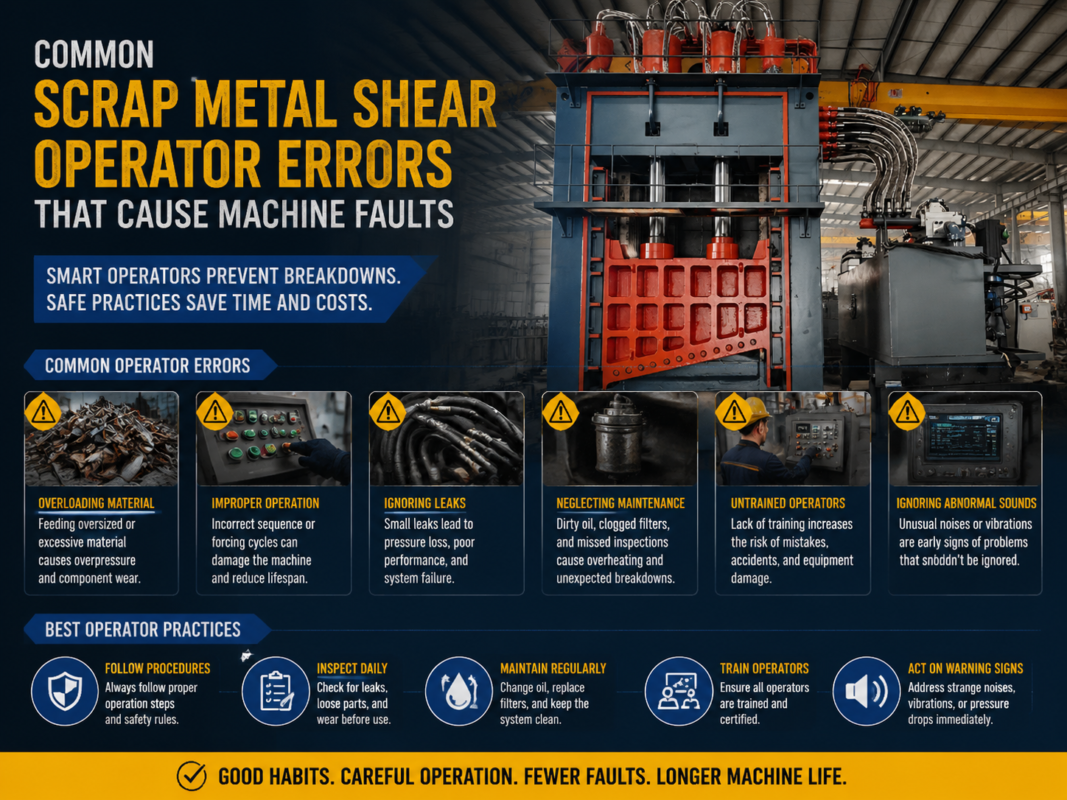
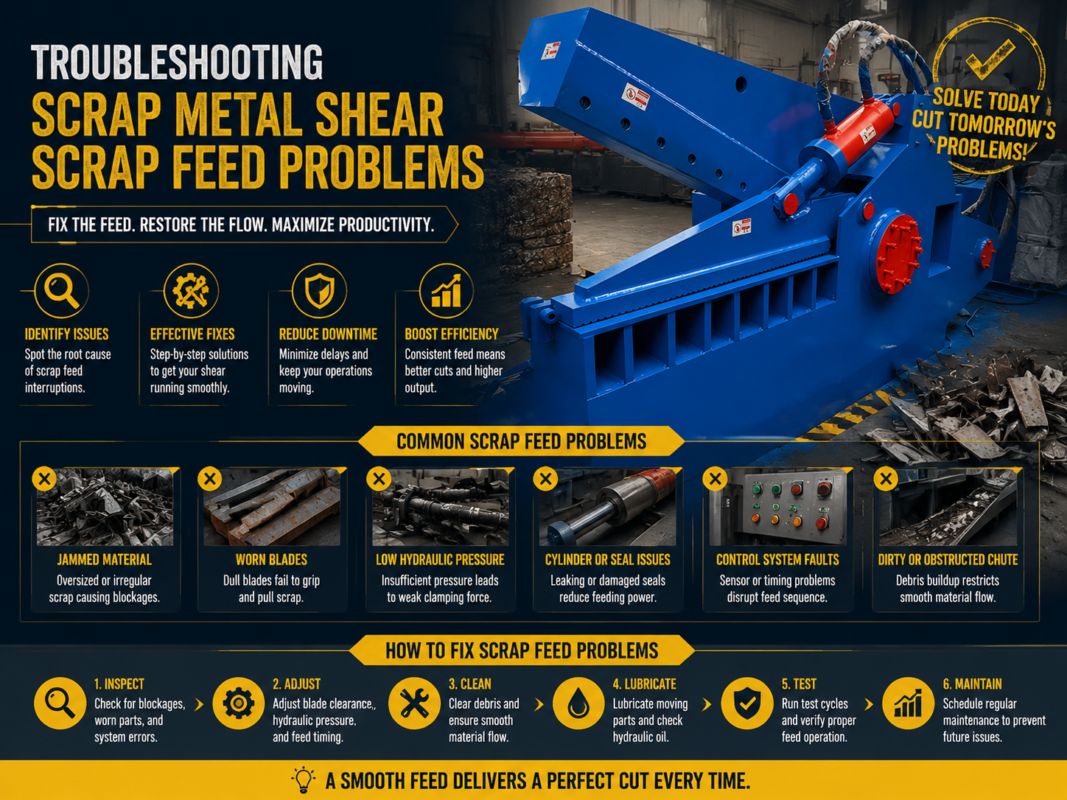
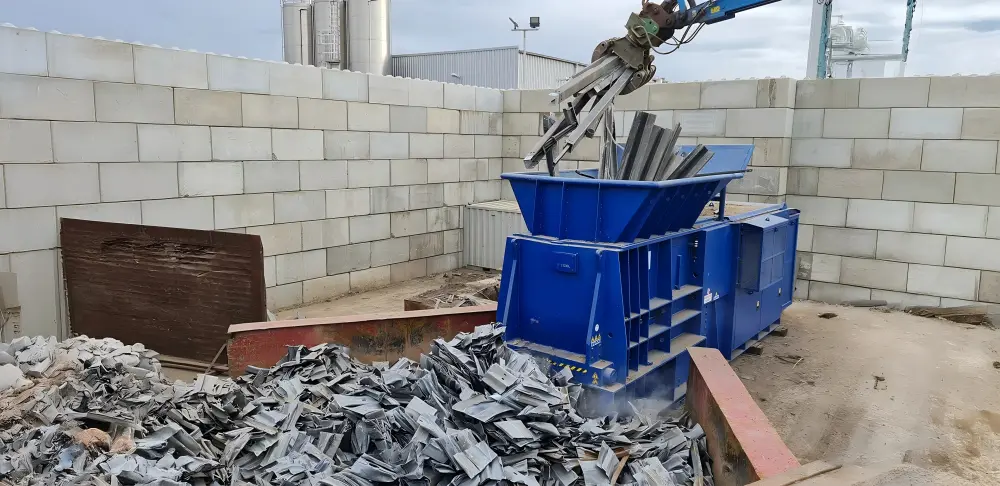
The daily inspection is the most effective way to prevent downtime. Before the first cycle of the day, the operator should perform a comprehensive walk-around. This starts with a visual check of the shear bed and the cutting area. Scrap metal processing generates a significant amount of ‘fines’—small shards of metal and scale—that can migrate into the guides and slides. These must be cleared away to prevent abrasive wear on the machined surfaces.
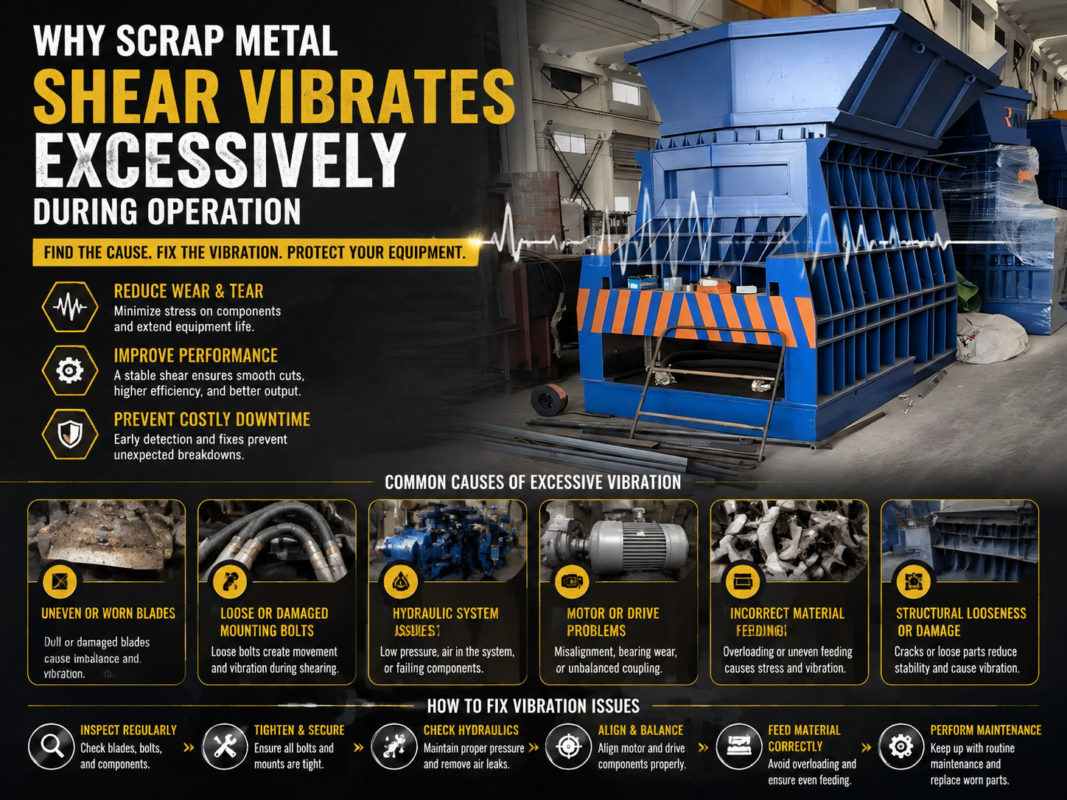
Operators should look for signs of hydraulic fluid on the floor or the machine frame. Even a small puddle can indicate a loose fitting or a worn seal. Checking the blade bolts is also critical; the vibration from shearing heavy beams can cause fasteners to back out over time. If a blade is loose, it will not only produce a poor cut but can also damage the blade seat, leading to expensive repairs that require machining the entire slide.
Finally, the daily check should include an assessment of the safety guards and emergency stop buttons. In a busy scrap yard, debris can sometimes damage these components. Ensuring that all safety systems are functional is a non-negotiable part of the daily routine. By spending 15 minutes every morning on these checks, facilities can avoid hours of unplanned downtime later in the shift.
Hydraulic System Care: The Lifeblood of the Shear
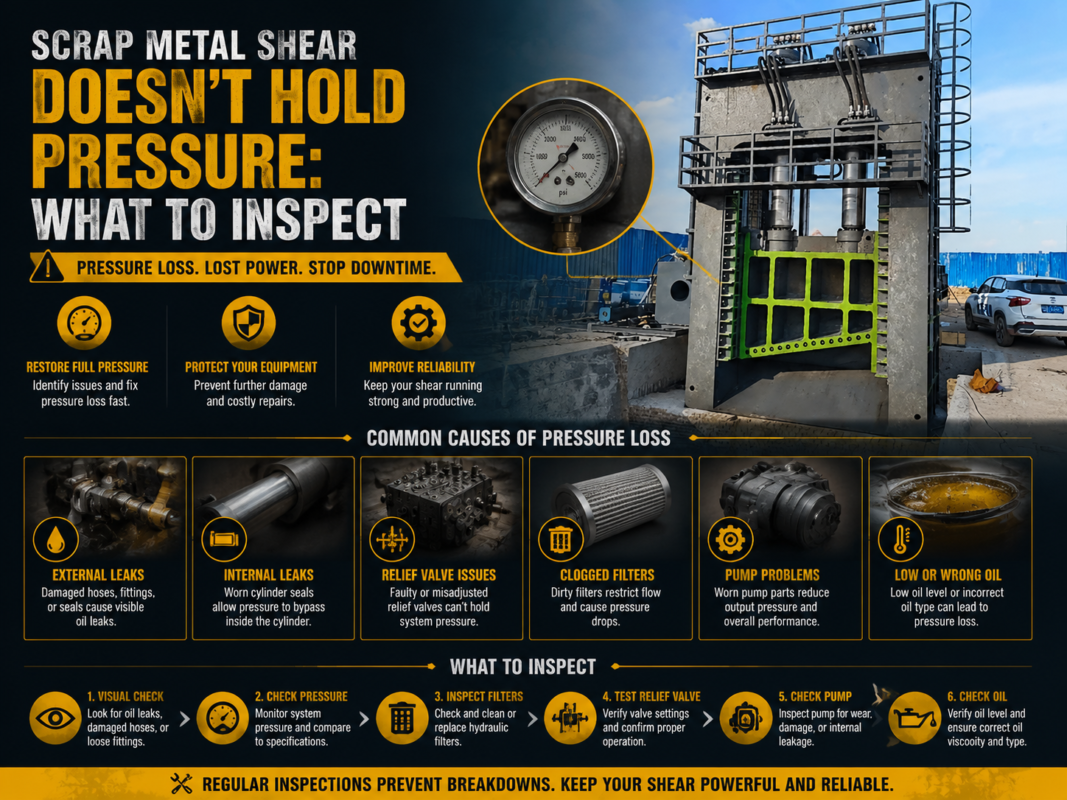
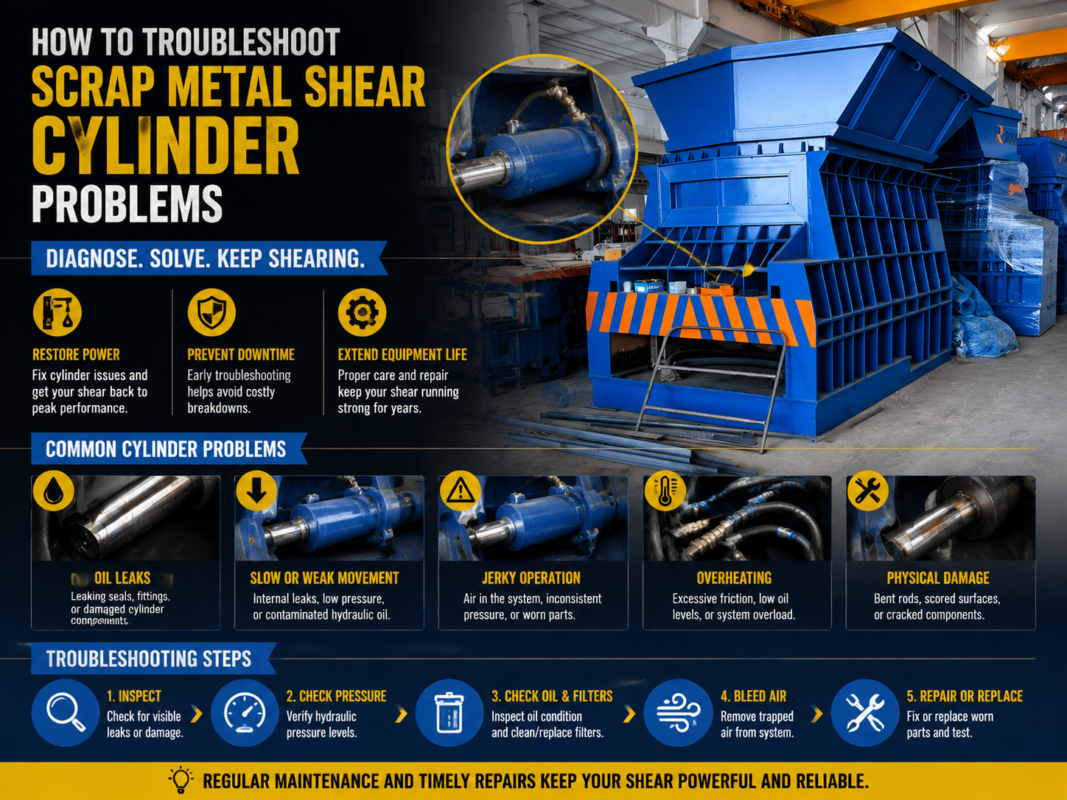
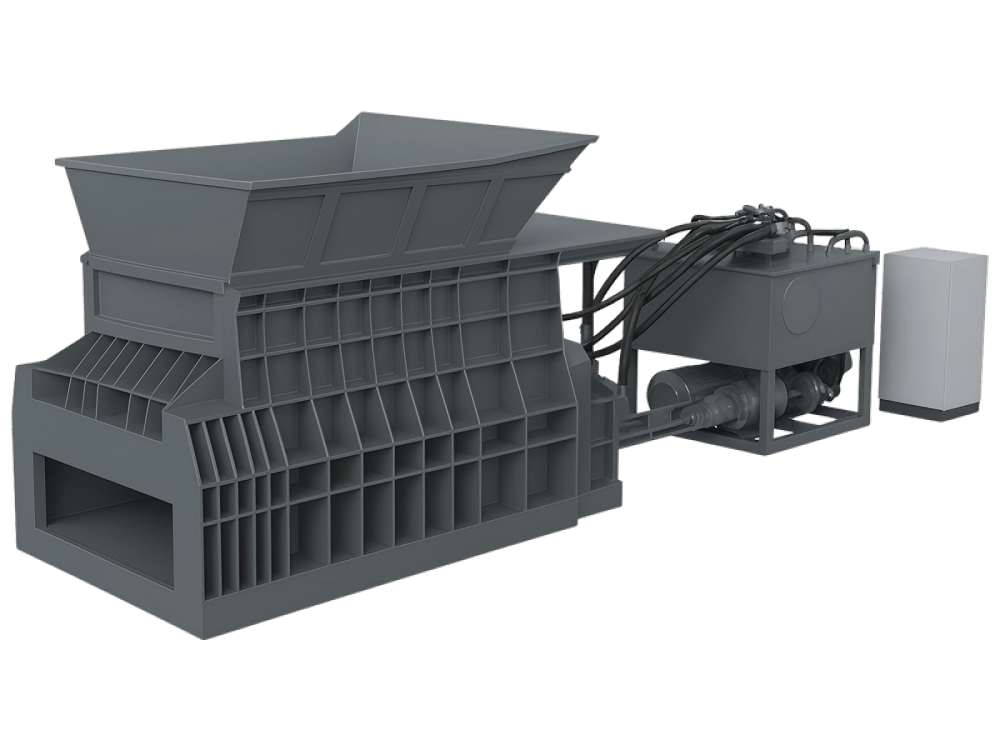
The hydraulic system is the heart of any scrap metal shear. It transforms electrical energy into the massive mechanical force required to cut steel. Consequently, hydraulic oil health is the single most important factor in the machine’s longevity. Contamination is the leading cause of hydraulic component failure. Dust, moisture, and metal particles can act like sandpaper, grinding away at the precision-engineered surfaces of pumps and valves.
Regularly checking the oil level is basic, but monitoring the oil quality is advanced care. Operators should look for signs of aeration (bubbles in the oil) or emulsification (a milky appearance indicating water contamination). High-quality hydraulic oil should be clear. Furthermore, the hydraulic filters must be changed according to the manufacturer’s schedule, or sooner if the machine is operating in a particularly dusty environment. Using high-micron filters that meet HARSLE specifications ensures that even microscopic particles are trapped before they reach the sensitive piston pumps.
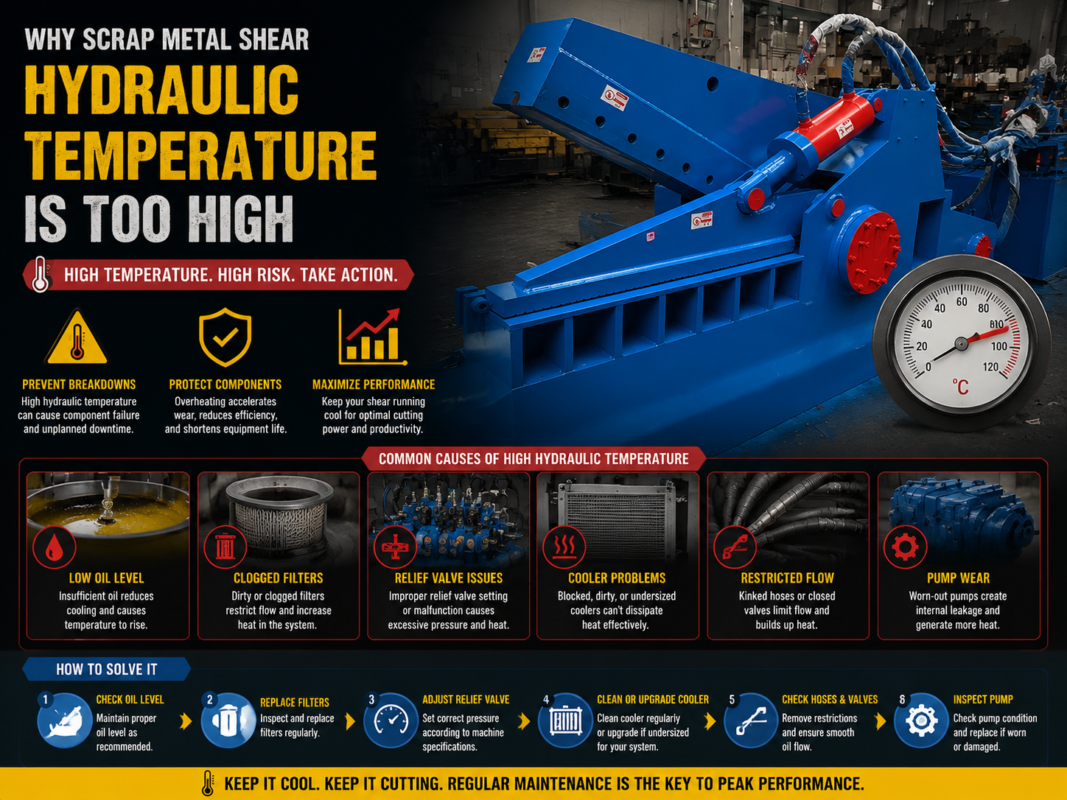
Temperature management is another critical aspect of hydraulic care. Scrap shears generate significant heat during continuous operation. If the oil becomes too hot, its viscosity drops, leading to poor lubrication and increased wear. Ensure that the cooling fans and heat exchangers are clean and free of debris. A clogged radiator can cause the system to overheat in minutes, leading to seal failure and pump cavitation. Monitoring the temperature gauges throughout the day is a key part of Best Practices Scrap Metal Shear Machine Cleaning Care.
Electrical System and Control Checks
Modern scrap shears, like those manufactured by HARSLE, utilize sophisticated PLC (Programmable Logic Controller) systems to manage the complex timing of the hold-down clamps and the shearing stroke. While these systems are robust, they are sensitive to environmental factors. The electrical cabinet should be kept tightly sealed to prevent the ingress of metallic dust, which is conductive and can cause short circuits on the circuit boards.
Monthly inspections should involve checking all electrical connections for tightness. The constant vibration of the shearing process can loosen terminal screws over time. A loose connection creates resistance, which generates heat and can eventually melt the wire insulation or damage the component. Additionally, sensors and limit switches—which tell the machine when the cylinder is fully extended or retracted—must be kept clean. If a limit switch is caked in grease and metal shavings, it may fail to trigger, causing the cylinder to bottom out and put unnecessary stress on the frame.
It is also vital to inspect the condition of the cables and conduits. In a scrap yard, it is not uncommon for a piece of falling metal to strike a cable. Any signs of fraying or crushing should be addressed immediately. A proactive approach to electrical maintenance prevents the ‘ghost in the machine’ errors that are often difficult and time-consuming to diagnose.
Mechanical Integrity and Blade Maintenance
The mechanical components of the shear—the blades, the slide guides, and the pivot pins—bear the brunt of the physical force. Blade maintenance is perhaps the most discussed aspect of shear care. Dull blades do not just cut poorly; they increase the pressure required to make a cut, which stresses the hydraulic system and the machine frame. Blades should be rotated or sharpened as soon as the edges show significant rounding.
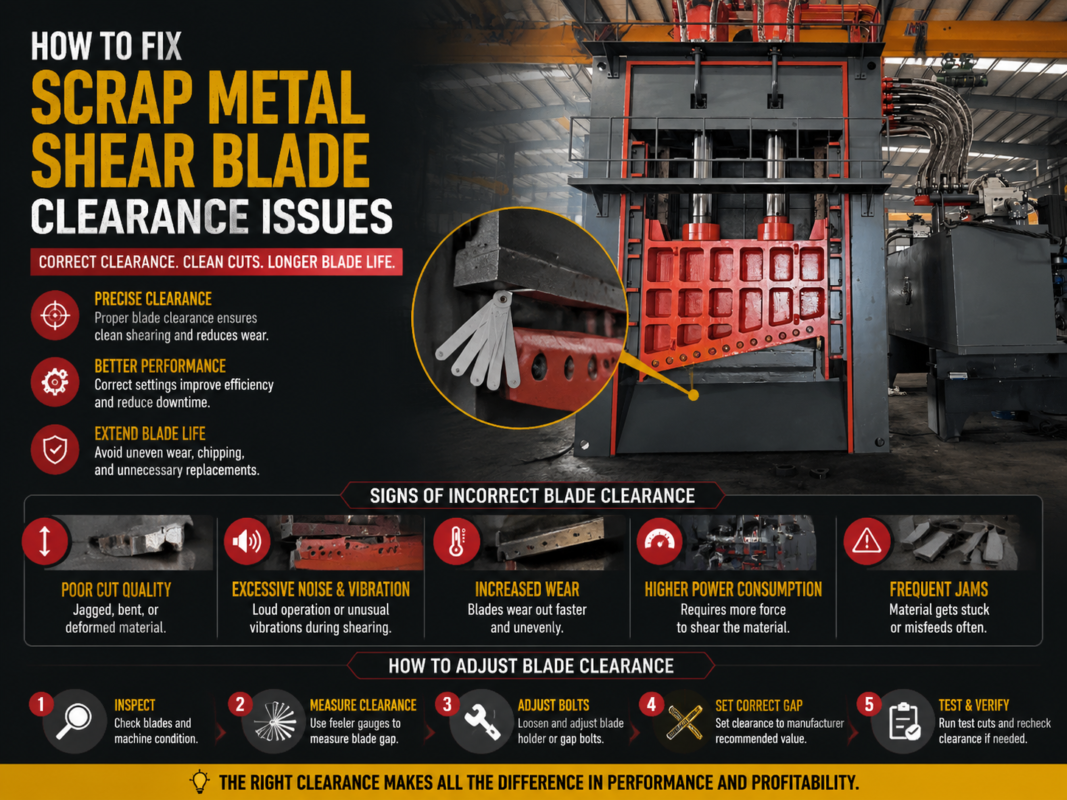
Maintaining the correct blade gap (clearance) is essential. If the gap is too wide, the metal will ‘fold’ between the blades rather than shearing, which can jam the machine and cause massive side-loading on the cylinder. If the gap is too tight, the blades may strike each other, leading to catastrophic chipping. This adjustment should be checked weekly and adjusted according to the thickness and type of material being processed.
The slide guides, which ensure the moving blade travels in a perfectly straight line, must be inspected for wear. Most HARSLE shears use replaceable wear plates. If these plates become too thin, the slide will begin to ‘slop,’ leading to inaccurate cuts and increased wear on the main seals. Keeping these guides clean and properly lubricated is a cornerstone of mechanical care.
The Lubrication Plan: Reducing Friction and Wear
Friction is the enemy of any heavy machinery. A comprehensive lubrication plan is the best way to combat it. Most scrap metal shears have numerous grease points, including the main pivot pins, the cylinder trunnions, and the slide ways. Using the correct type of grease is vital; for scrap shears, a high-pressure (EP) grease with molybdenum disulfide is often recommended because it can withstand the extreme loads without being squeezed out of the bearing surfaces.
Many modern machines feature automatic lubrication systems. While these are convenient, they are not ‘set and forget.’ Operators must regularly check the grease reservoir and ensure that all lines are intact. A broken grease line can lead to a dry bearing in a matter of hours, resulting in a seized pin that may require a thermal lance to remove. If the machine is manually greased, a strict schedule must be followed, typically every 4 to 8 hours of operation for high-wear areas.
Cleaning the grease nipples before applying the grease gun is a small but vital step. If you pump grease into a dirty nipple, you are essentially injecting grinding paste into the bearing. Best Practices Scrap Metal Shear Machine Cleaning Care dictates that the area around the lubrication point should be wiped clean to ensure only pure lubricant enters the system.
Troubleshooting Signals: Listening to Your Machine
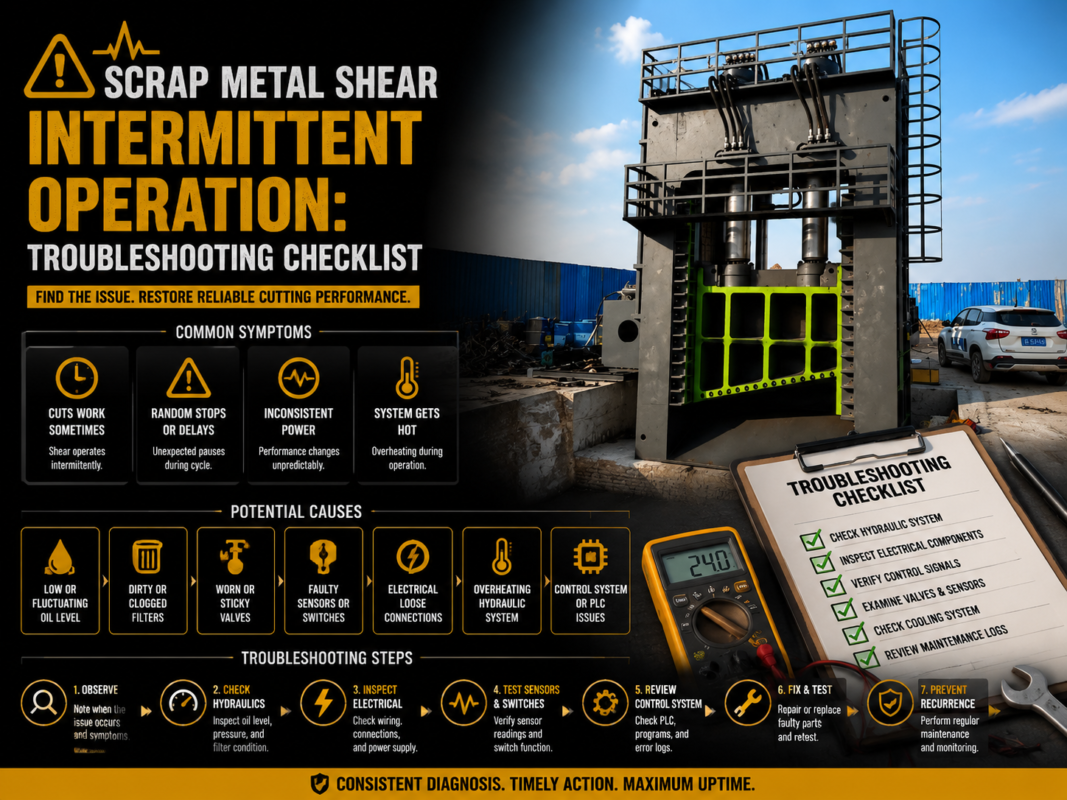
An experienced operator knows the ‘voice’ of their machine. Any change in the sound or feel of the shear is a signal that something is wrong. For example, a high-pitched squeal often indicates a hydraulic restriction or a pump beginning to fail. A deep ‘thumping’ sound during the cut might suggest that the blade bolts are loose or that the material is too hard for the current blade setting.
Increased cycle times are another red flag. If the shear is taking longer to complete a stroke, it could indicate internal leakage in the cylinders or a declining pump efficiency. Similarly, if the machine feels ‘spongy,’ there may be air trapped in the hydraulic lines. Addressing these signals immediately can prevent a minor issue from escalating into a major breakdown.
Heat is also a diagnostic tool. Using an infrared thermometer to check the temperature of hydraulic valves and bearings can reveal ‘hot spots’ that indicate excessive friction or internal bypass. Keeping a log of these temperatures allows maintenance teams to spot trends and perform predictive maintenance before a failure occurs.
Comprehensive Maintenance Schedule Table
To ensure nothing is missed, follow this structured maintenance schedule designed for heavy-duty scrap metal shears.
| Frequency | Component | Action Required |
|---|---|---|
| Daily | Shear Bed & Blades | Clean debris, check for chips, inspect bolt tightness. |
| Daily | Hydraulic System | Check oil level, inspect for leaks, monitor operating temperature. |
| Daily | Safety Systems | Test E-stops, check light curtains/guards, verify warning lights. |
| Weekly | Blade Gap | Measure and adjust clearance based on material type. |
| Weekly | Grease Points | Manually grease all points not covered by auto-lube. |
| Weekly | Electrical Cabinet | Visual inspection for dust ingress or loose wires. |
| Monthly | Hydraulic Filters | Inspect and replace if the indicator shows high backpressure. |
| Monthly | Wear Plates | Measure thickness and check for scoring or uneven wear. |
| Quarterly | Hydraulic Oil | Perform oil analysis to check for contamination and additive depletion. |
| Annually | Structural Frame | Perform NDT (Non-Destructive Testing) on critical welds for cracks. |
Frequently Asked Questions (FAQ)
How often should I sharpen the blades on my scrap metal shear?
The frequency of sharpening depends entirely on the material you are cutting. Processing clean, soft steel will allow blades to last much longer than processing sandy, rusted, or high-alloy scrap. As a general rule, blades should be inspected daily and rotated or sharpened when the cutting edge radius exceeds 3-5mm or when you notice a significant decrease in cutting quality.
What is the best way to clean the hydraulic tank?
Cleaning the hydraulic tank should be done during a full oil change. After draining the old oil, the access covers should be removed, and the interior should be wiped down with lint-free cloths. Never use pressurized air to blow out a tank, as this can introduce moisture and airborne contaminants. Ensure all sludge is removed from the bottom before refilling with filtered, new oil.
Why is my shear losing cutting power?
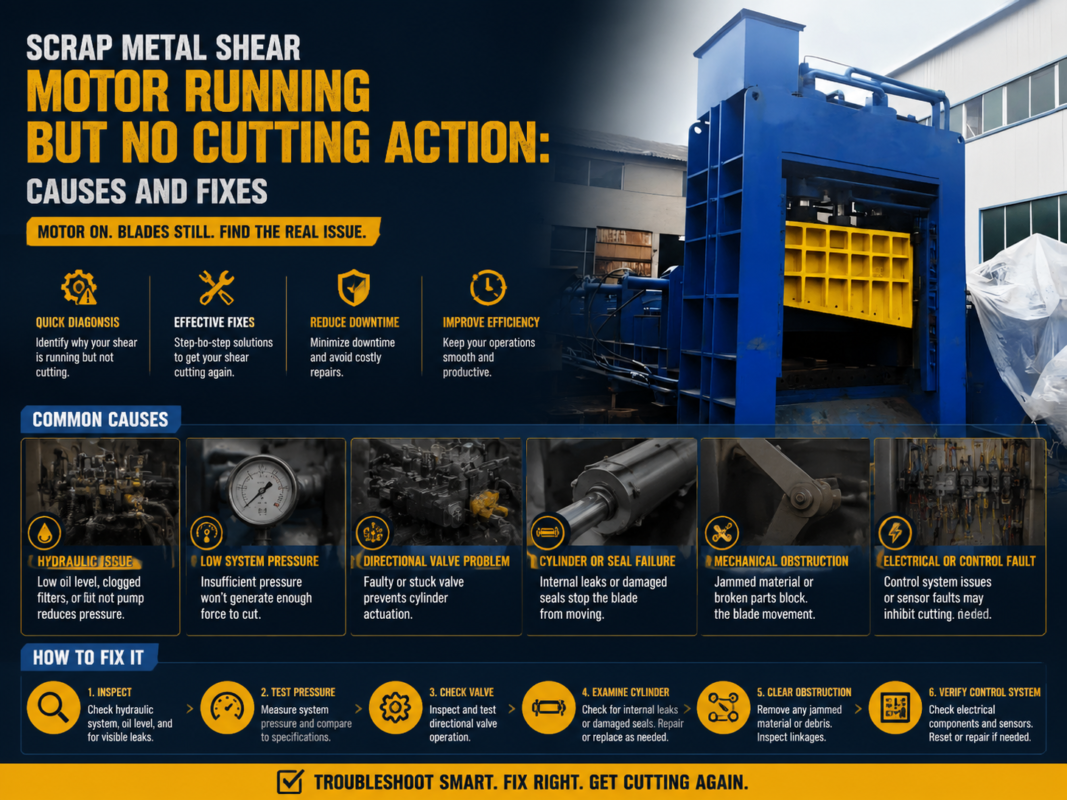
Loss of power is usually attributed to one of three things: internal hydraulic leakage (bypassing seals in the cylinder), a failing hydraulic pump that can no longer reach maximum pressure, or a relief valve that is stuck open or set too low. First, check the system pressure with a calibrated gauge during a ‘dead-head’ cycle to see if the pump is reaching its rated PSI.
Can I use any hydraulic oil in my HARSLE shear?
No. You must use oil that meets the specific viscosity and additive requirements outlined in your manual. Most heavy-duty shears require an ISO VG 46 or 68 anti-wear (AW) hydraulic oil. Using the wrong oil can lead to poor lubrication at high temperatures or sluggish performance in cold weather, potentially damaging the pump.
How do I prevent rust on the shear bed?
Since scrap shears often operate outdoors, rust is a concern. The best prevention is regular use and lubrication. The movement of the scrap and the application of grease naturally protect the working surfaces. For long-term storage, apply a dedicated rust-preventative spray or a thick layer of grease to all machined surfaces and retract all cylinders to protect the chrome rods from pitting.