How to Prevent Blade Wear in a Scrap Metal Shear: The Ultimate Maintenance Guide

Introduction to Scrap Metal Shear Longevity
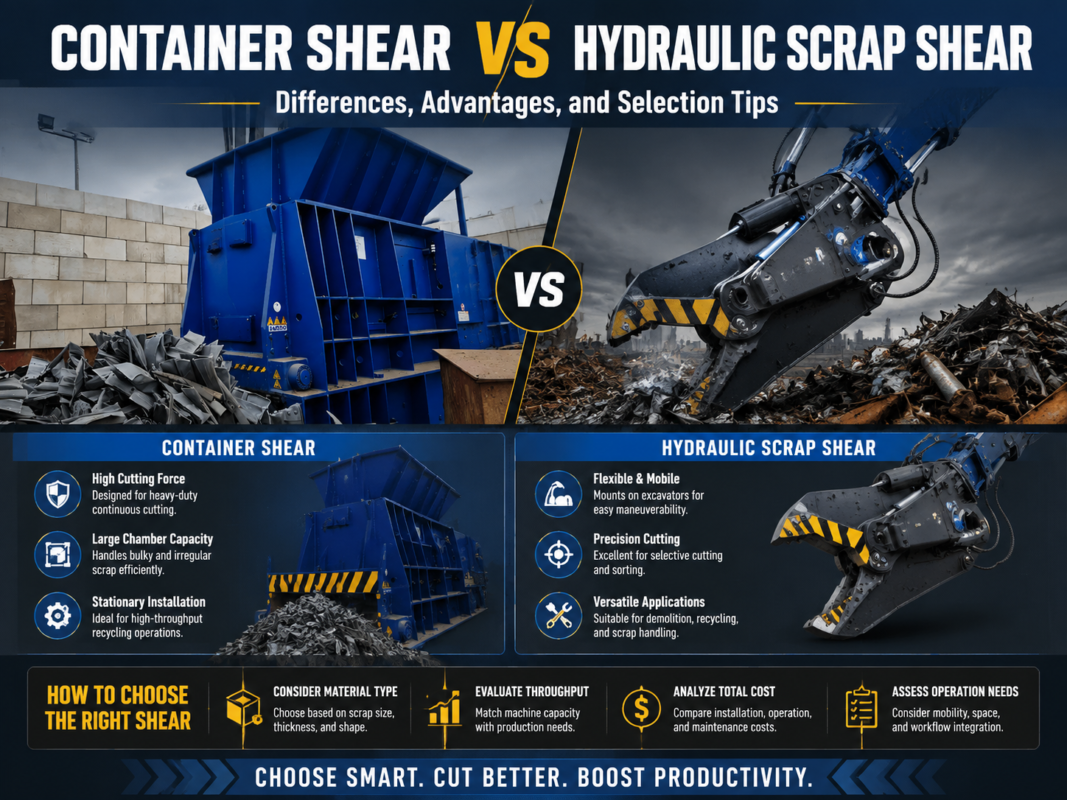
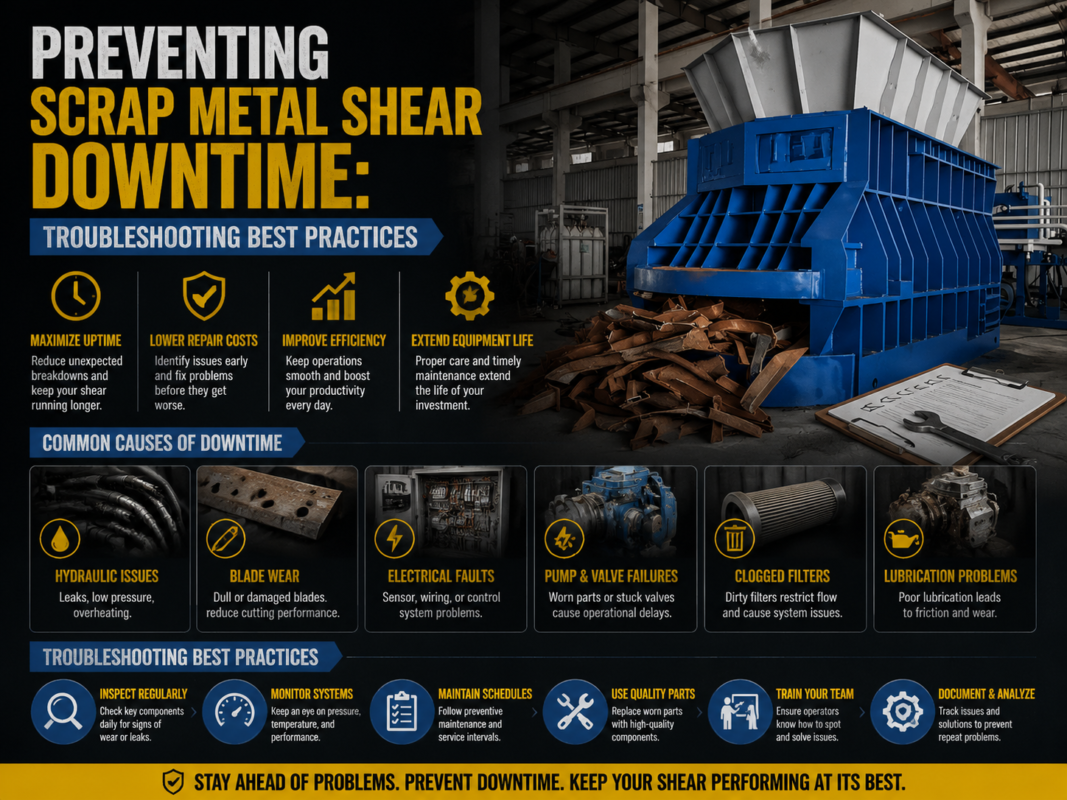
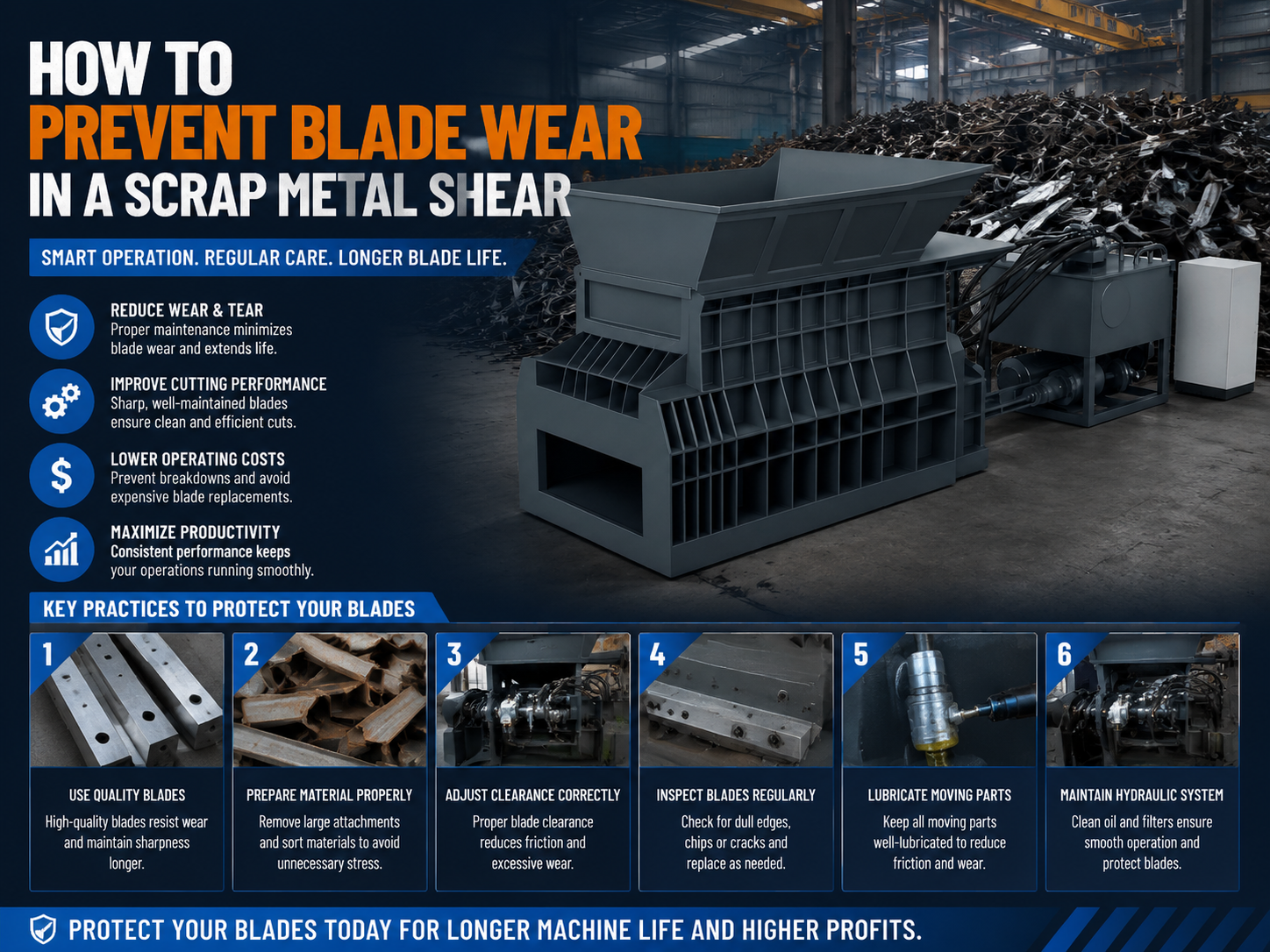
In the high-intensity world of metal recycling and industrial fabrication, the scrap metal shear stands as a cornerstone of productivity. Whether you are operating a container shear, a crocodile shear, or a heavy-duty gantry shear, the efficiency of your operation is inextricably linked to the condition of your cutting blades. To prevent blade wear in a scrap metal shear is not merely a matter of equipment aesthetics; it is a critical financial strategy. Dull or damaged blades lead to increased hydraulic pressure requirements, higher energy consumption, excessive strain on the machine’s structural frame, and ultimately, significant downtime that can paralyze a scrap yard’s throughput.
HARSLE understands that industrial machinery represents a significant capital investment. Maintaining the edge of your shear blades ensures that the machine operates within its designed parameters, providing clean cuts and reducing the ‘tearing’ effect that occurs when blades lose their precision. This comprehensive guide explores the multifaceted approach required to extend the life of your blades, covering everything from metallurgical considerations to daily operational habits that separate elite operators from the rest.
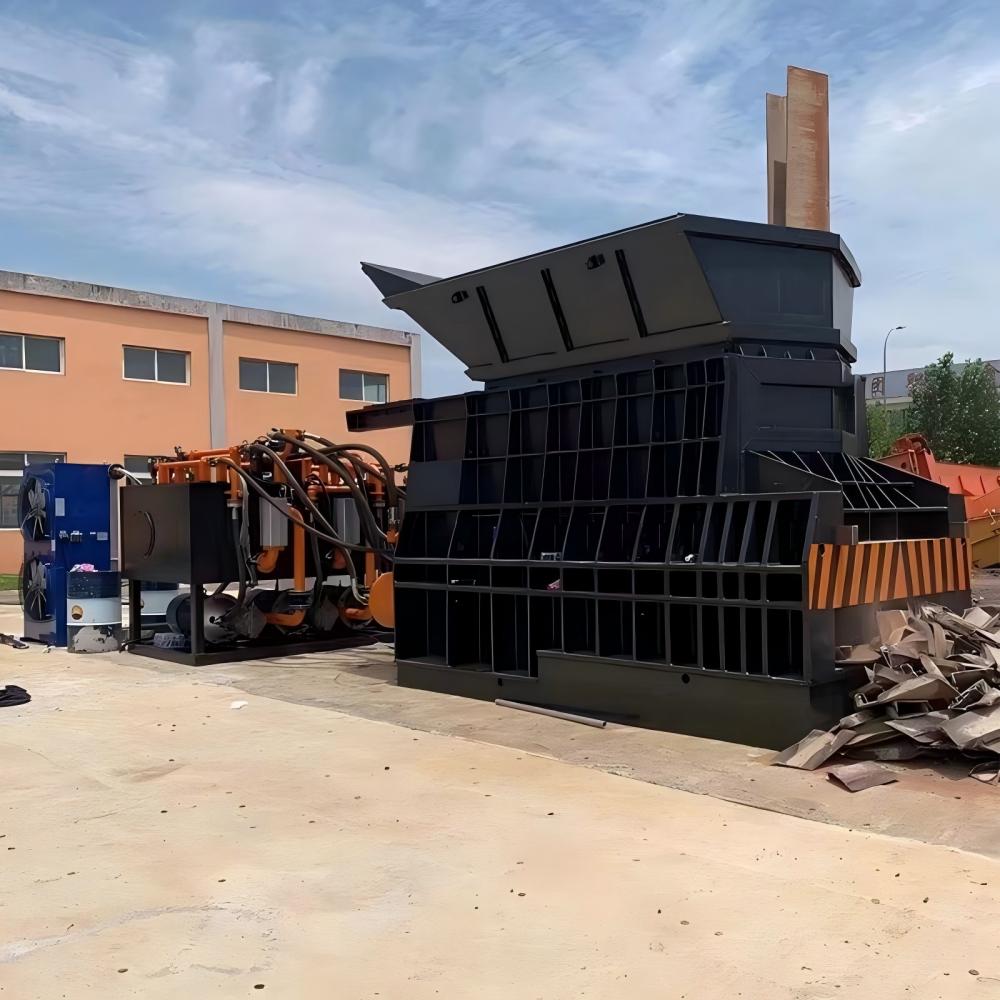
The Critical Importance of Preventative Maintenance
Preventative maintenance is the practice of addressing potential issues before they manifest as catastrophic failures. When it comes to scrap metal shears, the blades are the primary contact point and, consequently, the most vulnerable component. If maintenance is neglected, the blades will begin to round off. Once the sharp edge is lost, the shear no longer ‘cuts’ the metal; instead, it ‘crushes’ it. This crushing action requires exponentially more force from the hydraulic cylinders, which puts undue stress on the seals, hoses, and the main pump.
Furthermore, consistent maintenance ensures safety. A shear with worn blades is more likely to experience ‘material kickback’ or ‘jamming,’ which can pose a significant risk to the operator and surrounding equipment. By following a strict maintenance protocol, you are not just protecting the blades; you are protecting the entire ecosystem of the machine. The ROI of a well-maintained shear is seen in lower utility bills, fewer replacement part purchases, and a higher resale value for the machinery in the future.
Daily Inspection: The First Line of Defense
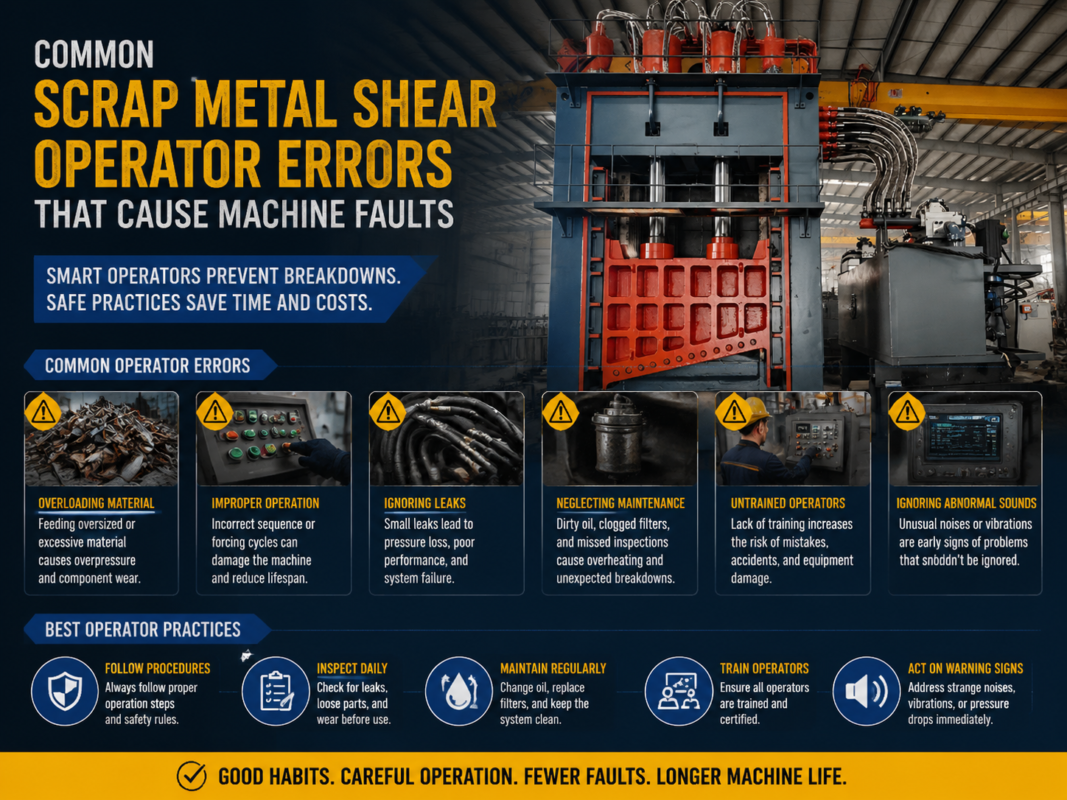
The most effective way to prevent blade wear in a scrap metal shear is through a rigorous daily inspection routine. Before the first cycle of the day, the operator must conduct a visual and physical audit of the cutting zone. This starts with cleaning. Scrap metal processing is inherently dirty, and the accumulation of scale, rust, and small metal fragments around the blade seat can prevent the blade from sitting flush. If a blade is even slightly misaligned due to debris, the ‘clearance’ or ‘gap’ between the upper and lower blades will be inconsistent, leading to rapid localized wear.
During the daily check, operators should look for ‘chipping’ along the blade edge. Small chips can often be ground out if caught early, but if left unattended, they act as stress concentrators that can lead to a full blade fracture. Additionally, checking the tightness of the blade bolts is paramount. The immense vibration and shock loads of shearing can loosen even the highest-grade bolts. A loose blade will move during the cut, causing ‘blade clashing’—a catastrophic event where the upper and lower blades strike each other directly, often shattering the hardened tool steel.
Checking the Blade Gap
The blade gap, or clearance, is the most technical aspect of daily inspection. Depending on the thickness and type of material being processed, the gap must be adjusted according to the manufacturer’s specifications. If the gap is too wide, thin sheet metal will simply fold between the blades rather than being cut, causing the blades to rub against the folded material and overheat. If the gap is too narrow, the risk of blade interference increases. Using a feeler gauge to check the gap at multiple points along the length of the blade is a best practice that should never be skipped.
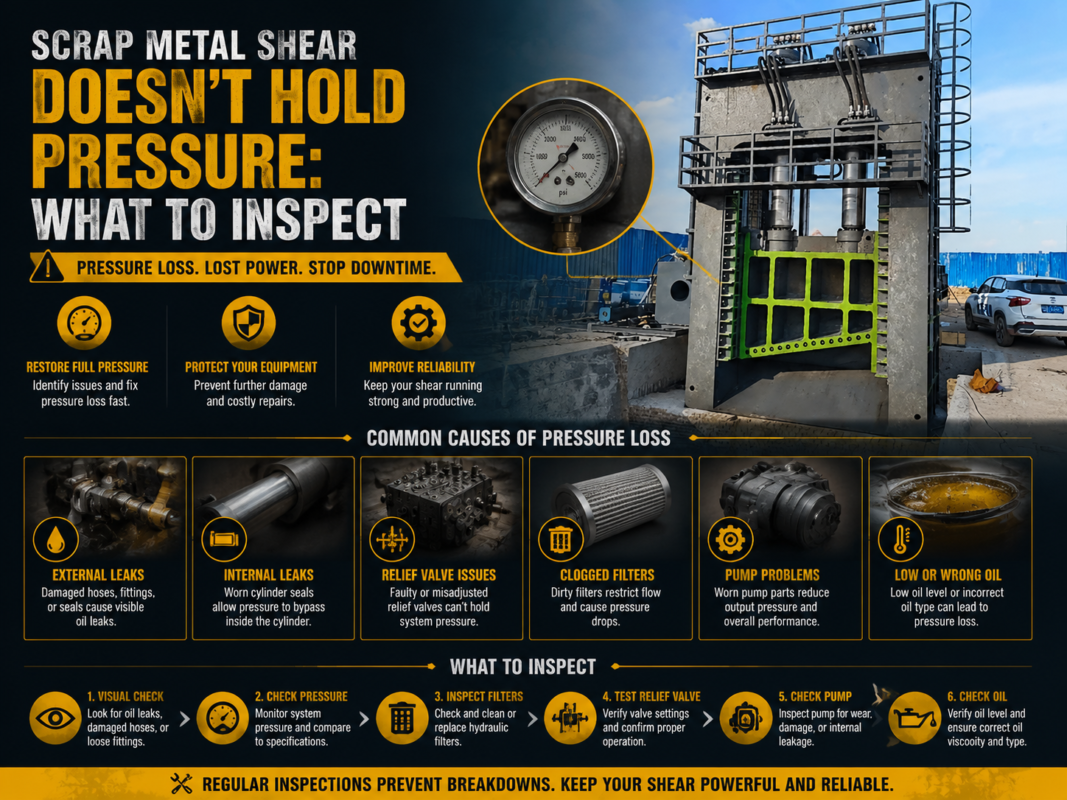
Hydraulic System Checks for Blade Protection
It may not seem obvious, but the health of the hydraulic system directly impacts blade wear. A hydraulic system that is not delivering smooth, consistent pressure can cause the shear ram to ‘stutter’ or ‘hesitate’ mid-cut. This interrupted motion causes the blade to dwell on the material, increasing friction and heat. Heat is the enemy of tempered steel; if the blade edge reaches a certain temperature, it can lose its hardness (anneal), making it go dull almost instantly.
Operators must monitor the hydraulic oil temperature. If the oil is too hot, it loses its viscosity, leading to sluggish cylinder movement. Conversely, if the oil is too cold, the pressure spikes can be erratic. Ensuring that the hydraulic filters are clean and that the oil is free of contaminants is essential. Contaminated oil can cause the control valves to stick, leading to uneven pressure distribution across the shear ram, which in turn causes the blades to enter the cut at an angle rather than perfectly vertical.
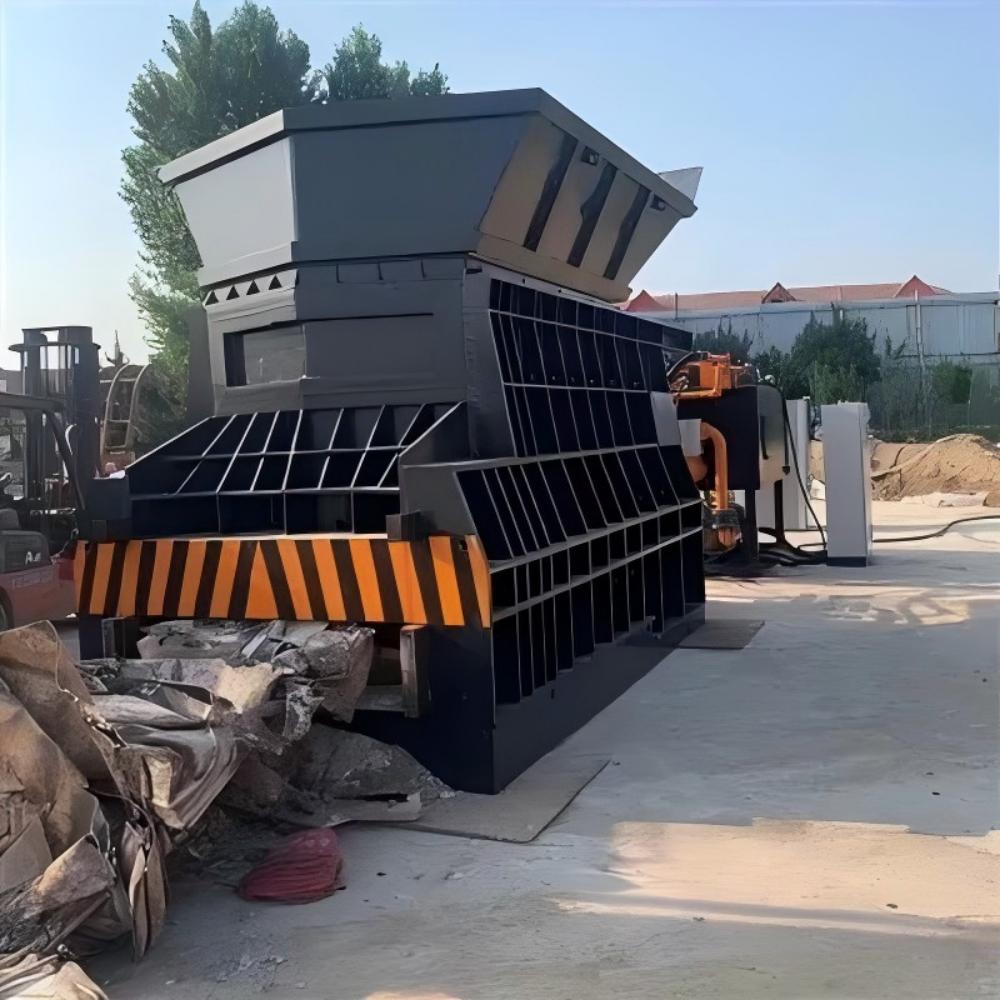
Electrical and Mechanical Integrity
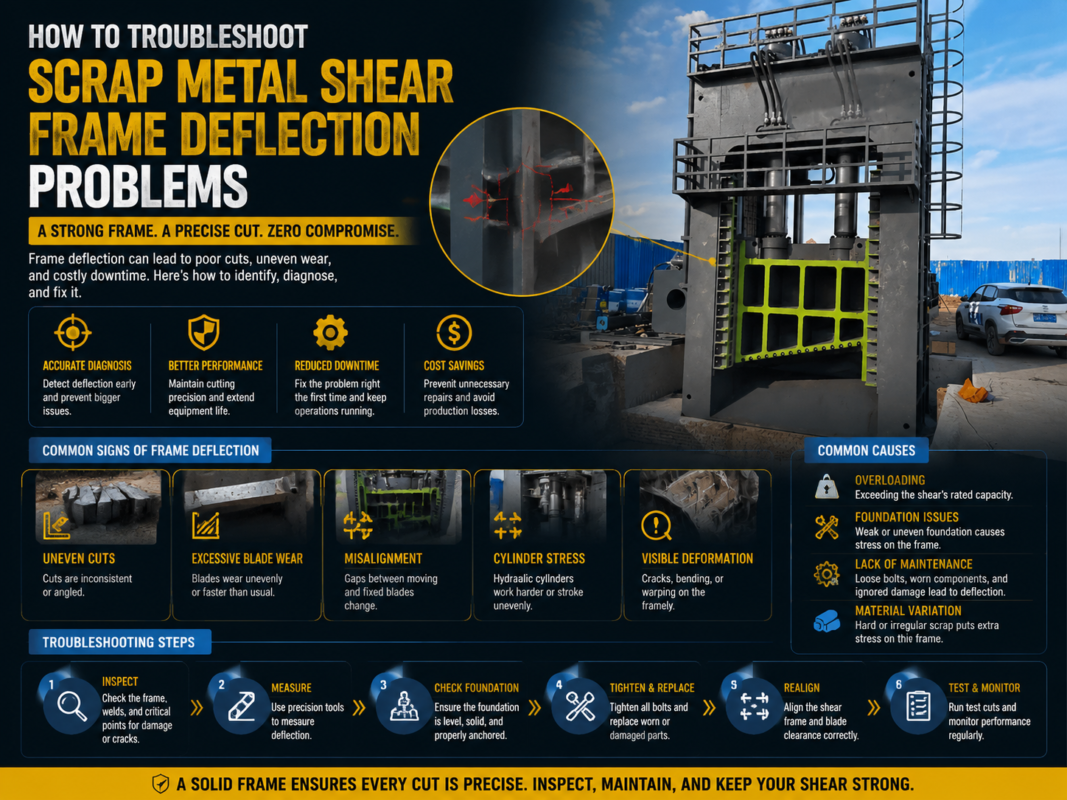
The electrical system of a HARSLE scrap shear governs the timing and limits of the stroke. Proximity sensors and limit switches must be checked to ensure the shear ram is not over-traveling. If the electrical limits are incorrectly set, the ram might attempt to push the blades further than the mechanical stops allow, causing structural deflection. This deflection, even if measured in millimeters, changes the blade geometry during the cut and accelerates wear on the outer edges of the blades.
Mechanically, the guide rails (or gibs) that hold the shear ram in place must be perfectly adjusted. If the guide rails are worn, the ram will have ‘play’ or lateral movement. As the shear bites into a heavy piece of scrap, the resistance will push the ram sideways if the guides are loose. This lateral shift ruins the blade clearance and is a leading cause of ‘scuffing’ on the sides of the blades. Regularly tightening and shimming the guide rails is a fundamental step to prevent blade wear in a scrap metal shear.
Comprehensive Lubrication Plan
Lubrication is the lifeblood of any heavy industrial machine. For a scrap metal shear, lubrication serves two purposes: reducing friction between moving mechanical parts and acting as a barrier against the abrasive dust common in scrap yards. A proper lubrication plan should specify the type of grease (usually a high-pressure lithium-based grease) and the frequency of application. Many modern HARSLE shears feature automatic lubrication systems, but these must still be monitored to ensure the lines are not clogged and the reservoir is full.
The lubrication points usually include the main pivot pins, the cylinder clevises, and the slide ways. While you do not typically lubricate the cutting edge of the blade itself (as this can cause the material to slip), keeping the surrounding mechanical movements fluid ensures that the force is applied efficiently. A well-lubricated machine operates more quietly and with less vibration, both of which contribute to a more stable cutting environment for the blades.
Troubleshooting Signals: Listening to Your Machine
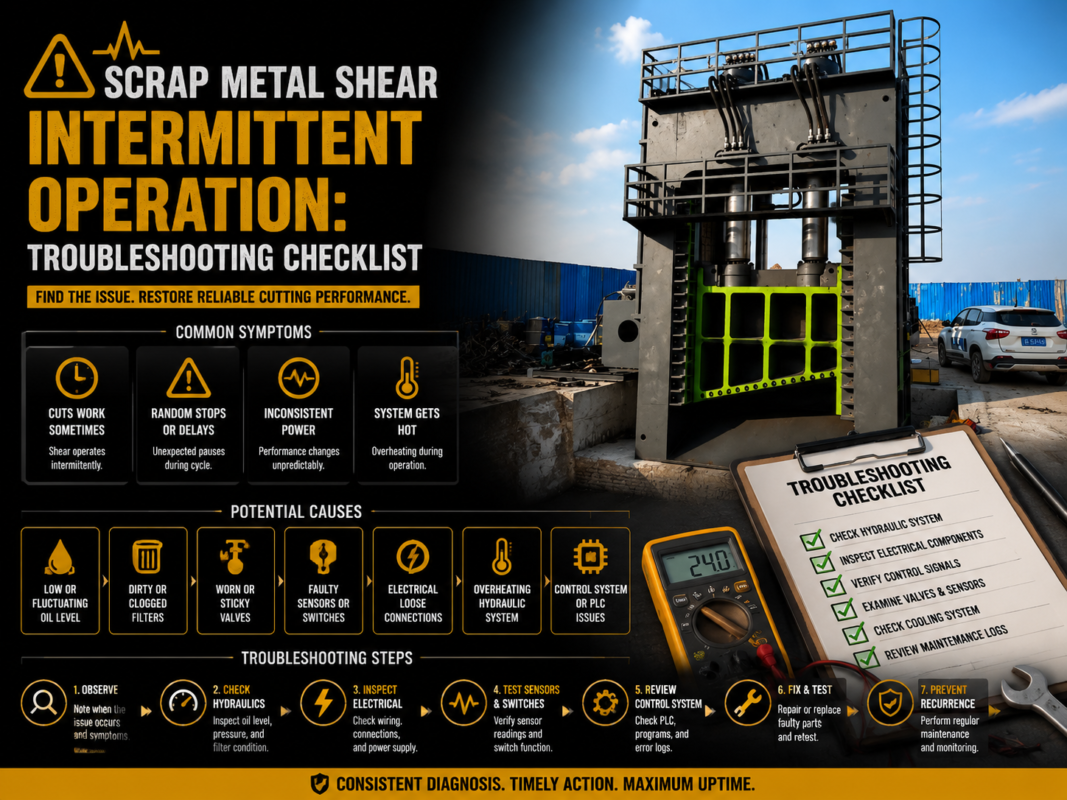
Experienced operators can often ‘hear’ blade wear before they see it. A sharp shear makes a distinct ‘crack’ or ‘pop’ as it breaks through the material. As the blades dull, this sound changes to a heavy, labored ‘thud’ or a grinding metallic groan. Increased vibration in the operator’s cabin or on the floor surrounding the machine is another tell-tale sign that the blades are struggling to penetrate the scrap. If you notice the hydraulic pressure gauge consistently hitting the relief valve setting before the cut is complete, it is a clear signal that the blades are no longer efficient.
Another troubleshooting signal is the quality of the scrap output. If the edges of the cut metal are excessively burred, or if pieces are coming out ‘twisted’ or ‘torn,’ the blades are likely worn or the gap has widened. Monitoring the ‘cycle time’ is also useful; if it takes longer to complete a single shear stroke than it did a month ago, the system is working harder to compensate for dull edges. Addressing these signals immediately can prevent the need for a full blade replacement, allowing for a simple ‘flip’ or ‘rotation’ instead.
Blade Rotation and Material Management
Most industrial shear blades are designed with multiple cutting edges (usually four). This means that when one edge becomes dull, the blade can be removed, rotated, and reinstalled to expose a fresh, sharp edge. This effectively quadruples the life of a single set of blades. However, the timing of this rotation is critical. If you wait too long to rotate the blades, the wear can become so deep that it rounds off the adjacent edges, making them useless. A proactive rotation schedule based on tonnage processed is the most scientific way to prevent blade wear in a scrap metal shear.
Material management is equally important. Not all scrap is created equal. Processing hardened steel shafts, leaf springs, or manganese steel with a standard blade set will cause immediate damage. Operators should be trained to sort material and avoid ‘un-shearables.’ If the machine is rated for 20mm mild steel, attempting to shear 20mm hardened alloy will result in blade chipping. Furthermore, ensuring that the scrap is fed into the shear in a way that utilizes the full length of the blade prevents ‘center-wear,’ where the middle of the blade becomes hollowed out while the ends remain sharp.
Maintenance Schedule Table
| Frequency | Component | Action Required | Responsibility |
|---|---|---|---|
| Daily | Blade Area | Clean debris, check for chips, and verify bolt tightness. | Operator |
| Daily | Hydraulic Oil | Check level, temperature, and look for visible leaks. | Operator |
| Weekly | Blade Gap | Measure clearance with feeler gauges; adjust if necessary. | Maintenance Tech |
| Weekly | Lubrication | Check auto-lube reservoir or manually grease all points. | Operator |
| Monthly | Guide Rails (Gibs) | Check for lateral play; shim or tighten as needed. | Maintenance Tech |
| Monthly | Electrical Sensors | Clean and test proximity switches and E-stops. | Electrician |
| Quarterly | Hydraulic Filters | Replace return and suction filters; sample oil for analysis. | Maintenance Tech |
| Bi-Annually | Blade Rotation | Inspect all 4 edges; rotate or flip blades based on wear. | Lead Technician |
Frequently Asked Questions (FAQ)
1. How often should I sharpen my scrap shear blades?
Sharpening frequency depends entirely on the volume and type of material processed. However, a general rule is to rotate the blades every 500-1,000 hours of operation. Once all four edges are dull, the blades should be sent to a professional grinding service to be precision-ground. Do not attempt to sharpen them with a hand grinder, as this will create an uneven surface and ruin the blade clearance.
2. Why do my blade bolts keep loosening?
Blade bolts are subject to extreme vibration. Ensure you are using the correct grade of bolt (usually Grade 12.9) and torquing them to the manufacturer’s specific foot-pound requirements. Using a high-strength thread-locking compound can also help. If they continue to loosen, check for structural vibration issues or worn blade seats that might be allowing the blade to ‘wiggle.’
3. Can I weld a chipped blade?
While it is technically possible to build up a chipped edge with specialized hard-facing welding rods, it is generally not recommended for high-precision shears. The heat from welding can change the temper of the surrounding steel, making it brittle and prone to cracking. It is almost always safer and more cost-effective to rotate the blade or have it professionally ground.
4. What is the ideal blade gap for scrap metal?
The ideal gap is typically 10% of the thickness of the material being cut. For example, if you are cutting 10mm plate, the gap should be approximately 1mm. However, in scrap processing where material thickness varies, a ‘middle-ground’ setting is usually established based on the most common material processed. Consult your HARSLE manual for the specific range for your model.
5. Does the temperature of the scrap metal affect blade wear?
Yes. Extremely cold metal (below freezing) becomes more brittle and harder to shear, which can increase the risk of blade chipping. Conversely, very hot metal is easier to cut but can transfer heat to the blades, potentially affecting their temper. In extreme climates, it is wise to allow the machine and the material to reach a moderate temperature before beginning heavy shearing operations.
Conclusion
To prevent blade wear in a scrap metal shear requires a combination of technical knowledge, disciplined maintenance, and operator awareness. By treating the blades as a precision instrument rather than just a piece of blunt force, you can significantly extend the life of your equipment and improve the profitability of your recycling operations. HARSLE remains committed to providing robust machinery, but the longevity of that machinery ultimately rests in the hands of those who maintain it. Follow the schedules, listen to the machine, and never compromise on the quality of your blades.