How to Reduce Scrap Metal Shear Repair Costs with Regular Maintenance

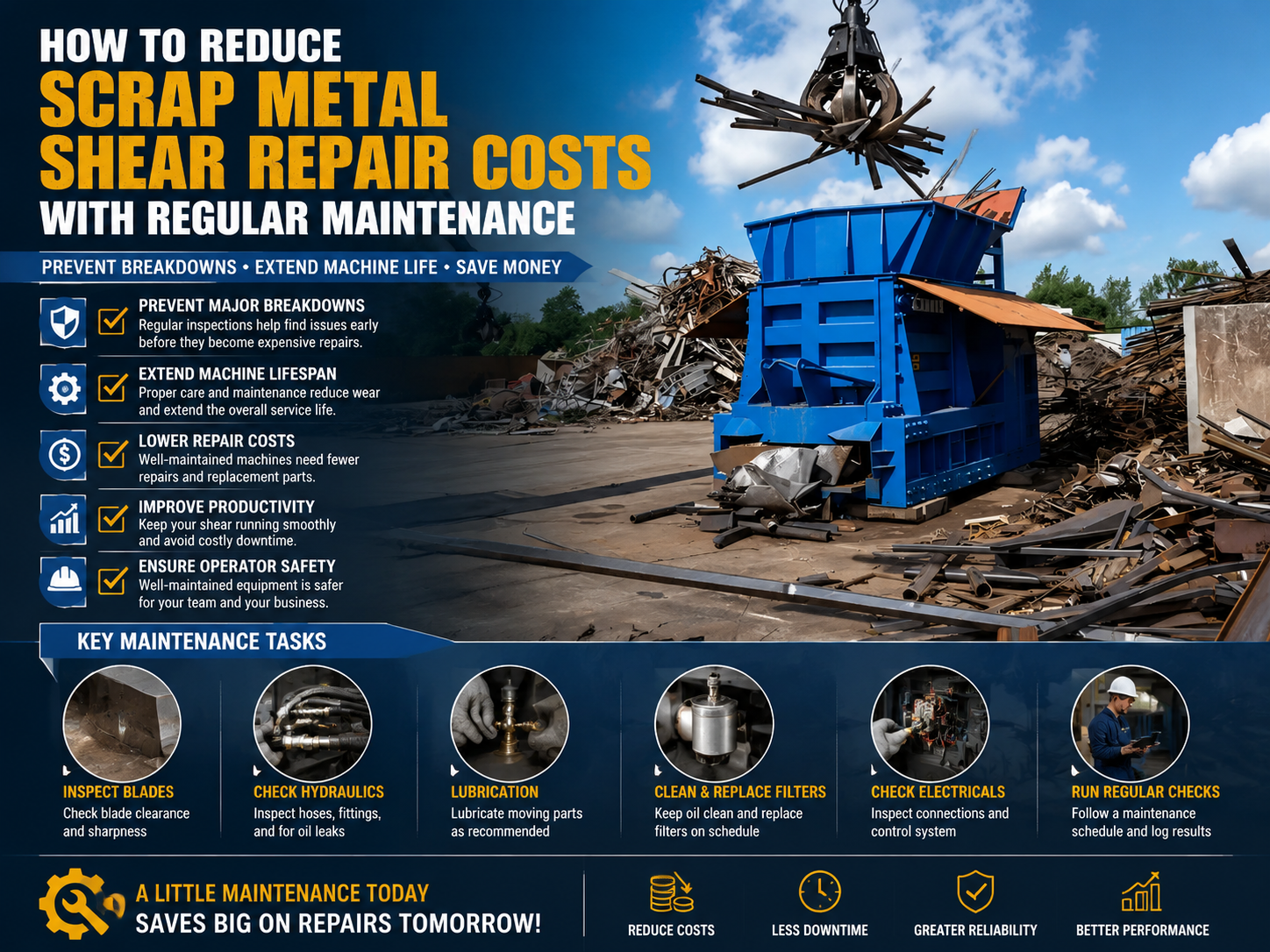
The Critical Role of Maintenance in Scrap Metal Processing
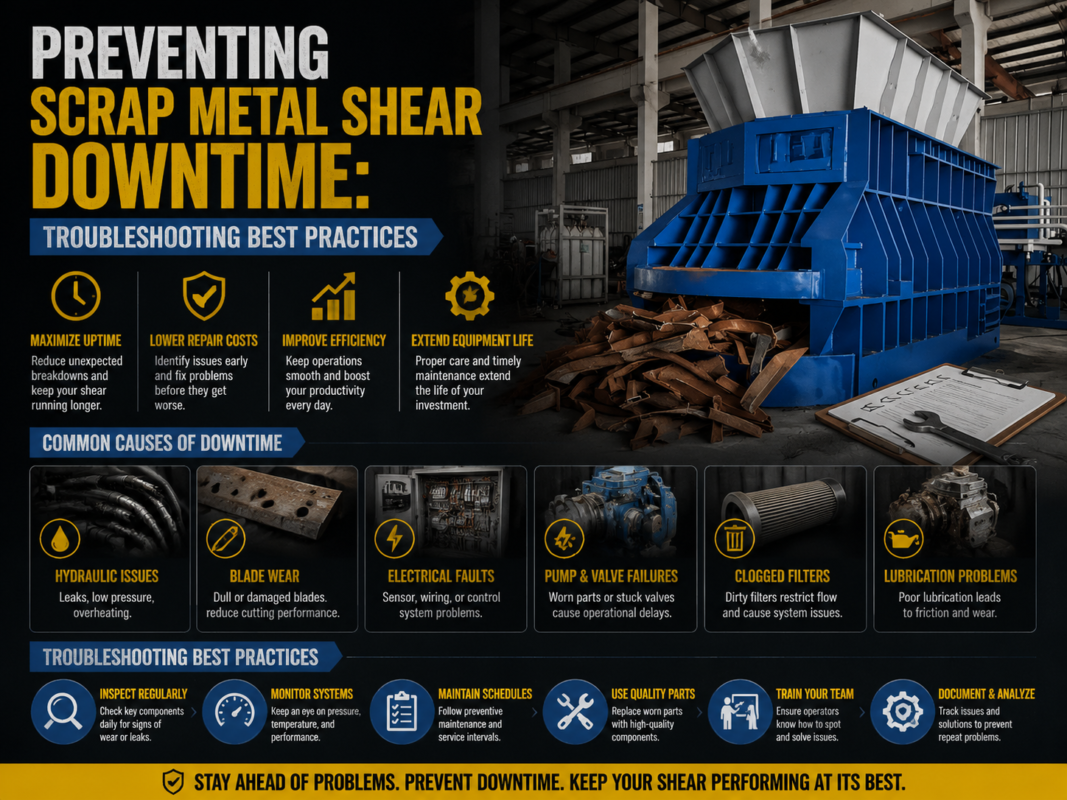
In the high-intensity world of metal recycling, the scrap metal shear is the workhorse of the yard. Whether you are operating a gantry shear, a container shear, or an alligator shear, these machines are subjected to immense pressures and harsh environments. The primary goal for any facility manager is to maximize uptime while minimizing overhead. To reduce scrap metal shear repair costs regular maintenance is not just a recommendation; it is a financial necessity. Neglecting a machine that exerts hundreds of tons of force daily leads to catastrophic failures that are far more expensive than any preventive service plan.
When we talk about reducing repair costs, we are looking at the Total Cost of Ownership (TCO). A well-maintained HARSLE shear can operate efficiently for decades, whereas a neglected one may require a complete hydraulic overhaul within five years. Regular maintenance ensures that small issues—like a loose bolt or a slightly clogged filter—do not escalate into major disasters like a cracked cylinder or a burnt-out main motor. By implementing a rigorous maintenance schedule, companies can see a significant return on investment through extended component life and consistent throughput.
Furthermore, the safety implications of regular maintenance cannot be overstated. A shear that is not properly maintained is a hazard to its operators. Hydraulic leaks can lead to fires or slip hazards, and mechanical failures can result in flying debris. Therefore, maintaining your equipment is as much about protecting your workforce as it is about protecting your bottom line. In the following sections, we will break down the specific steps required to keep your scrap metal shear in peak condition.
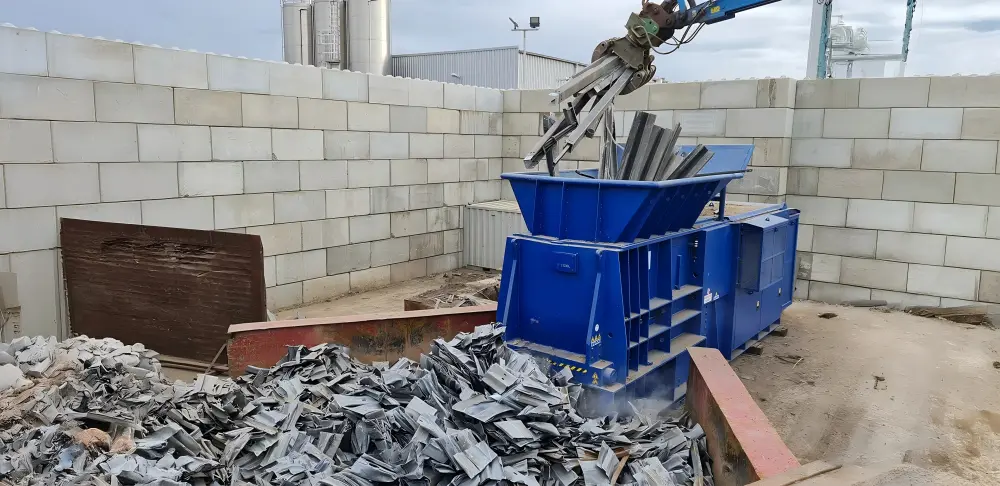
Daily Inspection: The First Line of Defense
The most effective way to reduce scrap metal shear repair costs regular maintenance begins with the daily walk-around. This should be a non-negotiable part of the operator’s morning routine. Before the machine is even powered on, a visual inspection can reveal signs of trouble that occurred during the previous shift or while the machine was cooling down overnight. Operators should look for any signs of hydraulic fluid on the ground, which indicates a leak in a hose, fitting, or seal. Even a small drip can lead to a loss of pressure and eventual pump cavitation.
Cleaning the machine is also a vital part of the daily routine. Scrap metal processing is inherently dirty, producing dust, scale, and small metal shards. If this debris is allowed to accumulate around the shear head or the hydraulic cylinders, it can act as an abrasive, wearing down seals and scoring piston rods. A simple five-minute cleaning session with compressed air or a brush can prevent thousands of dollars in seal replacement costs. Additionally, checking the safety guards and emergency stop buttons ensures that the machine is safe to operate.
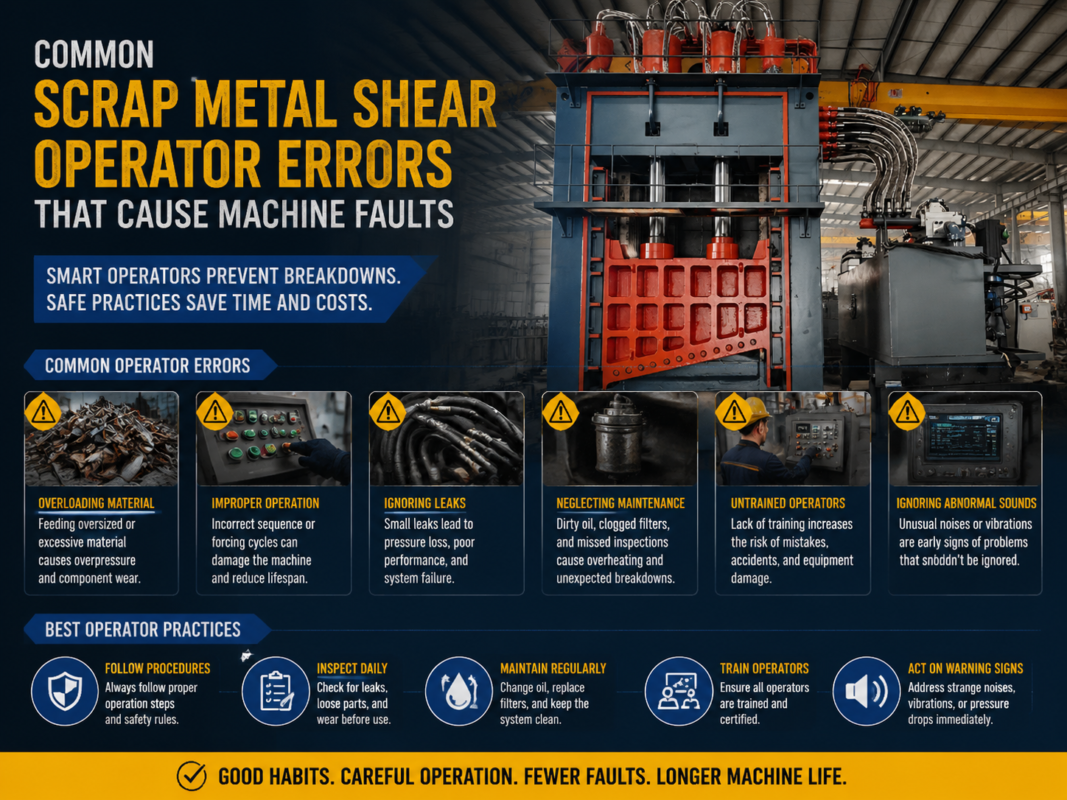
During operation, the operator must remain vigilant. They should listen for unusual noises, such as high-pitched squealing from the pump or heavy clunking from the shear head. These sounds are often the first indicators of mechanical misalignment or hydraulic starvation. By catching these issues early in the day, you can schedule a quick fix during a break rather than waiting for the machine to fail mid-production, which causes much more significant downtime and repair expenses.
Hydraulic System Maintenance: Protecting the Heart of the Shear
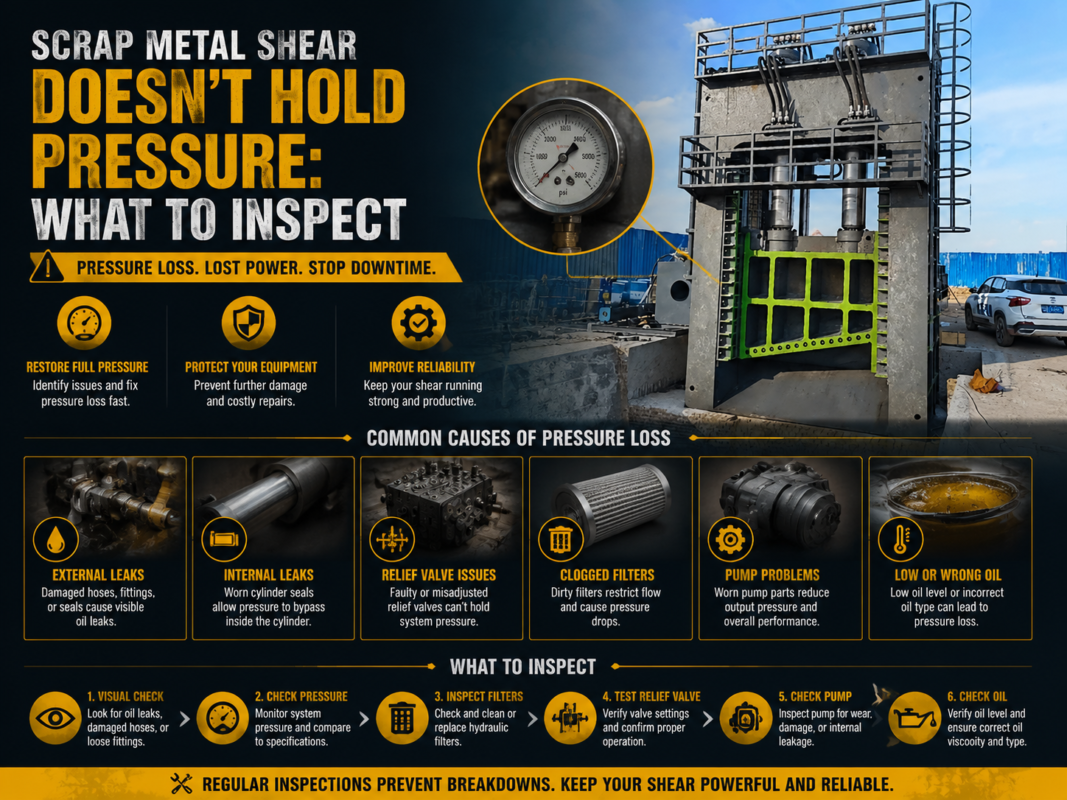
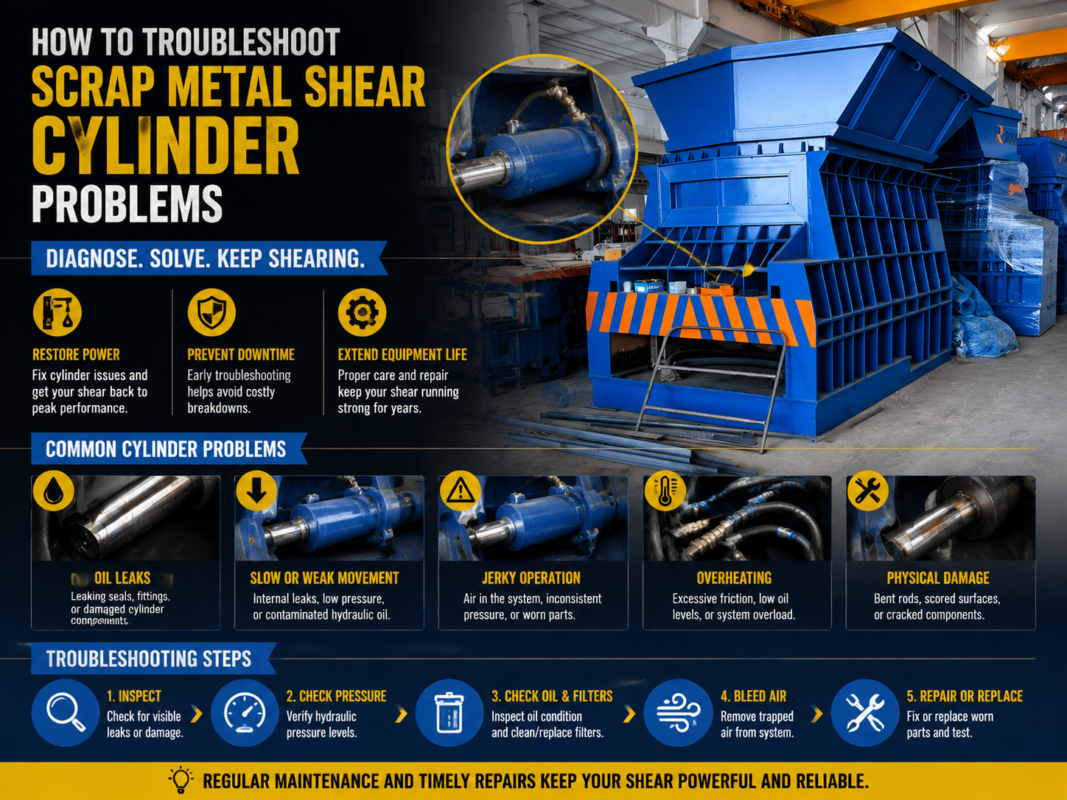
The hydraulic system is the heart of any scrap metal shear. It transforms electrical energy into the massive mechanical force required to cut through steel beams and car frames. To reduce scrap metal shear repair costs regular maintenance of the hydraulic circuit is paramount. The most critical factor is the quality and cleanliness of the hydraulic oil. Over time, oil breaks down due to heat and pressure, losing its lubricating properties. More importantly, it becomes contaminated with microscopic particles that can destroy sensitive valves and pumps.
Regular oil analysis is a highly recommended practice for industrial shears. By sending a sample of your oil to a lab, you can identify the presence of metal shavings (indicating internal wear), water (indicating a cooling system leak), or chemical breakdown. This allows you to change the oil only when necessary, saving money while ensuring the system is always protected. Furthermore, the hydraulic filters must be replaced according to the manufacturer’s intervals. A bypassed filter allows contaminants to circulate freely, leading to rapid wear of the entire system.
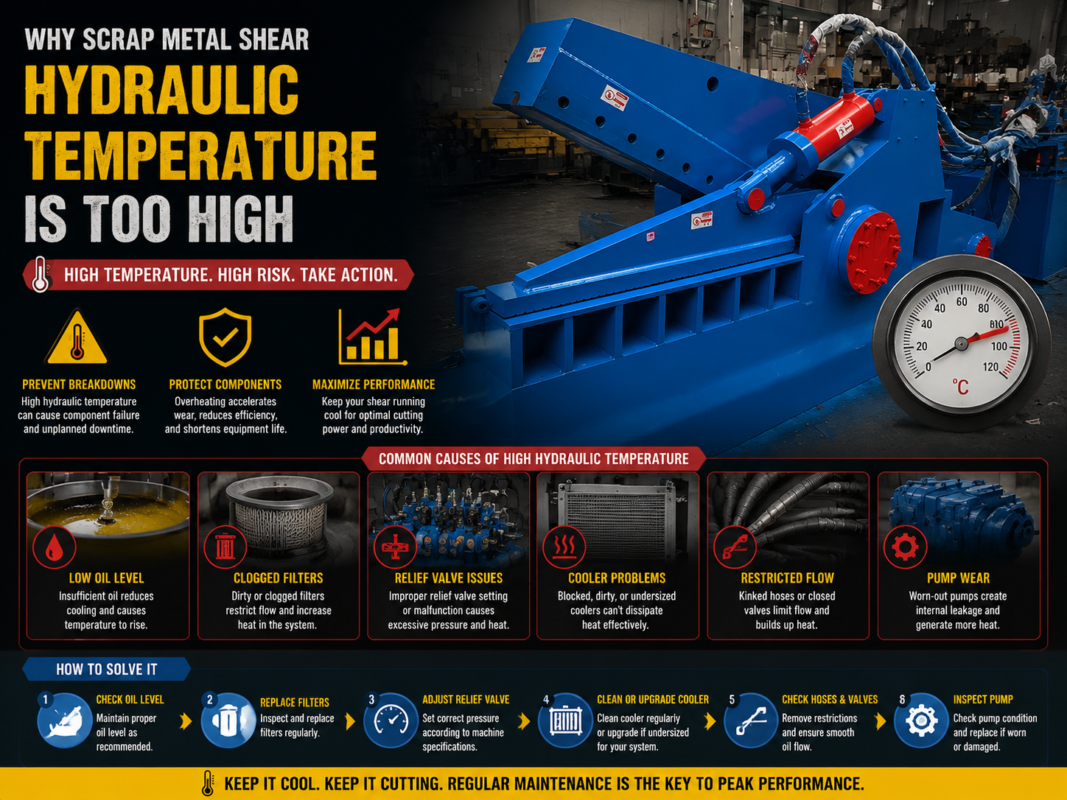
Temperature management is another key aspect of hydraulic health. Most HARSLE shears are equipped with oil coolers. If the cooling fins are clogged with dust or the fan motor is failing, the oil temperature will rise. Excessive heat thins the oil, reduces lubrication, and hardens seals, leading to leaks. Keeping the cooling system clean and ensuring the thermostat is functioning correctly will prevent the most common causes of hydraulic failure. Always ensure that the oil level is within the optimal range; low oil levels lead to aeration, which causes the pump to vibrate and eventually fail.
Electrical and Mechanical System Integrity
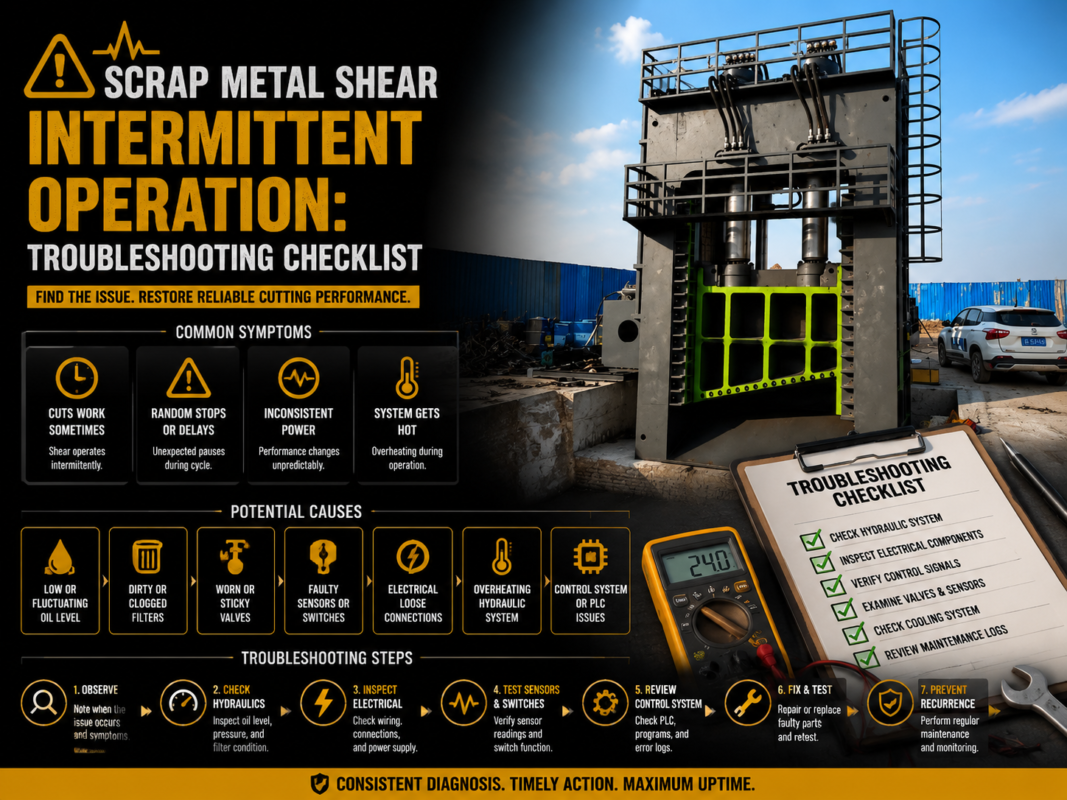
While the hydraulics provide the power, the electrical system provides the intelligence, and the mechanical structure provides the stability. Electrical maintenance often involves checking the integrity of the wiring and the cleanliness of the control cabinet. In a scrap yard environment, vibrations can loosen electrical connections over time. Loose wires can cause intermittent faults, blown fuses, or even electrical fires. Periodically tightening terminal screws and ensuring that the PLC (Programmable Logic Controller) is free from dust will prevent many common electronic glitches.
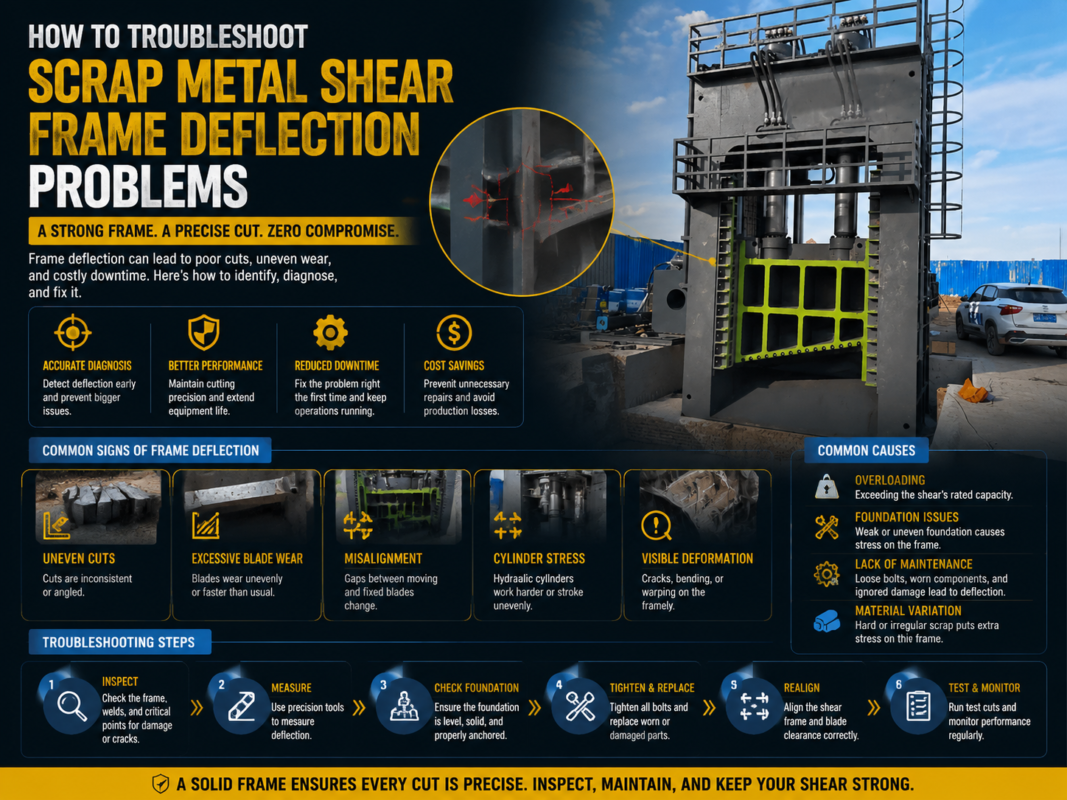
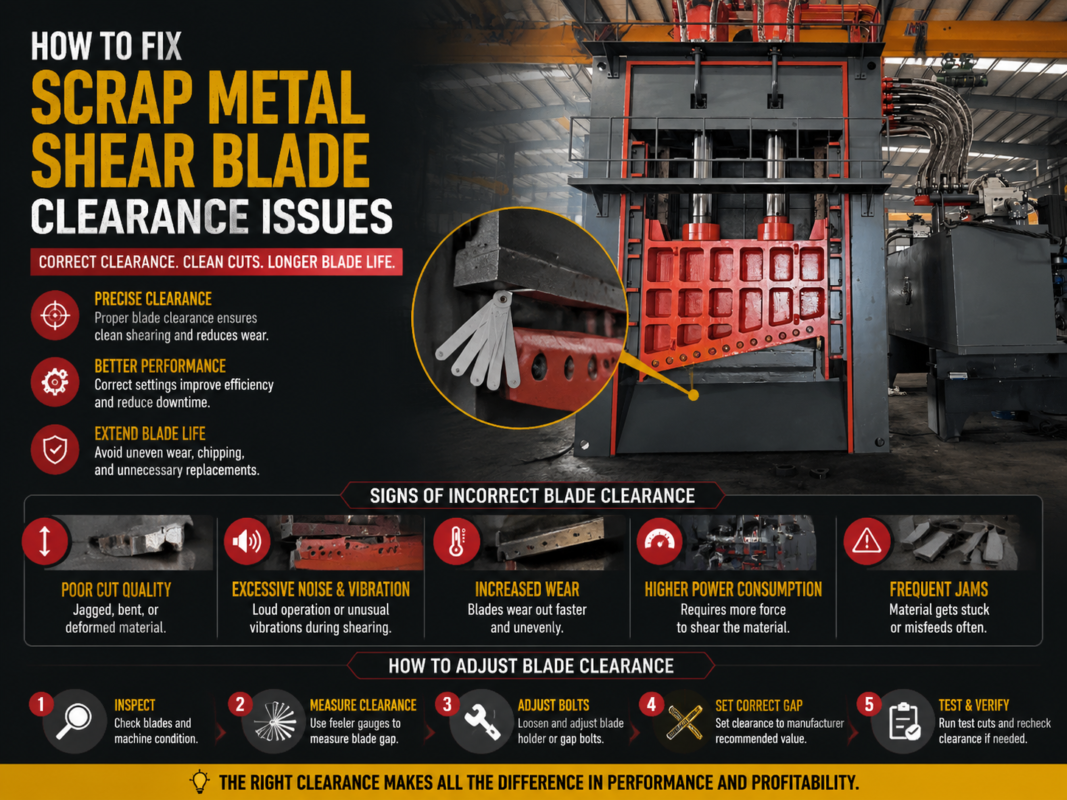
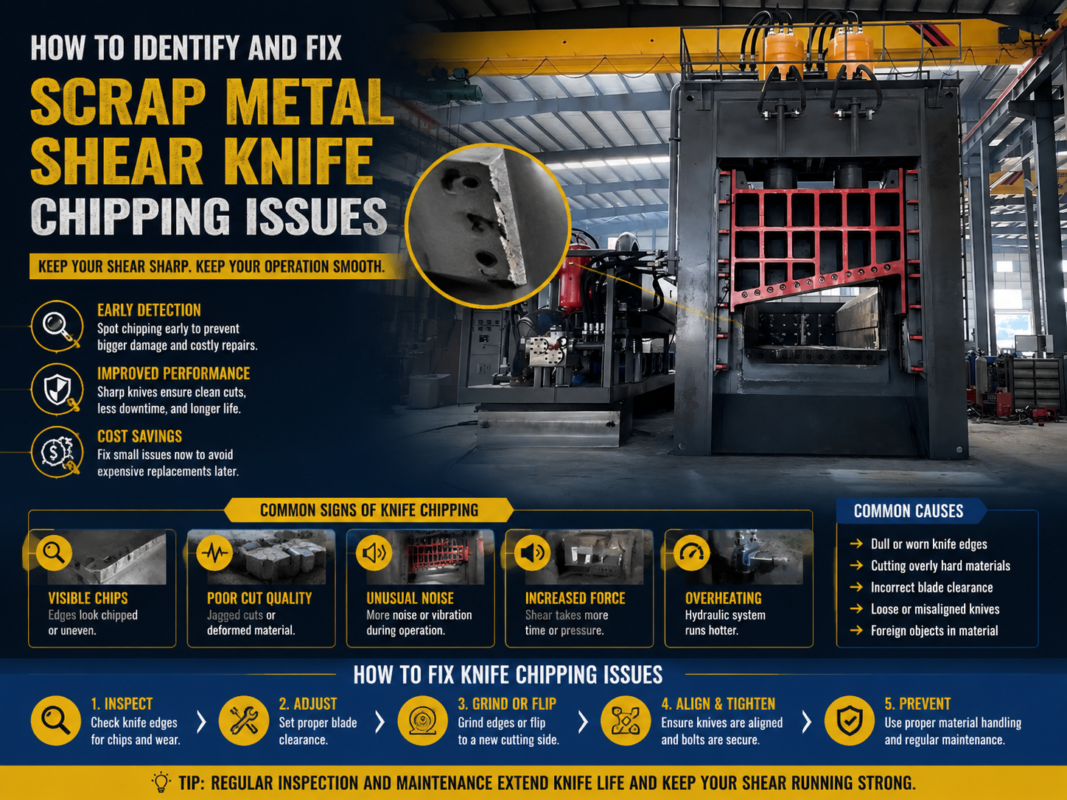
On the mechanical side, the blade gap is the most critical adjustment. As the shear blades wear down, the gap between the upper and lower blades increases. If the gap becomes too wide, the metal will “fold” rather than cut. This puts immense lateral stress on the shear head and the guide rails, which can lead to structural cracking or catastrophic mechanical failure. Regularly measuring and adjusting the blade gap according to the material thickness being processed is essential to reduce scrap metal shear repair costs regular maintenance.
Furthermore, the bolts that hold the blades in place must be checked for tightness. The shock loads generated during a cut can cause these bolts to stretch or loosen. A loose blade can shift during a cut, damaging the blade seat or the shear frame. HARSLE recommends using a torque wrench to ensure all fasteners meet the specified tension. Inspecting the guide slides for wear is also necessary; if the slides are worn, the shear head will have too much play, leading to inefficient cutting and increased wear on the hydraulic cylinders.
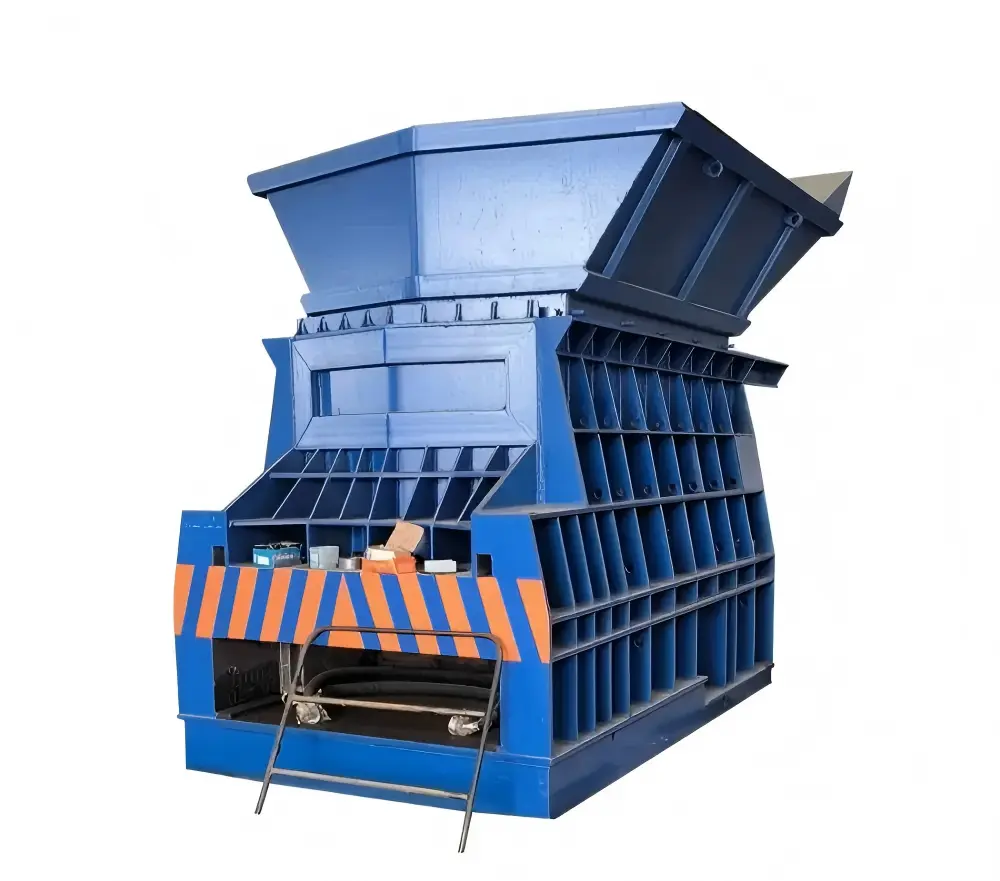
The Importance of a Comprehensive Lubrication Plan
Lubrication is the simplest yet most frequently overlooked aspect of machine maintenance. In a scrap metal shear, there are numerous pivot points, guide rails, and bearings that are under constant load. Without a consistent film of grease, these metal-on-metal surfaces will grind each other down, leading to expensive replacements. To reduce scrap metal shear repair costs regular maintenance must include a detailed lubrication plan that specifies the type of lubricant, the location of the grease points, and the frequency of application.
Many modern HARSLE shears feature centralized lubrication systems. While these systems make maintenance easier, they are not “set and forget.” The reservoir must be kept full of the correct grade of grease, and the lines must be inspected for breaks or blockages. If one line in a centralized system is blocked, that specific bearing will receive no lubrication, leading to failure even if the rest of the machine looks well-greased. Manual lubrication points, often found on older or smaller models, require even more discipline from the maintenance staff.
The choice of lubricant is also vital. Scrap shears operate in extreme pressure environments and often in outdoor temperatures that vary significantly between winter and summer. Using a high-pressure (EP) grease with the correct viscosity for the ambient temperature ensures that the lubricant stays in place and provides the necessary protection. Over-greasing can also be an issue, as it can attract more dust and grit to the moving parts, creating a grinding paste. Following the manufacturer’s guidelines for the exact amount of grease is the best practice.
Troubleshooting Signals: Catching Problems Early
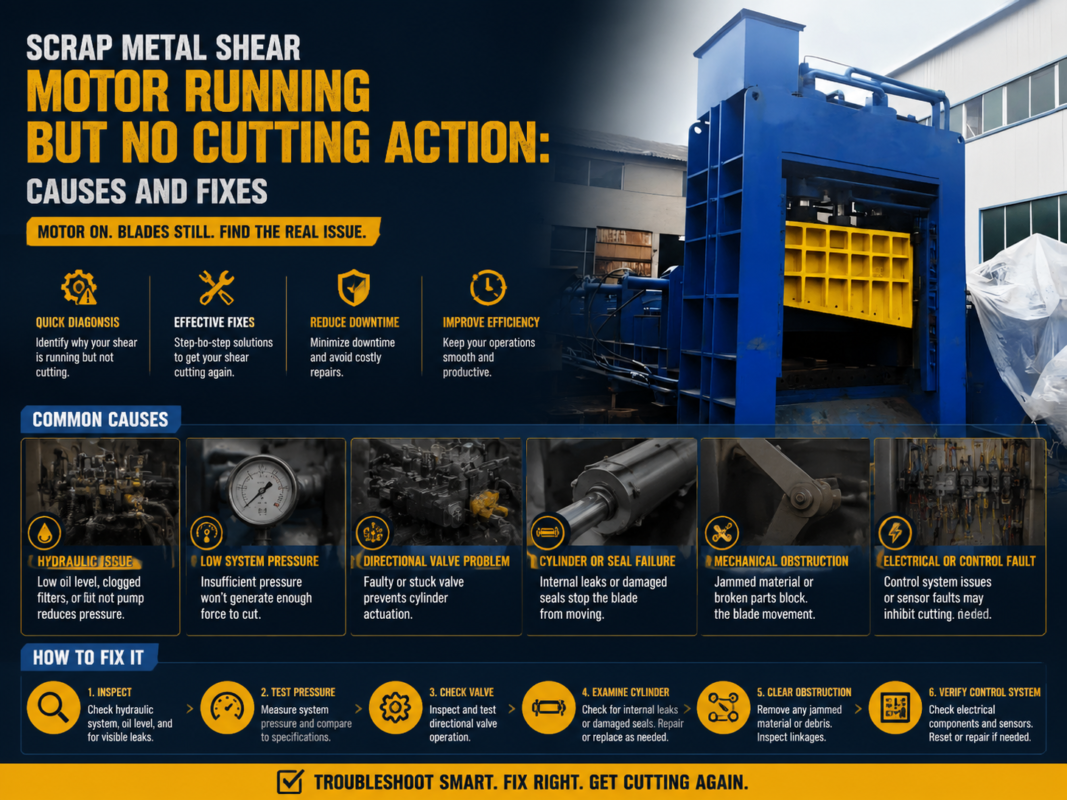
Even with the best maintenance plan, components will eventually wear out. The key to minimizing repair costs is recognizing the early warning signs of failure. One of the most common signals is a change in cycle time. If the shear is taking longer to complete a stroke or if the return stroke is sluggish, it usually indicates a loss of hydraulic efficiency. This could be due to a worn pump, an internal leak in a cylinder, or a malfunctioning valve. Addressing this immediately prevents the component from failing completely and potentially sending debris through the rest of the system.
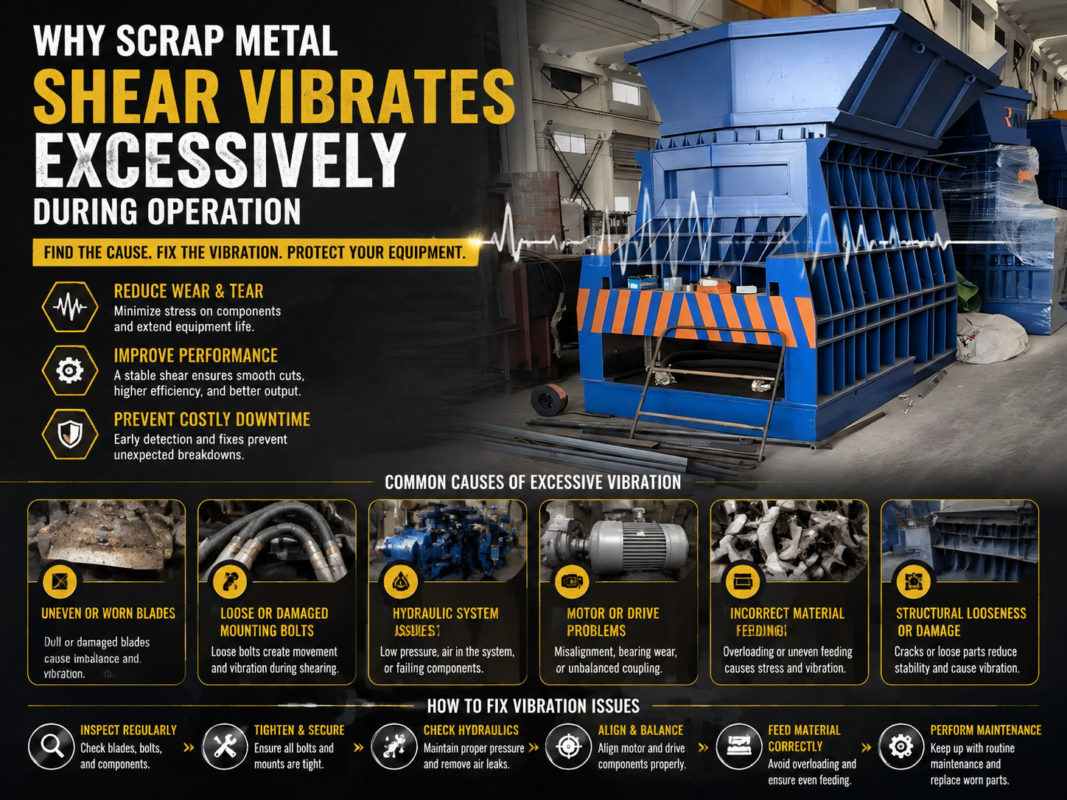
Another signal is unusual vibration. While scrap shears are naturally noisy, a new or rhythmic vibration often points to a mechanical issue, such as a loose mounting bolt or a failing bearing. Heat is also a major indicator. Using an infrared thermometer to check the temperature of bearing housings and hydraulic components can reveal “hot spots” before they become visible or odorous. If a bearing is significantly hotter than its counterparts, it is likely reaching the end of its service life.
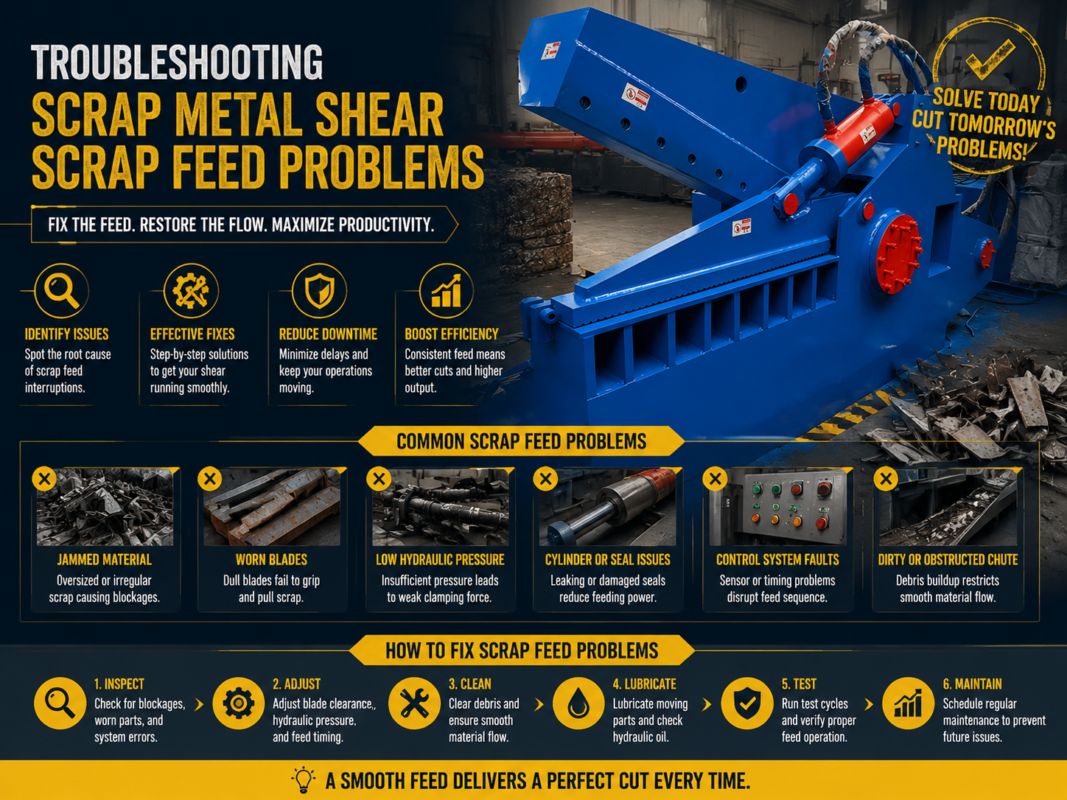
Finally, keep an eye on the quality of the cut. If the shear is leaving ragged edges or if the material is jamming frequently, it is a clear sign that the blades need to be rotated, sharpened, or the gap needs adjustment. Ignoring poor cut quality not only slows down production but also increases the fuel or electricity consumption of the machine, as it has to work harder to force the blades through the metal. By training operators to report these subtle changes, you can reduce scrap metal shear repair costs regular maintenance by performing “just-in-time” repairs.
Comprehensive Maintenance Schedule Table
To help you organize your efforts, use the following table as a baseline for your scrap metal shear maintenance program. Note that these intervals may need to be shortened if the machine is operating in multi-shift environments or processing particularly difficult materials.
| Frequency | Component | Action Required |
|---|---|---|
| Daily | Hydraulic System | Check oil level and look for leaks in hoses/fittings. |
| Daily | Shear Blades | Clear debris and inspect for visible chips or cracks. |
| Daily | Safety Systems | Test E-stops, light curtains, and physical guards. |
| Weekly | Lubrication | Check centralized grease reservoir; grease manual points. |
| Weekly | Mechanical Fasteners | Inspect blade bolts and cylinder mounting bolts for tightness. |
| Weekly | Electrical Cabinet | Check for dust accumulation and ensure cooling fans work. |
| Monthly | Blade Gap | Measure and adjust the gap between upper and lower blades. |
| Monthly | Hydraulic Filters | Inspect filter indicators; replace if necessary. |
| Quarterly | Oil Analysis | Take a sample of hydraulic oil for laboratory testing. |
| Quarterly | Guide Slides | Check for wear and adjust clearances to manufacturer specs. |
| Annually | Full System Flush | Drain hydraulic tank, clean suction strainers, and replace oil. |
| Annually | Structural Integrity | Inspect frame and welds for stress cracks or fatigue. |
Frequently Asked Questions (FAQ)
1. How often should I rotate or flip my shear blades?
The frequency of blade rotation depends entirely on the volume and type of material you are processing. On average, for a single-shift operation processing mixed scrap, blades should be inspected weekly and typically rotated every 2-4 months. If you notice a decrease in cut quality or an increase in the pressure required to cut, it is time to flip the blades to a fresh edge.
2. What is the most common cause of hydraulic pump failure in shears?
Contamination is the number one killer of hydraulic pumps. Small particles of metal or dirt act like sandpaper inside the pump, wearing down the internal tolerances until the pump can no longer generate pressure. Keeping your oil clean and changing filters regularly is the best way to prevent this. Cavitation, caused by low oil levels or blocked suction lines, is the second most common cause.
3. Can I use any hydraulic oil in my HARSLE shear?
No, you should always use the oil grade recommended in your machine’s manual. Most heavy-duty shears require an anti-wear (AW) hydraulic oil with a specific viscosity (usually ISO 46 or 68). Using the wrong oil can lead to poor performance in extreme temperatures and may void your warranty. In very cold climates, a multi-viscosity oil may be necessary for cold starts.
4. Why is my shear making a loud banging noise during the cut?
A loud banging noise usually indicates that the blade gap is too wide or that the material is shifting during the cut. When the gap is too wide, the shear “snaps” through the material rather than cutting it cleanly, sending a shockwave through the machine. Check your blade gap and ensure your hold-down (stamper) is applying enough pressure to secure the scrap before the shear blade makes contact.
5. How do I know if my hydraulic oil needs to be changed?
The best way is through professional oil analysis. However, visual cues can also help. If the oil looks milky, it is contaminated with water. If it looks dark and smells burnt, it has oxidized due to overheating. If you see bubbles or foam in the sight glass, the system is sucking in air. If any of these conditions exist, the oil should be changed immediately regardless of the service interval.
6. Is it worth investing in an automatic lubrication system?
Yes, absolutely. An automatic lubrication system ensures that critical components receive small, frequent doses of grease while the machine is in motion, which is far more effective than a large dose once a week. It reduces the risk of human error and significantly extends the life of pins, bushings, and slides, ultimately helping to reduce scrap metal shear repair costs regular maintenance over the long term.