Hydraulic Scrap Metal Shear Maintenance for Higher Productivity: The Ultimate Guide

Hydraulic Scrap Metal Shear Maintenance for Higher Productivity
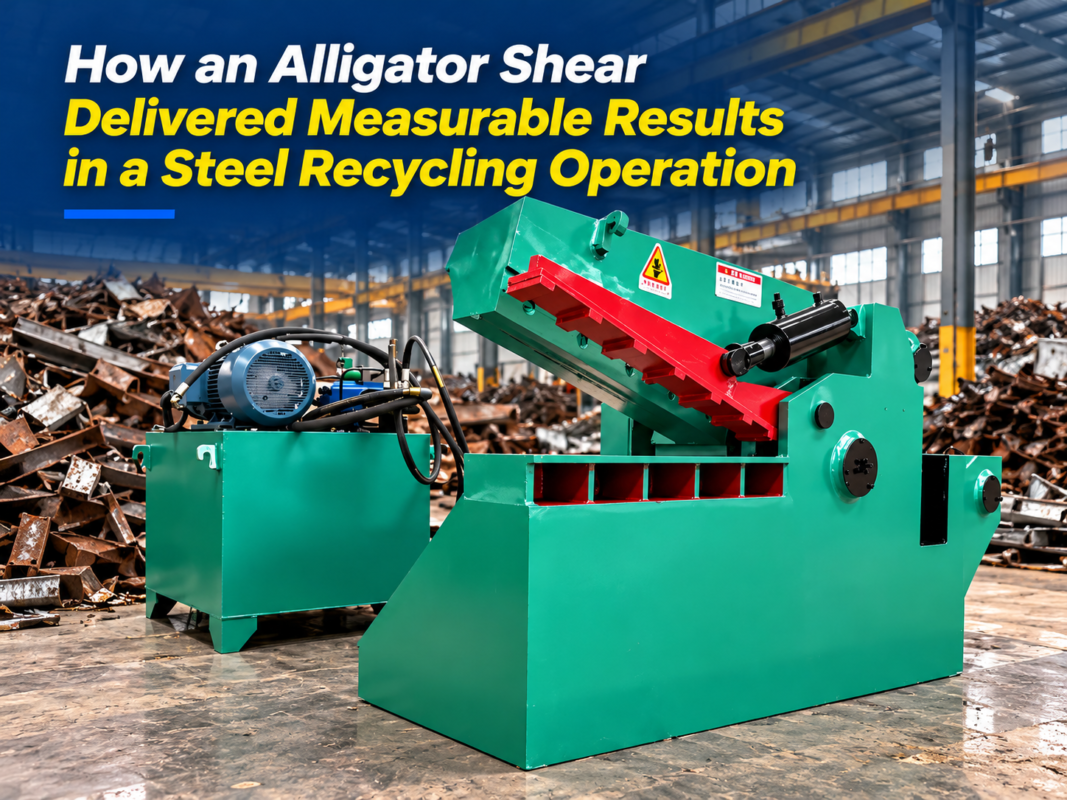
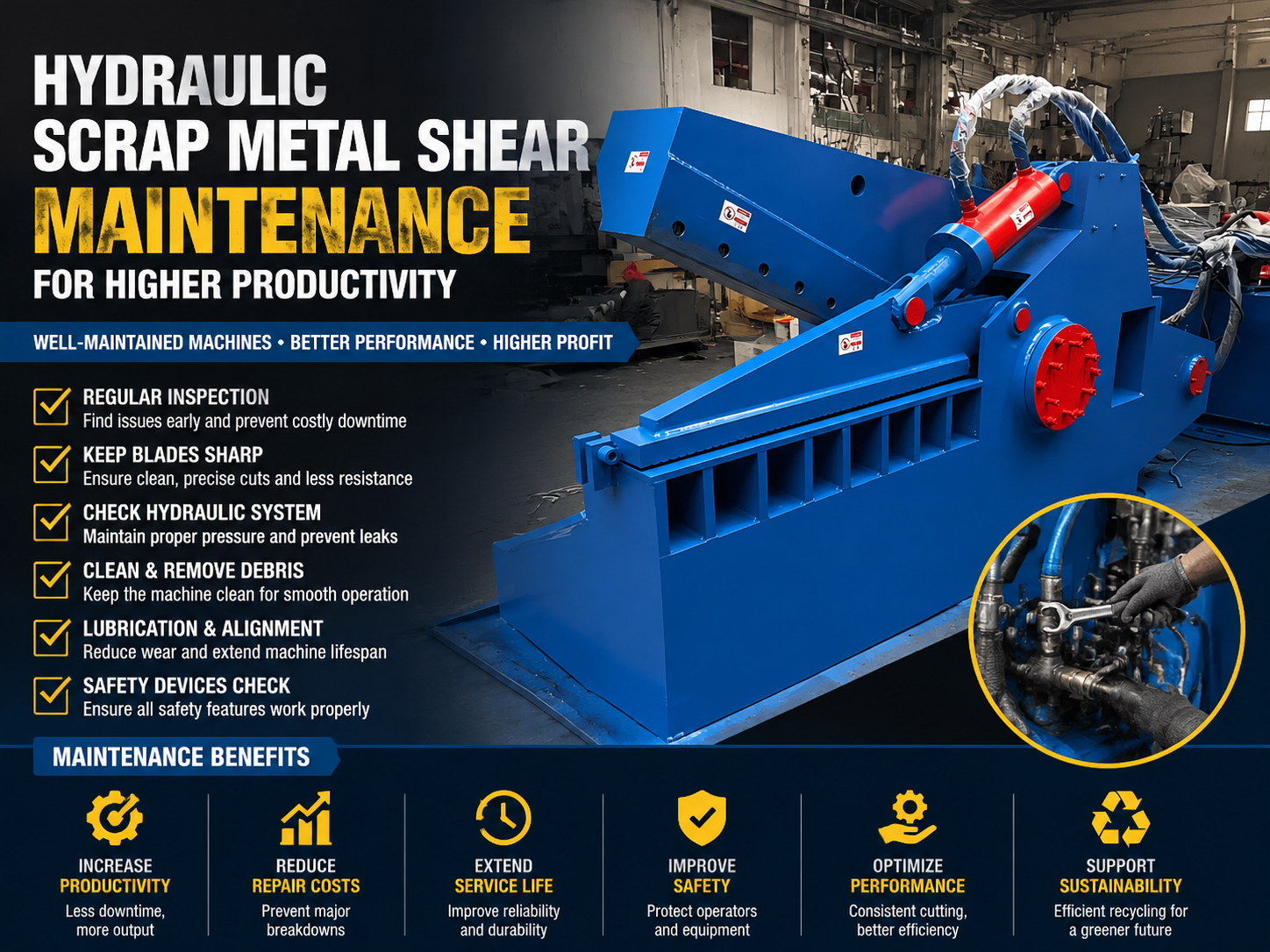
In the high-stakes world of metal recycling and industrial fabrication, the hydraulic scrap metal shear stands as a cornerstone of operational efficiency. These robust machines are designed to exert hundreds of tons of force to slice through steel beams, pipes, and mixed scrap, turning bulky waste into manageable, high-value raw materials. However, the sheer physical stress placed on these machines means that performance degradation is inevitable without a rigorous upkeep strategy. Implementing a comprehensive plan for Hydraulic Scrap Metal Shear Maintenance for Higher Productivity is not just a recommendation; it is a financial necessity for any facility looking to maximize its Return on Investment (ROI).
When a shear goes down, the entire production line often grinds to a halt. Inbound scrap piles up, outbound shipments are delayed, and labor costs continue to accrue without corresponding revenue. By focusing on proactive maintenance rather than reactive repairs, operators can ensure that their equipment runs at peak capacity, maintains cutting precision, and avoids the catastrophic failures that lead to weeks of downtime. This guide explores the technical nuances of maintaining these powerful machines, providing a roadmap for operators and maintenance managers to achieve unparalleled reliability.
The Critical Role of Maintenance in Scrap Metal Processing
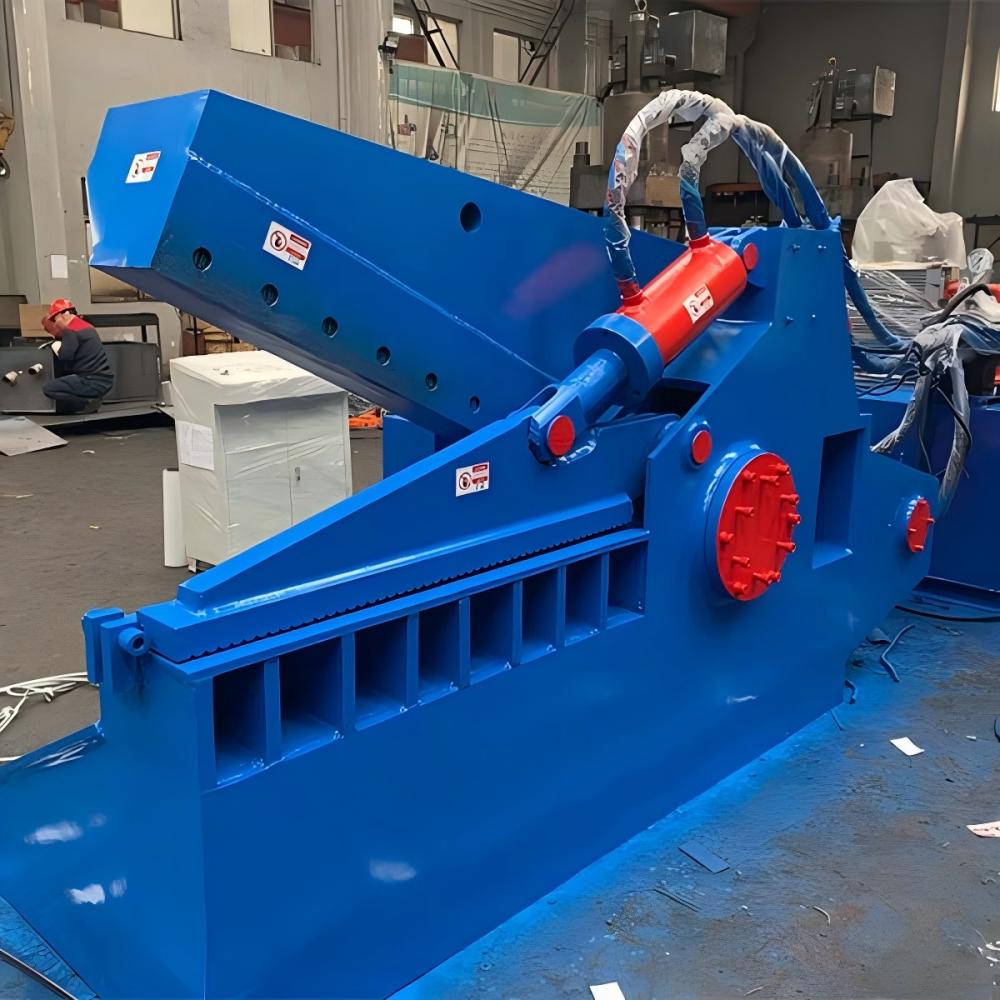
The relationship between maintenance and productivity is direct and measurable. In the context of hydraulic scrap metal shears, productivity is defined by the number of tons processed per hour and the quality of the resulting cuts. A machine that is poorly maintained will suffer from slower cycle times, increased energy consumption, and frequent micro-stops. Over time, these inefficiencies can reduce a facility’s total output by 20% or more, representing a significant loss in potential profit.
Beyond throughput, maintenance is the primary driver of machine longevity. Hydraulic shears are significant capital investments. A well-maintained HARSLE shear can operate effectively for decades, whereas a neglected one may require a complete overhaul or replacement within five to seven years. Furthermore, safety is inextricably linked to maintenance. Worn seals can lead to high-pressure oil leaks, and loose bolts can cause structural failures—both of which pose severe risks to operators in the vicinity. Therefore, prioritizing Hydraulic Scrap Metal Shear Maintenance for Higher Productivity is also a commitment to workplace safety.
Daily Inspection Protocols: The First Line of Defense
The most effective maintenance programs begin with the daily walk-around. This 10-to-15-minute routine allows operators to catch minor issues before they escalate into major repairs. The daily inspection should be standardized with a checklist to ensure no component is overlooked. Operators should start by checking the surrounding area for any signs of hydraulic fluid leaks. Even a small puddle can indicate a loose fitting or a weeping seal that could lead to a sudden loss of pressure during a heavy cut.
Next, the condition of the cutting blades must be assessed. Scrap metal is notoriously abrasive, and blades will naturally dull over time. However, daily checks can identify premature chipping or cracking caused by attempting to cut materials beyond the machine’s rated capacity. The blade gap—the distance between the moving and stationary blades—should also be visually inspected. If the gap is too wide, the shear will “fold” the metal rather than cut it, putting immense lateral stress on the cylinder and frame. Finally, ensure that all safety guards are in place and that the emergency stop buttons are functioning correctly.
Deep Dive into Hydraulic System Maintenance
The hydraulic system is the heart of the scrap metal shear. It converts electrical energy into the massive mechanical force required for cutting. Maintaining the health of the hydraulic fluid is the single most important task in this category. Hydraulic oil serves three purposes: it transmits power, lubricates moving parts, and carries heat away from the system. Over time, heat and contaminants (such as metal shavings and dust) break down the oil’s viscosity and chemical stability.
Operators must monitor oil levels daily and perform regular oil analysis. This analysis can reveal the presence of microscopic metal particles, which indicate internal wear in the pump or cylinders. Filters should be replaced according to the manufacturer’s schedule, or sooner if the system operates in a particularly dusty environment. Additionally, the cooling system—whether air-cooled or water-cooled—must be kept clean. If the hydraulic oil exceeds its recommended operating temperature (usually around 50-60°C), it will thin out, leading to internal leakage and a noticeable drop in cutting power.
Electrical System Integrity and Control Logic
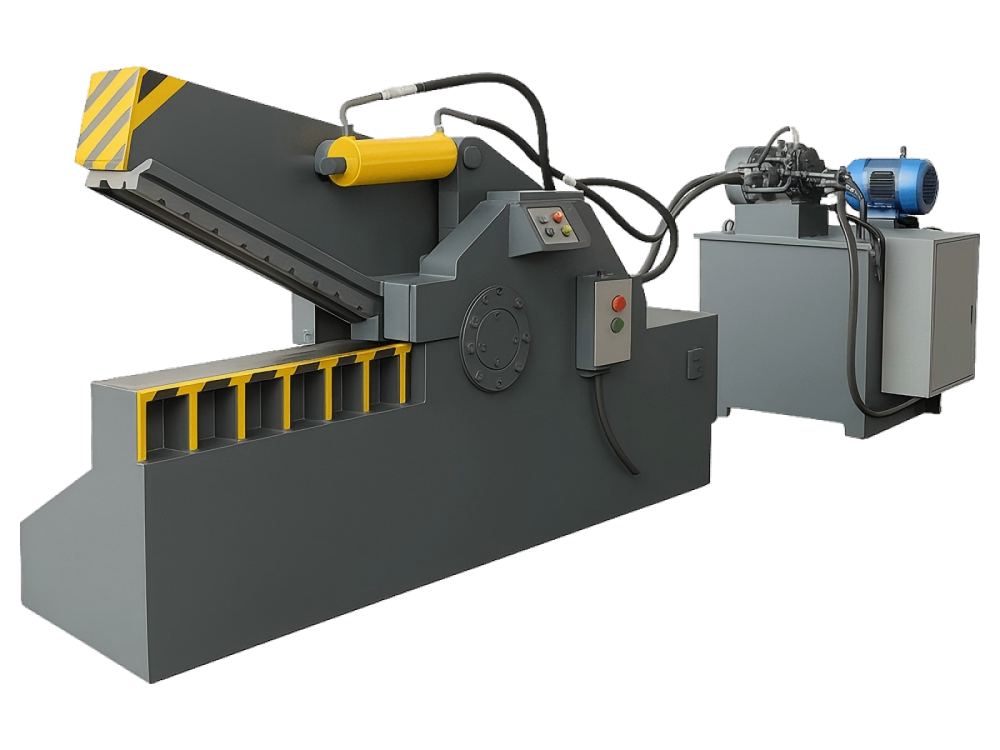
Modern hydraulic shears, such as those manufactured by HARSLE, utilize sophisticated electrical control systems, often involving Programmable Logic Controllers (PLCs) and various sensors. While the mechanical parts do the heavy lifting, the electrical system provides the “brains” of the operation. Maintenance in this area involves ensuring that all connections are tight and free from corrosion. Scrap yards are often damp and dusty, which can lead to electrical shorts if cabinets are not properly sealed.
Sensors, such as limit switches and pressure transducers, must be calibrated regularly. If a limit switch is misaligned, the shear arm may not travel its full distance, or it may strike the frame, causing mechanical damage. Furthermore, the solenoid valves—which direct the flow of hydraulic oil—should be checked for responsiveness. A sticking valve can cause erratic movement or prevent the shear from returning to its starting position. Regularly cleaning the electrical cabinet with compressed air and checking for frayed wiring can prevent unexpected logic errors that halt production.
Mechanical Components and Blade Management
The mechanical structure of a scrap metal shear is built for durability, but it is not indestructible. The pivot pins and bushings are subject to extreme friction and must be checked for play. If the bushings wear down, the shear arm will begin to wobble, leading to uneven blade wear and potential frame cracking. Tightening the main pivot nut to the manufacturer’s specified torque is a critical but often overlooked maintenance task.
Blade management is perhaps the most direct way to influence Hydraulic Scrap Metal Shear Maintenance for Higher Productivity. Most shear blades are four-sided, meaning they can be rotated three times before they need to be professionally reground or replaced. Operating with dull blades forces the hydraulic system to work harder, increasing heat and wear. When changing or rotating blades, it is essential to clean the blade seats thoroughly. Any debris behind the blade can cause it to sit unevenly, leading to a catastrophic blade shatter when pressure is applied. Always use high-tensile bolts and a torque wrench when installing blades.
Developing a Robust Lubrication Strategy
Lubrication is the lifeblood of mechanical movement. Without a consistent film of grease, metal-on-metal contact will rapidly destroy pins, bushings, and slides. A robust lubrication strategy involves using the correct type of grease—typically a heavy-duty, extreme-pressure (EP) grease containing molybdenum disulfide—and applying it at the correct intervals. Many high-productivity shears feature centralized lubrication systems that automatically deliver grease to critical points.
If your machine relies on manual lubrication, it is vital to grease the pivot points every 4 to 8 hours of operation. Operators should look for “purging”—when old, dirty grease is pushed out by new, clean grease. This process not only lubricates but also flushes out contaminants like grit and metal dust that may have entered the joint. Neglecting lubrication for even a single shift can cause irreversible scoring on the pivot pin, leading to an expensive and time-consuming replacement process.
Identifying Troubleshooting Signals Before Failure
Experienced operators develop an intuition for their machines, often noticing subtle changes in sound or feel. These “troubleshooting signals” are early warnings of impending failure. For instance, a high-pitched whining sound often indicates pump cavitation, which occurs when air enters the hydraulic line or the suction filter is clogged. If left unaddressed, cavitation will destroy the hydraulic pump in a matter of hours.
Another signal is a change in cycle time. If the shear takes longer to complete a cut than it did a week ago, it suggests internal leakage in the cylinder or a failing pump. Excessive heat radiating from the hydraulic tank is another red flag. Finally, pay attention to the quality of the scrap being produced. If the cuts are jagged or the metal is being “chewed” rather than sliced, it is a clear indication that the blade gap needs adjustment or the blades are dull. Addressing these signals immediately is the hallmark of a high-productivity maintenance culture.
Comprehensive Maintenance Schedule Table
To achieve Hydraulic Scrap Metal Shear Maintenance for Higher Productivity, follow this structured schedule. Consistency is the key to preventing unplanned downtime.
| Frequency | Component | Action Required |
|---|---|---|
| Daily | Hydraulic Oil | Check level and look for foam or discoloration. |
| Daily | Blades | Inspect for chips, cracks, and tightness of bolts. |
| Daily | Safety Systems | Test emergency stops and check all guards. |
| Weekly | Blade Gap | Measure and adjust the clearance between blades. |
| Weekly | Filters | Check pressure gauges on filters; replace if necessary. |
| Weekly | Structure | Inspect frame and welds for signs of stress or cracking. |
| Monthly | Electrical | Clean control cabinet and tighten terminal connections. |
| Monthly | Pivot Pins | Check for excessive play or movement in the main joints. |
| Quarterly | Oil Analysis | Send a sample to a lab to check for contaminants and additives. |
| Annually | Full Service | Drain and replace hydraulic oil; replace all seals and hoses. |
Frequently Asked Questions (FAQ)
1. How often should I rotate the blades on my hydraulic shear?
Blade rotation frequency depends entirely on the volume and type of material you are cutting. For heavy-duty scrap processing, blades should be inspected daily and typically rotated every 100 to 200 hours of operation. If you notice a decrease in cutting speed or an increase in burrs on the cut material, it is time to rotate the blades.
2. What is the best type of hydraulic oil for a scrap metal shear?
Most manufacturers recommend an anti-wear hydraulic oil with a viscosity grade of ISO 46 or ISO 68, depending on your local climate. In colder environments, a thinner oil (ISO 32) may be necessary for startup, while hotter climates require thicker oil to maintain viscosity. Always consult your HARSLE manual for specific recommendations.
3. Why is my shear losing cutting power?
Loss of power is usually caused by one of three things: a worn hydraulic pump that can no longer reach maximum pressure, internal leakage in the main cylinder (bypassing the piston seal), or a pressure relief valve that is stuck open or set too low. Start by checking the system pressure with a manual gauge to isolate the cause.
4. Can I weld a cracked shear frame?
Welding a shear frame is a complex task that should only be performed by a certified structural welder. Because the frame is subject to extreme cyclic loading, a poor weld can lead to a catastrophic failure. It is often necessary to V-out the crack, pre-heat the metal, and use specific filler rods to ensure the repair holds up to the machine’s operating forces.
5. How do I prevent my hydraulic system from overheating?
To prevent overheating, ensure the cooling fans are clear of debris and the heat exchanger fins are clean. Check that the relief valves are not constantly bypassing oil, which generates immense heat. Additionally, ensure the oil level is correct, as the oil in the tank acts as a heat sink; low oil levels will heat up much faster.
Conclusion
Achieving Hydraulic Scrap Metal Shear Maintenance for Higher Productivity requires a shift in mindset from seeing maintenance as a cost to seeing it as an investment. By following the daily, weekly, and monthly protocols outlined in this guide, you can ensure that your HARSLE equipment remains a reliable workhorse in your facility. Remember that the most productive scrap yards are not necessarily those with the newest machines, but those with the best-maintained ones. Keep your blades sharp, your oil clean, and your joints lubricated, and your hydraulic shear will provide years of high-performance service, driving your business toward greater profitability and efficiency.