How to Maintain a Scrap Metal Shear for Stable Cutting Performance: A Comprehensive Guide

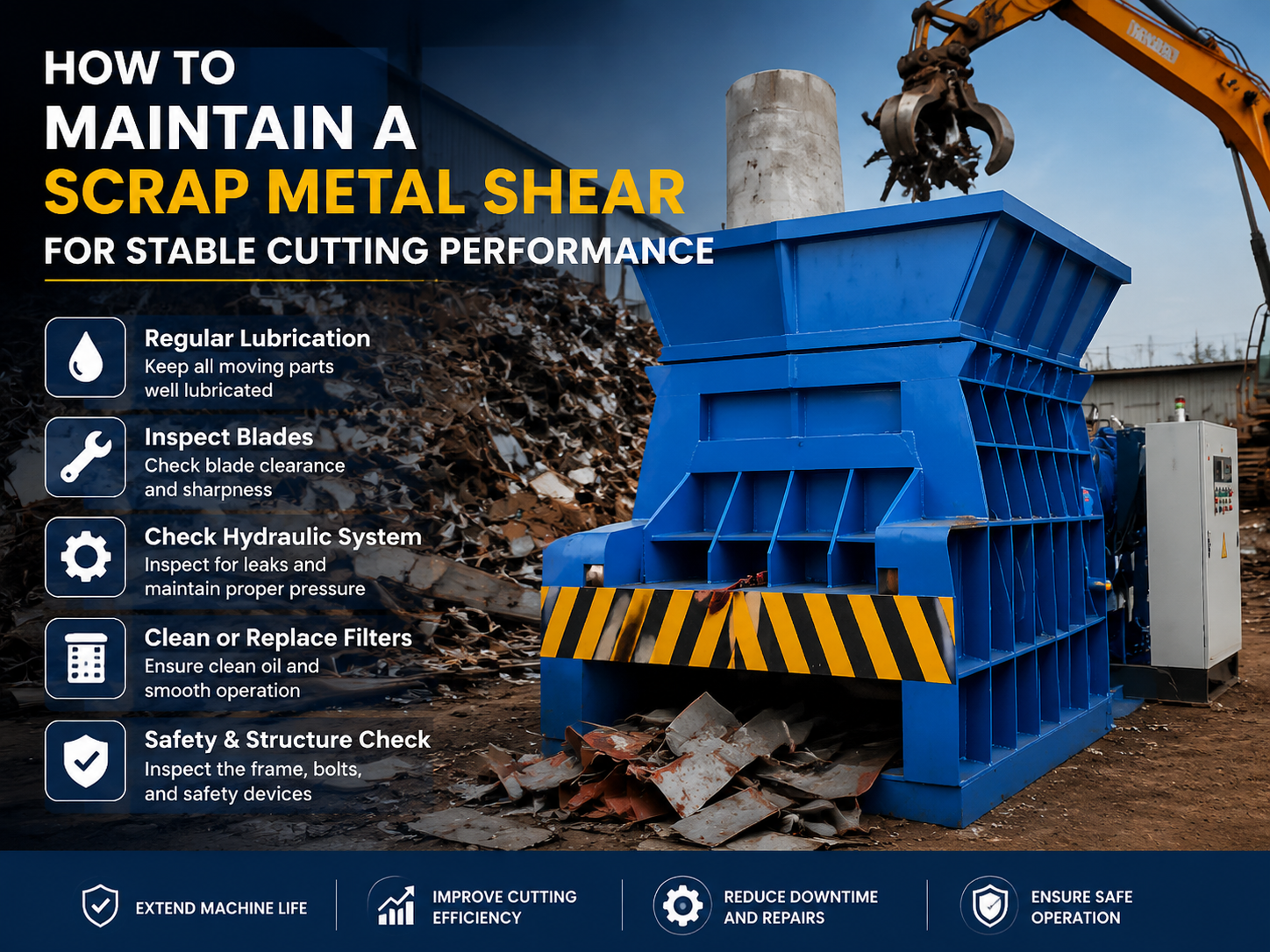
Introduction to Scrap Metal Shear Maintenance
In the demanding world of metal recycling and industrial fabrication, the scrap metal shear stands as a cornerstone of productivity. Whether you are operating a gantry shear, an alligator shear, or a container shear, the ability to process large volumes of metal efficiently depends entirely on the machine’s health. To maintain a scrap metal shear for stable cutting performance, one must look beyond simple repairs and adopt a proactive, holistic maintenance philosophy. This guide provides an in-depth look at the technical requirements and best practices for keeping your HARSLE machinery running at peak efficiency.
The environment in which these machines operate is inherently hostile. Dust, metal shards, extreme temperatures, and high-pressure cycles all contribute to the wear and tear of critical components. Without a structured maintenance plan, even the most robust shear will eventually suffer from decreased precision, increased cycle times, and costly downtime. By following a rigorous schedule, operators can ensure that the shear force remains consistent and the blade edges stay sharp, directly impacting the profitability of the recycling operation.
The Critical Importance of Regular Maintenance
Why is it so vital to maintain a scrap metal shear for stable cutting performance? The primary reason is safety. A shear that is poorly maintained can lead to unpredictable mechanical failures, such as hydraulic hose bursts or structural fractures, which pose significant risks to operators. Furthermore, a well-maintained machine ensures that the cutting force is distributed evenly across the blades, preventing the frame from twisting or warping under the immense pressure required to cut through heavy-duty steel beams or reinforced rebar.
From an economic perspective, maintenance is an investment rather than an expense. The cost of replacing a damaged hydraulic pump or a cracked main cylinder far outweighs the cost of regular oil changes and filter replacements. Additionally, stable cutting performance means cleaner cuts, which are often required for high-grade scrap processing. When the shear performs reliably, the throughput remains high, and the energy consumption per ton of processed material is minimized, leading to a more sustainable and profitable business model.
Daily Inspection Protocols
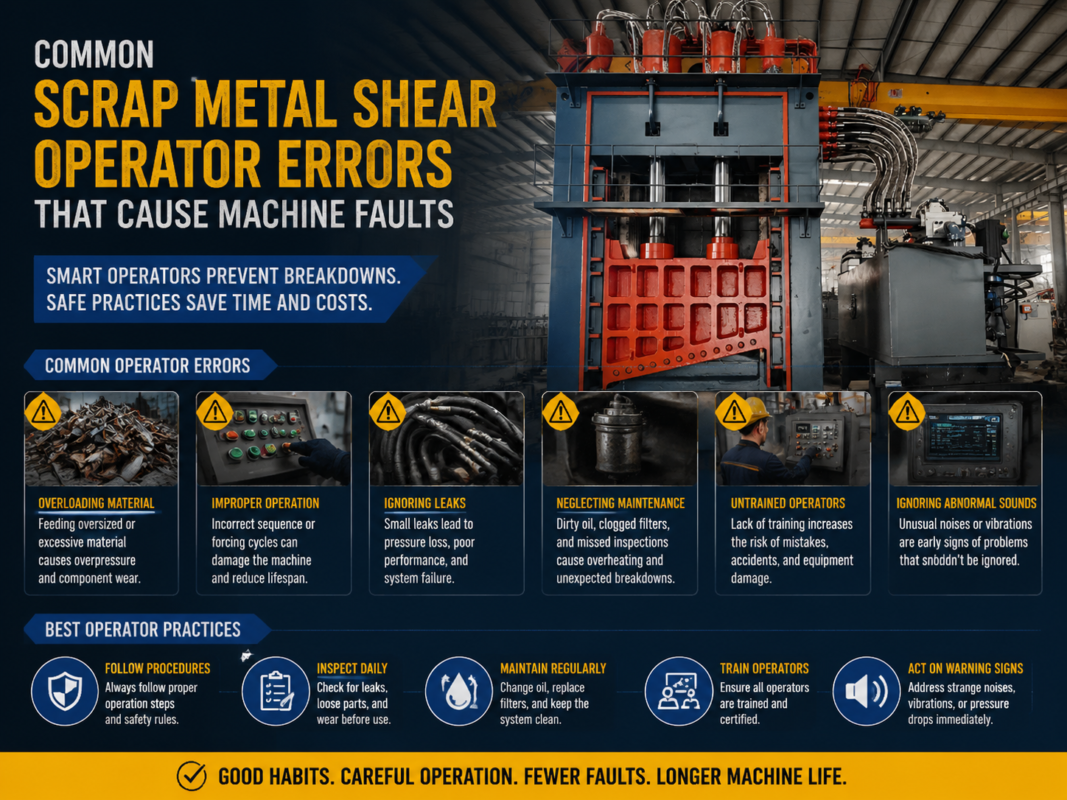
The first line of defense against machine failure is the daily inspection. Before the start of every shift, the operator should conduct a thorough visual and functional check of the scrap metal shear. This process should begin with the cutting zone. Ensure that no debris or small metal fragments are lodged between the blades or in the guide rails. Even small obstructions can cause significant friction, leading to overheating and premature wear of the sliding surfaces.
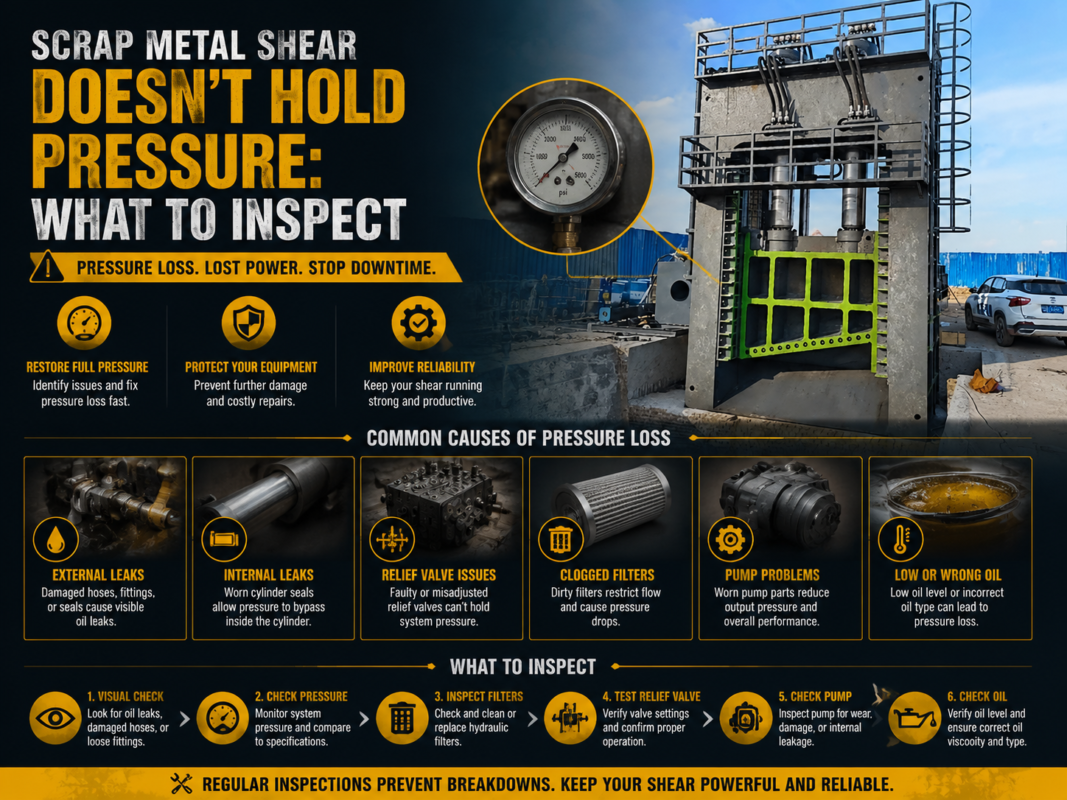
Next, check for any visible signs of hydraulic leaks. A small puddle of oil under the machine is often the first sign of a loose fitting or a worn seal. Addressing these issues immediately prevents the loss of hydraulic pressure and protects the environment from oil contamination. Operators should also verify that all safety guards are in place and that the emergency stop buttons are fully functional. A quick test of the control panel to ensure all indicators are working correctly can prevent confusion during high-speed operations.
Hydraulic System Maintenance and Oil Management
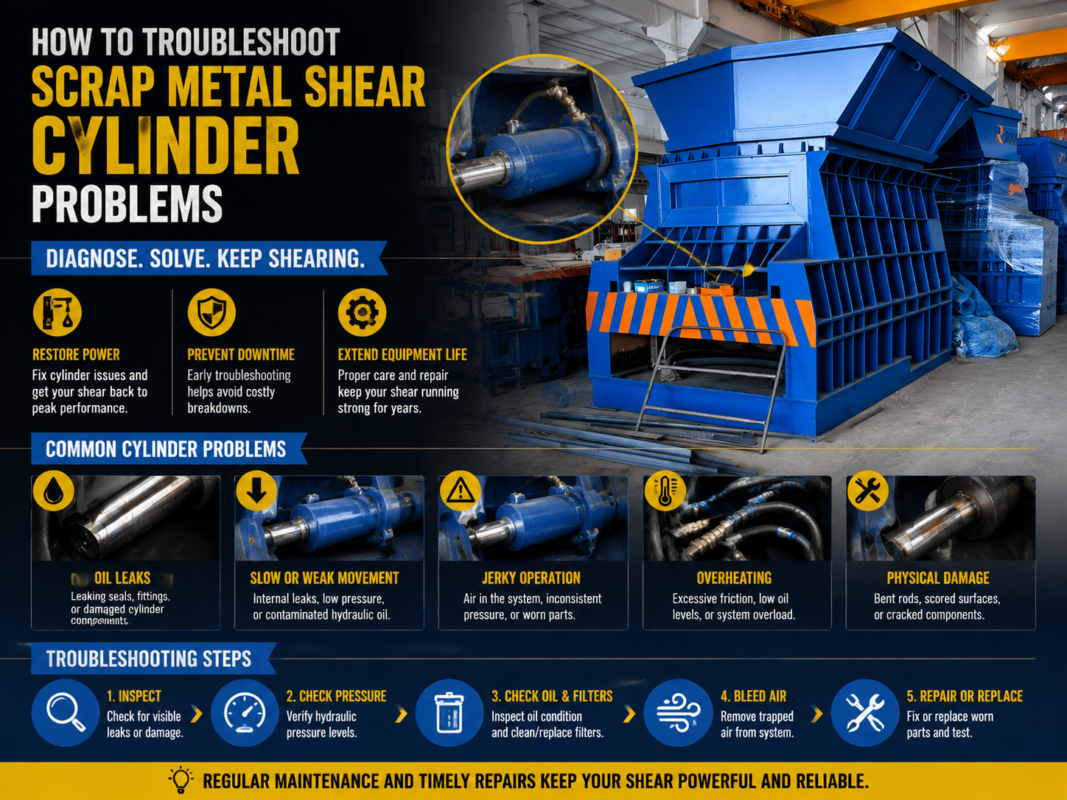
The hydraulic system is the heart of the scrap metal shear. It converts electrical energy into the massive mechanical force needed to slice through metal. To maintain a scrap metal shear for stable cutting performance, the hydraulic oil must be kept clean and at the correct temperature. Over time, hydraulic oil breaks down due to heat and pressure, losing its lubricating properties and becoming contaminated with microscopic metal particles and moisture.
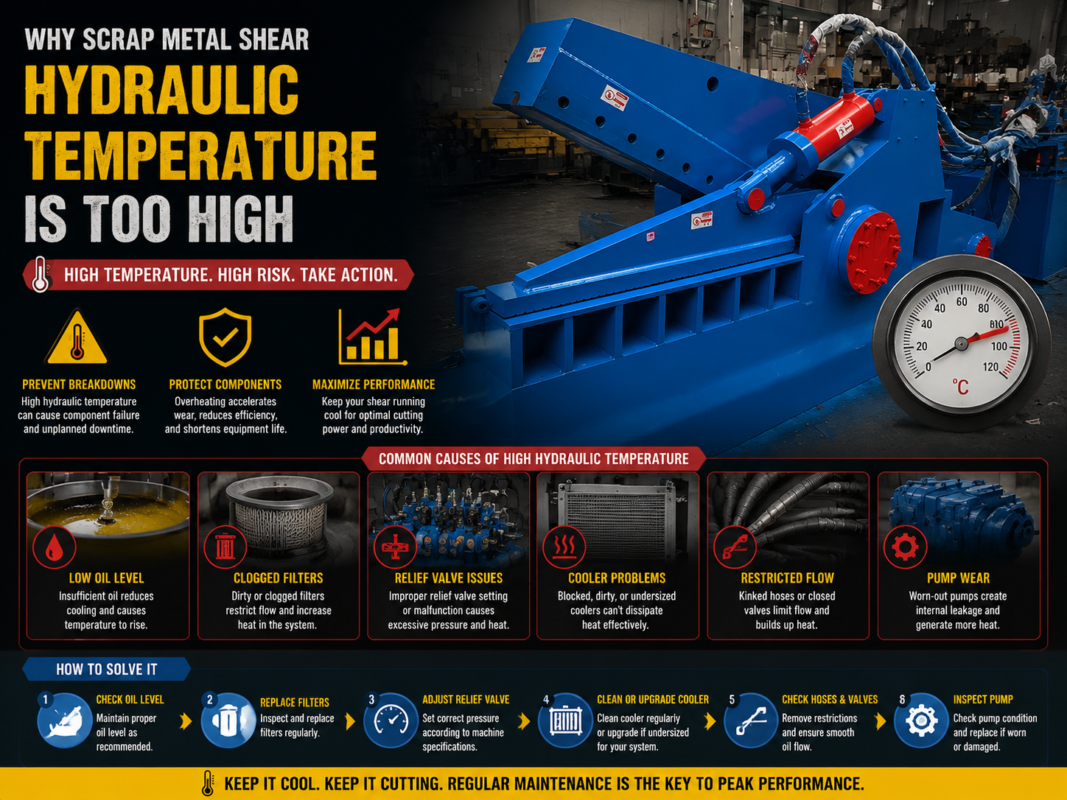
Regular oil analysis is recommended for large-scale industrial shears. This involves taking a sample of the oil and sending it to a lab to check for acidity, viscosity, and particle count. Filters should be replaced according to the manufacturer’s specifications, or sooner if the machine is operating in a particularly dusty environment. It is also crucial to monitor the hydraulic oil temperature. If the oil becomes too hot, it thins out, leading to internal leakage within the pump and valves, which reduces the cutting speed and force. Ensure that the cooling system, whether air-cooled or water-cooled, is functioning efficiently and that the heat exchanger fins are free of dust and debris.
Electrical System and Control Logic Checks
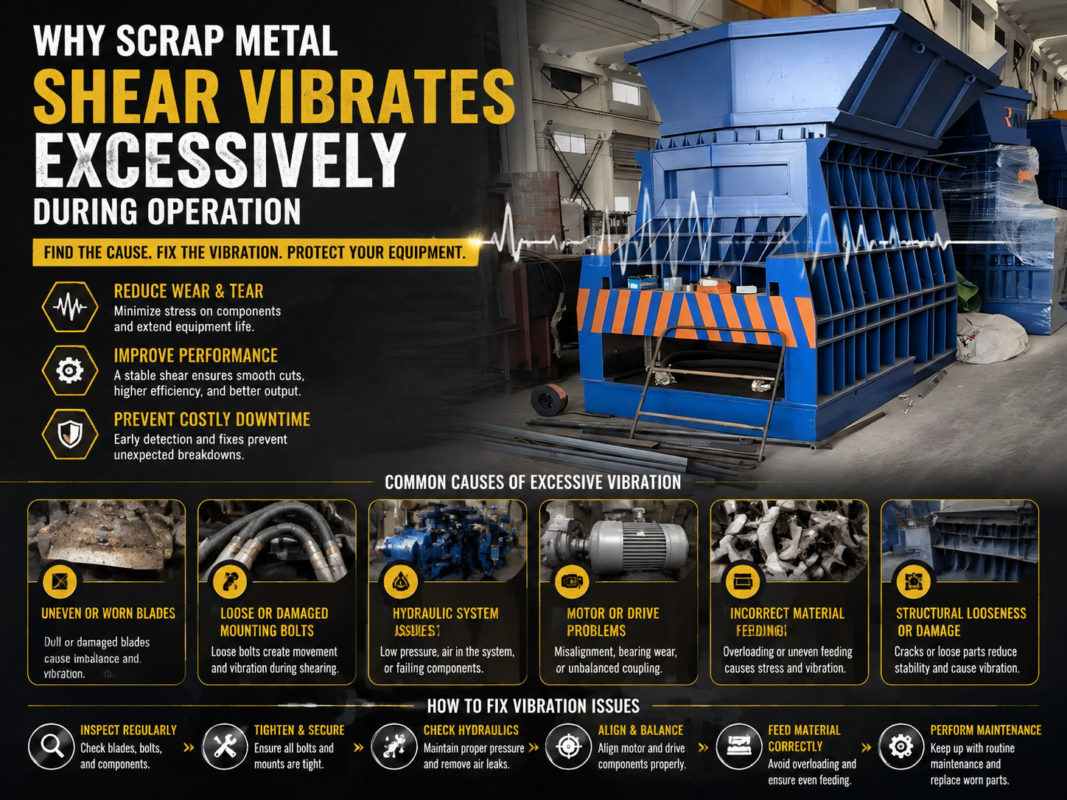
Modern scrap metal shears are equipped with sophisticated PLC (Programmable Logic Controller) systems and various sensors that manage the cutting cycles. The electrical system must be inspected for loose connections, which are common in high-vibration environments. A loose wire in the control cabinet can lead to intermittent faults that are difficult to diagnose and can cause the machine to stop unexpectedly during a cut.
Sensors, such as proximity switches and pressure transducers, play a vital role in the automation of the shear. These components should be cleaned and checked for proper alignment. If a sensor is misaligned, the shear might not complete its full stroke, or it might attempt to cut when the material is not properly positioned, leading to potential damage. Furthermore, ensure that the electrical cabinet is kept clean and that the cooling fans are working to prevent the sensitive electronics from overheating.
Mechanical Components and Blade Clearance
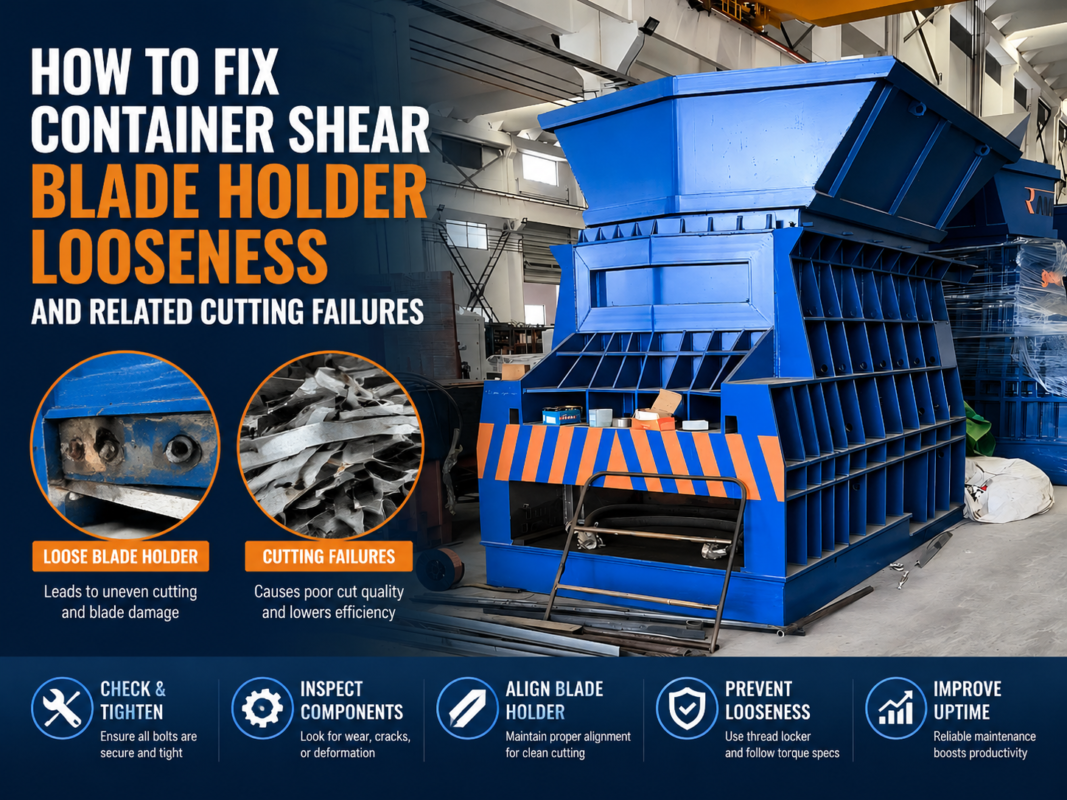
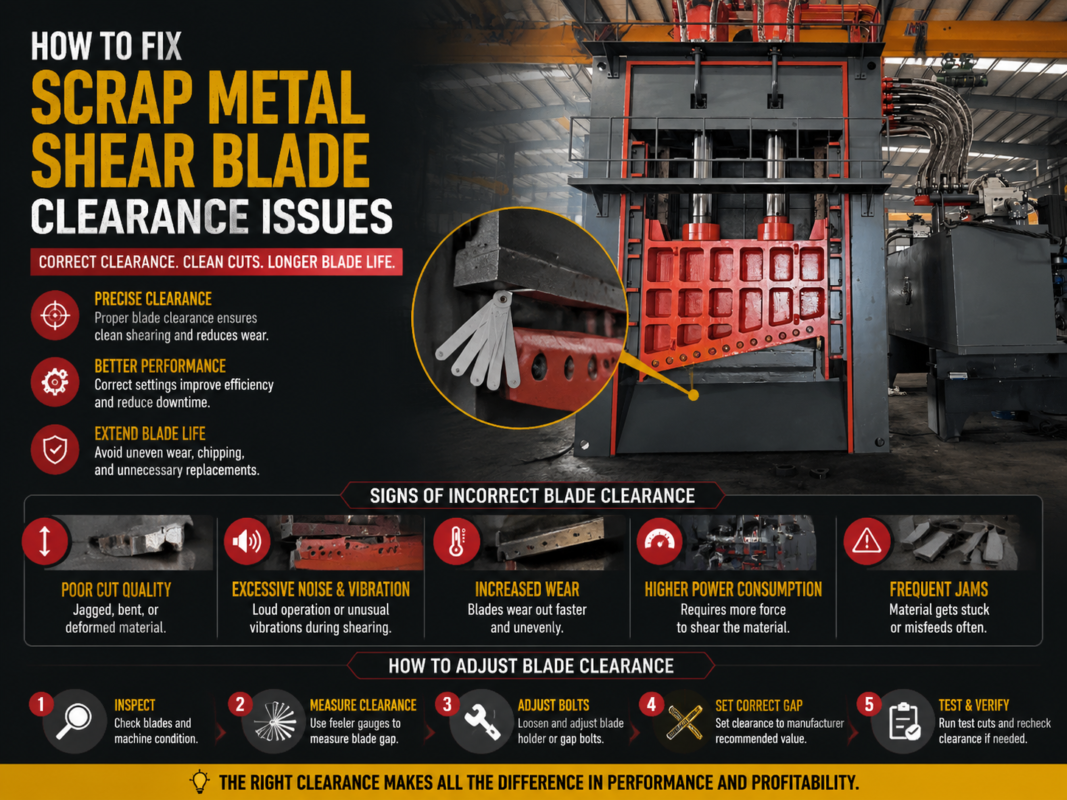
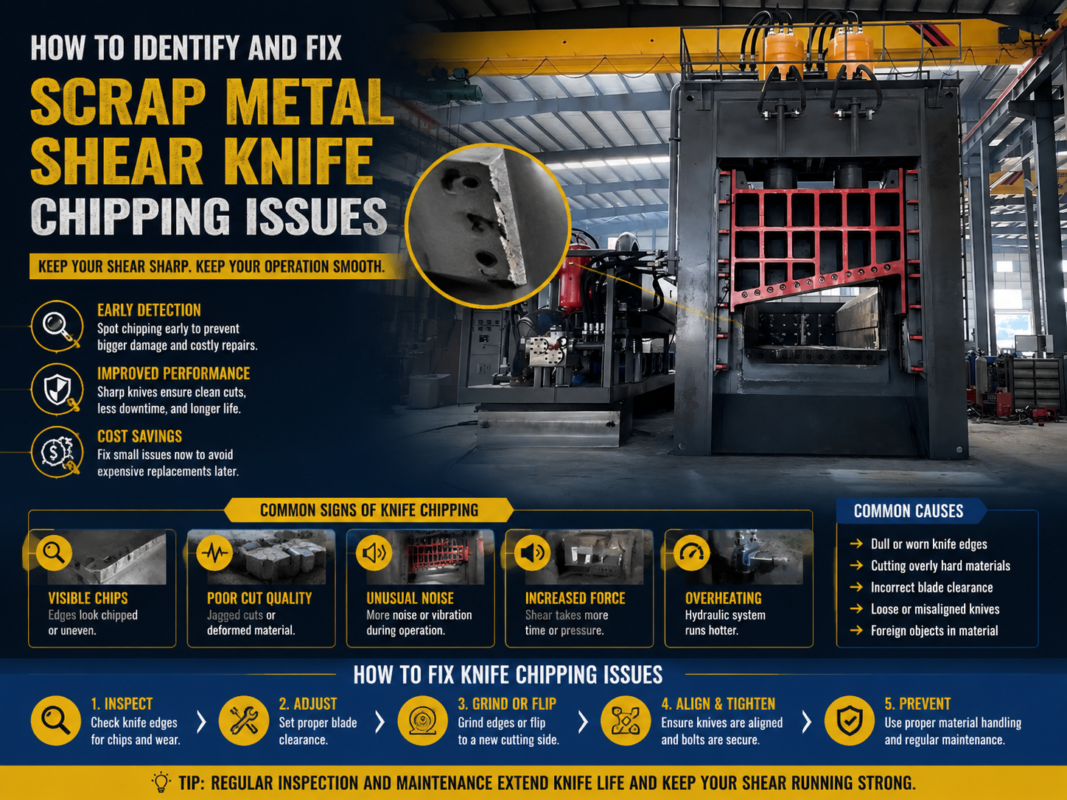
The mechanical integrity of the shear frame and the condition of the blades are the most visible factors in cutting performance. The blades are subject to extreme stress and must be rotated or sharpened regularly. To maintain a scrap metal shear for stable cutting performance, the gap between the upper and lower blades (blade clearance) must be precisely adjusted. If the gap is too wide, the metal will fold rather than cut, causing the machine to jam. If the gap is too narrow, the blades will rub against each other, leading to rapid dulling and potential chipping.
In addition to the blades, the guide rails and gibs must be inspected for wear. These components ensure that the moving shear head travels in a perfectly straight line. Any play or looseness in the guides will result in uneven cuts and increased stress on the hydraulic cylinders. Tighten all structural bolts and check for any signs of stress cracks in the main frame or the cutting arm. Using ultrasonic testing for large shears can help detect internal cracks before they lead to a catastrophic failure.
Comprehensive Lubrication Plan
Lubrication is the simplest yet most often neglected aspect of machinery maintenance. A scrap metal shear has numerous moving parts that require constant lubrication to reduce friction and heat. A comprehensive lubrication plan should specify the type of grease or oil to be used, the location of every lubrication point, and the frequency of application. Many modern HARSLE shears come with centralized lubrication systems that automatically deliver grease to critical points, but these systems still need to be monitored to ensure the reservoir is full and the lines are not blocked.
For manual lubrication points, it is important to clean the grease nipples before applying the grease gun to avoid pushing dirt into the bearing or joint. High-pressure grease is typically required for the main pivot pins and the cylinder rod ends. Consistent lubrication not only extends the life of the components but also ensures that the machine operates smoothly, contributing to the goal to maintain a scrap metal shear for stable cutting performance.
Identifying Troubleshooting Signals
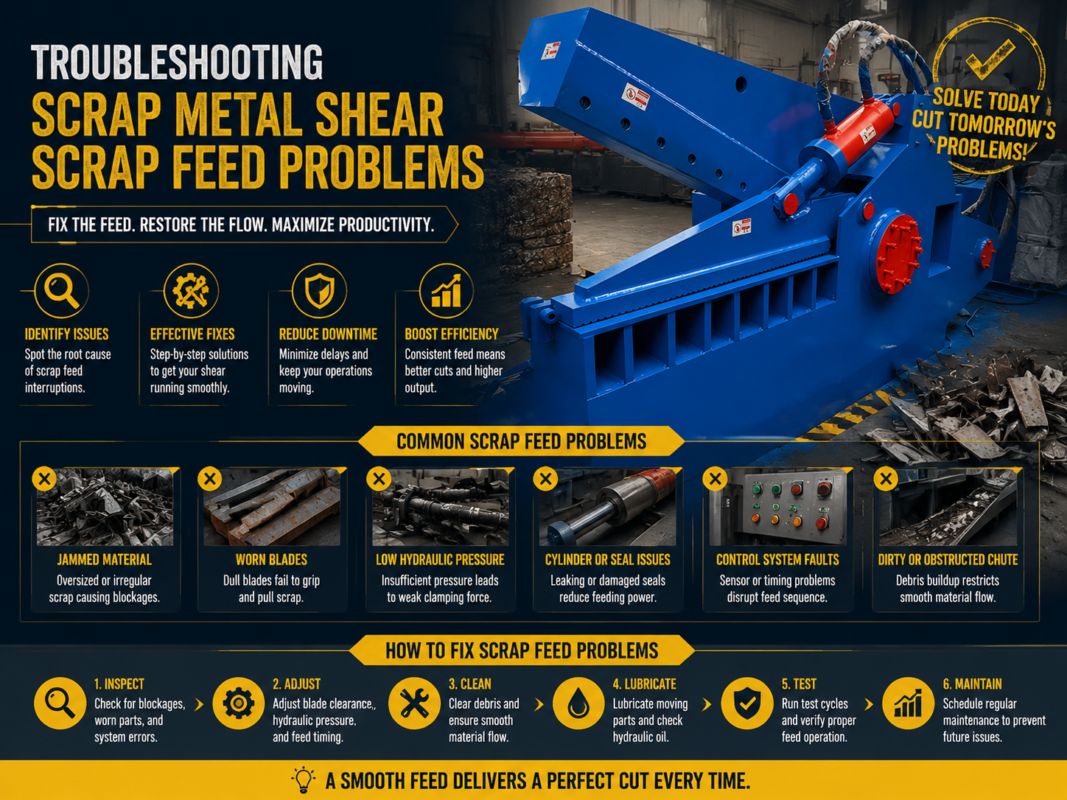
Operators should be trained to recognize the early warning signs of mechanical or hydraulic distress. Unusual noises are often the first indicator of a problem. A high-pitched squealing sound might indicate cavitation in the hydraulic pump, which occurs when air enters the system or the suction line is restricted. A grinding or clunking sound during the cutting stroke usually points to a mechanical issue, such as a loose blade or a worn bearing.
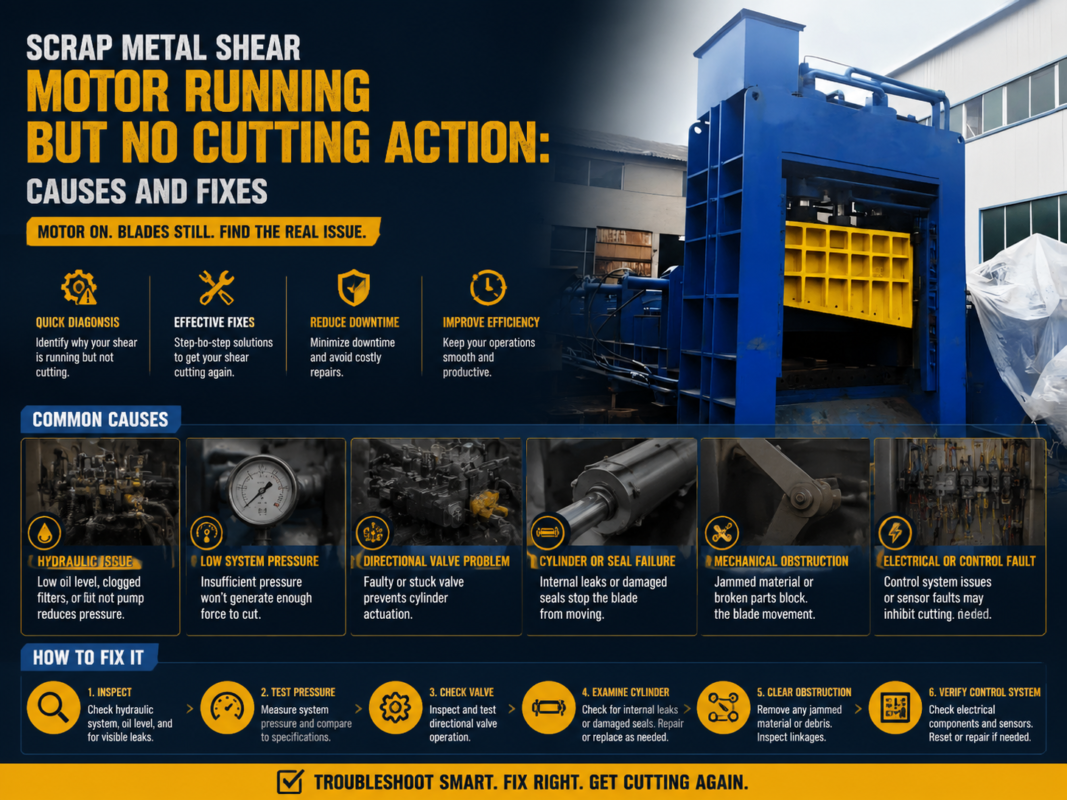
Changes in cycle time are another critical signal. If the shear starts to move slower than usual, it could be a sign of a failing pump, a clogged filter, or internal leakage in a cylinder. Similarly, if the cutting force seems to have diminished, the pressure relief valves may need adjustment or the seals in the main cylinder might be bypassing. Monitoring these signals allows for “predictive maintenance,” where repairs are made before a total breakdown occurs.
Maintenance Schedule Table
To help you maintain a scrap metal shear for stable cutting performance, follow this structured maintenance schedule:
| Frequency | Component | Action Required |
|---|---|---|
| Daily | Cutting Zone | Clean debris and check blade condition. |
| Daily | Hydraulic System | Check oil level and look for leaks. |
| Daily | Safety Systems | Test emergency stops and limit switches. |
| Weekly | Lubrication | Grease all manual points and check auto-lube reservoir. |
| Weekly | Blade Clearance | Measure and adjust the gap between blades. |
| Monthly | Filters | Inspect and replace hydraulic and air filters if necessary. |
| Monthly | Electrical Cabinet | Clean dust and check for loose wiring connections. |
| Quarterly | Hydraulic Oil | Perform oil analysis and check for contamination. |
| Quarterly | Structural Bolts | Torque all main frame and blade bolts. |
| Yearly | Full System Audit | Comprehensive inspection of cylinders, pumps, and frame integrity. |
Frequently Asked Questions (FAQ)
1. How often should I sharpen the blades of my scrap metal shear?
The frequency of sharpening depends on the type of material you are cutting. For standard structural steel, blades may need to be rotated or sharpened every 200-500 hours of operation. However, if you are cutting abrasive materials or hardened steel, this interval will be much shorter. Always monitor the quality of the cut; if the metal starts to tear or the machine struggles, it is time to service the blades.
2. What type of hydraulic oil is best for a scrap metal shear?
Most industrial shears require a high-quality anti-wear hydraulic oil, typically ISO VG 46 or 68, depending on the ambient temperature of your facility. In colder climates, a lower viscosity oil (VG 32) may be necessary for startup, while hotter environments require higher viscosity. Always refer to the HARSLE operator manual for specific recommendations.
3. Why is my shear losing cutting power even though the pump is running?
Loss of power can be caused by several factors: worn cylinder seals allowing oil to bypass the piston, a misadjusted pressure relief valve, or internal wear in the hydraulic pump. It could also be due to excessive blade clearance, which causes the machine to expend energy trying to bend the metal rather than shearing it.
4. Can I use any grease for the lubrication points?
No, you should use a heavy-duty, extreme-pressure (EP) grease, usually Lithium-based. This type of grease is designed to stay in place under the high-load, slow-movement conditions typical of a scrap shear’s pivot points and slides.
5. How do I know if my hydraulic oil is overheating?
Most modern shears have a temperature gauge on the oil reservoir. Ideally, the oil should stay between 40°C and 55°C (104°F – 131°F). If the temperature exceeds 60°C (140°F), the oil will begin to oxidize rapidly, and you should check your cooling system immediately.
6. What is the most common cause of frame cracking in scrap shears?
The most common cause is operating the machine with excessive blade clearance or attempting to cut materials that exceed the machine’s rated capacity. This creates lateral forces that the frame was not designed to handle, leading to fatigue and eventual cracking.
Conclusion
To maintain a scrap metal shear for stable cutting performance requires a combination of daily diligence and long-term technical oversight. By treating the machine as a precision instrument rather than just a piece of heavy iron, you can significantly extend its service life and ensure that it remains a productive asset for your business. From the meticulous adjustment of blade gaps to the scientific analysis of hydraulic oil, every step in the maintenance process contributes to a safer, more efficient, and more profitable recycling operation. Trust in HARSLE’s engineering, but support it with the care and maintenance it deserves.