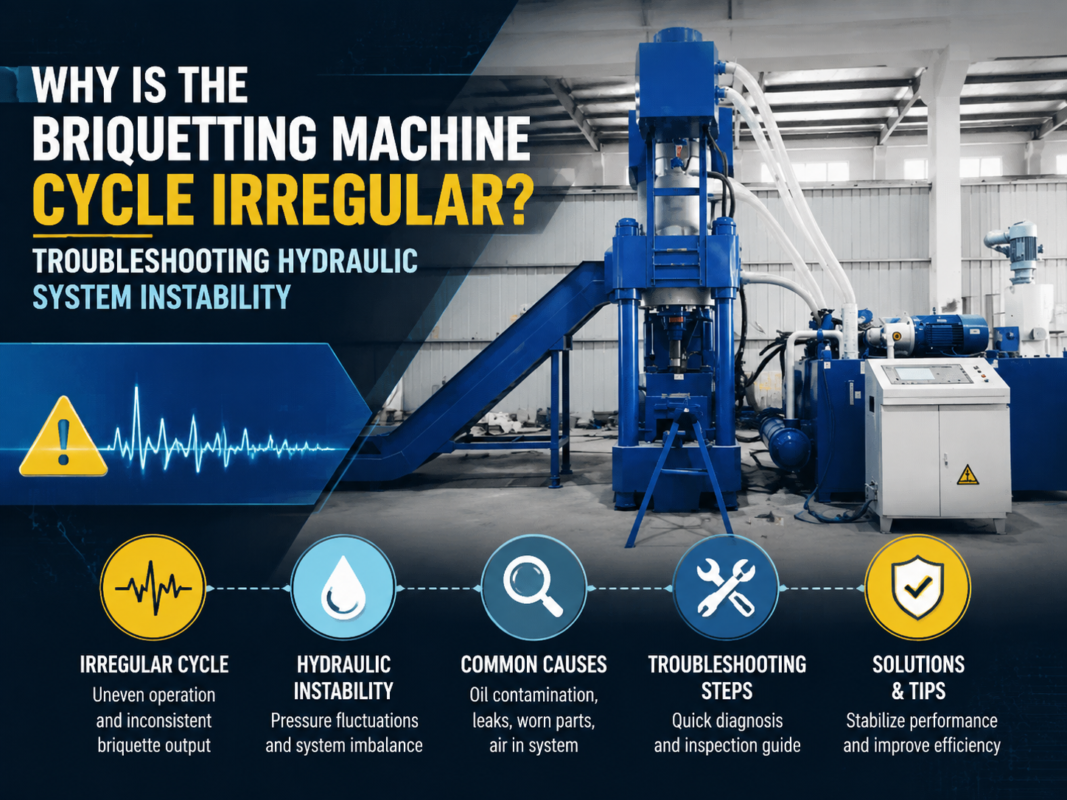
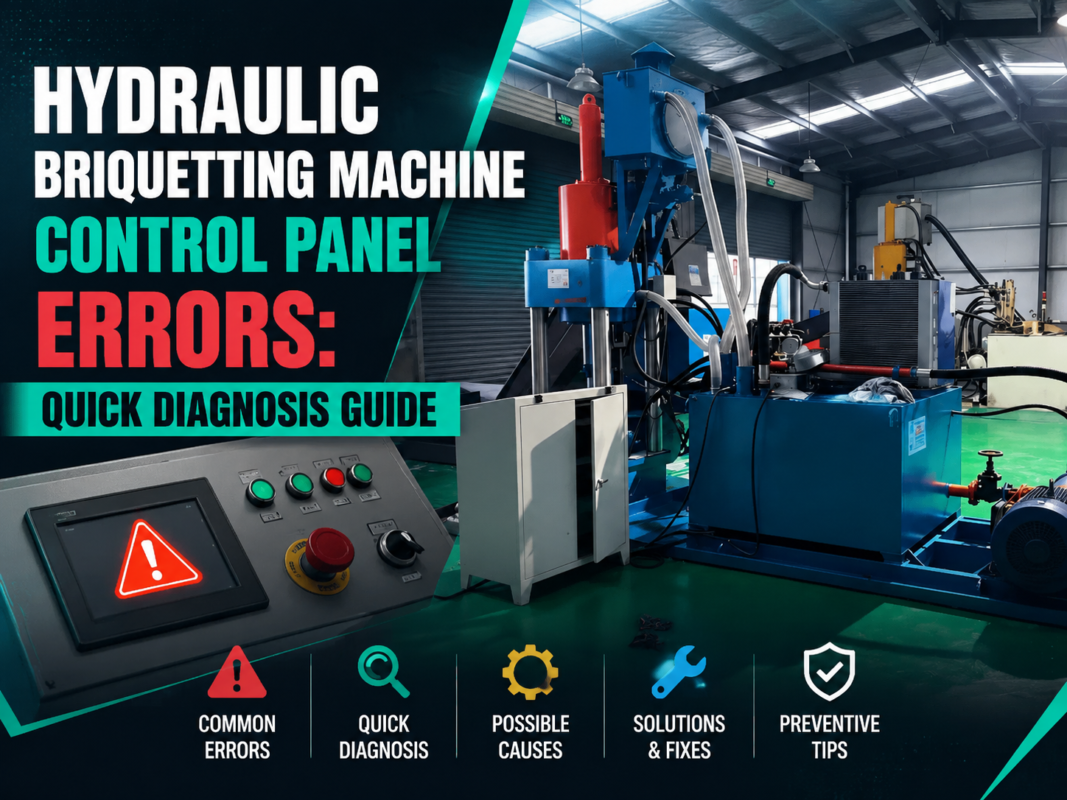
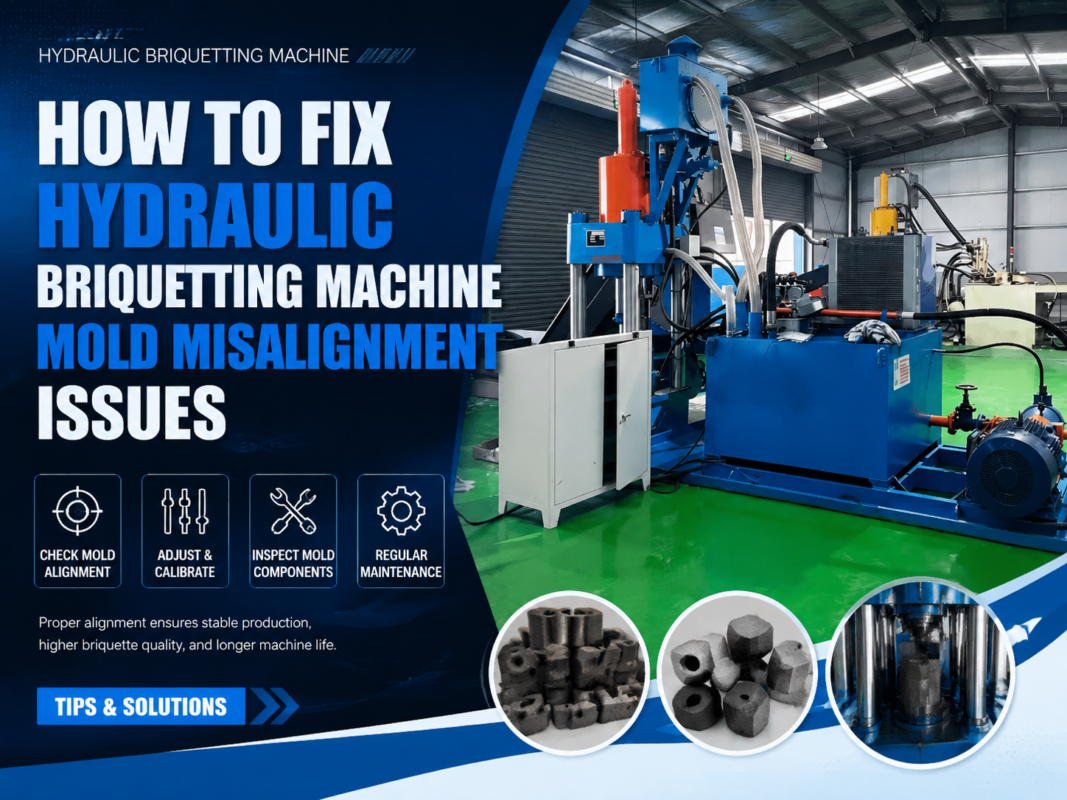
Why Is My Hydraulic Briquetting Machine Overheating? Practical Solutions

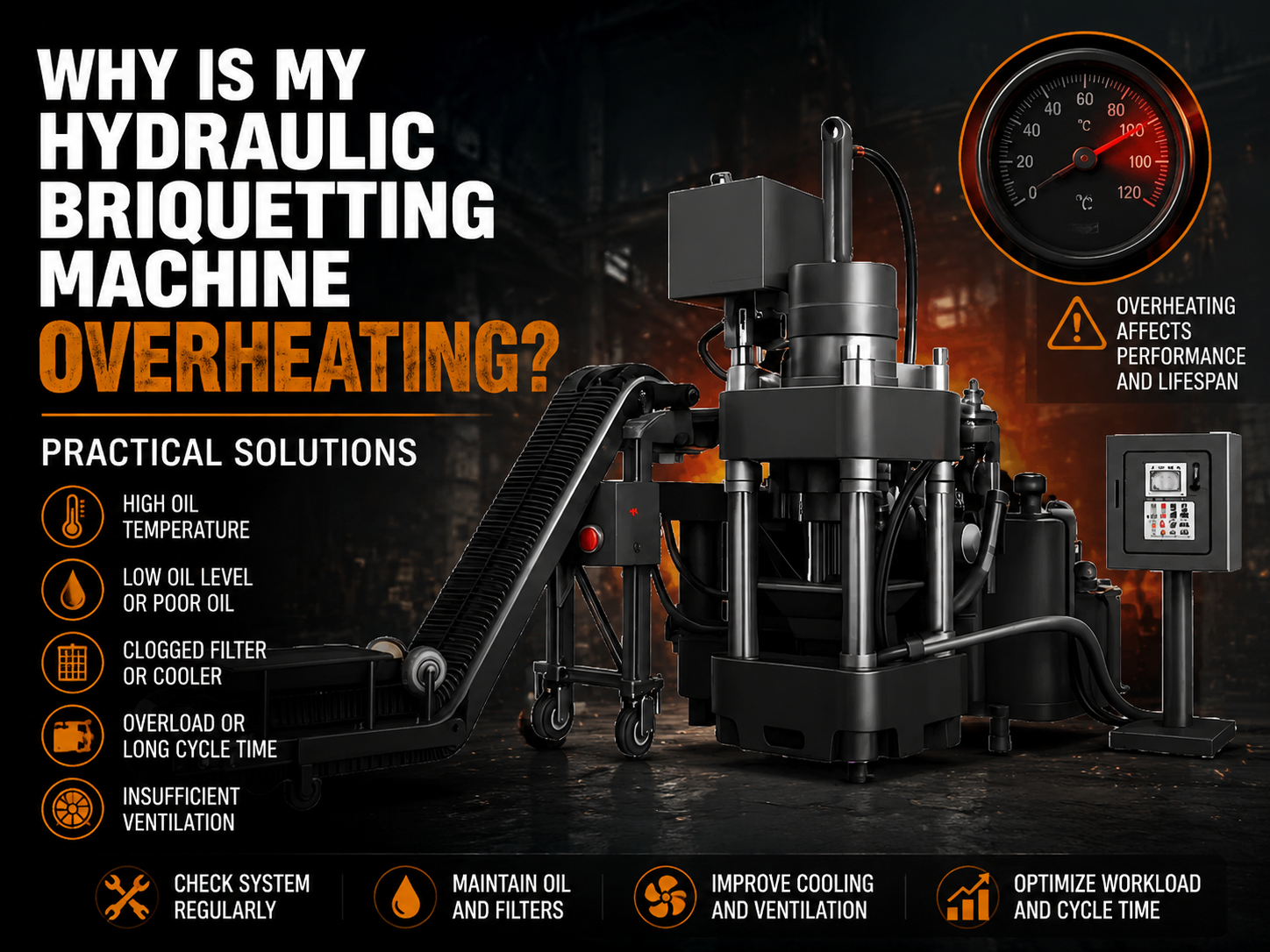
Introduction to Hydraulic Briquetting Machine Thermal Management
In the world of metal fabrication and waste management, the hydraulic briquetting machine stands as a cornerstone of efficiency. By compressing metal chips, shavings, and turnings into dense, manageable blocks, these machines facilitate easier transport, storage, and smelting. However, like any heavy-duty industrial equipment, they are susceptible to operational challenges, the most common of which is overheating. When a hydraulic system exceeds its optimal temperature range, it doesn’t just lose efficiency; it risks catastrophic component failure, oil degradation, and significant downtime.
Understanding the question, “Is my hydraulic briquetting machine overheating?” requires a deep dive into the thermodynamics of hydraulic fluid and the mechanical stressors of high-pressure compression. At HARSLE, we recognize that maintaining the thermal equilibrium of your machinery is vital for long-term ROI. Overheating is rarely the result of a single factor but rather a combination of environmental conditions, maintenance habits, and system settings. This guide provides practical solutions and technical insights to help operators identify, diagnose, and resolve overheating issues effectively.
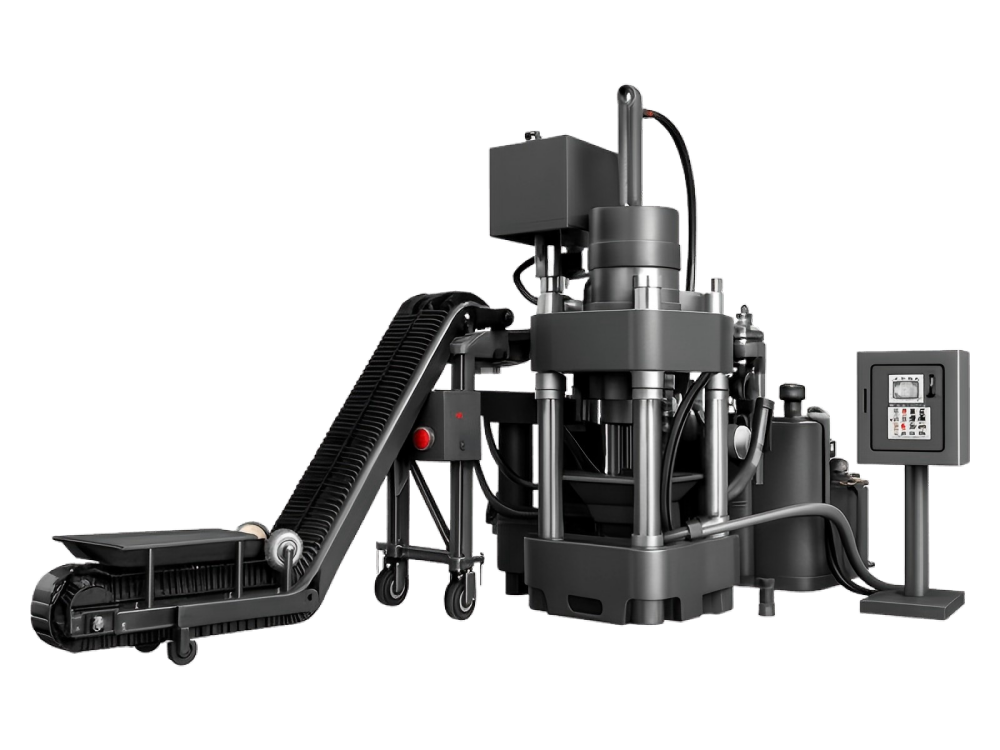
The ideal operating temperature for most hydraulic briquetting machines ranges between 40°C and 55°C (104°F to 131°F). Once the oil temperature surpasses 60°C (140°F), the chemical structure of the hydraulic fluid begins to break down, leading to reduced lubrication and increased wear on pumps, seals, and valves. In the following sections, we will explore the key considerations for temperature control and provide a roadmap for maintaining your equipment at peak performance.
Key Considerations: Why Overheating Occurs
1. Hydraulic Oil Viscosity and Quality
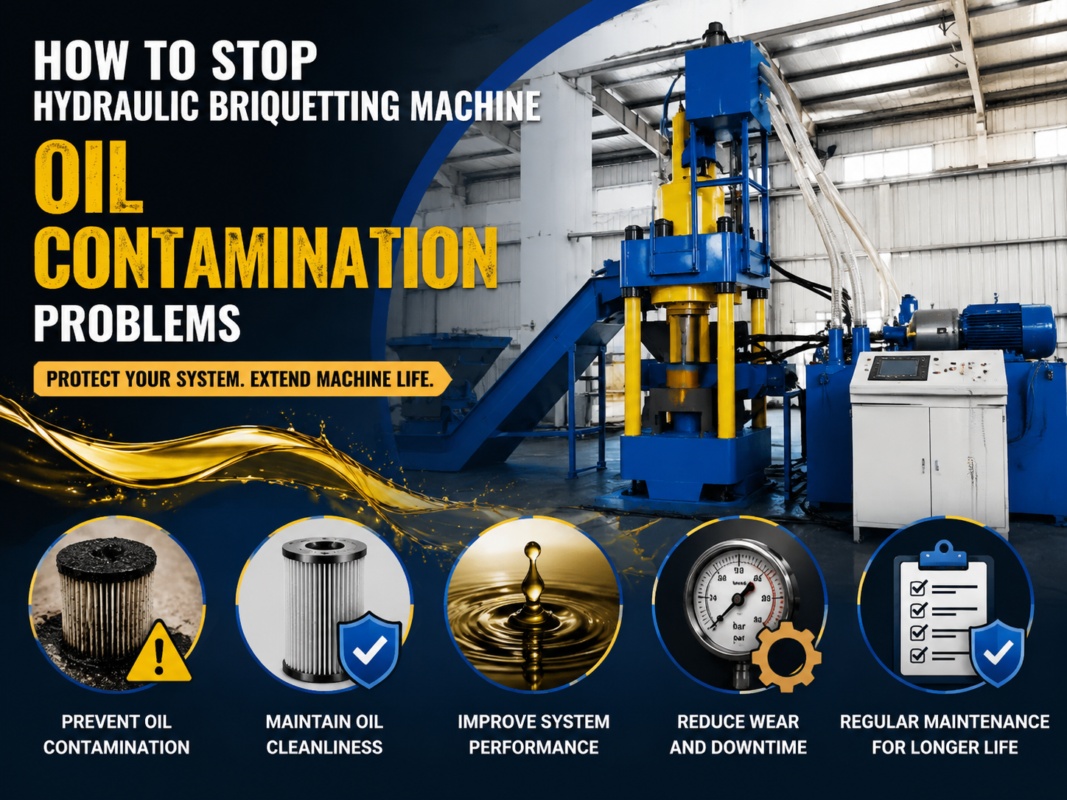
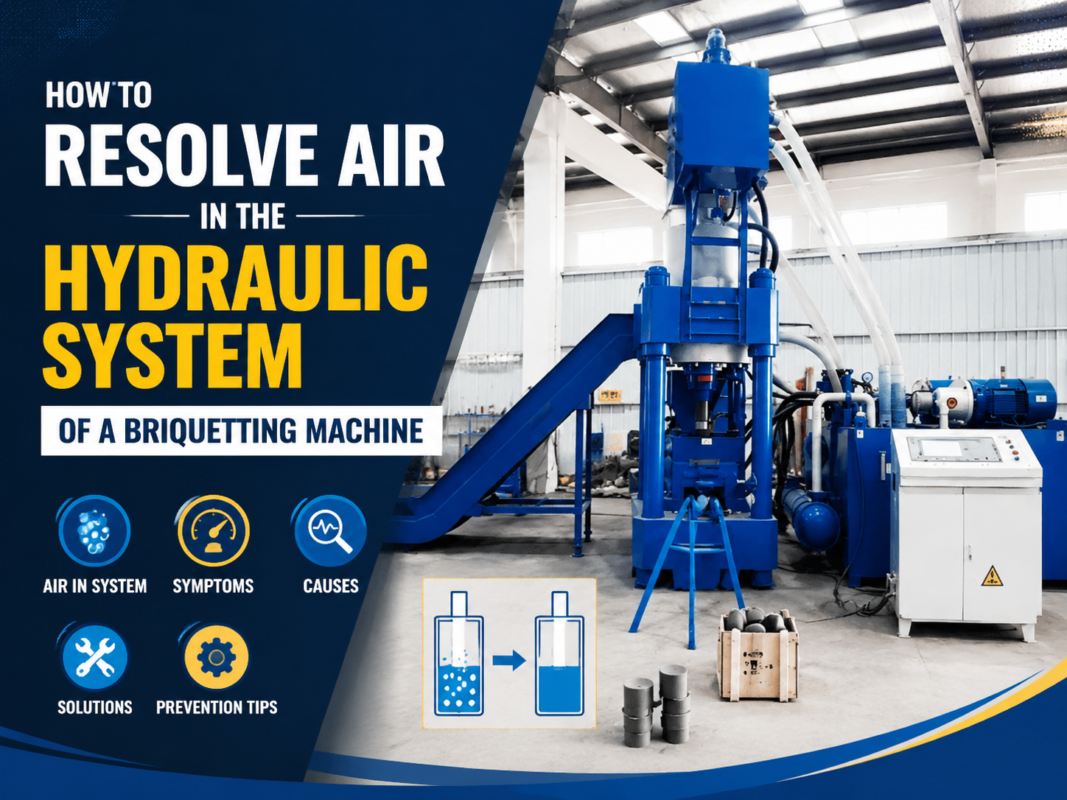
The lifeblood of any briquetting machine is its hydraulic oil. If the oil is too thick (high viscosity), it creates internal friction as it moves through the pumps and valves, generating heat. Conversely, if the oil is too thin (low viscosity), it fails to provide an adequate lubricating film, leading to metal-on-metal contact and heat generation through friction. Furthermore, contaminated oil—containing water, metal particles, or air—will lose its heat-dissipation properties rapidly. Regular oil analysis is the first step in preventing thermal runaway.
2. Pressure Relief Valve Settings
The pressure relief valve is a safety mechanism designed to divert oil back to the reservoir when the system pressure exceeds a set limit. If this valve is set too low, or if it is stuck in a partially open position, the pump will constantly push oil through a narrow orifice at high pressure. This process converts mechanical energy directly into heat. Operators often overlook the relief valve as a heat source, but it is one of the most common culprits in systems that run hot even under light loads.
3. Cooling System Inefficiency
Most industrial briquetting machines are equipped with either air-cooled or water-cooled heat exchangers. Over time, air coolers can become clogged with dust and metal shavings, while water coolers can develop scale or mineral deposits inside the tubes. If the heat exchanger cannot effectively transfer heat away from the oil, the system temperature will climb steadily throughout the shift. Checking the fan motor, the cleanliness of the fins, and the flow rate of the cooling water is essential.
4. Internal Leakage and Component Wear
As hydraulic pumps and cylinders age, internal clearances increase. This allows high-pressure oil to “slip” back to the low-pressure side of the system. This internal leakage, or bypass, generates significant heat. If you notice that your machine is losing cycle speed while simultaneously heating up, it is a strong indicator that the pump or the piston seals in the main cylinder are worn and need replacement.
Technical Details: The Science of Heat in Hydraulics
To solve the problem of an overheating hydraulic briquetting machine, one must understand the technical relationship between flow, pressure, and heat. In a perfect system, all energy would be converted into the mechanical work of compressing the briquette. However, no system is 100% efficient. The energy lost to inefficiency is released as heat. The formula for heat generation in a hydraulic system can be simplified as: Heat (kW) = [Flow (L/min) × Pressure (bar)] / 600 × (1 – Efficiency).
For example, if a pump is operating at 250 bar with a flow of 100 L/min and has an efficiency of 85%, it is generating approximately 3.75 kW of heat. If the reservoir and cooling system are only rated to dissipate 3 kW, the oil temperature will rise. This is why the design of the hydraulic circuit is critical. HARSLE machines utilize optimized manifold blocks and high-efficiency axial piston pumps to minimize turbulence and pressure drops, which are primary contributors to heat generation.
The Role of the Reservoir
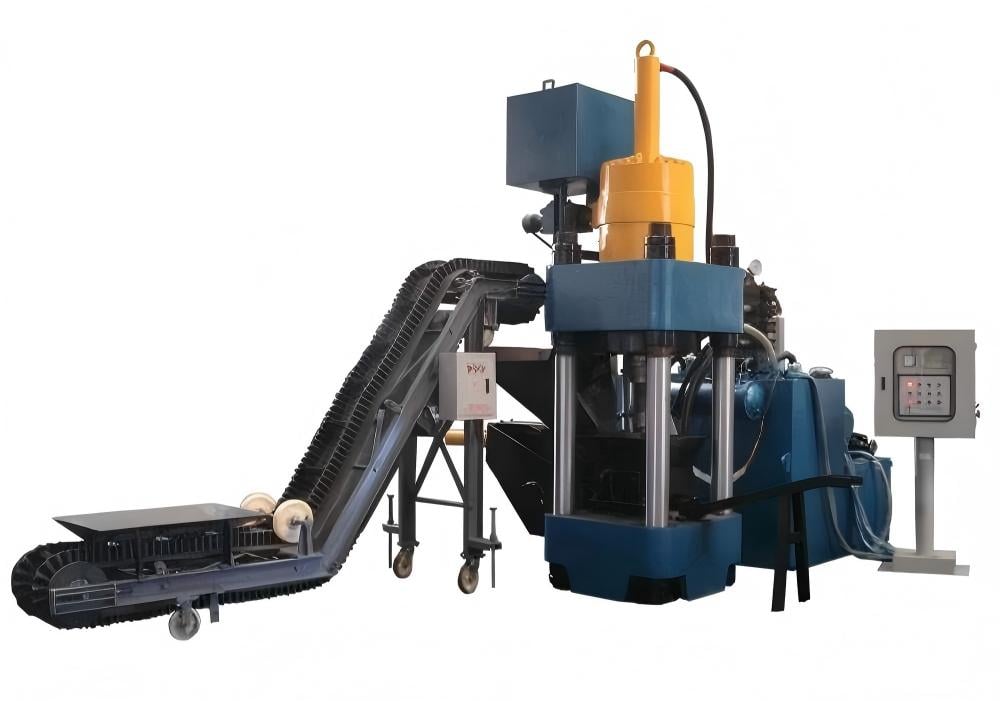
The hydraulic reservoir (tank) is more than just a storage container; it is a vital heat dissipation tool. A well-designed reservoir should be large enough to allow the oil to rest, allowing air bubbles to escape and heat to radiate through the tank walls. The general rule of thumb for industrial machinery is that the reservoir should hold 3 to 5 times the pump’s flow per minute. If the tank is undersized, the oil does not have enough “dwell time” to cool down before being sucked back into the pump.
Thermal Expansion and Seal Integrity
High temperatures cause hydraulic components to expand. However, different materials expand at different rates. The steel piston of a cylinder may expand faster than the bronze bushing, leading to increased friction or even seizing. Furthermore, standard Nitrile (NBR) seals begin to harden and crack when exposed to temperatures above 70°C. Once seals fail, internal leakage increases, creating a vicious cycle of more heat and more leakage. Using high-temperature Viton seals can mitigate this, but the root cause of the heat must still be addressed.
Selection Advice: Choosing the Right Machine for Your Environment
When purchasing a hydraulic briquetting machine, it is crucial to match the machine’s cooling capacity to your specific operational environment. A machine that works perfectly in a climate-controlled facility in Northern Europe may overheat in a non-ventilated scrap yard in Southeast Asia. Here are several factors to consider during the selection process:
- Duty Cycle: Will the machine run 24/7 or only a few hours a day? Continuous operation requires a robust, dedicated cooling system, often involving an independent circulation pump (kidney loop) to ensure oil is cooled even when the main cylinders are idle.
- Cooling Type: Air-cooled systems are easier to maintain and don’t require a water source, but they are less effective in very hot ambient temperatures. Water-cooled systems offer superior heat transfer but require a cooling tower or a steady supply of clean water.
- Pump Technology: Variable displacement pumps are more expensive than fixed gear pumps but are significantly more efficient. They only deliver the flow required for the current task, reducing the amount of oil dumped over the relief valve and thus reducing heat.
- Ambient Temperature: If your facility regularly exceeds 35°C, you should specify an oversized heat exchanger and perhaps a larger oil reservoir at the time of purchase.
HARSLE offers customizable cooling packages for our briquetting machines, ensuring that whether you are processing aluminum swarf or cast iron chips, your machine stays within the safe thermal zone. We recommend consulting with our technical team to calculate the expected heat load based on your material type and production targets.
Practical Solutions and Maintenance Checklist
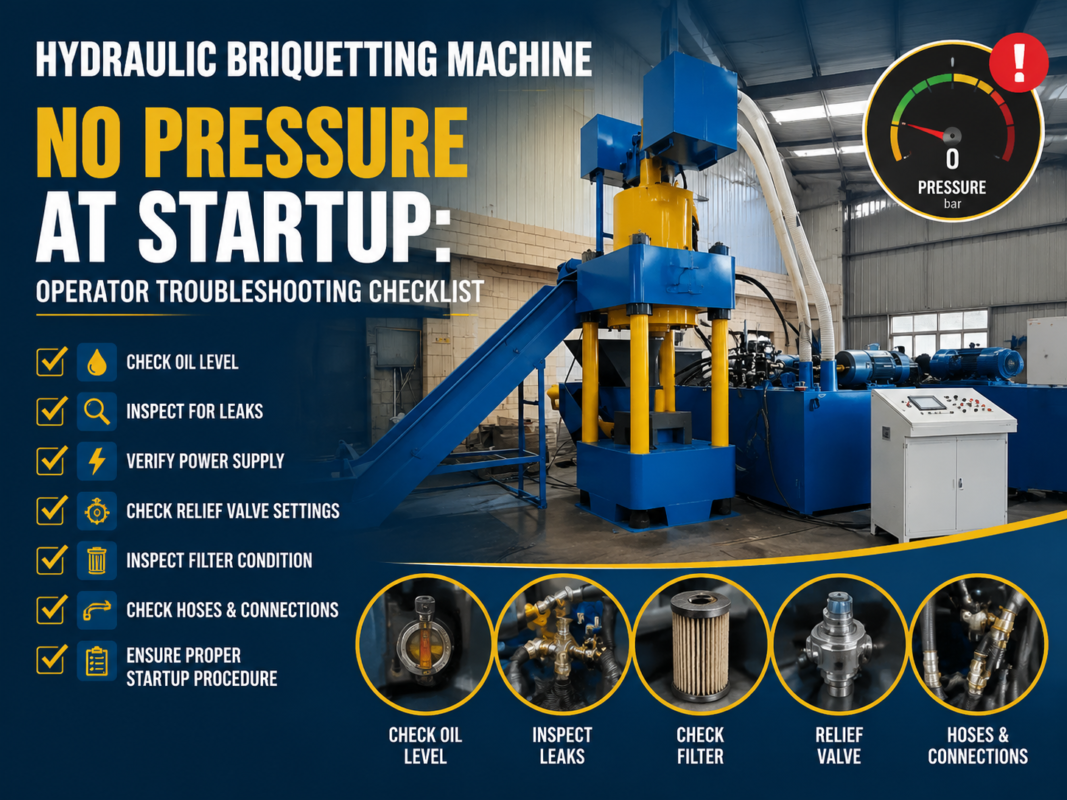
If your machine is already overheating, follow this systematic troubleshooting guide to identify and fix the issue:
| Component | Check For | Solution |
|---|---|---|
| Oil Level | Low oil level in the reservoir. | Top up with the recommended hydraulic fluid grade. |
| Air Cooler | Dust, grease, or debris on the fins. | Clean with compressed air or a soft brush. Ensure fan is rotating. |
| Water Cooler | Scale buildup or low water flow. | Flush the cooler with descaling agent; check water pump. |
| Relief Valve | Incorrect setting or internal wear. | Adjust to manufacturer specs; replace if it fails to hold pressure. |
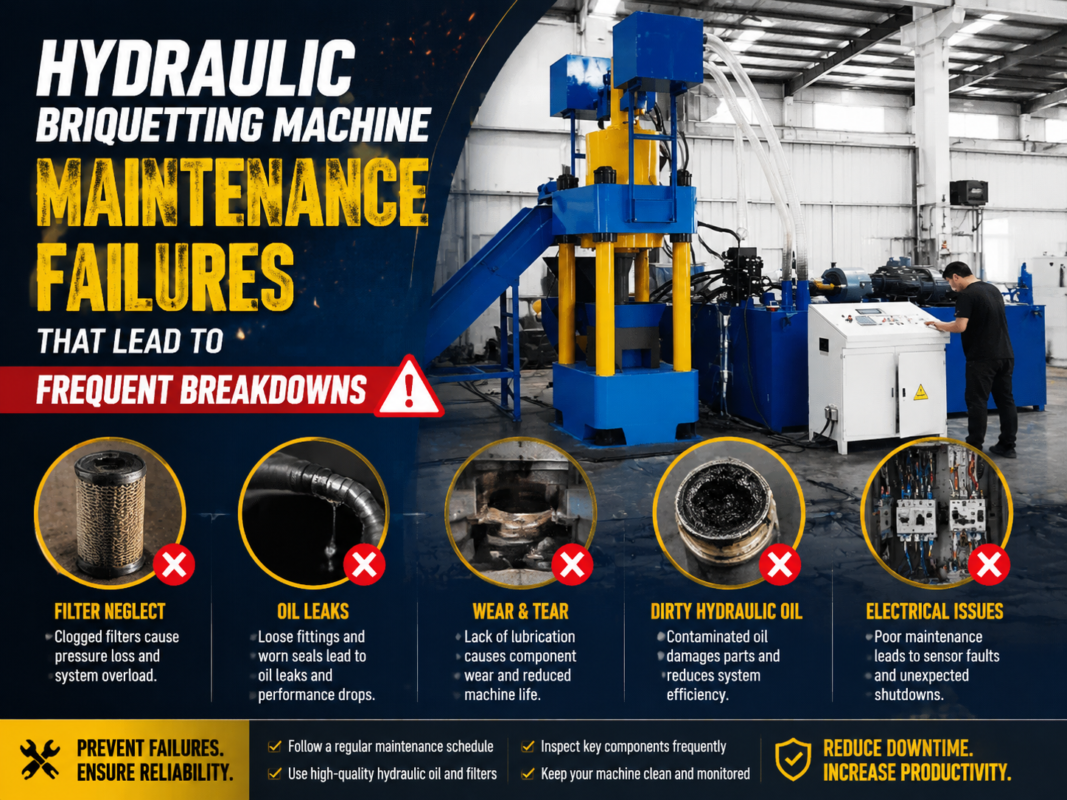
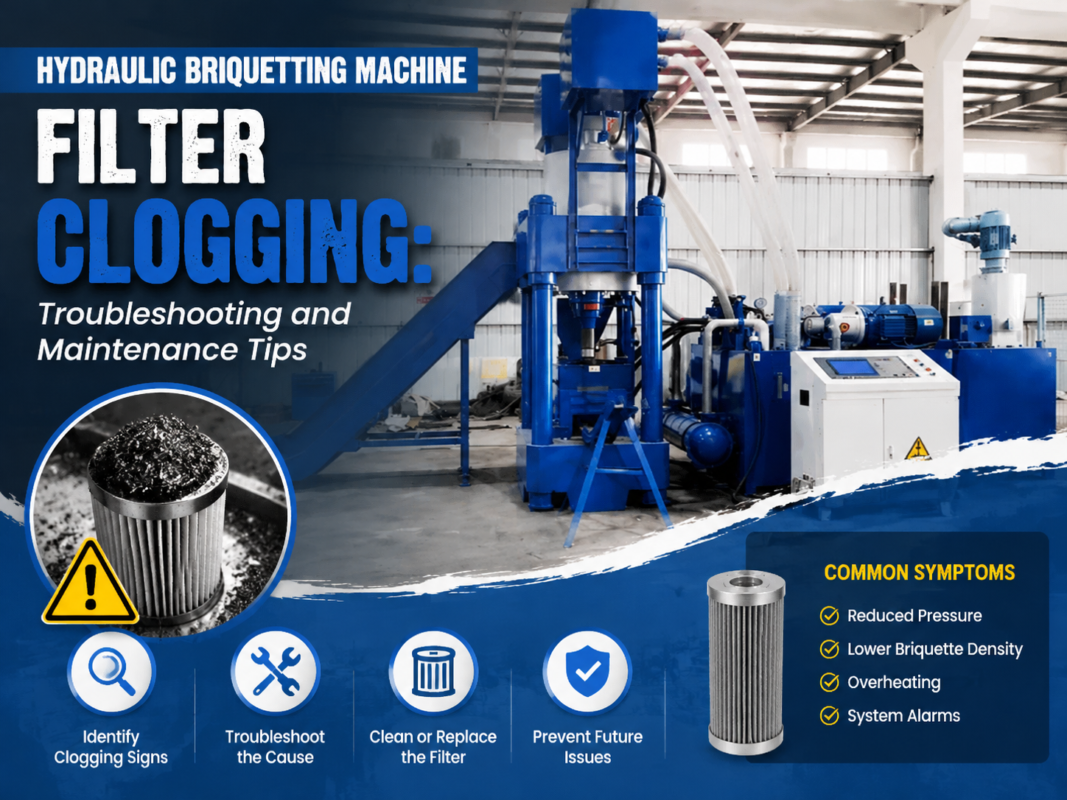
| Filters | Clogged return or suction filters. | Replace filter elements immediately to prevent cavitation. |
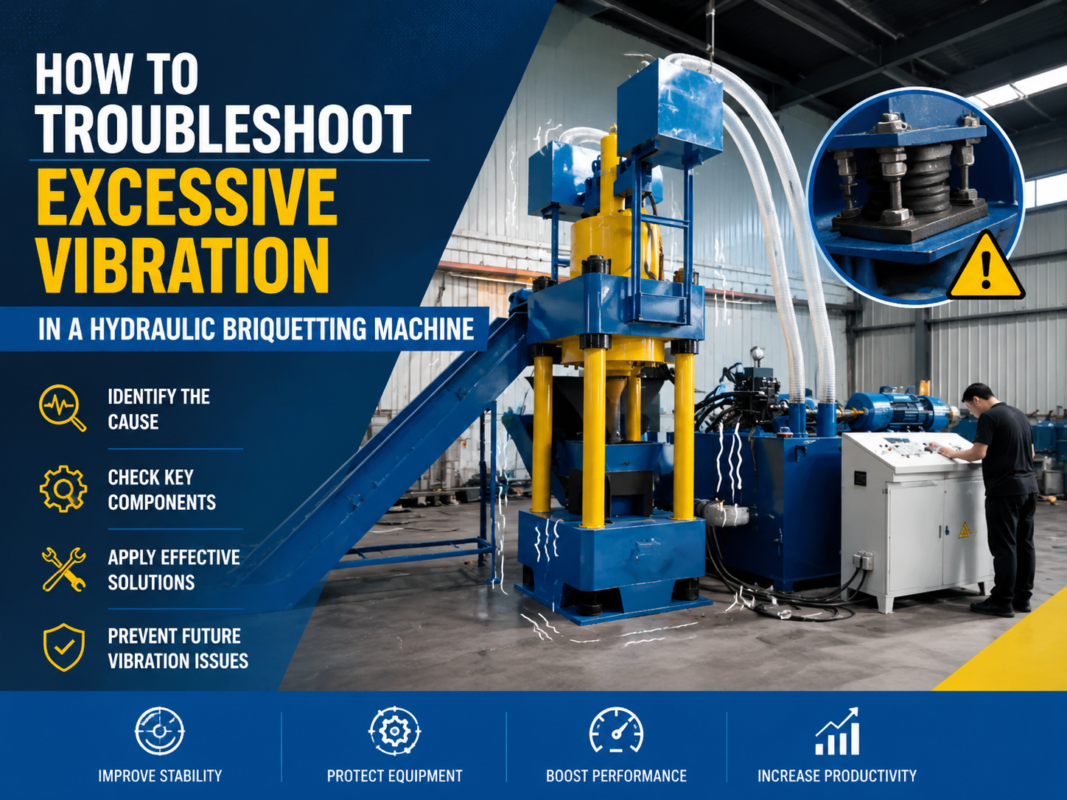
| Pump | Excessive noise or vibration. | Check for wear; rebuild or replace the pump if efficiency is low. |
Beyond these checks, consider implementing a “Kidney Loop” filtration and cooling system. This is an independent circuit that pulls oil from the tank, passes it through a high-efficiency filter and a cooler, and returns it to the tank. This ensures the oil is constantly being cleaned and cooled regardless of what the main machine is doing. It is one of the most effective ways to retrofit an older machine that suffers from chronic overheating.
Frequently Asked Questions (FAQ)
What is the maximum safe temperature for hydraulic oil?
For most standard mineral-based hydraulic oils, the maximum safe operating temperature is 60°C (140°F). While the oil might not “boil” at this temperature, its viscosity drops significantly, and the oxidation process accelerates, shortening the oil’s life by half for every 10°C increase above this limit.
Can I just add a bigger fan to stop the overheating?
While a bigger fan might help, it is often a “band-aid” solution. If the heat is being generated by internal leakage or a faulty relief valve, the fan will not be able to keep up with the energy being dumped into the oil. You must find the source of the heat generation first.
Does the type of metal being briquetted affect the temperature?
Yes. Harder materials require higher compression pressures, which puts more load on the hydraulic system. If you are switching from aluminum to stainless steel, your machine will work harder, generate more pressure, and consequently produce more heat. You may need to adjust your cycle times or cooling flow accordingly.
How often should I change the hydraulic oil?
In a briquetting application, oil should typically be changed every 2,000 to 4,000 operating hours, or at least once a year. However, if the machine has experienced an overheating event (above 80°C), the oil should be sampled and likely changed immediately, as it has likely lost its protective additives.
Conclusion: Protecting Your Investment
A hydraulic briquetting machine is a significant investment that can transform your scrap management into a profit center. However, the efficiency of this process is entirely dependent on the health of the hydraulic system. Overheating is a clear signal from your machine that something is wrong—whether it is a simple clogged filter or a complex pump failure. By monitoring temperatures closely, performing regular maintenance, and choosing high-quality equipment like that offered by HARSLE, you can ensure your machine runs cool, fast, and reliably for years to come.
Don’t wait for a total system shutdown to address heat issues. Implement a proactive thermal management strategy today. Check your oil levels, clean your heat exchangers, and listen for the tell-tale signs of hydraulic distress. If you need further technical assistance or are looking to upgrade to a more thermally efficient briquetting solution, the experts at HARSLE are ready to assist you with industry-leading machinery and support.