
Comprehensive Operator-Level Maintenance Guide for Aluminium Extrusion Press Machines

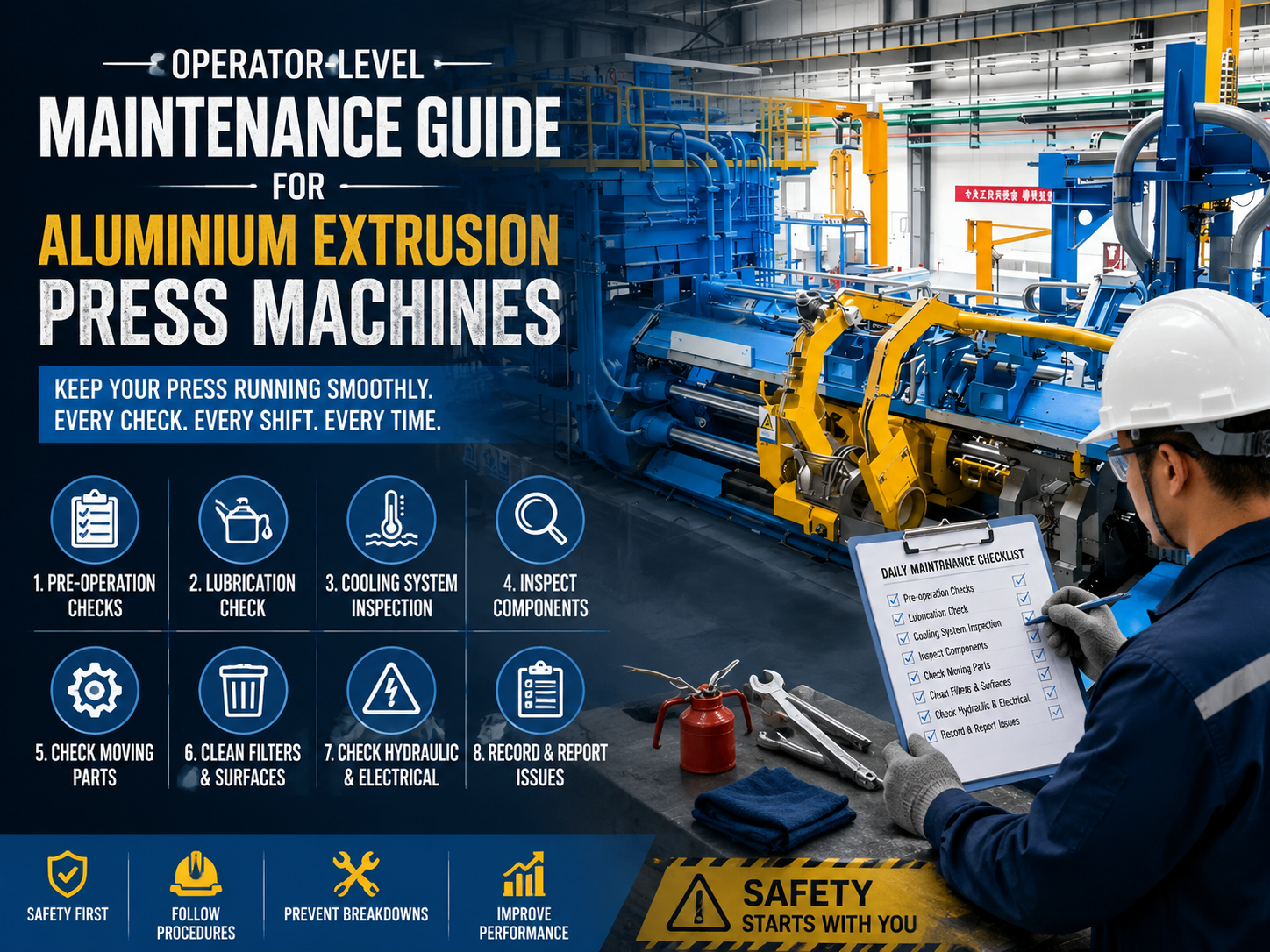
The Critical Role of Operator-Level Maintenance in Aluminium Extrusion
In the high-stakes world of metal fabrication, the aluminium extrusion press stands as a cornerstone of production. These massive machines, capable of exerting thousands of tons of pressure, transform raw aluminium billets into complex profiles used in everything from aerospace components to architectural frames. However, the sheer force and heat involved in the extrusion process mean that these machines are subject to intense wear and tear. This is where Operator-Level Maintenance Aluminium Extrusion Press Machines becomes the first line of defense against unplanned downtime and costly repairs.
Operator-level maintenance is not about major overhauls or complex electrical engineering; rather, it is the disciplined, daily practice of inspection, cleaning, and minor adjustments performed by the individuals who know the machine best—the operators. When an operator is trained to identify the subtle signs of wear, such as a slight change in the sound of a hydraulic pump or a minor leak at a fitting, they can prevent a small issue from escalating into a catastrophic failure. This proactive approach ensures that the machine operates within its designed parameters, maintaining the precision required for high-quality extrusion profiles.
Furthermore, consistent maintenance directly impacts the bottom line. An extrusion press that is well-maintained operates more efficiently, consuming less energy and producing fewer scrap pieces. In an industry where margins can be tight, the reliability of the press is a significant competitive advantage. By following a structured maintenance guide, facilities can extend the service life of their HARSLE equipment, ensuring a higher return on investment over decades of operation. This guide serves as a comprehensive roadmap for operators to master the essential tasks required to keep their aluminium extrusion presses in peak condition.
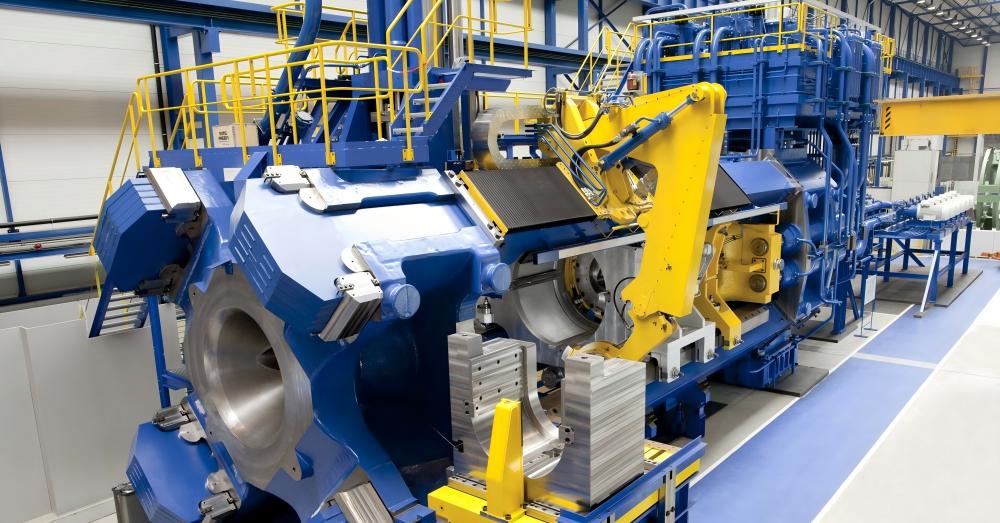
Daily Inspection: The Foundation of Machine Longevity
The daily inspection routine is perhaps the most vital aspect of Operator-Level Maintenance Aluminium Extrusion Press Machines. Before the first billet is loaded and the pumps are engaged, a thorough visual and physical walk-around must be conducted. This routine should begin with a check of the machine’s environment. Ensure that the area around the press is clear of debris, discarded aluminium ends, and oil spills. A clean workspace is not only a safety requirement but also allows the operator to spot new leaks or fallen components immediately.
Operators should pay close attention to the main cylinder and the container area. Look for signs of hydraulic fluid weeping from seals or connections. Even a small drop can indicate a seal that is beginning to fail under pressure. Additionally, inspect the billet loader and the dummy block. These components move frequently and are subject to high thermal stress. Check for any cracks, excessive wear, or misalignment that could interfere with the smooth loading of the billet into the container. Any resistance during the loading phase can lead to damage to the container liner or the extrusion stem.
Another critical daily check involves the cooling system. Aluminium extrusion generates significant heat, and the hydraulic oil must be kept within a specific temperature range (usually between 40°C and 55°C) to maintain its viscosity and lubricating properties. Check the water flow in the heat exchangers and ensure that cooling fans are operational. If the oil temperature rises too high, it can lead to premature aging of the hydraulic components and a loss of pressure stability, directly affecting the quality of the extruded profile. Monitoring the gauges on the control panel throughout the shift is essential to ensure all systems are operating within their nominal ranges.
Hydraulic System Maintenance and Monitoring
The hydraulic system is the heart of the aluminium extrusion press, providing the massive force necessary to push metal through a die. Maintaining this system requires a keen eye and an understanding of fluid dynamics. Operators must regularly check the oil level in the main reservoir. Low oil levels can lead to aeration and cavitation, which can destroy expensive hydraulic pumps in a matter of hours. If the oil appears cloudy or milky, it indicates water contamination, which requires immediate attention from the maintenance department to prevent corrosion and component failure.
Filtration is another key component of hydraulic health. Most modern presses, including those from HARSLE, are equipped with sophisticated filtration systems and clogging indicators. Operators should check these indicators daily. If a filter is bypassed due to clogging, contaminants will circulate through the high-precision proportional valves, leading to erratic ram movement and potential system lockups. It is often recommended to follow a strict schedule for filter replacement, even if the indicators haven’t tripped, to ensure the highest level of fluid cleanliness (typically aiming for NAS 7 or 8 standards).
Beyond fluid levels and filters, operators should listen to the system. A healthy hydraulic system has a consistent, rhythmic hum. High-pitched whining, rattling, or “banging” sounds (water hammer) are indicators of air in the lines, pump wear, or loose mounting bolts. During the extrusion cycle, observe the pressure gauges for stability. If the pressure fluctuates wildly while the ram is in motion, it may indicate a problem with the pump control or a leaking internal seal. Documenting these observations in a daily log helps maintenance teams track the degradation of components over time.
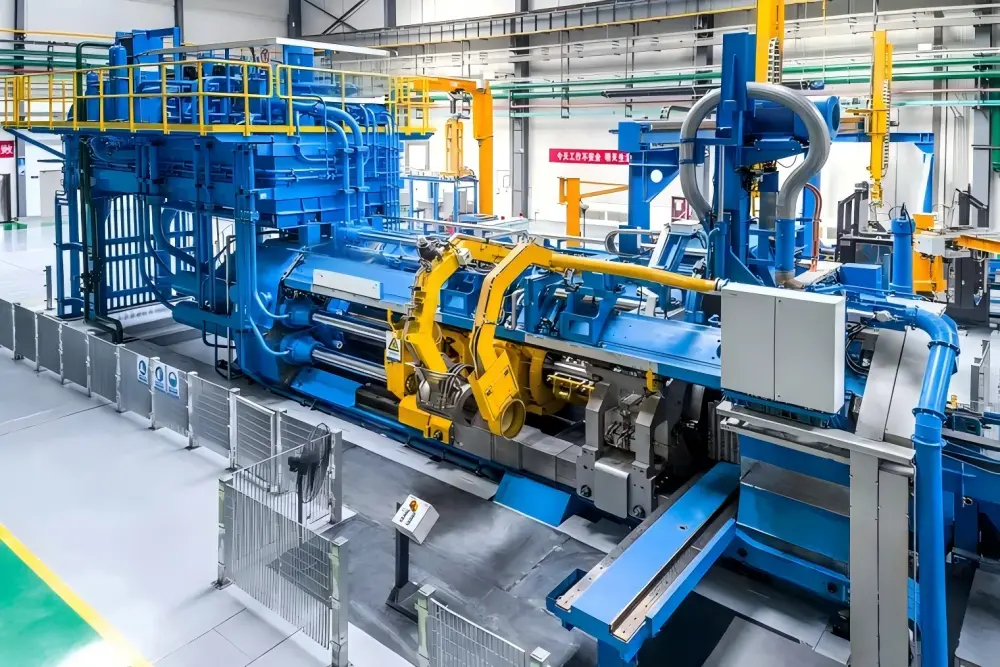
Electrical and Control System Checks
While the mechanical and hydraulic systems do the heavy lifting, the electrical and control systems provide the intelligence. Operator-level maintenance for the electrical system focuses on safety and connectivity. Every shift should begin with a functional test of the emergency stop buttons and safety light curtains. These are critical for operator protection and must never be bypassed. If a safety device is found to be faulty, the machine should be locked out until a repair is made.
Operators should also inspect the control cabinets and HMI (Human Machine Interface) panels. Ensure that the cooling fans for the electrical cabinets are running and that the filters are clean. Overheating is a primary cause of PLC (Programmable Logic Controller) failure and erratic sensor readings. Inside the cabinets, a quick visual check for burnt smells or discolored wiring can prevent electrical fires. It is also important to ensure that all sensor cables and limit switch actuators are securely fastened and free from grease or aluminium dust buildup, which can cause false signals.
The HMI provides a wealth of data that the operator must use to monitor the machine’s health. Modern HARSLE presses provide real-time feedback on cycle times, extrusion speeds, and temperatures. An operator should be familiar with the “normal” profile of these metrics. If the cycle time begins to creep up without a change in the die or billet temperature, it may indicate a mechanical drag or a hydraulic inefficiency. Using the diagnostic screens to check for minor fault codes that don’t necessarily stop the machine can provide early warnings of sensor drift or solenoid valve sluggishness.
Mechanical Components and Alignment
The mechanical integrity of the press determines the dimensional accuracy of the extruded aluminium. One of the most critical areas for an operator to monitor is the alignment between the extrusion stem, the container, and the die. Misalignment can cause uneven wear on the container liner, damage the dummy block, and result in “bananaing” or eccentric wall thickness in the profiles. While full alignment is a specialist task, the operator can look for signs of wear on the guide ways and the presence of metal shavings, which indicate friction and misalignment.
The container heating system also requires regular attention. The container must be preheated to a specific temperature to prevent the billet from chilling and to ensure uniform metal flow. Operators should check the heating elements or induction coils for consistent performance. Uneven heating can cause the container to warp slightly, leading to sealing issues at the die face. Furthermore, the shear blade, which cuts the butt end of the billet after extrusion, must be checked for sharpness and proper clearance. A dull shear can pull the profile or leave excessive debris in the die area, leading to surface defects in the next extrusion cycle.
Finally, the tie rods and platens—the massive structural components that hold the press together—should be inspected for any signs of stress. While rare, cracks in these areas are serious. Operators should ensure that the nuts on the tie rods are secure and that there is no visible movement in the main frame during the high-pressure phase of the cycle. Keeping the moving parts of the press, such as the container shifting cylinders and the die slide, clean and free of old, hardened grease is essential for smooth mechanical operation.
Comprehensive Lubrication Plan
Lubrication is the lifeblood of moving mechanical parts, especially in the high-temperature environment of an aluminium extrusion press. A proper lubrication plan involves using the right lubricant, in the right amount, at the right time. For an operator, this means following the manufacturer’s lubrication chart religiously. Critical points include the main ram guides, the container slide ways, the die slide, and the various pivot points on the billet loader and puller.
In the extrusion industry, lubricants must be able to withstand extreme pressures and temperatures. Using a standard chassis grease where a high-temperature molybdenum-based grease is required will lead to rapid carbonization and seized components. Operators should ensure that automatic lubrication systems are filled and that the distribution lines are not pinched or broken. If a manual grease point is missed, the resulting friction can quickly lead to galling—a condition where metal surfaces weld together and tear, requiring expensive machining to repair.
It is also important to manage the application of lubricants to the dummy block and the die. While some lubrication is necessary to prevent the aluminium from sticking, excessive use can lead to “back-end defects” or inclusions in the finished profile. Operators must be trained in the precise application of release agents, ensuring that they do not contaminate the hydraulic system or create a slip hazard around the machine. Regularly cleaning off old grease that has accumulated dust and metal particles is just as important as applying new lubricant.
Troubleshooting Signals for Operators
An experienced operator develops a “sixth sense” for their machine, often noticing a problem before it triggers an alarm. Recognizing these troubleshooting signals is a key part of Operator-Level Maintenance Aluminium Extrusion Press Machines. One of the most common signals is vibration. If the press starts to vibrate excessively during the extrusion stroke, it could indicate a failing pump, a loose mounting, or an issue with the hydraulic fluid’s viscosity. Vibration is an enemy of precision and can lead to the loosening of electrical connections and hydraulic fittings.
Heat is another major indicator. Beyond the monitored oil temperature, operators should be aware of localized heat. For example, if a specific hydraulic valve manifold feels significantly hotter than the others, it may be experiencing internal leakage (bypassing), which wastes energy and generates heat. Similarly, a bearing housing that is too hot to touch usually indicates a lack of lubrication or an impending mechanical failure. Using an infrared thermometer during routine rounds can help operators quantify these observations and provide better data to the maintenance team.
Visual cues in the extruded product itself are also troubleshooting signals. If the profile suddenly shows surface scratches, it may indicate a damaged die or debris in the container. If the dimensions start to drift, it points toward alignment issues or thermal instability in the container. By correlating the machine’s behavior with the quality of the output, the operator becomes a vital part of the quality control and maintenance loop. Early detection of these signals can save thousands of dollars in wasted material and prevent long-term damage to the press.
Maintenance Schedule Table
| Frequency | Task Category | Action Item | Operator Responsibility |
|---|---|---|---|
| Daily | Safety | Test E-Stops and Light Curtains | Verify functional safety before start |
| Daily | Hydraulic | Check Oil Level and Temp | Monitor gauges and reservoir levels |
| Daily | Mechanical | Clean Container and Die Area | Remove debris and aluminium buildup |
| Weekly | Lubrication | Manual Grease Points | Apply grease to pivot pins and loaders |
| Weekly | Electrical | Clean Cabinet Filters | Ensure airflow to PLC and drives |
| Monthly | Hydraulic | Oil Analysis Sample | Collect sample for lab testing |
| Monthly | Mechanical | Inspect Shear Blade | Check for sharpness and clearance |
| Quarterly | Alignment | Check Stem/Container Center | Assist maintenance in precision check |
Frequently Asked Questions (FAQ)
1. How often should the hydraulic oil be changed in an extrusion press?
Hydraulic oil should not necessarily be changed on a fixed time schedule but rather based on the results of regular oil analysis. Typically, an analysis should be performed every 3 to 6 months. If the oil maintains its chemical properties and cleanliness levels (NAS 7/8), it can last for several years. However, if the analysis shows oxidation, water contamination, or high metal content, a change is required immediately to protect the system.
2. What is the most common cause of extrusion press downtime?
Hydraulic leaks and component failures are the most frequent causes of downtime. These are often the result of contaminated oil or excessive heat. By maintaining strict oil cleanliness and ensuring the cooling system is functional, operators can eliminate a large percentage of common failures. Mechanical issues with the billet loader and shear are also common but usually easier to fix if caught early.
3. Why is container temperature so important?
The container must be kept at a temperature close to that of the billet (usually around 400°C to 450°C). If the container is too cold, it will suck heat out of the billet, increasing the pressure required for extrusion and potentially causing the metal to “freeze” in the die. If it is too hot or unevenly heated, it can lead to structural weakness in the container and poor surface quality on the extruded profile.
4. Can I use any high-pressure grease for the main ram?
No. You must use the specific lubricant recommended by the manufacturer, such as HARSLE. The main ram and guide ways are subject to specific friction characteristics and temperatures. Using the wrong grease can lead to “stick-slip” motion, where the ram moves in jerks rather than a smooth stroke, which ruins the finish of the aluminium profile and damages the guide bearings.
5. What should I do if I hear a loud ‘knocking’ sound in the hydraulics?
A knocking or banging sound usually indicates “water hammer” or air trapped in the system. This can be very destructive to pipes and valves. You should immediately stop the press and check for air leaks in the pump suction lines or low oil levels in the reservoir. If the sound persists after checking these, call a maintenance specialist to inspect the accumulators and valve timing.
6. How do I know if the extrusion stem is misaligned?
Signs of misalignment include uneven wear on the dummy block, the stem hitting the edge of the container during entry, or the extruded profile consistently curving to one side. You may also see “flashing” (metal escaping) around the dummy block. If you suspect misalignment, it is crucial to perform a laser alignment check before the stem or container liner is permanently damaged.


