Hydraulic Briquetting Machine Maintenance Checklist for Reliable Daily Operation

The Critical Role of Maintenance in Metal Briquetting
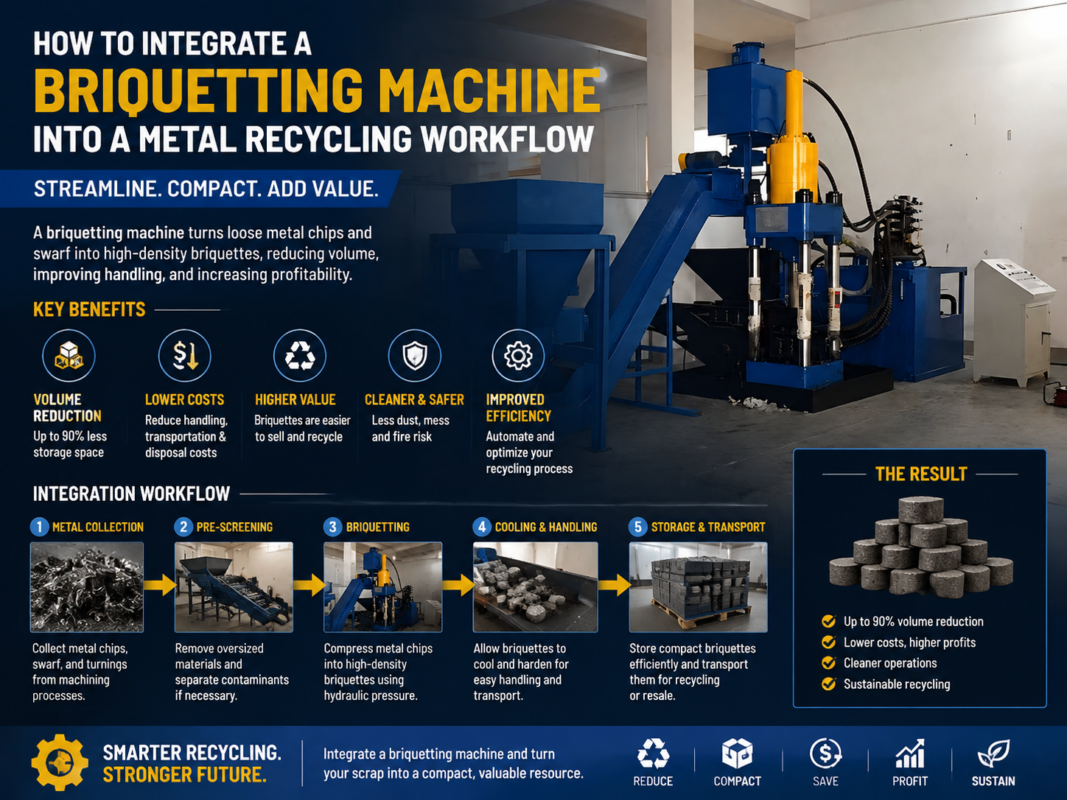
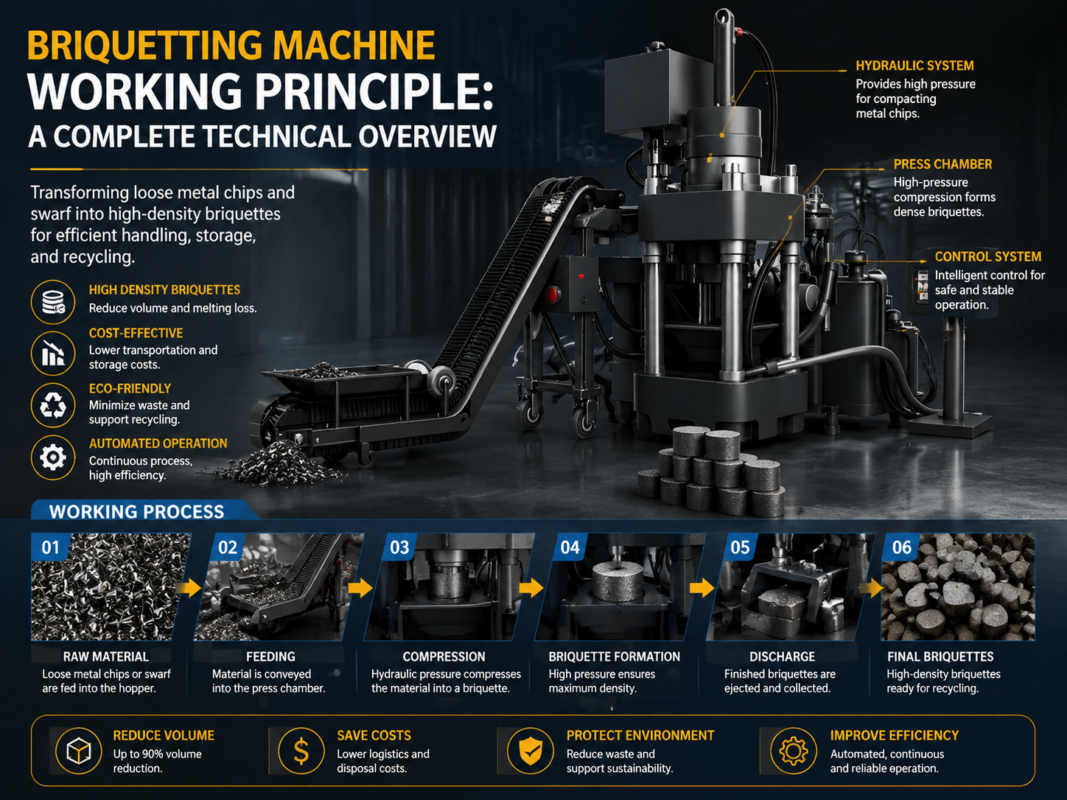
In the world of metal recycling and industrial waste management, the hydraulic briquetting machine stands as a cornerstone of efficiency. By transforming loose metal chips, turnings, and swarf into dense, manageable briquettes, these machines significantly reduce storage space and increase the melt value of scrap. However, the immense pressure required to compress metal—often exceeding several hundred tons—places significant stress on every component of the machine. Implementing a Hydraulic Briquetting Machine Maintenance Checklist for Reliable Daily Operation is not just a recommendation; it is a necessity for any facility aiming to maximize ROI and ensure operator safety.
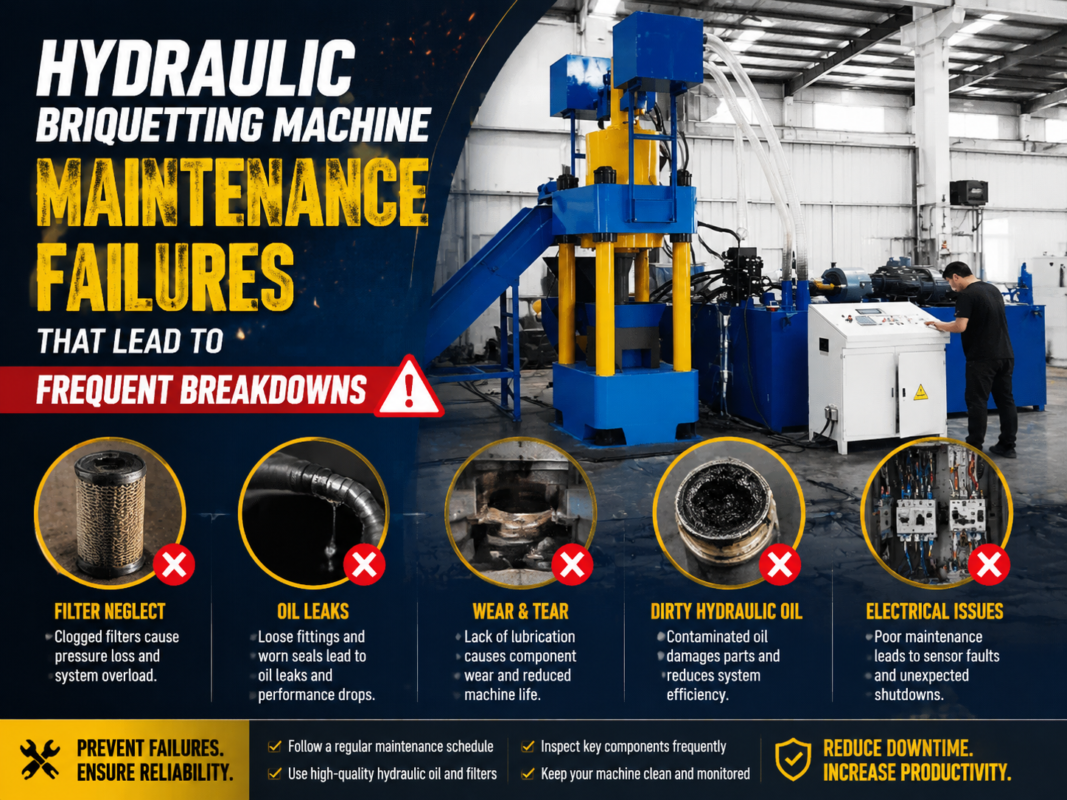
Neglecting routine maintenance leads to a cascade of failures. What starts as a minor hydraulic leak can escalate into pump cavitation, valve failure, and eventually, a complete system shutdown. For industrial operators, downtime is the ultimate enemy of profitability. A well-maintained HARSLE briquetting machine can operate for decades, but a neglected one may see its lifespan cut in half. This guide provides a comprehensive framework for maintaining these powerful machines, ensuring they remain a reliable asset in your production line.
Beyond mechanical longevity, maintenance is a safety imperative. Hydraulic systems operate under extreme pressure, and electrical components must interface perfectly with mechanical movements. A failure in a safety sensor or a weakened hydraulic hose can lead to catastrophic accidents. By following a structured maintenance plan, you create a culture of safety and precision that reflects the quality of your output. This article explores every facet of the maintenance process, from the simplest daily visual checks to complex annual overhauls.
Daily Inspection: The First Line of Defense
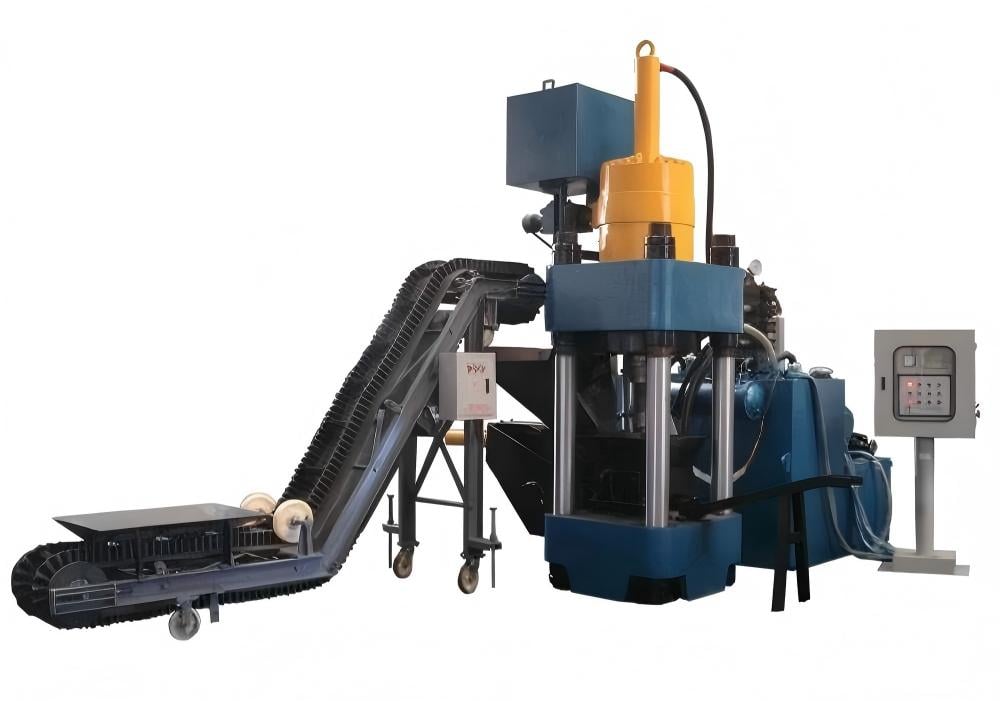
The foundation of a Hydraulic Briquetting Machine Maintenance Checklist for Reliable Daily Operation begins before the machine is even powered on. The daily inspection, or “walk-around,” is designed to catch obvious issues before they evolve into mechanical failures. Operators should be trained to look for signs of wear, fluid loss, and structural fatigue. This proactive approach ensures that the machine starts the shift in peak condition.
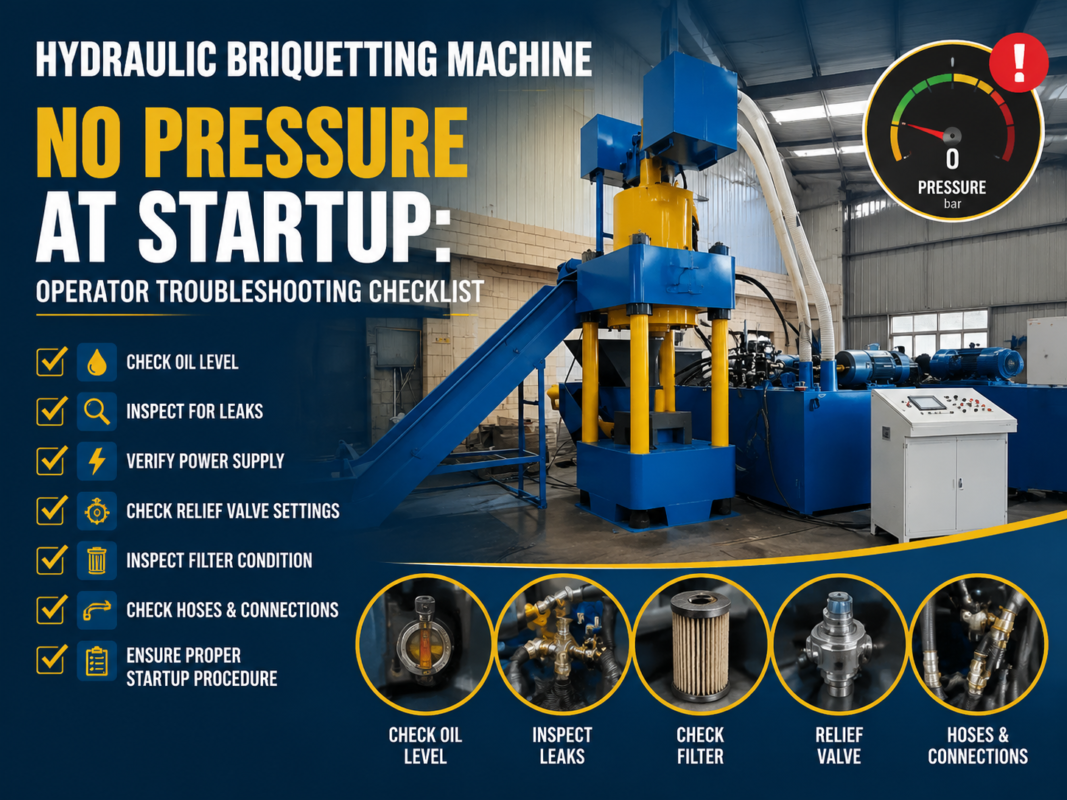
Start by inspecting the area around the machine for any signs of hydraulic oil puddles. Even a small drip can indicate a loose fitting or a worn seal that could fail under full operating pressure. Next, check the hopper and the compression chamber. Metal scrap can sometimes contain oversized pieces or foreign objects like tools or heavy bolts that can damage the internal molds or the piston head. Clearing the feeding area of debris ensures a smooth start-up and prevents unnecessary mechanical strain.
Visual checks should also extend to the hydraulic hoses. Look for signs of abrasion, kinking, or “sweating” (where oil permeates the outer layer of the hose). Because briquetting machines often operate in environments with sharp metal shavings, hoses are particularly vulnerable to external damage. Ensuring that all protective sleeves are in place and that hoses are not rubbing against sharp edges is a critical daily task. Finally, verify that all safety guards are securely fastened and that the emergency stop buttons are unobstructed and functional.
Hydraulic System Maintenance: The Heart of the Machine
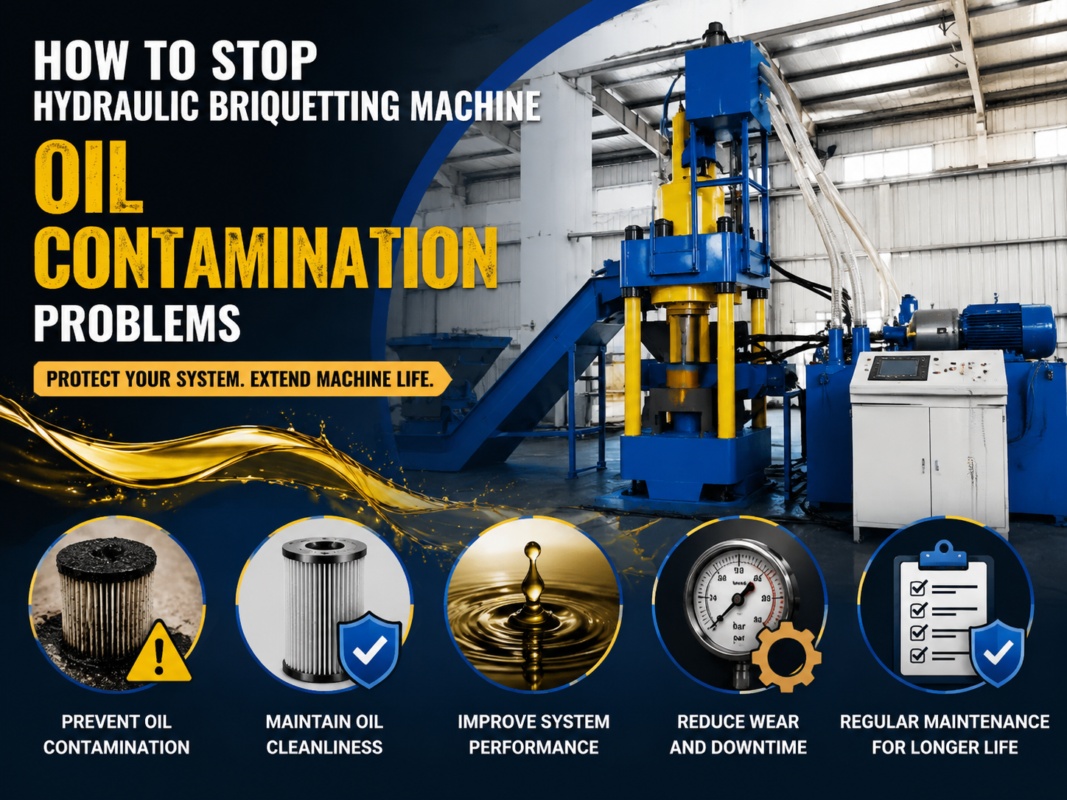
The hydraulic system is the lifeblood of the briquetting press. It converts electrical energy into the massive mechanical force required to densify metal. Maintaining the integrity of this system is the most important aspect of the Hydraulic Briquetting Machine Maintenance Checklist for Reliable Daily Operation. The primary enemy of any hydraulic system is contamination. Dust, metal particles, and moisture can degrade the oil and cause internal wear on pumps and valves.
Monitoring oil levels and quality is a daily requirement. The oil should be clear and free of foam. If the oil appears milky, it indicates water contamination; if it is dark and smells burnt, it has likely overheated and lost its lubricating properties. Furthermore, the operating temperature must be monitored closely. Most hydraulic systems are designed to operate between 30°C and 55°C. If the temperature exceeds 60°C, the oil viscosity drops, leading to increased wear and potential seal failure. Ensure that the cooling system—whether air-cooled or water-cooled—is functioning efficiently and that the heat exchanger fins are clean.
Filters play a vital role in keeping the hydraulic fluid clean. While they don’t need to be changed daily, the pressure gauges on the filter housing should be checked every shift. A high-pressure differential indicates that the filter is clogged and is bypassing fluid, allowing contaminants to circulate through the sensitive valves. Regularly scheduled filter replacements, combined with periodic oil analysis, will extend the life of the hydraulic pump and prevent the costly replacement of the main cylinders.
Electrical and Mechanical System Integrity
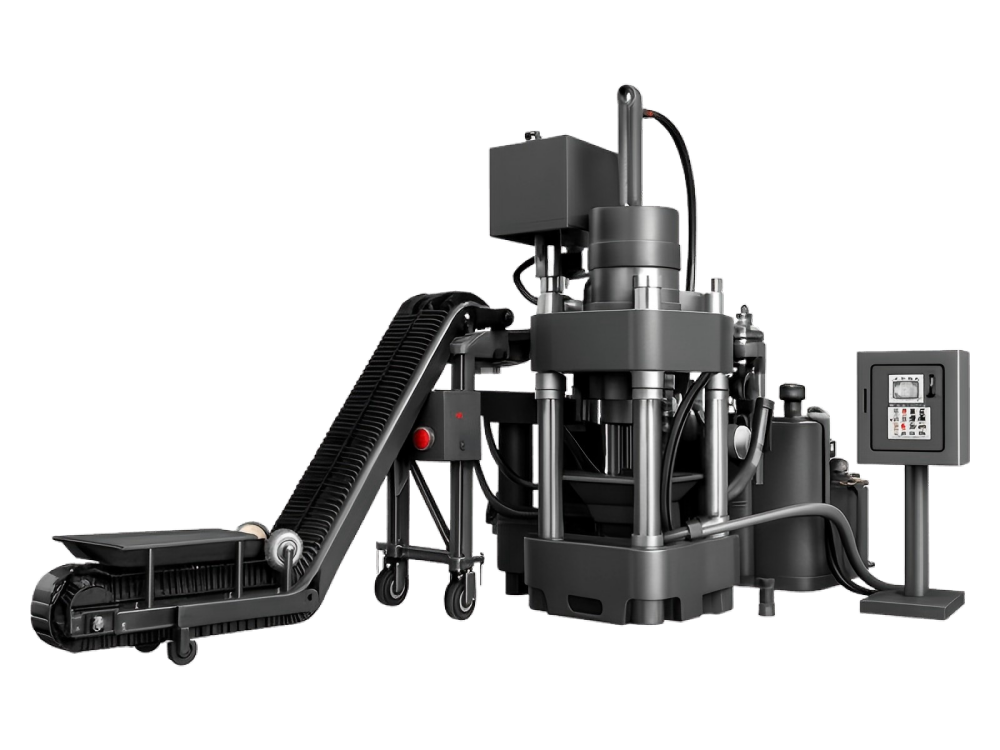
While the hydraulics provide the power, the electrical system provides the intelligence, and the mechanical system provides the structure. A comprehensive Hydraulic Briquetting Machine Maintenance Checklist for Reliable Daily Operation must address both. In the electrical cabinet, vibration is the primary concern. Over time, the constant cycling of the machine can loosen wire terminations, leading to intermittent faults or PLC errors. Monthly inspections should include tightening terminal blocks and checking for any signs of overheating on contactors and relays.
Sensors and limit switches are critical for the machine’s cycle timing. If a proximity sensor is slightly out of alignment due to vibration, the piston may not retract fully, or the feeding mechanism may trigger at the wrong time. This can lead to “short-stroking” or jams within the compression chamber. Operators should verify that all sensors are clean and securely mounted. In environments with heavy metal dust, magnetic sensors can attract fine particles, leading to false readings; regular cleaning with compressed air or a soft cloth is essential.
Mechanically, the focus is on the compression chamber and the molds. The abrasive nature of metal scrap means that the liners and molds are sacrificial parts. Check for excessive wear or scoring on the cylinder rods and the internal walls of the chamber. If the clearance between the piston and the chamber wall becomes too large, metal fines can migrate behind the piston head, causing rapid seal wear. Maintaining the integrity of the mechanical fasteners is also vital. The high-frequency vibrations of a briquetting press can loosen even the largest bolts. Using a torque wrench to verify the tightness of the main frame bolts and the motor mounts should be part of the monthly maintenance routine.
The Lubrication Plan: Reducing Friction and Wear
Lubrication is often the most overlooked aspect of industrial maintenance, yet it is the simplest way to prevent mechanical failure. A dedicated lubrication plan within your Hydraulic Briquetting Machine Maintenance Checklist for Reliable Daily Operation ensures that all moving parts operate with minimal friction. Briquetting machines have several pivot points, slide ways, and bearings that require regular greasing.
Identify all grease nipples on the machine. These are typically located on the hinge points of the hopper, the guide rails of the compression ram, and the bearings of the conveyor system (if equipped). Using the correct type of grease is paramount; high-pressure, lithium-based grease is usually recommended for the heavy-duty cycles of a briquetting press. Over-greasing can be just as harmful as under-greasing, as it can attract abrasive metal dust and create a grinding paste that accelerates wear. A “little and often” approach is best.
For machines with automatic lubrication systems, the daily task is simply to check the reservoir level and ensure the pump is cycling correctly. However, manual systems require a disciplined schedule. Documenting each lubrication event in a logbook helps ensure that no point is missed. Pay special attention to the guide columns of the main press; these must remain lightly coated with oil or grease to prevent galling, which can permanently damage the precision-ground surfaces of the columns.
Troubleshooting Signals: Listening to Your Machine
An experienced operator knows the “voice” of their machine. Part of a Hydraulic Briquetting Machine Maintenance Checklist for Reliable Daily Operation involves active listening and observation during the production cycle. Unusual noises are often the first indicator of an impending failure. For example, a high-pitched whining sound from the hydraulic pump often suggests cavitation, which occurs when the pump is starved of oil or when air is leaking into the suction line. If left unaddressed, cavitation will destroy the pump’s internal components within hours.
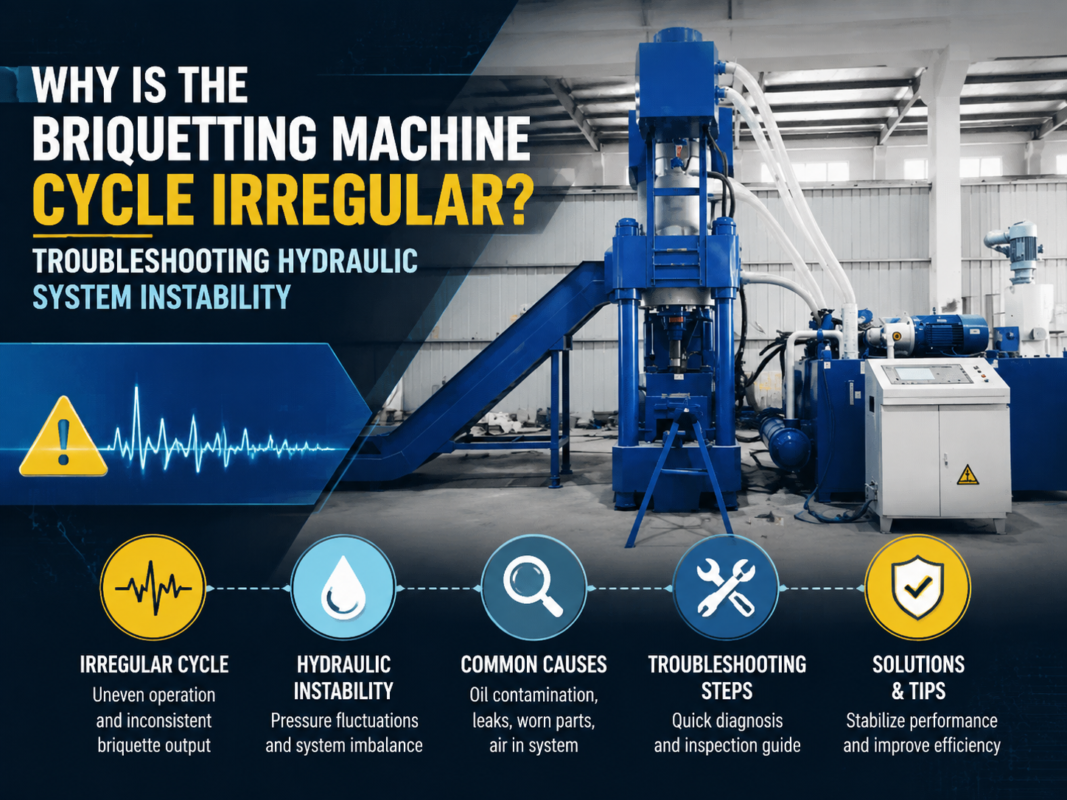
Vibration is another key signal. While some vibration is normal during the compression stroke, excessive or rhythmic shaking can indicate a loose mounting bolt, an unbalanced motor, or a failing bearing. Similarly, changes in the cycle time should be investigated. If the machine is taking longer to produce a briquette than it did the previous week, it could indicate a drop in hydraulic pressure, a leaking internal seal in the cylinder, or a pump that is losing efficiency. Monitoring the density and consistency of the briquettes themselves is also a diagnostic tool; crumbly or oversized briquettes often point to worn molds or incorrect pressure settings.
Heat is the final major troubleshooting signal. Beyond the hydraulic oil temperature, operators should be aware of the temperature of the electric motors and the main bearings. A motor that is too hot to touch is likely overloaded or has a failing cooling fan. By catching these signals early, maintenance teams can schedule repairs during planned downtime rather than reacting to a catastrophic failure in the middle of a high-volume production run.
Comprehensive Maintenance Schedule Table
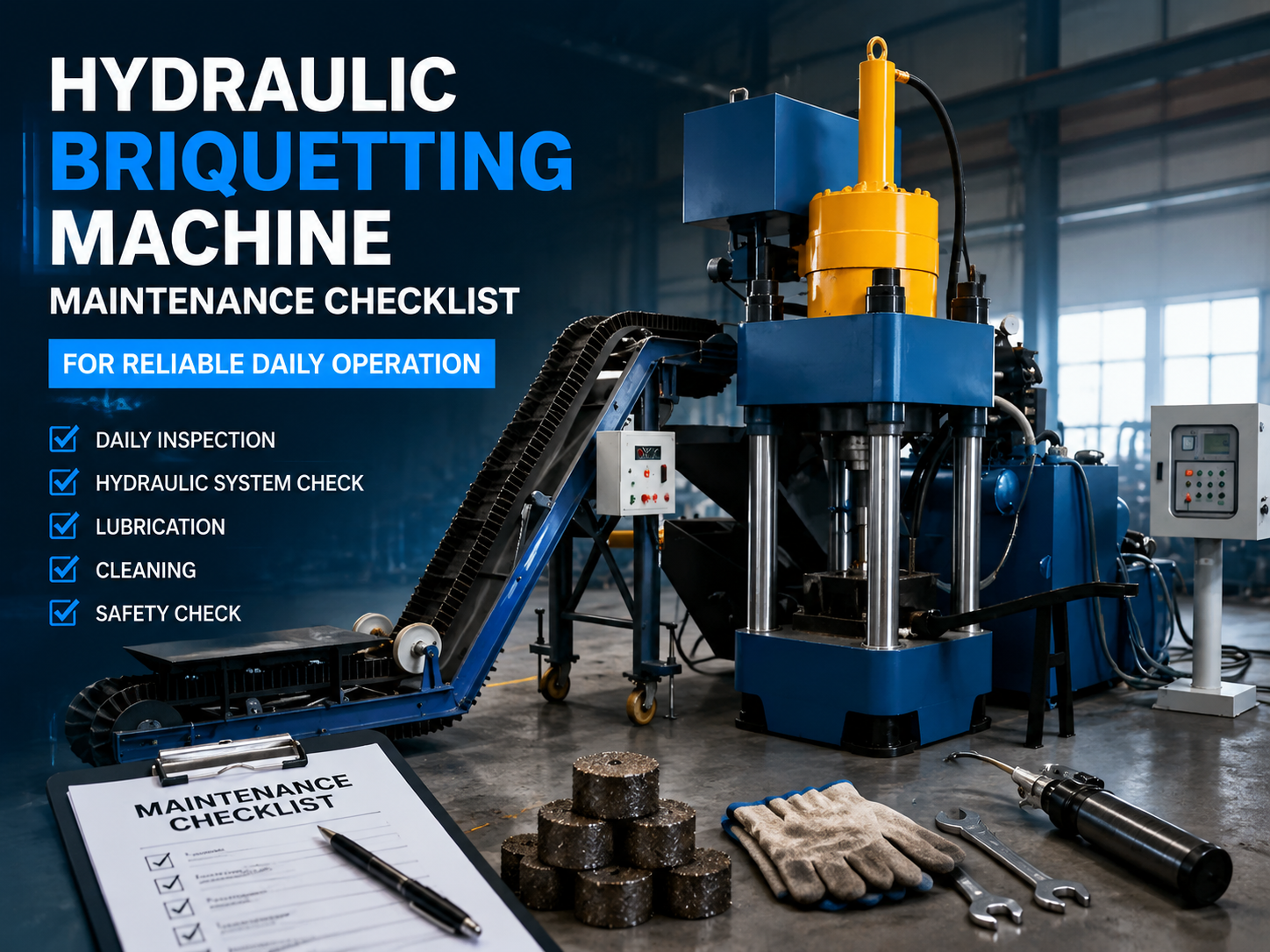
To simplify the implementation of these tasks, the following table summarizes the Hydraulic Briquetting Machine Maintenance Checklist for Reliable Daily Operation across different time intervals.
| Frequency | Component | Action Required |
|---|---|---|
| Daily | Hydraulic Oil | Check level and temperature; inspect for foam or cloudiness. |
| Daily | Hoses & Fittings | Visual inspection for leaks, cracks, or abrasions. |
| Daily | Safety Systems | Test emergency stops and verify all guards are in place. |
| Daily | Compression Chamber | Clear debris and check for foreign objects in the hopper. |
| Weekly | Filters | Check pressure gauges; clean or replace if necessary. |
| Weekly | Lubrication Points | Apply grease to all manual nipples and check auto-lube levels. |
| Weekly | Electrical Cabinet | Clean dust from cooling fans and vents. |
| Monthly | Mechanical Fasteners | Check and torque main frame bolts and motor mounts. |
| Monthly | Sensors/PLC | Verify alignment of proximity switches and clean sensor faces. |
| Quarterly | Hydraulic Oil Analysis | Send sample to lab to check for contamination and additive levels. |
| Annually | Full System Audit | Inspect cylinder seals, pump efficiency, and mold wear. |
Frequently Asked Questions (FAQ)
1. How often should I change the hydraulic oil in my briquetting machine?
Typically, hydraulic oil should be changed every 2,000 to 4,000 operating hours, or once a year. However, this depends heavily on the environment and the results of oil analysis. If the machine operates in a very dusty or hot environment, more frequent changes may be necessary to protect the pump and valves.
2. Why are my briquettes suddenly becoming soft or falling apart?
Soft briquettes are usually caused by a drop in hydraulic pressure or worn molds. Check the pressure gauge during the compression stroke to ensure it reaches the target PSI. If pressure is normal, inspect the internal diameter of the mold; if it has worn beyond tolerance, the material will not be compressed sufficiently to bond.
3. What is the most common cause of hydraulic pump failure?
Contamination is the leading cause of pump failure. Small metal particles or dirt act as an abrasive, wearing down the internal tolerances of the pump. This is why maintaining clean filters and following a strict Hydraulic Briquetting Machine Maintenance Checklist for Reliable Daily Operation is so critical.
4. Can I use any type of hydraulic oil?
No. You must use the oil viscosity and type recommended by the manufacturer (e.g., ISO VG 46 or 68). Using the wrong oil can lead to poor lubrication at high temperatures or excessive flow resistance at start-up, both of which damage the system.
5. How do I know if a hydraulic hose needs replacing before it bursts?
Look for “bubbles” or blisters on the outer cover, exposed wire braiding, or oil dampness on the surface of the hose. If the hose feels brittle or shows deep cracks when flexed, it should be replaced immediately as part of your preventive maintenance routine.
6. Is it necessary to clean the machine every day?
Yes. Metal dust and shavings are abrasive and conductive. If they accumulate on moving parts, they accelerate wear. If they enter the electrical cabinet, they can cause short circuits. A clean machine is a safer and more reliable machine.
Conclusion: Investing in Longevity
Consistent adherence to a Hydraulic Briquetting Machine Maintenance Checklist for Reliable Daily Operation is the most effective way to ensure the longevity and efficiency of your HARSLE equipment. While it may seem time-consuming to perform daily checks and weekly lubrications, the cost of these activities is a fraction of the cost of a major repair or lost production time. By treating maintenance as a core part of the production process rather than an afterthought, facilities can achieve higher throughput, better briquette quality, and a safer working environment for all operators. Remember, a machine that is cared for will always return the favor with years of dependable service.