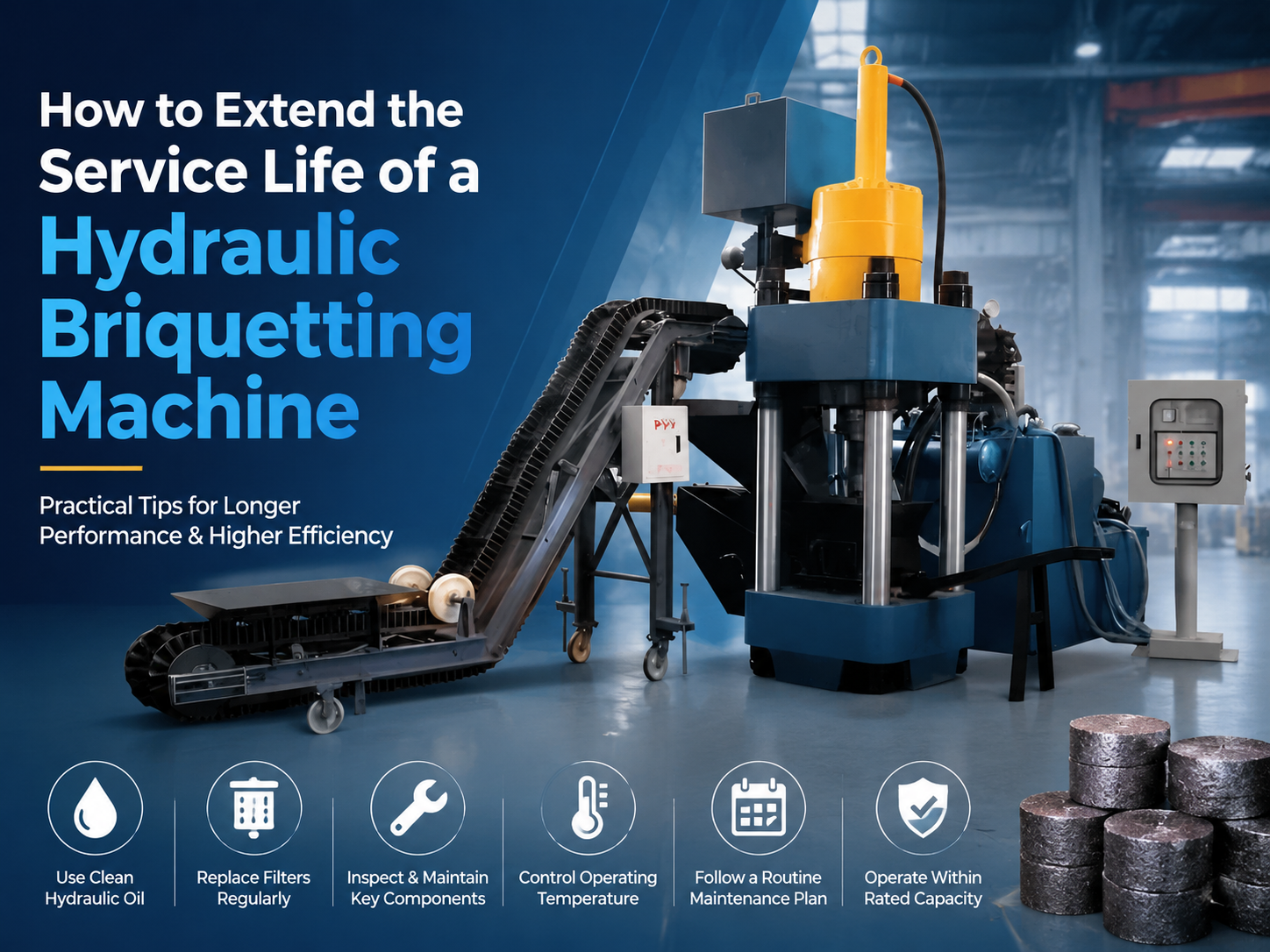
Comprehensive Guide: How to Extend the Service Life of a Hydraulic Briquetting Machine

The Critical Importance of Maintaining Your Hydraulic Briquetting Machine
In the modern industrial landscape, efficiency and sustainability are the cornerstones of a successful metal fabrication or recycling operation. A hydraulic briquetting machine is a significant investment that transforms loose metal chips, shavings, and turnings into dense, high-value briquettes. However, the longevity of this equipment is not merely a product of its initial build quality; it is heavily dependent on the rigor of its maintenance regime. To extend the service life of a hydraulic briquetting machine, operators must transition from a reactive ‘fix-it-when-it-breaks’ mindset to a proactive, preventative maintenance strategy.
HARSLE, a leader in metal fabrication machinery, designs its briquetting presses to withstand the harsh environments of scrap yards and machine shops. Yet, the high pressures involved in the briquetting process—often exceeding several hundred tons—place immense stress on hydraulic components, seals, and mechanical frames. Neglecting routine care leads to accelerated wear, increased energy consumption, and eventually, catastrophic failure that can halt production for weeks. By following a structured maintenance plan, you not only protect your capital investment but also ensure consistent briquette density and quality.
Furthermore, extending the service life of your machinery has a direct impact on your bottom line. Reduced downtime means higher throughput, and well-maintained machines retain a higher resale value. Safety is another paramount concern; a poorly maintained hydraulic system is prone to leaks and component bursts, posing significant risks to personnel. This guide provides a comprehensive roadmap for maintaining your HARSLE hydraulic briquetting machine, covering everything from daily checks to advanced troubleshooting.
Daily Inspection: The First Line of Defense
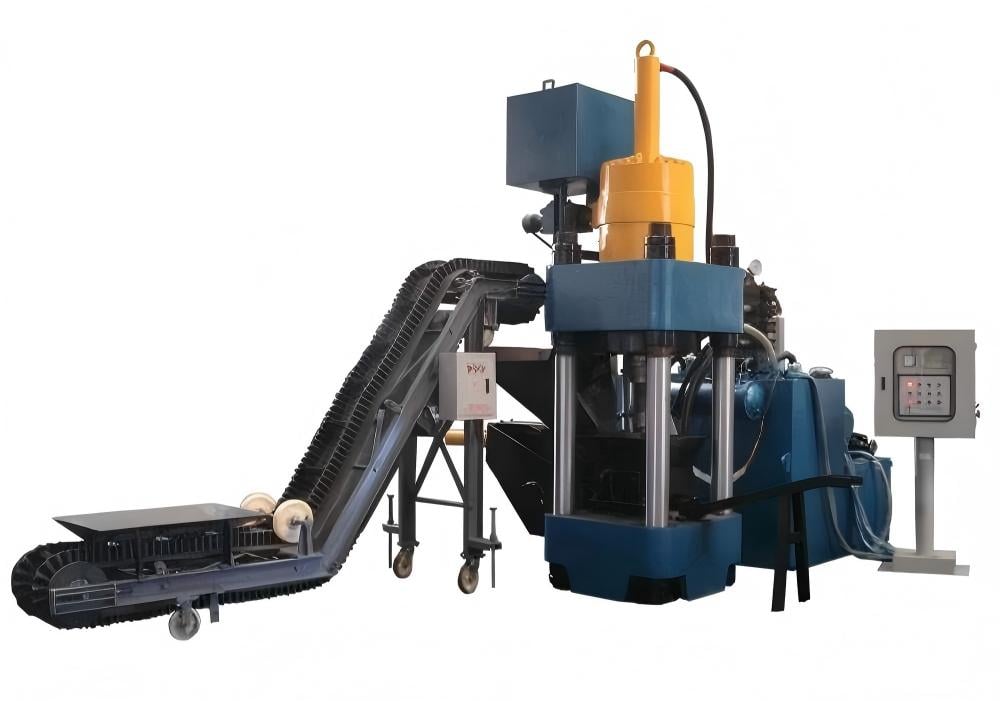
The most effective way to extend the service life of a hydraulic briquetting machine is through consistent daily inspections. These checks should be performed at the start of every shift before the machine is fully powered up. A visual ‘walk-around’ allows operators to identify minor issues before they escalate into major repairs. Start by checking the floor around the machine for any signs of hydraulic oil leaks. Even a small puddle can indicate a loose fitting or a failing seal that could lead to a loss of system pressure or environmental contamination.
Next, inspect the main ram and the mold area. Metal chips are inherently abrasive, and if they accumulate in the wrong places, they can score the hydraulic cylinder rods or damage the precision-machined surfaces of the molds. Use a brush or compressed air to clear away debris from the moving parts. Check the oil level in the hydraulic reservoir; it should be within the designated range on the sight glass. Operating with low oil levels can cause the pump to cavitate, leading to rapid internal wear and overheating.
Listen to the machine as it starts up. Experienced operators develop an ear for the ‘normal’ sound of the hydraulic pump and valves. Any unusual whining, grinding, or rhythmic knocking should be investigated immediately. These sounds often signal air in the system, pump wear, or mechanical misalignment. Finally, verify that all emergency stop buttons and safety interlocks are functioning correctly. A machine that cannot be stopped safely is a liability that should never be operated.
Hydraulic System Maintenance: The Heart of the Machine
The hydraulic system is the most critical component of a briquetting press. To extend the service life of a hydraulic briquetting machine, you must prioritize oil health. Hydraulic oil serves three primary functions: power transmission, lubrication of internal components, and heat dissipation. Over time, oil degrades due to heat, oxidation, and contamination. Contaminants, such as fine metal dust or moisture, act as sandpaper inside the valves and pumps, causing internal leakage and reduced efficiency.
Oil Quality and Filtration
Always use the grade of hydraulic oil recommended by HARSLE, typically a high-quality anti-wear (AW) hydraulic fluid like ISO VG 46 or 68. Never mix different brands or grades of oil, as the additives may react and form sludge. The filtration system is your primary defense against contamination. Replace the return line filters and suction strainers according to the manufacturer’s schedule, or sooner if the filter clogging indicator is triggered. In high-dust environments, consider adding an external kidney-loop filtration system to continuously polish the oil.
Temperature Management
Heat is the enemy of hydraulic systems. Most briquetting machines operate best when the oil temperature is maintained between 30°C and 55°C (86°F to 131°F). If the temperature exceeds 60°C, the oil’s viscosity drops, leading to poor lubrication and accelerated seal wear. Ensure that the cooling system—whether it is an air-cooled heat exchanger or a water-cooled system—is clean and functioning. Check for clogged cooling fins or scale buildup in water pipes. If the machine consistently runs hot, it may indicate an internal valve leak or an undersized cooling capacity for the ambient environment.
Electrical System and Control Logic Checks
Modern HARSLE briquetting machines utilize sophisticated PLC (Programmable Logic Controller) systems and sensors to manage the complex sequence of compression and ejection. While the electrical system has fewer moving parts than the hydraulic system, it is equally vital for longevity. Dust and vibration are the primary threats to electrical components. Ensure that the electrical cabinet is kept closed and that the seals are intact to prevent the ingress of metallic dust, which can cause short circuits.
Periodically inspect the wiring for signs of fraying or heat damage. Loose connections are a common cause of erratic machine behavior and can lead to localized overheating. Use a thermal camera during operation to identify ‘hot spots’ in the breaker panel or on motor terminals. Additionally, check the proximity sensors and limit switches that control the ram’s travel. If these sensors are loose or covered in grime, the machine may over-travel, causing mechanical damage to the frame or the hydraulic cylinders.
Software and calibration also play a role. Ensure that the pressure transducers are calibrated correctly. If the machine thinks it is applying 100 tons of pressure but is actually applying 120 tons due to a faulty sensor, it will put unnecessary strain on the mechanical structure, shortening its lifespan. Regularly backing up the PLC program is also a recommended practice to avoid long downtimes in the event of a controller failure.
Mechanical Integrity and Mold Care
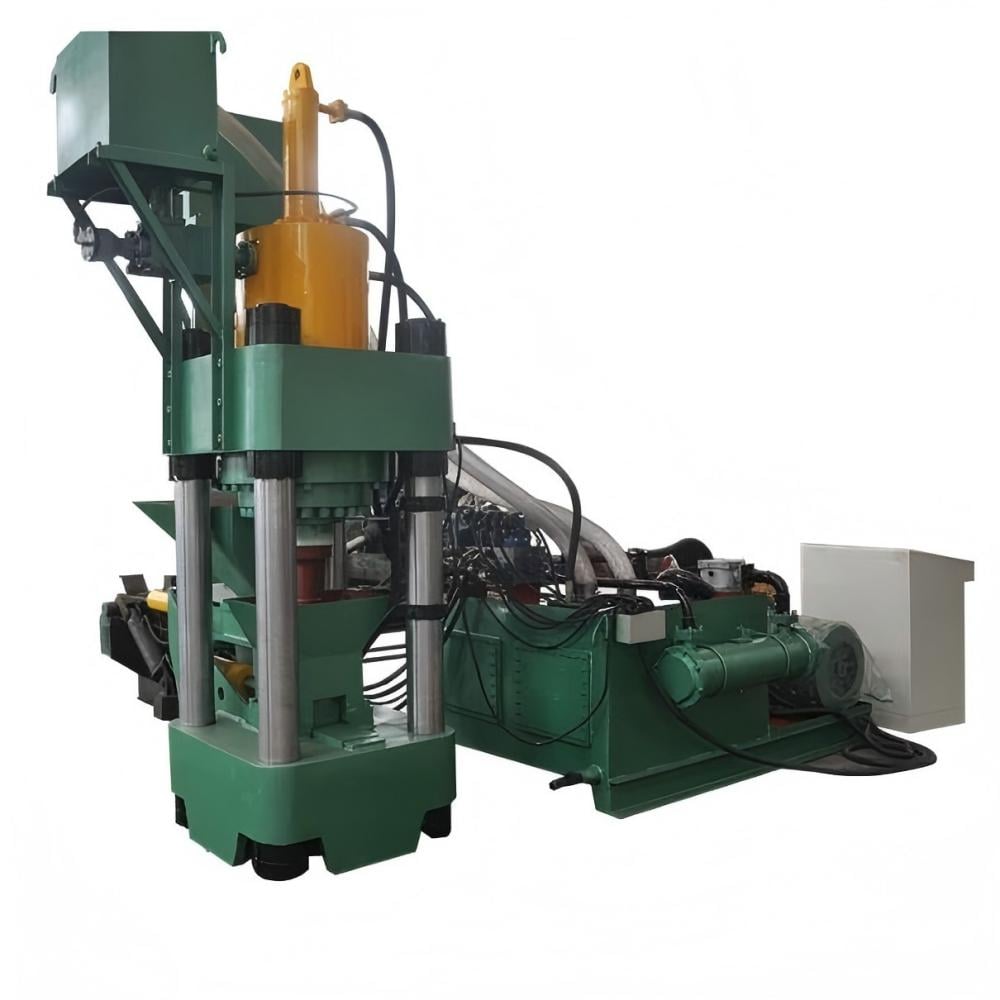
The mechanical frame of a hydraulic briquetting machine must withstand repetitive, high-tonnage cycles. To extend the service life of a hydraulic briquetting machine, you must monitor the structural integrity of the press. Check the main tie-rods or frame bolts for tightness. Vibration during the compression cycle can slowly loosen these fasteners, leading to misalignment. A misaligned ram will apply uneven pressure to the mold, causing premature wear on one side and potentially cracking the die.
The molds (or dies) are the primary wear parts. Depending on the material being processed—such as abrasive cast iron or softer aluminum—the mold life will vary. Inspect the internal surfaces of the mold for scoring or ‘mushrooming’ at the edges. Once the clearance between the punch and the die becomes too large, material will begin to ‘flash’ or squeeze out, reducing briquette quality and increasing the load on the hydraulic system. Rotating or resurfacing molds before they are completely worn out can save significant costs in the long run.
Comprehensive Lubrication Plan
While the hydraulic oil lubricates the internal pump and valves, the external moving parts require a dedicated lubrication plan. This includes the guide rails for the ram, the pivot points of the charging hopper, and the bearings of the conveyor system. Without proper lubrication, metal-on-metal contact will lead to rapid galling and seizure.
- Manual Greasing: Identify all grease nipples (Zerk fittings) on the machine. Use a high-pressure lithium-based grease. In high-volume operations, these points should be greased every 8 to 16 hours of operation.
- Automatic Lubricators: Many HARSLE machines come equipped with automatic lubrication systems. Ensure the reservoir is full and the delivery lines are not pinched or blocked. Verify that grease is actually reaching the intended surfaces.
- Guide Rail Maintenance: The ram guides should always have a thin film of clean oil or grease. Wipe away old, contaminated grease that has trapped metal chips, as this creates an abrasive paste that will destroy the guide surfaces.
Recognizing Troubleshooting Signals
To extend the service life of a hydraulic briquetting machine, operators must be trained to recognize the early warning signs of failure. Ignoring these signals is the fastest way to shorten a machine’s life. Common red flags include:
- Erratic Ram Movement: If the ram stutters or moves unevenly, it often indicates air in the hydraulic lines or a failing seal bypassing oil internally.
- Increased Cycle Times: If the machine takes longer to produce a briquette than it did when new, the pump may be losing efficiency, or there may be a leak in the main cylinder.
- Excessive Vibration: This can be caused by a failing motor bearing, a misaligned coupling between the motor and pump, or loose foundation bolts.
- Discolored Oil: Milky oil indicates water contamination; dark, burnt-smelling oil indicates overheating and oxidation.
Maintenance Schedule Table
A structured schedule is the backbone of industrial maintenance. Use the following table as a baseline for your HARSLE hydraulic briquetting machine.
| Frequency | Component | Action Required |
|---|---|---|
| Daily | Hydraulic Oil Level | Check sight glass; top up if necessary. |
| Daily | Machine Exterior | Clean debris from ram, mold, and sensors. |
| Daily | Leaks | Inspect all hoses, fittings, and cylinders for oil. |
| Weekly | Filters | Check clogging indicators; clean air breathers. |
| Weekly | Fasteners | Inspect and tighten critical bolts and tie-rods. |
| Monthly | Oil Quality | Perform a visual check for clarity and smell. |
| Monthly | Electrical Cabinet | Vacuum dust; check for loose wire connections. |
| Quarterly | Hydraulic Oil Analysis | Send a sample to a lab to check for microscopic wear particles. |
| Bi-Annually | Hydraulic Oil Change | Replace oil (or based on lab results) and all filters. |
| Annually | Full System Calibration | Verify pressure settings and sensor accuracy. |
Frequently Asked Questions (FAQ)
1. How often should I change the hydraulic oil?
For most HARSLE hydraulic briquetting machines, a full oil change is recommended every 2,000 to 4,000 operating hours. However, this depends heavily on the environment. In hot or dusty conditions, the oil may degrade faster. The best practice is to perform oil analysis every three months and change the oil only when the additives are depleted or contamination levels are too high.
2. Why is my briquette density decreasing?
Decreased density is usually caused by a drop in hydraulic pressure or wear in the mold. Check the system pressure gauge during the compression stroke. If the pressure is correct, the issue is likely worn molds or a change in the moisture/oil content of the raw material being processed.
3. Can I process different metals on the same machine?
Yes, but you must adjust the pressure settings and potentially the mold clearance. Processing abrasive materials like cast iron requires more frequent mold inspections than processing aluminum. Always clean the machine thoroughly when switching materials to prevent cross-contamination.
4. What is the most common cause of pump failure?
Contamination is the leading cause of pump failure. Even microscopic particles can score the internal surfaces of a piston or vane pump. Maintaining clean filters and ensuring the oil reservoir is sealed is the best way to prevent this.
5. How do I prevent the hydraulic system from overheating?
Ensure the cooling system is properly maintained. For air-cooled systems, keep the radiator fins clean. For water-cooled systems, ensure a steady flow of cool water. Additionally, check for internal leaks in valves, as ‘bypassing’ oil generates significant heat.
Conclusion
To extend the service life of a hydraulic briquetting machine requires a combination of quality engineering and disciplined maintenance. By implementing the daily inspections, hydraulic care, and lubrication strategies outlined in this guide, you can ensure that your HARSLE equipment remains a productive asset for decades. Remember that the cost of preventative maintenance is always a fraction of the cost of emergency repairs and lost production. Treat your machinery with the respect its precision engineering deserves, and it will reward you with consistent, high-quality performance.