How to Maintain an Aluminium Extrusion Press for Stable Production

The Critical Role of Maintenance in Aluminium Extrusion
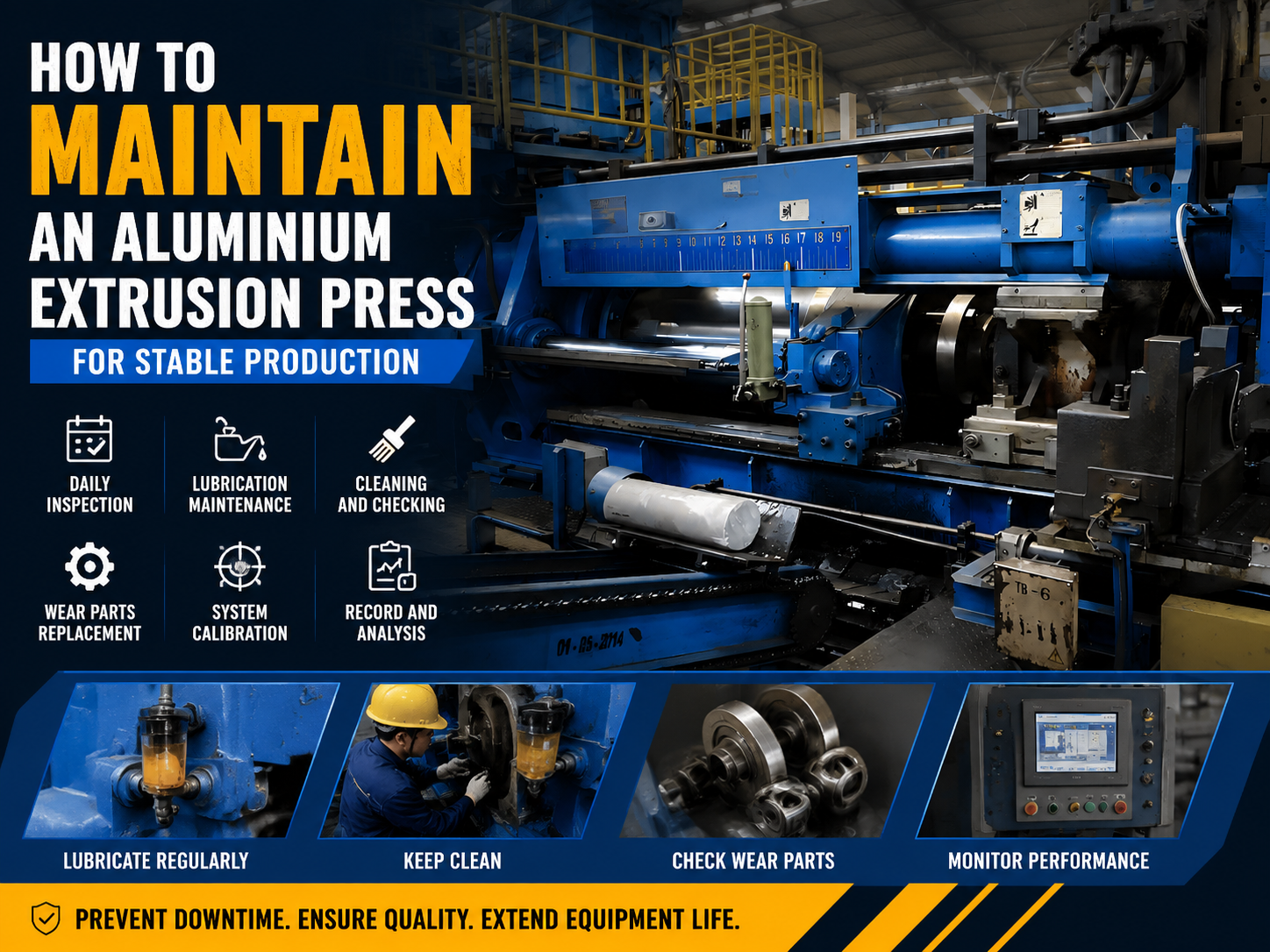
In the high-stakes world of metal fabrication, the aluminium extrusion press stands as the heart of the production line. To maintain an aluminium extrusion press for stable production is not merely a suggestion; it is a fundamental requirement for any facility aiming for high-quality output, operational safety, and long-term profitability. An extrusion press operates under extreme conditions, involving high pressures (often exceeding 2000 tons), intense heat, and continuous mechanical movement. Without a rigorous maintenance strategy, these factors can quickly lead to component fatigue, hydraulic failure, and costly downtime.
Stable production is defined by consistency—consistency in profile dimensions, surface finish, and cycle times. When a press is poorly maintained, variables begin to drift. A slight misalignment in the container or a fluctuation in hydraulic pressure can result in scrapped material and wasted energy. For HARSLE machinery users, understanding the synergy between mechanical precision and hydraulic stability is the first step toward achieving an optimized production environment. This guide provides a comprehensive roadmap for maintaining your equipment to ensure it performs at peak efficiency for decades.
Furthermore, the economic impact of maintenance cannot be overstated. The cost of replacing a major component like a main cylinder or a forged tie rod far outweighs the cumulative cost of routine inspections and oil filtration. By adopting a proactive approach—moving from reactive “break-fix” cycles to predictive and preventative maintenance—manufacturers can significantly lower their Total Cost of Ownership (TCO) while maximizing the Return on Investment (ROI) of their HARSLE extrusion press.
Daily Inspection Protocols for Operators
The first line of defense in maintaining an aluminium extrusion press for stable production is the daily inspection. This routine should be performed at the start of every shift by the operator. It is not intended to be a deep technical audit but rather a “sensory check” to identify obvious anomalies before they escalate into major failures. Operators should be trained to use their sight, hearing, and even smell to detect potential issues.
Visual checks are paramount. Start by inspecting the area around the hydraulic power unit and the main cylinder for any signs of oil leakage. Even a small puddle can indicate a failing seal or a loose fitting that could lead to a catastrophic pressure drop. Check the condition of the shear blade and the dummy block. These components are subject to extreme thermal shock and mechanical wear; any cracks or excessive deformation can affect the quality of the aluminium profile and potentially damage the container liner.
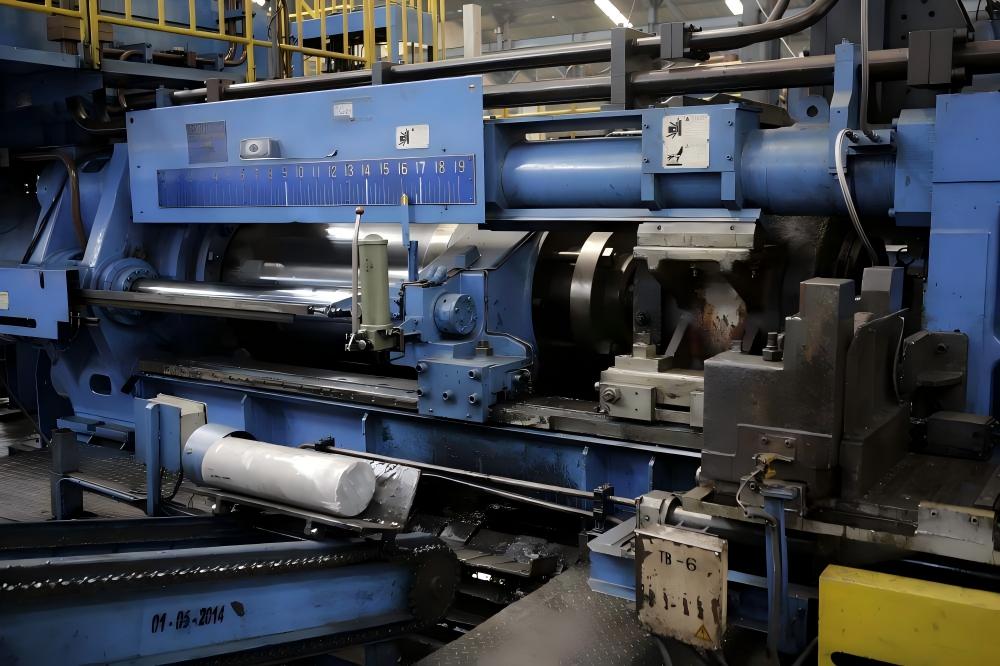
Auditory checks are equally important. An experienced operator knows the “song” of a healthy press. Unusual high-pitched whining from the hydraulic pumps often suggests cavitation—a condition where air bubbles form in the oil, leading to rapid pump destruction. Clunking or grinding noises during the movement of the die slide or the container usually point to lubrication failure or mechanical obstruction. If any of these sounds are present, production should be halted until a maintenance technician can verify the cause.
Deep Dive into Hydraulic System Maintenance
The hydraulic system is the lifeblood of the aluminium extrusion press. It provides the massive force required to push a solid aluminium billet through a precision die. To maintain an aluminium extrusion press for stable production, the hydraulic fluid must be kept clean, cool, and chemically stable. Contamination is the number one killer of hydraulic components, responsible for over 70% of system failures.
Oil analysis should be conducted at least quarterly. This involves sending a sample to a laboratory to check for particulate matter (measured by ISO 4406 standards), water content, and additive depletion. High levels of metallic particles often indicate internal wear in the pumps or valves. If the oil appears milky, it is a sign of water contamination, which can lead to corrosion and reduced lubricity. HARSLE recommends using high-quality anti-wear hydraulic oil and maintaining a filtration level of at least 10 microns.
Temperature control is the second pillar of hydraulic health. Most extrusion presses are designed to operate with oil temperatures between 40°C and 55°C. If the temperature exceeds 60°C, the oil’s viscosity drops, leading to increased internal leakage and accelerated seal wear. Ensure that the heat exchangers (whether air-cooled or water-cooled) are clean and that the cooling water flow is unobstructed. Proportional valves and servo valves, which control the precision of the ram movement, are particularly sensitive to temperature fluctuations and oil cleanliness.
Electrical and Control System Integrity
Modern HARSLE extrusion presses rely on sophisticated PLC (Programmable Logic Controller) systems and HMI (Human Machine Interface) panels to manage the complex sequence of the extrusion cycle. Maintaining the electrical system is critical for ensuring that the press operates within its safety parameters and maintains consistent cycle times. Dust, heat, and vibration are the primary enemies of electrical components in a metal fabrication environment.
Monthly inspections should include cleaning the electrical cabinets. Use a vacuum rather than compressed air to avoid pushing conductive dust into sensitive relays or circuit breakers. Check all wiring connections for tightness; thermal cycling can cause wires to loosen over time, leading to intermittent faults or even electrical fires. Pay close attention to the limit switches and proximity sensors that track the position of the ram, container, and die slide. If a sensor is misaligned or dirty, it can cause the press to stop mid-cycle or, worse, allow a mechanical collision.
Software and calibration also fall under electrical maintenance. Periodically verify that the pressure transducers and linear transducers are calibrated correctly. If the PLC thinks the ram is at 500mm when it is actually at 505mm, the entire extrusion recipe will be off, leading to inconsistent butt-end thickness and potential damage to the die. Keeping a backup of the PLC program and HMI configurations is a mandatory safety measure for stable production.
Mechanical Alignment and Structural Integrity
The mechanical structure of an aluminium extrusion press must withstand incredible stresses. The main components—the platen, the cylinder crosshead, the container, and the tie rods—must remain in perfect alignment to ensure the force is applied evenly to the billet. Misalignment is a common cause of uneven wall thickness in profiles and premature wear on the container liner and dummy block.
Tie rod tensioning is a critical aspect of structural maintenance. Tie rods act like giant springs that hold the press together under load. If the tension is uneven, the press frame can twist, leading to catastrophic structural failure. Using ultrasonic tension meters or hydraulic nuts, technicians should periodically verify that each tie rod is carrying its fair share of the load. Additionally, inspect the tie rod nuts for any signs of cracking or loosening.
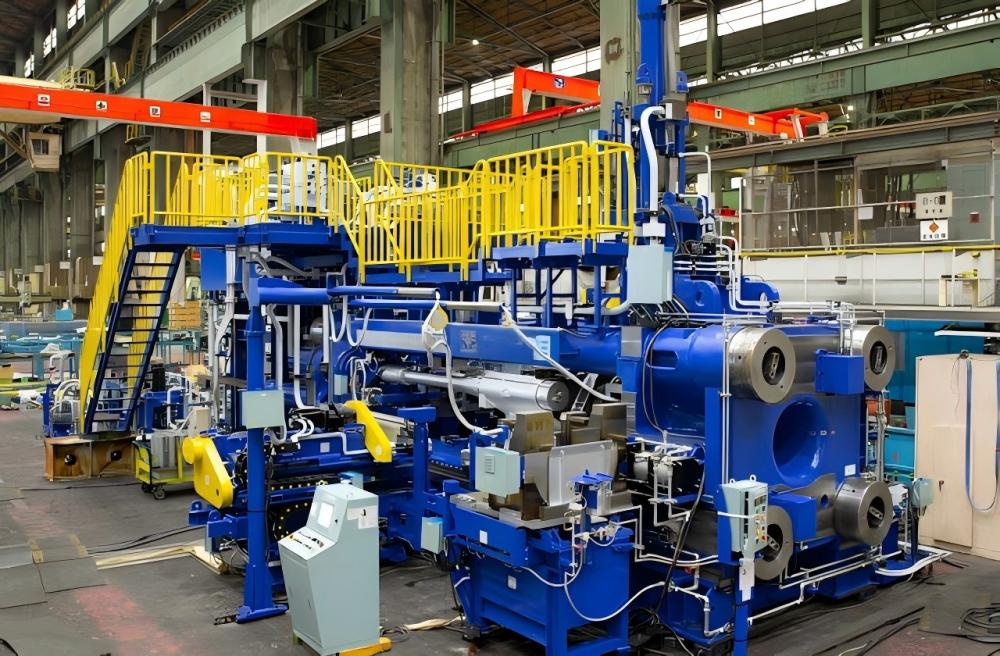
The container heating system also requires regular attention. The container must be heated uniformly to prevent thermal gradients that can cause the container to warp or the liner to crack. Check the heating elements (whether electrical resistance or induction) for continuity and ensure the thermocouples are providing accurate readings. A “cold spot” in the container can cause the aluminium billet to flow unevenly, resulting in surface defects on the finished profile.
Developing a Robust Lubrication Plan
Lubrication is the simplest yet most frequently neglected aspect of maintaining an aluminium extrusion press for stable production. In an environment characterized by high heat and heavy loads, the choice of lubricant and the frequency of application are paramount. There are two main areas of lubrication: the mechanical slideways and the tooling interfaces.
The main ram guides and the container housing slides require a high-pressure, heat-resistant grease. Many HARSLE presses are equipped with automatic lubrication systems. These systems must be checked daily to ensure the reservoir is full and that the distribution lines are not blocked. A blocked line can lead to a “dry” slide, which will quickly gall and score the precision-ground surfaces, requiring expensive machining to repair.
For the tooling—specifically the dummy block and the shear blade—specialized lubricants are used to prevent the aluminium from sticking to the steel. Graphite-based lubricants are traditional, but many modern plants are moving toward boron nitride sprays to maintain a cleaner working environment. Proper application of these lubricants ensures a clean separation of the butt-end and prevents “pick-up” defects on the profile surface. Over-lubrication should be avoided, as excess grease can contaminate the aluminium and cause internal defects in the extrusion.
Troubleshooting Common Production Signals
To maintain an aluminium extrusion press for stable production, maintenance teams must become “detectives,” interpreting subtle signals from the machine to diagnose problems before they cause a breakdown. One of the most common signals is a change in the extrusion pressure curve. If the pressure required to extrude a standard billet suddenly increases, it may indicate that the container heaters are failing or that the die is reaching the end of its service life.
Another signal is the appearance of “streaks” or “tears” on the aluminium profile. While this can be related to billet quality or die design, it is often a maintenance issue. For instance, if the container is not sealing perfectly against the die, air can be sucked into the extrusion, causing blisters. Alternatively, if the cooling system for the run-out table is inconsistent, the profiles may warp or develop uneven hardness. Monitoring these quality signals allows the maintenance team to target their efforts effectively.
Vibration is another key indicator. Excessive vibration in the hydraulic lines often points to loose mounting brackets or a failing accumulator. Accumulators are nitrogen-filled pressure vessels that dampen hydraulic shocks. If the nitrogen bladder leaks, the system loses its damping ability, leading to “hydraulic hammer” that can burst pipes and damage valves. Regularly checking the nitrogen pre-charge pressure is a vital troubleshooting step.
Comprehensive Maintenance Schedule Table
A structured schedule is the backbone of any successful maintenance program. Below is a recommended timeline for HARSLE aluminium extrusion presses.
| Frequency | Component | Action Required |
|---|---|---|
| Daily | Hydraulic Unit | Check oil level, temperature, and look for leaks. |
| Daily | Lubrication System | Verify grease reservoir levels and pump operation. |
| Weekly | Filters | Inspect pressure gauges on filters; replace if bypassed. |
| Weekly | Shear Blade | Check for sharpness and proper clearance. |
| Monthly | Electrical Cabinet | Vacuum dust, check for loose connections and hot spots. |
| Monthly | Sensors/Transducers | Clean and verify alignment of all limit switches. |
| Quarterly | Hydraulic Oil | Perform laboratory oil analysis (ISO 4406). |
| Quarterly | Accumulators | Check and adjust nitrogen pre-charge pressure. |
| Annually | Tie Rods | Perform ultrasonic testing for cracks and check tension. |
| Annually | Main Cylinder | Inspect seals and check for internal bypass leakage. |
Frequently Asked Questions
1. How often should I change the hydraulic oil in my extrusion press?
There is no fixed timeframe for oil changes. Instead, you should rely on quarterly oil analysis. If the oil’s viscosity, additive levels, and cleanliness remain within the manufacturer’s specifications, the oil can last for several years. However, filters should be changed as soon as the indicators show they are dirty.
2. Why is my aluminium profile coming out with inconsistent dimensions?
Inconsistent dimensions are often caused by mechanical misalignment or temperature fluctuations. Check the alignment of the stem and container, and ensure that the container heating elements are functioning correctly. Also, verify that the hydraulic pressure is stable throughout the extrusion stroke.
3. What is the most common cause of pump failure?
Cavitation and contamination are the leading causes. Cavitation occurs when the pump cannot get enough oil (often due to a clogged suction strainer or air leak), while contamination involves hard particles scratching the internal precision surfaces of the pump.
4. Can I use any grease for the main ram slides?
No. You must use a high-temperature, extreme-pressure (EP) grease, typically one containing molybdenum disulfide or a similar solid lubricant. Standard automotive grease will break down under the heat and pressure of an extrusion press.
5. How do I know if my tie rods are properly tensioned?
The most accurate way is to use a hydraulic tensioning system or ultrasonic measurement. If you notice the press frame “gaping” or moving excessively during the extrusion stroke, it is a strong sign that the tie rods need to be checked and re-tensioned.
Conclusion: The Path to Stable Production
To maintain an aluminium extrusion press for stable production is a continuous journey of observation, adjustment, and care. By following the protocols outlined in this guide—from daily sensory checks to annual structural audits—you ensure that your HARSLE equipment remains a reliable asset in your production line. Remember that maintenance is not a cost center; it is an investment in quality and safety. A well-maintained press produces better profiles, uses less energy, and provides a safer environment for your operators. Stay proactive, keep your hydraulic systems pristine, and never ignore the small signals your machine gives you. With these practices, your aluminium extrusion operation will achieve the stability and excellence required to compete in today’s demanding global market.