Comprehensive Guide to Common Aluminium Extrusion Press Wear Parts and How to Inspect Them

The Critical Role of Maintenance in Aluminium Extrusion
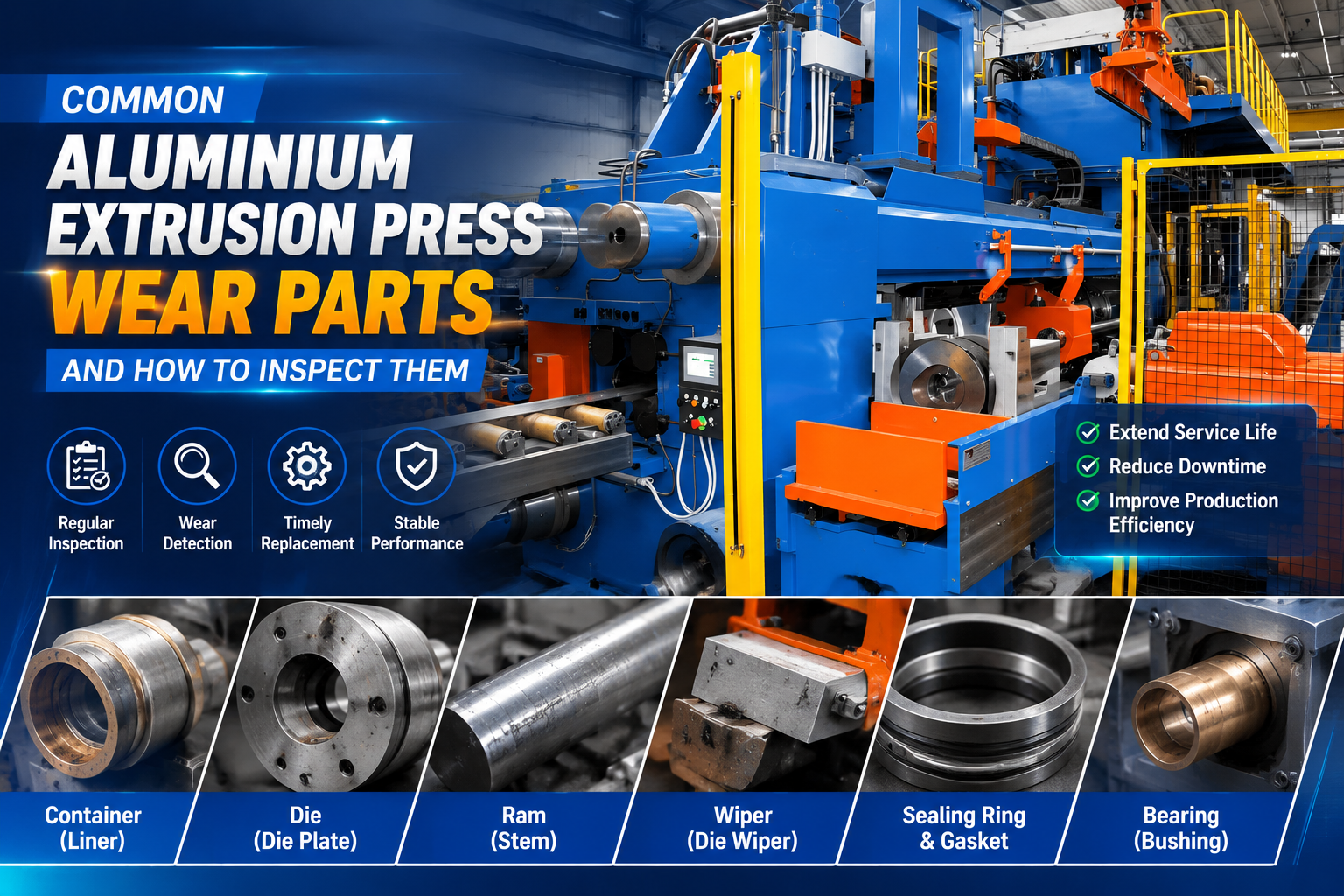
In the high-stakes world of metal fabrication, the aluminium extrusion press stands as a cornerstone of production. These massive machines exert thousands of tons of pressure to transform solid aluminium billets into intricate profiles used in everything from aerospace components to window frames. However, the extreme thermal and mechanical stresses inherent in this process mean that certain components are destined to wear out. Understanding the Common Aluminium Extrusion Press Wear Parts Inspect Them protocol is not just about machine longevity; it is about ensuring product quality, operator safety, and operational profitability.
When maintenance is neglected, the cost is rarely limited to the price of a replacement part. The true cost includes unplanned downtime, wasted raw materials, and potential damage to non-wear components like the main cylinder or the press frame. For operators using HARSLE equipment, a proactive approach to identifying wear before it leads to failure is the hallmark of a world-class facility. This guide provides a deep dive into the components that require the most attention and the specific methodologies used to evaluate their condition.
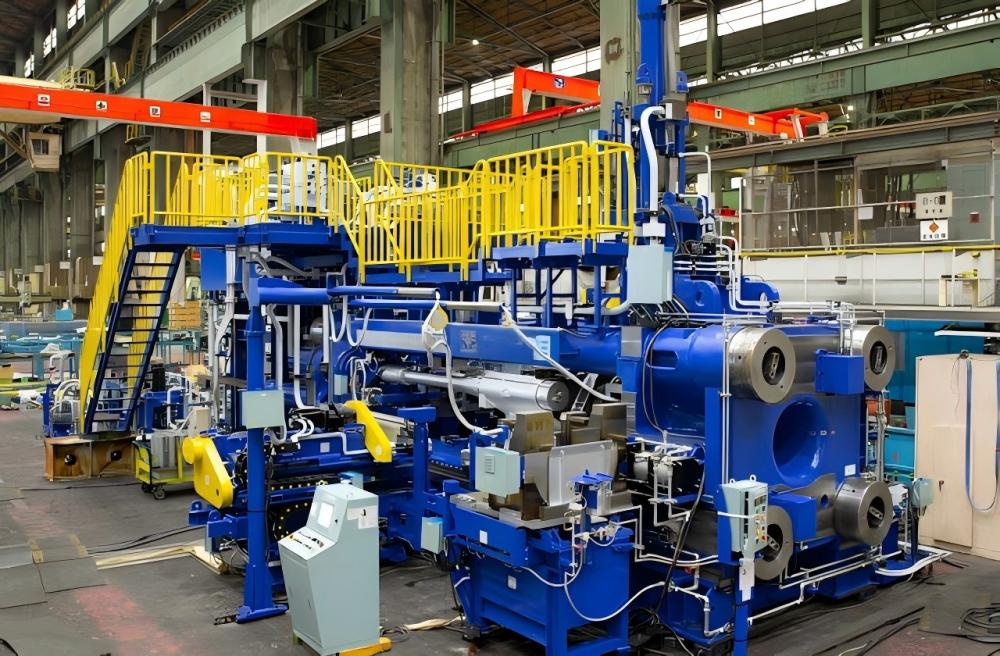
The extrusion environment is characterized by temperatures often exceeding 450°C and pressures that can reach 210 bar or higher. In such an environment, metal fatigue, thermal expansion, and abrasive wear are constant threats. By focusing on the Common Aluminium Extrusion Press Wear Parts Inspect Them strategy, maintenance teams can transition from reactive ‘firefighting’ to a predictive maintenance model that maximizes the Return on Investment (ROI) of the machinery.
Daily Inspection: The First Line of Defense
The daily inspection routine is the most effective way to catch minor issues before they escalate into catastrophic failures. This process should begin with a visual sweep of the entire machine while it is in a cold state, followed by observations during the initial warm-up cycles. Operators should look for signs of hydraulic fluid weeping from fittings, which indicates the early stages of seal failure or vibration-induced loosening of connectors.
Another critical daily check involves the extrusion stem and dummy block alignment. If the stem is not perfectly centered as it enters the container, it will cause uneven wear on the liner and potentially lead to a broken stem—a costly and dangerous occurrence. Checking the ‘dead cycle’ time is also vital; any increase in the time it takes for the press to reset between billets can indicate sluggish hydraulic valves or friction in the guide ways. Monitoring the temperature of the container and the billet heater is equally important, as overheating can accelerate the wear of specialized tool steels.
Finally, the daily inspection must include a check of the shear blade and the die slide. Debris accumulation in these areas can prevent proper sealing, leading to ‘back-end’ defects in the extruded profile. A clean machine is an easier machine to inspect, so daily housekeeping should be integrated into the inspection checklist. By consistently applying the Common Aluminium Extrusion Press Wear Parts Inspect Them mindset every morning, teams can ensure the press is ready for the rigors of a full production shift.
Identifying and Inspecting Mechanical Wear Parts
The Extrusion Stem and Dummy Block
The extrusion stem is the component that pushes the dummy block against the heated aluminium billet. Because it transmits the full force of the main ram, it is subject to immense compressive stress. Inspection of the stem involves checking for ‘mushrooming’ at the tip and looking for any longitudinal cracks using non-destructive testing (NDT) methods like dye penetrant or ultrasonic testing. Even a slight bend in the stem can lead to catastrophic failure under load.
The dummy block, whether fixed or floating, is a primary wear part. It must maintain a precise clearance with the container liner to prevent aluminium ‘back-flow.’ Inspect the edges of the dummy block for rounding or chipping. If the dummy block is too small, it will leave a thick skin of aluminium on the liner; if it is too large, it will score the liner walls. Measuring the diameter of the dummy block with high-precision calipers at multiple points is a critical part of the Common Aluminium Extrusion Press Wear Parts Inspect Them routine.
Container Liners and Die Holders
The container liner is the ‘barrel’ in which the extrusion takes place. It is subjected to extreme friction and thermal cycling. Over time, the inner diameter of the liner will increase, or the surface will become ‘wavy.’ Inspection requires a bore gauge to check for ovality and taper. If the liner is worn beyond the manufacturer’s specifications, it must be replaced or relined to prevent air entrapment and surface defects in the finished profiles.
Die holders and bolsters must also be inspected for flatness. Under the immense pressure of extrusion, these components can ‘dish’ or deform. A dished die holder will cause the die to flex, leading to dimensional inaccuracies in the aluminium profile. Using a precision straight-edge and feeler gauges can help identify deformation early. These mechanical components are the heart of the extrusion process, and their precision directly dictates the quality of the output.
Hydraulic System Checks: The Lifeblood of the Press
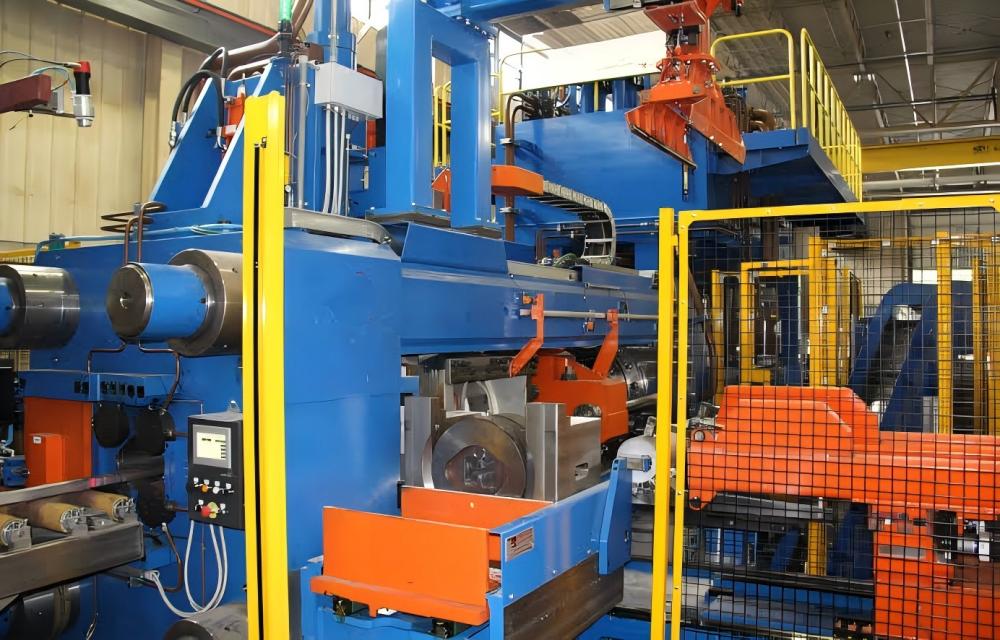
The hydraulic system of an aluminium extrusion press is a complex network of pumps, valves, and cylinders. The most common wear parts here are the seals and the pump rotating groups. Hydraulic oil should be sampled and analyzed monthly for particulate contamination and chemical breakdown. High levels of bronze or steel particles in the oil are a clear signal that a pump or motor is nearing the end of its service life.
Inspecting the main cylinder seals involves looking for external leakage and performing a ‘drift test.’ If the ram moves forward or backward when the valves are in the neutral position, it indicates internal bypass leakage across the piston seals. Furthermore, the hydraulic filters must be monitored; a clogged filter will trigger a bypass valve, allowing contaminated oil to circulate through sensitive proportional valves, leading to erratic press behavior and accelerated wear.
Accumulators, which provide the rapid flow needed for certain press movements, also require inspection. The nitrogen pre-charge pressure should be checked regularly. If the pre-charge is too low, the pump will work harder, leading to overheating and premature wear of the pump seals. The Common Aluminium Extrusion Press Wear Parts Inspect Them process for hydraulics is as much about the fluid as it is about the hardware.
Electrical and Control System Maintenance
While not ‘wear parts’ in the traditional mechanical sense, electrical components like sensors, limit switches, and solenoid coils have a finite cycle life. In the heat and vibration of an extrusion plant, wiring can become brittle and connections can loosen. Inspection should involve thermal imaging of the electrical cabinet to identify ‘hot spots’—breakers or contactors that are failing and generating excess heat due to high resistance.
Linear transducers and encoders, which provide feedback on the position of the ram and container, must be checked for mounting rigidity. If a sensor is loose, the PLC (Programmable Logic Controller) will receive inaccurate data, potentially causing a mechanical collision. Calibration of pressure transducers is also essential to ensure the press is actually exerting the force indicated on the operator’s screen. Modern HARSLE presses feature advanced diagnostics, but manual inspection of the physical hardware remains a necessity.
The Lubrication Plan: Reducing Friction and Wear
Effective lubrication is the most cost-effective way to extend the life of wear parts. In an aluminium extrusion press, there are two distinct types of lubrication: machine lubrication (for moving parts like guide rails) and process lubrication (for the die and dummy block). For the machine, an automatic lubrication system is preferred, but it must be inspected daily to ensure all points are receiving grease. A blocked line can lead to a seized guide rail in a matter of days.
Process lubrication often involves the use of boron nitride or graphite-based sprays. These prevent the hot aluminium from sticking to the steel tooling. However, over-lubrication can lead to ‘carbon inclusions’ in the finished profile, while under-lubrication causes ‘pick-up’ and tearing of the metal surface. The Common Aluminium Extrusion Press Wear Parts Inspect Them strategy includes evaluating the effectiveness of the lubrication application system, ensuring that the spray nozzles are clean and correctly aimed.
Troubleshooting Signals: What the Machine is Telling You
Experienced operators can often ‘hear’ when a wear part is failing. A high-pitched whine from the hydraulic pump suggests cavitation or air ingestion. A ‘clunking’ sound during the container shift indicates worn bushings or loose mounting bolts. Beyond sound, the quality of the extruded profile is a primary diagnostic tool. For example, if the profile shows consistent surface scratches, the die or the container liner likely has a physical defect that needs to be polished out or replaced.
Vibration is another key signal. Excessive vibration in the hydraulic piping can lead to fatigue cracks and sudden oil loss. Using a handheld vibration meter on the main motors and pumps can provide a baseline for ‘normal’ operation, making it easy to spot deviations. When you Common Aluminium Extrusion Press Wear Parts Inspect Them, you are essentially learning the language of the machine, allowing you to intervene before a minor ‘stutter’ becomes a total breakdown.
Maintenance Schedule Table
| Frequency | Component | Action Required | Inspection Method |
|---|---|---|---|
| Daily | Hydraulic Fittings | Check for leaks | Visual Inspection |
| Daily | Extrusion Stem | Check alignment | Visual / Laser Alignment |
| Weekly | Dummy Block | Measure diameter | Precision Calipers |
| Weekly | Guide Rails | Check lubrication | Physical Touch / Visual |
| Monthly | Hydraulic Oil | Contamination analysis | Laboratory Sampling |
| Monthly | Container Liner | Check for wear/scoring | Bore Gauge / Internal Light |
| Quarterly | Main Cylinder Seals | Drift test | Pressure Monitoring |
| Annually | Tie Rods | Tension & Crack check | Ultrasonic Testing (UT) |
Frequently Asked Questions (FAQ)
1. How often should I replace the dummy block?
The lifespan of a dummy block depends on the alloy being extruded and the cycle time. Generally, a dummy block should be replaced or refurbished when its diameter falls below the minimum tolerance required to maintain a proper seal with the liner, or if it shows signs of permanent deformation (mushrooming).
2. What causes the extrusion stem to break?
Stem breakage is usually caused by misalignment, excessive pressure, or thermal fatigue. If the stem is not perfectly centered, it experiences side-loading, which it is not designed to handle. Regular alignment checks are the best way to prevent this catastrophic failure.
3. Why is my hydraulic oil overheating?
Overheating is often caused by internal leakage in pumps or valves, a clogged heat exchanger, or incorrect nitrogen pre-charge in the accumulators. High temperatures accelerate the breakdown of seals and the oil itself, leading to a vicious cycle of wear.
4. Can I repair a scored container liner?
Minor scoring can sometimes be polished out, but deep grooves or significant wear usually require the liner to be replaced. Some containers allow for the inner liner to be pressed out and a new one inserted, which is more cost-effective than replacing the entire container housing.
5. What is the benefit of using boron nitride over graphite?
Boron nitride is often preferred because it is non-conductive and does not create the ‘black mess’ associated with graphite. It also provides excellent release properties at high temperatures without the risk of carbon contamination in the aluminium profile.
6. How do I know if my tie rods are loose?
Loose or unevenly tensioned tie rods can be detected by measuring the ‘stretch’ of the rods under pressure or by using ultrasonic tension meters. Uneven tension can cause the press frame to twist, leading to misalignment of all other components.
Conclusion
Mastering the Common Aluminium Extrusion Press Wear Parts Inspect Them protocol is an essential skill for any facility aiming for peak performance. By combining daily visual checks with advanced NDT methods and a rigorous lubrication schedule, operators can ensure that their HARSLE extrusion press remains a reliable asset for decades. Remember, the goal of maintenance is not just to fix what is broken, but to understand the wear patterns of your specific operation and stay one step ahead of the machine’s needs. Investing time in inspection today prevents the high cost of failure tomorrow.