Industrial Shredder Maintenance Checklist for Maximum Uptime

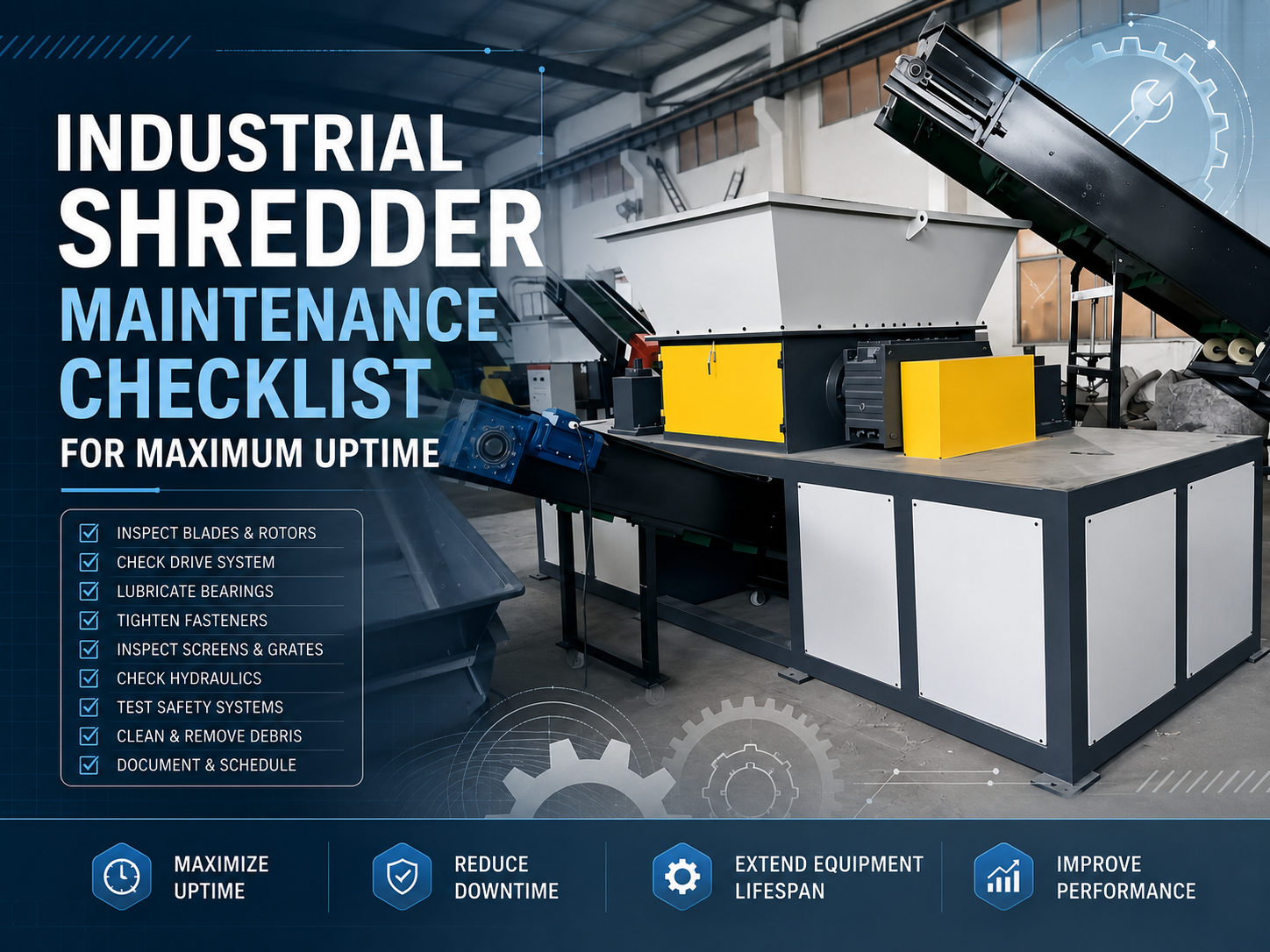
The Critical Role of Maintenance in Industrial Shredding Operations
In the world of heavy-duty recycling and waste management, the industrial shredder stands as the workhorse of the facility. Whether you are processing scrap metal, plastics, or electronic waste, the efficiency of your operation is directly tied to the health of your shredding equipment. Implementing a rigorous Industrial Shredder Maintenance Checklist for Maximum Uptime is not merely a recommendation; it is a financial necessity. When a shredder goes offline unexpectedly, the ripple effects are felt throughout the entire production line, leading to missed deadlines, idle labor, and significant repair costs.
HARSLE understands that industrial shredders operate in some of the most demanding environments imaginable. These machines are subjected to extreme torque, high-impact forces, and abrasive materials on a constant basis. Without a structured maintenance plan, the internal components—many of which are precision-engineered—will inevitably succumb to wear and tear. Preventative maintenance shifts the focus from reactive repairs to proactive care, ensuring that small issues are identified and rectified before they escalate into catastrophic failures.
The primary goal of this guide is to provide facility managers and operators with a comprehensive framework for maintaining their shredding assets. By following these protocols, you can extend the service life of your blades, protect your hydraulic systems, and ensure that your electrical components remain reliable. Maximum uptime is achieved when every part of the machine works in harmony, and that harmony is maintained through consistent, disciplined inspection and service.
Furthermore, a well-maintained shredder is a safer shredder. Many industrial accidents are the result of mechanical failures that could have been prevented. Loose bolts, frayed wires, or leaking hydraulic fluid are not just efficiency killers; they are safety hazards. By prioritizing the Industrial Shredder Maintenance Checklist for Maximum Uptime, you are also prioritizing the well-being of your workforce. Let us delve into the specific steps required to keep your HARSLE shredder running at peak performance.
Daily Inspection: The First Line of Defense
The daily inspection is perhaps the most important part of any maintenance routine. It is a quick yet thorough assessment performed at the start and end of every shift. The objective is to ensure the machine is in a safe and functional state before it begins processing material. Operators should be trained to look for visual cues that indicate potential problems. This includes checking for loose fasteners, debris buildup in the hopper, and any signs of fluid leakage on the floor beneath the machine.
One of the most critical daily tasks is the inspection of the cutting chamber. Before starting the machine, operators must ensure that no “unshreddables”—materials that exceed the machine’s capacity or hardness rating—have been left in the hopper. Clearing out residual material prevents the motor from starting under a heavy load, which can cause electrical surges or mechanical strain. Additionally, checking the condition of the safety curtains and emergency stop buttons is mandatory. A shredder should never be operated if its safety features are compromised.
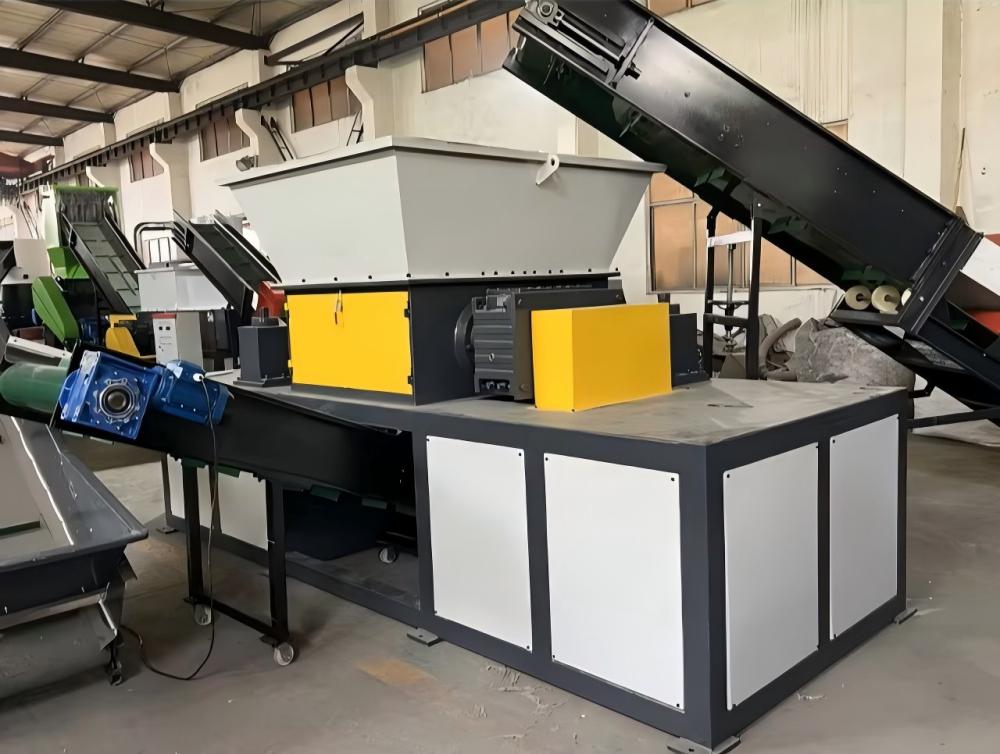
Noise and vibration monitoring are also part of the daily routine. Experienced operators develop an “ear” for the machine. A new rattle, a high-pitched squeal, or an unusual rhythmic thumping can all be early warning signs of bearing failure or blade misalignment. If any unusual sounds are detected, the machine should be shut down immediately for a more detailed investigation. Documenting these daily checks in a logbook helps track the machine’s history and identifies recurring issues that may need engineering attention.
Finally, the daily check should include a review of the discharge area. If the shredded material is not being cleared efficiently, it can back up into the cutting chamber, causing unnecessary friction and heat. Ensuring that conveyors or collection bins are positioned correctly and functioning well is vital for maintaining a continuous flow. This holistic approach to daily maintenance ensures that the shredder is not just running, but running efficiently within its designed parameters.
Mechanical Checks: Blades, Shafts, and Bearings
The mechanical core of an industrial shredder is where the actual work happens. The blades (or knives) are the most frequently replaced wear parts. To achieve Industrial Shredder Maintenance Checklist Maximum Uptime, the sharpness and spacing of these blades must be monitored closely. Dull blades do not cut; they tear and crush, which requires significantly more energy and places immense stress on the shafts and motors. Regularly checking the gap between the rotor knives and the counter-knives is essential for maintaining throughput quality and reducing power consumption.
Shaft alignment is another critical mechanical factor. In dual-shaft or quad-shaft shredders, the synchronization of the shafts is paramount. Any misalignment can lead to uneven wear on the gears and bearings. Over time, the high-torque nature of shredding can cause bolts to stretch or loosen. Periodically checking the torque on all major structural bolts and blade-securing hardware is necessary. Using a calibrated torque wrench ensures that components are held together with the exact force specified by HARSLE’s engineering standards.
Bearings are the unsung heroes of the shredder, supporting the massive loads generated during operation. They must be checked for excessive heat and play. A bearing that is running hot is often a sign of either over-lubrication or the beginning of internal failure. Using an infrared thermometer to take temperature readings at consistent intervals can provide a baseline for what is “normal” for your specific application. If a bearing’s temperature spikes, it is time to inspect it for contamination or wear.
Drive belts and chains also require attention. In belt-driven models, proper tension is key to efficient power transfer. Belts that are too loose will slip and glaze, while belts that are too tight will put excessive radial load on the motor and gearbox bearings. Chains should be inspected for “stretch” (elongation) and proper lubrication. Replacing a worn belt or chain is a low-cost task that prevents a high-cost breakdown during a production peak.
Hydraulic and Electrical System Maintenance
Many high-capacity shredders utilize hydraulic drive systems or hydraulic rams to feed material into the cutters. The hydraulic system is the “circulatory system” of the machine, and its health is dependent on the quality of the fluid. Contaminated hydraulic oil is the leading cause of pump and valve failure. Regularly sampling the oil for particulate matter and moisture is a best practice. Filters should be changed according to the manufacturer’s schedule, or sooner if the environment is particularly dusty.
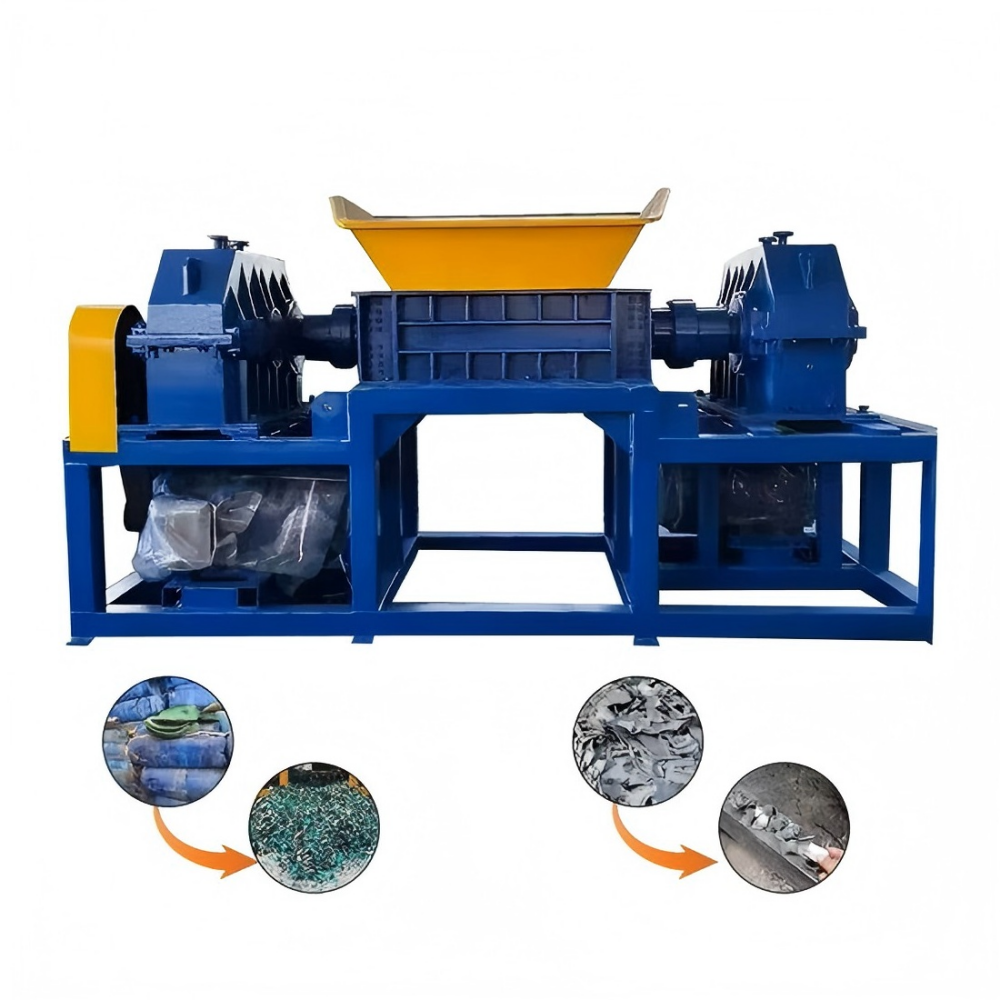
Temperature control within the hydraulic system is equally important. Hydraulic fluid loses its lubricating properties if it gets too hot, leading to rapid wear of internal components. Ensure that the oil coolers are clean and that the cooling fans are operational. Leaks, no matter how small, should be addressed immediately. A small drip today can become a high-pressure spray tomorrow, posing a fire risk and causing environmental contamination.
On the electrical side, the control panel is the “brain” of the shredder. Because shredders vibrate, electrical connections can loosen over time. A loose wire can cause intermittent faults, overheating, or even electrical fires. During scheduled downtime, a qualified electrician should tighten all terminals and inspect contactors for signs of pitting or arcing. Dust is another enemy of electrical systems; it can act as an insulator, causing components to overheat, or it can be conductive, leading to short circuits. Keeping the electrical cabinet clean and sealed is vital.
Modern HARSLE shredders often feature PLC (Programmable Logic Controller) systems that provide diagnostic data. Operators should be trained to interpret error codes and monitor motor amperage. If the motor is consistently drawing more current than usual for a specific material, it may indicate that the blades are dull or that there is a mechanical obstruction. Utilizing the data provided by the machine’s own sensors is a sophisticated way to maintain Industrial Shredder Maintenance Checklist Maximum Uptime.
Lubrication Plan: The Key to Longevity
Lubrication is the single most effective way to reduce friction and wear in an industrial shredder. However, it must be done correctly. A “more is better” approach can be just as damaging as under-lubrication. For example, over-greasing a high-speed bearing can cause it to churn the lubricant, leading to heat buildup and seal failure. A proper lubrication plan specifies the type of lubricant (grease vs. oil), the amount to be applied, and the frequency of application for every point on the machine.
Critical lubrication points typically include the main shaft bearings, gearbox, drive chains, and any sliding surfaces like hydraulic ram guides. In environments with high levels of dust or moisture, the lubricant also acts as a seal, preventing contaminants from entering sensitive areas. This is why using the correct grade of lubricant—often an EP (Extreme Pressure) rated grease—is essential for shredding applications where shock loads are common.
Many facilities are moving toward automated lubrication systems. These systems deliver small, precise amounts of grease at frequent intervals while the machine is running. This ensures that the bearings are always optimally lubricated and reduces the risk of human error or missed service points. If your shredder is equipped with an auto-lube system, your maintenance task shifts to ensuring the reservoir is full and the delivery lines are not blocked or broken.
For manual lubrication, consistency is key. Maintenance personnel should use a dedicated grease gun for the shredder to avoid cross-contamination of different grease types. Mixing incompatible greases can cause the lubricant to harden or separate, leading to immediate bearing failure. A clear chart or color-coding system on the machine can help ensure that the right lubricant goes into the right port every time.
Troubleshooting Signals: Identifying Problems Early
Even with the best maintenance, parts will eventually wear out. The key to maintaining maximum uptime is recognizing the signals of impending failure. One of the most common signals is a change in the output material. If the shredded pieces are becoming larger, more irregular, or “stringy,” it is a clear indication that the blade tolerances have opened up or the knives have rounded off. Monitoring output quality is a non-invasive way to judge the internal state of the cutting chamber.
Another signal is the frequency of “reversals.” Most modern shredders have an auto-reverse feature that triggers when the motor hits a certain torque limit. If the machine is reversing more frequently than usual on the same type of material, it suggests that the cutting efficiency has dropped. This could be due to dull blades, a failing motor, or a problem in the hydraulic drive circuit. Tracking these events through the PLC can provide a “health score” for the machine.
Thermal imaging is a powerful troubleshooting tool. By scanning the motor, gearbox, and bearings during operation, maintenance teams can identify “hot spots” that are not visible to the naked eye. A gearbox that is significantly hotter than the motor it is attached to may have internal gear wear or a failing oil pump. Early detection through thermography allows for a planned shutdown on a weekend rather than an emergency shutdown during a busy Tuesday morning.
Finally, pay attention to fluid consumption. If you are constantly topping off hydraulic oil or gearbox oil, there is a leak that needs to be found. External leaks are easy to spot, but internal leaks—such as a hydraulic cylinder leaking past its seals—require more diagnostic effort. Excessive oil consumption is an expensive and messy problem that always points to an underlying mechanical issue.
Comprehensive Maintenance Schedule Table
To simplify the implementation of these tasks, use the following table as a template for your facility’s maintenance program. Adjust the frequencies based on your specific material and shift patterns.
| Frequency | Component | Action Required | Goal |
|---|---|---|---|
| Daily | Hopper & Chamber | Clear debris and check for unshreddables | Prevent motor strain |
| Daily | Safety Systems | Test E-stops and interlocks | Operator safety |
| Daily | Visual/Audio | Check for leaks and unusual noises | Early detection |
| Weekly | Blades/Knives | Inspect for chips and check clearances | Maintain throughput |
| Weekly | Drive Belts/Chains | Check tension and alignment | Efficient power transfer |
| Monthly | Hydraulic System | Check fluid levels and filter indicators | System longevity |
| Monthly | Electrical Panel | Clean dust and check for loose wires | Prevent electrical faults |
| Quarterly | Bearings | Detailed inspection and temperature check | Prevent catastrophic failure |
| Quarterly | Bolts/Fasteners | Torque check on all structural components | Structural integrity |
| Annually | Oil Analysis | Complete hydraulic and gearbox oil lab test | Predictive maintenance |
Frequently Asked Questions (FAQ)
How often should I sharpen my shredder blades?
The frequency of sharpening depends entirely on the material being processed. Shredding abrasive materials like glass-filled plastics or contaminated metals will dull blades much faster than clean cardboard. As a general rule, inspect blades weekly and plan for sharpening or rotation when you notice a 10-15% drop in throughput or an increase in power consumption.
What is the most common cause of shredder downtime?
Contamination is the leading cause. When “unshreddables” like heavy steel plates or large rocks enter a machine not designed for them, they cause immediate mechanical damage. The second most common cause is neglected lubrication, leading to bearing or gearbox failure. Both are preventable through proper operator training and a strict maintenance checklist.
Can I use any hydraulic oil in my HARSLE shredder?
No. You must use the oil viscosity and grade specified in your owner’s manual. Using the wrong oil can lead to poor performance in cold weather or inadequate lubrication in hot weather. Always ensure the oil meets the ISO standards required for high-pressure hydraulic systems.
Why is my shredder vibrating more than usual?
Increased vibration is usually caused by an imbalance in the rotor, which can happen if blades are missing, broken, or unevenly worn. It can also be caused by loose mounting bolts or a failing bearing. Shut the machine down and perform a full mechanical inspection to identify the source before the vibration causes structural damage.
Is an automated lubrication system worth the investment?
For most high-volume industrial operations, yes. An automated system ensures that the machine is lubricated while it is running, which is the most effective time to apply grease. It removes the risk of human error and significantly extends the life of the bearings, often paying for itself in reduced repair costs and increased uptime within the first year.
Conclusion: Commitment to Excellence
Achieving Industrial Shredder Maintenance Checklist Maximum Uptime is a continuous process that requires commitment from both management and operators. By treating your shredder as a precision instrument rather than just a piece of heavy iron, you ensure that it remains a productive asset for years to come. HARSLE is dedicated to providing robust machinery, but the longevity of that machinery is ultimately in the hands of those who maintain it. Follow this guide, keep detailed records, and never ignore the small signs of trouble. Your bottom line will thank you.