Industrial Shredder Repair Prevention Tips for Fabrication and Recycling Operations

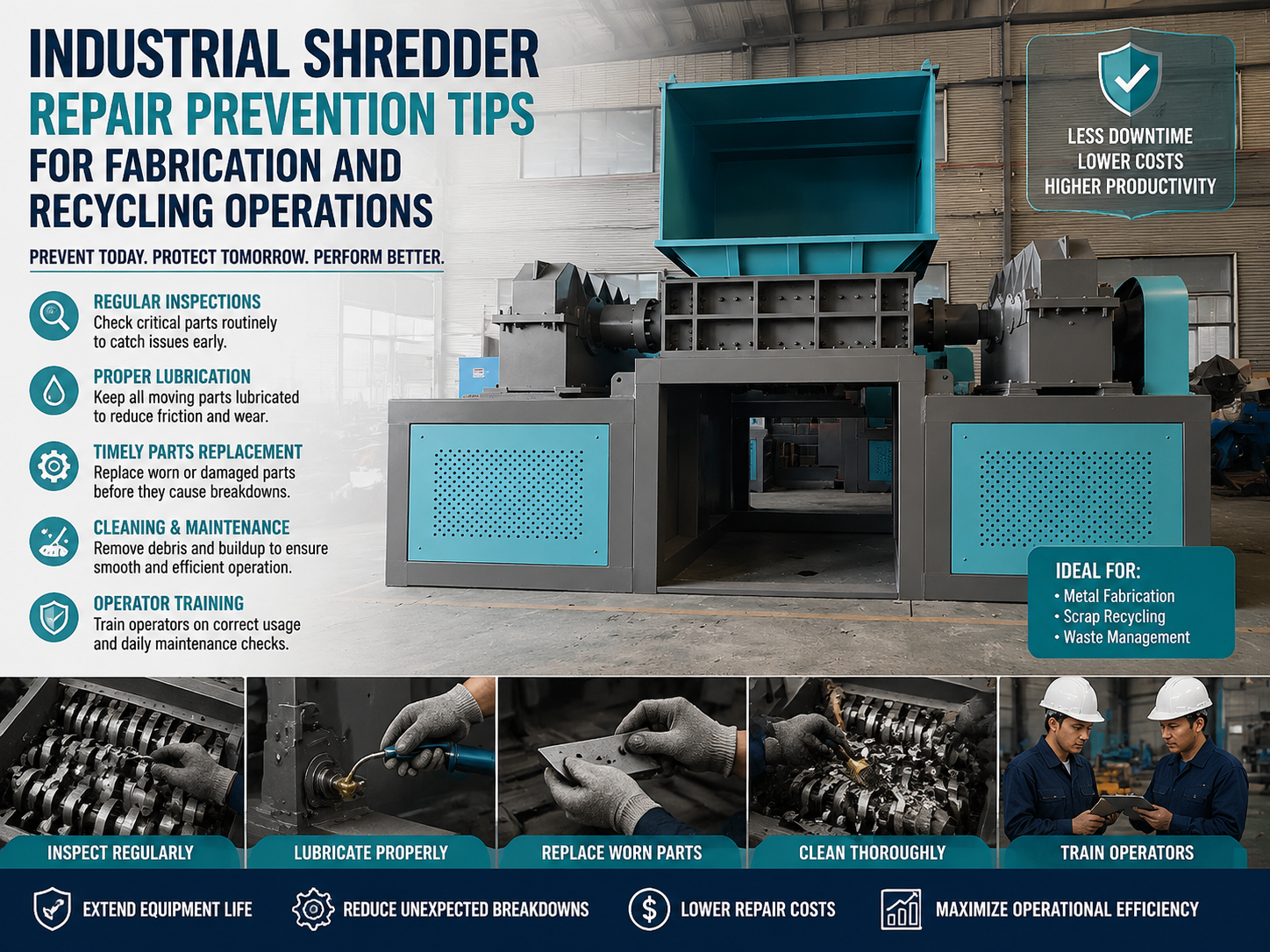
The Critical Role of Maintenance in Industrial Shredding
In the high-stakes world of metal fabrication and recycling, the industrial shredder stands as the backbone of the operation. Whether you are processing scrap aluminum, steel turnings, or electronic waste, the efficiency of your facility is directly tied to the uptime of your shredding equipment. Implementing robust industrial shredder repair prevention tips for fabrication and recycling operations is not merely a suggestion; it is a financial necessity. When a shredder fails, the ripple effect is felt throughout the entire production line, leading to missed deadlines, wasted labor costs, and expensive emergency repairs.
Preventative maintenance is the practice of identifying and addressing potential issues before they escalate into catastrophic failures. For heavy-duty machinery like those manufactured by HARSLE, durability is built into the design, but the harsh environments of recycling centers—characterized by dust, heavy impacts, and continuous operation—demand a proactive approach. By focusing on prevention, operators can extend the lifespan of their equipment by years, ensuring that the initial investment continues to yield high returns.
Furthermore, a well-maintained shredder operates more efficiently. Sharp blades and properly aligned shafts require less energy to process material, reducing utility costs. Safety is another paramount concern; a machine that is regularly inspected is far less likely to experience a mechanical failure that could endanger operators. This guide provides a deep dive into the essential strategies for maintaining industrial shredders, focusing on the specific needs of modern fabrication and recycling environments.
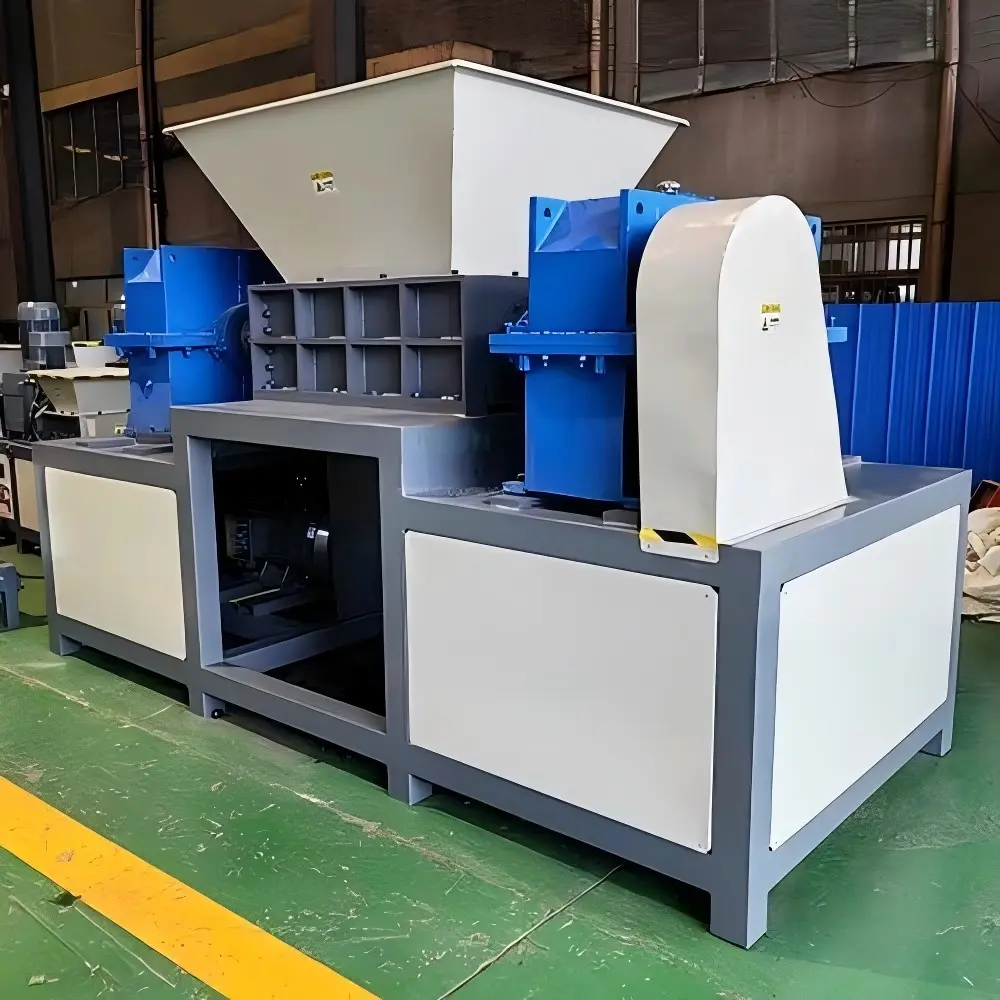
Daily Inspection: The First Line of Defense
The most effective industrial shredder repair prevention tips for fabrication and recycling operations begin with a disciplined daily inspection routine. Before the first piece of scrap enters the hopper, a designated operator should perform a comprehensive walk-around. This process should take no more than 15 to 20 minutes but can save hundreds of hours in downtime. The goal is to spot the “early warning signs” of wear and tear that occur during the previous shift.
Start by inspecting the hopper and the feeding area. Look for any foreign objects that might have been left behind or any structural damage to the hopper walls. In metal fabrication, it is common for oversized or non-shreddable items to accidentally enter the stream. Removing these manually is far easier than dealing with a jammed rotor later. Check the discharge conveyor as well; a buildup of shredded material at the exit can cause back-pressure, leading to overheating and mechanical strain on the motor.
Listen to the machine during startup. An experienced operator knows the “song” of their shredder. Any unusual grinding, squealing, or rhythmic thumping should be investigated immediately. These sounds often indicate a loose component, a failing bearing, or a blade that has become chipped. Additionally, check for fluid leaks on the floor. Even a small puddle of hydraulic fluid or gear oil can indicate a seal failure that, if left unaddressed, could lead to a complete system shutdown.
Hydraulic System Health and Monitoring
Many industrial shredders rely on hydraulic systems to drive the rotors or to power the ram feeders. The hydraulic system is the “circulatory system” of the machine, and its health is vital. One of the most important industrial shredder repair prevention tips for fabrication and recycling operations is to maintain the purity and temperature of the hydraulic oil. Contaminated oil is the leading cause of hydraulic pump and valve failure. Microscopic metal particles or dust can act as an abrasive, wearing down internal components from the inside out.
Regularly check the oil level and the condition of the filters. Most modern HARSLE shredders are equipped with pressure gauges and filter bypass indicators. If a filter is clogged, it must be replaced immediately to prevent unfiltered oil from circulating through the system. It is also wise to perform periodic oil analysis. By sending a sample to a lab, you can detect the presence of water, oxidation, or specific metal shavings that point to which internal component is wearing out.
Temperature management is equally critical. Hydraulic systems generate heat, but excessive heat breaks down the oil’s viscosity, leading to poor lubrication and damaged seals. Ensure that the oil coolers are clean and that the cooling fans are functioning correctly. In hot recycling environments, it may be necessary to install additional cooling capacity or to use high-viscosity oil designed for high-temperature operations. Always ensure that the pressure settings are within the manufacturer’s specifications; over-pressurizing the system to “force” through tough material will only lead to premature hose bursts and pump failure.
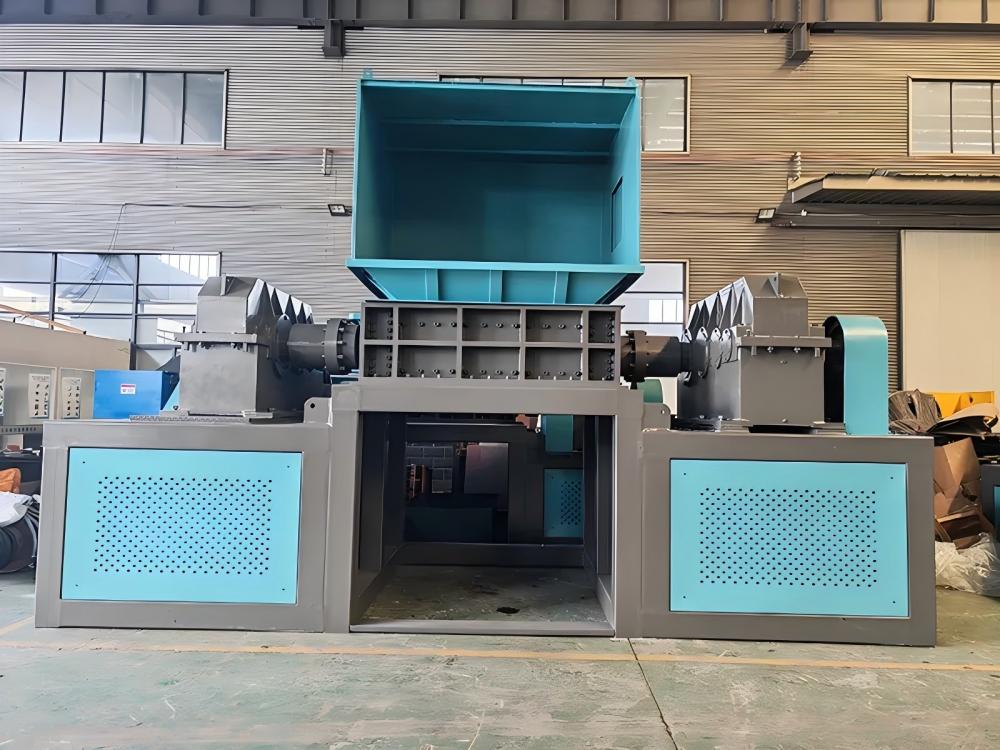
Electrical Systems and Control Logic
The electrical system of a shredder is often overlooked until a failure occurs, yet it controls every aspect of the machine’s performance. In the context of industrial shredder repair prevention tips for fabrication and recycling operations, electrical maintenance focuses on the integrity of connections and the functionality of safety sensors. Vibration is a constant in shredding operations, and over time, this vibration can loosen terminal screws in the control panel, leading to intermittent faults or even electrical fires.
Every month, a qualified electrician should inspect the control cabinet. This includes tightening connections, checking for signs of overheating (such as discolored wire insulation), and ensuring that the cooling fans for the Variable Frequency Drives (VFDs) are clear of dust. Dust is a major enemy of electronics; in a recycling facility, conductive metal dust can settle on circuit boards and cause short circuits. Using compressed air to gently blow out the control cabinet is a simple but effective preventative measure.
Furthermore, the PLC (Programmable Logic Controller) settings should be reviewed. Modern shredders use sophisticated logic to reverse the rotors if a jam is detected. If these sensors are misaligned or if the logic parameters are set too aggressively, the machine may experience unnecessary mechanical shock. Testing the emergency stop buttons and safety interlocks daily is not just a maintenance tip—it is a critical safety requirement. A failure in the safety circuit can lead to catastrophic accidents and significant legal liability for the operation.
Mechanical Integrity: Blades, Shafts, and Bearings
The mechanical components of a shredder—the blades, shafts, and bearings—are where the actual work happens. Consequently, they are subject to the highest levels of stress. To prevent expensive repairs, a strict schedule for blade inspection and rotation must be followed. Dull blades do not cut; they tear and crush, which requires significantly more torque and puts immense strain on the motor and gearbox. This increased load accelerates the wear on every other component in the machine.
In metal fabrication recycling, the hardness of the material being processed can vary wildly. Operators should monitor the gap between the cutting blades and the counter-knives. As this gap increases due to wear, the shredding efficiency drops. Many HARSLE shredders allow for blade sharpening or the replacement of individual inserts. Do not wait until the blades are completely rounded off to service them. Regular “hard-facing” or sharpening can extend the life of the blades and maintain high throughput.
Bearings and gearboxes are the heart of the mechanical drive. Bearings should be monitored for heat and vibration. An infrared thermometer is a useful tool here; if one bearing housing is significantly hotter than the others, it is a sign of impending failure. Gearboxes require regular oil changes, just like an automotive engine. Check for metal flakes in the gearbox oil during changes, as this is a clear indicator of gear tooth wear. Ensuring that the shafts remain properly aligned is also vital; even a slight misalignment can cause uneven loading, leading to snapped shafts or destroyed couplings.
The Comprehensive Lubrication Plan
Lubrication is the simplest yet most frequently neglected aspect of industrial shredder repair prevention tips for fabrication and recycling operations. Without proper lubrication, metal-on-metal contact creates friction, which generates heat and leads to rapid wear. A comprehensive lubrication plan specifies what type of lubricant to use, where to apply it, and how often. Using the wrong type of grease can be just as damaging as using no grease at all.
High-load areas, such as the main shaft bearings, require specialized extreme-pressure (EP) grease that can withstand the heavy shocks of shredding metal. Automated lubrication systems are highly recommended for industrial shredders. These systems deliver small, precise amounts of grease at regular intervals, ensuring that the bearings are always lubricated without the risk of over-greasing (which can damage seals). If your machine relies on manual lubrication, create a checklist and a visible logbook to ensure no grease point is missed.
Don’t forget the auxiliary components. Drive chains, pivot points on ram feeders, and conveyor bearings all need regular attention. In dusty recycling environments, grease can mix with grit to form an abrasive paste. It is important to wipe away old, contaminated grease before applying new lubricant. A well-lubricated machine runs quieter, cooler, and with significantly less mechanical resistance, directly impacting the bottom line of the fabrication or recycling facility.
Recognizing Troubleshooting Signals
Even with the best maintenance, components will eventually wear out. The key to preventing a total breakdown is recognizing the troubleshooting signals early. One of the most common signals is a change in the “amperage draw” of the motor. If the shredder is drawing more current than usual to process the same amount of material, it indicates that something is creating resistance—likely dull blades or a failing gearbox.
Another signal is the frequency of “auto-reversals.” If the shredder is constantly reversing to clear jams, it may be a sign that the material is not being cut cleanly, or that the hydraulic pressure is set too low. Excessive vibration is another red flag. Vibration can be caused by an unbalanced rotor, a loose mounting bolt, or a bearing that has lost its internal clearances. Using a handheld vibration meter can help maintenance teams track these levels over time and predict when a component will fail.
Finally, pay attention to odors. The smell of burning rubber can indicate a slipping drive belt, while a pungent, acrid smell often points to overheating electrical components or scorched hydraulic oil. By training operators to be sensitive to these sensory inputs, a company can catch a minor issue on a Tuesday afternoon rather than dealing with a major failure on a Friday night shift. This proactive mindset is the core of successful industrial shredder repair prevention tips for fabrication and recycling operations.
Industrial Shredder Maintenance Schedule Table
| Frequency | Component | Action Required |
|---|---|---|
| Daily | Hopper & Rotor | Check for foreign objects and material buildup. |
| Daily | Hydraulic System | Check oil levels and look for visible leaks. |
| Daily | Safety Systems | Test E-stops and safety interlocks. |
| Weekly | Blades/Knives | Inspect for chips, wear, and proper clearance. |
| Weekly | Drive Belts/Chains | Check tension and look for signs of fraying. |
| Monthly | Electrical Cabinet | Clean dust and tighten loose electrical connections. |
| Monthly | Bearings | Check for excessive heat and vibration; lubricate if manual. |
| Quarterly | Hydraulic Oil | Perform oil analysis and replace filters. |
| Quarterly | Gearbox | Check oil quality and inspect for metal shavings. |
| Yearly | Structural Frame | Inspect for stress cracks or weld failures in the chassis. |
| Yearly | Full Calibration | Verify PLC settings and sensor accuracy. |
Frequently Asked Questions (FAQ)
1. How often should I sharpen the blades on my industrial shredder?
The frequency of sharpening depends entirely on the material being processed. For soft plastics, blades may last months, but for abrasive metal scrap in fabrication operations, you may need to inspect and touch up blades weekly. A good rule of thumb is to sharpen them when you notice a 15-20% drop in throughput or a significant increase in motor amperage.
2. What is the most common cause of shredder motor failure?
Overheating is the primary cause. This usually stems from either an electrical issue (like voltage drops), mechanical overload (due to dull blades), or poor ventilation in the motor housing. Ensuring the motor is clean and the machine is not being fed beyond its rated capacity will prevent most motor failures.
3. Can I use any hydraulic oil in my HARSLE shredder?
No. You should always use the oil grade specified in your owner’s manual. Using oil with the wrong viscosity can lead to poor lubrication at high temperatures or sluggish performance in cold weather, both of which can damage the hydraulic pump.
4. Why is my shredder vibrating more than usual?
Excessive vibration is usually caused by an unbalanced rotor (often due to missing or unevenly worn blades), loose foundation bolts, or a failing main bearing. It should be investigated immediately, as vibration can quickly lead to structural cracks in the machine frame.
5. Is an automated lubrication system worth the investment?
Absolutely. In a busy recycling or fabrication environment, manual lubrication is often forgotten or done improperly. An automated system ensures consistent lubrication, which is the single best way to prevent bearing failure and extend the life of your shredder.
6. How do I prevent jams in my dual-shaft shredder?
The best way to prevent jams is to control the feed rate and ensure that no “unshreddable” items (like heavy solid steel shafts) enter the hopper. Additionally, keeping the blades sharp ensures that the machine cuts through material rather than getting bogged down by it.