Comprehensive Guide: What to Include in an Industrial Shredder Maintenance Log

The Critical Role of a Maintenance Log for Industrial Shredders
In the high-stakes world of metal fabrication and waste recycling, the industrial shredder stands as a cornerstone of productivity. Whether you are processing scrap metal, plastics, or electronic waste, these machines endure immense physical stress. To ensure that your investment continues to perform at peak efficiency, implementing a rigorous documentation system is non-negotiable. Knowing exactly what to include in an industrial shredder maintenance log is the difference between a machine that lasts twenty years and one that suffers a catastrophic failure in five.
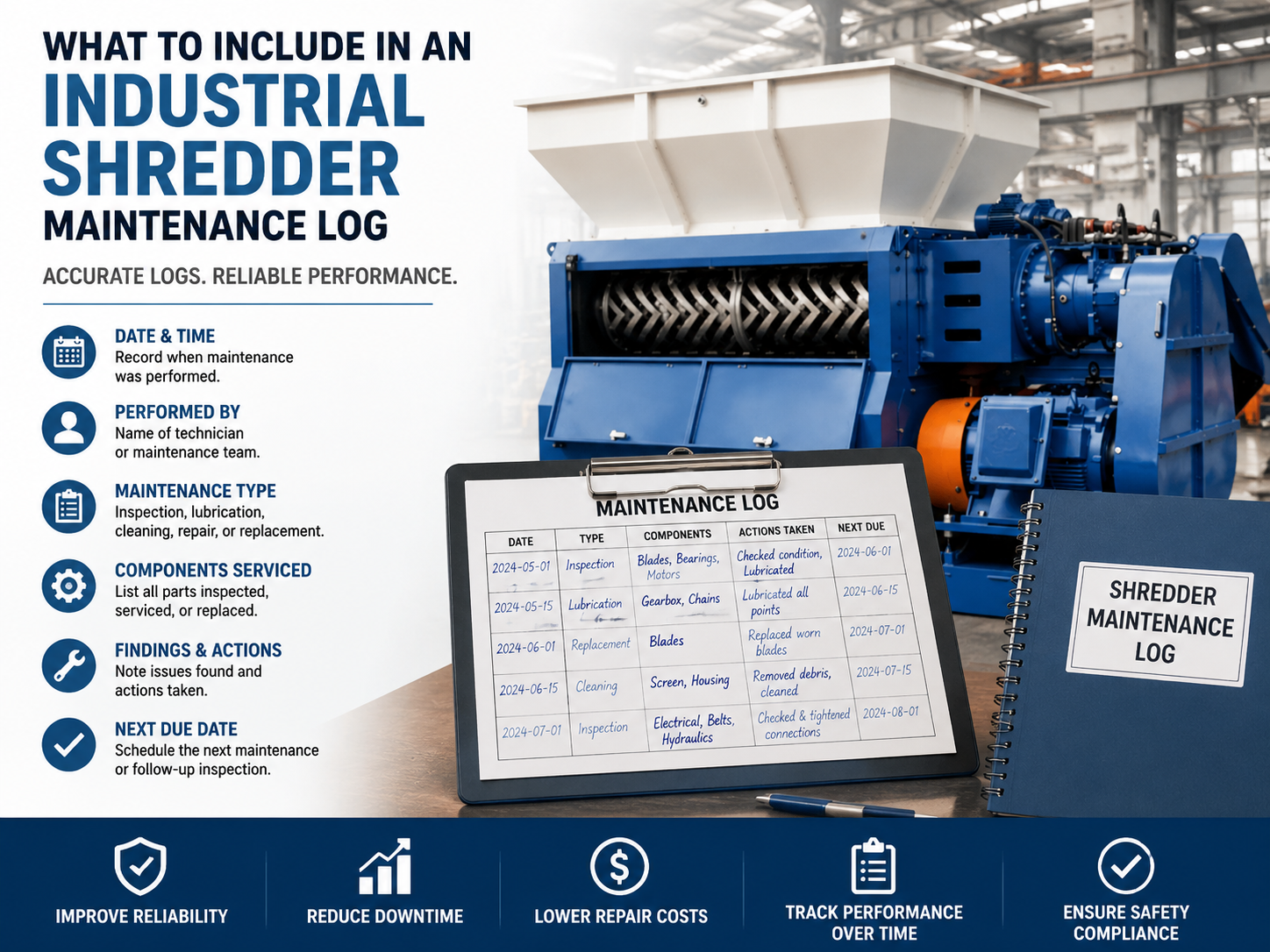
A maintenance log serves as the “medical record” of your machinery. It provides a chronological history of every inspection, repair, and fluid change. For plant managers and operators, this log is a predictive tool. By analyzing patterns in the data—such as how frequently blades require sharpening or how often hydraulic pressure fluctuates—you can transition from reactive maintenance to a proactive, predictive strategy. This shift significantly reduces unplanned downtime, which can cost facilities thousands of dollars per hour in lost throughput.
Furthermore, a well-maintained log is essential for safety compliance and warranty validation. In the event of an equipment failure or a workplace accident, regulatory bodies often demand proof of consistent maintenance. Similarly, manufacturers like HARSLE may require detailed service records to honor warranty claims. Beyond compliance, a detailed log increases the resale value of the equipment, providing prospective buyers with tangible proof that the machine has been cared for according to industrial standards.
Finally, the log fosters accountability among the workforce. When operators are required to sign off on daily checks and maintenance tasks, they become more attuned to the machine’s nuances. They are more likely to notice a slight vibration or an unusual hum before it escalates into a major mechanical breakdown. In the following sections, we will break down the specific categories and data points that must be captured in your industrial shredder maintenance log.
The Importance of Consistent Maintenance Documentation
Consistency is the bedrock of effective industrial maintenance. An incomplete log is almost as dangerous as no log at all, as it creates a false sense of security. When you track what to include in an industrial shredder maintenance log, you are essentially building a database of operational intelligence. This intelligence allows you to optimize your spare parts inventory. For instance, if the log shows that a specific bearing fails every 4,000 hours, you can ensure a replacement is on-site at the 3,800-hour mark.
Maintenance documentation also plays a vital role in energy efficiency. A shredder with dull blades or a struggling hydraulic system consumes significantly more electricity to achieve the same output. By logging motor amperage draws and blade conditions, you can correlate maintenance states with energy costs. This data is invaluable for ESG (Environmental, Social, and Governance) reporting and for justifying the budget for high-quality replacement parts.
Moreover, the log serves as a training tool for new technicians. By reviewing the history of the machine, a new hire can understand the specific quirks and recurring issues of that particular unit. It bridges the gap between theoretical knowledge and practical application, ensuring that the institutional knowledge of senior mechanics is preserved even after they retire or move on.
Daily Inspection: The First Line of Defense
The daily inspection is a rapid but thorough assessment performed at the start of every shift. This section of your log should be designed for quick entry but must cover the most critical safety and operational points. Operators should look for signs of external wear, loose fasteners, and any obstructions in the hopper or discharge area. Because shredders deal with high-impact forces, bolts can vibrate loose over time, leading to structural instability if not caught early.
Key items for the daily log include checking the emergency stop buttons and safety interlocks. In an industrial environment, safety systems must be functional 100% of the time. If an e-stop is found to be sticky or unresponsive, it must be logged and repaired immediately before the machine is cleared for operation. Additionally, the daily log should record the cleanliness of the cooling fans and heat exchangers, as dust buildup is a primary cause of motor overheating.
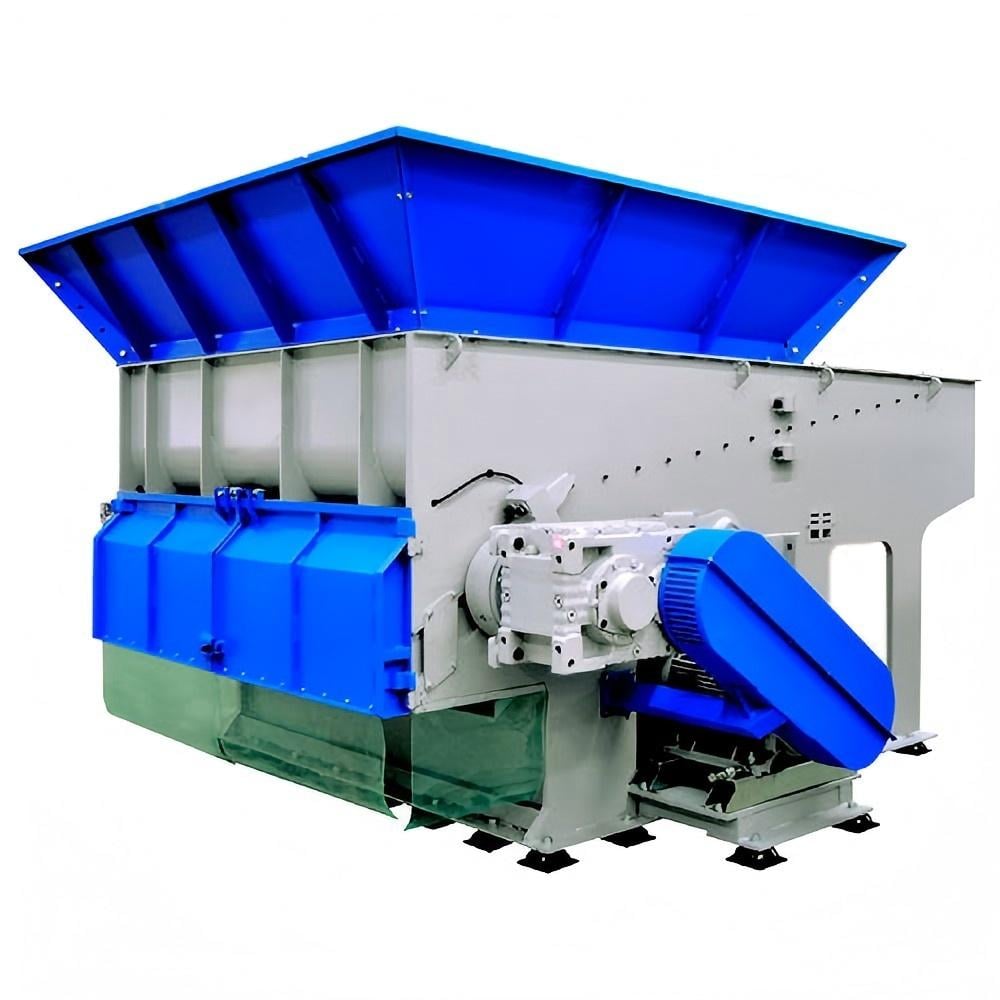
Fluid levels—specifically hydraulic oil and gearbox lubricant—must be checked daily. A sudden drop in fluid levels without a visible puddle on the floor could indicate an internal leak, which can lead to contamination or catastrophic component failure. The daily log should also include a brief note on the “sound” of the machine. Experienced operators can often hear a failing bearing or a misaligned shaft long before a sensor triggers an alarm.
Hydraulic System Checks
The hydraulic system is the muscle of the industrial shredder, providing the torque necessary to crush and shear through tough materials. When considering what to include in an industrial shredder maintenance log regarding hydraulics, focus on pressure, temperature, and contamination. Hydraulic oil temperature should be logged after the machine has reached a steady state of operation. Excessive heat is a sign of internal friction or a failing cooling system, both of which degrade the oil’s viscosity and lubricating properties.
Pressure readings are equally critical. Most modern shredders utilize a PLC to monitor pressure, but manual logging provides a secondary check. If the system requires higher pressure than usual to process a standard load, it may indicate that the blades are dull or that there is an internal bypass in a hydraulic cylinder. The log should also track the dates of filter replacements. Clogged filters lead to cavitation in the pumps, which can destroy expensive components in a matter of hours.
Finally, the log must document the condition of hoses and fittings. Look for “weeping” at the connections or abrasions on the hose jackets. In a high-vibration environment, hoses can rub against the frame, leading to bursts. Recording the age of the hoses allows for scheduled replacements before they fail under pressure, preventing hazardous oil spills and fire risks.
Electrical and Control System Monitoring
Modern industrial shredders are sophisticated pieces of equipment controlled by complex electrical panels and PLCs (Programmable Logic Controllers). The maintenance log should include a section for electrical health, starting with the incoming voltage and the amperage draw of the main motors under load. High amperage is a direct indicator of mechanical resistance, often caused by dull cutters or overfeeding.
Control panel inspections should be logged monthly. This includes checking for loose wiring connections, which can be caused by the constant vibration of the shredding process. Dust and debris inside the electrical cabinet can cause short circuits or overheating of sensitive components like VFDs (Variable Frequency Drives). The log should confirm that the cabinet seals are intact and that the cooling fans are operational.
Sensors and limit switches also require regular verification. Shredders use these to detect jams, monitor shaft speed, and ensure the hopper is closed. If a sensor is bypassed or failing, it compromises the entire automated logic of the machine. Logging the calibration and testing of these sensors ensures that the machine’s “brain” is receiving accurate information from its “nervous system.”
Mechanical Components and Blade Integrity
The mechanical section of the log is perhaps the most detailed. It focuses on the shafts, bearings, gearbox, and, most importantly, the cutting blades. The blades are the primary wear items in any shredder. The log should track the number of hours each set of blades has been in service and the dates they were rotated or sharpened. By recording the “shear gap” (the distance between the moving and stationary blades), you can maintain the cutting efficiency required for specific material sizes.
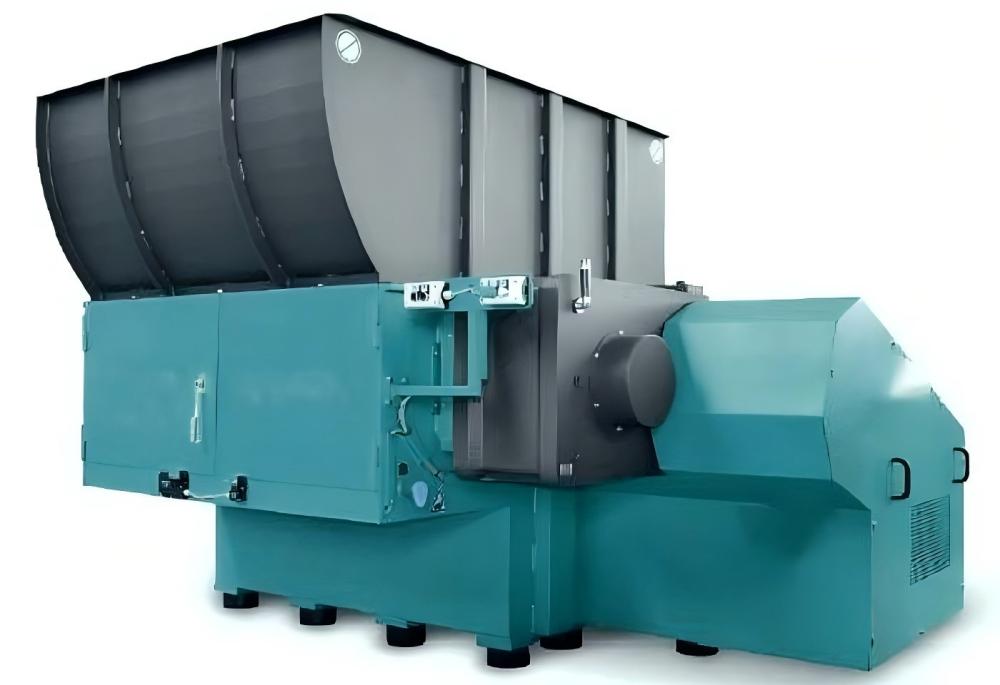
Bearings are another critical mechanical point. The log should record the temperature of the bearing housings during operation. A spike in temperature usually precedes a bearing failure. Furthermore, the gearbox requires periodic oil analysis. Including the results of these analyses in the log can reveal the presence of metal shavings, which indicates internal gear wear. This allows for a planned gearbox overhaul rather than a sudden, catastrophic failure in the middle of a production run.
Shaft alignment is often overlooked but should be checked and logged quarterly. Misalignment puts uneven stress on the bearings and couplings, leading to premature wear. If the shredder has a shock-absorbing coupling, its condition should be inspected for cracks or deformation. Every mechanical adjustment made to the machine must be documented with the date, the technician’s name, and the specific measurements taken.
The Lubrication Plan: Frequency and Fluid Types
Lubrication is the lifeblood of mechanical longevity. A comprehensive maintenance log must include a dedicated lubrication schedule that specifies the type of lubricant used for each component. Not all greases are created equal; using a standard chassis grease where a high-temperature, extreme-pressure (EP) grease is required can lead to rapid component degradation. The log should clearly state the manufacturer’s recommended lubricant for the bearings, gears, and slide ways.
The frequency of lubrication is determined by the machine’s duty cycle. A shredder running three shifts a day will require much more frequent lubrication than one running a single shift. The log should record the volume of grease added to each point. If a bearing suddenly starts “consuming” more grease than usual, it may indicate a failed seal. Conversely, if a point refuses to take grease, the line may be blocked, which is a critical issue that needs immediate attention.
Automatic lubrication systems, if equipped, also need to be logged. Technicians should check the reservoir levels and verify that the pump is cycling correctly. Even with an automated system, manual verification of the grease points is necessary to ensure that the lubricant is actually reaching the intended surfaces. The log acts as the final verification that these invisible but vital tasks have been completed.
Troubleshooting Signals to Record
An effective log doesn’t just record what was done; it records what was *observed*. This section of the log is for “Troubleshooting Signals.” Operators should be encouraged to write down any anomalies, even if they don’t result in a machine stoppage. For example, if the shredder’s auto-reverse function is triggering more frequently than usual, it suggests that the material is not being grabbed correctly or the blades are losing their edge.
Vibration analysis is a powerful troubleshooting tool. If your facility uses handheld vibration meters, the readings should be logged monthly. An increase in vibration at specific frequencies can pinpoint whether the issue is in the motor, the gearbox, or the cutting shaft. Similarly, recording the “start-up time” can be revealing. If the motor takes longer to reach full speed, it could indicate electrical issues or increased mechanical drag.
Noise levels are another key indicator. A high-pitched squeal might indicate a belt slipping or a dry bearing, while a heavy thumping could mean a loose blade or a foreign object stuck in the rotor. By logging these signals, you create a trail of evidence that helps expert technicians from HARSLE or other service providers diagnose problems much faster during a service call.
Industrial Shredder Maintenance Schedule Table
To simplify the process, use the following table as a template for your maintenance log. This ensures that no task is overlooked and provides a clear roadmap for the maintenance team.
| Frequency | Component | Action Required | Log Entry Requirement |
|---|---|---|---|
| Daily | Safety Systems | Test E-Stops and Interlocks | Pass/Fail & Initials |
| Daily | Hydraulic Unit | Check oil level and temp | Level % and Temp in °C/°F |
| Weekly | Cutting Blades | Inspect for chips/wear | Condition Rating (1-5) |
| Weekly | Drive Belts/Chains | Check tension and wear | Adjustment made (Yes/No) |
| Monthly | Electrical Cabinet | Clean filters and check connections | Date Cleaned |
| Monthly | Bearings | Grease according to plan | Grams of grease added |
| Quarterly | Gearbox | Oil sampling and analysis | Lab Report Reference # |
| Yearly | Structural Frame | Inspect welds for cracks | Inspector Signature |
Frequently Asked Questions (FAQ)
1. Why is a digital maintenance log better than a paper one?
While paper logs are better than nothing, digital logs offer searchable data, automatic reminders, and the ability to attach photos of worn parts. Digital systems also allow for remote monitoring by plant managers, ensuring that maintenance is actually being performed as scheduled. Furthermore, digital logs are easier to back up, protecting your machine’s history from fire or physical damage.
2. How often should I rotate the blades on my industrial shredder?
Blade rotation frequency depends entirely on the material being processed. Abrasive materials like glass-filled plastics or contaminated scrap metal will dull blades much faster than clean cardboard. Your maintenance log will help you determine the ideal interval by tracking the throughput (in tons) between rotations. Generally, once the shear gap exceeds the manufacturer’s specification, it is time to rotate or sharpen.
3. What should I do if I find metal shavings in the hydraulic oil?
Finding metal shavings in the hydraulic oil is a critical warning sign. It usually indicates that a pump or cylinder is self-destructing. You should immediately stop the machine, log the finding, and call a qualified technician. Continuing to operate the machine will circulate those shavings throughout the entire system, potentially ruining every valve and motor in the hydraulic circuit.
4. Can I use any hydraulic oil in my HARSLE shredder?
No. You must use the specific viscosity and additive package recommended in your machine’s manual. Using the wrong oil can lead to poor lubrication at high temperatures or sluggish performance in cold weather. Always record the brand and type of oil used in your maintenance log to ensure consistency during top-offs.
5. How do I log a “near-miss” or a minor jam?
Every jam should be logged, even if it was easily cleared. Include the type of material that caused the jam and the settings the machine was running at. If you notice that a specific material consistently causes jams, you may need to adjust the PLC settings or change the blade configuration. This data is vital for optimizing the machine for your specific waste stream.
Conclusion: Building a Culture of Maintenance
Knowing what to include in an industrial shredder maintenance log is only half the battle; the other half is fostering a culture where the log is respected and utilized. Maintenance should not be viewed as a chore that takes away from production time, but as the essential foundation that makes production possible. When every member of the team—from the operator to the owner—understands the value of this documentation, the machinery will perform better, last longer, and operate more safely.
By following the guidelines outlined in this guide, you are taking a significant step toward operational excellence. Whether you are managing a single HARSLE shredder or a fleet of metal fabrication equipment, the discipline of detailed logging will pay dividends in the form of reduced costs and increased reliability. Start your log today, and turn your maintenance data into your most valuable asset.