How to Reduce Wear on Industrial Shredder Parts Through Proper Maintenance

Introduction to Industrial Shredder Longevity
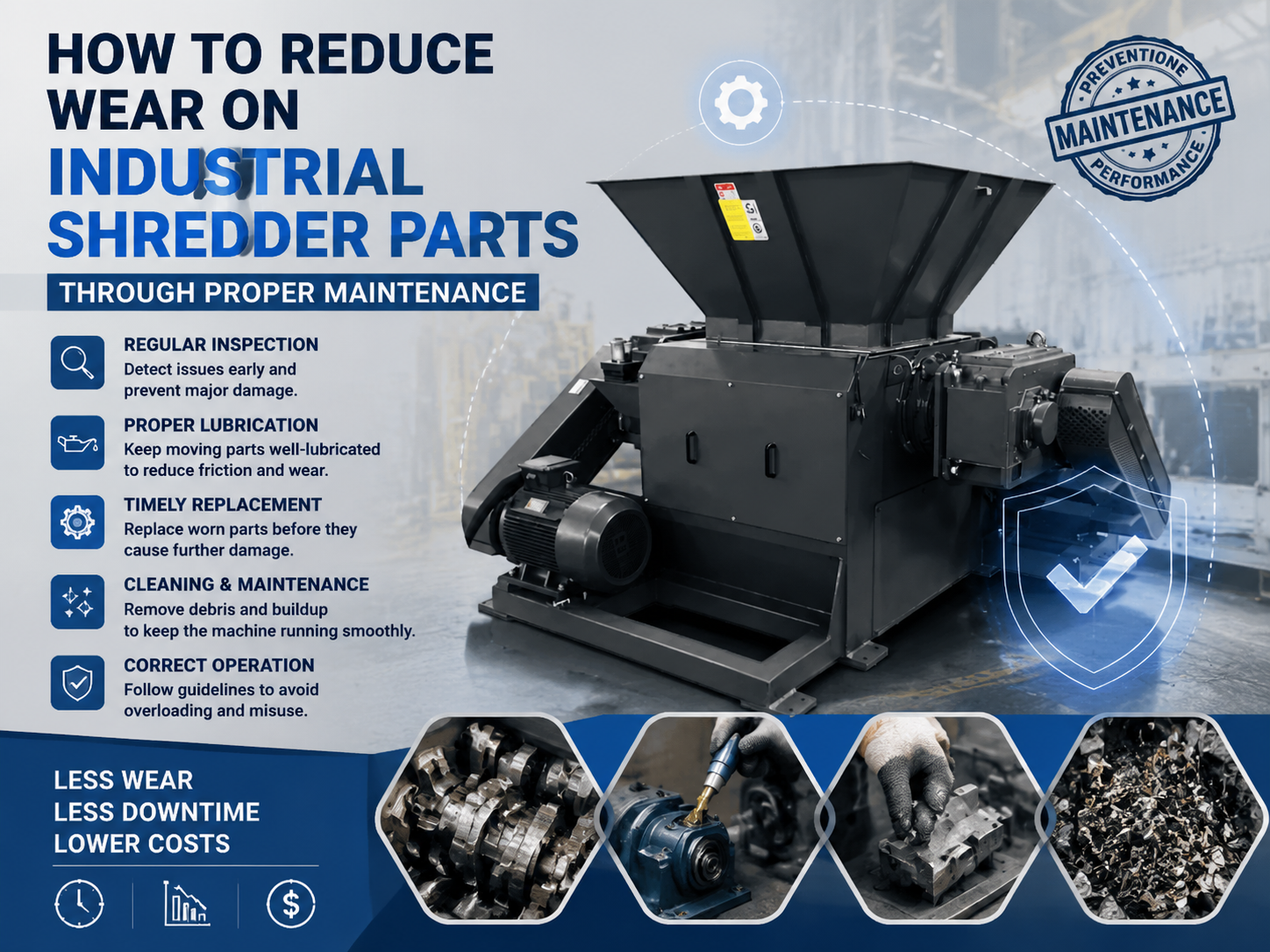
Industrial shredders are the workhorses of the recycling and waste management industries. Whether processing scrap metal, plastics, wood, or electronic waste, these machines are subjected to immense mechanical stress and abrasive forces. Over time, the components that perform the heavy lifting—specifically the blades, shafts, and bearings—inevitably experience wear. However, the rate of this wear is not fixed. By understanding how to reduce wear on industrial shredder parts through proper maintenance, facility managers can significantly extend the service life of their equipment, minimize unplanned downtime, and optimize the return on investment for their HARSLE machinery.
The primary goal of a maintenance program is to transition from reactive repairs to proactive prevention. When a shredder component fails unexpectedly, the costs are multifaceted: the price of the replacement part, the labor for the repair, and the lost revenue from a halted production line. By implementing a rigorous maintenance schedule, you ensure that the machine operates within its designed parameters, preventing minor issues from cascading into catastrophic failures. This guide provides a comprehensive roadmap for maintaining industrial shredders to ensure peak performance and durability.
The Critical Importance of Maintenance in Shredding Operations
Why is maintenance so vital for industrial shredders? Unlike stationary machine tools, shredders deal with unpredictable feedstocks. A single piece of unshreddable material, such as a hardened steel ingot accidentally mixed into a plastic stream, can cause immediate damage. Regular maintenance allows operators to identify early signs of stress, such as micro-fractures in blades or slight misalignments in the drive shaft, before they lead to a total breakdown.
Furthermore, well-maintained shredders are more energy-efficient. As blades dull, the motor must work harder and consume more electricity to achieve the same throughput. Dull blades also produce more heat through friction rather than clean cutting, which can degrade the hydraulic fluid and stress the electrical components. Therefore, learning how to reduce wear on industrial shredder parts through proper maintenance is as much about operational efficiency as it is about mechanical preservation. A sharp, well-lubricated machine processes material faster and with less strain on every internal system.
Economic Impact of Proactive Care
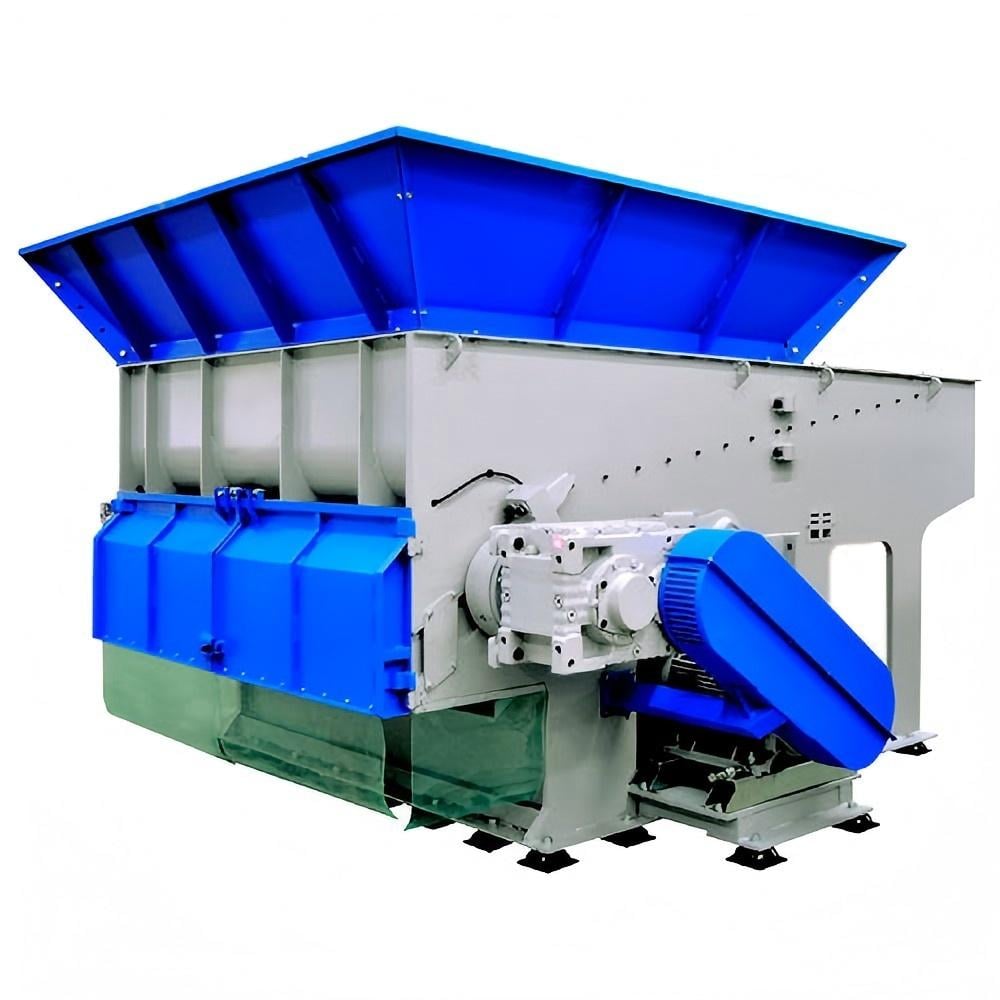
From a financial perspective, the cost of high-quality lubricants and regular inspections is negligible compared to the cost of a new rotor or a complete motor rebuild. In the competitive landscape of metal fabrication and recycling, margins are often thin. Reducing the ‘Total Cost of Ownership’ (TCO) through maintenance provides a direct competitive advantage. By keeping the shredder in top condition, you ensure consistent output size and quality, which is critical for downstream processes like sorting or smelting.
Daily Inspection: The First Line of Defense
The most effective way to reduce wear on industrial shredder parts through proper maintenance is to establish a daily inspection routine. This should be performed at the start of every shift and takes no more than 15 to 20 minutes. The focus here is on visual and auditory cues that indicate the machine’s health.
- Check for Loose Fasteners: The high-vibration environment of a shredder can loosen bolts over time. Pay particular attention to the bolts securing the blades (knives) and the bearing housings. A loose blade can shift during operation, causing it to strike the counter-blade and shatter.
- Clear Debris Accumulation: Material can often get trapped in areas where it shouldn’t be, such as around the shaft seals or inside the cooling fans of the motor. This debris can cause overheating or abrasive wear on moving parts.
- Monitor Fluid Levels: Check hydraulic oil and gear oil levels daily. Low levels can lead to cavitation in pumps and excessive friction in gearboxes.
- Listen for Unusual Noises: Experienced operators should be able to distinguish the normal rhythmic hum of the shredder from grinding, squealing, or heavy thumping. These sounds often precede mechanical failure.
Daily inspections also involve checking the ‘wear zone.’ This is the area where the material is actually shredded. Look for signs of rounding on the blade edges. In many HARSLE shredders, blades are designed to be rotated. If one edge is worn, rotating the blade to a fresh edge can restore performance immediately without the need for new parts.
Comprehensive Hydraulic, Electrical, and Mechanical Checks
Beyond the daily walk-around, a deeper dive into the machine’s core systems is required on a weekly or monthly basis. Each system—hydraulic, electrical, and mechanical—plays a distinct role in the overall health of the shredder.
Hydraulic System Maintenance
The hydraulic system provides the force required to push material into the rotor (in the case of ram-fed shredders) or to drive the rotor itself in hydraulic-drive models. To reduce wear on industrial shredder parts through proper maintenance, the hydraulic oil must be kept clean and cool. Contaminated oil acts like liquid sandpaper, eroding the internal surfaces of valves and cylinders. Regularly replace hydraulic filters and conduct oil analysis to check for metal shavings or moisture. Ensure the oil cooler is free of dust and debris to prevent the system from overheating, which can break down the chemical properties of the lubricant.
Electrical System Integrity
Electrical issues often manifest as intermittent stops or loss of power. Inspect the control cabinet for dust buildup, which can cause short circuits. Ensure all wire connections are tight, as vibrations can loosen them over time. The PLC (Programmable Logic Controller) should be checked for any error codes. Modern HARSLE shredders often feature intelligent monitoring that can alert the operator to over-current situations, which usually indicate that the machine is being fed material beyond its capacity or that the blades are too dull to cut efficiently.
Mechanical Alignment and Clearances
The mechanical heart of the shredder is the rotor and blade assembly. One of the most critical factors in reducing wear is maintaining the correct ‘cutting gap’—the distance between the rotating blades and the fixed counter-blades. If the gap is too wide, the material will be torn rather than cut, increasing the load on the motor and causing excessive heat. If it is too narrow, the blades may strike each other due to thermal expansion. Regularly measuring and adjusting this gap is a cornerstone of effective maintenance.
Developing a Robust Lubrication Plan
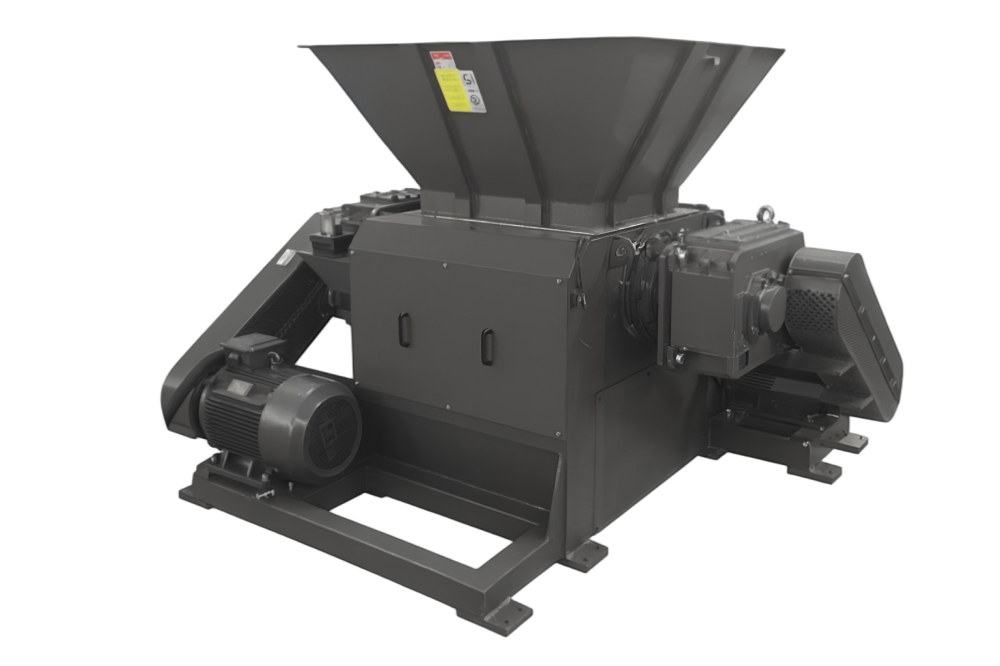
Lubrication is arguably the most important factor in the effort to reduce wear on industrial shredder parts through proper maintenance. Without adequate lubrication, metal-on-metal contact leads to rapid friction-induced wear and eventual seizure of components.
A proper lubrication plan involves three elements: the right lubricant, the right amount, and the right frequency. For industrial shredders, high-pressure grease is typically required for the main shaft bearings. These bearings support the entire weight of the rotor and endure the impact of the shredding process. Automatic lubrication systems are highly recommended, as they deliver small, consistent amounts of grease while the machine is running, ensuring that the bearing is always protected and that old grease (carrying contaminants) is pushed out.
Gearboxes require high-viscosity gear oil that can withstand extreme pressure. The oil should be changed after the initial ‘break-in’ period of a new machine and then at regular intervals (e.g., every 2,000 operating hours). Always use the specific grade of oil recommended in the HARSLE manual, as using the wrong viscosity can lead to inadequate film strength or excessive heat generation.
Identifying and Responding to Troubleshooting Signals
Even with the best maintenance, parts will eventually wear out. The key is to recognize the signals of wear before they lead to a breakdown. If you want to reduce wear on industrial shredder parts through proper maintenance, you must train your staff to be ‘machine-sensitive.’
- Increased Vibration: This is often a sign of an unbalanced rotor, which can happen if blades have worn unevenly or if a piece of metal is lodged in the rotor. Excessive vibration will quickly destroy bearings and can even lead to structural cracks in the machine frame.
- Reduced Throughput: If the machine is taking longer to process the same amount of material, the blades are likely dull. Continuing to operate with dull blades puts unnecessary strain on the drive train.
- Heat Discoloration: If you notice blue or straw-colored tinting on metal parts near the bearings or blades, it indicates extreme overheating. This usually means a total lack of lubrication or a severe mechanical bind.
- Inconsistent Output Size: When the shredded material becomes larger or more ‘ragged’ than usual, it indicates that the cutting gap has widened or the screen (which controls output size) has been damaged or worn thin.
Industrial Shredder Maintenance Schedule Table
To effectively reduce wear on industrial shredder parts through proper maintenance, follow this structured schedule. Note that these intervals may need to be shortened if the machine is operating in a 24/7 environment or processing highly abrasive materials.
| Frequency | Component | Action Required |
|---|---|---|
| Daily | Blades & Bolts | Check for tightness and visible chips or rounding. |
| Daily | Hydraulic System | Check oil levels and look for leaks in hoses/fittings. |
| Daily | Machine Interior | Clean out accumulated dust and debris from the hopper. |
| Weekly | Main Bearings | Apply grease (if not using an auto-lube system). |
| Weekly | Drive Belts/Chains | Check tension and look for signs of fraying or wear. |
| Monthly | Cutting Gap | Measure the clearance between rotor and stator blades; adjust if necessary. |
| Monthly | Electrical Cabinet | Vacuum out dust and check for loose terminal connections. |
| Quarterly | Gearbox | Check oil quality; look for metal particles in the oil. |
| Bi-Annually | Hydraulic Oil | Replace hydraulic filters and perform oil analysis. |
| Annually | Full Structural Audit | Inspect the frame for stress cracks and check motor alignment. |
Advanced Tips for Minimizing Component Wear
Beyond the basics, there are advanced strategies to further reduce wear on industrial shredder parts through proper maintenance. One such strategy is ‘Hard-Facing.’ For certain types of shredders, welding a layer of wear-resistant alloy onto the surfaces of the rotor or the edges of the blades can significantly extend their life. This is particularly useful when shredding abrasive materials like glass-filled plastics or contaminated metals.
Another tip is to manage the ‘Feed Rate.’ Overloading the shredder doesn’t just risk a jam; it causes the motor to run at peak torque constantly, which generates heat and accelerates wear on the gearbox. Using a smart feeding system that adjusts the conveyor speed based on the motor’s current draw can keep the shredder in its ‘sweet spot,’ maximizing throughput while minimizing wear.
Finally, consider the environment. If the shredder is located in a very dusty or humid area, the maintenance requirements will increase. Installing additional filtration for the electrical cabinet or using specialized water-resistant grease can prevent environmental factors from shortening the machine’s life.
Frequently Asked Questions (FAQ)
How often should I sharpen or rotate my shredder blades?
The frequency depends entirely on the material being processed. For soft plastics, blades may last months. For scrap metal or abrasive wood, they may need rotation every few weeks. The best indicator is the quality of the output and the motor’s amperage draw. When the cut becomes a tear, it’s time to rotate or sharpen.
What is the most common cause of shredder failure?
The most common cause is ‘unshreddables’—materials that exceed the machine’s design capacity—followed closely by a lack of lubrication. Regular inspections help catch the damage from unshreddables early, while a strict lubrication plan prevents friction-related failures.
Can I use any type of grease for the bearings?
No. Industrial shredders require high-temperature, extreme-pressure (EP) grease. Using standard automotive grease will result in the lubricant breaking down under the heat and pressure of the shredding process, leading to bearing failure. Always refer to the HARSLE manual for specifications.
Why is my shredder overheating?
Overheating is usually caused by one of three things: dull blades (causing friction), a clogged hydraulic cooler, or a lack of lubrication in the bearings or gearbox. Check these three areas first if the machine’s temperature rises above normal operating levels.
Is it worth it to repair worn blades, or should I always buy new ones?
Many HARSLE blades are designed to be reground or hard-faced several times before they need replacement. As long as the blade maintains its structural integrity and can be adjusted to the correct cutting gap, repairing is a cost-effective way to reduce wear on industrial shredder parts through proper maintenance.
Conclusion
Maintaining an industrial shredder is a continuous process that requires diligence and a proactive mindset. By following the steps outlined in this guide—from daily visual checks to sophisticated lubrication and hydraulic management—you can ensure that your HARSLE equipment remains a reliable asset for years to come. Remember, the goal is to reduce wear on industrial shredder parts through proper maintenance, ensuring that every hour the machine runs is an hour of profitable, efficient production. Investing in maintenance today is the best way to prevent the high costs of mechanical failure tomorrow.