Comprehensive Guide to Preventive Maintenance Industrial Shredders In Metal Recycling Plants

The Critical Role of Preventive Maintenance Industrial Shredders In Metal Recycling Plants
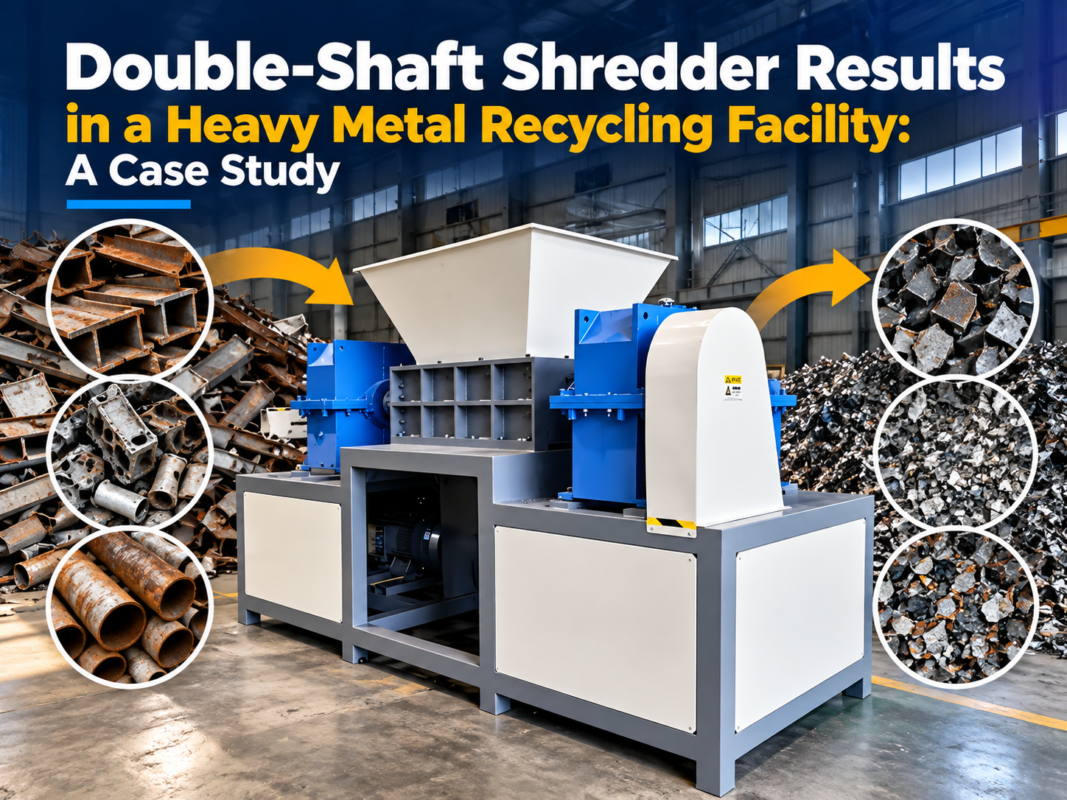
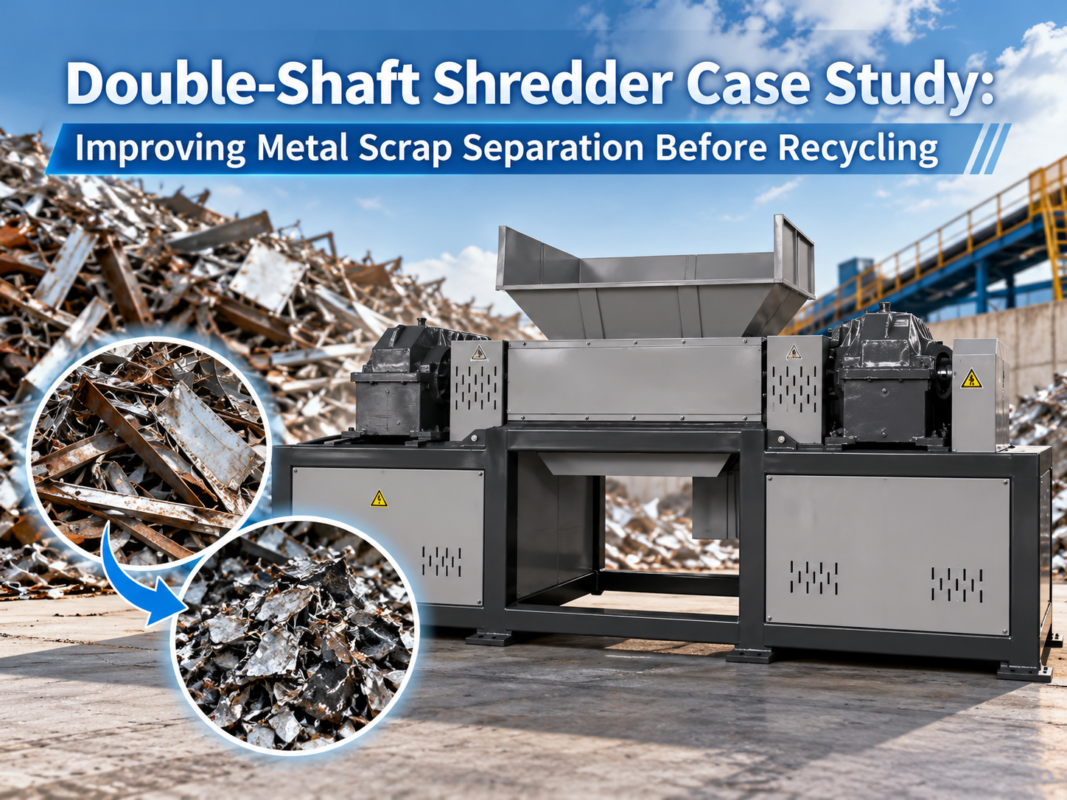
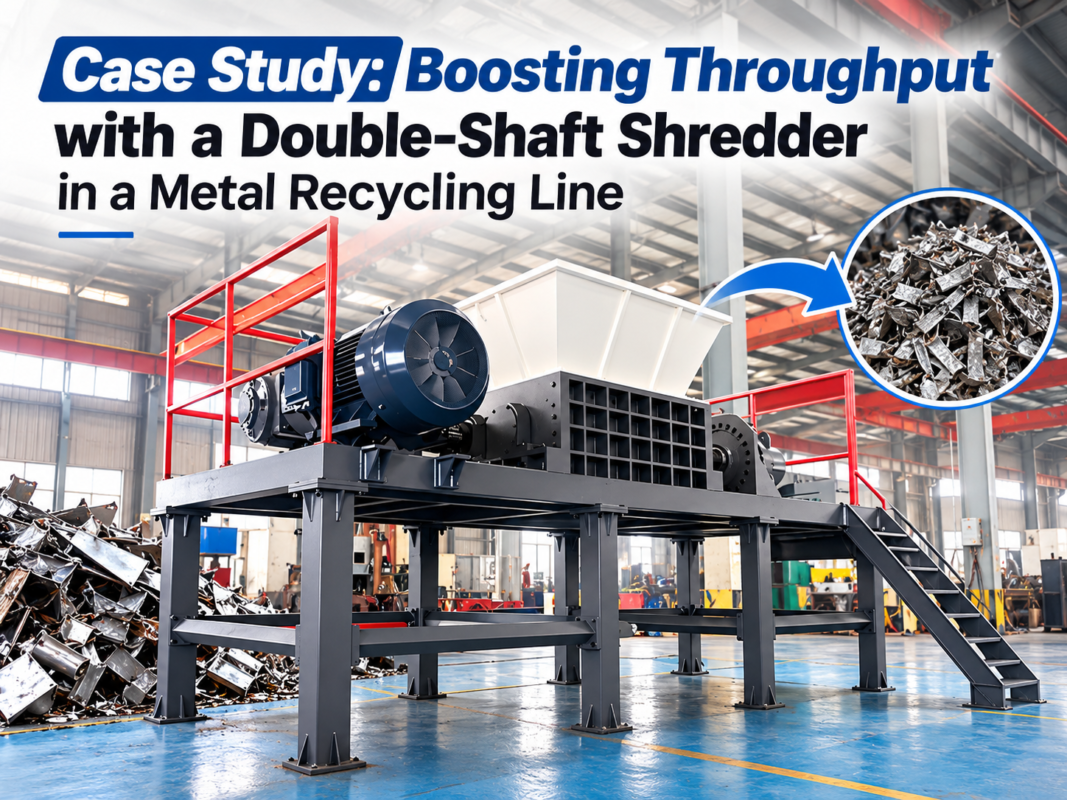
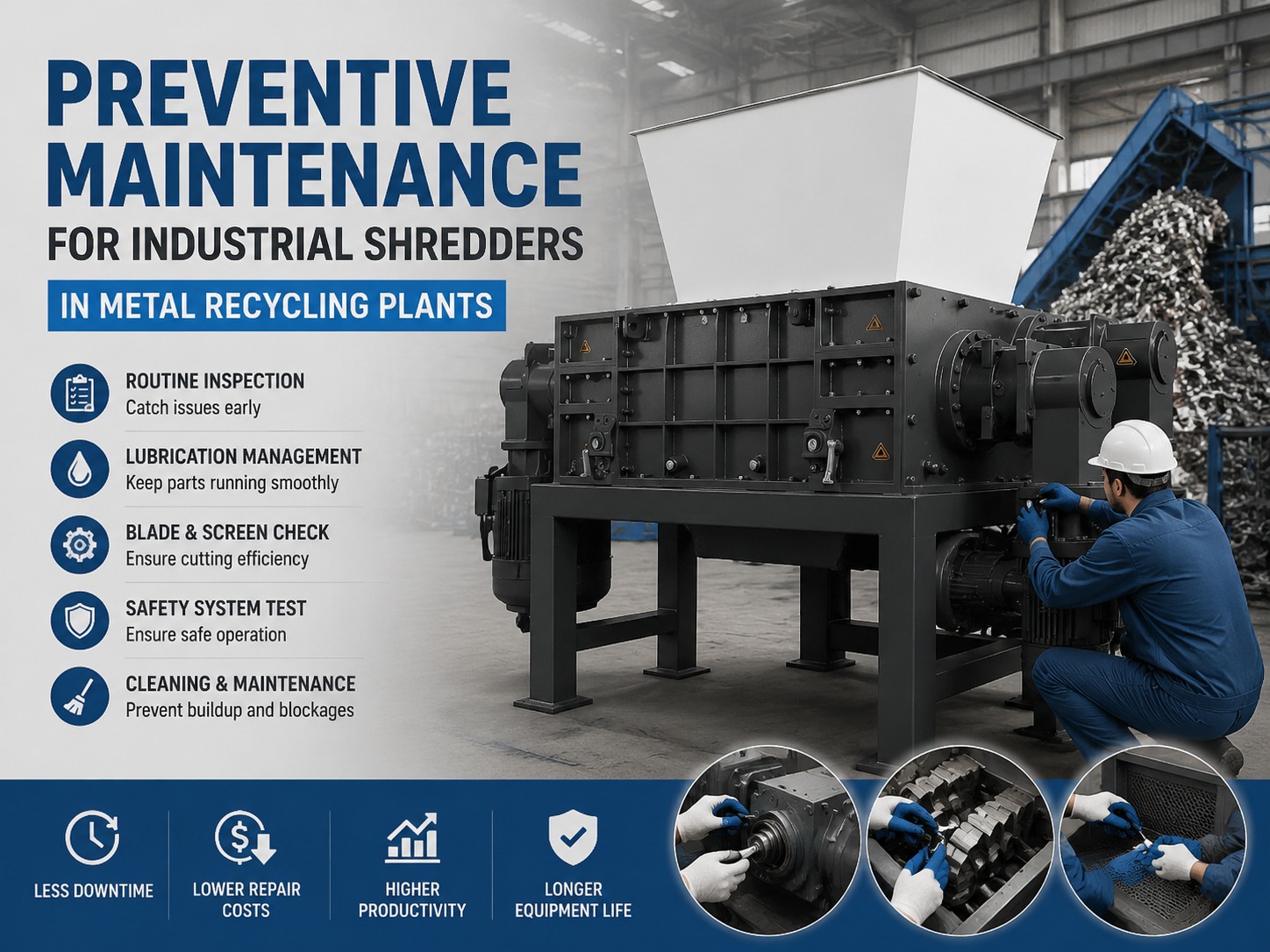
In the high-stakes environment of a metal recycling facility, the industrial shredder stands as the heart of the operation. These massive machines are designed to tear through everything from aluminum extrusions to end-of-life vehicles. However, the sheer force required to process these materials subjects the machinery to extreme stress, heat, and abrasive wear. Implementing a strategy for Preventive Maintenance Industrial Shredders In Metal Recycling Plants is not merely a recommendation; it is a fundamental necessity for operational survival and profitability.
Preventive maintenance (PM) involves a systematic approach to inspecting, cleaning, and repairing equipment before a failure occurs. In the context of metal recycling, where downtime can cost thousands of dollars per hour, PM ensures that the shredder operates at peak efficiency. By identifying minor issues—such as a slightly loose bolt or a contaminated hydraulic filter—operators can prevent catastrophic failures that might lead to weeks of lead time for replacement parts. Furthermore, a well-maintained shredder produces a more consistent output size, which is critical for downstream separation processes like eddy current separators or magnets.
Beyond the financial implications, safety is a paramount concern. Industrial shredders utilize high-torque motors and incredibly sharp, heavy blades. A mechanical failure during operation, such as a shaft snapping or a blade fragmenting, poses a significant risk to personnel. A rigorous maintenance schedule ensures that safety guards are intact, emergency stops are functional, and the structural integrity of the machine is never in question. For companies like HARSLE, providing robust machinery is only half the battle; the other half is ensuring the end-user understands how to preserve that engineering excellence through diligent care.
Finally, the longevity of the investment cannot be overstated. An industrial shredder is a multi-million dollar asset. Without proper Preventive Maintenance Industrial Shredders In Metal Recycling Plants, the lifespan of the machine can be halved. Regular oil analysis, vibration monitoring, and blade rotations extend the service life of the equipment, ensuring that the initial capital expenditure delivers a high return on investment over decades rather than years.
Daily Inspection Protocols: The First Line of Defense
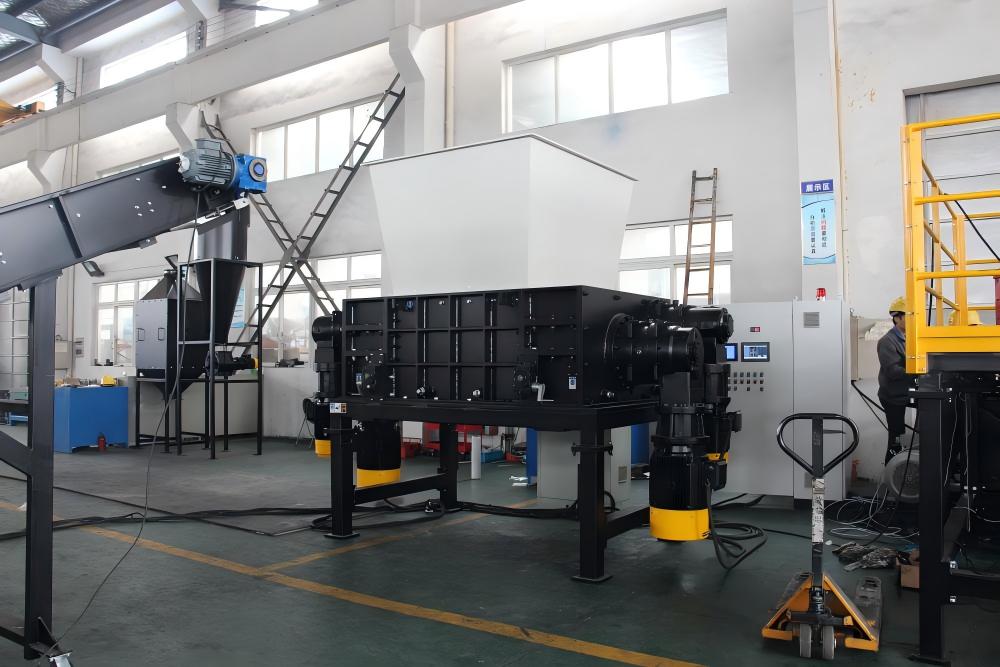
The daily inspection is the most basic yet most vital component of any maintenance program. Before the first piece of scrap metal enters the hopper, the operator must perform a visual and auditory sweep of the machine. This routine helps in catching the “early warning signs” of wear that occur during the previous shift. Operators should look for signs of fluid leaks under the machine, which could indicate a failing seal or a cracked hydraulic hose. Even a small puddle of oil is a signal that the system’s integrity has been compromised.
Checking the hopper and the cutting chamber is the next step. In metal recycling, it is common for non-shreddable items—often referred to as “unshreddables” or “tramp metal”—to find their way into the feed. These items, such as heavy engine blocks or thick hardened steel plates that exceed the machine’s rating, can wedge themselves between blades. Daily clearing of the chamber ensures that the motor doesn’t start under an unnecessary load, which can cause electrical surges and mechanical strain.
Fasteners and structural bolts must also be inspected daily. The intense vibrations inherent in shredding metal can cause even the most secure bolts to back out over time. Particular attention should be paid to the bolts securing the cutting knives and the bearing housings. A loose knife can cause a catastrophic “clash” within the chamber, leading to total destruction of the cutting shafts. Using a simple “tap test” or visual torque markers can help operators quickly identify loose hardware.
Finally, the daily check must include the discharge system. Whether it is a conveyor belt or a vibrating feeder, the path where the shredded material leaves the machine must be clear. Accumulation of metal fines or dust near the motor cooling fans can lead to overheating. By spending 15 to 20 minutes every morning on these checks, a plant can avoid hours of unplanned downtime later in the day.
Hydraulic, Electrical, and Mechanical System Checks
Hydraulic System Integrity
Most modern industrial shredders rely on sophisticated hydraulic systems to drive the shafts or to operate the ram feeders. The hydraulic oil is the lifeblood of these systems. Maintenance must focus on two areas: temperature and cleanliness. High-speed shredding generates heat; if the hydraulic oil exceeds its rated temperature (usually around 60-70°C), it begins to break down, losing its lubricating properties and damaging seals. Operators should check the oil coolers daily to ensure they are not clogged with dust or debris.
Contamination is the leading cause of hydraulic pump failure. In a metal recycling plant, the air is filled with metallic dust. Ensuring that the breathers on the hydraulic tank are high-quality desiccant types can prevent moisture and particles from entering the system. Monthly oil sampling is recommended to check for the presence of wear metals, which can indicate that a pump or motor is nearing the end of its life.
Electrical Systems and Controls
The electrical cabinet of an industrial shredder is often overlooked because it is “out of sight.” However, the vibrations of the plant can loosen electrical connections over time. Loose wires create resistance, which leads to heat and eventually electrical fires or PLC failures. Quarterly, a qualified electrician should use thermographic imaging to check for “hot spots” within the control panel. This non-destructive testing can identify a failing contactor or breaker before it trips the entire system.
Sensors and limit switches are also critical. In a metal shredder, these components are often exposed to flying debris. Ensuring that the sensors that detect shaft speed or hopper position are clean and calibrated is essential for the automated safety features of the machine to function correctly. If a shredder’s “auto-reverse” function fails due to a faulty sensor, the motor could burn out during a jam.
Mechanical Components and Blade Management
The mechanical heart of the shredder consists of the shafts, bearings, and blades (knives). The gap between the blades is a critical tolerance. As blades wear down, this gap increases, leading to “tearing” rather than “cutting.” This increases the power consumption of the machine and puts more stress on the gearbox. Regularly measuring the blade gap and rotating or sharpening the knives is a core part of Preventive Maintenance Industrial Shredders In Metal Recycling Plants.
Bearings in these machines are subjected to massive radial loads. Monitoring the temperature of the bearing housings can provide an early indication of failure. If one bearing is running significantly hotter than the others, it may be under-lubricated or misaligned. Gearboxes should also be checked for oil levels and metal shavings in the oil, which would suggest gear tooth wear.
The Lubrication Plan: Reducing Friction in Harsh Environments
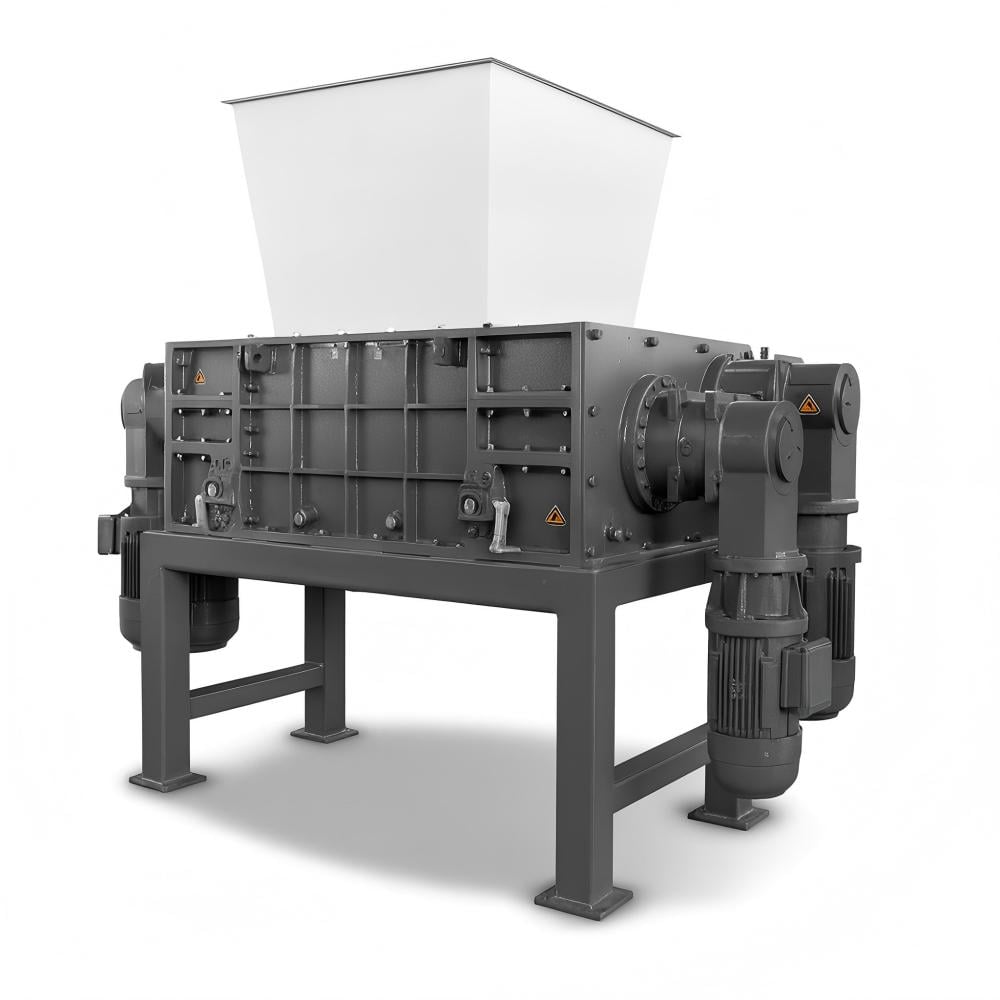
Lubrication is the single most effective way to reduce wear and tear in an industrial shredder. However, more is not always better. Over-greasing can be just as damaging as under-greasing, as it can blow out seals and allow contaminants to be sucked into the bearing race. A professional lubrication plan specifies the type of lubricant, the amount, and the frequency for every moving part of the machine.
For the main shaft bearings, a high-pressure, extreme-temperature grease is usually required. Because metal recycling plants often operate in varying climates, the viscosity of the lubricant may need to be adjusted between summer and winter. Many HARSLE shredders come equipped with automatic lubrication systems. While these systems reduce the manual labor involved, they still require maintenance. The reservoirs must be kept full, and the delivery lines must be inspected for kinks or breaks. If a line is severed by a piece of flying scrap, the bearing it serves will fail within hours.
Beyond the bearings, the drive chains and couplings also require attention. Chains should be lubricated with a “tacky” oil that won’t fling off at high speeds. Couplings, which connect the motor to the gearbox, often require specific synthetic greases to handle the torque transfers. Keeping a detailed log of when each point was last lubricated is essential for accountability and for tracking the consumption of supplies.
Troubleshooting Signals: Listening to Your Machine
An experienced operator can often “hear” a problem before they see it. Industrial shredders have a rhythmic sound during operation. A change in this rhythm—such as a rhythmic thumping, a high-pitched squeal, or a grinding noise—is a troubleshooting signal that requires immediate investigation. Thumping often indicates a loose blade or a large piece of metal caught in the cleaning fingers. Squealing usually points to a slipping belt or a bearing that has lost its lubrication.
Vibration is another key indicator. While all shredders vibrate, an increase in the amplitude of vibration can suggest that the shafts have become unbalanced. This can happen if a blade has chipped or if material has become wrapped around the shaft. Using a handheld vibration meter can provide a quantitative way to track these changes over time. If vibration levels exceed the manufacturer’s specifications, the machine should be shut down to prevent structural damage to the frame.
Performance metrics also serve as troubleshooting signals. If the shredder’s throughput drops while the power consumption (amperage) stays the same or increases, it is a clear sign that the blades are dull. Dull blades don’t cut efficiently, requiring more passes to break down the material. Monitoring the motor’s amp draw via the PLC interface allows maintenance managers to schedule blade changes based on actual performance data rather than just elapsed time.
Comprehensive Maintenance Schedule Table
To effectively manage Preventive Maintenance Industrial Shredders In Metal Recycling Plants, a structured schedule is required. Below is a recommended framework for HARSLE industrial shredders.
| Frequency | Component | Action Required |
|---|---|---|
| Daily | Cutting Chamber | Clear unshreddable debris and check for blade damage. |
| Daily | Hydraulic Unit | Check oil levels and monitor operating temperature. |
| Daily | Safety Systems | Test emergency stops and inspect safety light curtains. |
| Weekly | Fasteners | Tighten motor mounts, bearing bolts, and blade screws. |
| Weekly | Drive Belts/Chains | Check tension and look for signs of fraying or wear. |
| Monthly | Lubrication System | Refill auto-lube reservoirs and check delivery lines. |
| Monthly | Hydraulic Filters | Replace return-line filters and suction strainers. |
| Quarterly | Electrical Panel | Vacuum dust, tighten terminals, and perform thermal imaging. |
| Quarterly | Blade Gap | Measure and adjust the clearance between cutting discs. |
| Bi-Annually | Gearbox Oil | Drain, flush, and replace gear oil; inspect for metal fines. |
| Yearly | Structural Frame | Inspect welds for stress cracks and check foundation bolts. |
Frequently Asked Questions (FAQ)
1. How often should I sharpen the blades on my industrial shredder?
The frequency of sharpening depends entirely on the material being processed. If you are shredding clean aluminum, blades may last several months. However, if you are processing contaminated scrap steel or reinforced tires, you may need to sharpen or rotate blades every few weeks. Monitor the motor’s amperage; a 15-20% increase in power consumption for the same material usually indicates dull blades.
2. What is the most common cause of shredder failure in metal recycling?
The most common cause is “tramp metal” or unshreddable items entering the chamber. These items cause instant mechanical shocks that can snap shafts or destroy gearboxes. Implementing a strict pre-sorting process and using a shredder with an advanced auto-reverse and overload protection system is the best defense.
3. Can I use standard hydraulic oil in my shredder?
You should always use the oil grade specified in your HARSLE manual. Most industrial shredders require high-viscosity index (HVI) anti-wear hydraulic oils. Using the wrong oil can lead to poor pump performance and accelerated wear of hydraulic valves, especially in extreme temperature environments.
4. Why is my shredder vibrating more than usual?
Increased vibration is typically caused by an unbalanced shaft (due to missing or broken blades), worn bearings, or a loose foundation. Shut the machine down immediately and inspect the cutting chamber. If the blades are intact, check the bearing temperatures and the tightness of the anchor bolts securing the machine to the floor.
5. Is an automatic lubrication system worth the investment?
Yes, absolutely. In the dusty and dangerous environment of a metal recycling plant, manual lubrication is often neglected or performed incorrectly. An automatic system ensures that small, precise amounts of grease are delivered at the exact intervals needed, significantly extending the life of your bearings and reducing labor costs.
Conclusion: The Path to Operational Excellence
Mastering Preventive Maintenance Industrial Shredders In Metal Recycling Plants is a journey of consistency. It requires a culture where operators and maintenance technicians work together to treat the machinery with respect. By following the daily, weekly, and monthly protocols outlined in this guide, recycling facilities can ensure that their HARSLE shredders remain productive assets for years to come. Remember, the cost of maintenance is always lower than the cost of a breakdown. Investing in high-quality lubricants, regular inspections, and operator training is the surest way to maintain a competitive edge in the demanding world of metal recycling.