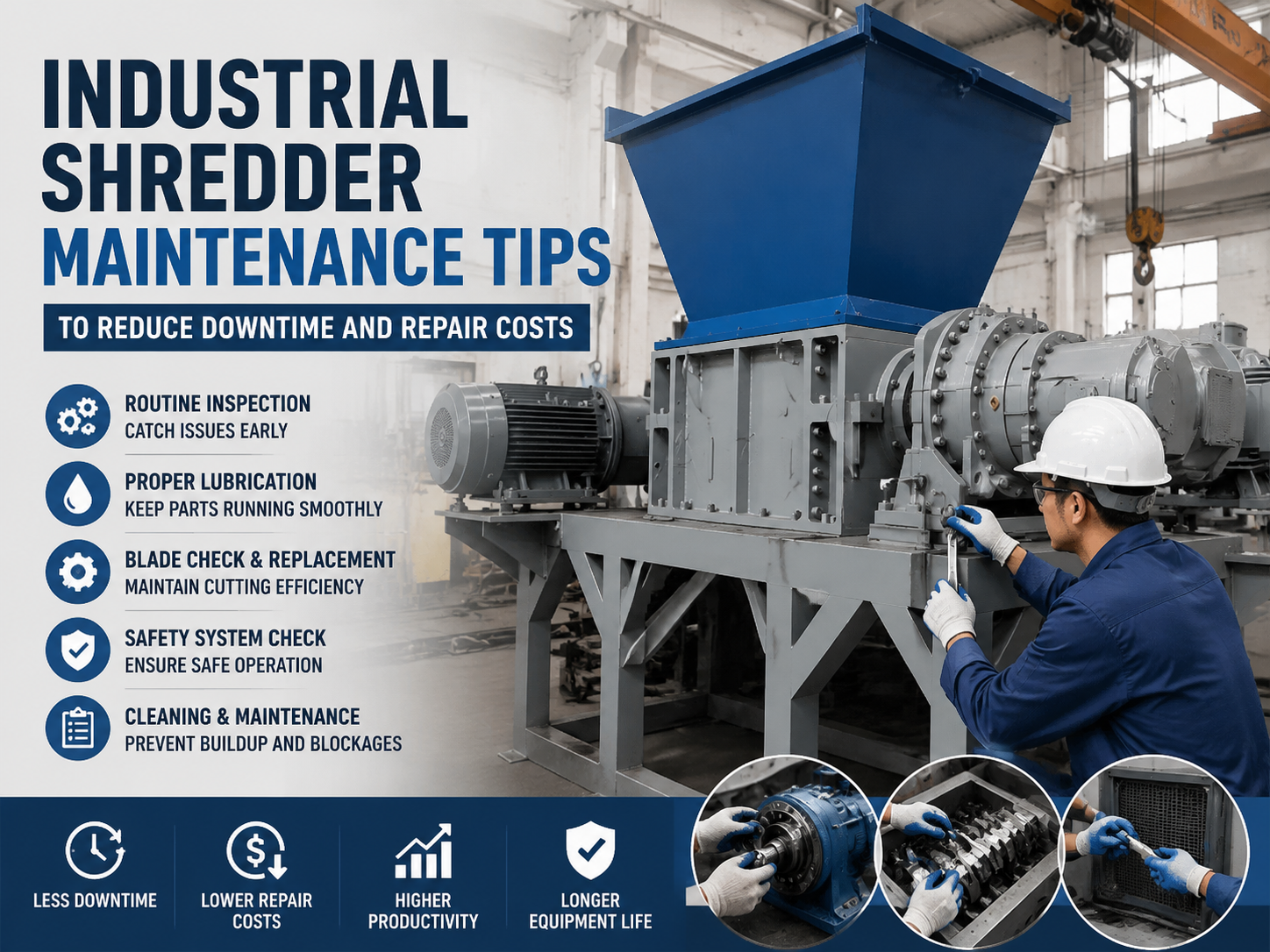
Industrial Shredder Maintenance Tips to Reduce Downtime and Repair Costs

The Critical Role of Maintenance in Industrial Shredding Operations
In the world of heavy-duty recycling and waste management, the industrial shredder stands as the workhorse of the facility. Whether you are processing scrap metal, plastics, electronic waste, or tires, these machines are subjected to immense mechanical stress, high torque, and abrasive environments. For operators of HARSLE industrial shredders, understanding that maintenance is not an expense but an investment is the first step toward operational excellence. Implementing effective industrial shredder maintenance tips to reduce downtime and repair costs is essential for maintaining a competitive edge and ensuring the longevity of your capital equipment.
The primary goal of a structured maintenance program is to transition from reactive maintenance—fixing things when they break—to proactive or preventative maintenance. Reactive maintenance is notoriously expensive; it often involves emergency shipping of parts, overtime labor costs, and, most significantly, the loss of production revenue during unplanned downtime. By contrast, a well-maintained shredder operates at peak efficiency, consumes less energy, and provides a safer working environment for staff. This guide provides a deep dive into the technical requirements of keeping your shredder in top-tier condition.
Furthermore, the complexity of modern shredding technology, including PLC-controlled drive systems and high-pressure hydraulics, requires a sophisticated approach to upkeep. It is no longer enough to simply grease the bearings occasionally. Operators must monitor thermal signatures, vibration patterns, and fluid chemistry to detect early signs of wear. By following the strategies outlined in this article, facilities can significantly extend the mean time between failures (MTBF) and ensure that their HARSLE machinery delivers the high performance it was designed for.
Daily Inspection: The First Line of Defense
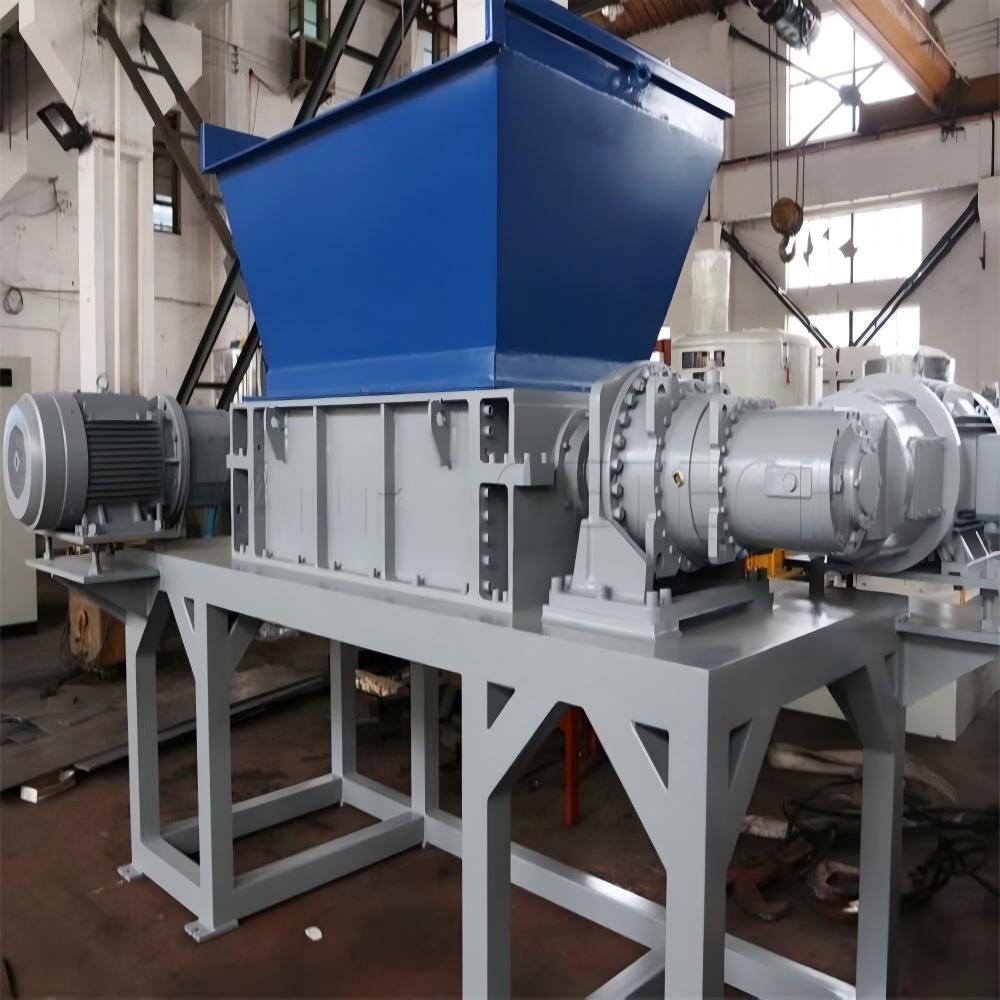
The daily inspection is perhaps the most cost-effective tool in your maintenance arsenal. It requires no specialized tools—only a keen eye and a disciplined routine. Before the start of every shift, operators should perform a comprehensive walk-around of the machine. This process helps identify minor issues, such as a loose bolt or a small fluid leak, before they escalate into catastrophic failures that halt production for days.
Start by inspecting the hopper and the cutting chamber. Ensure that no foreign objects or “unshreddables” (such as heavy steel plates in a machine designed for light plastics) have been left in the chamber from the previous shift. Check the integrity of the safety curtains and housing. Vibration is a natural byproduct of shredding, but it can slowly loosen fasteners throughout the machine. A quick check of the mounting bolts for the motor and gearbox can prevent a misalignment that might otherwise destroy a coupling or a shaft.
Monitoring the material output is another critical daily task. The size and shape of the shredded material provide immediate feedback on the condition of the blades. If the output becomes inconsistent or if the machine is “slugging” (taking longer to process a standard load), it is a clear indicator that the blade clearances need adjustment or that the cutting edges are dulling. Documenting these observations in a daily log allows maintenance managers to track wear trends over time.
Mechanical Component Checks: Blades, Shafts, and Bearings
The heart of any industrial shredder is its cutting system. For HARSLE shredders, the blades (or knives) are engineered for maximum durability, but they are still wear items. Regular inspection of the blade profile is vital. As blades wear down, the gap between the rotating knives and the counter-knives increases. This leads to “material bypass,” where the shredder consumes more power to tear material rather than cutting it cleanly. This extra friction generates heat, which can eventually warp the shafts or damage the seals.
Shaft alignment is another critical mechanical factor. In dual-shaft or four-shaft shredders, the synchronization of the shafts must be perfect. Even a slight deviation can cause the blades to clash, leading to immediate and expensive damage. Maintenance teams should use precision measuring tools to check for shaft deflection and ensure that the bearings are supporting the load evenly. Bearings in shredders are subjected to extreme radial and axial loads; any sign of metallic flakes in the lubricant or an increase in operating temperature should be treated as an emergency.
Finally, the gearbox and drive couplings require attention. The gearbox is responsible for converting high-speed motor rotation into the high-torque force needed for shredding. Check the oil level and clarity daily. If the oil appears milky, water has likely entered the system; if it smells burnt, the gearbox is overheating. Ensuring that the couplings are properly lubricated and that the rubber inserts (if applicable) are not cracked will prevent sudden drive failures.
Hydraulic and Electrical System Maintenance
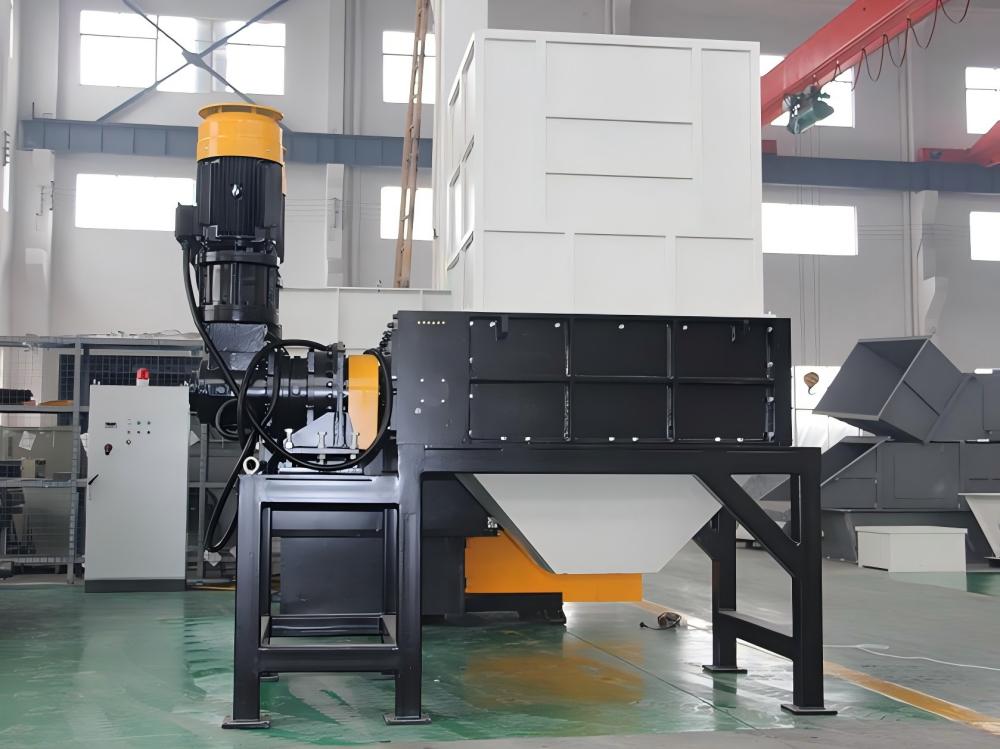
Many industrial shredders utilize hydraulic drive systems to provide the necessary torque and to offer protection against shocks. The hydraulic system is the “circulatory system” of the machine, and its health is paramount. The most important rule of hydraulic maintenance is cleanliness. Even microscopic contaminants can score valve surfaces and damage pump pistons. Regularly replacing hydraulic filters and performing oil analysis can save thousands of dollars in pump replacements.
Temperature management is equally important for hydraulics. If the oil becomes too hot, its viscosity drops, leading to poor lubrication and accelerated wear. Ensure that the heat exchangers or cooling fans are clean and functioning. Conversely, in cold climates, the oil must be pre-heated before the machine is put under full load to prevent cavitation in the pumps. Check all hoses for signs of abrasion or “weeping” at the fittings, as a burst high-pressure hose is both a fire hazard and a major safety risk.
On the electrical side, the control cabinet should be kept clean and dust-free. In recycling environments, conductive dust can accumulate on circuit boards, leading to short circuits. Periodically tighten all electrical connections, as thermal cycling and vibration can loosen terminal screws. For machines equipped with Variable Frequency Drives (VFDs) or PLCs, ensure that the cooling fans for these components are operational. Monitoring the motor’s amperage draw during operation can also provide early warning of mechanical binding or electrical insulation breakdown.
The Lubrication Plan: More Than Just Grease
Effective lubrication is the cornerstone of industrial shredder maintenance tips to reduce downtime and repair costs. However, simply applying grease is not enough; you must apply the *right* lubricant in the *right* amount at the *right* interval. Shredders operate in high-pressure environments where standard lubricants may be squeezed out of the contact zone. It is essential to use extreme-pressure (EP) lubricants specifically recommended by HARSLE for heavy machinery.
Automated lubrication systems are highly recommended for industrial shredders. These systems deliver small, frequent doses of grease to the bearings while the machine is in motion, which is far more effective than a large manual dose once a week. If your machine relies on manual lubrication, create a strict schedule and use a color-coded system to ensure no grease points are missed. Over-lubrication can be just as damaging as under-lubrication, as it can blow out seals and allow contaminants to enter the bearing housing.
Don’t forget the lubrication of the drive chains and open gears if your model uses them. These components are often exposed to the environment and can attract dust and grit, forming an abrasive paste. Use “dry” lubricants or specialized chain oils that penetrate the rollers without attracting excessive debris. Regularly cleaning these components before re-lubricating will significantly extend their service life.
Troubleshooting Signals: Listening to Your Machine
An experienced operator can often “hear” a problem before a sensor detects it. Unusual noises are the most common troubleshooting signals. A high-pitched squeal might indicate a slipping belt or a failing bearing, while a heavy rhythmic thumping could suggest a broken blade or a foreign object caught in the rotor. If the shredder begins to vibrate excessively, stop the machine immediately to check for rotor imbalance or loose structural components.
Thermal imaging is another powerful troubleshooting tool. By periodically scanning the motor, gearbox, and bearing housings with an infrared camera, you can identify “hot spots” that indicate friction or electrical resistance. For example, if one bearing is significantly hotter than the others, it is likely failing or under-lubricated. Similarly, an unusually hot electrical breaker in the control panel suggests an overloaded circuit or a loose connection.
Performance data from the PLC can also reveal hidden issues. If the machine is frequently triggering its “auto-reverse” function (a safety feature that clears jams), it may mean the material feed rate is too high, or the blades are too dull to grab the material effectively. Tracking the frequency of these events helps in fine-tuning the operational parameters to maximize throughput while minimizing wear and tear.
Comprehensive Maintenance Schedule Table
To help organize your maintenance efforts, use the following table as a baseline for your HARSLE industrial shredder. Note that high-volume operations may need to increase the frequency of these checks.
| Frequency | Component | Action Required |
|---|---|---|
| Daily | Cutting Chamber | Clear debris, check for blade damage, and inspect for unshreddables. |
| Daily | Hydraulic System | Check oil levels, monitor temperature, and inspect for leaks. |
| Daily | Safety Systems | Test emergency stops and verify all guards are in place. |
| Weekly | Fasteners | Tighten motor mounts, gearbox bolts, and structural frame bolts. |
| Weekly | Lubrication | Check auto-lube reservoir levels or manually grease all points. |
| Monthly | Blades/Knives | Measure blade gaps and check for rounding of cutting edges. |
| Monthly | Electrical Cabinet | Vacuum dust, check for loose wires, and inspect cooling fans. |
| Quarterly | Hydraulic Oil | Perform oil analysis and replace filters. |
| Bi-Annually | Drive Belts/Chains | Check tension and inspect for wear or cracking. |
| Annually | Full System Audit | Comprehensive inspection by a HARSLE certified technician. |
Frequently Asked Questions (FAQ)
How often should I sharpen my industrial shredder blades?
The frequency of sharpening depends entirely on the material being processed. A shredder processing clean plastic may go months without sharpening, while one processing abrasive electronic waste or contaminated tires may need blade maintenance every few weeks. The best indicator is the quality of the output and the machine’s energy consumption. When the motor starts drawing more current for the same load, it’s time to sharpen.
What is the most common cause of shredder downtime?
The most common cause is “unshreddable” contamination. When a piece of heavy tramp metal or an unyielding object enters a machine not designed for it, it can cause immediate blade breakage or shaft twisting. Implementing a robust pre-sorting process or using magnetic separators can prevent the majority of these incidents.
Can I use any hydraulic oil in my HARSLE shredder?
No. You should always use the specific grade and viscosity recommended in your operator’s manual. Using the wrong oil can lead to poor lubrication at high temperatures or sluggish performance in cold weather. Additionally, ensure the oil has the necessary anti-wear (AW) additives required for high-pressure hydraulic pumps.
Why is my shredder vibrating more than usual?
Excessive vibration is usually caused by one of three things: an imbalanced rotor (often due to uneven blade wear or a missing blade), loose mounting bolts, or a failing bearing. You should stop the machine immediately and perform a thorough mechanical check to identify the source, as vibration can quickly lead to structural cracks.
Is it worth investing in an automated lubrication system?
Absolutely. For industrial shredders, an automated system ensures that critical bearings receive constant lubrication while the machine is under load. This significantly reduces wear compared to manual greasing, which often results in a “feast or famine” cycle for the bearings. The reduction in repair costs and downtime usually pays for the system within the first year of operation.
Conclusion: Maximizing ROI Through Diligent Care
Maintaining an industrial shredder is a continuous process that requires commitment from both operators and management. By following these industrial shredder maintenance tips to reduce downtime and repair costs, you ensure that your HARSLE equipment remains a reliable asset for years to come. Remember that the goal is to catch the small problems before they become big ones. A disciplined approach to daily inspections, a rigorous lubrication schedule, and a proactive replacement of wear parts will keep your facility running smoothly and your repair budget under control.
In the long run, the data you collect through maintenance logs will become your most valuable asset. It will allow you to predict when parts will fail, optimize your spare parts inventory, and make informed decisions about future equipment purchases. Treat your shredder with the respect a high-precision machine deserves, and it will reward you with consistent performance and maximum uptime.