Essential Scrap Metal Shear Maintenance Tips for Metal Fabrication Shops

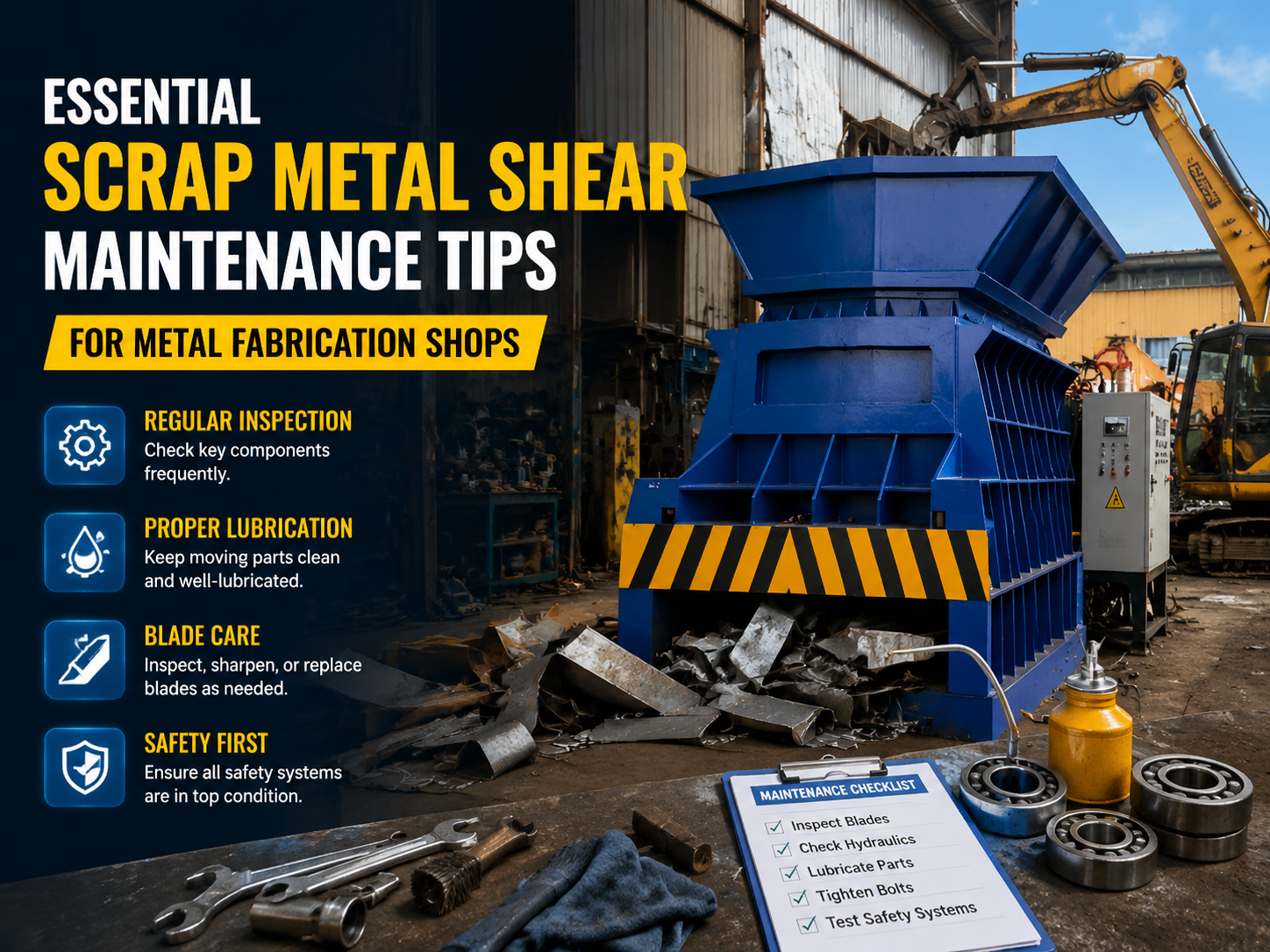
The Critical Importance of Maintenance in Metal Fabrication
In the high-intensity environment of a metal fabrication shop or a scrap recycling yard, the scrap metal shear stands as a cornerstone of productivity. These robust machines are designed to exert hundreds of tons of force to slice through structural steel, pipes, and heavy plate. However, the sheer power of these machines also means that they are subject to immense internal stresses and external wear. Implementing Essential Scrap Metal Shear Maintenance Tips Metal Fabrication Shops can use is not just about preventing breakdowns; it is about protecting a significant capital investment and ensuring the safety of every operator on the floor.
Neglecting maintenance leads to a cascading series of failures. What begins as a minor hydraulic leak can quickly escalate into a pump failure, resulting in thousands of dollars in replacement parts and days of lost production. Furthermore, a poorly maintained shear produces lower-quality cuts, which can affect the resale value of scrap or the precision of fabricated components. HARSLE understands that for our clients, uptime is the primary metric of success. By following a rigorous maintenance protocol, shops can extend the lifespan of their machinery by decades, ensuring that the equipment remains as precise and powerful as the day it was installed.
Beyond the financial implications, maintenance is a fundamental pillar of workplace safety. Scrap shears involve high-pressure hydraulics and massive moving parts. A mechanical failure during a cutting cycle can be catastrophic. Regular inspections ensure that safety interlocks, emergency stops, and structural components are functioning correctly, providing peace of mind for the workforce. In this comprehensive guide, we will explore the technical nuances of maintaining these industrial giants, providing actionable insights for maintenance managers and machine operators alike.
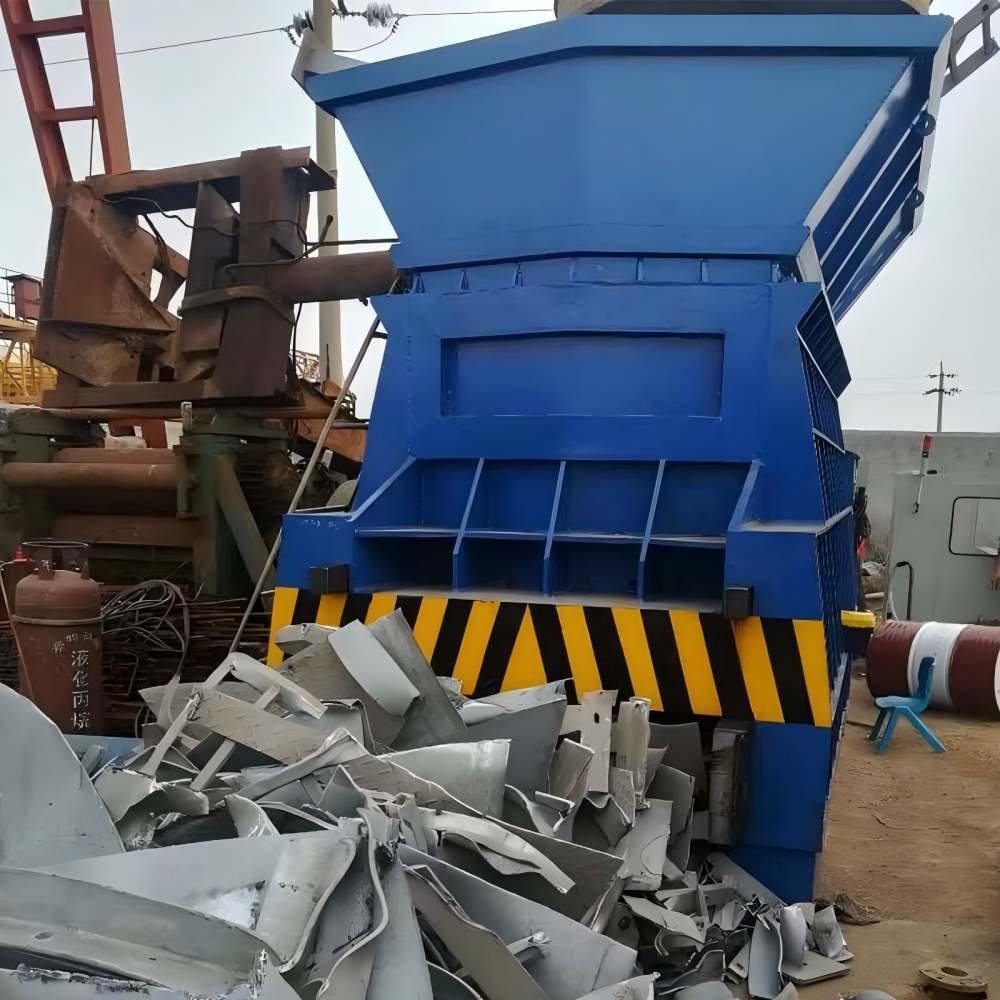
Daily Pre-Operational Inspection Checklist
The first line of defense against machine failure is the daily inspection. Before the power is even turned on, the operator should perform a visual sweep of the entire unit. This proactive approach allows for the identification of issues that may have developed during the previous shift. Operators should look for signs of fluid pooling on the floor, which indicates a breach in the hydraulic system, or loose debris caught in the shearing throat that could cause a jam.
During the daily check, pay close attention to the following areas:
- Fluid Levels: Check the hydraulic oil reservoir level. Low oil can lead to cavitation in the pump, causing permanent damage.
- Blade Condition: Inspect the cutting edges for chips, cracks, or excessive dullness. Dull blades increase the load on the motor and hydraulic system.
- Fasteners and Bolts: The vibration inherent in metal shearing can loosen even the most heavy-duty bolts. Check the blade bolts and frame fasteners.
- Safety Guards: Ensure all protective shielding is in place and that light curtains or physical barriers are unobstructed.
- Hose Integrity: Look for bulging, fraying, or wet spots on hydraulic hoses. A burst hose under high pressure is an extreme safety hazard.
Once the visual inspection is complete, a functional test should be performed. Cycle the machine empty several times to listen for unusual noises—grinding, squealing, or excessive vibration. These sounds are often the first indicators of bearing wear or misalignment. If the machine features an automatic lubrication system, verify that it is cycling correctly and that the grease lines are pressurized. Documenting these daily checks in a logbook is essential for long-term tracking and accountability within the fabrication shop.
Deep Dive into Hydraulic System Maintenance
The hydraulic system is the heart of the scrap metal shear. It converts electrical energy into the massive mechanical force required to cut steel. Because hydraulic systems operate under extreme pressure, they are sensitive to contamination and temperature fluctuations. Maintaining the purity of the hydraulic fluid is perhaps the single most important task in the Essential Scrap Metal Shear Maintenance Tips Metal Fabrication Shops must follow. Contaminants like metal shavings, dust, and moisture act as abrasives, wearing down valves and cylinder seals from the inside out.
Oil filtration is your primary tool against contamination. Most modern shears, including those from HARSLE, are equipped with high-efficiency filters. These should be replaced according to the manufacturer’s schedule, or sooner if the filter bypass indicator is triggered. It is also advisable to perform annual oil analysis. By sending a sample of the hydraulic fluid to a lab, you can detect microscopic wear particles that indicate which components are nearing the end of their life, allowing for planned replacement rather than emergency repair.
Temperature regulation is another critical factor. Hydraulic oil has an optimal operating range, usually between 40°C and 60°C (104°F to 140°F). If the oil becomes too hot, its viscosity drops, leading to poor lubrication and accelerated seal wear. Ensure that the oil coolers (air-cooled or water-cooled) are clean and that the cooling fans are operational. Conversely, in cold environments, the oil must be allowed to warm up before the machine is put under full load to prevent pump cavitation and sluggish valve response.
Electrical and Control System Integrity
While the mechanical and hydraulic systems do the heavy lifting, the electrical system provides the intelligence. Modern scrap shears utilize Programmable Logic Controllers (PLCs) and sophisticated sensor arrays to manage the cutting cycle. Maintenance of these systems requires a clean and dry environment. Dust accumulation inside electrical cabinets can lead to overheating or short circuits, especially if the dust contains metallic particles common in fabrication shops.
Quarterly electrical inspections should include tightening all terminal connections. Vibration can cause wires to back out of their lugs, leading to intermittent faults that are notoriously difficult to diagnose. Inspect the insulation on all external wiring for signs of abrasion or heat damage. Sensors, such as limit switches and pressure transducers, should be checked for proper alignment and calibration. A misaligned limit switch can cause the shear ram to over-travel, potentially damaging the frame or the cylinders.
Software and control logic also require attention. Ensure that the PLC battery is replaced periodically to prevent the loss of program data during power outages. If your HARSLE machine features a touchscreen HMI (Human Machine Interface), keep the screen clean using appropriate cleaners to prevent touch-sensitivity issues. Always maintain a backup of the machine’s parameters and PLC program in a secure location. This ensures that in the event of a control failure, the machine can be restored to its factory settings quickly.
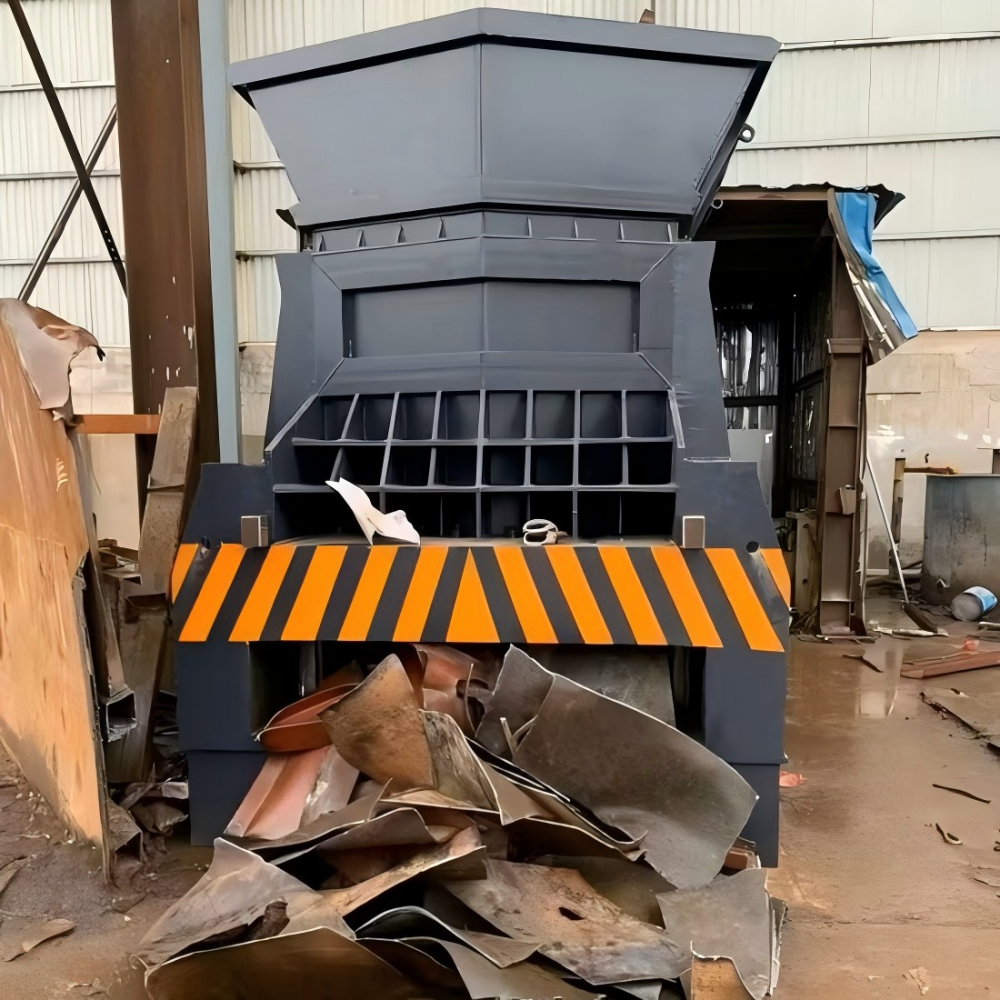
Mechanical Components and Blade Management
The mechanical structure of a scrap shear is built for durability, but the interface where the metal is actually cut—the blades—requires constant vigilance. Blade management is a science in itself. As blades wear, the gap between the upper and lower knives increases. This “blade gap” is critical; if it is too wide, the metal will fold or tear rather than shear, putting immense lateral stress on the ram guides. If it is too tight, the blades may clash, causing catastrophic damage to the cutting head.
Regularly measure the blade gap using feeler gauges at multiple points along the length of the blade. Adjustments should be made according to the thickness and type of material being processed. Most scrap shears feature four-sided blades, meaning they can be rotated three times before they need to be professionally reground. When rotating or replacing blades, ensure the seating surfaces are perfectly clean. Even a small piece of grit behind a blade can cause misalignment, leading to uneven wear or blade breakage.
Beyond the blades, the ram guides (or gibs) must be inspected for wear. These guides ensure the ram moves in a perfectly linear path. Over time, the friction material on the guides will wear down. If the ram develops “play” or side-to-side movement, the guides must be adjusted or replaced. Lubrication of these guides is paramount, as they bear the brunt of the friction generated during every stroke. Check the structural welds of the frame for any signs of stress cracking, particularly around the cylinder mounts and the pivot points of the shearing arm.
Comprehensive Lubrication Strategy
Lubrication is the simplest yet most frequently overlooked aspect of industrial maintenance. In a scrap metal shear, dozens of pivot points, bearings, and sliding surfaces require a consistent film of grease to prevent metal-on-metal contact. A proper lubrication strategy involves using the correct type of lubricant, in the right amount, at the right interval. For most heavy-duty shears, an Extreme Pressure (EP2) lithium-based grease is recommended due to its ability to stay in place under high loads.
If your machine relies on manual lubrication, create a map of all grease nipples and color-code them based on the required frequency (e.g., red for daily, blue for weekly). This visual aid helps ensure that no point is missed. For machines equipped with automatic lubrication systems, the primary task is to keep the reservoir filled and to periodically inspect the distribution blocks. A blocked line in an automatic system can be dangerous because the operator assumes the part is being greased when it is actually running dry.
Don’t forget the lubrication of the hydraulic cylinder rod glands. While the internal parts are lubricated by the hydraulic oil, the external seals can benefit from a light coating of oil to prevent them from drying out and cracking, especially if the machine sits idle for extended periods. Proper lubrication not only reduces wear but also helps to seal out contaminants like metal dust and moisture, acting as a secondary barrier for sensitive bearings and bushings.
Recognizing Troubleshooting Signals
Experienced operators often “feel” when a machine is not performing correctly. However, relying on intuition isn’t enough; shops need a systematic way to recognize and respond to troubleshooting signals. One of the most common signals is a change in the cycle time. If the shear takes longer to complete a stroke than it used to, it could indicate a failing hydraulic pump, a leaking internal seal in the cylinder, or a clogged suction filter.
Unusual noises are another major red flag. A high-pitched whining noise usually points to hydraulic aeration or pump cavitation. A heavy thumping sound during the cut might suggest that the blades are loose or that the material is shifting due to a failing hold-down clamp. Heat is also a diagnostic tool. If a specific valve or section of the hydraulic line is significantly hotter than the rest of the system, it likely indicates an internal leak where high-pressure oil is being forced through a small orifice, generating friction heat.
Finally, observe the quality of the scrap being produced. If the edges of the cut metal are excessively burred or if the machine struggles to cut material that it previously handled with ease, the blades are likely dull or the blade gap has shifted. Addressing these signals immediately prevents “forced deterioration,” where one failing component puts undue stress on the rest of the system, leading to a total machine breakdown.
Maintenance Schedule Table
To assist in the organization of your shop’s efforts, the following table outlines a standard maintenance schedule for a high-capacity scrap metal shear. Note that these intervals may need to be shortened for high-volume, multi-shift operations.
| Frequency | Component | Action Required | Goal |
|---|---|---|---|
| Daily | Hydraulic Reservoir | Check oil level and temp | Prevent pump damage |
| Daily | Cutting Blades | Visual check for chips | Ensure cut quality |
| Weekly | Grease Points | Manual lubrication | Reduce friction/wear |
| Weekly | Blade Bolts | Torque check | Prevent blade clashing |
| Monthly | Hydraulic Filters | Inspect/Replace | Maintain oil purity |
| Monthly | Electrical Cabinet | Vacuum dust/Check wires | Prevent short circuits |
| Quarterly | Ram Guides | Measure and adjust gap | Maintain alignment |
| Yearly | Hydraulic Oil | Lab analysis/Full change | System longevity |
Frequently Asked Questions (FAQ)
1. How often should I rotate the shear blades?
Blade rotation frequency depends entirely on the volume and type of material you are cutting. On average, for a single-shift operation cutting mixed structural steel, blades should be inspected daily and rotated every 3 to 6 months. However, if you notice a decrease in cut quality or an increase in the pressure required to cut, rotate them immediately.
2. What is the best hydraulic oil for a scrap metal shear?
Most HARSLE shears utilize an ISO VG 46 or ISO VG 68 anti-wear hydraulic oil. The specific grade depends on your local climate. In colder regions, a lower viscosity (VG 46) is better for startup, while in hotter climates, a higher viscosity (VG 68) provides better protection at operating temperatures. Always consult your machine’s manual for the specific recommendation.
3. Why is my shear vibrating excessively during the cut?
Excessive vibration is usually caused by one of three things: loose blade bolts, an incorrect blade gap, or worn ram guides. It can also occur if the machine is not properly anchored to the foundation. Check the blade gap first, as this is the most common culprit in metal fabrication shops.
4. Can I sharpen the blades myself?
While some shops attempt to grind blades in-house, it is highly recommended to have them professionally reground. Shear blades require precise parallelism and specific edge angles to function correctly. Improper grinding can lead to blade cracking or poor machine performance. Professional services also perform magnetic particle inspection to check for sub-surface cracks.
5. How do I know if my hydraulic pump is failing?
Signs of pump failure include increased noise (aeration), slower cycle times, and the inability to reach maximum system pressure. If the pump housing is too hot to touch, it is likely experiencing internal slippage. Regular oil analysis is the best way to catch pump wear before it leads to a total failure.
6. Is an automatic lubrication system worth the investment?
Absolutely. For high-production environments, an automatic lubrication system ensures that every critical point receives the exact amount of grease needed at the correct intervals. It eliminates human error and significantly reduces the time maintenance staff must spend on the machine, leading to a rapid return on investment through reduced wear and downtime.
Conclusion: Partnering with HARSLE for Long-Term Success
Maintaining a scrap metal shear is a continuous commitment to excellence. By integrating these Essential Scrap Metal Shear Maintenance Tips Metal Fabrication Shops into your daily operations, you ensure that your equipment remains a reliable asset rather than a liability. At HARSLE, we design our machinery with maintenance in mind, featuring accessible service points and robust components that stand up to the rigors of the industry. However, even the best-engineered machine requires the care of a dedicated maintenance team.
Remember that maintenance is not a cost center; it is a profit protector. Every hour spent on preventive care saves ten hours of emergency repair. By fostering a culture of machine ownership among operators and providing them with the tools and time to perform these checks, your fabrication shop will enjoy higher productivity, safer working conditions, and a stronger bottom line. For more technical support or to inquire about our latest high-efficiency scrap shears, contact the HARSLE team today. We are dedicated to providing the machinery and the knowledge you need to lead the market in metal fabrication and recycling.