How to Extend the Service Life of a Scrap Metal Shear: The Ultimate Maintenance Guide

Introduction to Scrap Metal Shear Longevity
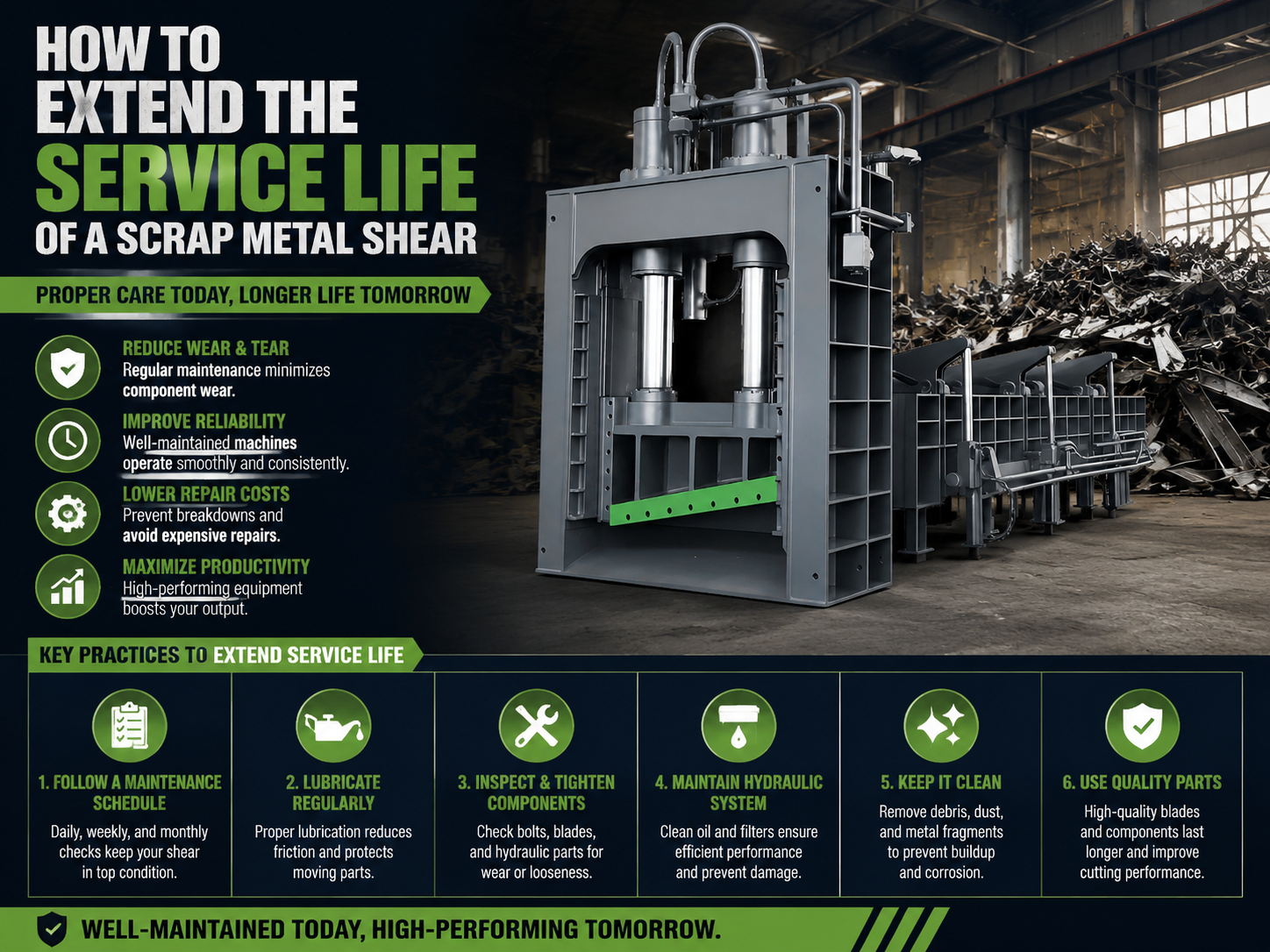
In the high-intensity world of metal recycling and industrial fabrication, the scrap metal shear stands as a cornerstone of productivity. These robust machines are designed to exert hundreds of tons of force to bite through steel beams, automotive frames, and industrial piping. However, the very nature of their work—processing abrasive, heavy, and often unpredictable materials—puts immense stress on every component. To extend the service life of a scrap metal shear, a proactive and systematic approach to maintenance is not just a recommendation; it is a financial necessity. A well-maintained shear can operate efficiently for decades, while a neglected one may face catastrophic failure within a few years.
HARSLE understands that downtime in a scrap yard or processing facility translates directly to lost revenue. Whether you are operating a gantry shear, an alligator shear, or a container shear, the principles of longevity remain consistent. By implementing a rigorous maintenance protocol, operators can ensure that their equipment remains a reliable asset rather than a liability. This guide provides a deep dive into the technical and operational strategies required to maximize the lifespan of your heavy-duty shearing equipment.
The Critical Importance of Regular Maintenance
The primary reason to focus on maintenance is the preservation of structural integrity. Scrap metal shears are subjected to cyclic loading, which can lead to metal fatigue over time. Regular inspections allow operators to identify micro-cracks or structural shifts before they escalate into major fractures. When you prioritize maintenance, you are essentially protecting the massive capital investment represented by the machine. A shear that is kept in peak condition also maintains a higher resale value, providing better long-term ROI for the business.
Beyond structural concerns, maintenance is directly linked to operational efficiency. A shear with dull blades or a struggling hydraulic system requires more energy to perform the same task. This leads to increased electricity or fuel consumption and slower cycle times. By ensuring that every component is functioning at its design specification, you optimize the throughput of your facility. Furthermore, safety is a paramount concern. A malfunctioning shear poses a significant risk to operators and surrounding personnel. Regular checks of safety interlocks, emergency stops, and hydraulic hoses prevent accidents that could have devastating human and legal consequences.
Daily Inspection Protocols: The First Line of Defense
The daily inspection is the most effective tool for catching minor issues before they become major repairs. Every shift should begin with a comprehensive walk-around of the machine. Operators should look for signs of hydraulic leaks, which often manifest as damp spots on the floor or oily residue on the machine frame. Even a small leak can lead to significant fluid loss over time and, more importantly, indicates a breach in the system that could allow contaminants to enter.
Cleaning is an often-overlooked aspect of daily maintenance. Scrap yards are inherently dirty environments, filled with metal dust, scale, and debris. This material can accumulate in the shear’s moving parts, acting as an abrasive that accelerates wear. Using compressed air or specialized cleaning tools to clear the blade area, the cylinder rods, and the cooling vents is essential. During this cleaning process, operators should also check for loose bolts or fasteners, particularly around the blade seats and the main pivot points. The vibration inherent in shearing operations can gradually loosen even the most secure connections.
Hydraulic System Maintenance: The Heart of the Shear
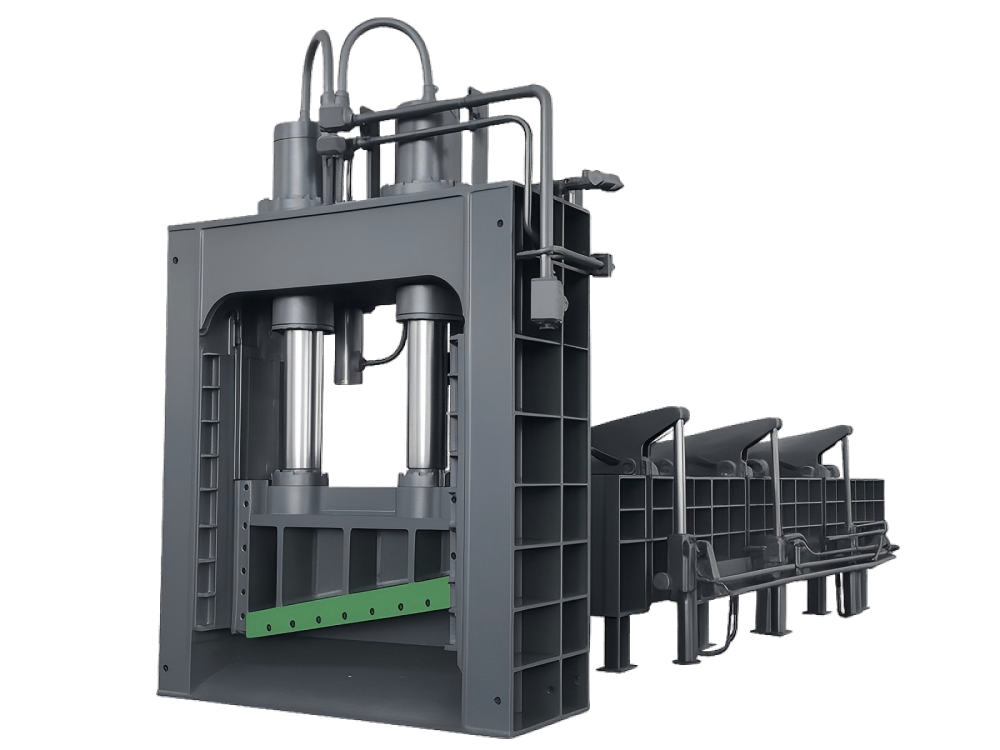
The hydraulic system is the lifeblood of a scrap metal shear. To extend the service life of a scrap metal shear, you must maintain the purity and temperature of the hydraulic fluid. Contamination is the leading cause of hydraulic pump and valve failure. Microscopic metal particles, dust, and moisture can cause internal erosion and sticking valves. It is imperative to follow a strict schedule for replacing hydraulic filters and to conduct regular oil analysis. An oil analysis can reveal the presence of wear metals, indicating which internal components may be reaching the end of their life.
Temperature management is equally critical. Hydraulic oil is designed to operate within a specific temperature range. If the oil becomes too hot, its viscosity drops, leading to poor lubrication and increased wear on the pump. Overheated oil also accelerates the degradation of seals and hoses, leading to leaks. Ensure that the oil cooling system—whether air-cooled or water-cooled—is functioning correctly and that the heat exchanger fins are clean. Conversely, in cold climates, the oil must be properly warmed before the machine is put under full load to prevent cavitation in the pump.
Electrical System and Control Checks
Modern scrap shears rely on sophisticated electrical systems and PLC (Programmable Logic Controller) units to manage complex shearing cycles. These systems are sensitive to vibration and environmental conditions. Regularly inspect the control cabinet to ensure it is sealed against dust and moisture. Check all wiring for signs of fraying or heat damage, which can occur if a connection is loose and creating resistance. Ensuring that the grounding system is intact is also vital for protecting sensitive electronic components from power surges.
Sensors and limit switches play a crucial role in the machine’s operation, defining the stroke limits and ensuring that the shear doesn’t over-travel. These components should be tested daily to ensure they are triggering correctly. If a limit switch fails, the hydraulic cylinder could bottom out with immense force, causing structural damage to the frame or the cylinder itself. Keeping the software updated and the control interface clean ensures that the operator has accurate feedback on the machine’s status at all times.
Mechanical Components and Blade Management
The blades are the most frequently replaced wear part on a scrap shear, but their management significantly impacts the machine’s overall health. To extend the service life of a scrap metal shear, the gap between the upper and lower blades (blade clearance) must be maintained according to the manufacturer’s specifications. If the gap is too wide, the metal will fold rather than cut, putting immense lateral stress on the shear head and the guide rails. If the gap is too tight, the blades may clash, leading to chipping or catastrophic breakage.
Blade rotation and sharpening are key to cost-effective operation. Most HARSLE shears feature four-sided blades that can be rotated to provide a fresh cutting edge. Waiting too long to rotate or sharpen blades forces the hydraulic system to work harder, increasing pressure and heat. Additionally, the guide slides or wear plates that support the moving shear head must be inspected for wear. These plates are designed to be sacrificial; replacing them is far cheaper than repairing the main structural frame of the shear head if it becomes misaligned.
Comprehensive Lubrication Plan
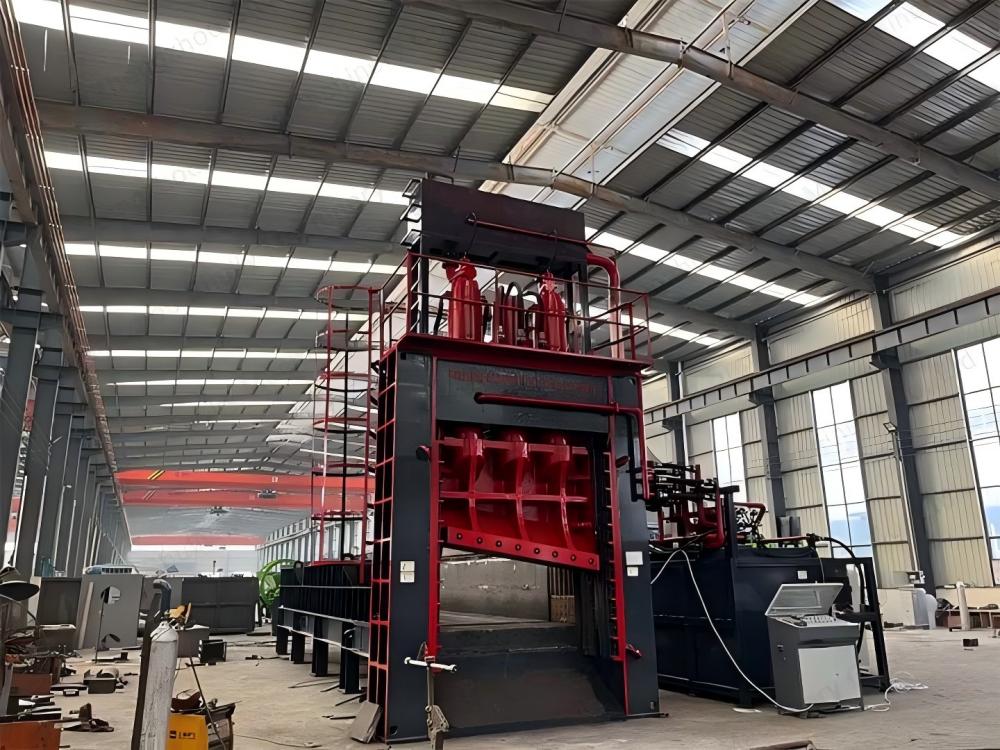
Lubrication is the simplest yet most effective way to reduce friction and wear. A scrap metal shear has numerous pivot points, bushings, and sliding surfaces that require constant lubrication. Many modern machines are equipped with automatic lubrication systems that deliver a precise amount of grease at set intervals. However, these systems are not “set and forget.” Operators must regularly check the grease reservoir levels and ensure that all distribution lines are intact and not blocked by debris.
For machines requiring manual lubrication, a strict schedule must be followed. Using the correct type of lubricant is vital; scrap shears typically require high-pressure (EP) grease that can withstand the extreme loads generated during the cutting stroke. Lubrication doesn’t just reduce wear; it also helps to flush out contaminants from the bushings. When applying grease, continue until fresh grease is seen exiting the joint, as this ensures that old, contaminated grease has been displaced. Pay special attention to the main cylinder trunnions and the shear head guides, as these areas experience the highest loads.
Identifying Troubleshooting Signals
A seasoned operator can often “hear” when a machine is beginning to fail. Unusual noises, such as high-pitched squealing, grinding, or heavy thumping, are immediate red flags. Squealing often indicates a hydraulic pump struggling with cavitation or a blocked suction line. Grinding suggests metal-on-metal contact due to a lack of lubrication or worn-out bushings. Thumping may indicate a loose blade or a structural issue within the shear head. Ignoring these sounds will invariably lead to more expensive repairs.
Vibration is another key indicator. While some vibration is normal, an increase in intensity can signal that the machine is no longer level or that internal components are misaligned. Monitoring cycle times is also a useful diagnostic tool. If the shear begins to move slower than usual, it may indicate a loss of hydraulic efficiency, a failing pump, or internal leaking in the cylinders. By tracking these performance metrics, maintenance teams can intervene early, performing “surgical” repairs rather than total overhauls.
Comprehensive Maintenance Schedule Table
To effectively extend the service life of a scrap metal shear, use the following table as a baseline for your maintenance department. Note that heavy-duty or multi-shift operations may require more frequent intervals.
| Frequency | Component | Action Required |
|---|---|---|
| Daily | Hydraulic System | Check oil level, temperature, and look for leaks. |
| Daily | Blades | Inspect for chips, cracks, and debris buildup. |
| Daily | Safety Systems | Test emergency stops and light curtains/sensors. |
| Weekly | Lubrication | Check auto-lube reservoir or manually grease all points. |
| Weekly | Fasteners | Tighten blade bolts and structural mounting bolts. |
| Monthly | Filters | Inspect and replace hydraulic and air filters if necessary. |
| Monthly | Guide Rails | Check clearance and wear on slide plates; adjust as needed. |
| Quarterly | Oil Analysis | Send a sample of hydraulic fluid for laboratory testing. |
| Quarterly | Electrical | Clean control cabinet and check for loose terminal connections. |
| Annually | Structural | Perform ultrasonic testing on critical welds and pivot pins. |
| Annually | Hydraulic Pump | Conduct a full pressure and flow test to check efficiency. |
Frequently Asked Questions (FAQ)
1. How often should I rotate the blades on my scrap shear?
Blade rotation frequency depends entirely on the material being processed. If you are cutting clean, soft steel, blades may last for several hundred hours. However, if you are processing abrasive materials like rebar or hardened alloys, you may need to rotate them every 100-200 hours. The best indicator is the quality of the cut; if the shear is struggling or the metal is tearing rather than cutting, it is time to rotate or sharpen the blades.
2. What is the ideal operating temperature for hydraulic oil?
For most scrap metal shears, the ideal operating temperature for hydraulic oil is between 40°C and 55°C (104°F to 131°F). If the temperature exceeds 60°C (140°F), the oil begins to break down rapidly, and seals may start to fail. If your machine consistently runs hot, check the cooling system and ensure the relief valves are not set too high, which causes unnecessary heat generation.
3. Can I use any high-pressure grease for my shear?
While many EP (Extreme Pressure) greases are available, it is best to use the specific grade recommended by HARSLE. Scrap shears require grease with high film strength and excellent water resistance, as they often operate in outdoor environments. Using an incorrect grease can lead to premature bushing wear or clogged automatic lubrication lines.
4. Why is my shear losing cutting power?
A loss of cutting power is usually attributed to one of three things: dull blades, internal hydraulic leakage (bypassing) in the cylinder, or a failing hydraulic pump. Start by checking the blade condition and clearance. If those are correct, perform a pressure test on the hydraulic system to determine if the pump is reaching its rated PSI or if pressure is dropping during the stroke.
5. Is it necessary to warm up the machine in winter?
Yes, absolutely. Cold hydraulic oil is thick and does not flow easily, which can cause pump cavitation and damage. You should run the machine at idle or perform several “dry” cycles (moving the shear head without cutting material) until the oil reaches at least 20°C (68°F) before beginning full-load operations.
6. How do I know when to replace the wear plates?
Wear plates should be replaced when they reach the wear limit specified in your manual, typically when they have lost 25-30% of their original thickness, or when you can no longer adjust the blade clearance to the correct specification. Operating with worn plates allows the shear head to tilt, which can cause permanent damage to the main frame and the hydraulic cylinder rods.
Conclusion
To extend the service life of a scrap metal shear, one must view the machine as a precision instrument despite its rugged appearance. The combination of consistent daily checks, a clean hydraulic system, and disciplined lubrication forms the foundation of a long-lasting machine. By following the guidelines provided by HARSLE and maintaining a detailed service log, you can minimize unexpected downtime and ensure that your scrap metal shear remains a productive powerhouse for years to come. Remember, the cost of maintenance is always lower than the cost of a major repair or a lost day of production.