Comprehensive Guide to Scrap Metal Shear Safety Checks Before and After Operation

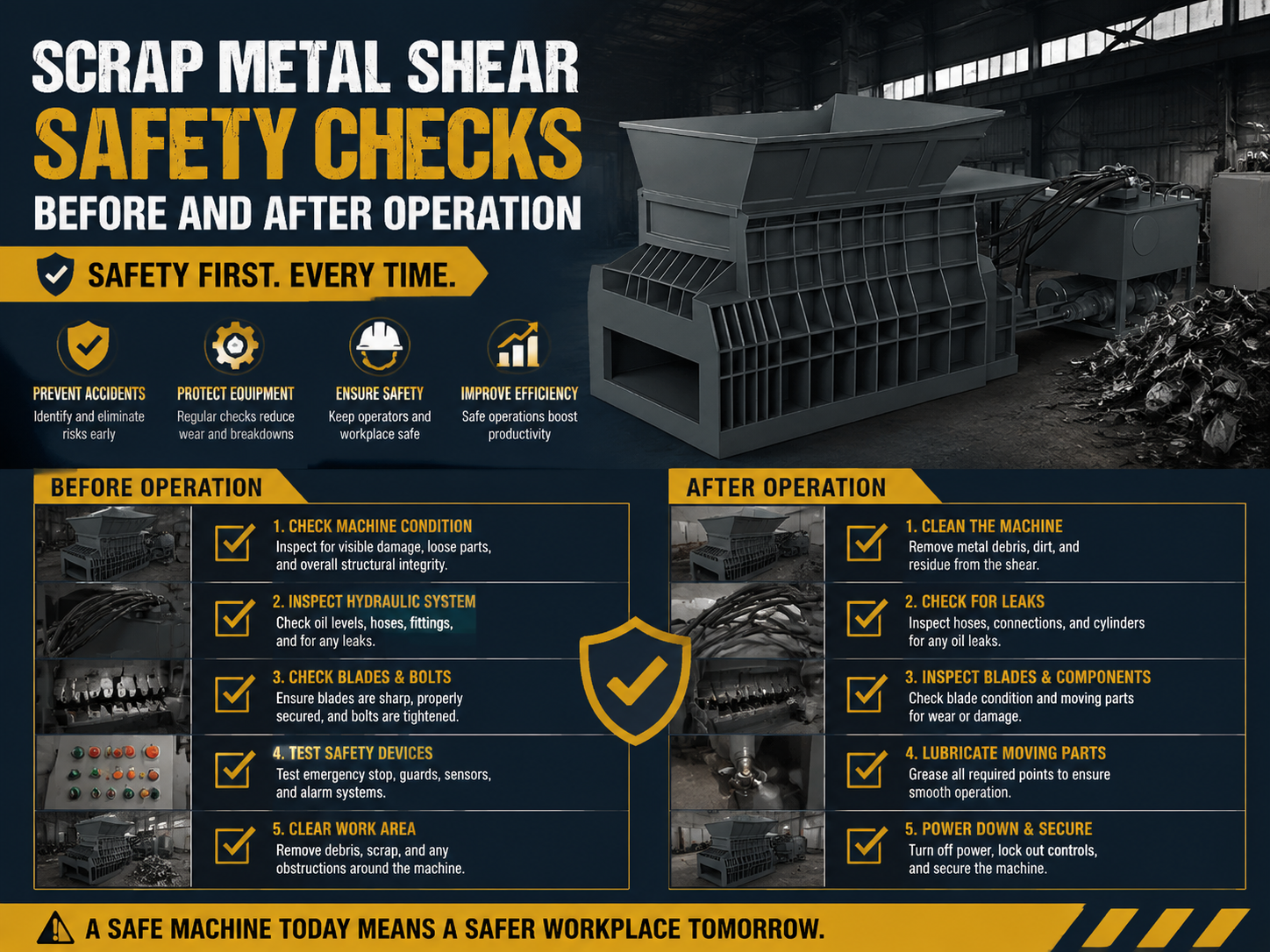
The Critical Importance of Scrap Metal Shear Safety and Maintenance
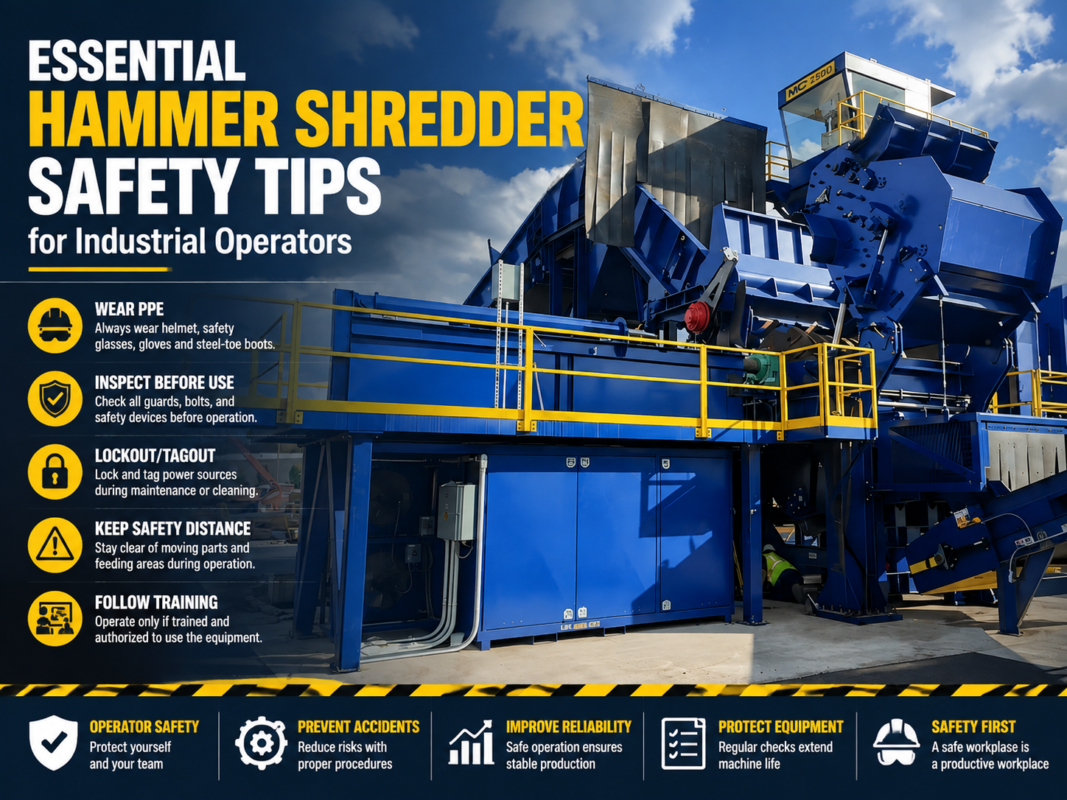
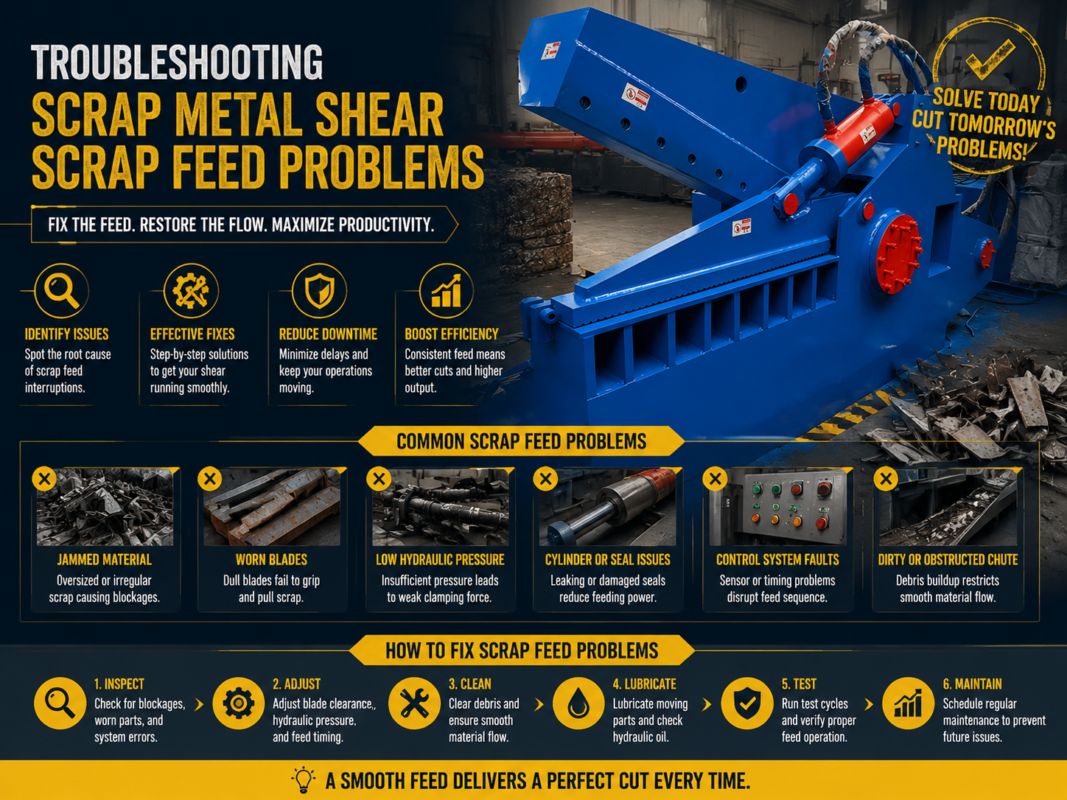
In the high-intensity environment of a metal recycling facility, the scrap metal shear stands as a cornerstone of productivity. These massive machines, capable of exerting hundreds of tons of force to slice through structural steel, automotive frames, and industrial piping, are marvels of hydraulic engineering. However, the sheer power that makes them effective also makes them potentially hazardous if not managed with rigorous safety protocols. Implementing a strict regimen of Scrap Metal Shear Safety Checks Before After Operation is not merely a recommendation; it is a fundamental requirement for operational longevity and personnel safety.
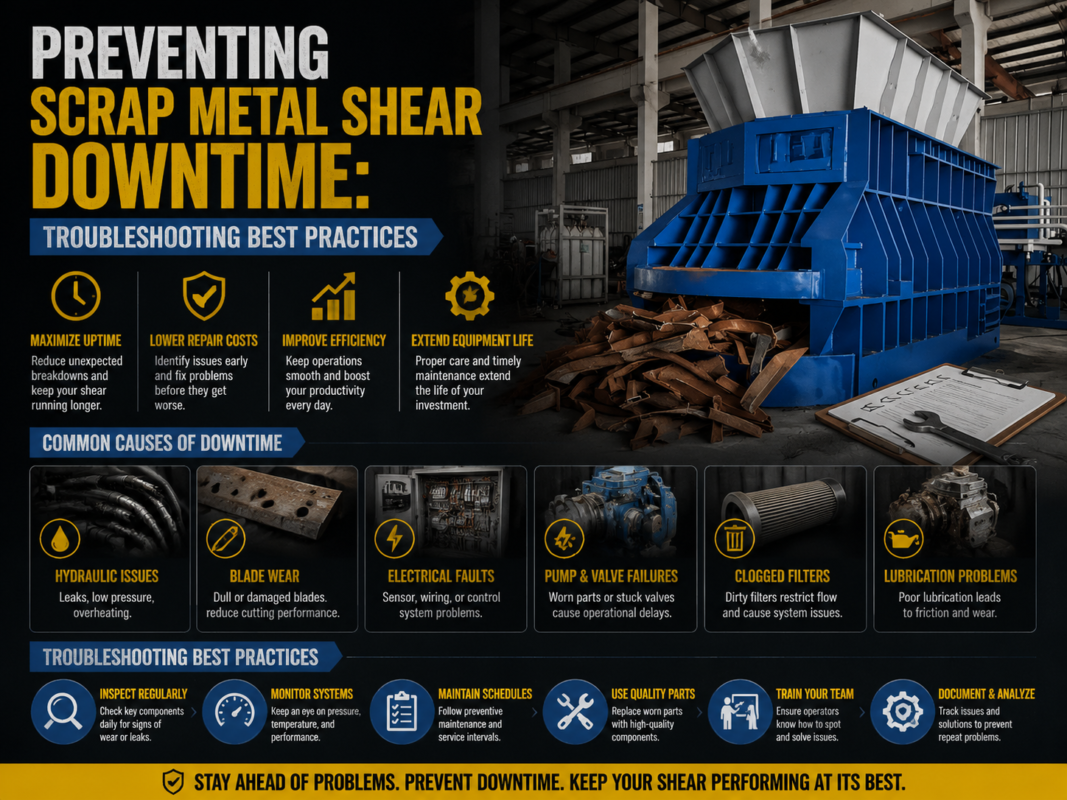
Regular maintenance and safety inspections serve three primary purposes. First, they ensure the safety of the operator and surrounding staff. A mechanical failure during a high-pressure cut can result in flying debris or structural collapse. Second, these checks protect the capital investment. Industrial shears like those manufactured by HARSLE are precision instruments; catching a loose bolt or a hydraulic leak early can prevent a catastrophic failure that might cost tens of thousands of dollars in repairs. Third, consistent checks optimize performance. A well-maintained shear operates faster, uses less energy, and produces cleaner cuts, which increases the market value of the processed scrap.
Neglecting these protocols often leads to a ‘domino effect’ of mechanical issues. For instance, a minor misalignment in the blade gap, if left unchecked, can lead to excessive wear on the guide rails, which then puts undue stress on the hydraulic cylinders, eventually leading to seal failure. By the time the operator notices a drop in performance, the internal damage may already be extensive. This guide provides a comprehensive framework for establishing a culture of safety and precision around your scrap metal shear operations.
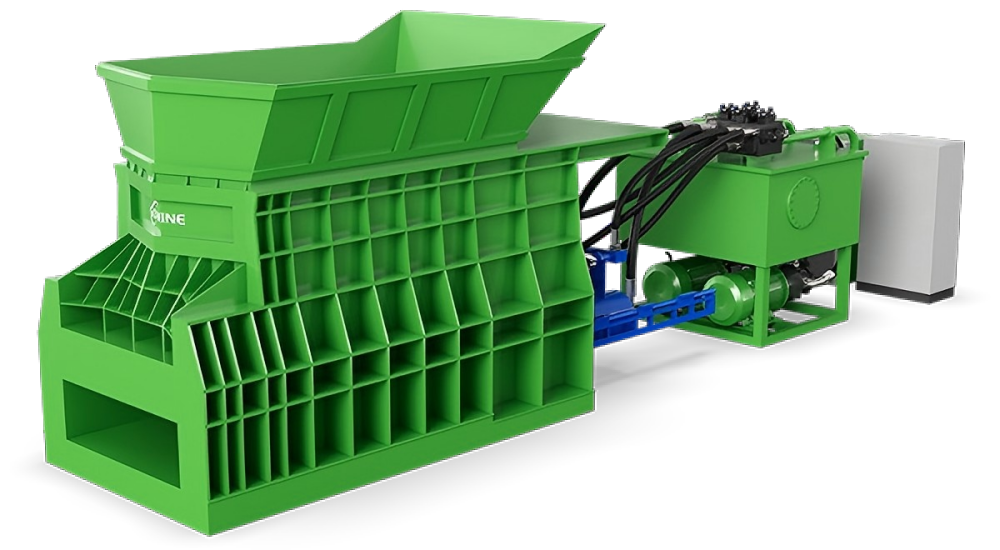
Daily Pre-Operation Inspection: Setting the Stage for Safety
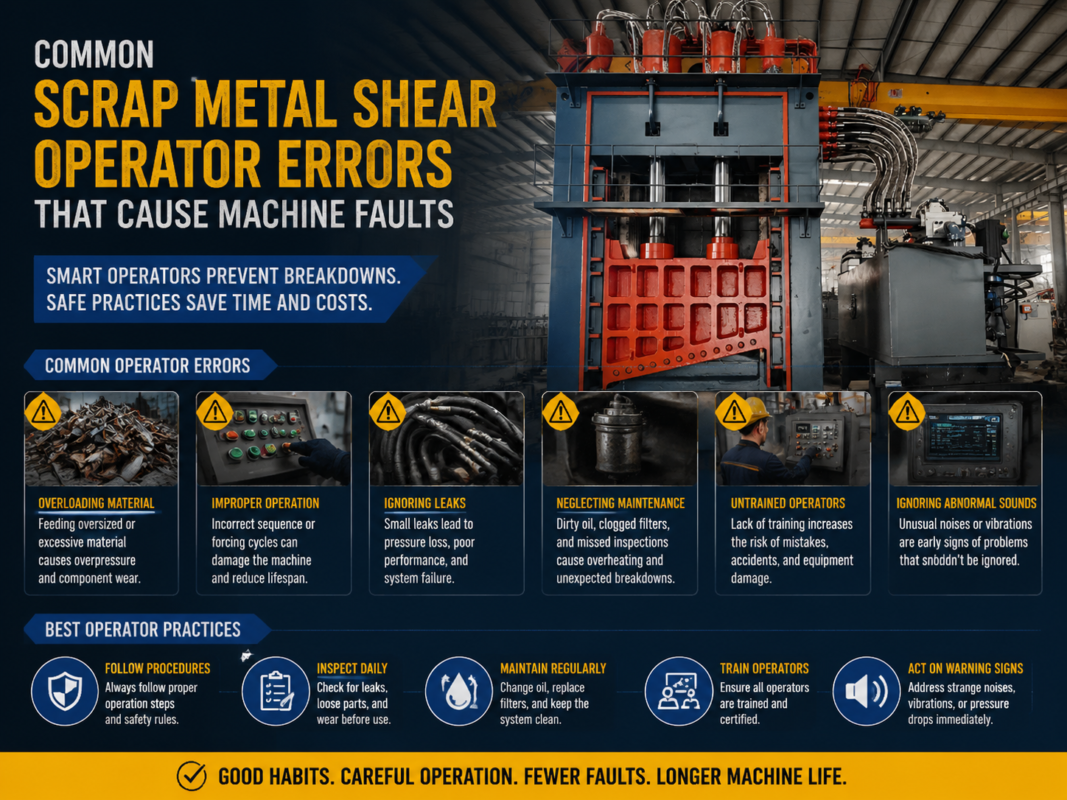
The pre-operation inspection is the first line of defense against workplace accidents. Before the power is even turned on, the operator must perform a comprehensive ‘walk-around’ of the machine. This process begins with the environment. Ensure that the area around the shear is clear of tripping hazards, loose scrap, or standing fluids. In a scrap yard, debris accumulates quickly; a clean workspace is essential for the operator to move freely and identify new leaks or fallen components.
Visual inspection of the shear’s structure is the next step. Look for signs of stress or fatigue in the main frame and the shearing head. Check all visible bolts and fasteners. The vibrations produced during heavy shearing can loosen even the most secure bolts over time. Pay particular attention to the blade bolts. If a blade becomes loose during operation, it can shatter or damage the opposing blade seat, leading to an immediate and expensive shutdown. Ensure that all safety guards and emergency stop buttons are physically intact and unobstructed.
Fluid levels are the lifeblood of the hydraulic shear. Check the hydraulic oil level in the reservoir while the machine is in its ‘home’ position. Low oil levels can lead to pump cavitation, which introduces air into the system and causes erratic movement and internal damage. Additionally, check the coolant levels if your machine is equipped with a heat exchanger. In extreme climates, the temperature of the hydraulic oil must be monitored closely; oil that is too cold will be too viscous to flow properly, while oil that is too hot will lose its lubricating properties and damage seals.
Hydraulic System Checks: The Heart of the Machine
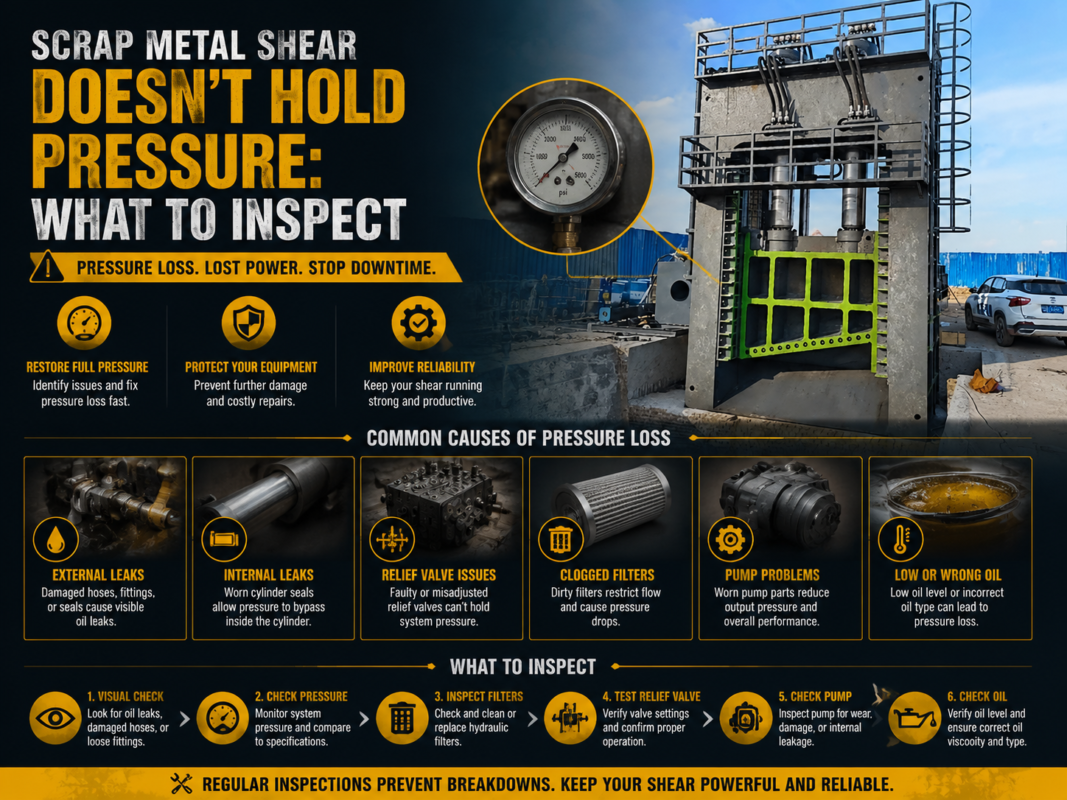
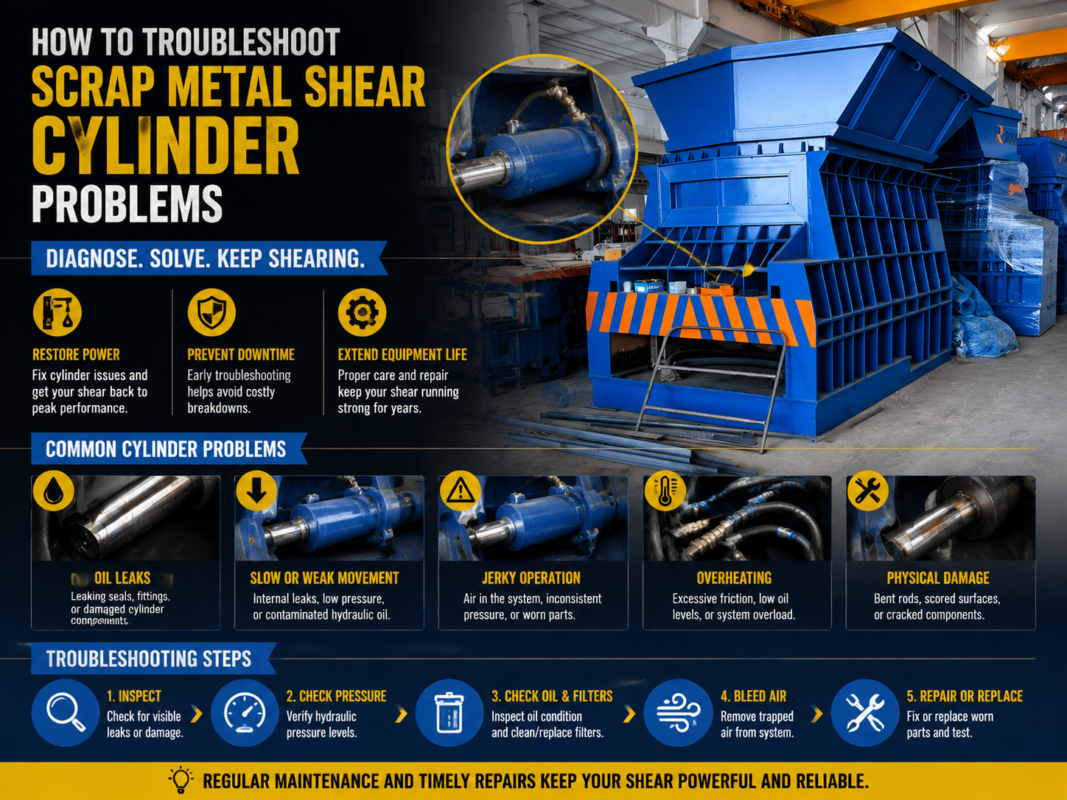
The hydraulic system of a scrap metal shear is a complex network of pumps, valves, cylinders, and hoses operating under immense pressure. During the Scrap Metal Shear Safety Checks Before After Operation, the hydraulic system requires the most technical scrutiny. Start by inspecting all high-pressure hoses for signs of wear, such as fraying, bulging, or ‘weeping’ at the fittings. A hydraulic hose failure under load is not just a leak; it is a high-velocity discharge of hot oil that can cause severe burns or injection injuries.
Listen to the pump during the initial startup. A healthy pump should have a consistent, rhythmic hum. Any high-pitched whining, grinding, or ‘knocking’ sounds are immediate red flags. These sounds often indicate cavitation or a failing bearing within the pump. Check the pressure gauges to ensure the system is reaching its designated operating pressure but not exceeding it. Over-pressurization can indicate a faulty relief valve, which is a critical safety component designed to prevent the system from exploding under load.
Oil quality is just as important as oil quantity. During your checks, look at the sight glass. The oil should be clear and amber-colored. If the oil appears milky, it indicates water contamination. If it appears dark or smells burnt, it has been overheated and has lost its chemical integrity. Furthermore, check the hydraulic filters. Most modern HARSLE shears feature clogging indicators on the filter housing. If the indicator is in the red zone, the filter must be replaced immediately to prevent contaminants from circulating through the sensitive valve blocks.
Electrical System and Control Logic Inspections
Modern scrap shears are increasingly reliant on sophisticated electrical systems and Programmable Logic Controllers (PLCs). The electrical inspection should begin at the main power cabinet. Ensure that the cabinet door is sealed to prevent the ingress of metallic dust, which is conductive and can cause short circuits. Look for any signs of overheating, such as discolored wire insulation or a ‘burnt’ ozone smell. Ensure that all grounding wires are securely fastened to prevent electrical shocks to the operator.
The control panel and operator interface (HMI) must be checked for responsiveness. Test every emergency stop button on the machine. It is a common mistake to assume they work; they must be physically tested at the start of every shift. If an E-stop fails to cut power immediately, the machine must be locked out and tagged out until the switch is replaced. Check the functionality of the foot pedals and hand levers, ensuring they return to the neutral position freely without sticking.
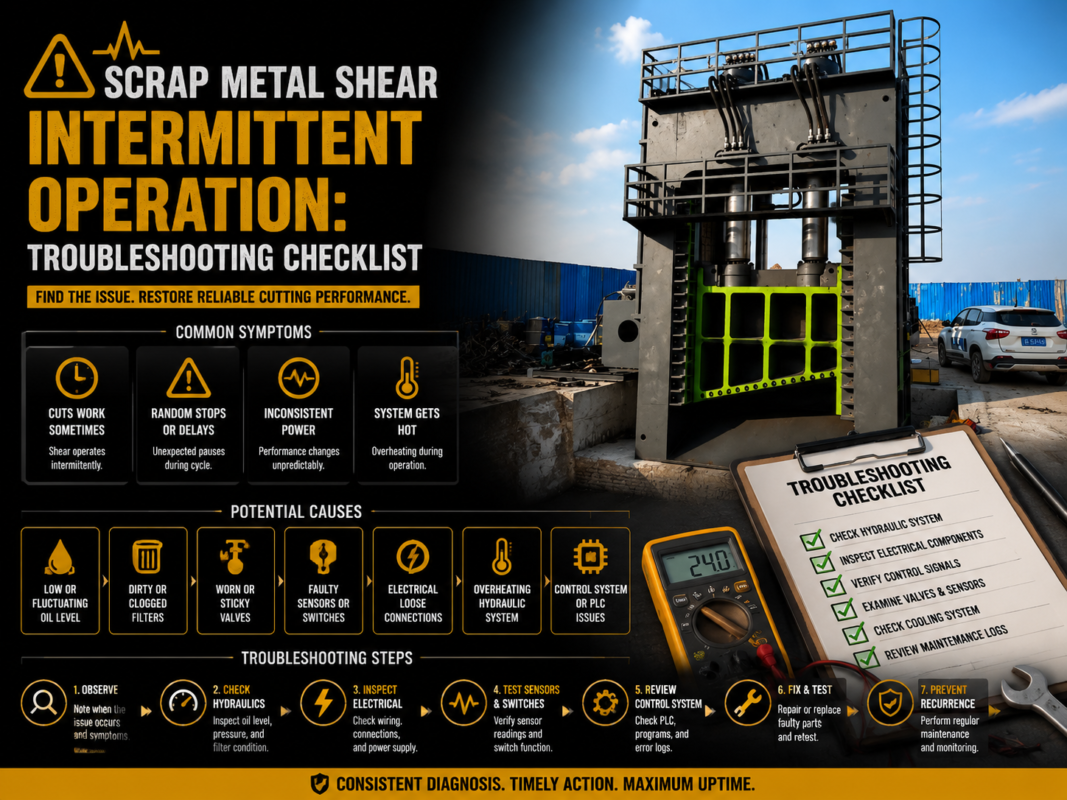
Sensors and limit switches play a vital role in the automated cycles of a container shear or guillotine shear. These sensors tell the PLC when the ram is fully retracted or when the lid is closed. If a limit switch is caked in grease or knocked out of alignment by a piece of scrap, the machine may attempt to cycle at the wrong time, leading to a mechanical collision. Wipe down all sensor faces and ensure their mounting brackets are tight as part of your daily electrical safety routine.
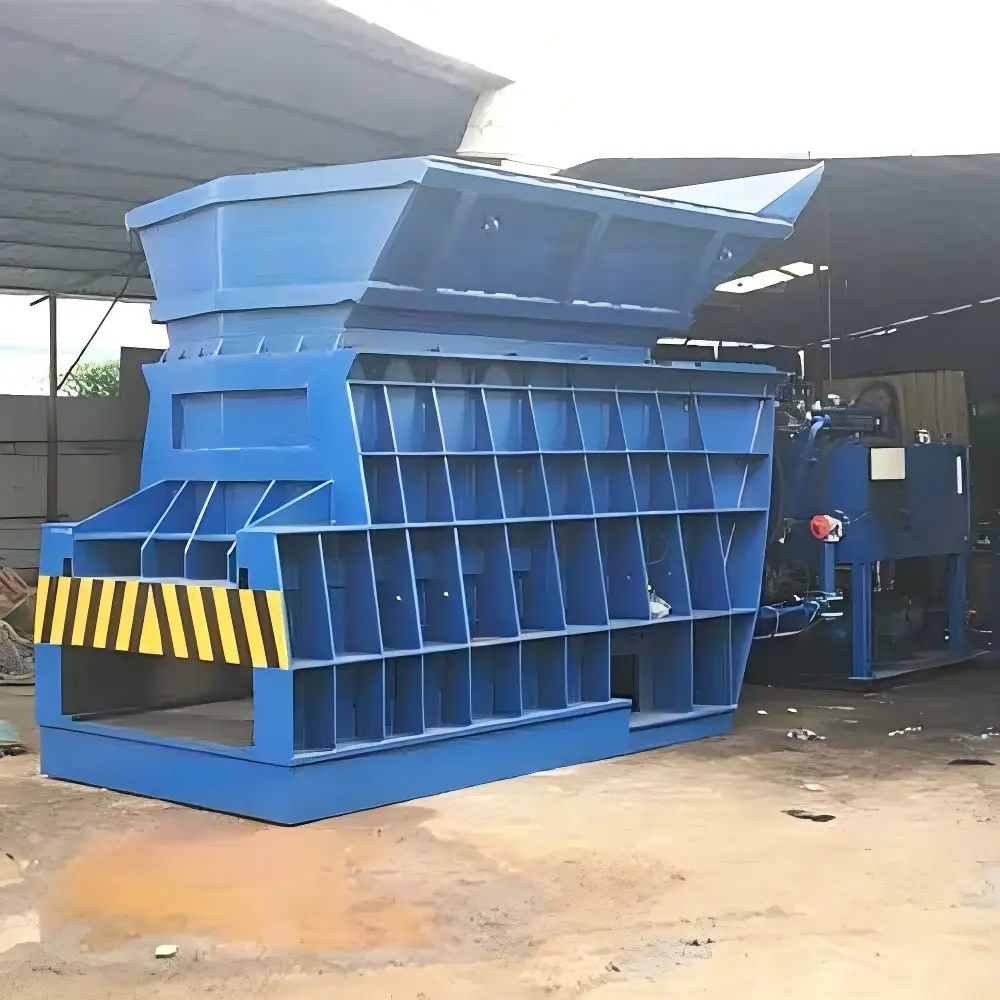
Mechanical Components and Blade Maintenance
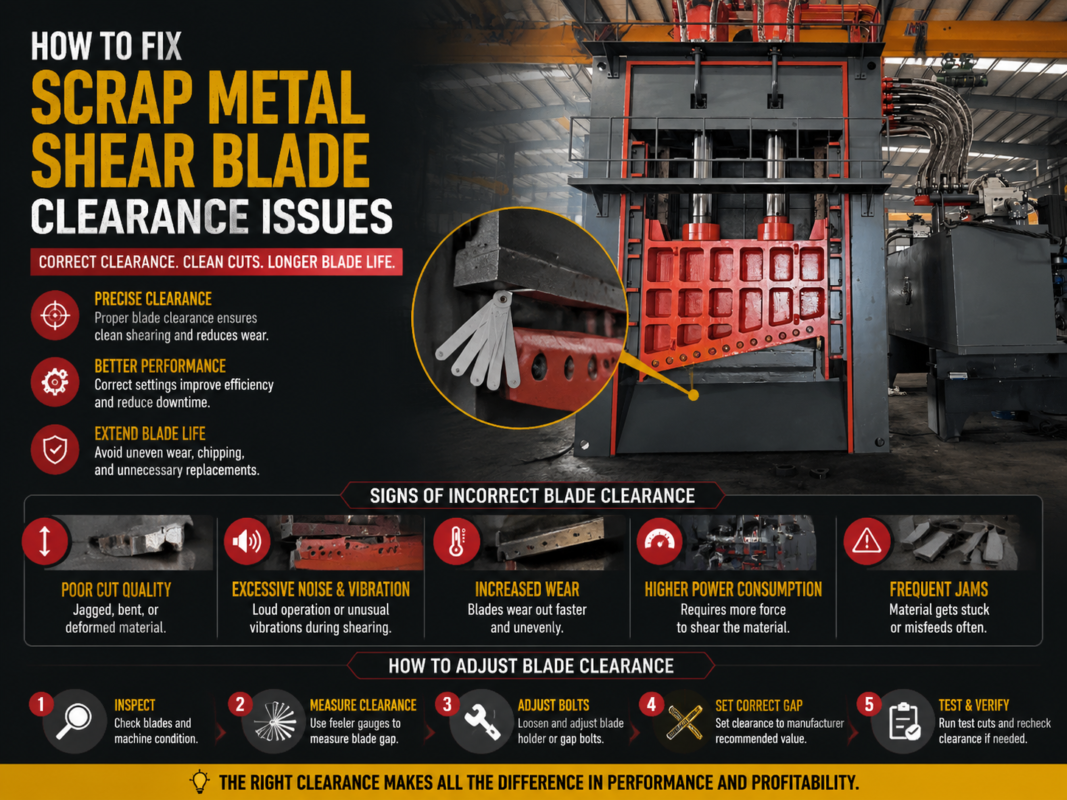
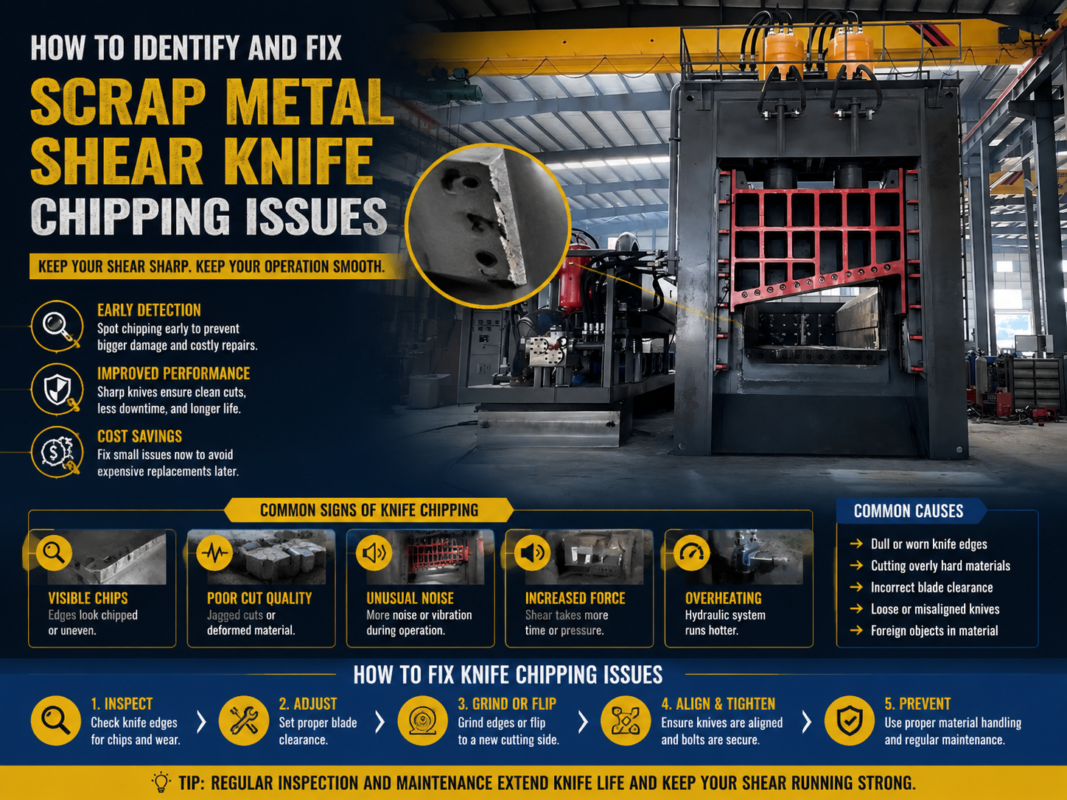
The mechanical ‘business end’ of the shear—the blades and the guide system—undergoes incredible stress. The blade gap is perhaps the most critical measurement in the entire machine. If the gap is too wide, the metal will ‘fold’ between the blades rather than being cut, which puts massive lateral force on the ram and can break the guide slides. If the gap is too narrow, the blades may collide, causing them to chip or shatter. Use a feeler gauge to check the blade clearance according to the manufacturer’s specifications for the thickness of the material being processed.
Inspect the blades for dullness or ’rounding’ of the edges. Dull blades require significantly more hydraulic pressure to cut, which increases heat and wear across the entire system. Most HARSLE shear blades are four-sided; if one edge is dull, the blade can be rotated to a fresh edge. However, this must be done with extreme caution, using proper lifting equipment, as these blades can weigh hundreds of pounds. Ensure that the blade seats are clean and free of debris before mounting a new or rotated blade.
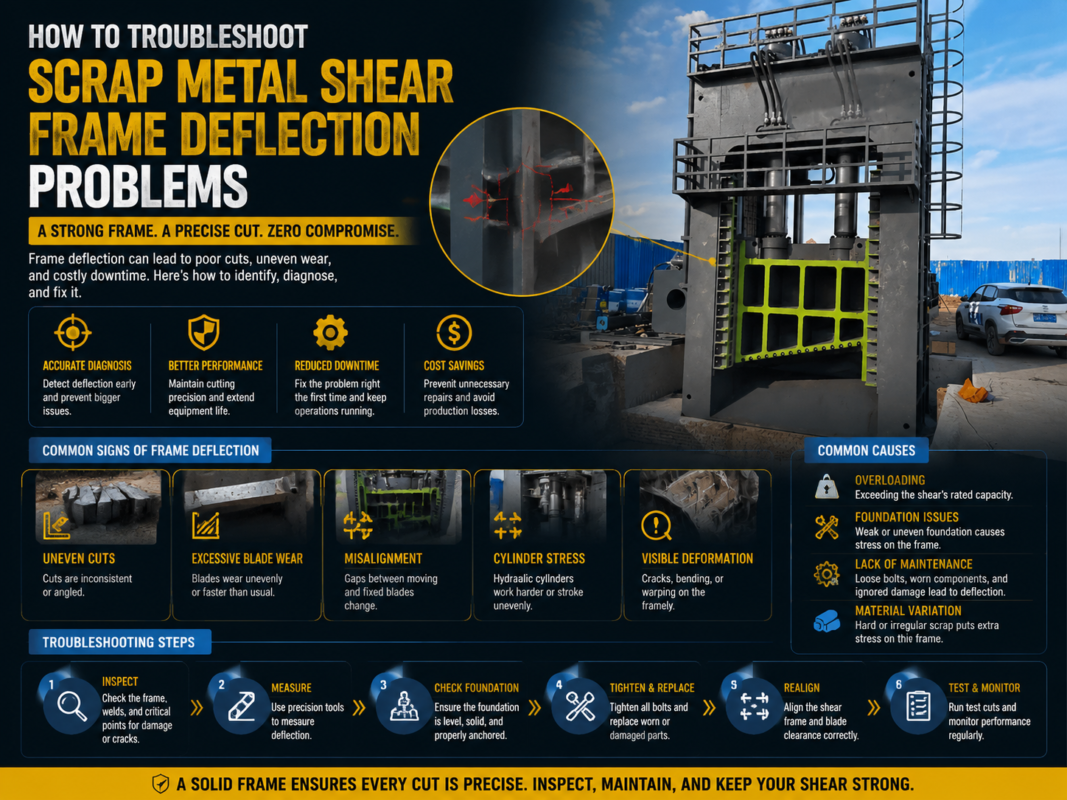
The guide system, which keeps the shearing ram aligned, must be checked for excessive play. If the ram can ‘wobble’ within its housing, the cut quality will suffer, and the internal seals of the main cylinder will wear unevenly. Check the wear plates (often made of bronze or specialized polymers) for thinning. These are sacrificial components designed to be replaced periodically. If you see metal-on-metal contact between the ram and the frame, stop operation immediately to prevent permanent structural damage.
The Lubrication Plan: Reducing Friction and Wear
Friction is the enemy of heavy machinery. A robust lubrication plan is the most cost-effective way to extend the life of a scrap metal shear. Most industrial shears utilize a centralized lubrication system that automatically pumps grease to critical pivot points and slide ways. However, the operator must still verify that this system is functioning. Check the grease reservoir daily and ensure that grease is actually reaching the intended points. You should see a small ‘bead’ of fresh grease at the edges of pins and bushings.
Different parts of the machine may require different types of lubricant. For example, the high-pressure pivot pins of the main shear arm require a heavy-duty, molybdenum-disulfide (moly) grease that can withstand extreme ‘squeeze-out’ forces. In contrast, the guide rails might require a lighter tackified oil that spreads evenly across the surface. Refer to your HARSLE manual for the specific lubrication grades required. In cold weather, you may need to switch to a lower-viscosity grease to ensure the automated pump can move the fluid through the lines.
Manual lubrication points should not be overlooked. Some secondary hinges or door latches may not be connected to the central system. These should be greased weekly. Furthermore, the lubrication of the scrap itself—though rare in scrap yards—can sometimes be necessary when processing particularly ‘sticky’ or non-ferrous alloys to prevent galling on the blade surfaces. A well-lubricated machine runs cooler, quieter, and more efficiently.
Post-Operation Checks: Securing the Machine for the Night
The Scrap Metal Shear Safety Checks Before After Operation are not complete until the machine is properly shut down and secured. After the final cut of the day, the operator should cycle the machine to its ‘safe’ or ‘home’ position. Usually, this means the shearing ram is fully retracted and the compression lid (if applicable) is closed to prevent moisture from accumulating on the machined surfaces of the cylinders. This also prevents the chrome plating on the cylinder rods from being exposed to the elements or accidental impact overnight.
Cleaning is a vital part of the post-operation routine. Use a rake or specialized tool to remove all small off-cuts and ‘fines’ from the shearing area. These small bits of metal can work their way into the guide tracks or under the blades, causing issues during the next day’s startup. Check the area under the machine for any new puddles of oil that may have appeared during the shift. A leak that develops under pressure might only be visible after the machine has been running for several hours.
Finally, perform a ‘lock-out’ procedure if the machine is to be left unattended. Turn off the main isolator switch and, if necessary, lock it to prevent unauthorized personnel from attempting to operate the machine. In many jurisdictions, this is a legal requirement. Document any issues found during the day in the machine’s logbook. If a hose looked slightly worn or a sensor was acting up, writing it down ensures that the maintenance team can address it before the next shift begins, preventing a minor observation from becoming a major failure.
Troubleshooting Signals: What Your Shear is Telling You
Experienced operators develop a ‘sixth sense’ for their machinery, but even a novice can learn to identify the warning signals of a failing shear. Vibration is one of the most common indicators. While some vibration is normal during a cut, a steady, rhythmic vibration while the machine is idling suggests a problem with the motor or pump alignment. If the vibration occurs only during the stroke, it may indicate that the guide slides are dry or that the blade gap is uneven.
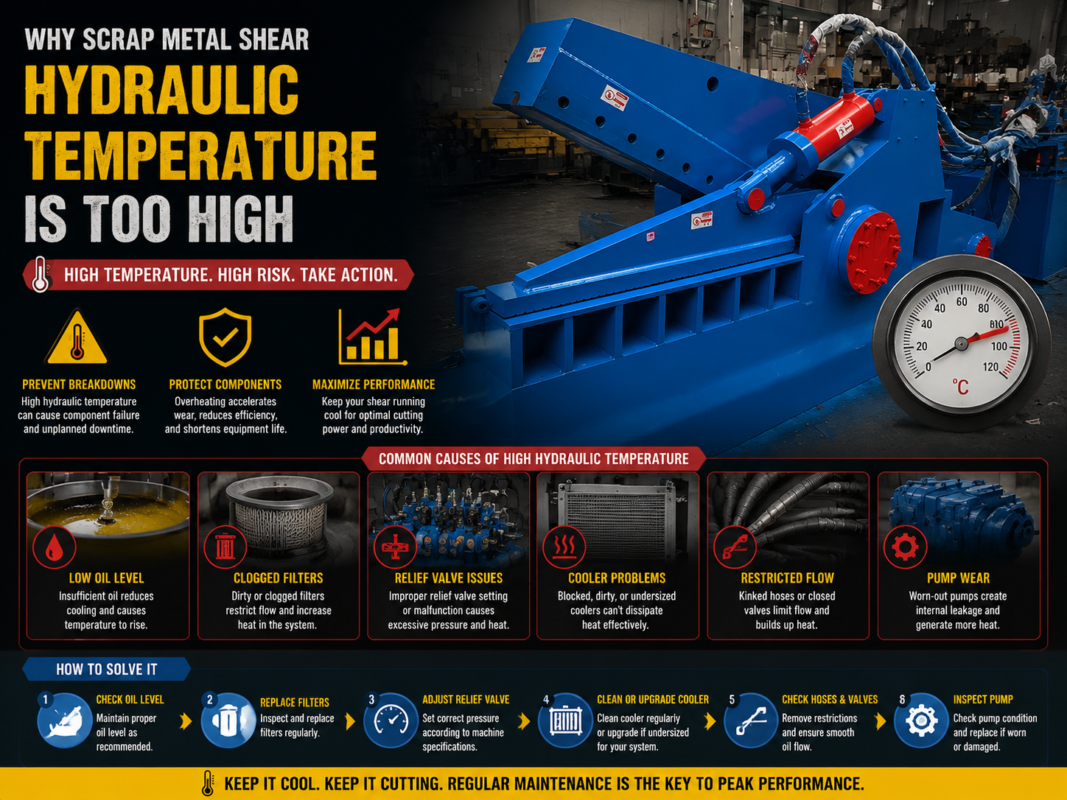
Heat is another critical signal. Use an infrared thermometer to check the temperature of the hydraulic tank and the main valve blocks. If the oil temperature exceeds 60-65°C (140-150°F), the cooling system is failing or the oil is bypassing a seal internally, generating friction heat. Similarly, if a specific bearing or pivot pin feels significantly hotter than the others, it is likely not receiving enough lubrication and is at risk of seizing.
Unusual noises provide immediate feedback. A ‘banging’ sound at the end of a stroke suggests that the hydraulic cushions are not working or that the mechanical stops are worn. A ‘hissing’ sound near a valve block indicates an internal leak where high-pressure oil is escaping past a spool. Finally, pay attention to the smell. The smell of burning oil or electrical insulation is an emergency signal; shut the machine down immediately and investigate the source before a fire occurs.
Maintenance Schedule Table
| Frequency | Component | Action Required |
|---|---|---|
| Daily | Hydraulic Oil | Check level and temperature; inspect for clarity. |
| Daily | Blades & Bolts | Visual check for chips, cracks, and tightness. |
| Daily | Safety Systems | Test E-stops and light curtains/guards. |
| Weekly | Blade Gap | Measure with feeler gauges; adjust if necessary. |
| Weekly | Grease Lines | Verify grease is reaching all pivot points. |
| Monthly | Hydraulic Filters | Check indicators; replace if contaminated. |
| Monthly | Electrical Cabinet | Vacuum dust; check for loose wire terminations. |
| Quarterly | Wear Plates | Measure thickness; replace if beyond limit. |
| Yearly | Hydraulic Oil Change | Complete flush and refill with high-grade oil. |
| Yearly | Structural Weld Inspection | Professional NDT (Non-Destructive Testing) of main frame. |
Frequently Asked Questions (FAQ)
1. How often should I rotate the blades on my scrap metal shear?
Blade rotation depends entirely on the volume and type of material you are processing. For heavy HMS1 (Heavy Melting Steel) processing, you may need to rotate or flip the blades every 200-400 operating hours. If you notice the shear is ‘tearing’ rather than ‘cutting’ the metal, it is time to inspect and likely rotate the blades.
2. What is the ideal hydraulic oil temperature for a HARSLE shear?
The ideal operating range is typically between 35°C and 55°C (95°F to 131°F). If the temperature drops below 20°C, you should allow the machine to idle and warm up the oil before shearing. If it exceeds 65°C, you should stop and check the cooling system to prevent seal damage.
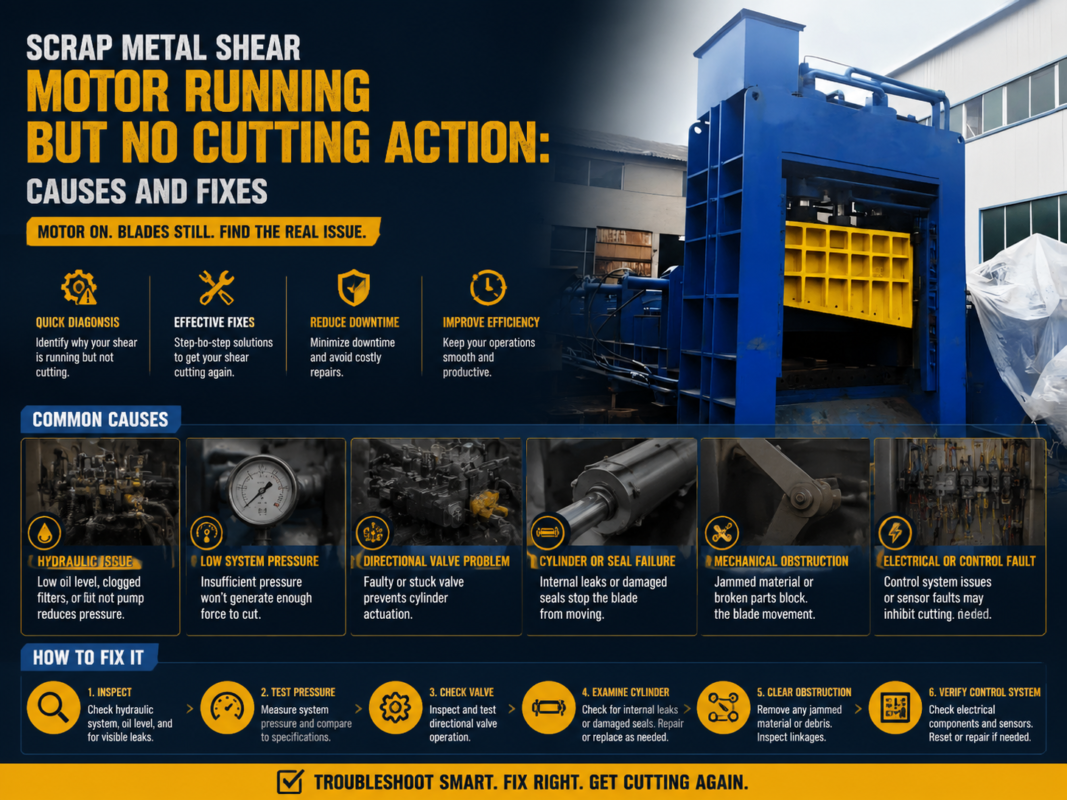
3. Why is my shear losing cutting power even though the pressure is high?
This is often caused by a dull blade or an excessive blade gap. If the blades cannot bite into the material, the pressure will build to the relief valve setting without completing the cut. Another possibility is internal leakage in the main cylinder, where oil is bypassing the piston seal.
4. Can I use any type of grease for the centralized lubrication system?
No. You must use the specific NLGI grade recommended by HARSLE. Using a grease that is too thick can clog the small distribution lines, while a grease that is too thin will not provide enough protection for the high-load pivot pins. Always use a ‘Extreme Pressure’ (EP) rated grease.
5. What should I do if I find a small hydraulic leak?
Never ignore a hydraulic leak. Even a small ‘drip’ can quickly turn into a ‘spray’ under the 300+ bar pressures used in scrap shears. Tighten the fitting if possible, but if the hose itself is damaged, it must be replaced before the machine returns to service.
6. How do I know if my blade gap is set correctly?
Refer to your machine’s technical manual. Generally, the gap is a percentage of the material thickness (often around 10%). If you are cutting a variety of thicknesses, set the gap for the thinnest material you expect to cut to ensure a clean shear across the board.